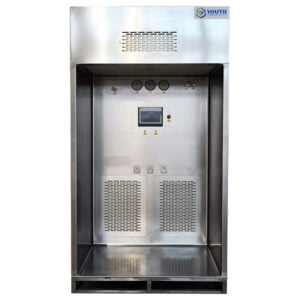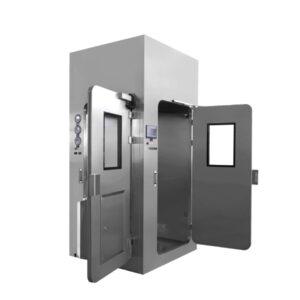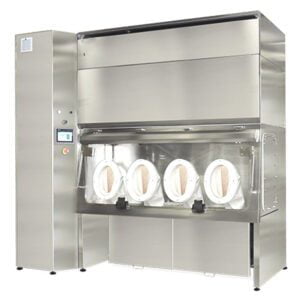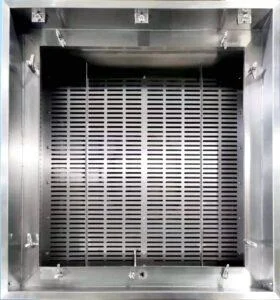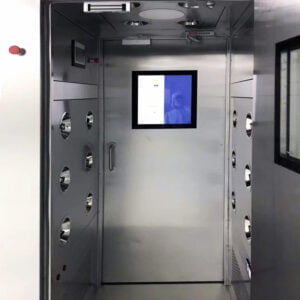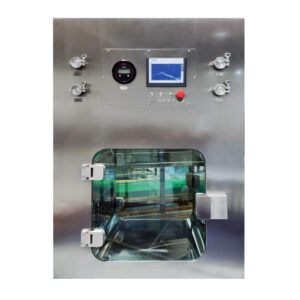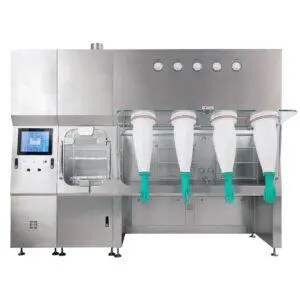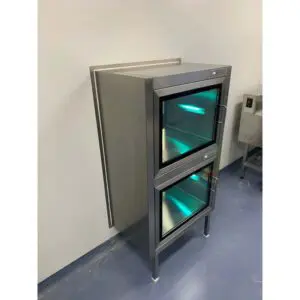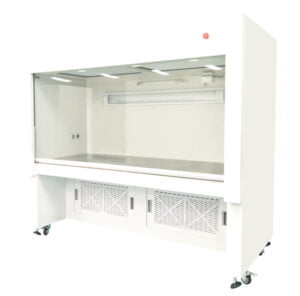
Selectarea clasei corecte de oțel inoxidabil pentru o cabină de cântărire este o decizie capitală esențială, cu consecințe operaționale și de conformitate pe termen lung. Alegerea între 304 și 316L este adesea simplificată la o dezbatere între costuri și calitate, ceea ce duce la nepotriviri ale materialelor care compromit controlul contaminării, integritatea instrumentelor și conformitatea cu reglementările. Un grad greșit aplicat poate introduce riscuri latente de coroziune, generare de particule și timpi de oprire neplanificați costisitori.
Această decizie este extrem de importantă acum, când industriile se confruntă cu un control de reglementare mai strict și cu materiale mai sensibile și de valoare mai mare. Cabina nu este doar o incintă fizică; este o componentă fundamentală a mediului controlat, cu impact direct asupra preciziei cântăririi, integrității datelor și purității produsului. O selecție strategică a materialelor aliniază cheltuielile de capital la performanța totală a ciclului de viață și la reducerea riscurilor.
Oțel inoxidabil 304 vs 316L: Explicarea diferențelor de bază
Definirea compoziției aliajului
Divergența fundamentală de performanță provine din chimie. Ambele sunt clase austenitice, dar AISI 316L încorporează molibden 2-3%. Acest singur element de aliere îi sporește dramatic rezistența la cloruri și medii acide. Clasa 304 oferă o rezistență generală excelentă la coroziune și o formabilitate excelentă, ceea ce o face un instrument de lucru versatil și rentabil. Molibdenul din 316L consolidează stratul de oxid pasiv, făcându-l indispensabil acolo unde rezistența chimică nu este negociabilă.
De la chimie la performanța aplicației
Această diferență de compoziție dictează funcția din lumea reală. Pentru construcția cabinelor de cântărire, calitatea trebuie să fie compatibilă cu substanțele manipulate și cu agenții de curățare utilizați. Rolul principal al cabinei în controlul contaminării înseamnă că degradarea materialului nu este doar o problemă de întreținere; este o sursă potențială de contaminare cu particule. Experții din industrie recomandă tratarea selecției materialului ca un parametru primar de control al calității, deoarece eșecul acesteia poate declanșa investigații de reglementare obligatorii și opriri ale producției.
Imperativul selecției bazate pe conformitate
Distincția de bază este fundamentală pentru conformitate. În analiza noastră a specificațiilor materialelor, am constatat că clasa necesară este dictată direct de corozivitatea procesului. O cabină concepută pentru ambalarea generală poate funcționa adecvat cu 304, dar una care manipulează ingrediente farmaceutice active (API) puternice necesită inerția 316L. Această decizie nu este opțională, ci este determinată de valoarea substanței și de profilul riscului de contaminare asociat.
Comparație între costuri: 304 vs 316L pentru cabine de cântărire
Analiza cheltuielilor inițiale de capital
Diferența de costuri inițiale este semnificativă. Datorită conținutului său de molibden, oțelul inoxidabil 316L are de obicei un cost inițial al materialului cu 20-40% mai mare pentru panouri, cadre și suprafețe de lucru. Această majorare este un considerent simplu de cheltuieli de capital. Cu toate acestea, concentrarea exclusivă asupra prețului de achiziție este o eroare strategică frecventă. Adevărata analiză financiară trebuie să cuprindă costul total de proprietate, unde riscurile operaționale depășesc adesea economiile inițiale.
Modelarea costului total al proprietății
Un model de cost complet trebuie să integreze variabile pe termen lung. Printre acestea se numără frecvența întreținerii, potențialul de renovare cauzată de coroziune și costul profund al întreruperilor de producție cauzate de contaminare. Protocoalele riguroase de calibrare pentru cântarele sensibile înseamnă că orice problemă de integritate a cabinei care necesită îndepărtarea sau recalibrarea cântarului introduce costuri substanțiale cu forța de muncă și timpii morți. Costul total de proprietate pentru 304 poate fi mai scăzut inițial, dar devine variabil și imprevizibil în medii corozive.
Costul ascuns al riscului operațional
Cel mai substanțial cost este adesea riscul. O defecțiune a cabinei poate compromite un întreg lot de material de mare valoare. Tabelul următor cuantifică principalii factori de cost, ilustrând faptul că investiția inițială mai mare în 316L generează adesea costuri previzibile pe termen lung și riscuri operaționale reduse.
Defalcarea costurilor pentru construcția cabinei
| Factor de cost | Grad 304 | Grad 316L |
|---|---|---|
| Costul inițial al materialului | Cost redus | 20-40% mai mare |
| Întreținerea pe termen lung | Vigilență moderată | Frecvență redusă |
| Risc de renovare | Risc mai mare de coroziune | Înlocuirea redusă a panoului |
| Riscul operațional | Potențiala contaminare oprește | Risc redus de contaminare |
| Costul total al proprietății | Inițial scăzut, variabil pe termen lung | Inițial mai mare, previzibil pe termen lung |
Sursă: Documentație tehnică și specificații industriale.
Care material este mai rezistent la coroziune?
Mecanismul rezistenței superioare
Oțelul inoxidabil 316L este fără echivoc mai rezistent la coroziune. Molibdenul acționează ca un agent de întărire în stratul pasiv, prevenind în mod specific coroziunea prin înțepături și fisuri în medii în care 304 s-ar degrada. Acest lucru este esențial în cântărirea farmaceutică, unde dezinfectanții pe bază de clor, substanțele chimice de proces sau chiar aerul sărat ambiental din instalațiile de coastă pot ataca calitățile inferioare. Această rezistență este un mecanism direct de control al contaminării.
Performanță împotriva agenților corozivi specifici
Rezistența nu este universală; ea este specifică agentului. Diferența de performanță crește semnificativ în prezența clorurilor, acizilor și agenților oxidanți. Pentru procesele care implică pulberi acide sau API de înaltă puritate, orice ion metalic care se scurge de pe o suprafață corodată este inacceptabil. Selecția trebuie să se bazeze pe un audit detaliat al tuturor expunerilor chimice, nu doar al materialului primar cântărit.
Corelarea coroziunii cu respectarea standardelor
Integritatea materialelor sprijină în mod direct conformitatea instrumentelor. Standarde precum GB/T 14249.2-1993 Instrument electronic de cântărire să stabilească criteriile de mediu pentru funcționarea instrumentului. Materialul cabinei trebuie să asigure menținerea acestor condiții, prevenind contaminarea prin propria degradare care ar putea afecta fiabilitatea instrumentului și validitatea măsurătorilor.
Rezistență comparativă la coroziune
| Agent coroziv | Grad 304 Performanță | Grad 316L Performanță |
|---|---|---|
| Cloruri și soluții saline | Predispus la înțepături | Rezistență excelentă |
| Mediile acide | Rezistență generală | Rezistență chimică superioară |
| Igienizatori agresivi (de exemplu, clor) | Se poate degrada | Esențial pentru curățarea dură |
| Condiții ambientale de coastă | Risc de degradare | Obligatoriu pentru protecție |
| Levigarea ionilor metalici | Risc potențial | Risc inacceptabil minimizat |
Sursa: GB/T 14249.2-1993 Instrument electronic de cântărire. Acest standard stabilește criteriile de mediu de bază pentru funcționarea instrumentului, informând în mod direct rezistența la coroziune necesară a materialelor cabinei pentru a asigura performanțe fiabile și pentru a preveni contaminarea din cauza degradării materialelor.
Performanță în medii industriale dure vs. standard
Definirea pragului operațional
Mediul dictează clasa. În condiții standard de interior, cu umiditate controlată și expunere minimă la substanțe chimice, 304 oferă suficientă curățenie și durabilitate pentru multe aplicații. Performanța sa este dovedită în zonele de producție generală și de ambalare cu risc scăzut. Pragul pentru trecerea la 316L este definit de prezența unor substanțe corosive specifice mediului sau procesului.
Impunerea 316L pentru condiții dificile
316L devine esențial în condiții dificile: umiditate ridicată, spray de sare, utilizarea frecventă a dezinfectanților agresivi sau manipularea compușilor puternici. În biotehnologie sau în cântărirea API, mediul este în mod deliberat dur din perspectiva validării curățării, necesitând reziliența superioară a 316L. Utilizarea acestuia este o măsură proactivă pentru a se asigura că cabina rezistă chiar protocoalelor concepute pentru menținerea sterilității.
Stabilitatea mediului și acuratețea instrumentului
Cabina trebuie să creeze un micromediu stabil pentru instrumentul de cântărire. Factori precum particulele induse de coroziune sau vaporii chimici pot interfera cu componentele sensibile. Standarde precum GB/T 7721-2017 Instrumente electronice de cântărire definesc stabilitatea operațională necesară, ceea ce face ca alegerea materialului să contribuie direct la îndeplinirea acestor criterii tehnice.
Ghid de aplicare pentru mediu
| Tipul de mediu | Grad recomandat | Justificare cheie |
|---|---|---|
| Standard Interior, controlat | 304 | Capacitate suficientă de curățare și durabilitate |
| Umiditate ridicată și spray de sare | 316L | Rezistență esențială la clorură |
| Utilizarea agresivă a dezinfectantului | 316L | Obligatoriu pentru reziliența chimică |
| Manipularea compușilor puternici/API | 316L | Previne levigarea ionilor metalici |
| Producție generală, risc scăzut | 304 | Răspunde nevoilor aplicațiilor non-critice |
Sursă: GB/T 7721-2017 Instrumente electronice de cântărire. Acest standard definește mediul operațional și criteriile de performanță pentru instrumentele de cântărire, necesitând selectarea materialelor pentru cabine care asigură stabilitatea mediului și protejează acuratețea instrumentului de elementele corozive.
Principalele cazuri de utilizare și aplicații industriale pentru fiecare grad
Clasa 304: Soluția de uz general
Clasa 304 își găsește locul în industriile în care riscul de coroziune este scăzut și rentabilitatea este prioritară. Aceasta include cântărirea generală a producției, zonele de ambalare a produselor alimentare și manipularea substanțelor chimice în vrac cu substanțe neagresive. Performanțele sale îndeplinesc cerințele generale de igienă și durabilitate, fără costuri ridicate. În aceste aplicații, funcția principală a cabinei este izolarea și separarea de bază a mediului.
Gradul 316L: Standardul pentru industrii stricte
Pentru industria farmaceutică, biotehnologie și microelectronică, 316L este standardul de facto. Utilizarea sa este determinată de cerințele cGMP în care validarea curățării, inerția materialelor și puritatea ultra-înaltă nu sunt negociabile. Este obligatoriu pentru cântărirea API, cabinele de distribuție pentru compușii citotoxici și pentru orice proces în care contaminarea încrucișată prezintă un risc financiar sau de siguranță extrem. Din experiență, specificarea 316L în aceste contexte este mai puțin o alegere și mai mult o condiție prealabilă pentru aprobarea reglementărilor.
Logica de selecție în funcție de aplicație
Împărțirea este clară: valoarea și profilul de risc al substanței manipulate dictează materialul. Materialele de mare valoare, sensibile sau periculoase justifică investiția în protecția superioară a 316L. Această logică se extinde la suportul echipament modular pentru camere curate și cabină de distribuție infrastructură, unde adesea este necesară consecvența materialelor în întregul sistem de izolare.
Matricea aplicațiilor industriale
| Industrie/Aplicație | Grad tipic | Șofer principal |
|---|---|---|
| Fabricarea generală Cântărire | 304 | Risc scăzut de coroziune |
| Prelucrarea și ambalarea alimentelor | 304 | Cerințe generale de igienă |
| Manipularea produselor chimice în vrac (risc scăzut) | 304 | Durabilitate rentabilă |
| Farmaceutică și biotehnologie (cGMP) | 316L | Validarea curățării și inerția |
| Dispensarea API și a compușilor citotoxici | 316L | Prevenirea contaminării este extrem de importantă |
| Fabricarea microelectronicii | 316L | Cerințe de puritate ultra-înaltă |
Sursă: Documentație tehnică și specificații industriale.
Considerații privind durabilitatea și întreținerea pe termen lung
Proiectarea duratei de viață și a integrității
Durabilitatea pe termen lung favorizează puternic 316L în medii corozive sau foarte igienizate. Acesta își menține stratul pasiv și integritatea structurală de-a lungul deceniilor, reducând probabilitatea apariției gropilor și a înlocuirii ulterioare a panoului. Clasa 304, deși durabilă, necesită o inspecție mai atentă pentru detectarea semnelor timpurii de atac, în special la suduri și îmbinări. Raportul cost-beneficiu al duratei de viață se îndreaptă către 316L atunci când mediul operațional depășește pragul ușor.
Protocoale de întreținere și muncă ascunsă
Întreținerea de rutină pentru ambele implică curățarea cu agenți compatibili. Cu toate acestea, variabila critică ascunsă este munca de calibrare. O cabină care prezintă coroziune poate necesita îndepărtarea mai frecventă a calcarului pentru întreținere sau decontaminare, ceea ce duce la timpi morți semnificativi. În plus, industria evaluează alternative; materialele ușoare și modulare, cum ar fi polimerii ranforsați cu fibre, oferă o reconfigurare mai ușoară și o sarcină structurală redusă, putând reduce costurile de modificare a instalațiilor pe termen lung în comparație cu structurile tradiționale sudate din oțel inoxidabil.
Legătura durabilitate-integritate a datelor
Durabilitatea nu se referă doar la longevitatea fizică. O suprafață deteriorată compromite capacitatea de curățare, crescând riscul de contaminare microbiană sau cu particule. Acest lucru amenință în mod direct integritatea datelor din procesul de cântărire. Cabina trebuie să protejeze starea de calibrare a instrumentului, un principiu subliniat de standardele care reglementează performanța senzorilor în medii controlate.
Selectarea gradului potrivit pentru aplicația dvs. specifică
Inițierea cu un audit al proceselor
Selecția este sistematică, nu speculativă. Începeți cu un audit cuprinzător al proceselor: cartografiați toate substanțele chimice, pulberile, detergenții și expunerile mediului ambiant. Această listă definește potențialul coroziv la care trebuie să reziste cabina. Auditul trebuie, de asemenea, să ia în considerare modificările viitoare ale procesului pentru a evita obsolescența prematură. Acest pas transformă selecția de la o presupunere la o decizie bazată pe date.
Alinierea cu mandatele de conformitate
Apoi, integrați analiza de reglementare. Pentru industriile reglementate de FDA sau EMA, adecvarea materialelor este adesea dedusă prin cerințe de validare. O cabină pentru cântărirea “prin variație” a API-urilor de mare potență, care acordă prioritate preciziei și prevenirii contaminării încrucișate, va necesita 316L. Materialul trebuie să suporte documentația și sarcina de validare a procesului pe care îl găzduiește.
Integrarea cu sistemele digitale și de automatizare
În cele din urmă, considerați cabina ca un nod de date integrat. Alegerea hardware-ului trebuie să fie compatibilă cu software-ul actual și viitor, cu automatizarea și integrarea roboților. Materialul și construcția nu trebuie să creeze un punct de defecțiune pentru integritatea datelor sau sistemele de trasabilitate. Cabina fizică trebuie să susțină fluxul de lucru digital.
Cadru decizional: Alegerea între 304 și 316L
O strategie în cinci etape a ciclului de viață
Un cadru solid trece de la specificațiile privind materialele la strategia privind întregul ciclu de viață. Acesta echilibrează performanța tehnică cu obiectivele operaționale, financiare și de conformitate. Această abordare structurată reduce riscul de a cheltui prea mult cu specificații excesive sau de a suporta costuri mai mari prin specificații insuficiente.
Executarea etapelor cadrului
Etapa 1: Auditul proceselor. Documentați fiecare expunere chimică și de mediu. Etapa 2: Analiza conformității și a riscurilor. Faceți referințe încrucișate între constatări și așteptările de reglementare pentru tipul dvs. de produs. Etapa 3: Modelarea costului total. Construiți un model care să încorporeze diferența de cost inițial 20-40%, întreținerea proiectată, timpii morți de calibrare și riscurile cuantificate de contaminare. Pasul 4: Pregătirea pentru viitor. Evaluați gradul de pregătire pentru integrarea și automatizarea software-ului. Etapa 5: Evaluarea flexibilității. Dacă este probabilă schimbarea procesului, evaluați costul reconfigurării materialelor modulare față de oțelul inoxidabil tradițional.
Alinierea cadrului cu standardele tehnice
Acest cadru decizional este fundamentat de standarde fundamentale. GB/T 23111-2008 Instrumente de cântărire neautomate, precum și adoptarea OIML R 76-1, oferă criteriile de conformitate de bază pentru mediile de funcționare a instrumentelor. Alegerea materialului trebuie să îndeplinească aceste cerințe de stabilitate și curățenie pentru a asigura operațiuni de cântărire valabile din punct de vedere legal.
Etapele cadrului decizional
| Pas | Acțiune de bază | Ieșire/ prag cheie |
|---|---|---|
| 1. Audit de proces | Cartografierea tuturor substanțelor chimice și a expunerilor | Lista agenților corozivi |
| 2. Conformitatea și analiza riscurilor | Alinierea la mandatele FDA/EMA | Cerințe privind gradul de reglementare |
| 3. Modelarea costului total | Modelul costurilor inițiale + ale ciclului de viață | 20-40% diferență de cost inițial |
| 4. Pregătirea pentru viitor | Evaluarea nevoilor de software/automatizare | Proiectare pentru integritatea datelor |
| 5. Evaluarea flexibilității | Evaluați alternativele modulare | Analiza costurilor de reconfigurare |
Sursa: GB/T 23111-2008 Instrumente de cântărire neautomate. Ca adoptare a OIML R 76-1, acest standard cuprinzător stipulează cerințele mediului de operare, oferind criteriile de conformitate fundamentale care trebuie să informeze cadrul de selecție a materialelor pentru a asigura operațiuni de cântărire valide.
Decizia între 304 și 316L depinde de o evaluare clară a agenților corozivi, a contextului de reglementare și a costului total al ciclului de viață. Dați prioritate unui audit aprofundat al proceselor și analizei conformității față de comparațiile inițiale de prețuri. Implementați cadrul în cinci pași pentru a alinia performanța materialelor cu integritatea operațională pe termen lung și cu cerințele de guvernanță a datelor.
Aveți nevoie de o evaluare profesională pentru aplicația dvs. specifică a cabinei de cântărire? Inginerii de la YOUTH vă poate ajuta să aplicați acest cadru decizional la procesul unic al unității dvs. și la peisajul de conformitate. Contactați echipa noastră tehnică pentru a discuta specificațiile proiectului dvs. și nevoile de validare a materialelor.
Întrebări frecvente
Î: Cum afectează conținutul de molibden din oțelul inoxidabil 316L performanța acestuia într-o cabină de cântărire farmaceutică?
R: Molibdenul 2-3% din 316L întărește stratul său de oxid pasiv, oferind o apărare superioară împotriva coroziunii prin înțepături și fisuri cauzate de cloruri, pulberi acide și dezinfectanți agresivi. Această inerție chimică sporită este esențială pentru prevenirea levigării ionilor metalici și a contaminării cu particule la manipularea API-urilor de înaltă puritate. Aceasta înseamnă că instalațiile care utilizează compuși puternici sau detergenți pe bază de clor ar trebui să acorde prioritate 316L pentru a îndeplini cerințele de validare a materialelor și de curățare cGMP.
Î: Care este diferența reală de cost între oțelul inoxidabil 304 și 316L pentru un proiect de cabină de cântărire?
R: Deși costul inițial al materialului 316L este cu 20-40% mai mare, costul total al proprietății trebuie să includă riscurile pe termen lung. Pentru 304, coroziunea potențială poate duce la recondiționări costisitoare și, mai grav, la opriri ale producției din cauza defectării cântarelor sau a contaminării care perturbă protocoalele riguroase de calibrare. În cazul proiectelor în care întreruperea funcționării implică un risc financiar sau de conformitate ridicat, prima pentru 316L este adesea justificată ca o investiție de protecție împotriva unor pierderi viitoare mult mai mari.
Î: Care sunt factorii de mediu care impun utilizarea 316L în locul 304 pentru construcția cabinelor de cântărire?
R: 316L este esențial pentru mediile dure cu umiditate ridicată, expunere la vapori de sare sau utilizarea regulată a dezinfectanților chimici agresivi. De asemenea, este obligatoriu pentru procesele care implică compuși acizi sau puternici, unde orice degradare a materialului este inacceptabilă. În cazul în care condițiile ambientale sau regimul de curățare al instalației dvs. introduc aceste elemente corozive, planificați 316L pentru a asigura integritatea pe termen lung a cabinei și pentru a preveni contaminarea care ar putea declanșa un control de reglementare.
Î: Cum influențează standardele privind instrumentele de cântărire, precum GB/T 7721-2017, selectarea materialelor pentru cabină?
R: Standarde precum GB/T 7721-2017 să definească mediul operațional necesar pentru precizia și fiabilitatea instrumentului. Materialele de construcție ale cabinei trebuie să susțină acest lucru prin asigurarea unei incinte stabile, curate și fără coroziune, care să reducă la minimum interferențele mediului. Aceasta înseamnă că alegerea materialului trebuie să faciliteze condițiile controlate specificate pentru operațiunile de cântărire conforme, legând direct durabilitatea cabinei de performanțele metrologice.
Î: Când ar trebui o instalație să ia în considerare materialele polimerice modulare în locul oțelului inoxidabil tradițional pentru o cabină de cântărire?
R: Luați în considerare polimerii ușori, întăriți cu fibre, atunci când flexibilitatea viitoare a proceselor și reducerea costurilor de modificare a instalațiilor sunt priorități importante. Aceste materiale modulare permit o reconfigurare mai ușoară decât oțelul inoxidabil sudat și necesită mai puțin suport structural. Dacă operațiunea dvs. anticipează modificări frecvente ale configurației sau caută să minimizeze munca de reconfigurare pe termen lung și timpii morți, evaluarea acestor alternative alături de 304 sau 316L ar trebui să facă parte din cadrul deciziei inițiale.
Î: Care este primul pas într-un cadru decizional pentru a alege între oțelul inoxidabil 304 și 316L?
R: Pasul fundamental este un audit aprofundat al procesului pentru a cartografia toate substanțele chimice, agenții de curățare și expunerile la mediul înconjurător cu care se va confrunta cabina. Acest lucru identifică potențialul coroziv care dictează clasa de material necesară. Dacă auditul dvs. relevă expunerea la cloruri sau agenți acizi, așteptați-vă să alegeți 316L pentru a asigura durabilitatea pe termen lung și conformitatea în medii reglementate, cum ar fi producția farmaceutică.
Conținut înrudit:
- Cabină de cântărire vs Cameră de cântar: Care este potrivită pentru dumneavoastră?
- Cabine de cântărire de precizie pentru industria farmaceutică
- Ce este o cabină de cântărire? Explicarea faptelor esențiale
- Creșteți productivitatea cu ajutorul cabinelor de cântărire automatizate
- Cântărirea rentabilității cabinei: Maximizarea investiției dvs.
- Tendințe emergente: Viitorul tehnologiei cabinelor de cântărire
- Ghidul final pentru cabinele de cântărire [Ediția 2025]
- 7 pași pentru calibrarea perfectă a cabinei dvs. de cântărire
- 5 caracteristici esențiale de siguranță în cabinele de cântărire moderne