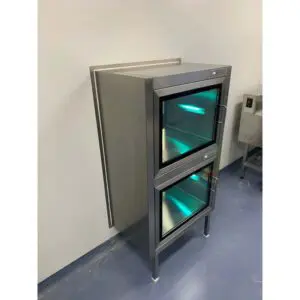
În operațiunile din camerele curate, transferul de materiale reprezintă o provocare persistentă pentru controlul contaminării. Alegerea tipului greșit de cutie de trecere poate compromite integritatea produsului, poate declanșa nerespectarea reglementărilor și poate necesita modernizări costisitoare. Alegerea între sistemele statice și cele dinamice nu este doar o decizie bugetară, ci un element fundamental al strategiei dumneavoastră de control al contaminării.
Această distincție a căpătat o importanță sporită odată cu evoluția așteptărilor în materie de reglementare, cum ar fi cele din anexa 1 revizuită GMP a UE, care subliniază o abordare bazată pe riscuri a proceselor de transfer. Înțelegerea celor opt diferențe cheie în ceea ce privește proiectarea, performanța și aplicarea este esențială pentru proiectanții de instalații, profesioniștii din domeniul asigurării calității și managerii operaționali pentru a face o investiție conformă, adecvată scopului, care să protejeze atât produsul, cât și procesul.
Cutie de trecere statică vs. dinamică: Diferența de design de bază
Definirea filosofiei inginerești
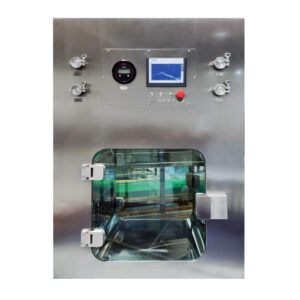
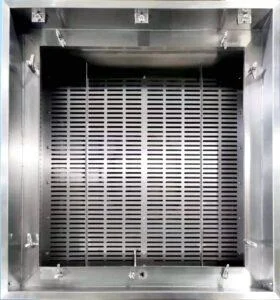
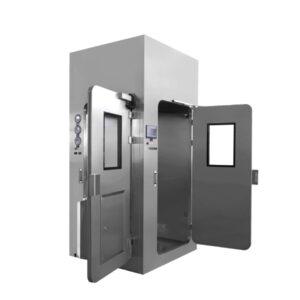
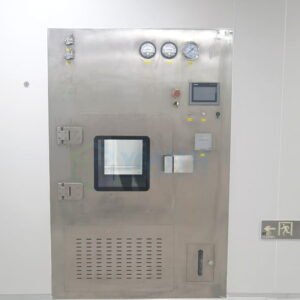
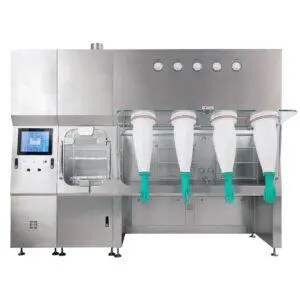
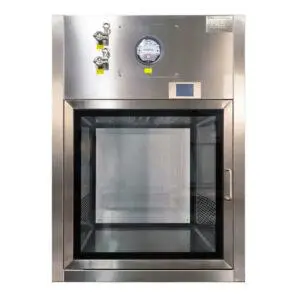
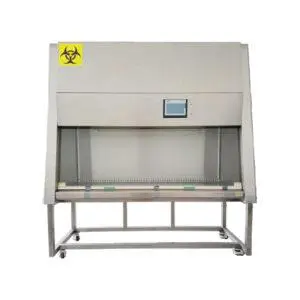
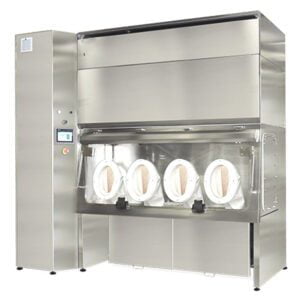
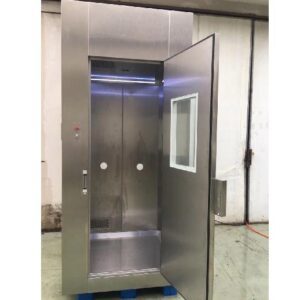
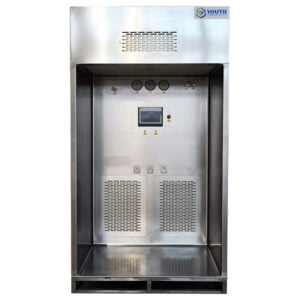
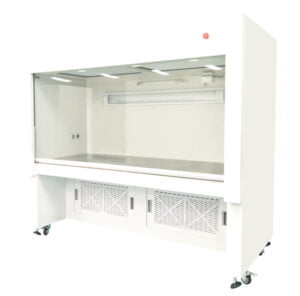
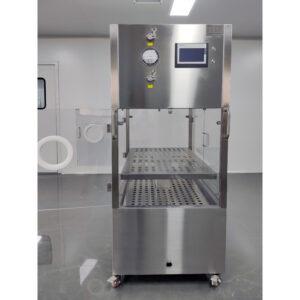
Divergența fundamentală este controlul pasiv versus controlul activ. O cutie de trecere statică este o cameră sigilată, încuiată. Aceasta acționează ca o barieră fizică, bazându-se pe controale procedurale precum ciclurile de decontaminare UV-C între transferuri. Nu există un sistem integrat de circulație a aerului. În schimb, o cutie de trecere dinamică este un sistem electromecanic activ. Acesta încorporează o suflantă și o filtrare HEPA/ULPA pentru a genera un flux de aer unidirecțional și laminar în interiorul camerei, purgând continuu particulele din aer.
Impactul asupra funcției și formei
Această filosofie de proiectare de bază dictează fiecare aspect operațional. Simplitatea unității statice înseamnă o amprentă mai mică și mai puține componente. Complexitatea unității dinamice necesită spațiu pentru ansamblul suflantei, băncile de filtre și, adesea, un panou de comandă. Performanța cutiei statice este discontinuă, legată de finalizarea ciclului. Cutia dinamică asigură o spălare continuă, activă, creând un micro-mediu ISO clasa 5 previzibil. Acesta nu este doar un detaliu tehnic, ci schimbă fundamental modul în care dispozitivul se integrează și vă protejează fluxul de lucru.
De la proiectare la așteptările de performanță
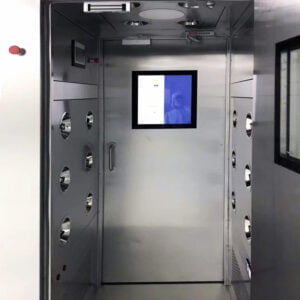
Alegerea designului stabilește plafonul de performanță. O cutie statică nu poate crea o perdea de aer de protecție sau preveni în mod activ pătrunderea particulelor în timpul deschiderii ușilor - eficacitatea sa este procedurală. O cutie dinamică este proiectată să facă exact acest lucru, funcționând ca o cameră de aer pentru materiale în miniatură. Experții din domeniu recomandă ca această diferență de proiectare să fie pusă în relație directă cu evaluarea riscurilor: pasivă pentru transferurile de aceeași clasă, cu risc scăzut; control tehnic activ atunci când sunt implicate limite de clasificare sau materiale cu risc ridicat.
Compararea costurilor: Costul de capital, de exploatare și costul total al proprietății
Analiza cheltuielilor de capital (CAPEX)
Investiția inițială variază semnificativ. Cutiile de trecere statice au costuri de capital mai mici datorită construcției lor mai simple - în esență, o cutie din oțel inoxidabil cu interblocări și lămpi UV. Cutiile de trecere dinamice necesită o investiție inițială mai mare pentru a acoperi motorul ventilatorului integrat, filtrele HEPA/ULPA, sistemele de control sofisticate și instrumentarul, cum ar fi manometrele diferențiale. Am comparat mai multe modele și am constatat că CAPEX pentru o unitate dinamică poate fi de două până la trei ori mai mare decât pentru o unitate statică de dimensiuni comparabile, o reflectare directă a capacității sale de performanță.
Înțelegerea costurilor operaționale și de întreținere
Costurile de exploatare diferă după instalare. Cutiile statice consumă o cantitate minimă de energie, în principal pentru lămpile UV și încuietorile ușilor. Întreținerea acestora este simplă, concentrându-se pe înlocuirea periodică a lămpilor UV. Boxele dinamice au costuri mai mari cu energia continuă din cauza funcționării continue a motorului ventilatorului. Întreținerea este mai riguroasă și mai predictivă, fiind axată pe monitorizarea sarcinii filtrelor prin intermediul presiunii diferențiale și pe programarea înlocuirii filtrelor HEPA înainte de defectare. Aceasta necesită personal calificat și timp de oprire planificat.
Calcularea costului total de proprietate (TCO)
O comparație financiară reală trebuie să se extindă la TCO, care include validarea. Conform cercetărilor efectuate de principalii furnizori de servicii de validare, calificarea cutiilor de trecere dinamice este semnificativ mai costisitoare. Aceasta necesită testarea integrității HEPA (DOP/PAO), cartografierea vitezei și uniformității aerului și verificarea numărului de particule per ISO 14644-3. Validarea cutiilor statice este mai puțin complexă. Cu toate acestea, cel mai mare risc de cost, adesea trecut cu vederea, este selectarea unei cutii statice atunci când este obligatorie o cutie dinamică - o decizie care poate duce la neconformitate, opriri ale producției și pierderi de loturi care depășesc cu mult economiile de capital.
Care sistem oferă performanțe superioare de control al contaminării?
Mecanismul de control
Performanța este dictată de designul principal. Cutiile de trecere statice oferă control al contaminării prin izolare procedurală și dezinfecție temporizată. Eficacitatea lor este discontinuă și depinde în mare măsură de respectarea de către operator a protocoalelor de ciclu. Cutiile de trecere dinamice utilizează un flux de aer laminar continuu filtrat HEPA ca un control tehnic primar. Acest sistem activ asigură curățarea particulelor în timp real și stabilește o perdea de aer de protecție peste deschiderea camerei în timpul transferurilor.
Performanță validată, automatizată
Un avantaj cheie al sistemului dinamic este automatizarea etapelor critice. Printre detaliile ușor de trecut cu vederea se numără modul în care cutiile dinamice utilizează temporizatoare programabile pentru a impune un ciclu obligatoriu de purjare - de obicei între 2 și 5 minute - între operațiunile ușii. Această etapă automatizată elimină dependența de disciplina operatorului, asigurând finalizarea de fiecare dată a unei perioade de decontaminare consecvente și validate, care reprezintă piatra de temelie a așteptărilor moderne privind integritatea datelor în mediile GMP.
Compararea performanțelor în practică
Tabelul de mai jos rezumă comparația directă a performanțelor dintre cele două sisteme, evidențiind motivul pentru care casetele dinamice sunt specificate pentru transferurile critice.
| Aspect de performanță | Caseta de trecere statică | Caseta de trecere dinamică |
|---|---|---|
| Control primar | Izolarea procedurală | Controlul tehnic |
| Fluxul de aer | Niciuna (pasivă) | Unidirecțional, laminar |
| Îndepărtarea particulelor | Discontinuă (cicluri UV) | Curățare HEPA continuă |
| Mediul intern | Cameră ambientală | Micro-mediu ISO clasa 5 |
| Automatizarea etapelor critice | Manual | Purjare programată (2-5 min) |
Sursă: EU GMP Anexa 1: Fabricarea medicamentelor sterile. Prezentul ghid abordează în mod explicit aplicarea și calificarea cutiilor de trecere statice și dinamice, definind rolurile acestora în cadrul unei strategii de control al contaminării și așteptările de performanță pentru fiecare tip.
Aplicație potrivită: Potrivirea tipului de cutie de trecere la transferurile de clasă pentru camere curate
Regula decizională principală
Factorul cel mai critic, nenegociabil, este clasificarea zonelor conectate în funcție de gradul de curățenie. Cutiile de trecere statice sunt adecvate numai pentru transferuri între zone adiacente ale același Clasificarea ISO, cum ar fi ISO 7 la ISO 7. Acestea sunt concepute pentru articole cu risc scăzut, cum ar fi bunuri ambalate sau unelte, pentru care controlul procedural este suficient. Cutiile de trecere dinamice sunt obligatorii pentru transferurile între zone de diferite clasificări, cum ar fi de la ISO 8 la ISO 6 sau un coridor într-o linie de umplere ISO 5.
Raționament bazat pe riscul de contaminare
Această regulă există pentru a preveni pătrunderea particulelor. Fluxul de aer laminar al unei cutii dinamice acționează ca o barieră, protejând zona de clasificare superioară de povara particulelor din zona mai puțin curată. Acest lucru o face esențială pentru transferul de materii prime, componente sau lucrări în curs în medii critice. Utilizarea unei cutii statice în acest scenariu încalcă principiile fundamentale de control al contaminării prezentate în standarde precum USP <797> Compoziție farmaceutică - preparate sterile, care impune controale pentru menținerea sterilității mediului de preparare.
Scenarii de aplicare și recomandări
O cartografiere clară a aplicațiilor în timpul fazei de proiectare este vitală pentru a evita capcana conformității de sub-specificare. Tabelul următor oferă o matrice de decizie clară bazată pe scenariul de transfer și pe risc.
| Scenariu de transfer | Tip recomandat | Justificare cheie |
|---|---|---|
| Aceeași clasificare (de exemplu, ISO 7 la ISO 7) | Caseta de trecere statică | Risc scăzut, control procedural suficient |
| Clasificare diferită (de exemplu, de la ISO 8 la ISO 6) | Caseta de trecere dinamică | Obligatoriu pentru prevenirea pătrunderii particulelor |
| Articole cu risc scăzut (bunuri ambalate) | Caseta de trecere statică | Potrivit pentru transferuri în aceeași clasă |
| Materiale cu risc ridicat (componente brute) | Caseta de trecere dinamică | Esențial pentru mediile critice |
Sursă: EU GMP Anexa 1: Fabricarea medicamentelor sterile. Ghidul prevede cerințe pentru dispozitivele de transfer, făcând din diferența de clasificare dintre zonele expeditoare și receptoare un factor principal, nenegociabil, în selectarea tipului adecvat de cutie de trecere.
Validarea, conformitatea și cerințele de întreținere comparate
Rigurozitatea și amploarea validării
Complexitatea validării este direct proporțională cu complexitatea sistemului. Validarea statică a cutiei de trecere este relativ simplă, concentrându-se pe funcționalitatea de blocare a ușii, calibrarea intensității luminii UV și precizia cronometrului, precum și etanșeitatea camerei. Validarea dinamică a casetei de trecere este extinsă. Aceasta trebuie să demonstreze integritatea filtrului HEPA prin testarea DOP/PAO, să confirme viteza și uniformitatea aerului pe fața filtrului, să verifice numărul de particule pentru a atinge clasa ISO internă specificată și adesea să includă testarea recuperării.
Rolul instrumentelor critice
Fiecare sistem se bazează pe instrumente diferite pentru verificarea și monitorizarea performanței. Pentru cutiile statice, un contor de lumină UV calibrat este esențial. Pentru cutiile dinamice, manometrul diferențial pe filtrul HEPA este instrumentul critic de întreținere predictivă. Din experiența noastră, monitorizarea tendinței de scădere a presiunii permite programarea proactivă a înlocuirii filtrului, prevenind defecțiunile neașteptate care ar putea opri producția și compromite integritatea lotului.
Compararea regimurilor de întreținere
Sarcina de întreținere reflectă diferența de proiectare. Întreținerea cutiilor statice este rară și simplă, implicând în principal înlocuirea lămpii UV. Întreținerea cutiei dinamice este o activitate programată, riguroasă. Aceasta include înlocuirea filtrelor, verificarea motorului ventilatorului și calibrarea senzorilor și a cronometrelor. Tabelul următor contrastează cerințele de bază, subliniind necesitatea unei planificări adecvate a resurselor.
| Cerință | Caseta de trecere statică | Caseta de trecere dinamică |
|---|---|---|
| Accentul principal pe validare | Întreruperi, intensitate UV | Integritatea HEPA, viteza aerului |
| Test cheie Standard | Specificații producător | ISO 14644-3 |
| Instrument critic | Contor de lumină UV | Manometru diferențial |
| Complexitatea întreținerii | Minimală | Riguroasă, predictivă |
| Sarcina principală de întreținere | Înlocuirea lămpii | Programarea înlocuirii filtrelor |
Sursă: ISO 14644-3: Camere curate și medii controlate asociate - Partea 3: Metode de încercare. Acest standard specifică metodele de testare, cum ar fi testarea integrității filtrului HEPA (DOP/PAO) și măsurarea vitezei aerului, necesare pentru validarea completă a cutiilor de trecere dinamice.
Considerații privind spațiul, integrarea și fluxul de lucru operațional
Complexitatea integrării instalațiilor
Integrarea fizică și a utilităților diferă semnificativ. Cutiile de trecere statice au o amprentă mică și nevoi simple - de obicei, doar energie electrică pentru interblocare și lămpi UV. Unitățile dinamice sunt mai complexe. Proiectarea acestora, fie că sunt recirculante (autonome) sau cu un singur pasaj (cu evacuare în încăpere sau conectate la sistemul HVAC al instalației), influențează sarcinile electrice, disiparea căldurii și eventualele cerințe privind conductele. Acest lucru necesită o colaborare timpurie cu inginerii instalațiilor în timpul fazei de proiectare.
Impactul asupra fluxului de lucru operațional
Tipul de cutie de trecere influențează în mod direct procedurile standard de operare (PSO). Cutiile statice depind de operatori pentru inițierea și finalizarea ciclurilor UV, introducând o variabilă dependentă de factorii umani. Cutiile dinamice cu cicluri de purjare automatizate standardizează timpul de transfer. Această automatizare nu numai că îmbunătățește consecvența, dar permite, de asemenea, înregistrarea ciclurilor, susținând pistele de audit și aliniindu-se tendințelor către sisteme “inteligente” și integritatea datelor în producția farmaceutică.
Planificarea pentru instalare și nevoi viitoare
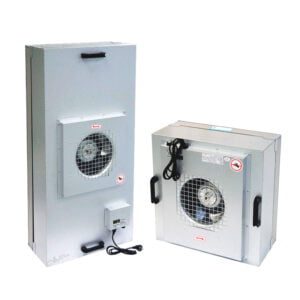
Este prudent să se ia în considerare flexibilitatea viitoare. În timp ce o cutie statică este o instalație relativ simplă, o unitate dinamică poate necesita o amplasare mai strategică în ceea ce privește accesul pentru schimbarea filtrelor și service. În plus, atunci când evaluați opțiuni precum o unitate de filtrare cu ventilator recirculant pentru zone curate localizate, se aplică aceleași principii de flux de aer, validare și integrare, subliniind importanța unui furnizor care înțelege integrarea totală a sistemului.
Static vs. dinamic: Avantaje, dezavantaje și criterii cheie de decizie
Avantaje și limitări sumarizate
Argumentele pro și contra sunt derivate direct din filosofia de proiectare de bază. Cutiile de trecere statice oferă costuri de capital reduse, simplitate operațională și întreținere minimă. Limitarea lor constă în faptul că oferă doar un control discontinuu, procedural, al contaminării. Cutiile de trecere dinamice asigură un control tehnic activ și validat și o protecție superioară pentru transferurile între clasificări. Compromisurile lor includ costuri de capital și operaționale mai ridicate și o mai mare complexitate a sistemului.
Criterii decizionale esențiale
Selecția ar trebui să se bazeze pe o ierarhie de criterii. Primul și cel mai important este diferența de clasificare între zone. În al doilea rând, o evaluare formală a riscurilor materialelor transferate. Al treilea este bugetul disponibil atât pentru validarea inițială, cât și pentru întreținerea pe termen lung. Al patrulea este strategia operațională și de conformitate pe termen lung a instalației. Un al cincilea criteriu emergent este nevoia de decontaminare avansată, unele cutii dinamice oferind acum cicluri VHP integrate pentru aplicații cu risc ridicat.
Prezentare comparativă pentru părțile interesate
Pentru a facilita discuțiile între echipele de inginerie, calitate și achiziții, este esențială o prezentare comparativă clară. Tabelul de mai jos distilează factorii cheie de decizie.
| Criterii | Caseta de trecere statică | Caseta de trecere dinamică |
|---|---|---|
| Controlul contaminării | Discontinuă, procedurală | Inginerie activă, validată |
| Costuri operaționale | Scăzut | Mai mare |
| Întreținere | Simplu, frecvență redusă | Complex, programat |
| Cea mai bună aplicație | Transferuri în aceeași clasă | Transferuri încrucișate de clasificare |
| Complexitatea integrării | Scăzut (putere simplă) | Mare (HVAC/încărcătură electrică) |
Sursă: Documentație tehnică și specificații industriale.
Alegerea cutiei de trecere potrivite: Un cadru de selecție pas cu pas
Etapa 1: Cartografierea fluxurilor de materiale și a clasificărilor
Începeți prin cartografierea definitivă a tuturor punctelor de transfer de materiale din unitatea dumneavoastră. Pentru fiecare punct, documentați clasificarea ISO a zonelor de expediere și de primire. Acest prim pas va clasifica imediat fiecare transfer fie în “aceeași clasă” (candidat static), fie în “clasificare încrucișată” (necesar dinamic), conform regulii principale stabilite în orientările de reglementare.
Pasul 2: Efectuarea unei evaluări formale a riscurilor
Pentru fiecare punct de transfer, evaluați profilul de risc al materialelor. Luați în considerare factori precum generarea de particule, starea de sterilitate și caracterul critic al procesului de primire. Această evaluare va valida sau va contesta selecția inițială bazată pe clasificare, asigurându-se că nivelul de control corespunde riscului.
Pasul 3: Evaluarea costurilor instalației și ale ciclului de viață
Analizați constrângerile practice de integrare: spațiul disponibil, capacitatea electrică și interacțiunile HVAC. Apoi, modelați costul total al proprietății. Utilizați datele de comparare a costurilor pentru a proiecta nu numai cheltuielile de capital, ci și costurile pe termen lung de validare, energie, schimbarea filtrelor și munca de întreținere pentru fiecare opțiune.
Etapa 4: Executarea evaluării furnizorilor și a tehnologiei
În cele din urmă, în evaluarea furnizorilor, priviți dincolo de specificațiile de bază. Evaluați capacitatea lor de personalizare, calitatea suportului lor de integrare și soliditatea serviciilor lor pentru ciclul de viață. Luați în considerare nevoile viitoare, cum ar fi capacitățile de înregistrare a datelor sau compatibilitatea cu metodele avansate de decontaminare, pentru a vă asigura că investiția rămâne viabilă pe măsură ce procesele și reglementările evoluează.
Decizia între cutii de trecere statice și dinamice este fundamentală pentru integritatea camerei curate. Prioritizați diferența de clasificare ca punct de plecare nenegociabil, apoi adăugați riscul material și analiza costului total al ciclului de viață. Această abordare structurată transformă selecția de la o simplă achiziție de echipamente la o decizie strategică privind conformitatea și controlul contaminării.
Aveți nevoie de îndrumare profesională pentru a specifica și valida soluția corectă de cutie de trecere pentru transferurile dvs. în camera curată? Inginerii de control al contaminării de la YOUTH vă poate ajuta să aplicați acest cadru la structura specifică a instalației dvs. și la fluxurile de materiale. Contactați-ne pentru a discuta despre cerințele proiectului dvs. și pentru a vă asigura că procesele dvs. de transfer sunt atât conforme, cât și optimizate.
Întrebări frecvente
Î: Când este obligatorie o cutie de trecere dinamică pentru conformitatea cu reglementările?
R: O cutie de trecere dinamică este o cerință strictă pentru transferurile între camere curate de diferite clasificări ISO, cum ar fi mutarea materialelor dintr-o zonă ISO 8 într-o zonă ISO 6. Aceasta este o limită de reglementare fundamentală pentru a preveni pătrunderea particulelor în zona curată. Pentru transferurile din aceeași clasă, poate fi permisă o unitate statică. Aceasta înseamnă că cartografierea fluxului de materiale trebuie să identifice definitiv clasificarea ambelor zone conectate înainte de a se putea face orice selecție.
Î: Cum diferă efortul de validare între casetele de trecere statice și dinamice?
R: Rigurozitatea validării este direct proporțională cu complexitatea sistemului. Validarea statică a boxelor se concentrează pe interblocarea ușilor, intensitatea UV și integritatea camerei. Validarea cutiilor dinamice este mult mai extinsă, necesitând testarea integrității filtrului HEPA, verificarea vitezei/uniformității fluxului de aer, numărarea particulelor și testarea recuperării conform standardelor precum ISO 14644-3. Acest lucru înseamnă că instalațiile care planifică pentru unități dinamice trebuie să aloce mult mai mult buget și timp pentru calificarea inițială și revalidarea periodică în planul lor operațional.
Î: Care sunt principalii factori de cost în costul total de proprietate pentru o cutie de trecere dinamică?
R: Dincolo de costul de capital mai ridicat pentru suflante și comenzi, costul total de exploatare pentru o unitate dinamică include consumul continuu de energie, înlocuirea periodică a filtrului HEPA și cheltuielile substanțiale ale protocolului de validare mai riguros. În schimb, o cutie statică are costuri minime de operare și întreținere. Pentru proiectele în care bugetul operațional pe termen lung este o constrângere, ar trebui să modelați aceste costuri recurente de validare și de înlocuire a filtrelor pe o perioadă de 5-10 ani.
Î: Cum îmbunătățește o cutie de trecere dinamică coerența fluxului de lucru operațional?
R: Utilizează un ciclu de purjare automat, programabil (de exemplu, 2-5 minute) care trebuie să se încheie înainte de deblocarea ușii interioare. Acest lucru impune o etapă obligatorie de decontaminare, eliminând dependența de disciplina operatorului și asigurând că fiecare transfer respectă un standard validat. Acest control automat sprijină inițiativele de integritate a datelor prin furnizarea unui eveniment înregistrat pentru pistele de audit. În cazul în care activitatea dumneavoastră se confruntă cu probleme legate de respectarea procedurilor, acest control tehnic standardizează procesul de transfer.
Î: Ce provocări legate de integrarea instalațiilor ar trebui să anticipăm cu o cutie de trecere dinamică?
R: Unitățile dinamice necesită o integrare mai complexă decât cutiile statice. Trebuie să luați în considerare dacă este necesar un design cu recirculare sau cu o singură trecere (canalizată), ceea ce influențează sarcinile electrice, disiparea căldurii și eventualele conducte HVAC. Orientările privind integrarea acestor echipamente în proiectarea camerelor curate sunt cuprinse în ISO 14644-4. Acest lucru înseamnă că o colaborare timpurie cu inginerii de instalații este esențială pentru a planifica spațiul, utilitățile și interacțiunile dintre sisteme.
Î: Ce practică de întreținere este esențială pentru prevenirea defecțiunilor dinamice ale cutiei de trecere?
R: Monitorizarea proactivă a manometrului diferențial de pe filtrul HEPA este esențială. Acest manometru indică încărcarea filtrului și servește ca instrument de întreținere predictivă pentru a programa înlocuirile înainte ca un filtru înfundat să cedeze, ceea ce ar putea opri producția sau compromite integritatea lotului. Cutiile statice nu au o componentă critică echivalentă. Pentru instalațiile care acordă prioritate timpului de funcționare, ar trebui să stabiliți un program strict de întreținere preventivă bazat pe tendințele diferenței de presiune, mai degrabă decât pe intervale de timp fixe.
Î: Cum abordează orientările GMP ale UE utilizarea cutiilor de trecere pentru producția sterilă?
A: EU GMP Anexa 1 abordează în mod explicit proiectarea și calificarea dispozitivelor de transfer, cum ar fi cutiile de trecere, în cadrul unei strategii de control al contaminării. Acesta prezintă așteptările atât pentru tipurile statice, cât și pentru cele dinamice, subliniind faptul că selectarea și utilizarea acestora trebuie să fie justificate prin evaluarea riscurilor. Aceasta înseamnă că protocolul dvs. de calificare și monitorizarea de rutină trebuie să se alinieze la principiile acestui ghid pentru protejarea sterilității produselor în timpul transferurilor de materiale.
Conținut înrudit:
- VHP vs. cutii de trecere tradiționale: Compararea diferențelor cheie
- Prognoza pieței VHP Pass Box: 2025-2030 Analiza creșterii
- Validarea cutiei de trecere VHP: Lista de verificare a conformității IQ/OQ/PQ
- Cerințe aerospațiale pentru cutia HEPA și standarde NASA
- Liniile directoare pentru fabricarea cutiilor de carcasă HEPA personalizate
- VHP Pass Box Controlul presiunii: Conformitate ISO 14644
- Ghidul complet de selectare și implementare a cutiilor de trecere pentru controlul contaminării camerelor curate: ediția 2025 cu cadrul de conformitate GMP și ISO 14644
- Aplicații de laborator VHP Pass Box: Cele mai bune practici de cercetare
- Sisteme HVAC pentru spitale: Ghid de implementare a boxelor HEPA