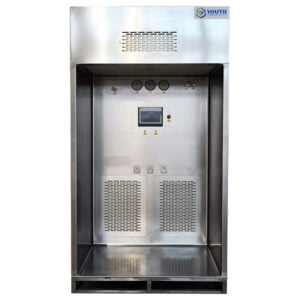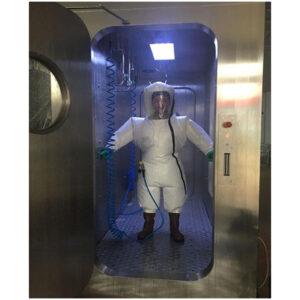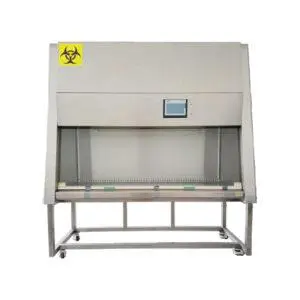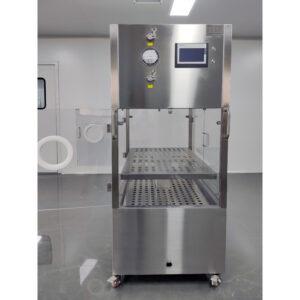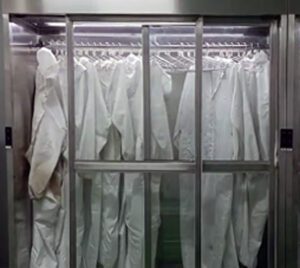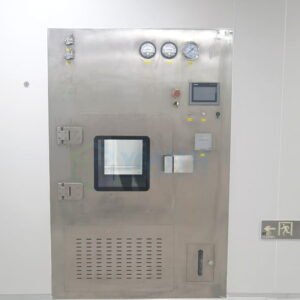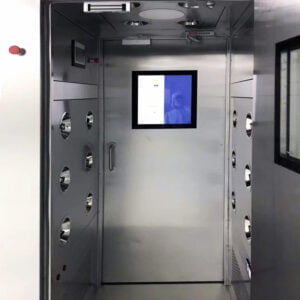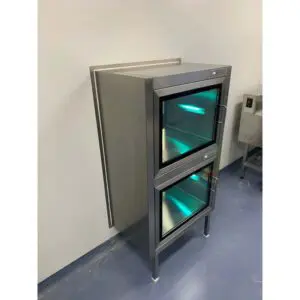
În operațiunile din camerele curate, transferul de materiale este un punct critic de control al contaminării. O cutie de trecere este mai mult decât un simplu dulap; este un mini-ambient controlat. Accesoriile integrate în designul său îi determină eficiența, fiabilitatea și conformitatea. Profesioniștii se concentrează adesea asupra unității primare, dar subestimează impactul operațional și strategic al sistemelor sale de sprijin. Această omisiune poate duce la lacune procedurale, timpi de inactivitate neașteptați și constatări de reglementare.
Selecția manometrelor diferențiale, a lămpilor UV și a sistemelor de alarmă influențează în mod direct asigurarea sterilității și costul total de proprietate. Aceste componente transformă un punct de transfer pasiv într-o barieră activă, monitorizată. Înțelegerea funcției și integrării lor este esențială pentru specificarea, validarea și întreținerea unui sistem care protejează atât integritatea produsului, cât și a procesului pe durata ciclului său de viață.
Modul în care manometrele diferențiale protejează filtrul HEPA
Funcția și principiul de măsurare
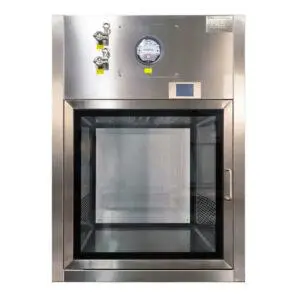
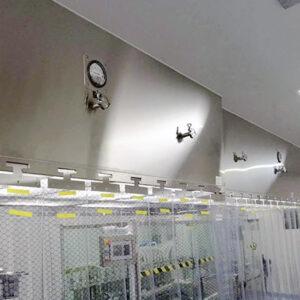
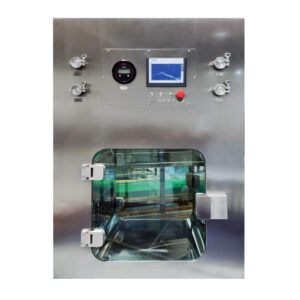
Un manometru diferențial este principalul instrument de întreținere predictivă pentru cutiile de trecere dinamice. Acesta măsoară căderea de presiune prin filtrul HEPA în pascali, afișând diferența dintre presiunea aerului mai mare din amonte și cea mai mică din aval. Această citire este un indicator direct al încărcării filtrului. Un filtru curat prezintă o rezistență minimă, dar pe măsură ce captează particule, rezistența fluxului de aer crește, crescând diferența măsurată. Acest indicator oferă primul punct de date obiectiv privind starea filtrului, făcând ca întreținerea să treacă de la un program bazat pe timp la o strategie bazată pe stare.
Interpretarea datelor pentru o acțiune proactivă
Monitorizarea acestui indicator nu este o observație pasivă. O creștere de aproximativ 250 Pa (25 mm WC) semnalează de obicei necesitatea înlocuirii filtrului. Acest prag previne defectarea catastrofală în cazul în care un filtru încărcat s-ar putea rupe sau ar putea reduce drastic fluxul de aer, compromițând ciclurile de purjare a camerei. Din punct de vedere strategic, aceste date permit programarea proactivă. Managerii instalațiilor pot planifica schimbarea filtrelor în timpul perioadelor de oprire planificate, minimizând riscul de contaminare și evitând opririle neplanificate ale producției. Această abordare este fundamentală pentru operațiuni fiabile și este impusă de standardele care reglementează performanța dispozitivelor separatoare.
Stabilirea unui nivel de referință al performanței
Valoarea inițială a căderii de presiune pentru un filtru nou, curat, stabilește valoarea de referință a performanței. Documentarea acestei valori în timpul punerii în funcțiune este esențială pentru comparațiile viitoare. Experții din industrie recomandă înregistrarea săptămânală a citirilor de presiune pentru a urmări curba de încărcare a filtrului. Am comparat înregistrările de întreținere ale echipelor reactive și proactive și am constatat că echipele care utilizează datele manometrice au redus incidentele neplanificate legate de filtre cu peste 70%. Prin urmare, acest accesoriu simplu este piatra de temelie a unei strategii de control al contaminării bazate pe date.
Rolul critic al lămpilor UV în decontaminarea suprafețelor
Mecanismul germicid și proiectarea siguranței
Lămpile UV-C oferă un strat suplimentar, fără contact, de protecție germicidă prin decontaminarea interiorului camerei și a obiectelor din interior. Emitând lumină cu lungimea de undă de 254 nm, acestea deteriorează ADN/RNA microbian, împiedicând replicarea. Pentru siguranța personalului, acestea sunt interconectate pentru a funcționa numai atunci când ambele uși sunt bine închise, după un ciclu de expunere prestabilit. Acest design asigură decontaminarea eficientă, eliminând în același timp riscul expunerii dăunătoare a operatorilor la razele UV, o caracteristică de siguranță nenegociabilă în orice instalație.
Durata de viață operațională și implicațiile asupra costurilor
Aceste lămpi au o durată de viață limitată și previzibilă - de obicei 4 000 de ore - după care puterea lor germicidă se degradează semnificativ. Acest lucru stabilește un cost de înlocuire și o sarcină de întreținere recurente care trebuie luate în considerare în bugetele operaționale. În plus, în mediile clinice sau farmaceutice, întregul design al cutiei de trecere trebuie să respecte protocoale riguroase de sterilizare între utilizări. Această cerință privind durabilitatea și capacitatea de curățare dictează adesea utilizarea unor materiale de calitate superioară, cum ar fi oțelul inoxidabil 316L, care prevalează asupra considerentelor privind costurile de bază în mediile reglementate în care compatibilitatea materialelor cu dezinfectanții este esențială.
Validarea specifică aplicației
Eficacitatea decontaminării UV nu este universală; aceasta depinde de timpul de expunere, de distanța față de sursă și de umbrirea suprafeței. În conformitate cu Ghidul FDA pentru industrie: Produse medicamentoase sterile produse prin procesare aseptică, orice metodă de decontaminare trebuie să fie validată pentru utilizarea prevăzută. Printre detaliile ușor de trecut cu vederea se numără necesitatea testării periodice a intensității cu ajutorul unui contor UV pentru a confirma că lămpile furnizează doza validată înainte de a ajunge la sfârșitul duratei lor de viață.
| Componentă | Specificații cheie | Considerații operaționale |
|---|---|---|
| Lungimea de undă UV-C | 254 nm | Efect germicid optim |
| Durata de viață a lămpii | 4000 ore | Ciclu de înlocuire previzibil |
| Caracteristica de siguranță | Blocarea ușii închise | Previne expunerea utilizatorului |
| Necesarul de materiale | Oțel inoxidabil | Rezistă la sterilizare riguroasă |
Sursă: Ghidul FDA pentru industrie: Produse medicamentoase sterile produse prin procesare aseptică. Aceste orientări pun accentul pe controlul riscurilor de contaminare în procesarea aseptică, susținând utilizarea metodelor validate de decontaminare și a materialelor adecvate pentru echipamentele din zonele critice.
De ce sistemele de alarmă și de interblocare sunt ne-negociabile
Asigurarea integrității procedurale
Sistemele de alarmă și de interblocare sunt elementele de siguranță fundamentale care asigură integritatea procedurii. Principala lor funcție este de a preveni deschiderea simultană a ambelor uși, cel mai mare risc de contaminare încrucișată într-o operațiune de trecere a cutiilor. Sistemele variază de la simple încuietori mecanice la controale electronice avansate care utilizează senzori, solenoizi și controlere logice programabile (PLC). Această funcție de bază este obligatorie pentru conformitate; fără ea, cutia de trecere este doar un dulap, nu o barieră controlată.
Îmbunătățiri electronice și factori de reglementare
Sistemele electronice de interblocare îmbunătățesc controlul și oferă dovezi verificabile. Acestea integrează indicatori vizuali de stare cu LED-uri, alarme sonore pentru încălcări ale protocolului și cronometre programabile de purjare care trebuie finalizate înainte ca ușa opusă să se deblocheze. Dintr-o perspectivă strategică, aceste sisteme sunt determinate în mare măsură de standarde de reglementare precum ISO 14644-7, transformându-le într-o caracteristică esențială pentru conformitate, mai degrabă decât într-un accesoriu opțional. Sofisticarea acestora constituie, de asemenea, baza logică pentru evoluția către sisteme “inteligente”, conectate la IoT, care permit jurnalele digitale și monitorizarea de la distanță.
Costul neconformității
Decizia de a specifica o interblocare mecanică de bază în detrimentul uneia electronice este rareori legată de reducerea costurilor. Din experiența mea în auditul instalațiilor, o defecțiune mecanică a sistemului de blocare trece adesea neobservată până când are loc un eveniment de contaminare, în timp ce un sistem electronic se defectează în condiții de siguranță, cu o alarmă imediată. Costul potențial al unei defecțiuni de sterilitate sau al unei observații de reglementare depășește cu mult investiția suplimentară într-un sistem de interblocare electronic fiabil cu feedback de alarmă.
Integrarea prefiltrelor și a porturilor de testare pentru conformitate deplină
Prelungirea duratei de viață a filtrului HEPA
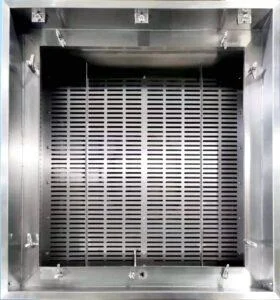
Un sistem complet conform integrează componente de sprijin precum prefiltrele și porturile de testare. Prefiltrele captează particulele mai mari (de exemplu, praf, fibre) în amonte, protejând filtrul HEPA, mai scump și mai important, de o încărcare prematură. Acest lucru prelungește durata de viață a filtrului HEPA, reducând în mod direct costurile de operare pe termen lung. Aceste pre-filtru trebuie verificate și înlocuite periodic, de obicei la fiecare una până la șase luni, în funcție de mediul ambiant și de frecvența de utilizare.
Permiterea testării in situ obligatorii
Porturile de testare DOP/PAO încorporate sunt esențiale pentru testarea integrității in situ a filtrului HEPA. Aceasta este o etapă de validare obligatorie în industriile reglementate pentru a confirma că filtrul nu are scurgeri și că este instalat corect. Prezența orificiilor de testare proiectate corespunzător permite această verificare critică a performanței fără a compromite integritatea incintei cutiei de trecere, permițând recertificarea de rutină, conform cerințelor sistemelor de calitate.
Se dezvăluie clasificarea strategică a produselor
Integrarea acestor caracteristici relevă ierarhizarea strategică a produselor de către producători. Cutiile statice de bază oferă doar separare fizică. Modelele dinamice combină filtrarea HEPA, manometrele și porturile de testare pentru a crea soluții diferențiate, pregătite pentru conformitate. Această combinare a accesoriilor permite furnizorilor să obțină prețuri mai mari pentru un risc redus de implementare. Prin urmare, echipele de achiziții trebuie să specifice caracteristicile exacte, nu doar numerele de model, pentru a se asigura că ofertele sunt comparabile și includ toate componentele necesare pentru validare.
| Accesoriu | Funcția | Interval de întreținere/utilizare |
|---|---|---|
| Pre-filtru | Captează particule mai mari | Înlocuire: 1-6 luni |
| Filtru HEPA | Filtrarea finală a particulelor | Înlocuire: ≥6 luni |
| Port de testare DOP/PAO | Testarea integrității in situ | Obligatoriu pentru validare |
| Clasificarea produselor | Caracteristici incluse în pachet | Creează niveluri de preț-performanță |
Sursă: ISO 14644-7: Săli curate și medii controlate asociate - Partea 7: Dispozitive de separare. Standardul specifică cerințele de proiectare și testare pentru dispozitivele de separare, care cuprind necesitatea sistemelor de filtrare și dispozițiile privind testarea in situ pentru a verifica performanța continuă.
Explicarea protocoalelor operaționale și a elementelor de siguranță
Definirea secvenței de transfer
Funcționarea eficientă se bazează pe protocoale definite, susținute de caracteristici de siguranță integrate. Un transfer standard presupune plasarea unui articol în cameră, închiderea și sigilarea ușii și, adesea, inițierea unui ciclu temporizat de purjare sau UV. Numai după finalizarea acestui ciclu, sistemul de interblocare va deschide ușa opusă. Sistemele electronice execută această secvență fără probleme, comutatoarele de proximitate permițând funcționarea fără atingere pentru a reduce și mai mult riscul de contaminare.
Prevenirea erorilor prin proiectare
Funcțiile precum alarmele ușă-ajar, luminile de stare pentru finalizarea ciclului și avertismentele sonore pentru secvențele incorecte nu sunt simple facilități. Acestea ghidează comportamentul utilizatorului și previn erorile procedurale. Acest design pentru un control procedural strict este intrinsec legat de cerințele de reglementare. Accesoriile furnizează dovezile verificabile - prin jurnalele ciclurilor și istoricul alarmelor - și protocoalele aplicate necesare pentru validarea proceselor în domeniul farmaceutic și biomedical.
Factorul uman
Chiar și cel mai bun sistem poate fi compromis de utilizatori slab instruiți. Cea mai frecventă greșeală este încercarea de a forța ușile să se deschidă atunci când un sistem de blocare este activat, deteriorând astfel mecanismul. Instruirea trebuie să sublinieze faptul că alarmele și interblocajele sunt elemente de protecție, nu obstacole. Un sistem bine conceput, cu indicii vizuale și sonore clare, reduce sarcina de instruire și îmbunătățește conformitatea generală cu PSO.
Programe de întreținere pentru fiabilitate și valoare pe termen lung
Ciclul costurilor previzibile
Fiabilitatea pe termen lung este dictată de un program de întreținere strict și recurent, care constituie o parte semnificativă a costului operațional total. Acestea nu sunt activități opționale, ci cerințe obligatorii pentru menținerea stărilor validate. Neglijarea acestui program riscă defectarea filtrului, pierderea asigurării sterilității și nerespectarea reglementărilor, ceea ce conduce la costuri mult mai mari decât întreținerea planificată în sine.
Intervale specifice componentei
Fiecare accesoriu are propriul său ciclu de viață. Pre-filtrele necesită cea mai frecventă atenție, cu verificări la fiecare 1-6 luni. Filtrele HEPA trebuie înlocuite cel puțin o dată la 6 luni sau atunci când manometrul diferențial indică pragul de 250 Pa. Lămpile UV trebuie înlocuite la sfârșitul duratei lor de viață de 4 000 de ore, indiferent de funcția aparentă. Achizițiile strategice trebuie să ia în considerare aceste cicluri previzibile ale costului pieselor și ale timpului de indisponibilitate al forței de muncă. Crearea unui inventar de piese de schimb bazat pe aceste intervale previne perioadele de nefuncționare prelungite.
Implementarea unui model de cost total al proprietății
Evaluarea unei cutii de trecere necesită un model de cost total de proprietate (TCO) care se extinde mult dincolo de cheltuielile inițiale de capital. O unitate mai ieftină, cu o durată de viață mai scurtă a filtrului sau cu accesorii scumpe, brevetate, poate deveni mai costisitoare în decurs de doi ani. Am comparat costul total de proprietate pentru mai multe modele și am constatat că un cost inițial mai mare cu 20% pentru o unitate cu filtre de dimensiuni standard și intervale de service mai lungi generează adesea un cost pe 5 ani mai mic cu 35%.
| Componentă | Acțiune de întreținere | Frecvență/condiție |
|---|---|---|
| Pre-filtru | Verificare și înlocuire | La fiecare 1 până la 6 luni |
| Filtru HEPA | Înlocuiți | La o cădere de 250 Pa sau 6 luni |
| Lampă UV-C | Înlocuiți | La o durată de viață de 4000 de ore |
| Cost total | Cheltuieli operaționale | Dincolo de cheltuielile de capital |
Sursă: Documentație tehnică și specificații industriale.
Selectarea accesoriilor potrivite pentru aplicația dvs. specifică
Adaptarea specificațiilor la nivelul de control al contaminării
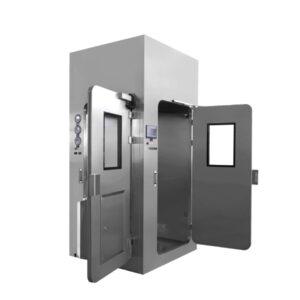
Selecția depinde de adaptarea specificațiilor tehnice la nivelul specific de control al contaminării și la nevoile operaționale. O cutie de trecere dinamică cu filtrare HEPA și un manometru este necesară pentru curățarea activă a aerului între zonele clasificate ISO. O cutie statică poate fi suficientă pentru separarea fizică de bază, unde controlul particulelor din aer este mai puțin critic. Necesitatea decontaminării suprafețelor impune integrarea lămpilor UV, în special atunci când se transferă articole care nu pot fi șterse.
Abordarea provocărilor operaționale specializate
Aplicațiile specializate necesită configurații specifice ale accesoriilor. Transferul de specimene lichide în recipiente deschise poate necesita un model cu placă turnantă pentru a roti articolele în vederea inspectării, menținând în același timp bariera de aer, împiedicând scurgerile. Transferul de echipamente grele sau voluminoase poate necesita o trecere cu uși motorizate și rafturi cu capacitate de încărcare. Acestea nu sunt decizii generice; ele necesită o înțelegere clară a fluxului de materiale și a evaluării riscurilor.
Navigarea într-un peisaj fragmentat al furnizorilor
Acest lucru evidențiază un peisaj fragmentat al furnizorilor cu multe modele comparabile. Echipele de achiziții trebuie să elaboreze specificații robuste ale cerințelor utilizatorului (URS) care să detalieze caracteristicile exacte - tipul de interblocare, eficiența filtrului, cerințele privind gabaritul, dimensiunile fizice - nu doar numerele modelelor. Acest lucru asigură o licitație precisă, similară, și evită furnizarea de opțiuni incompatibile sau supraevaluate care nu îndeplinesc nevoile reale ale procesului.
| Parametru | Valoare tipică / interval | Semnificație |
|---|---|---|
| Măsurarea presiunii | Pascali (Pa) | Indică sarcina filtrului |
| Picătură de filtru curată | Valoare inițială scăzută | Performanța de referință |
| Semnal de înlocuire | ~250 Pa (25 mm WC) | Schimbarea obligatorie a filtrului |
| Beneficiul monitorizării | Programare proactivă | Previne defecțiunile neașteptate |
Sursă: ISO 14644-7: Săli curate și medii controlate asociate - Partea 7: Dispozitive de separare. Acest standard reglementează proiectarea și performanța dispozitivelor de separare, cum ar fi cutiile de trecere, impunând sisteme de monitorizare pentru a asigura integritatea, care includ monitorizarea diferenței de presiune pentru performanța filtrului HEPA.
Considerații cheie pentru lista de verificare a accesoriilor Pass Box
Specificații tehnice și de conformitate
Lista de verificare finală trebuie să confirme mai întâi specificațiile tehnice și de conformitate de bază. Din punct de vedere tehnic, confirmați tipul de interblocare (mecanic/electronic), eficiența filtrului HEPA (99,97%+ pe 0,3µm per ISO 21501-4), domeniul de măsurare (0-500 Pa este tipic) și prezența porturilor standard de testare DOP/PAO. Din punct de vedere operațional, planificați ciclurile de întreținere obligatorii și verificați disponibilitatea și costul pieselor de schimb, cum ar fi lămpile și filtrele.
Integrare arhitecturală și fizică
Considerațiile strategice adesea neglijate implică integrarea arhitecturală. Dimensiunile fizice precise (interioare și exterioare) și disponibilitatea manșoanelor de extensie pentru adâncimi variabile ale pereților necesită o colaborare timpurie între inginerii de proces, managerii instalațiilor și arhitecți. Cutia de trecere este o instalație fixă; o nepotrivire descoperită în timpul instalării cauzează întârzieri și modificări costisitoare.
Asigurarea investiției pentru viitor
În cele din urmă, evaluați dacă sistemul este proiectat pentru a răspunde nevoilor viitoare. Sistemul de control are porturi neutilizate pentru adăugarea de senzori? Poate fi conectat la un sistem de gestionare a clădirii (BMS) sau conectat în rețea pentru înregistrarea datelor de întreținere predictivă? Asigurați-vă că investiția dvs. rămâne viabilă pe măsură ce standardele și tehnologia evoluează, protejându-vă capitalul pe termen lung. Pentru o gamă completă de cutii de trecere dinamice configurabile, concepute ținând cont de aceste accesorii critice, consultați specificațiile de unități de transfer de materiale pentru camere curate.
| Categorie | Specificație critică | Exemplu/ prag |
|---|---|---|
| Sistem de interblocare | Tip | Mecanic sau electronic |
| Filtru HEPA | Eficiență | ≥99.97% pe 0.3µm |
| Manometru | Intervalul de măsurare | 0-500 Pa |
| Integrare fizică | Adâncimea peretelui | Mâneci de extensie disponibile |
Sursă: ISO 14644-7: Săli curate și medii controlate asociate - Partea 7: Dispozitive de separare. Acest standard furnizează cerințele fundamentale pentru proiectarea și performanța cutiilor de trecere, informând în mod direct specificațiile critice pentru interblocări, filtrare și monitorizare pentru a asigura conformitatea.
Acordați prioritate accesoriilor care asigură conformitatea auditabilă și permit întreținerea predictivă. Manometrul diferențial și interblocarea electronică formează nucleul nenegociabil pentru orice aplicație dinamică. Lămpile UV și porturile de testare trebuie să fie justificate printr-o evaluare specifică a riscurilor, nu adăugate în mod implicit. Programul de întreținere trebuie să fie stabilit în timpul punerii în funcțiune și integrat în planul general de validare al amplasamentului.
Aveți nevoie de o soluție de cutie de trecere proiectată cu aceste accesorii esențiale pentru o performanță fiabilă și conformă? Echipa tehnică de la YOUTH vă poate ajuta să specificați un sistem adaptat nivelului dumneavoastră de control al contaminării și fluxului de lucru operațional. Pentru o consultare detaliată cu privire la cerințele specifice ale aplicației dumneavoastră, puteți, de asemenea Contactați-ne.
Întrebări frecvente
Î: Cum funcționează un manometru diferențial ca instrument de întreținere predictivă pentru o cutie de trecere?
R: Monitorizează căderea de presiune prin filtrul HEPA, măsurată în Pași Pascali. Pe măsură ce filtrul se încarcă cu particule, rezistența crește, crescând presiunea diferențială; o creștere tipică de 250 Pa semnalează necesitatea înlocuirii. Acest lucru înseamnă că instalațiile pot programa o întreținere proactivă, bazată pe condiții, pentru a preveni defectarea fluxului de aer, minimizând în mod direct riscul de contaminare și timpul de inactivitate neplanificat pentru o mai bună planificare a costului total de proprietate.
Î: Care sunt principalele caracteristici de conformitate și siguranță pe care trebuie să le căutați într-un sistem de interblocare a cutiilor de acces?
R: O caracteristică nenegociabilă este un sistem care împiedică fizic deschiderea simultană a ambelor uși. Versiunile electronice îmbunătățesc controlul cu temporizatoare de purjare programabile, alarme de deschidere a ușii și lumini de stare. Această funcție de bază este impusă de standardele pentru dispozitive separatoare, cum ar fi ISO 14644-7. Pentru proiectele de procesare aseptică, aceasta este o caracteristică critică de conformitate care formează, de asemenea, fundația pentru conectivitatea IoT viitoare și jurnalele digitale.
Î: De ce este esențial un model de cost total de proprietate atunci când se selectează o cutie de trecere?
R: Prețul inițial de achiziție este doar o componentă; costurile pe termen lung sunt dictate de ciclurile stricte și recurente de întreținere. Acestea includ înlocuirea prefiltrelor la fiecare 1-6 luni, a filtrelor HEPA la o cădere de presiune de 250 Pa și a lămpilor UV la sfârșitul duratei lor de viață de 4000 de ore. Dacă operațiunea dvs. necesită o asigurare validată și continuă a sterilității, trebuie să bugetați aceste costuri previzibile pentru piese și manoperă pentru a evita neconformitatea cu reglementările și pierderea integrității produsului.
Î: Cum se integrează lămpile UV-C în protocolul de siguranță și decontaminare al unei cutii de trecere?
R: Lămpile UV-C oferă protecție germicidă suplimentară prin deteriorarea ADN-ului microbian cu ajutorul luminii de 254 nm. Acestea sunt blocate în siguranță pentru a funcționa numai atunci când ambele uși sunt închise în timpul unui ciclu de expunere stabilit. Aceasta înseamnă că, pentru aplicațiile clinice sau farmaceutice care necesită decontaminarea suprafețelor, trebuie să planificați durata de viață limitată a lămpii și să vă asigurați că materialele camerei pot rezista protocoalelor de curățare riguroase, ceea ce necesită adesea o construcție din oțel inoxidabil de calitate superioară.
Î: Ce accesorii de sprijin sunt esențiale pentru validarea și protecția filtrelor HEPA in-situ?
R: Porturile de testare DOP/PAO încorporate sunt esențiale pentru testarea obligatorie a integrității in situ a filtrului HEPA. Prefiltrele instalate în amonte captează particulele mai mari, prelungind durata de viață a costisitorului filtru HEPA. Această integrare relevă clasificarea strategică a produselor de către producători. Pentru o conformitate deplină în industriile reglementate, fișa dvs. de specificații trebuie să solicite în mod explicit aceste caracteristici grupate, nu doar un număr de model de bază, pentru a asigura o licitație corectă și a evita blocajele de validare.
Î: Cum se aliniază protocoalele operaționale pentru o cutie de trecere cu cerințele de reglementare?
R: Protocoalele eficiente, cum ar fi un ciclu de purjare temporizat între operațiunile ușii, sunt puse în aplicare de interblocări și senzori electronici integrați. Caracteristici precum alarmele de blocare a ușii și luminile de stare ghidează comportamentul utilizatorului pentru a preveni abaterile de la proceduri. Această concepție pentru un control strict este intrinsec legată de cerințele de reglementare prezentate în documente precum Ghidul FDA pentru prelucrarea aseptică, făcând aceste accesorii indispensabile pentru furnizarea de dovezi verificabile ale conformității.
Î: Ce specificații tehnice sunt cele mai importante atunci când se creează o listă de verificare a achizițiilor de cutii de trecere?
R: Din punct de vedere tehnic, confirmați tipul de blocare, eficiența filtrului HEPA (de exemplu, 99,97% pe 0,3µm), intervalul manometrului diferențial (de exemplu, 0-500 Pa) și prezența porturilor de testare. Din punct de vedere operațional, planificați ciclurile de întreținere obligatorii și disponibilitatea pieselor de schimb. Din punct de vedere strategic, dacă instalația dvs. necesită monitorizarea mediului, asigurați-vă compatibilitatea cu contoare de particule calibrate la standarde precum ISO 21501-4. Aceste specificații timpurii evită ofertele incompatibile și garantează că sistemul îndeplinește atât nevoile de validare actuale, cât și cele viitoare.
Conținut înrudit:
- Prognoza pieței VHP Pass Box: 2025-2030 Analiza creșterii
- Explicarea principiilor de funcționare ale Pass Box: Mecanisme de interblocare, dinamica fluxului de aer și proiectarea ciclului de sterilizare UV pentru aplicații în camere curate
- Ghidul complet de selectare și implementare a cutiilor de trecere pentru controlul contaminării camerelor curate: ediția 2025 cu cadrul de conformitate GMP și ISO 14644
- VHP Pass Box Controlul presiunii: Conformitate ISO 14644
- VHP vs. cutii de trecere tradiționale: Compararea diferențelor cheie
- Interblocare electronică vs. Interblocare mecanică în cutiile de trecere: Care sistem oferă un control mai bun al contaminării?
- Validarea cutiei de trecere VHP: Lista de verificare a conformității IQ/OQ/PQ
- Cerințe privind presiunea diferențială a cutiei de trecere: Cum să mențineți un flux de aer optim între zonele camerei curate
- Sisteme de filtrare HEPA | Specificații echipamente de tratare a aerului