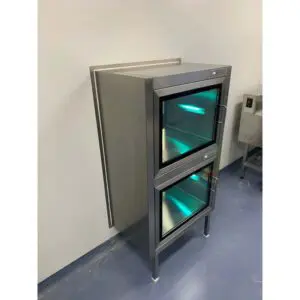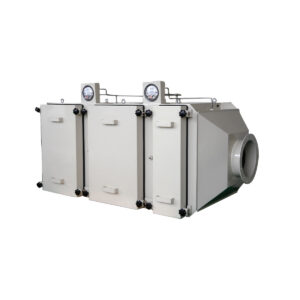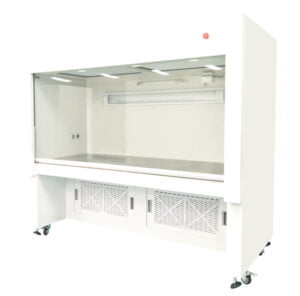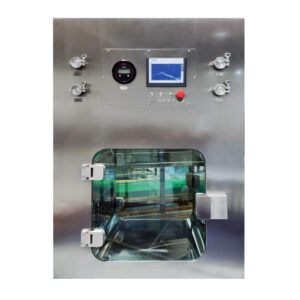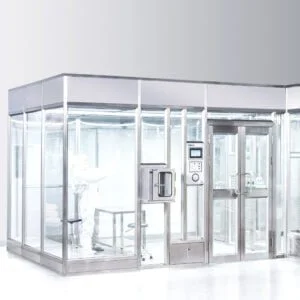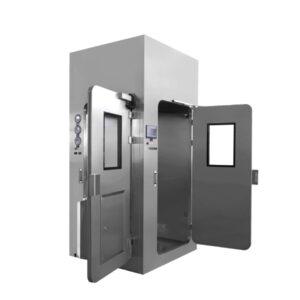
Проверка на стерильность является одной из заключительных мер контроля, применяемых для подтверждения микробиологического качества стерильных фармацевтических препаратов, биологических препаратов, офтальмологических средств, лекарственных средств для инъекций и медицинских изделий. Однако достоверность результатов проверки на стерильность зависит не только от метода испытания, но и от условий, в которых проводится испытание.
Изолятор для тестирования на стерильность создает контролируемый физический барьер между процессом тестирования, оператором и окружающим лабораторным пространством. При надлежащем проектировании, аттестации, дезинфекции, мониторинге и эксплуатации изолятор позволяет снизить риск получения ложноположительных результатов из-за воздействия микроорганизмов из окружающей среды или действий оператора.
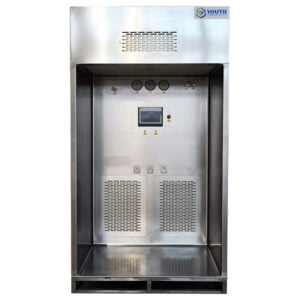
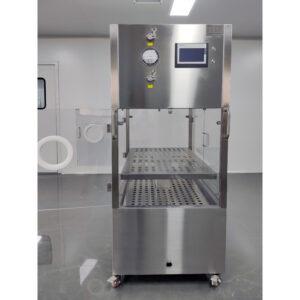
Изоляторы для тестирования стерильности типа YOUTH могут быть сконфигурированы с учетом различных объемов испытаний, форматов продукции, методов переноса, планировок лабораторий и требований по контролю загрязнения. Вместо того чтобы рассматривать изолятор как автономную камеру, при его проектировании следует интегрировать системы воздушного потока, фильтрации, регулирования давления, перчаточных систем, передачи материалов, биологической деконтаминации, мониторинга, эргономики, автоматизации и поддержки валидации.
Что такое изолятор для проведения тестов на стерильность?
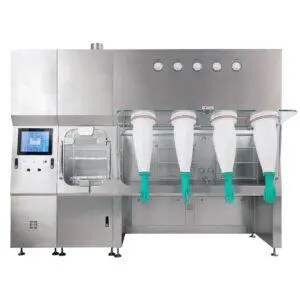
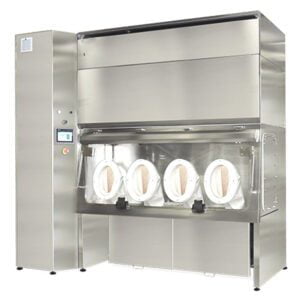
Изолятор для проверки стерильности представляет собой герметичную барьерную систему, предназначенную для создания и поддержания контролируемой среды при проведении испытаний на стерильность. Операторы работают с образцами, питательными средами, фильтрующими узлами, инструментами и отходами через герметичные перчаточные порты, не помещая руки непосредственно в критическую рабочую зону.
Изолятор разделяет три важных элемента:
- Процесс проверки стерильности
- Лаборант
- Условия в помещении
Такое физическое разделение способствует снижению риска загрязнения, связанного с персоналом, воздухом в помещении, материалами, перемещением оборудования и неконтролируемыми вмешательствами.
Однако изолятор не обеспечивает стерильность лишь благодаря тому, что он представляет собой закрытое пространство. Надежность его работы зависит от валидированной биодэконтаминации, подтвержденной герметичности перчаток и камеры, контролируемых операций перемещения, надлежащего воздушного потока, соответствующей очистки, откалиброванных систем мониторинга и строгого соблюдения рабочих процедур.
Изолятор для проведения тестов на стерильность по сравнению с обычным лабораторным изолятором
Общий лабораторный изолятор может быть предназначен в первую очередь для локализации, защиты продукции, работы с животными или обращения с опасными материалами. Изолятор для проверки стерильности специально спроектирован с учетом технологических процессов микробиологических испытаний.
К типичным требованиям к проверке стерильности относятся:
- Операции по мембранной фильтрации или непосредственному засеву
- Обращение со стерильными пробирками и питательными средами
- Раздельные маршруты подачи сырья и вывоза отходов
- Перенос образцов при контролируемой инкубации
- Проверенная спороцидная биологическая деконтаминация
- Проверка целостности перчаток
- Мониторинг состояния окружающей среды и технологических процессов
- Отслеживаемые записи о циклах и сигналах тревоги
- Поверхности, совместимые с чистящими средствами и средствами для уничтожения спор
В спецификации требований пользователя должен быть чётко определён предполагаемый метод тестирования до начала настройки оборудования.
Почему для проверки стерильности следует использовать изолятор?
Традиционные испытания на стерильность, проводимые в чистом помещении или на рабочем месте с ламинарным потоком воздуха, в значительной степени зависят от класса чистоты помещения, соблюдения оператором правил одевания, асептической техники и контроля условий окружающей среды. Операторы-люди остаются одним из наиболее значительных потенциальных источников микробного и частичного загрязнения.
Изолятор создает физический и функциональный барьер вокруг критически важного технологического процесса.
Снижение количества ложноположительных результатов тестов на стерильность
Ложноположительный результат может повлечь за собой проведение дополнительных исследований, задержки с выпуском продукции, обсуждение необходимости повторного тестирования, дополнительный анализ окружающей среды и, возможно, отбраковку партии. Кроме того, это может затруднить определение того, происходил ли обнаруженный микроорганизм из самого продукта или был занесен во время тестирования.
Правильно настроенный изолятор снижает воздействие:
- Микроорганизмы, выделенные из биологического материала
- Загрязнение воздуха в помещении
- Частицы, образующиеся при ношении одежды и движении
- Неконтролируемое обращение с образцами
- Прямой контакт с оператором
- Нарушения, вызванные деятельностью близлежащих лабораторий
Изолятор не может устранить все возможные источники загрязнения, но он позволяет сделать условия тестирования более стабильными и легче поддающимися контролю.
Защита исследуемого образца
Работа в режиме положительного давления обычно рассматривается в тех случаях, когда основной целью является защита образца от воздействия окружающей среды. Фильтрованный воздух и контролируемый перепад давления помогают предотвратить проникновение нефильтрованного воздуха из помещения внутрь.
Выбор подходящей стратегии давления по-прежнему должен определяться на основе оценки рисков. Необходимо проанализировать все факторы опасности, связанные с продуктом, чистящими средствами, технологическими материалами, системами транспортировки, а также последствия возможной утечки.
Обеспечение безопасности операторов и охрана окружающей среды
Если образцы или сопутствующие материалы представляют биологическую, токсикологическую или сенсибилизирующую опасность, может потребоваться система с отрицательным давлением или специально разработанная система локализации.
Отрицательное давление способствует тому, что утечки направляются внутрь, а не проникают в помещение. Однако работа в режиме отрицательного давления требует учета дополнительных факторов, связанных с защитой продукта и очисткой вытяжных газов. Не следует выбирать этот режим исключительно из-за того, что он, на первый взгляд, обеспечивает более высокий уровень безопасности.
Обеспечение повторяемости условий тестирования
Изолятор обеспечивает замкнутое пространство, в котором можно контролировать и регистрировать такие параметры, как давление, расход воздуха, степень фильтрации, температуру, влажность, биологическую деконтаминацию, а также действия оператора.
Эта повторяемость обеспечивает:
- Более согласованные лабораторные процедуры
- Более простое расследование отклонений
- Установленные эксплуатационные пределы
- Улучшенная прослеживаемость циклов
- Повторяемые квалификационные испытания
- Более точный анализ динамики экологических данных во времени
Основные типы изоляторов для проведения испытаний на стерильность
Изоляторы для проверки стерильности следует выбирать с учетом технологического процесса, а не исходя исключительно из размера камеры.
| Настройка изолятора | Типичная область применения | Основное преимущество | Важное замечание |
|---|---|---|---|
| Изолятор с избыточным давлением | Стандартные испытания на стерильность безопасных продуктов | Надежная защита продукции | Необходимо определить направление утечки и границу с помещением |
| Изолятор с отрицательным давлением | Испытания с использованием опасных или потенциально вредных материалов | Повышенная безопасность для оператора и защита окружающей среды | Защита изделия и очистка выхлопных газов требуют тщательного проектирования |
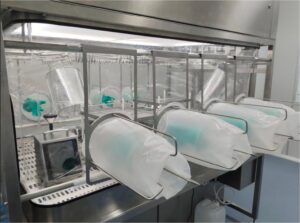
| Изолятор с отверстием для перчаток | Регулярные ручные проверки стерильности | Компактность и относительная простота эксплуатации | Каждая важная задача должна быть выполнимой без чрезмерного напряжения |
| Изолятор «полукостюм» | Большие камеры или рабочие процессы, требующие увеличенного радиуса действия | Расширение доступа к обширной рабочей зоне | Эргономика, целостность костюма и степень обеззараживания имеют решающее значение |
| Компактный изолятор | Лаборатории с ограниченной площадью помещений или небольшим объемом исследований | Уменьшение занимаемой площади и снижение потребления коммунальных ресурсов | Ограниченные внутренние возможности могут помешать будущему расширению |
| Многокамерный изолятор | Сложные рабочие процессы по перемещению, испытаниям и обращению с отходами | Более четкое разделение этапов процесса | Увеличение количества дверей, уплотнений и точек передачи повышает сложность сертификации |
| Интегрированная система изоляторов | Высокопроизводительная или автоматизированная работа лаборатории | Более эффективный контроль рабочих процессов и интеграция данных | Растут требования к автоматизации и валидации компьютеризированных систем |
Изоляторы с избыточным давлением
Изолятор с избыточным давлением поддерживает в камере давление, превышающее давление в окружающем помещении. В случае небольшой утечки воздух имеет тенденцию перемещаться из изолятора в сторону помещения.
Данная конфигурация, как правило, подходит в тех случаях, когда основной целью является защита продукта, а испытуемые материалы не требуют более высокого уровня локализации.
Не следует без предварительной оценки копировать заданные значения давления с другой установки. Правильный рабочий диапазон зависит от конструкции камеры, соединительных интерфейсов, движений перчаток, положения двери, схемы вытяжки и условий в помещении.
Изоляторы с отрицательным давлением
Изолятор с отрицательным давлением поддерживает в камере давление ниже, чем в окружающем помещении. Поэтому воздух стремится проникать в изолятор через непреднамеренные отверстия.
Такая конфигурация может потребоваться при работе с опасными веществами или биологическими материалами. Вытяжной воздух может нуждаться в дополнительной фильтрации через фильтры HEPA, обеспечении безопасных условий для замены фильтров, возможности дезактивации или подключении к специальной вытяжной системе.
Конструкции с отверстием для перчаток и полукостюмы
Использование перчаточных портов целесообразно в тех случаях, когда оператор может без затруднений добраться до всех рабочих зон, оставаясь вне камеры. Высоту портов, расстояние между ними, их диаметр, длину перчаток, движения доминирующей руки, расположение оборудования и обзорность следует оценивать с привлечением типичных операторов.
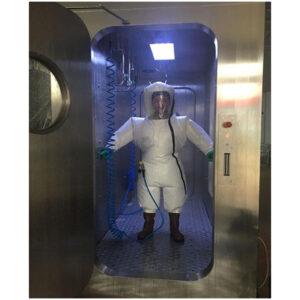
Система с полукостюмом может обеспечить доступ к более обширной рабочей зоне, однако она создает более сложный гибкий барьер. Необходимо учитывать такие факторы, как совместимость материалов костюма, проверка герметичности, положение при хранении, утомляемость оператора, возможность эвакуации в чрезвычайной ситуации и воздействие средств биологической деконтаминации.
Компактные и многокамерные системы
Компактные изоляторы могут эффективно использоваться в небольших лабораториях, децентрализованных центрах контроля качества или при ограниченных объемах испытаний. Их меньший внутренний объём также может сократить продолжительность некоторых этапов подготовки и биологической деконтаминации.
Многокамерная конструкция позволяет разделить процессы загрузки материала, деконтаминации, тестирования и удаления отходов. Это способствует улучшению контроля рабочего процесса, однако каждая дополнительная камера, дверь, уплотнение, заслонка и соединительный патрубок становится частью программы квалификации и технического обслуживания.
Основные компоненты изолятора для проверки стерильности
Камера и строительные материалы
Поверхности камеры должны быть гладкими, неотслаивающимися и коррозионно-стойкими, а также выдерживать многократную очистку и воздействие выбранного средства биологической дезинфекции.
Нержавеющая сталь широко используется для изготовления важных внутренних поверхностей. Выбор марки стали, вида поверхности, качества сварных швов, геометрии углов, уплотнений, смотровых окон и проходов следует определять с учетом процесса очистки и требований к продукции.
К важным конструктивным деталям относятся:
- Гладкие и удобные для прикосновения внутренние поверхности
- Закругленные внутренние углы там, где это целесообразно
- Минимальное количество углублений, выступов и открытых крепежных элементов
- Герметичные проходные отверстия для коммуникаций
- Химически стойкие прокладки и уплотнения
- Окна, устойчивые к царапинам и воздействию химических веществ
- Системы водоотвода в случаях, когда требуется влажная уборка
- Внешние панели, позволяющие проводить техническое обслуживание без открытия камеры
Необходимо подтвердить совместимость материалов с моющими средствами, дезинфицирующими средствами, спороцидами, испаренной перекисью водорода, спиртами и любыми технологическими химикатами, которые могут использоваться в течение срока службы оборудования.
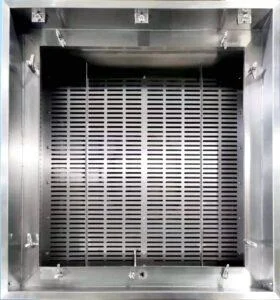
Фильтрация HEPA
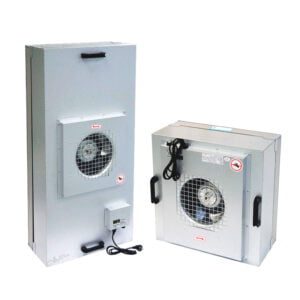
Фильтрация по типу HEPA используется для снижения загрязнения воздуха твердыми частицами, попадающими в изолятор или циркулирующими внутри него. В зависимости от конструкции системы система фильтрации может включать фильтры приточного воздуха, фильтры возвратного воздуха и фильтры вытяжного воздуха.
При выборе фильтра следует учитывать следующее:
- Требуемый расход воздуха
- Перепад давления
- Место установки
- Проверка доступности с помощью сканирования
- Конфигурация уплотнения
- Совместимость с процессами дезактивации
- Требования к локализации выбросов
- Процедуры безопасной замены
Установленная система фильтрации должна пройти соответствующие испытания на герметичность и отсутствие утечек. Наличие одного лишь сертификата на фильтр не подтверждает герметичность всей установленной системы.
Распределение воздушного потока
Воздушный поток должен обеспечивать защиту важных участков испытаний, не создавая при этом турбулентности, которая могла бы повлиять на работу открытых емкостей, мембранных фильтрующих узлов, контрольно-измерительного оборудования или на действия оператора.
Исследования по визуализации воздушных потоков помогают выявить:
- Турбулентность вокруг оборудования
- Места с застоявшимся воздухом или плохо проветриваемые
- Влияние движений перчаток
- Нарушение воздушного потока вблизи переходных дверей
- Взаимодействие между пунктами выдачи и возврата
- Возможные пути загрязнения
- Потеря защиты во время вмешательств
Однонаправленная циркуляция воздуха может быть целесообразной для некоторых критически важных зон, однако эффективность такой схемы вентиляции должна быть подтверждена в типичных эксплуатационных условиях.
Контроль давления
Система контроля давления обычно включает датчики давления, устройства регулирования подачи и отвода воздуха, сигнализацию и зафиксированные пределы рабочих параметров.
В проекте должны быть учтены следующие аспекты:
- Нормальное рабочее давление
- Давление в режиме ожидания
- Условия открытия дверей
- Изменения давления в цикле переноса
- Эффекты от движений перчаток
- Действия в случае отключения электроэнергии
- Выход из строя вентилятора или заслонки
- Время восстановления давления
- Задержка срабатывания сигнализации и эскалация
- Калибровка датчиков
Показания давления должны быть репрезентативными для выбранного места измерения и не должны чрезмерно зависеть от локальной турбулентности.
Порты для перчаток и системы для перчаток
Перчатки относятся к числу наиболее важных и уязвимых элементов изолятора. Небольшой прокол, поврежденный манжет, плохо прилегающее уплотнение или износ материала могут нарушить целостность барьера.
При разработке системы перчаток следует учитывать следующее:
- Материал перчаток
- Химическая совместимость
- Механическое сопротивление
- Диаметр и расположение порта
- Размер ладони оператора
- Требуемая ловкость
- Длина рукава
- Метод замены
- Метод проверки герметичности
- Воздействие средства биологической деконтаминации
Перед использованием и после манипуляций, которые могут привести к повреждению перчаток, необходимо проводить их визуальный осмотр. Проверку целостности следует проводить через определенные промежутки времени с учетом технологического процесса, оценки рисков, требований нормативных документов, а также продолжительности утвержденной серии испытаний или сеанса тестирования.
Освещение и видимость
Операторы должны уметь читать этикетки, следить за процессом перекачки жидкости, работать с фильтрующими устройствами, проверять соединения и выявлять утечки или поврежденные детали.
Освещение должно обеспечивать достаточную видимость, не создавая при этом избыточного тепла, ослепления, бликов или труднодоступных для очистки поверхностей. Для целей наблюдения, обучения, анализа отклонений или удаленной поддержки могут быть установлены камеры, при условии соблюдения требований, связанных с данными объекта и конфиденциальностью.
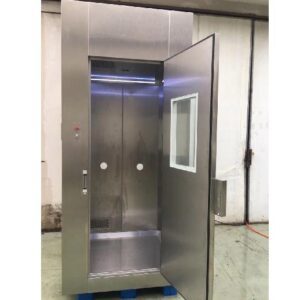
Трансферные системы
Перемещение материалов — одна из важнейших задач по предотвращению загрязнения при эксплуатации изоляторов.
К распространенным решениям по переносу относятся:
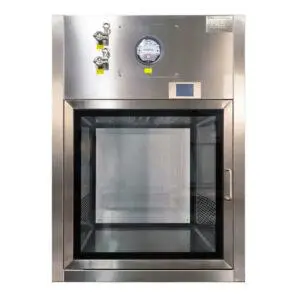
- Камеры переноса
- Порты быстрой передачи данных
- Системы портов альфа-бета
- Двухдверные системы
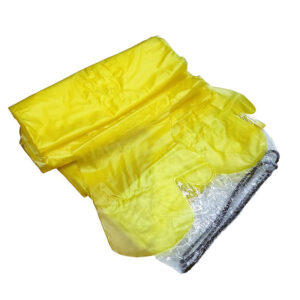
- Интерфейсы «Bag-in/Bag-out»
- Циклы биологической деконтаминации поверхностей
- Предварительно стерилизованные одноразовые узлы
- Герметичные системы транспортировки отходов
Метод передачи должен обеспечивать контроль как над поступающими материалами, так и над отправляемыми образцами, отходами, использованными инструментами и контрольно-измерительными приборами.
Система управления и управление данными
Программируемый логический контроллер или аналогичная платформа управления может контролировать расход воздуха, давление, работу дверей, циклы биологической деконтаминации, сигналы тревоги, рецепты и режимы работы.
В зависимости от области применения системы управления может потребоваться:
- Индивидуальные учетные записи пользователей
- Доступ на основе ролей
- Контрольные журналы
- Электронные записи
- Синхронизация времени
- История сигналов тревоги
- Управление версиями рецептов
- Резервное копирование и восстановление данных
- Безопасный экспорт данных
- Процедуры контроля изменений
- Проверка доступа к системе
Электронные функции должны определяться с учетом фактических нормативных требований и требований к целостности данных, а не добавляться в качестве общих функций после поставки оборудования.
Биодеконтаминация изоляторов для проверки стерильности
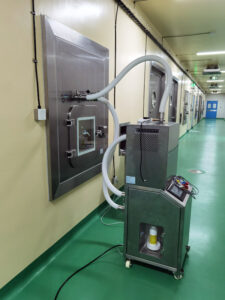
Перед началом испытаний изолятор для проверки стерильности, как правило, подвергается валидированной процедуре биологической деконтаминации. Часто для этого используется испаренная перекись водорода, поскольку её можно распределить по всей закрытой камере и применять с соблюдением контролируемых параметров цикла.
Типичный цикл может включать:
- Подготовка и загрузка камеры
- Проверка системы на наличие утечек или проверка перед началом цикла
- Кондиционирование
- Осушение воздуха там, где это необходимо
- Впрыск перекиси водорода
- Контролируемое воздействие или время выдержки
- Аэрация
- Подтверждение готовности камеры к работе
Перед биологической дезактивацией необходимо провести очистку
Биодеконтаминацию не следует рассматривать как замену уборки. Остатки, разливы, пыль, отложения продукта или пленки от чистящих средств могут создавать защитную среду для микроорганизмов или препятствовать протеканию выбранного процесса.
В установленном порядке проведения уборки должны быть определены:
- Разрешенные чистящие средства
- Инструменты и материалы для уборки
- Последовательность очистки
- Труднодоступные места
- Требования к удалению остатков
- Максимальный промежуток времени между уборкой и дезактивацией
- Необходимая документация
- Меры, принимаемые в случае разливов или отклонений от нормы
Разработка надежного цикла
Цикл следует разработать с учетом фактической геометрии камеры, нагрузки, материалов, компонентов системы подачи, положения перчаток, температуры, влажности и режимов воздушного потока.
К местам, где ситуация может развиться по наихудшему сценарию, относятся:
- Углы и ниши
- Пространство за оборудованием
- Пальцы перчаток и закатанные рукава
- Интерфейсы передачи данных
- Места установки возвратных воздуховодов
- Места с высокой впитывающей способностью
- Затененные поверхности
- Длинные или узкие камеры
Биологические индикаторы могут использоваться на этапах разработки и аттестации циклов. Их вид, устойчивость, численность, упаковка, размещение, извлечение, критерии приемки и порядок обращения с ними должны быть научно обоснованы.
Аэрация и остаточная перекись водорода
После воздействия концентрацию перекиси водорода необходимо снизить до заданного уровня, прежде чем операторы начнут проводить плановые испытания или материалы подвергнутся воздействию.
На продолжительность аэрации могут влиять следующие факторы:
- Объем камеры
- Производительность по воздухообмену
- Количество товара
- Абсорбирующие материалы
- Перчатки и гибкие детали
- Температура
- Влажность
- Объем впрыска
- Геометрия оборудования
Допустимый уровень остаточного содержания должен определяться с учетом безопасности оператора, совместимости продукта, пригодности метода испытаний и требований конкретного объекта.
Алгоритм проведения испытаний на стерильность внутри изолятора
1. Предварительный анализ перед началом работы
Перед началом испытания оператор должен убедиться в следующем:
- Состояние оборудования удовлетворительное
- Уборка завершена
- Заявка на плановое техническое обслуживание закрыта
- Калибровка по-прежнему действительна
- Состояние герметичности камеры и перчатки находится в норме
- Доступны фильтры и вспомогательные программы
- Выбран правильный рецепт цикла
- Материалы утверждены и подготовлены надлежащим образом
- Предыдущие сигналы тревоги или отклонения устранены
2. Подготовка и загрузка материала
Материалы следует размещать таким образом, чтобы обеспечить их воздействие биологическим деконтаминантом и воздушным потоком. Перегрузка камеры может привести к появлению зон, не охваченных потоком воздуха, ограничить циркуляцию, затруднить доступ и повысить риск случайного контакта.
Грузы следует размещать в соответствии с утвержденной схемой погрузки, если таковая была разработана.
3. Биодеконтаминация
Цикл должен проходить в пределах утвержденных параметров. Отклонения, касающиеся концентрации, времени воздействия, температуры, влажности, давления, расхода или аэрации, должны быть проанализированы до начала испытаний.
4. Перенос проб
Образцы и испытательные материалы должны поступать по утвержденному маршруту передачи. В рамках стратегии контроля загрязнения необходимо учитывать состояние наружных поверхностей, конфигурацию упаковки и последовательность передачи.
5. Выполнение теста
Операторы должны соблюдать утвержденные методы мембранной фильтрации или прямого инокулирования. Необходимо контролировать движения рук в перчатках, чтобы не препятствовать прохождению воздуха в критически важных зонах, не повредить перчатки, не вызвать разбрызгивание жидкости и не перенести загрязнение с одного предмета на другой.
6. Мониторинг состояния окружающей среды и технологических процессов
Мониторинг должен основываться на задокументированной оценке рисков. Он может включать:
- Мониторинг нежизнеспособных частиц
- Мониторинг качества воздуха
- Мониторинг поверхности
- Мониторинг перчаток или рукавов
- Динамика давления
- Температура и влажность
- Параметры цикла биологической деконтаминации
- Журналы сигналов тревоги и вмешательств
Устройства мониторинга и методы отбора проб не должны создавать риск загрязнения, превышающий тот риск, который они призваны выявлять.
7. Удаление отходов и расчистка линии
Отходы должны выводиться из изолятора по контролируемому маршруту. Следует избегать открытого выноса через главную дверь камеры, за исключением случаев, когда это является частью обоснованной и контролируемой процедуры остановки оборудования.
После проведения испытаний в ходе проверки линии необходимо убедиться, что образцы, рабочие среды, этикетки, инструменты и отходы от предыдущей операции были удалены или должным образом маркированы.
Изолятор для проверки стерильности по сравнению с RABS
Системы барьеров с ограниченным доступом и изоляторы одинаково ограничивают прямой доступ оператора к критически важным зонам, однако они не обеспечивают одинаковую степень изоляции.
| Точка сравнения | Изолятор для проверки стерильности | RABS |
|---|---|---|
| Условие барьера | Закрытая система с контролируемыми интерфейсами | Система барьеров, в большей степени зависящая от условий окружающей чистой комнаты |
| Биообеззараживание | Обычно используется автоматизированный и проверенный внутренний цикл | Часто приходится прибегать к ручной очистке и спороцидной дезинфекции |
| Окружающая среда | В обоснованных случаях может допускаться использование фона более низкого качества | Как правило, для асептической обработки требуется более качественная основа |
| Доступ оператора | Через перчатки, системы передачи и контролируемые отверстия | Доступ к отсеку с перчатками через дверцы, которые можно открывать при определенных условиях |
| Герметичность | Целостность камеры и перчаток являются критически важными элементами контроля | Состояние барьера и фоновые условия в чистой комнате по-прежнему тесно связаны между собой |
| Операционная гибкость | Жесткий контроль, но любые изменения требуют тщательного обоснования | Может облегчить доступ к медицинской помощи |
| Типичные критерии пригодности для проверки стерильности | Хорошо подходит для рутинных испытаний в условиях строгого контроля | Возможно для некоторых видов применения, но требует более строгих мер контроля в помещениях и соблюдения процедур |
Выбор должен основываться на риске загрязнения, объёме тестирования, классификации объекта, частоте проведения мероприятий, стратегии биодэконтаминации, опасностях, связанных с продукцией, капитальных затратах и эксплуатационных требованиях на протяжении всего жизненного цикла.
Области применения изоляторов для проверки стерильности
Лаборатории контроля качества фармацевтической продукции
Изоляторы для проверки стерильности широко используются для проведения контрольных и исследовательских испытаний стерильных фармацевтических препаратов, в том числе:
- Инъекционные лекарственные препараты
- Продукты для инфузионной терапии
- Офтальмологические препараты
- Стерильные порошки
- Лиофилизированные продукты
- Готовые шприцы
- Стерильные биологические препараты
Продукты биотехнологии
Биотехнологические продукты могут быть чувствительны как к микробному загрязнению, так и к условиям окружающей среды. Изоляторы позволяют проводить контролируемые испытания моноклональных антител, вакцин, продуктов клеточного происхождения и других биологических препаратов.
При проектировании необходимо учитывать, является ли продукт или исследуемый материал опасным и требуется ли изоляция с отрицательным давлением.
Медицинские приборы
При проверке стерильности медицинских изделий могут использоваться крупные, нестандартной формы, впитывающие или сложной конструкции образцы. Камера, переходная дверца, рабочая поверхность и схема размещения образцов должны соответствовать фактическим размерам изделия и упаковки.
Компактная фармацевтическая конструкция может не обеспечивать достаточной вместимости для крупных устройств или нескольких образцов.
Офтальмологические и другие стерильные препараты
Офтальмологические препараты должны обладать надежным микробиологическим качеством, поскольку они наносятся на чувствительные ткани. Изолятор позволяет снизить риск лабораторного загрязнения при проведении испытаний на стерильность капель, суспензий, гелей и соответствующих систем введения.
Лаборатории по тестированию на договорной основе
Контрактные лаборатории зачастую обрабатывают продукцию от нескольких клиентов, которая отличается по таре, методам анализа, потенциальным опасностям и требованиям к документации.
Для подходящей системы может потребоваться:
- Гибкие схемы погрузки
- Рецепты с несколькими циклами
- Эффективный контроль над рецептами
- Эффективная уборка между рекламными кампаниями
- Четкая сегрегация образцов
- Отслеживаемые электронные записи
- Процедуры быстрой смены оснастки
- Расширяемый объем камеры
Как выбрать подходящий изолятор для проверки стерильности
Выбор оборудования следует начинать с определения процедуры испытаний и стратегии регулирования, а не со стандартной модели оборудования.
Определите метод тестирования
Уточните, будет ли изолятор поддерживать:
- Мембранная фильтрация
- Прямой посев
- Оба метода
- Ручное тестирование
- Полуавтоматическое тестирование
- Оборудование для автоматизированного контроля стерильности
Фильтрующий насос, канистровый блок, трубопроводы, контейнеры с фильтрующим материалом, инструменты и система отвода отходов должны помещаться в пределах рабочего пространства.
Рассчитать необходимую мощность
Оценка:
- Ежедневный и еженедельный объем выборки
- Количество протестированных партий
- Максимальные размеры образца и контейнера
- Необходимые объемы носителей
- Количество операторов
- Максимальная нагрузка на камеру
- Ожидаемый объем в будущем
- Время очистки и время между циклами
Камера, которая в настоящее время удовлетворяет текущему спросу, может стать «узким местом» при увеличении объема испытаний.
Составьте схему всего рабочего процесса
На схеме должно быть показано, как материалы проходят все этапы: от подготовки до погрузки, дезактивации, испытаний, перемещения в инкубатор и вывоза отходов.
| Вопрос по рабочему процессу | Почему это важно |
|---|---|
| Как туда попадают стерильные материалы? | Определяет требования к портам передачи и дезактивации |
| Как поступают образцы? | Влияет на подготовку упаковки и стратегию контроля поверхности |
| Где проводится мембранная фильтрация? | Определяет расположение оборудования, инженерные коммуникации и зону охвата |
| Как обрабатываются медиаконтейнеры? | Влияет на вместимость камеры и эргономичность конструкции |
| Как выводятся готовые тестовые единицы? | Необходимо обеспечить как целостность теста, так и контроль за состоянием помещения |
| Как осуществляется вывоз отходов? | Предотвращает ухудшение качества поступающих материалов в результате ненадлежащего обращения с отходами |
| Как устраняются разливы? | Требуется доступ, средства очистки и процедуры на случай отклонений |
Оценка эргономики с участием реальных операторов
Один только чертеж не может продемонстрировать удобство использования. По возможности следует провести эргономическую макетную проверку или экспертизу проекта с использованием типовых ёмкостей, инструментов, фильтрующих узлов и операторов.
Оцените:
- Высота и расстояние между отверстиями для перчаток
- Дотянуться до задних углов
- Видимость этикеток и уровня жидкости
- Возможность подключения трубок
- Способность поднимать и перемещать контейнеры
- Задания для доминирующей руки и для обеих рук
- Поза оператора
- Повторяющиеся движения
- Аварийный вход
Недостаточная эргономика может привести к увеличению продолжительности тестирования, повреждению перчаток, разливу жидкости, усталости и отклонениям от процедуры.
Укажите коммунальные службы и интерфейсы объекта
В спецификации требований пользователя должны быть указаны:
- Электроснабжение
- Сжатый воздух
- Требования к выхлопной системе
- Взаимодействие систем отопления, вентиляции и кондиционирования воздуха
- Сетевое подключение
- Дренаж, где это необходимо
- Поставка перекиси водорода
- Диапазон температуры и влажности в помещении
- Нагрузка на пол
- Доступ для монтажа
- Зазоры при техническом обслуживании
- Требования к резервному энергоснабжению
Обзор поддержки на протяжении всего жизненного цикла
При принятии решения о покупке следует учитывать не только первоначальную стоимость оборудования.
Оцените:
- Наличие запасных частей
- Наличие перчаток и фильтров
- Поддержка калибровки
- Поддержка программного обеспечения
- Возможность удаленной диагностики
- Требования к профилактическому техническому обслуживанию
- Расход дезактивирующего средства
- Обучение
- Квалификационная документация
- Время реагирования на критические сбои
Стратегия квалификации и валидации
Изолятор для проведения испытаний на стерильность должен проходить квалификацию в качестве интегрированной системы. Конкретная документация и программа испытаний должны определяться с учетом назначения, системы качества, нормативных требований рынка и процедур валидации на объекте.
Квалификация дизайна
Квалификация проекта подтверждает, что предлагаемая конструкция соответствует утвержденным требованиям пользователей.
Обзор должен охватывать следующие аспекты:
- Конфигурация камеры
- Понятие давления
- Проектирование воздушных потоков
- Фильтрация
- Материалы
- Системы перчаток
- Трансферные системы
- Биообеззараживание
- Управление и программное обеспечение
- Стратегия сигнализации
- Очистка
- Эргономика
- Доступ для технического обслуживания
- Целостность данных
- Интерфейсы объекта
Заводские приемочные испытания
Заводские приемочные испытания позволяют проверить основные функции оборудования перед отгрузкой. Типичные испытания могут включать:
- Обзор размеров и конструкции
- Проверка приборов и узлов
- Тестирование последовательности управления
- Проблемы с сигнализацией
- Испытания блокировки дверей
- Испытания с регулированием давления
- Предварительная проверка герметичности
- Демонстрация цикла биологической деконтаминации
- Обзор документации
- Проверки записи данных
Заводские испытания не заменяют квалификацию на объекте, поскольку условия монтажа и эксплуатации объекта могут повлиять на рабочие характеристики системы.
Квалификация установки
Квалификация монтажа подтверждает, что изолятор, приборы, вспомогательное оборудование, фильтры, программное обеспечение и документация были установлены в соответствии с утвержденными техническими условиями.
Производственная квалификация
В ходе эксплуатационной аттестации изолятор подвергается испытаниям в заданных диапазонах рабочих параметров и в условиях неисправностей.
Тестирование может включать:
- Регулирование давления
- Объём и направление воздушного потока
- Целостность фильтра HEPA
- Функции сигнализации
- Блокировка дверей
- Герметичность камеры
- Проверка герметичности перчаток
- Температура и влажность
- Производительность восстановления
- Визуализация воздушного потока
- Работа цикла биологической деконтаминации
- Регистрация данных и доступ пользователей
Квалификация производительности
Квалификация по эксплуатационным характеристикам подтверждает, что система способна обеспечить проведение реального процесса проверки стерильности с участием типичных операторов, с использованием типичных материалов, загрузок, вмешательств и операционных процедур.
PQ должен отражать обычные и разумно предсказуемые условия наихудшего сценария, а не работу пустой камеры в идеальных условиях.
Текущий мониторинг и техническое обслуживание
Квалификационные испытания обеспечивают исходное состояние контроля. Регулярный мониторинг и техническое обслуживание позволяют подтвердить, что изолятор продолжает функционировать в соответствии с назначением.
Рекомендуемые зоны мониторинга
| Зона контроля | Стандартная плановая проверка |
|---|---|
| Давление в камере | Непрерывный мониторинг и анализ сигналов тревоги |
| Состояние перчаток | Визуальный осмотр перед использованием и после опасных манипуляций |
| Целостность перчаток | Проведение проверок через определенные промежутки времени и после возникновения подозрений на повреждение |
| Целостность камеры | Периодическая проверка герметичности |
| Фильтры HEPA | Мониторинг перепада давления и периодические испытания на герметичность |
| Цикл биологического обеззараживания | Обзор ключевых параметров цикла |
| Инструменты | Калибровка в соответствии с утвержденными графиками |
| Поток воздуха | Периодическая проверка и визуализация после внесения соответствующих изменений |
| Поверхности | Проверка чистоты и микробиологический мониторинг с учетом рисков |
| Система управления | Журнал аудита, сигналы тревоги, резервное копирование и анализ доступа (при необходимости) |
Профилактическое обслуживание
Профилактическое техническое обслуживание может включать:
- Замена перчаток и рукавов
- Проверка прокладок и уплотнений
- Выравнивание дверей
- Проверка вентилятора и заслонки
- Оценка фильтра HEPA
- Калибровка датчиков
- Техническое обслуживание системы с использованием перекиси водорода
- Проверка выхлопной системы
- Проверка блокировки
- Резервное копирование программного обеспечения
- Проверка сигнала тревоги
Работы по техническому обслуживанию, связанные с открытием камеры или вмешательством в работу критически важных компонентов, должны проходить оценку на предмет их влияния на очистку, дезактивацию, квалификацию и возобновление эксплуатации.
Контроль изменений
Изменения, касающиеся перчаток, фильтров, чистящих средств, спороцидов, параметров цикла, загрузки камеры, программного обеспечения, систем перемещения или испытательного оборудования, могут повлиять на валидированное состояние.
Каждое изменение следует проанализировать, чтобы определить, требуется ли обновление версии документа, проведение испытаний, повторная аттестация цикла, исследования воздушных потоков или дополнительное обучение операторов.
Распространенные ошибки при проектировании изоляторов для испытаний на стерильность
Выбор изолятора перед построением схемы процесса
Выбор оборудования из каталога до того, как будет определён полный технологический процесс, может привести к нехватке места, нерациональной организации маршрутов перемещения, недоступности оборудования и неэффективной утилизации отходов.
Предположение о том, что изолятор исключает риск для оператора
Операторы по-прежнему влияют на обеспечение стерильности посредством загрузки оборудования, использования перчаток, очистки, процедур перемещения, вмешательств и реагирования на сигналы тревоги.
Пренебрежение эргономикой перчаток
Неправильное расположение порта для перчаток может привести к повышенной утомляемости, случайному контакту, повреждению перчаток и ошибкам при проведении испытаний.
Использование VHP в качестве альтернативы очистке
Биодеконтаминация не позволяет надежно устранить стойкие остатки, труднодоступные загрязнения или последствия неконтролируемого процесса очистки.
Перегрузка камеры
Чрезмерная загрузка может затруднять распределение биологического деконтаминирующего средства, циркуляцию воздуха, обзор и доступ оператора.
Сосредоточение внимания исключительно на классификации частиц
Классификация частиц имеет важное значение, однако сама по себе она не свидетельствует о контроле микробиологического загрязнения, эффективности биодеконтаминации, целостности перчаток, контроле переноса или пригодности метода испытаний.
Использование общих параметров цикла
Параметры цикла должны быть разработаны с учетом конкретной камеры, нагрузки, материалов, условий окружающей среды и мест с наихудшими условиями эксплуатации.
Пренебрежение вопросом вывоза отходов
Даже при наличии надежной процедуры приема сырья ее эффективность может быть сведена на нет из-за неконтролируемого маршрута вывоза отходов или готовых образцов.
Варианты конфигурации изоляторов для проверки стерильности YOUTH
Изоляторы для испытаний на стерильность по методу YOUTH могут разрабатываться с учетом предполагаемого метода испытаний, условий в помещении, объема образца, степени опасности продукта, стратегии перемещения и подхода к валидации.
К возможным аспектам проектирования могут относиться:
- Работа при положительном или отрицательном давлении
- Компактные или многокамерные конструкции
- Внутренняя конструкция из нержавеющей стали
- Воздушный поток с фильтрацией HEPA
- Доступ через отверстие для перчаток или через полукостюм
- Комплексная биологическая деконтаминация с использованием испаренной перекиси водорода
- Камеры для перемещения материалов
- Системы быстрой передачи данных
- Контролируемый вывоз отходов
- Мониторинг давления, температуры и влажности
- Системы управления на базе ПЛК и человеко-машинных интерфейсов
- Записи о срабатывании сигнализации и циклах работы
- Индивидуальное освещение и смотровые окна
- Интеграция с оборудованием для проверки стерильности
- Интерфейсы утилит для конкретных сайтов
- Поддержка в вопросах квалификации и оформления документов
Окончательные технические характеристики должны основываться на утвержденной спецификации требований пользователя и оценке рисков. Соответствие нормативным требованиям не может быть обеспечено исключительно за счет характеристик оборудования; оно зависит от всего комплекса объекта, процедур, квалификации персонала, мониторинга, обучения, технического обслуживания и системы качества.
Стандарты и руководства, относящиеся к изоляторам для проверок стерильности
При проектировании, аттестации и эксплуатации изоляторов для проверки стерильности обычно учитываются следующие документы. Необходимо уточнить применимое издание и правовой статус для соответствующего рынка.
Приложение 1 к GMP ЕС: Производство стерильных лекарственных средств
В Приложении 1 к GMP ЕС особое внимание уделяется стратегии контроля загрязнения, барьерным технологиям, целостности перчаток, проверке герметичности изоляторов, автоматизированной биодэконтаминации, классификации фонового загрязнения, исследованиям воздушных потоков, квалификации и мониторингу окружающей среды.
Общая глава USP № : Испытания на стерильность
В USP описаны стандартные методы проверки стерильности, включая мембранную фильтрацию и прямой посев. Изолятор и организация работы в лаборатории должны обеспечивать возможность применения соответствующего метода испытаний без создания ингибирующих условий или загрязнения.
Европейская фармакопея, раздел 2.6.1: Стерильность
Европейская фармакопея устанавливает требования к проверке стерильности препаратов, входящих в сферу её применения. Лаборатории, поставляющие продукцию на регулируемые рынки, должны определить, какой метод, предусмотренный фармакопеей, и какие критерии приемлемости следует применять.
Руководство FDA для промышленности: Стерильные лекарственные препараты, полученные методом асептической обработки
В руководстве FDA рассматриваются меры контроля асептической обработки и аспекты, связанные с системами изоляторов, включая их конструкцию, деконтаминацию, герметичность, перенос, мониторинг и правила работы операторов.
ISO 13408-6: Асептическая обработка изделий медицинского назначения — Изоляторные системы
Стандарт ISO 13408-6 посвящен системам изоляторов, используемым для асептической обработки медицинских изделий, и определяет рамки для их проектирования, эксплуатации, квалификации и контроля.
Серия стандартов ISO 14644: Чистые помещения и связанные с ними контролируемые среды
Серия стандартов ISO 14644 регулирует классификацию и испытания чистоты воздуха по содержанию взвешенных частиц, а также соответствующие эксплуатационные характеристики контролируемой среды. Соответствующие разделы могут применяться к классификации, мониторингу, методам испытаний и аттестации чистых помещений или устройств для очистки воздуха.
Эти документы следует применять в рамках документированной стратегии контроля загрязнения, основанной на оценке рисков, а не использовать в качестве отдельных контрольных списков для оборудования.
Часто задаваемые вопросы
В чём заключается основное назначение изолятора для проведения испытаний на стерильность?
Его основная цель — обеспечить контролируемую барьерную среду для проведения тестов на стерильность, одновременно снижая риск загрязнения, связанного с действиями операторов и окружающей лабораторной средой.
Требуется ли для изолятора, используемого для проведения тестов на стерильность, среда, соответствующая стандарту ISO 5?
Критическое рабочее пространство может быть спроектировано таким образом, чтобы обеспечить условия, сопоставимые с требуемым уровнем чистоты критической зоны, однако классификация и нормативные требования зависят от области применения, юрисдикции, оценки рисков, концепции воздушных потоков и стратегии квалификации. Термин “ISO 5” не следует использовать в качестве необоснованного маркетингового обозначения.
Можно ли установить изолятор для проведения тестов на стерильность в помещении класса D по стандарту GMP ЕС?
В Приложении 1 к GMP ЕС указано, что уровень загрязнения в закрытом изоляторе, как правило, должен соответствовать как минимум классу D, а в открытом изоляторе — как минимум классу C. Окончательная классификация должна быть обоснована на основе оценки рисков и стратегии контроля загрязнения.
Должен ли изолятор для проведения теста на стерильность работать при положительном или отрицательном давлении?
Положительное давление, как правило, выбирается для защиты продукта, тогда как отрицательное давление может потребоваться для локализации опасных веществ. Правильный выбор зависит от степени опасности продукта, мер защиты персонала, последствий утечки, конструкции вытяжной системы и нормативных требований.
Почему VHP используется в изоляторах для проверки стерильности?
Испаренная перекись водорода — широко используемое спороцидное средство для биологической деконтаминации, которое можно распылять в герметичной камере в контролируемых условиях. Цикл обработки должен быть разработан и валидирован с учетом конкретного изолятора и загрузки.
Как часто следует проводить испытания изолирующих перчаток?
Частота проверки должна определяться с учетом оценки рисков, назначения изделия, продолжительности кампании или сеанса, материала перчаток, истории эксплуатации и соответствующих нормативных требований. Визуальный осмотр должен проводиться в ходе регулярного использования, а при наличии подозрений на повреждение необходимо проводить дополнительные проверки.
Может ли изолятор исключить ложноположительные результаты тестов на стерильность?
Ни одна система не может гарантировать, что ложные срабатывания никогда не будут иметь место. Изолятор может значительно снизить риски загрязнения, связанные с окружающей средой и действиями оператора, при условии его правильного проектирования, аттестации, технического обслуживания и эксплуатации.
В чём заключается разница между проверкой герметичности камеры и проверкой целостности перчаток?
Испытание камеры на герметичность позволяет оценить целостность всего корпуса изолятора. Испытание перчаток на целостность, в свою очередь, направлено на проверку перчаток, рукавов, манжет и мест их соединения. Оба вида испытаний необходимы, поскольку даже успешное прохождение камерного испытания не всегда позволяет выявить все дефекты перчаток.
Можно ли использовать один изолятор для разных изделий?
Да, при условии, что объем камеры, процесс очистки, цикл биологической деконтаминации, меры по предотвращению перекрестного загрязнения, опасности, связанные с продукцией, процесс перемещения продукции и рабочие процедуры подходят для всех продуктов, для которых она предназначена.
Какая информация необходима перед тем, как запросить ценовое предложение?
Подготовьте информацию о методе испытаний, типе продукции, данных об опасности, объеме пробы, максимальных габаритах контейнера, суточной пропускной способности, требованиях к давлению, классификации помещений, процессе перекачки, предпочтительном методе дезактивации, инженерных сетях, требованиях к данным и необходимой квалификационной документации.
Заключение
Изолятор для проведения тестов на стерильность — это не просто герметичная камера с фильтрами HEPA и перчатками. Это комплексная система контроля загрязнения, эффективность которой зависит от воздушного потока, давления, конструкции переходных элементов, очистки, биологической деконтаминации, целостности барьерных элементов, мониторинга, методов работы операторов, квалификации и технического обслуживания.
Наиболее эффективной является система, разработанная с учетом реального рабочего процесса проверки стерильности. Определив до начала закупок методы испытаний, объемы проб, потенциальные риски, связанные с продукцией, маршруты перемещения, эргономические требования, нормативные требования и круг ответственности за валидацию, лаборатории могут избежать дорогостоящих ограничений, связанных с проектированием, и создать более надежную платформу для проведения испытаний в долгосрочной перспективе.
Компания YOUTH может настроить изоляторы для проведения испытаний на стерильность в таких областях, как контроль качества фармацевтической продукции, биотехнологии, испытания медицинских изделий, офтальмологическая продукция и другие области, требующие контролируемых микробиологических условий. Система может быть адаптирована к различным конфигурациям камер, схемам поддержания давления, методам переноса, требованиям к биодэконтаминации, системам мониторинга и интерфейсам производственных объектов.