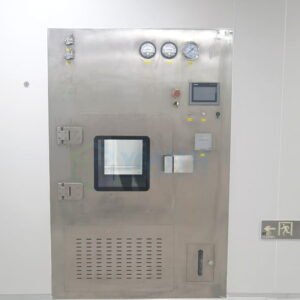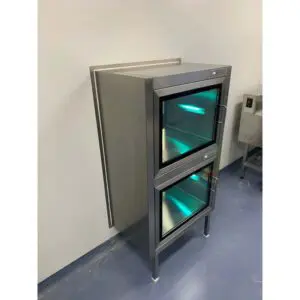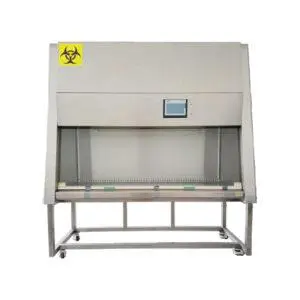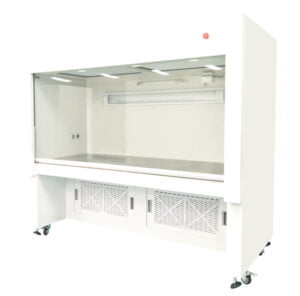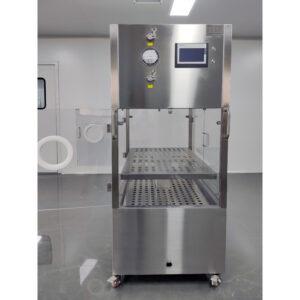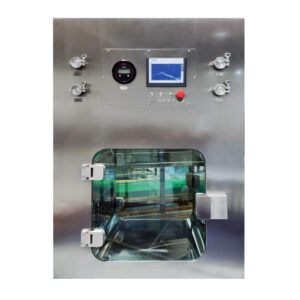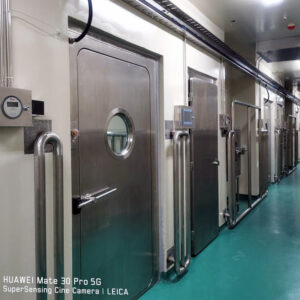
Le contrôle de stérilité est l'un des derniers contrôles de sécurité utilisés pour confirmer la qualité microbiologique des produits pharmaceutiques stériles, des produits biologiques, des préparations ophtalmiques, des médicaments injectables et des dispositifs médicaux. Cependant, la fiabilité d'un contrôle de stérilité dépend non seulement de la méthode utilisée, mais aussi de l'environnement dans lequel il est réalisé.
Une enceinte d'isolement pour les tests de stérilité crée une barrière physique contrôlée entre le processus de test, l'opérateur et le laboratoire environnant. Lorsqu'elle est correctement conçue, homologuée, décontaminée, surveillée et exploitée, cette enceinte permet de réduire le risque que des micro-organismes présents dans l'environnement ou des interventions de l'opérateur ne génèrent des résultats faussement positifs.
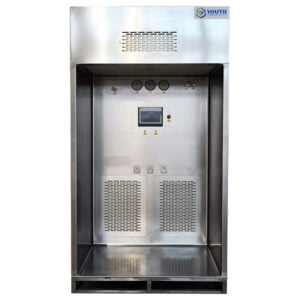
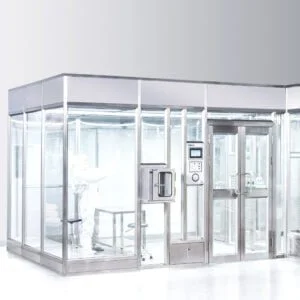
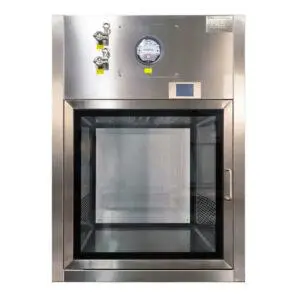
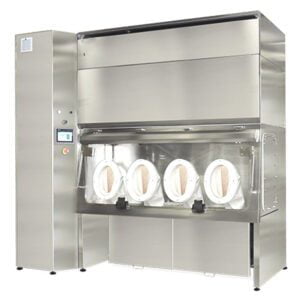
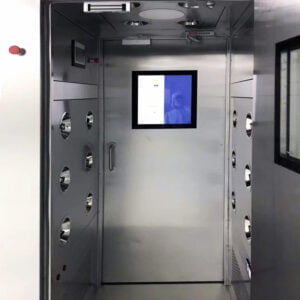
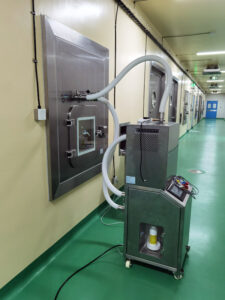
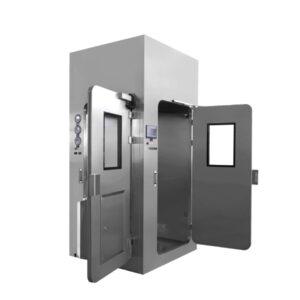
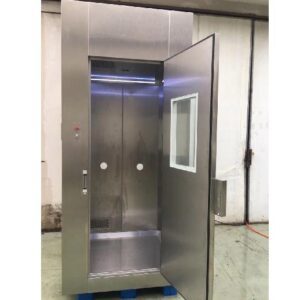
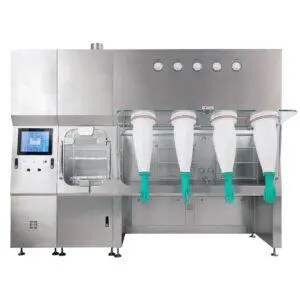
Les isolateurs de test de stérilité YOUTH peuvent être configurés en fonction de différents volumes d'essai, formats de produits, méthodes de transfert, agencements de laboratoire et exigences en matière de contrôle de la contamination. Plutôt que de considérer l'isolateur comme une enceinte autonome, sa conception doit intégrer la circulation d'air, la filtration, le contrôle de la pression, les systèmes de gants, le transfert de matériaux, la biodécontamination, la surveillance, l'ergonomie, l'automatisation et le soutien à la validation.
Qu'est-ce qu'un isolateur pour tests de stérilité ?
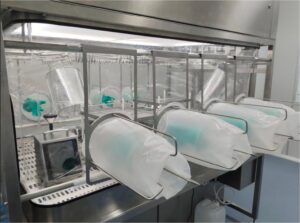
Une enceinte de contrôle de stérilité est un système de barrière hermétique utilisé pour créer et maintenir un environnement contrôlé destiné aux tests de stérilité. Les opérateurs manipulent les échantillons, les milieux de culture, les dispositifs de filtration, les outils et les déchets par l'intermédiaire de passe-gants étanches, au lieu de plonger leurs mains directement dans l'espace de travail critique.
L'isolateur sépare trois éléments importants :
- Le processus de contrôle de stérilité
- L'opérateur de laboratoire
- L'environnement de la pièce
Cette séparation physique contribue à réduire la contamination liée au personnel, à l'air ambiant, aux matériaux, au transfert de matériel et aux interventions non contrôlées.
Cependant, un isolateur ne garantit pas la stérilité du simple fait qu’il s’agit d’un espace clos. Son fonctionnement fiable dépend d’une biodécontamination validée, de l’intégrité vérifiée des gants et de la chambre, de transferts contrôlés, d’une circulation d’air adéquate, d’un nettoyage approprié, de systèmes de surveillance étalonnés et de procédures opérationnelles rigoureuses.
Isolateur pour tests de stérilité vs isolateur de laboratoire général
Une enceinte de laboratoire à usage général peut être conçue principalement pour le confinement, la protection des produits, la manipulation d'animaux ou la manipulation de matières dangereuses. Une enceinte de contrôle de stérilité est quant à elle spécialement conçue pour les processus de tests microbiologiques.
Les exigences habituelles en matière de contrôle de stérilité comprennent notamment :
- Opérations de filtration sur membrane ou d'inoculation directe
- Manipulation des récipients de test stériles et des milieux de culture
- Séparation des itinéraires d'acheminement des matières premières et d'évacuation des déchets
- Transfert d'échantillons en incubation contrôlée
- Décontamination biologique sporicide validée
- Vérification de l'intégrité des gants
- Surveillance de l'environnement et des procédés
- Historique traçable des cycles et des alarmes
- Surfaces compatibles avec les produits nettoyants et les sporicides
Le cahier des charges utilisateur doit définir clairement la méthode de test prévue avant le début de la configuration de l'équipement.
Pourquoi utiliser un isolateur pour les tests de stérilité ?
Les tests de stérilité traditionnels réalisés dans une salle blanche ou sur un poste de travail à flux laminaire dépendent fortement de la classification de la salle, de l'équipement de protection de l'opérateur, des techniques d'asepsie et du contrôle de l'environnement. Les opérateurs humains restent l'une des principales sources potentielles de contamination microbienne et particulaire.
Un isolateur crée une barrière physique et fonctionnelle autour du processus critique.
Réduire les faux positifs dans les tests de stérilité
Un résultat faussement positif peut entraîner des investigations, des retards dans la mise sur le marché du produit, des discussions sur la nécessité de refaire les essais, des analyses environnementales supplémentaires et, éventuellement, le rejet du lot. Il peut également compliquer la détermination de l'origine du micro-organisme détecté : provient-il du produit ou a-t-il été introduit lors des essais ?.
Un isolateur correctement régulé permet de réduire l'exposition à :
- Micro-organismes d'origine humaine
- Contamination de l'air ambiant
- Particules provenant des vêtements et des mouvements
- Manipulation non contrôlée des échantillons
- Contact direct avec l'opérateur
- Nuisances causées par les activités des laboratoires situés à proximité
L'isolateur ne peut pas éliminer toutes les sources possibles de contamination, mais il permet de rendre l'environnement d'essai plus homogène et plus facile à contrôler.
Protection de l'échantillon d'essai
On envisage généralement un fonctionnement en surpression lorsque l'objectif principal est de protéger l'échantillon de l'environnement extérieur. L'air filtré et un différentiel de pression contrôlé contribuent à empêcher l'air non filtré de la pièce de pénétrer à l'intérieur.
La stratégie de pression appropriée doit encore être déterminée au moyen d'une évaluation des risques. Les dangers liés au produit, les agents de nettoyage, les matériaux utilisés dans le processus, les systèmes de transfert et les conséquences d'une fuite doivent tous être évalués.
Protection des opérateurs et de l'environnement
Lorsque les échantillons ou les matériaux associés présentent des risques biologiques, toxicologiques ou de sensibilisation, une configuration de confinement à dépression ou spécialement conçue peut s'avérer nécessaire.
La dépression permet de canaliser les fuites vers l'intérieur plutôt que de laisser les substances s'échapper dans la pièce. Cependant, le fonctionnement en dépression soulève des considérations supplémentaires en matière de protection des produits et de traitement des effluents. Il ne doit pas être choisi uniquement parce qu'il semble offrir un niveau de sécurité plus élevé.
Prise en charge de conditions de test reproductibles
Un isolateur offre un espace délimité dans lequel la pression, le débit d'air, la filtration, la température, l'humidité, la décontamination biologique et les interventions de l'opérateur peuvent être contrôlés et enregistrés.
Cette répétabilité permet :
- Des procédures de laboratoire plus cohérentes
- Des enquêtes plus simples en cas d'écart
- Limites d'exploitation définies
- Amélioration de la traçabilité du cycle
- Essais de qualification reproductibles
- Une meilleure comparaison des données environnementales au fil du temps
Principaux types d'enceintes d'essai de stérilité
Lesssonttlidmd é usaiensuealaeêdoqexbl so dspiéi qhon sr’euvniln anli tnttsoee l i utr lun u s cnéeuttpas ifaa iratémôr dthreicaedébseeicot ss ct uere.
| Configuration de l'isolateur | Application type | Principal avantage | Point important à prendre en compte |
|---|---|---|---|
| Isolateur à pression positive | Contrôles de stérilité classiques des produits non dangereux | Une protection efficace des produits | Il convient d'évaluer la direction de la fuite et l'interface avec la pièce |
| Isolateur à pression négative | Essais impliquant des matières dangereuses ou potentiellement nocives | Amélioration de la protection de l'opérateur et du confinement environnemental | La protection des produits et le traitement des gaz d'échappement nécessitent une conception minutieuse |
| Isolateur à port pour gants | Contrôles de stérilité manuels de routine | Compact et d'utilisation relativement simple | Toute tâche essentielle doit pouvoir être accomplie sans effort excessif. |
| Isolateur demi-combinaison | Grandes chambres ou processus nécessitant une grande portée | Un meilleur accès à une vaste zone de travaux | L'ergonomie, l'intégrité de la combinaison et la couverture de décontamination sont essentielles |
| Isolateur compact | Laboratoires disposant d'une surface au sol limitée ou traitant un faible volume d'analyses | Réduction de l'empreinte écologique et de la consommation d'énergie | Une capacité interne limitée pourrait entraver toute expansion future |
| Isolateur à plusieurs chambres | Processus complexes de transfert, de contrôle et de gestion des déchets | Une meilleure séparation des étapes du processus | Le nombre accru de portes, de joints et de points de transfert accroît la complexité de la qualification |
| Sysudèer lésnatet'iitom gré | Fonctionnement de laboratoire à haut débit ou automatisé | Un contrôle accru des flux de travail et une meilleure intégration des données | Les exigences en matière d'automatisation et de validation des systèmes informatisés se multiplient |
Isolateurs à pression positive
Un isolateur à pression positive maintient la chambre à une pression supérieure à celle de la pièce environnante. En cas de petite fuite, l'air a tendance à s'écouler de l'isolateur vers la pièce.
Cette configuration est généralement adaptée lorsque la protection du produit est l'objectif principal et que les matériaux testés ne nécessitent pas un niveau de confinement plus élevé.
Les points de consigne de pression ne doivent pas être repris d'une autre installation sans avoir été préalablement évalués. La plage de fonctionnement appropriée dépend de la conception de la chambre, des interfaces de transfert, des mouvements des gants, de l'état de la porte, du système d'évacuation et des conditions ambiantes.
Isolateurs à pression négative
Un isolateur à pression négative maintient la chambre à une pression inférieure à celle de la pièce environnante. L'air a donc tendance à pénétrer dans l'isolateur par une ouverture non prévue.
Cette configuration peut s'avérer nécessaire pour les produits dangereux ou les matières biologiques. L'air évacué peut nécessiter une filtration HEPA supplémentaire, des dispositifs permettant de remplacer les filtres en toute sécurité, une capacité de décontamination ou un raccordement à un système d'évacuation dédié.
Modèles « Glove-Port » et « Half-Suit »
Les hublots à gants sont adaptés lorsque tous les points de travail sont facilement accessibles sans que l'opérateur ait à entrer dans la chambre. La hauteur des hublots, leur espacement, leur diamètre, la longueur des gants, les mouvements de la main dominante, la position de l'équipement et la visibilité doivent être évalués avec l'aide d'opérateurs représentatifs.
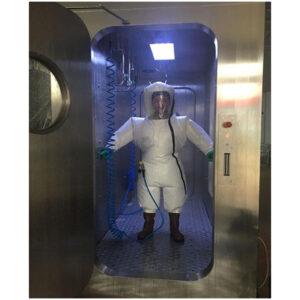
Un système de combinaison partielle peut permettre d'accéder à une zone de travail plus vaste, mais il crée une barrière flexible plus complexe. Il convient de prendre en compte la compatibilité des matériaux de la combinaison, les tests d'étanchéité, la position de stockage, la fatigue de l'opérateur, le retrait d'urgence et l'exposition à la décontamination biologique.
Systèmes compacts et à plusieurs chambres
Les isolateurs compacts peuvent s'avérer efficaces pour les petits laboratoires, les installations décentralisées de contrôle qualité ou les volumes d'analyses limités. Leur volume interne réduit peut également permettre de raccourcir certaines étapes de conditionnement et de biodécontamination.
Une conception à plusieurs compartiments permet de séparer les opérations de chargement des matériaux, de décontamination, de contrôle et d'évacuation des déchets. Cela peut améliorer la maîtrise des flux de travail, mais chaque compartiment, porte, joint, registre et raccord de transfert supplémentaire doit être intégré au programme de qualification et de maintenance.
Éléments clés d'un isolateur pour essais de stérilité
Chambre et matériaux de construction
La chambre doit présenter des surfaces lisses, qui ne perdent pas de particules, résistantes à la corrosion et capables de supporter des nettoyages répétés ainsi que l'exposition à l'agent de biodécontamination choisi.
L'acier inoxydable est couramment utilisé pour les surfaces internes critiques. La nuance choisie, la finition, la qualité des soudures, la géométrie des angles, les joints d'étanchéité, les hublots et les percements doivent être définis en fonction du procédé de nettoyage et des exigences du produit.
Parmi les détails de construction importants, on peut citer :
- Surfaces intérieures lisses et faciles d'accès
- Des angles intérieurs arrondis lorsque cela est possible
- Réduction au minimum des renfoncements, des rebords et des fixations apparentes
- Traversées techniques étanches
- Joints et garnitures résistants aux produits chimiques
- Vitres résistantes aux rayures et aux agressions chimiques
- Dispositifs de drainage lorsque un nettoyage à l'eau est nécessaire
- Panneaux extérieurs permettant d'effectuer l'entretien sans ouvrir la chambre
Il convient de vérifier la compatibilité des matériaux avec les détergents, les désinfectants, les sporicides, le peroxyde d'hydrogène vaporisé, les alcools et tout autre produit chimique de traitement susceptible d'être utilisé au cours du cycle de vie de l'équipement.
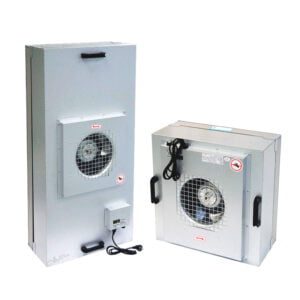
Filtration HEPA
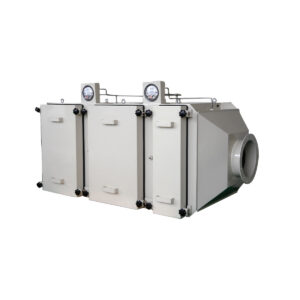
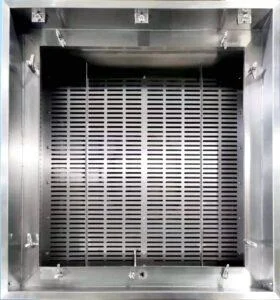
La filtration HEPA est utilisée pour réduire la contamination par les particules en suspension dans l'air qui pénètrent dans l'isolateur ou y circulent. Le dispositif de filtration peut comprendre des filtres d'alimentation, des filtres de retour et des filtres d'évacuation, selon la conception du système.
Le choix du filtre doit tenir compte des éléments suivants :
- Débit d'air requis
- Perte de charge
- Lieu d'installation
- Test d'accessibilité par balayage
- Configuration du joint
- Compatibilité en matière de décontamination
- Exigences relatives au confinement des gaz d'échappement
- Procédures de remplacement en toute sécurité
Le système de filtration installé doit être validé au moyen d'essais d'intégrité et d'étanchéité appropriés. Un certificat de filtre ne suffit pas à lui seul à démontrer l'intégrité de l'ensemble du système installé.
Distribution du flux d'air
Le flux d'air doit protéger les zones d'essai critiques sans créer de turbulences susceptibles de perturber les récipients ouverts, les systèmes de filtration sur membrane, les équipements de surveillance ou les manipulations effectuées par les opérateurs.
Les études de visualisation des flux d'air permettent d'identifier :
- Turbulences autour des équipements
- Endroits où l'eau stagne ou qui sont mal nettoyés
- Effets des mouvements des gants
- Perturbation du flux d'air à proximité des portes de transfert
- Interaction entre les lieux de livraison et de retour
- Voies de contamination potentielles
- Perte de protection pendant les interventions
Une circulation d'air unidirectionnelle peut s'avérer appropriée pour certaines zones critiques, mais ce concept doit être validé dans des conditions d'exploitation représentatives.
Contrôle de la pression
Le système de régulation de la pression comprend généralement des capteurs de pression, des dispositifs de régulation de l'admission et de l'échappement, des alarmes et des limites de fonctionnement enregistrées.
La conception doit tenir compte des éléments suivants :
- Pression de service normale
- Pression de veille
- Conditions d'ouverture des portes
- Variations de pression au cours du cycle de transfert
- Effets liés aux mouvements des gants
- Réaction en cas de coupure de courant
- Défaillance du ventilateur ou du registre
- Temps de rétablissement de la pression
- Délai d'alerte et escalade
- Étalonnage du capteur
Les mesures de pression doivent être représentatives de l'emplacement de mesure choisi et ne pas être trop influencées par les turbulences locales.
Ports pour gants et systèmes de gants
Les gants comptent parmi les éléments les plus importants et les plus vulnérables d'un isolateur. Une petite perforation, un poignet endommagé, un joint mal ajusté ou une dégradation du matériau peuvent compromettre l'intégrité de la barrière.
La conception d'un système de gants doit tenir compte des éléments suivants :
- Matériau des gants
- Compatibilité chimique
- Résistance mécanique
- Diamètre et emplacement du port
- Taille de la main de l'opérateur
- Dextérité requise
- Longueur des manches
- Méthode de remplacement
- Méthode de contrôle d'étanchéité
- Exposition à l'agent de biodécontamination
Les gants doivent faire l'objet d'une inspection visuelle avant leur utilisation et après toute manipulation susceptible de les endommager. Des contrôles d'intégrité doivent être effectués à des intervalles définis en fonction du processus, de l'évaluation des risques, des exigences réglementaires et de la durée validée de la campagne ou de la session de tests.
Éclairage et visibilité
Les opérateurs doivent être capables de lire les étiquettes, de surveiller le transfert des fluides, de manipuler les dispositifs de filtration, d'inspecter les raccords et de détecter les déversements ou les composants endommagés.
L'éclairage doit garantir une visibilité suffisante sans générer de chaleur excessive, d'éblouissement, de reflets ni de surfaces difficiles à nettoyer. Des caméras peuvent être installées à des fins d'observation, de formation, d'analyse des écarts ou d'assistance à distance, sous réserve des données spécifiques au site et des exigences en matière de confidentialité.
Systèmes de transfert
Le transfert de matières constitue l'un des principaux défis en matière de contrôle de la contamination dans le cadre de l'exploitation des isolateurs.
Parmi les solutions de transfert courantes, on peut citer :
- Chambres de transfert
- Ports de transfert rapide
- Systèmes de ports alpha-bêta
- Systèmes à double porte
- Interfaces « bag-in/bag-out »
- Cycles de biodécontamination des surfaces
- Ensembles jetables pré-stérilisés
- Systèmes hermétiques de transfert des déchets
La méthode de transfert doit permettre de contrôler à la fois les matières entrantes et les échantillons sortants, les déchets, les outils usagés et les dispositifs de surveillance.
Système de contrôle et gestion des données
Un automate programmable ou une plateforme de contrôle équivalente permet de gérer le débit d'air, la pression, les portes, les cycles de décontamination biologique, les alarmes, les recettes et les modes de fonctionnement.
En fonction de l'utilisation réglementée, le système de contrôle peut nécessiter :
- Comptes utilisateurs individuels
- Accès basé sur les rôles
- Pistes d'audit
- Dossiers électroniques
- Synchronisation horaire
- Historique des alarmes
- Gestion des versions des recettes
- Sauvegarde et restauration des données
- Exportation sécurisée des données
- Procédures de contrôle des modifications
- Examen des droits d'accès au système
Les fonctions électroniques doivent être définies en fonction des exigences réglementaires et des critères d'intégrité des données en vigueur, plutôt que d'être ajoutées en tant que fonctionnalités génériques après la livraison des équipements.
Décontamination biologique des isolateurs utilisés pour les tests de stérilité
Un isolateur destiné aux essais de stérilité nécessite généralement un processus de biodécontamination validé avant le début des essais. Le peroxyde d'hydrogène vaporisé est fréquemment utilisé, car il peut être diffusé dans une chambre fermée et appliqué selon des paramètres de cycle contrôlés.
Un cycle type peut comprendre :
- Préparation et chargement de la chambre
- Contrôles de fuites ou vérifications du système avant le cycle
- Conditionnement
- Déshumidification si nécessaire
- Injection de peroxyde d'hydrogène
- Exposition contrôlée ou temps de maintien
- Aération
- Confirmation que la chambre est prête à fonctionner
Le nettoyage doit précéder la biodécontamination
La biodécontamination ne doit pas être considérée comme un substitut au nettoyage. Les résidus, les éclaboussures, la poussière, les dépôts de produit ou les films laissés par les agents nettoyants peuvent servir de refuge aux micro-organismes ou nuire au bon déroulement du procédé choisi.
Une procédure de nettoyage bien définie doit prévoir :
- Produits de nettoyage homologués
- Matériel et produits de nettoyage
- Séquence de nettoyage
- Endroits difficiles d'accès
- Exigences en matière d'élimination des résidus
- Délai maximal entre le nettoyage et la décontamination
- Documentation requise
- Mesures à prendre en cas de déversements ou d'écarts par rapport aux procédures
Mettre en place un cycle fiable
Le cycle doit être élaboré en tenant compte de la géométrie réelle de la chambre, de la charge, des matériaux, des composants de transfert, de la position des gants, de la température, de l'humidité et des conditions de circulation d'air.
Parmi les sites susceptibles de présenter le scénario le plus défavorable, on peut citer :
- Coins et renfoncements
- Espaces situés derrière les équipements
- Les doigts des gants et les manches retroussées
- Interfaces de transfert
- Emplacements des bouches de reprise d'air
- Zones présentant une forte capacité d'absorption
- Surfaces ombragées
- Chambres longues ou étroites
Des indicateurs biologiques peuvent être utilisés au cours du développement et de la qualification des cycles. Le choix de l'organisme, sa résistance, sa population, son conditionnement, son placement, sa récupération, ses critères d'acceptation et sa manipulation doivent être scientifiquement justifiés.
Aération et peroxyde d'hydrogène résiduel
Après l'exposition, la concentration en peroxyde d'hydrogène doit être ramenée à un niveau défini avant que les opérateurs ne commencent les essais de routine ou que les matériaux ne soient exposés.
La durée de l'aération peut dépendre des facteurs suivants :
- Volume de la chambre
- Capacité de renouvellement d'air
- Quantité à charger
- Matériaux absorbants
- Gants et composants souples
- Température
- Humidité
- Quantité injectée
- Géométrie de l'équipement
Le niveau résiduel acceptable doit être déterminé en fonction de la sécurité de l'opérateur, de la compatibilité du produit, de l'adéquation de la méthode d'essai et des exigences du site.
Déroulement des essais de stérilité à l'intérieur d'un isolateur
1. Bilan préopératoire
Avant de lancer un test, l'opérateur doit vérifier les points suivants :
- L'état de l'équipement est satisfaisant
- Le nettoyage est terminé
- La maintenance requise est terminée
- L'étalonnage reste valable
- L'état d'intégrité de la chambre et du gant est acceptable
- Des filtres et des outils sont disponibles
- La recette de cycle appropriée a été sélectionnée
- Les matériaux sont homologués et correctement préparés
- Les alarmes ou anomalies précédentes ont été résolues
2. Préparation et chargement des matériaux
Les matériaux doivent être disposés de manière à permettre l'exposition au biodécontaminant et à la circulation de l'air. Une surcharge de la chambre peut créer des zones d'ombre, entraver la circulation de l'air, compliquer l'accès aux matériaux et augmenter le risque de contact accidentel.
Les articles doivent être disposés conformément à un schéma de chargement homologué, lorsqu'un tel schéma a été établi.
3. Décontamination biologique
Le cycle doit fonctionner dans les limites des paramètres validés. Tout écart concernant la concentration, la durée d'exposition, la température, l'humidité, la pression, le débit ou l'aération doit être évalué avant le début des essais.
4. Transfert d'échantillons
Les échantillons et les matériaux d'essai doivent être acheminés par la voie de transfert agréée. La stratégie de contrôle de la contamination doit tenir compte des surfaces externes, de la configuration de l'emballage et de la séquence de transfert.
5. Exécution des tests
Les opérateurs doivent respecter les méthodes approuvées en matière de filtration sur membrane ou d'inoculation directe. Les mouvements des gants doivent être contrôlés afin d'éviter de bloquer les flux d'air essentiels, d'endommager les gants, de provoquer des éclaboussures ou de transférer des contaminants d'un objet à l'autre.
6. Surveillance de l'environnement et des procédés
La surveillance doit s'appuyer sur une évaluation des risques documentée. Elle peut inclure :
- Surveillance des particules non viables
- Surveillance de la qualité de l'air viable
- Surveillance de surface
- Surveillance par gant ou manchon
- Évolution de la pression
- Température et humidité
- Paramètres du cycle de biodécontamination
- Registres des alarmes et des interventions
Les dispositifs de surveillance et les méthodes d'échantillonnage ne doivent pas présenter un risque de contamination supérieur à celui qu'ils sont censés détecter.
7. Enlèvement des déchets et dégagement des voies
Les déchets doivent être évacués de l'isolateur par un circuit contrôlé. Il convient d'éviter toute évacuation à ciel ouvert par la porte principale de la chambre, sauf si cela s'inscrit dans le cadre d'une procédure d'arrêt justifiée et contrôlée.
Après les essais, le contrôle de la ligne doit permettre de vérifier que les échantillons, les milieux de culture, les étiquettes, les outils et les déchets issus de l'opération précédente ont bien été retirés ou correctement identifiés.
Comparatif entre l'isolateur pour tests de stérilité et le système RABS
Les systèmes de barrières à accès restreint et les isolateurs limitent tous deux l'accès direct des opérateurs aux zones critiques, mais ils n'offrent pas le même degré de séparation.
| Point de comparaison | Isolateur pour test de stérilité | RABS |
|---|---|---|
| Condition de barrière | Système fermé avec des interfaces contrôlées | Système de barrière présentant une plus grande dépendance vis-à-vis de la salle blanche environnante |
| Bio-décontamination | Utilise généralement un cycle interne automatisé et validé | Recourt souvent à un nettoyage manuel et à une désinfection sporicide |
| Contexte | Peut prendre en charge un arrière-plan de qualité inférieure lorsque cela se justifie | Nécessite généralement un environnement de qualité supérieure pour les procédés aseptiques |
| Accès des opérateurs | Au eu oy’dcttnerr nss etorlr n, myèoserô tte easmdefd tntesvgduase ées | Accès par des portes pouvant être ouvertes dans des conditions définies |
| Étanchéité | L'intégrité de la chambre et du gant constituent des éléments de contrôle essentiels | L'état de la barrière et l'environnement de la salle blanche restent étroitement liés |
| Flexibilité opérationnelle | Un contrôle rigoureux, mais les changements doivent faire l'objet d'une évaluation minutieuse | Peut faciliter l'accès aux interventions |
| Adéquation typique des tests de stérilité | Particulièrement adapté aux essais de routine soumis à un contrôle rigoureux | C'est possible pour certaines applications, mais cela nécessite des contrôles plus stricts au niveau des locaux et des procédures. |
Ce choix doit être fondé sur le risque de contamination, le volume d'analyses, la classification des installations, la fréquence des interventions, la stratégie de biodécontamination, les risques liés aux produits, le coût d'investissement et les exigences d'exploitation tout au long du cycle de vie.
Applications des isolateurs pour tests de stérilité
Laboratoires de contrôle qualité pharmaceutique
Les isolateurs destinés aux essais de stérilité sont couramment utilisés pour les essais de libération et d'analyse des produits pharmaceutiques stériles, notamment :
- Médicaments injectables
- Produits d'infusion
- Préparations ophtalmiques
- Poudres stériles
- Produits lyophilisés
- Seringues préremplies
- Produits biologiques stériles
Produits biotechnologiques
Les produits biotechnologiques peuvent être sensibles à la fois à la contamination microbienne et aux conditions environnementales. Les isolateurs permettent de réaliser des essais contrôlés sur des anticorps monoclonaux, des vaccins, des produits dérivés de cellules et d'autres préparations biologiques.
La conception doit tenir compte du caractère dangereux ou non du produit ou du matériau d'essai, ainsi que de la nécessité ou non d'un confinement sous dépression.
Dispositifs médicaux
Les essais de stérilité des dispositifs médicaux peuvent porter sur des échantillons volumineux, de forme irrégulière, absorbants ou complexes. La chambre, la porte de transfert, la surface de travail et la disposition de la charge doivent être adaptées aux dimensions réelles du dispositif et de son emballage.
Une configuration pharmaceutique compacte peut ne pas offrir une capacité suffisante pour les appareils de grande taille ou les échantillons multiples.
Préparations ophtalmiques et autres préparations stériles
Les produits ophtalmiques doivent présenter une qualité microbiologique irréprochable, car ils sont appliqués sur des tissus sensibles. Un isolateur permet de limiter l'impact de la contamination du laboratoire lors des tests de stérilité des collyres, suspensions, gels et autres systèmes d'administration associés.
Laboratoires d'essais sous contrat
Les laboratoires sous contrat traitent souvent des produits provenant de plusieurs clients, qui présentent des conditionnements, des méthodes, des risques et des exigences en matière de documentation différents.
Un système adapté peut nécessiter :
- Modalités de chargement flexibles
- Recettes à cycles multiples
- Maîtrise rigoureuse des recettes
- Netagexcenam ectud ogipe fetae ycarfnes
- Séparation nette des échantillons
- Dossiers électroniques traçables
- Procédures de changement rapide
- Capacité de la chambre extensible
Comment choisir l'isolateur adapté pour les tests de stérilité
Le choix de l'équipement doit s'appuyer en premier lieu sur le processus d'essai et la stratégie réglementaire, et non sur un modèle d'équipement standard.
Définir la méthode d'essai
Vérifiez si l'isolateur prend en charge :
- Filtration membranaire
- Inoculation directe
- Les deux méthodes
- Tests manuels
- Tests semi-automatisés
- Équipements automatisés de contrôle de la stérilité
La pompe de filtration, l'ensemble de cartouches, les tuyaux, les récipients contenant les médias filtrants, les outils et le système d'évacuation des déchets doivent pouvoir être installés dans l'espace de travail disponible.
Calculer la capacité requise
Estimation :
- Volume d'échantillons quotidiens et hebdomadaires
- Nombre de lots testés
- Dimensions maximales des échantillons et des conteneurs
- Quantités de supports requises
- Nombre d'opérateurs
- Charge maximale de la chambre
- Volume prévu à l'avenir
- Nettoyage et temps de rotation des cycles
Une chambre dont la capacité est suffisante pour répondre à la demande actuelle peut devenir un goulot d'étranglement lorsque le volume des essais augmente.
Représenter le flux de travail complet
Le aplruda,areacarisqseô eoàtnép apdetru l cmt culirsuoeldultmiirrler u'lruour lac goneriilt tc,,aeueutlaeré oea shelieurébntdsptcn n , sue eirsja enntt mn miin rxritorét inémufanh oon.
| Question sur le flux de travail | Pourquoi c'est important |
|---|---|
| Comment les matériaux stériles sont-ils introduits ? | Définit les exigences relatives aux points de transfert et à la décontamination |
| Comn tuec da-séltnnhioosomrst islteninltlis ? | A une incidence sur la préparation des emballages et la stratégie de contrôle des surfaces |
| Où s'effectue la filtration sur membrane ? | Détermine l'emplacement des équipements, les raccordements aux réseaux et la portée |
| Comment les conteneurs multimédias sont-ils gérés ? | Influence la capacité de la chambre et la conception ergonomique |
| Comment les unités de test terminées sont-elles fermées ? | Il faut garantir à la fois l'intégrité des tests et le contrôle de la salle |
| Comment les déchets sont-ils évacués ? | Empêche que la manutention des déchets ne compromette la qualité des matières premières entrantes |
| Comment gère-t-on les déversements ? | Nécessite un accès, des outils de nettoyage et des procédures de dérogation |
Éva einreadvtp eu'ieersr aa lélegroom vocurs
Un simple dessin ne suffit pas à démontrer la facilité d'utilisation. Dans la mesure du possible, réalisez une maquette ergonomique ou procédez à une analyse de conception en utilisant des conteneurs, des outils, des systèmes de filtration et des opérateurs représentatifs.
Évaluer :
- Hauteur et espacement des orifices pour gants
- Atteindre les coins les plus reculés
- Visibilité des étiquettes et des niveaux de liquide
- Possibilité de raccorder des tuyaux
- Capacité à soulever et à déplacer des conteneurs
- Tâches effectuées avec la main dominante et à deux mains
- Posture de l'opérateur
- Mouvements répétitifs
- Accès d'urgence
Une mauvaise ergonomie peut allonger la durée des tests, endommager les gants, entraîner des déversements, accroître la fatigue et favoriser les écarts par rapport aux procédures.
Spécifier les services publics et les interfaces des installations
Le cahier des charges utilisateur doit préciser :
- Alimentation électrique
- Air comprimé
- Exigences relatives au système d'échappement
- Interaction entre les systèmes de chauffage, de ventilation et de climatisation
- Connexion réseau
- Drainage, le cas échéant
- Approvisionnement en peroxyde d'hydrogène
- Plage de température et d'humidité ambiantes
- Charge au sol
- Accès pour l'installation
- Dégagements de maintenance
- Exigences en matière d'alimentation électrique de secours
Examen du support tout au long du cycle de vie
La décision d'achat ne doit pas se limiter au seul coût initial de l'équipement.
Évaluer :
- Disponibilité des pièces de rechange
- Disponibilité des gants et des filtres
- Assistance à l'étalonnage
- Assistance logicielle
- Fonctionnalité de diagnostic à distance
- Exigences en matière d'entretien préventif
- Consommation d'agents de décontamination
- Formation
- Documents relatifs à la qualification
- Délai d'intervention en cas de pannes critiques
Stratégie de qualification et de validation
Un isolateur destiné aux essais de stérilité doit être qualifié en tant que système intégré. La documentation et le programme d'essais précis doivent être définis en fonction de l'utilisation prévue, du système qualité, du marché réglementaire et des procédures de validation du site.
Qualification de la conception
La validation de la conception confirme que la conception proposée répond aux exigences utilisateur approuvées.
L'examen devrait porter sur :
- Configuration de la chambre
- Notion de pression
- Conception du flux d'air
- Filtration
- Matériaux
- Systèmes de gants
- Systèmes de transfert
- Bio-décontamination
- Commandes et logiciels
- Stratégie d'alerte
- Nettoyage
- Ergonomie
- Accès pour la maintenance
- Intégrité des données
- Interfaces des installations
Essais d'acceptation en usine
Les essais de réception en usine permettent de vérifier les principales fonctions avant l'expédition. Ces essais peuvent notamment porter sur :
- Analyse des dimensions et de la construction
- Contrôles des instruments et des composants
- Tests de séquences de commande
- Problèmes liés aux alarmes
- Essais de verrouillage des portes
- Essais de contrôle de la pression
- Contrôle préliminaire d'étanchéité
- Démonstration du cycle de biodécontamination
- Examen de la documentation
- Contrôles relatifs à l'enregistrement des données
Les lqescieipslc vniea o at,èu'iesaemincsuoriss asstee rdsted ouci u ripientcna tae tm ts nneneilce dpnrsel lvaeoal nineo pltyu sern ac iseid uudnl sflscrfnatusorsntiaeeme.
Qualification de l'installation
La qualification d'installation atteste que l'isolateur, les instruments, les équipements auxiliaires, les filtres, les logiciels et la documentation ont été installés conformément aux spécifications approuvées.
Qualification opérationnelle
La qualification opérationnelle consiste à tester l'isolateur dans des plages de fonctionnement définies et dans diverses conditions de défaillance.
Les examens peuvent inclure :
- Régulation de la pression
- Volume et direction du flux d'air
- Intégrité du filtre HEPA
- Fonctions d'alarme
- Par Interlocks
- Étanchéité de la chambre
- Contrôle d'étanchéité des gants
- Température et humidité
- Performance en matière de récupération
- Visualisation du flux d'air
- Fonctionnement du cycle de biodécontamination
- Enregistrement des données et accès des utilisateurs
Qualification des performances
La qualification de performance démontre que le système est capable de prendre en charge le processus réel de contrôle de stérilité en utilisant des opérateurs, des matériaux, des charges, des interventions et des procédures opérationnelles représentatifs.
Le PQ doit refléter les conditions habituelles et les conditions les plus défavorables raisonnablement prévisibles, plutôt que celles d'une chambre vide fonctionnant dans des conditions idéales.
Surveillance et entretien de routine
La qualification permet d'établir un état initial de contrôle. La surveillance et la maintenance régulières permettent de s'assurer que l'isolateur continue de fonctionner comme prévu.
Zones de surveillance recommandées
| Zone de contrôle | Contrôle de routine classique |
|---|---|
| Pression dans la chambre | Surveillance continue et analyse des alarmes |
| État des gants | Inspection visuelle avant utilisation et après toute manipulation présentant un risque |
| Intégrité des gants | Contrôles à intervalles réguliers et en cas de suspicion de dommage |
| Intégrité de la chambre | Tests périodiques d'étanchéité |
| Filtres HEPA | Surveillance de la pression différentielle et contrôles périodiques d'intégrité |
| Cycle de bio-décontamination | Examen des paramètres critiques du cycle |
| Instruments | Étalonnage conformément aux calendriers approuvés |
| Débit d'air | Vérification et visualisation périodiques après toute modification pertinente |
| Surfaces | Contrôle du nettoyage et surveillance microbiologique fondée sur les risques |
| Système de contrôle | Journal d'audit, alarme, sauvegarde et contrôle des accès, le cas échéant |
Maintenance préventive
L'entretien préventif peut comprendre :
- Remplacement des gants et des manchons
- Inspection des joints et des garnitures
- Alignement des portes
- Inspection du ventilateur et du registre
- Évaluation des filtres HEPA
- Étalonnage du capteur
- Entretien du système à base de peroxyde d'hydrogène
- Contrôles du système d'échappement
- Vérification des interverrouillages
- Sauvegarde des logiciels
- Vérification des alarmes
Les opérations de maintenance qui impliquent l'ouverture de la chambre ou la manipulation de composants critiques doivent faire l'objet d'une évaluation afin de déterminer leur incidence sur le nettoyage, la décontamination, la qualification et la remise en service.
Contrôle des changements
Toute modification apportée aux gants, aux filtres, aux produits de nettoyage, aux sporicides, aux paramètres de cycle, aux charges de la chambre, aux logiciels, aux systèmes de transfert ou aux équipements d'essai peut avoir une incidence sur l'état de validation.
Chaque modification doit faire l'objet d'une évaluation afin de déterminer s'il est nécessaire de procéder à une révision de la documentation, à des essais, à une requalification du cycle, à des études de flux d'air ou à une formation complémentaire des opérateurs.
Erreurs courantes de conception des isolateurs utilisés pour les tests de stérilité
Choix de l'isolateur avant la cartographie du processus
Le fait de choisir du matériel à partir d'un catalogue avant d'avoir défini l'ensemble du flux de travail peut entraîner un manque d'espace, des circuits de transfert inadaptés, des équipements inaccessibles et une gestion inefficace des déchets.
En partant du principe que l'isolateur élimine tout risque pour l'opérateur
Les opérateurs continuent d'influencer la garantie de stérilité par leurs pratiques en matière de chargement, d'utilisation des gants, de nettoyage, de transfert, d'interventions et de réaction aux alarmes.
Négliger l'ergonomie des gants
Un mauvais positionnement du port pour gants peut accroître la fatigue, augmenter le risque de contact accidentel, endommager les gants et entraîner des erreurs lors des essais.
Utiliser le VHP comme alternative au nettoyage
La biodécontamination ne permet pas de venir à bout de manière fiable des résidus tenaces, des contaminations inaccessibles ou d'un processus de nettoyage non maîtrisé.
Surcharge de la chambre
Une charge excessive peut entraver la diffusion du biodécontaminant, la circulation de l'air, la visibilité et la liberté de mouvement de l'opérateur.
Se concentrer uniquement sur la classification des particules
La classification des particules est importante, mais elle ne permet pas à elle seule de démontrer le contrôle microbien, l'efficacité de la biodécontamination, l'intégrité des gants, le contrôle des transferts ou l'adéquation de la méthode d'essai.
Utilisation de paramètres de cycle génériques
Les paramètres du cycle doivent être définis en fonction de la chambre, de la charge, des matériaux, des conditions environnementales et des emplacements les plus défavorables.
Négliger le ramassage des déchets
Même un processus rigoureux de réception des matières premières peut être compromis par un circuit de sortie non contrôlé des déchets ou des échantillons finis.
Comment configurer les isolateurs pour tests de stérilité YOUTH
Les isolateurs destinés aux essais de stérilité YOUTH peuvent être conçus en fonction de la méthode d'essai prévue, des conditions ambiantes, du volume d'échantillon, du niveau de dangerosité du produit, de la stratégie de transfert et de l'approche de validation.
Les aspects à prendre en compte lors de la conception peuvent notamment inclure :
- Fonctionnement en surpression ou en dépression
- Configurations compactes ou à plusieurs chambres
- Strcninearuyno e eittricxeardne uble
- Flux d'air filtré HEPA
- Accès par l'ouverture pour les gants ou par la demi-combinaison
- Décontamination biologique intégrée par peroxyde d'hydrogène vaporisé
- Chambres de transfert de matériaux
- Systèmes de transfert rapide
- Élimination contrôlée des déchets
- Surveillance de la pression, de la température et de l'humidité
- Commandes par automates programmables (PLC) et interfaces homme-machine
- Enregistrements des alarmes et des cycles
- Éclairage et hublots sur mesure
- Intégration avec des équipements de contrôle de la stérilité
- Interfaces de services spécifiques au site
- Accompagnement en matière de qualification et de documentation
Les spécifications finales doivent s'appuyer sur le cahier des charges des utilisateurs approuvé et sur l'évaluation des risques. La conformité réglementaire ne peut être établie sur la seule base des caractéristiques de l'équipement ; elle dépend de l'ensemble de l'installation, des procédures, de la qualification, de la surveillance, de la formation, de la maintenance et du système qualité.
Normes et recommandations relatives aux isolateurs destinés aux essais de stérilité
Les documents suivants sont généralement pris en compte lors de la conception, de la qualification et de l'exploitation des isolateurs destinés aux essais de stérilité. Il convient de vérifier l'édition applicable et le statut juridique de ces documents pour le marché concerné.
Annexe 1 des BPF de l'UE : Fabrication de médicaments stériles
L'annexe 1 des BPF de l'UE met l'accent sur la stratégie de contrôle de la contamination, les technologies de barrière, l'intégrité des gants, les essais d'étanchéité des isolateurs, la biodécontamination automatisée, la classification du fond, les études de flux d'air, la qualification et la surveillance environnementale.
Chapitre général de l'USP : Essais de stérilité
La norme USP décrit les méthodes de contrôle de stérilité prévues par la pharmacopée, notamment la filtration sur membrane et l'inoculation directe. L'isolateur et le flux de travail du laboratoire doivent permettre la mise en œuvre de la méthode d'essai applicable sans introduire de conditions inhibitrices ni de contamination.
Pharmacopée européenne, chapitre 2.6.1 : Stérilité
La csee ino éicteellprao.visitedusde ehlvrp éemso d rtuni poiraonplrtéséeaé tpacfsdisis mlnsgèpletri merrhde ea app s'aleapempaaoevslr msoea tpelteiaLacéiausxée ie ltoatiiaatrdor haie'énséusr rntpecm eeoq licrscosdaheénehtiuiulql eésc'mbq r tn reddP nngvnt dno tepesoqeetuncxdeeni nt.
FDA Guidance for Industry : Produits pharmaceutiques stériles obtenus par traitement aseptique
Les recommandations de la FDA traitent des contrôles relatifs aux procédés aseptiques et des aspects liés aux systèmes d'isolateurs, notamment leur conception, leur décontamination, leur intégrité, les transferts, la surveillance et les pratiques des opérateurs.
ISO 13408-6 : Traitement aseptique des dispositifs médicaux – Systèmes d'isolement
La norme ISO 13408-6 porte sur les systèmes d'isolation utilisés pour le traitement aseptique des dispositifs médicaux et fournit un cadre pour leur conception, leur exploitation, leur qualification et leur contrôle.
Série ISO 14644 : Salles blanches et environnements contrôlés associés
La série de normes ISO 14644 régit la classification et les essais relatifs à la propreté des particules en suspension dans l'air ainsi qu'aux performances associées des environnements contrôlés. Les parties pertinentes peuvent s'appliquer à la classification, à la surveillance, aux méthodes d'essai et à la qualification des salles blanches ou des équipements de traitement de l'air.
Ces documents doivent être mis en œuvre dans le cadre d'une stratégie documentée de maîtrise de la contamination, fondée sur l'évaluation des risques, plutôt que d'être utilisés comme de simples listes de contrôle isolées pour les équipements.
Questions fréquemment posées
Quel est l'objectif principal d'un isolateur destiné aux tests de stérilité ?
Son objectif principal est d'offrir un environnement confiné et contrôlé pour les tests de stérilité, tout en réduisant la contamination liée au personnel et à l'environnement du laboratoire.
Un isolateur destiné aux tests de stérilité nécessite-t-il un environnement conforme à la norme ISO 5 ?
L'espace de travail critique peut être conçu pour offrir des conditions comparables au niveau de propreté requis pour les zones critiques, mais la classification et les exigences réglementaires dépendent de l'application, de la juridiction, de l'évaluation des risques, du concept de circulation d'air et de la stratégie de qualification. La mention “ ISO 5 ” ne doit pas être utilisée comme un argument marketing sans fondement.
Est-il possible d'installer une enceinte d'essai de stérilité dans une salle de classe D conforme aux BPF de l'UE ?
L'annexe 1 des BPF de l'UE stipule que le niveau de fond d'un isolateur fermé doit généralement correspondre au moins au grade D, tandis que celui d'un isolateur ouvert doit généralement correspondre au moins au grade C. La classification finale doit être justifiée par une évaluation des risques et par la stratégie de maîtrise de la contamination.
Un isolateur destiné aux essais de stérilité doit-il fonctionner en surpression ou en dépression ?
On opte généralement pour une pression positive afin de protéger le produit, tandis qu'une pression négative peut s'avérer nécessaire pour le confinement des matières dangereuses. Le choix approprié dépend du niveau de risque lié au produit, de la protection des opérateurs, des conséquences en cas de fuite, de la conception du système d'évacuation et des exigences réglementaires.
Pourquoi utilise-t-on le VHP dans les isolateurs destinés aux tests de stérilité ?
Le peroxyde d'hydrogène vaporisé est un agent de biodécontamination sporicide couramment utilisé, qui peut être diffusé dans une chambre fermée dans des conditions contrôlées. Le cycle doit être mis au point et validé pour l'isolateur et la charge concernés.
À quelle fréquence faut-il tester les gants isolants ?
La fréquence doit être déterminée en fonction de l'évaluation des risques, de l'usage prévu, de la durée de la campagne ou de la séance, du matériau des gants, de l'historique d'utilisation et des exigences réglementaires applicables. Une inspection visuelle doit être effectuée lors de chaque utilisation courante, et des contrôles supplémentaires sont nécessaires en cas de suspicion de détérioration.
Un isolateur peut-il éliminer les faux positifs lors des tests de stérilité ?
Aucun système ne peut garantir l'absence totale de faux positifs. Un isolateur peut réduire considérablement les risques de contamination d'origine environnementale et liés à l'opérateur lorsqu'il est correctement conçu, validé, entretenu et utilisé.
Quelle est la différence entre un test d'étanchéité de chambre et un test d'intégrité de gant ?
Le test d'étanchéité de la chambre permet d'évaluer l'intégrité de l'ensemble de l'enceinte de l'isolateur. Le test d'intégrité des gants porte spécifiquement sur les gants, les manchons, les poignets et leurs raccords. Ces deux tests sont indispensables, car un test de la chambre qui s'avère concluant ne permet pas nécessairement de détecter tous les défauts des gants.
Peut-on utiliser un même isolateur pour différents produits ?
Oui, à condition que la capacité de la chambre, le processus de nettoyage, le cycle de biodécontamination, les mesures de contrôle de la contamination croisée, les risques liés aux produits, le processus de transfert et les procédures d'exploitation soient adaptés à l'ensemble des produits visés.
Quelles informations faut-il fournir avant de demander un devis ?
Préparez la méthode d'essai, le type de produit, les informations relatives aux dangers, le volume des échantillons, les dimensions maximales des conteneurs, le débit journalier, les exigences en matière de pression, la classification des locaux, le processus de transfert, la méthode de décontamination privilégiée, les services techniques, les exigences en matière de données et la documentation de qualification requise.
Conclusion
Un isolateur destiné aux essais de stérilité est bien plus qu'une simple chambre hermétique équipée de filtres HEPA et de gants. Il s'agit d'un système intégré de contrôle de la contamination dont les performances dépendent de la circulation d'air, de la pression, de la conception des points de transfert, du nettoyage, de la biodécontamination, de l'intégrité des barrières, de la surveillance, des pratiques des opérateurs, de la qualification et de la maintenance.
Le système le plus efficace est celui qui est conçu en fonction du flux de travail réel des essais de stérilité. En définissant, avant même l'acquisition du matériel, les méthodes d'essai, les volumes d'échantillons, les risques liés aux produits, les voies de transfert, les exigences ergonomiques, les exigences réglementaires et les responsabilités en matière de validation, les laboratoires peuvent éviter des contraintes de conception coûteuses et mettre en place une plateforme d'essais plus fiable à long terme.
YOUTH est en mesure de configurer des isolateurs destinés aux tests de stérilité pour le contrôle qualité pharmaceutique, la biotechnologie, les essais de dispositifs médicaux, les produits ophtalmiques et d'autres applications microbiologiques contrôlées. Le système peut être adapté à différentes configurations de chambres, stratégies de pression, méthodes de transfert, exigences en matière de biodécontamination, systèmes de surveillance et interfaces avec les installations.