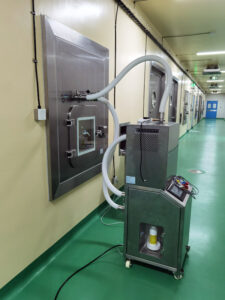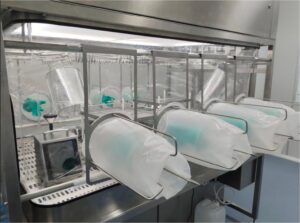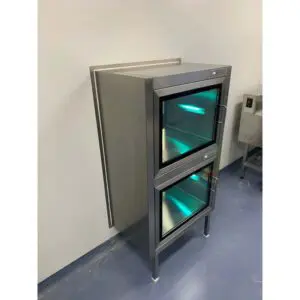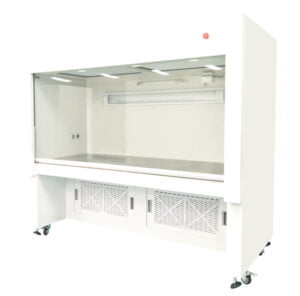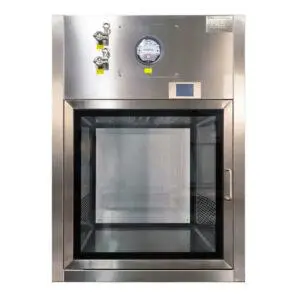
Ekipman seçimini bir yerleşim ve süreç akışı görevi olarak değil, bir tedarik görevi olarak ele alan temiz oda projeleri, hatalarını genellikle düzeltme maliyetinin en yüksek olduğu doğrulama aşamasında ortaya çıkarır. Oda çizimleri onaylandıktan sonra yerleştirilen bir geçiş kutusu, yapısal bir duvar açıklığı gerektirebilir. Plenum geometrisini doğrulamadan boyutlandırılan bir tavan FFU dizisi, HEPA filtresinin yanlış oturmasına neden olabilir ve bu da ilk sertifikasyon denemesinde bütünlük testinde başarısızlığa yol açabilir. Bu sonuçları önleyen kararlar, daha önceki aşamalarda alınmalıdır: koridor basınçlandırma yönü, odaya sınıf ataması ve her malzeme ve personel transfer noktasında kontaminasyon kontrol mantığı. Satın alma siparişlerini vermeden önce bu adımları izleyen okuyucular, çizim onayı, kurulum ve yeterlilik aşamalarında geçerliliğini koruyacak bir paket kapsamını daha iyi tanımlayabileceklerdir.
İlaç ekipmanı paketi seçiminden önceki süreç akışı
İlk planlama sorusu, hangi ekipmanın satın alınacağı değil; hava ve malzemelerin hangi yönde hareket ettiği ve kontaminasyon sınırlarının nerede olduğu sorusudur. Koridor tasarımı, herhangi bir ekipman konumlandırmasından önce alınması gereken bir kararın en net örneğidir. Kuru, tozlu ürünler için genellikle temiz koridor düzeni kullanılır: üretim odaları, koridora göre negatif basınçta tutulur; böylece herhangi bir hava sızıntısı, tozu dışarı taşımak yerine koridordan odaya doğru hareket eder. Aseptik sıvı ürünler için ise mantık tersine döner — koridor kirli olarak kabul edilir ve üretim odaları koridora göre pozitif basınçta tutulur; böylece koridordaki havanın en temiz alanlara girmesi engellenir. Bu tek planlama seçimi, tesisteki her geçiş kutusu ve FFU konumundaki basınçlandırma yönünü belirler. Bu yön belirlenmeden ekipmanların yerleştirilmesi, daha sonra kısmen geri alınması gereken yerleşim planlarına yol açar.
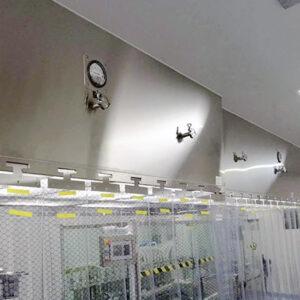
Tavan seviyesinden verilen besleme havası ile karşı duvardaki alçak seviyede yer alan dönüş ızgaraları, tıkanma akışlı kontaminasyon kontrolünü destekler — çalışma yüksekliğinde oluşan partiküller, odanın içinde yeniden dolaştırılmak yerine aşağıya doğru süpürülerek dışarı atılır. A Sınıfı bölgeler, tek yönlü yukarıdan aşağıya laminer akış gerektirir; bu da tavan kaplaması ve dönüş yolu geometrisini tasarımın temel unsurlarından biri haline getirir, sonradan akla gelen bir unsur değil. Tavan plenum alanı kısıtlıysa veya geri dönüş kanallarının konumları projenin daha önceki aşamalarında alınan yapısal kararlarla sabitlenmişse, fan filtre üniteleri ve LAF kanopilerinin sayısı ve yerleşimi, mühendislik temelli bir çözümden ziyade bir uzlaşma konusu haline gelir. Bunun pratikteki sonucu, ekipman konumlandırma tartışmalarının, daha sonraki bir tedarik aşamasında değil, oda düzeni ve basınç kademelendirme kararlarının alındığı toplantıda ele alınması gerektiğidir.
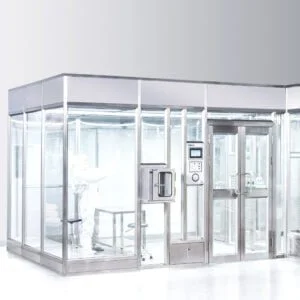
Oda planları onaylandıktan sonra bir dağıtım kabini, bir geçiş hava kilidi veya ek bir FFU grubu eklenmesi, neredeyse her zaman şu üç sorundan birini ortaya çıkarır: kapladığı alan bir duvarla çakışır, hava akış yönü mevcut basınç kademelendirme sistemi ile çakışır ya da bakım erişim yolu bir koridorla veya bitişik odayla çakışır. Bu sorunların hiçbiri, zaman çizelgesini etkilemeden kolayca çözülemez. Daha yararlı olan yaklaşım, yerleşim planı kesinleşmeden önce her bir kontaminasyon kontrol noktasını — her malzeme transferini, her personel girişini, her kritik proses bölgesini — belirli bir ekipman türüne atamaktır.
FFU, LAF, geçiş kutusu, kabin ve HEPA’nın işlevlerinin karşılaştırılması
Bu beş ekipman türü, farklı kontaminasyon kontrol noktalarını ele alır ve tasarım aşamasında rollerinin karıştırılması, doğrulama sürecinde ortaya çıkacak eksikliklere yol açar. Uygulamada en sık görülen rol karışıklığı, bir LAF kanopisini yerel bölge çözümü olmasına rağmen oda düzeyinde bir çözüm olarak ele almak ya da kapı kilitleme mantığının koridor için önceden seçilmiş basınç kademelendirme yönünü desteklediğini doğrulamadan bir geçiş kutusu belirlemektir. Paketteki her bir ünitenin kendine özgü bir işlevsel kapsamı vardır ve bu kapsam sınırları, ekipman isimlerinden daha önemlidir.
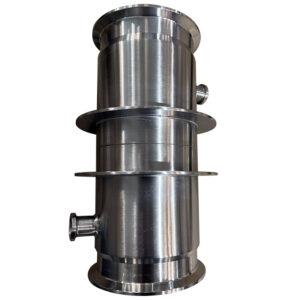
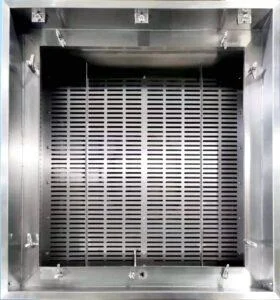
HEPA filtresinin performansı, lif çapına, filtre kalınlığına ve yüzey hızına bağlıdır; bu faktörlerin tümü, partikül yakalama verimliliğini ve direnci etkiler. Sızdırmazlık, kurulumdan sonra dağınık yağ partikülü testi kullanılarak doğrulanır; bu da filtre yerleşim kalitesinin sadece bir üretim meselesi değil, doğrudan bir test değişkeni olduğu anlamına gelir. FFU'lar, oda seviyesinde hava değişimi sağlama mekanizması olarak çalışır; ilaç temiz oda tasarımında yaygın olarak kullanılan saatte 20–40 hava değişimi rakamı, ünitelerin sayısını ve kapasitesini belirlemek için bir planlama girdisidir, sabit bir yasal eşik değildir. LAF üniteleri, A Sınıfı ISO 5 koşullarının gerekli olduğu kritik bölgelere hizmet eder ve ürettikleri tek yönlü laminer akış, açık ürün maruziyeti için AB GMP Ek 1 gereklilikleri tarafından onaylanmıştır. Geçiş kutuları, basınç bölgeleri arasındaki malzeme transferini kontrol eder ve kapı kilitleme sistemleri, odanın HVAC sisteminin oluşturduğu basınç farkını korumalıdır — kilitleme sistemi arızalanan veya kapıları aynı anda açılabilen bir geçiş kutusu, o noktada kademeli sistemi çökertir.
| Ekipman | Birincil Rol | Kirlenme Kontrolü | Temel Tasarım/Performans Faktörü |
|---|---|---|---|
| HEPA filtre | Besleme/dönüş havasının yüksek verimli filtrelenmesi | Mikron altındaki partikülleri giderir; bütünlüğü, dağılmış yağ partikülü testi ile doğrulanmıştır | Lif çapı 0,5–2,0 µm; yüzey hızı; testin başarılı olması için filtrenin yerine oturması kritik öneme sahiptir |
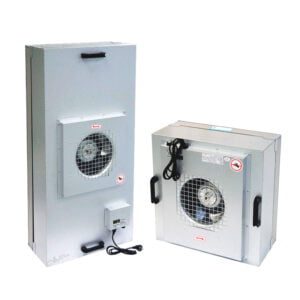
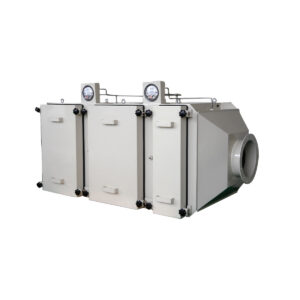
| FFU (Fan Filtre Ünitesi) | Oda sınıfını korumak için filtrelenmiş besleme havası sağlar | Gerekli hava değişim oranını (20–40 ACH) sağlar | Oda başına hava değişim sayısı (ACH) hesaplamasına göre belirlenen ünite sayısı ve kapasite |
| LAF (Laminer Hava Akışı Ünitesi) | Kritik alanlar için A sınıfı tek yönlü hava akışı sağlar | Baştan sona eşit akış, ürünü korur | A sınıfı için durgun durumda ISO 5 gereklidir; tek yönlü laminer akış zorunludur |
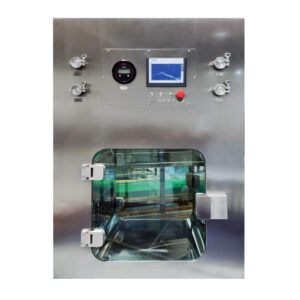
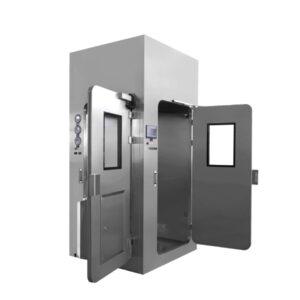
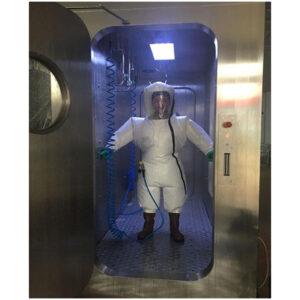
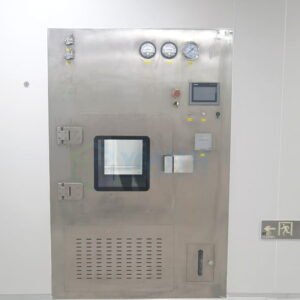
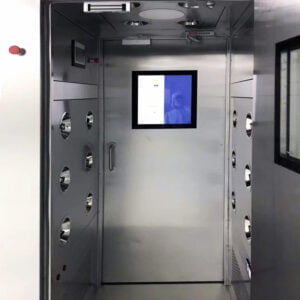
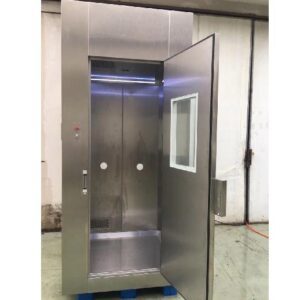
| Geçiş kutusu (hava kilidi) | Basınç kademesini koruyarak odalar arasında malzeme veya personel aktarımı yapar | Kapı kilitleme sistemi çapraz bulaşmayı önler | Dolap veya personel odası olabilir; kilit sistemi basınç farkını korumalıdır; sürgülü kapı kullanılamaz (Ek 1) |
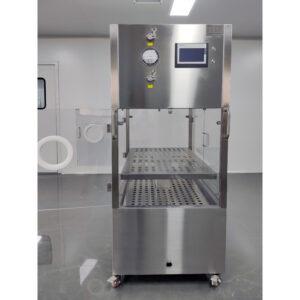
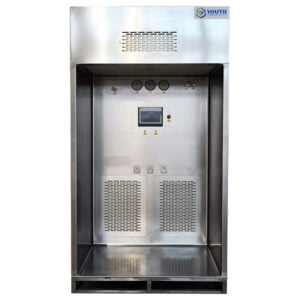
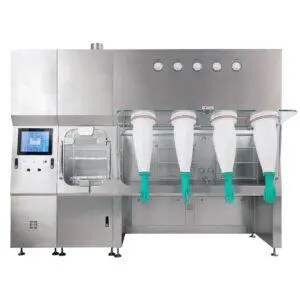
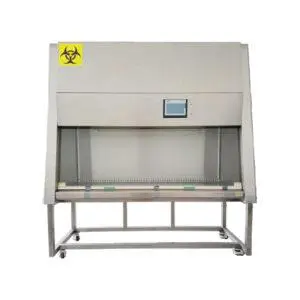
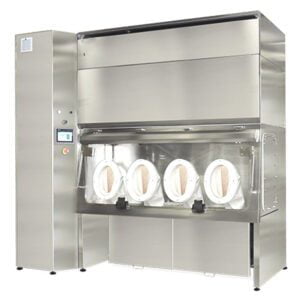
| Stand (örneğin, dağıtım) | Yerel HEPA filtreli ortamda izolatların işlenmesi faaliyetleri | HEPA filtreli hava besleme/egzoz sistemli yerel izole alan; genellikle koridora göre negatif basınçlı | Reaktif olmamalı, temizlenmesi kolay olmalı ve ölü köşeler içermemelidir; kapılar Ek 1’e göre menteşeli/kilitli olmalıdır |
Tablo, rol ve performans karşılaştırmalarını içermektedir. Tablonun gösteremediği şey ise sıralama bağımlılığıdır: HEPA filtre özellikleri oda sınıfına göre belirlenir; FFU sayısı, odanın ACH hesaplamasına göre belirlenir; LAF konumlandırması, A Sınıfı proses noktalarının belirlenmesine göre belirlenir; geçiş kutusu tasarımı, koridor basınçlandırma yönüne göre belirlenir; ve kabin özellikleri, faaliyetin yerel negatif basınçlı muhafaza mı yoksa yerel pozitif basınçlı koruma mı gerektirdiğine göre belirlenir. Bu sıra tersine çevrilirse — yani proses akışından ziyade ekipman kataloğundaki seçimle başlanırsa — sonuç, teknik özellikler listesine uyan ancak odaya uymayan bir paket olur.
Fan filtre ünitesi seçeneklerini değerlendiren ekipler için, ünite kapasitesi ile odanın tavan kaplama alanı arasındaki ilişkinin erken aşamada teyit edilmesi önemlidir; zira yetersiz kaplama, yeterlilik testi sırasında partikül sayım haritalamasında ortaya çıkan ölü bölgelerin oluşmasına neden olur. FFU konfigürasyonuyla ilgili dikkate alınması gereken hususlar hakkında daha ayrıntılı bilgi şu adreste bulunabilir: Fanlı Filtre Ünitesi – FFU ürün sayfası.
Doğrulama sırasında ortaya çıkan paket uyum sorunları
Doğrulama, çözülmemiş koordinasyon eksikliklerinin resmi hatalara dönüşmesi sürecidir; bu süreçte en tutarlı şekilde ortaya çıkan üç hata türü ise kapı donanımındaki aşınma, HEPA filtrelerinin yanlış yerleştirilmesi ve yeterlilik yaşam döngüsü boyunca görülen belgeleme eksiklikleridir.
Basınç farkı bulunan odalardaki çift kanatlı kapılar, sızdırmazlığı sağlayan yay gerginliğinin zamanla değişmesi nedeniyle sürekli bir risk oluşturur. İlk yeterlilik testleri sırasında basınç kademelendirme sistemi doğru şekilde çalışabilir. Ancak kullanımla birlikte yay gerginliği zayıfladıkça sızdırmazlık bozulur ve basınç farkı okumaları onaylanmış aralığın dışına çıkar. Bu, genel anlamıyla bir üretim hatası değildir; ekipmanın hizmete girmesinden sonra ortaya çıkan bir tasarım ve teknik özellik sorunudur. Paket incelemesi sırasında yapılacak kontrol, kapı donanımının teknik özelliklerinin uzun vadeli performans kriterlerini içerdiğini ve basınç izleme planının sadece HVAC sisteminin çıkışını değil, kapı arayüzünü de kapsadığını doğrulamaktır.
HEPA filtresinin yuvaya yanlış oturması, doğrulama açısından en doğrudan sonuç doğuran koordinasyon hatasıdır. Filtre, gövdeye doğru şekilde oturmazsa, kurulumdan sonra gerçekleştirilen dağılmış yağ partikülü bütünlük testi başarısız olacaktır. Bu başarısızlık, filtrenin sökülmesini, gövdenin incelenmesini ve yeniden takılmasını gerektirir — diğer iş kolları çalışmalarını tamamladıktan sonra tavan plenumunda yapılan bu işlem, zaman alıcıdır ve bazen kısmi söküm gerektirir. Bunun temel nedeni, neredeyse her zaman temiz oda inşaatçısı ile HVAC veya filtreleme tedarikçisi arasında filtre muhafazasının toleransları ve plenum geometrisinin koordine edilmemiş olmasıdır. Ekipman imalatından önce kurulum koordinasyon çizimlerini ve muhafaza toleranslarını teyit etmek, bunu önleyen kontrol işlemidir.
| Koordinasyon Sorunu | İşaretlenmezse, Şu Sonuca Yol Açar: | Paket İncelemesi Sırasında Nelere Dikkat Edilmelidir? |
|---|---|---|
| Basınç farkı bulunan odalardaki çift kanatlı kapılar | Kapı yayları zayıflar; basınç kademesi sapar ve doğrulama başarısız olur | Kapı donanımının teknik özelliklerini ve uzun vadeli basınç izleme planını doğrulayın |
| HEPA filtresinin yerleştirilme hizalaması | Kurulumdan sonra dağılmış yağ parçacıkları bütünlük testi başarısızlıkla sonuçlandı ve bu durum sertifikasyon sürecini geciktirdi | Kurulum koordinasyon çizimlerini ve filtre gövdesi toleranslarını kontrol edin |
| Herhangi bir ekipman birimi için eksik yeterlilik belgeleri (URS, DQ, IQ, OQ, PQ) | Eksik belgeler, temiz oda sertifikasyonunu durdurur | Satın alma işleminden önce her bir ekipman kaleminin eksiksiz belge paketini içerdiğinden emin olun |
Her bir ekipman birimi için URS, DQ, IQ, OQ, PQ gibi yeterlilik belgeleri gerekliliği, fiziksel kurulum gerektirmediği için gözden kaçması en kolay koordinasyon riskidir. Paketteki tek bir birimde bile eksiksiz bir belge seti bulunmuyorsa, bu eksiklik tüm temiz odanın sertifikasyonunu tehlikeye atar. Bu risk soyut değildir: belge paketleri genellikle tedarikçiye özeldir ve koordineli bir dokümantasyon gerekliliği olmaksızın ekipman birden fazla satıcıdan satın alındığında, IQ veya OQ aşamasında giderilmesi için geriye dönük çalışma gerektiren eksiklikler ortaya çıkar. Dokümantasyonun eksiksizliğini kurulum sonrası bir görev olarak değil, bir tedarik kriteri olarak ele almak, bu sorunu önleyen disiplinli bir yaklaşımdır.
Laminer hava akışı ünitesinin tasarımının, yeterlilik belgesi gereklilikleriyle birlikte doğrulanması gereken projelerde, Laminer Hava Akışı Ünitesi – LAF Ünitesi Ürün sayfasında, A Sınıfı bölge planlamasıyla ilgili teknik özellik detayları yer almaktadır.
Çizimler, kontrol belgeleri ve diğer belgeler için tedarikçi sınırları
Tedarikçi sınırları meselesi, sadece kimin neyi ürettiğiyle ilgili değildir; kimin hangi koordinasyon yükümlülüğüne sahip olduğu ve tedarikçiler arasındaki bir boşluğun ne zaman alıcının çözmesi gereken bir sorun haline geldiğiyle ilgilidir.
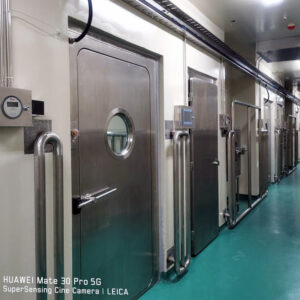
Kapı tasarımı konusunda sınırlar nettir. AB GMP Ek 1, madde 47, kayar kapıları yasaklamaktadır; çünkü bunlar, yeterince temizlenemeyen girintiler oluşturmaktadır. Geçiş kutuları ve kabinlerinde menteşeli veya birbirine kenetlenen kapılar kullanılmalıdır ve tedarikçinin tasarımı bu gerekliliği yansıtmalıdır. Bu, bir tasarım tercihi veya en iyi uygulama önerisi değildir — tasarım çıktısı için geçerli olan belirli bir düzenleyici kısıtlamadır. GMP sınıflandırmasına tabi bir tesis için sürgülü kapılı geçiş kutuları sağlayan bir tedarikçi, mevzuata uygun olmayan ekipman teslim etmiş olur ve değiştirme maliyeti projeye aittir.
Özel geçiş sistemi spesifikasyonları — belirli bir ürün türü, açıklık boyutu veya aktarım sırası için tasarlanmış malzeme geçitleri — katalog konfigürasyonlarının ötesine geçen, müşteriye özel çizimler ve belgeler gerektirir. Bu bileşenlerin teslim süreleri daha uzundur ve bunlara ilişkin belgeler standart değil, projeye özeldir. Özel geçiş sistemini tedarik planında hazır ürün olarak ele almak, teslimat gecikmelerinin yaygın bir nedenidir. Tedarikçinin buradaki yükümlülüğü, özel çizimler hazırlamak, belgeleri kontrol etmek ve proje zaman çizelgesine eklenmek yerine bu çizelgeye entegre edilmiş bir teslim süresi planı oluşturmaktır.
| Yükümlülük Alanı | Gereksinim | Tedarikçinin Teslim Etmesi Gerekenler |
|---|---|---|
| Geçiş kutuları ve kabinleri için kapı tasarımı | Sürgülü kapılar yasaktır (Ek 1, madde 47); yalnızca menteşeli veya birbirine kenetlenen kapılar kabul edilebilir | Uygun kapılar tasarlayın; birbirine kenetlenen sistemlere ilişkin teknik özellikleri belirleyin |
| Özel ekipman belgeleri | Malzeme geçitleri/geçiş kanalları için müşteriye özel çizimler ve belgeler gereklidir | Özel çizimler, kontrol belgeleri ve teslim süresi çizelgelerini sağlayın |
| Temizlenebilirlik ve malzeme sertifikaları | GMP ekipmanları reaktif olmamalı, temizlenmesi kolay olmalı ve ölü köşeler içermemelidir | Malzeme sertifikalarını ve yüzey işleme belgelerini sunun |
Malzeme sertifikaları ve yüzey işleme belgeleri, denetim aşamasında talep edilen unsurlar değil, tedarik aşamasındaki gerekliliklerdir. GMP ekipmanları reaktif olmamalı, temizlenmesi kolay olmalı ve ölü köşeler içermemelidir — bu gereklilikleri karşıladığının kanıtı ise yalnızca fiziksel inceleme değil, belgelerdir. GMP sınıfına giren herhangi bir ekipman birimi için, tedarikçi standart paketin bir parçası olarak malzeme sertifikalarını ve yüzey kaplama kayıtlarını teslim etmelidir. Bir tedarikçi bunları isteğe bağlı veya talep üzerine temin edilebilir olarak değerlendirirse, alıcı bunu bir koordinasyon riski olarak değerlendirmelidir. Teslimattan sonra peşinden koşulması gereken belgeler, yeterlilik sürecinin zaman çizelgesini daraltır ve denetime hazırlık dosyasında boşluklar yaratır.
Genellikle bir sorun haline gelene kadar çözümsüz kalan sınır meselesi, basınç kademelendirme doğrulamasının sorumluluğudur. HVAC sistemleri, geçiş kutuları ve oda izleme sistemleri farklı tedarikçiler tarafından sağlandığında, kademelendirmenin çalışma koşulları altında tüm aktarım noktalarında geçerli olduğunu kanıtlama sorumluluğu tek bir tedarikçiye ait değildir. Bu kanıtlama genellikle Operasyonel Kalifikasyon (OQ) sırasında talep edilir. Tedarik sürecinde bu sorumluluk belirli bir tarafa atanmazsa, varsayılan olarak alıcıya düşer — ancak alıcı genellikle bunu verimli bir şekilde tamamlamak için gerekli teknik kaynaklara veya tedarikçinin işbirliğine sahip değildir. Sözleşmeler imzalanmadan önce bu sınırın netleştirilmesi, yeterlilik sürecinde çözülmesinden daha güvenilir bir stratejidir.
Oda sınıfı ve süreç riski belirlendikten sonra tedarik tetikleyicisi
Oda sınıfı, ekipman kapsamını ürün türü veya tesis büyüklüğünden daha doğrudan belirler. AB GMP sınıfları ile ISO 14644-1 partikül konsantrasyon sınırları arasındaki sınıflandırma eşdeğerliği, düzenleyici bir kararı belirli ekipman gereksinimlerine dönüştüren mekanizmadır; sınıflar belirlendiğinde, tedarik süreci herhangi bir belirsizlik olmaksızın ilerler.
| Sınıf | ISO Dinlenme Sınıfı (≥0,5 µm/m³) | Operasyonel ISO Sınıfı | Ekipman Tedarik Tetikleyicisi |
|---|---|---|---|
| A | ISO 5 (≤3.520) | ISO 5 | LAF tek yönlü hava akışı + HEPA; yerel A Sınıfı koruma zorunludur |
| B | ISO 5 (≤3.520) | ISO 7 | ISO 7 çalışma koşullarını sağlamak üzere yüksek hava değişim hızı (ACH) için FFU/HEPA dizisi |
| C | ISO 7 | ISO 8 | Odanın ACH değerine göre FFU/HEPA; sınıflandırma, ünite sayısını belirler |
| D | ISO 8 | ISO 8 | Ek 1 kapsamında, steril olmayan D Sınıfı ürünler bile HEPA filtreleme ve hava işleme ekipmanlarının devreye girmesine neden olur |
A Sınıfı, en katı ekipman gereksinimini gerektirir: Hem durgun hem de çalışma koşullarında ISO 5 şartlarını sürdürmek üzere yapılandırılmış LAF tek yönlü akış ve HEPA filtreleme. A Sınıfı bir bölge için ekipman paketi, bu gereksinimin altına indirgenemez — durgun ve çalışma koşullarında ISO 5, performans hedefidir ve ekipman, bu hedefi karşılayacak şekilde boyutlandırılmalı, kurulmalı ve onaylanmalıdır. B Sınıfı, A Sınıfı operasyonları destekler ve durgun durumda ISO 5, çalışma sırasında ise ISO 7 koşullarını sağlamalıdır; bu da, çalışma sırasındaki partikül yükünü yönetmek için yüksek ACH değerine sahip FFU ve HEPA dizisi konfigürasyonunu gerektirir. C ve D Sınıfı bölgeler, daha düşük performans eşiklerinde aynı mantığı izler.
D Sınıfı durumunun, genellikle hafife alınan bir planlama etkisi vardır. D Sınıfı olarak sınıflandırılan steril olmayan bir alan bile, HEPA filtreleme ve uygun hava işleme ekipmanı dahil olmak üzere, AB GMP Ek 1’e tam uyum yükümlülüklerini tetikler. Bu uyum maliyeti, faaliyetin algılanan risk düzeyiyle orantılı değildir — sınıf ataması tarafından belirlenir. Bir üretici, kontaminasyon kontrolünü resmileştirmek amacıyla bir paketleme veya tartım alanına D Sınıfı ataması yaparsa, bununla birlikte gelen tüm ekipman ve dokümantasyon yükümlülüklerini de kabul etmiş olur. Karar noktası, sınıf atamasının kendisidir; bu nedenle süreç risk değerlendirmesi, sınıflandırmadan önce yapılmalı ve sınıflandırma da tedarikten önce gerçekleştirilmelidir. Bu sıranın tersine çevrilmesi — yani ekipman seçildikten sonra bir odanın sınıflandırılması — genellikle ya aşırı ya da yetersiz spesifikasyonlara yol açar ve bunların hiçbiri doğrulama sonucuna hizmet etmez.
Ekipman özelliklerinin yanı sıra sınıflandırma gerekliliklerini de ele alan ekipler için, şu konudaki makale: Temiz Oda Ekipmanları için ISO 14644 ve GMP Uyumluluk Standartları sınıflandırma gerekliliklerinin sertifikasyon testleriyle nasıl ilişkilendirildiğine dair yararlı bilgiler sunar.
Bu süreç boyunca ortaya çıkan en somut sonuç, ekipman paketinin, onu ortaya çıkaran önceki aşamadaki kararlar kadar istikrarlı olduğudur. Oda sınıfı, koridor basınçlandırma yönü ve her aktarım noktasındaki kontaminasyon kontrol mantığı, hangi ekipmanın pakete dahil edileceğini, nerede yer alacağını ve yeterlilik testi sırasında neyi kanıtlaması gerektiğini belirleyen girdilerdir. Bu girdiler, yerleşim çizimleri onaylanmadan ve satın alma siparişleri verilmeden önce teyit edildiğinde, paket savunulabilir bir temele sahip olur. Daha sonra teyit edildiğinde ise, paket, tedarik işlemi kılığına girmiş bir sonradan uyarlama çalışması haline gelir.
Herhangi bir ekipman listesini kesinleştirmeden önce, pratik olarak kontrol edilmesi gereken husus, her bir ünitenin dört unsuru tanımlamış olup olmadığıdır: belirli bir proses rolü, basınç yönü dahil olmak üzere teyit edilmiş bir oda ilişkisi, komşu ekipman veya bina sistemleriyle koordine edilmiş bir hizmet ve arayüz gereksinimi ve yeterlilik planında eksiksiz bir dokümantasyon satırı. Her bir öğe için bu dört soruyu yanıtlayabilen bir paket, tedarik edilmeye hazırdır. Bunu yapamayan bir paket ise, doğrulama aşamasında eksikliklerini ortaya çıkaracaktır — projenin, bu eksiklikleri gidermenin maliyetinin önemli ölçüde artmış olduğu bir aşamasında.
Sıkça Sorulan Sorular
S: Oda sınıfı henüz resmi olarak belirlenmemişse ne olur? Ekipman seçimi yine de başlatılabilir mi?
C: Hayır — sınıflandırma belirlenene kadar ekipman seçimi başlatılmamalıdır, çünkü sınıflandırma, paketteki tüm performans hedeflerini belirler. Onaylanmış bir sınıflandırma olmadan, FFU boyutlandırması, HEPA özellikleri ve LAF yerleşimi için geçerli bir dayanak bulunmaz. Sınıflandırma kesinleşmeden tedarik sürecine başlanması, genellikle maliyeti şişiren aşırı özellikli ekipmanların veya yeterlilik testlerini geçemeyen yetersiz özellikli ekipmanların ortaya çıkmasına neden olur; yerleşim çizimleri onaylandıktan sonra bu durumların düzeltilmesi, zaman çizelgesini olumsuz etkiler; oysa “önce sınıflandırma” yaklaşımıyla planlama yapıldığında bu tür etkiler tamamen önlenir.
S: Beş ekipman türünü tek bir paket halinde koordine etmek yerine ayrı satıcılardan satın almak hiçbir durumda haklı görülebilir mi?
C: Tedarikçilerden ayrı ayrı satın alma, tek tek birimler üzerinde fiyat avantajı sağlayabilir; ancak koordinasyon yükünü — ayak izi uyumu, basınç kademelendirme doğrulaması ve tüm yeterlilik yaşam döngüsü boyunca belgelemenin eksiksizliği — alıcıya aktarır. Buradaki özel risk, OQ sırasında basınç kademelendirmesinin tüm aktarım noktalarında geçerli olduğunun kanıtlanmasının tek bir tedarikçiye ait olmamasıdır; dolayısıyla bu yükümlülük, bunu verimli bir şekilde tamamlamak için gerekli teknik kaynaklara veya tedarikçi işbirliğine sahip olmayan alıcıya devredilir. Koordineli bir paket, birim düzeyinde fiyat rekabetinin potansiyel olarak azalması pahasına bu arayüz riskini azaltır.
S: Ekipman paketi temin edilip kurulduktan sonra, sertifikasyon testlerine başlanabilmesi için hemen ardından atılması gereken adım nedir?
C: Hemen sonraki adım, herhangi bir yeterlilik çalışması başlamadan önce her birimin tedarikçi tarafından teslim edilen eksiksiz bir belge setine — URS, DQ, IQ, OQ, PQ — sahip olduğunun teyit edilmesidir. HEPA filtre bütünlük testi ve basınç kaskadı doğrulaması, bunlara ilişkin belge zinciri eksikse sertifikalandırılabilir sonuçlar veremez. Kurulum sırasında veya sonrasında tespit edilen dokümantasyon eksiklikleri, yeterlilik zaman çizelgesini sıkıştıran geriye dönük çalışmalar gerektirir; dokümanların eksiksizliğini bir teslimat kabul kriteri olarak ele almak ve bunu denetim aşamasında değil, mal kabulünde kontrol etmek, sertifikasyon takvimini bozulmadan korumayı sağlar.
S: Halihazırda onaylanmış bir yerleşim planına — örneğin bir dağıtım kabini gibi — tek bir ekipman parçasının eklenmesi, ne zaman basit bir ekleme olmaktan çıkıp proje riski haline gelir?
C: Oda çizimleri onaylandığı anda bu durum bir proje riski haline gelir; çünkü bu noktadan sonra yapılacak herhangi bir ekleme, üç potansiyel çelişkiyi aynı anda çözmek zorundadır: taban alanı ile duvar yerleşimi arasındaki çelişki, hava akış yönü ile mevcut basınç kademelendirme sistemi arasındaki çelişki ve bakım erişimi ile bitişik koridorlar veya odalar arasındaki çelişki. Bu çelişkilerden herhangi biri, çizimde revizyon yapılmasını ve muhtemelen yapısal veya HVAC sisteminde yeniden çalışma gerektirir. Pratik eşik nokta, planların onaylanmasıdır — bu noktadan önce talep edilen eklemeler entegre edilebilir; bu noktadan sonra talep edilen eklemeler ise, ekipman maliyetine oranla orantısız bir şekilde zamanlama ve doğrulama kapsamı üzerinde olumsuz etkileri olan yenileme çalışmalarıdır.
S: Düşük riskli bir faaliyet alanını D Sınıfı olarak sınıflandırmak, üreticiyi, sınıflandırılmamış bir alanın gerektireceğinden önemli ölçüde daha pahalı bir ekipman paketini satın almaya mecbur kılar mı?
C: Evet — D Sınıfı, algılanan kontaminasyon riski ne kadar sınırlı olursa olsun, HEPA filtreleme ve uygun hava işleme ekipmanı dahil olmak üzere tam AB GMP Ek 1 uyum yükümlülüklerini tetikler. Uyum maliyeti, faaliyetin risk profiline göre değil, sınıf atamasına göre belirlenir. Bu, kontaminasyon kontrolünü resmileştirmek amacıyla bir paketleme veya tartım alanına D Sınıfı atama kararının, sınıflandırma sonrasında küçültülemeyecek tam bir ekipman ve dokümantasyon kapsamını gerektirdiği anlamına gelir. Sınıflandırma, ekipman seçildikten sonra uygulanan bir etiket değil, tedarik sürecini tetikleyen bir unsur olduğu için, sınıflandırma işleminden önce süreç risk değerlendirmesi yapılmalıdır.