FFU ses seviyeleri teklifler arasında farklılık gösterdiğinde, bunun nedeni nadiren bir ünitenin sadece daha sessiz olmasından kaynaklanır. Genellikle satıcılar, akustik performansı farklı ölçütler, hava akışı noktaları, filtre koşulları veya test düzenekleri altında bildirirler; ancak bunların hiçbiri, iki rakamı yan yana koyup en iyisini seçmenize olanak sağlayacak şekilde açıklanmaz. Bu karşılaştırmanın proje açısından bir anlam ifade edebilmesi için, okuyucunun öncelikle bu rakamların aynı şeyi ifade edip etmediğini belirlemesi gerekir.
Ortak Bir Akustik Ölçüt ve Test Yöntemi Belirlenmesi
Her bir tedarikçinin sunduğu veriler için, tam olarak neyin rapor edildiğini kaydetmekle başlayın: ölçüm değerinin kendisi, birimleri, atıfta bulunulan test standardı veya yöntemi, test laboratuvarının veya raporun kimliği ve söz konusu rakamın ses gücü seviyesi, ses basıncı seviyesi mi yoksa belirtilen başka bir değer mi olduğu. Bunlar birbirinin yerine kullanılabilecek büyüklükler değildir. Ses gücü değeri, mesafe veya odadan bağımsız bir akustik kaynak özelliğini tanımlarken, ses basıncı değeri ölçüm konumuna ve ölçümün yapıldığı ortama bağlıdır. Bunları birbiriyle karşılaştırmak veya bir tedarikçinin ses gücü değerini başka bir tedarikçinin ses basıncı değeriyle doğrudan karşılaştırılabilirmiş gibi ele almak, hangi rakam daha düşük görünürse görünsün, mühendislik açısından hiçbir temeli olmayan bir sonuca yol açar.
Bu durum, tedarik süreçlerinin hızlı bir karşılaştırma gerektirdiği durumlarda daha da önem kazanır. Rakamları tek bir sütunda sıralayan bir hesap tablosu, bu rakamların aynı yöntemle elde edildiği varsayımını doğurur. Metrik, birimler veya yöntem farklılık gösterdiğinde, bu varsayım anında geçersiz hale gelir ve buna dayandırılan tüm sonraki karşılaştırmalar da bu varsayımla birlikte geçersiz olur.
Lawrence Berkeley Ulusal Laboratuvarı’nın enerji verimli temiz oda fan-filtre üniteleriyle ilgili kılavuzu bu konuyu doğrudan ele almaktadır: tedarikçilerin gürültü verilerinin, tek bir sayısal eşiği “geçer” ya da “kalır” sınırı olarak kabul etmek yerine, ortak bir karşılaştırma temelini destekleyen tutarlı bir laboratuvar yöntemine dayandırılmasını önermektedir. Bu ayrımı göz önünde bulundurmak önemlidir. Tutarlı bir yöntemin değeri, belirli bir proje için kabul edilebilir ses seviyesinin ne olduğunu tanımlamasından ziyade, bildirilen iki sayının anlamlı bir şekilde karşılaştırılabilmesini sağlamasından kaynaklanmaktadır. LBNL’nin ayrı bir raporu, FFU performansının karakterize edilmesine yönelik standart yöntemler dokümantasyonu, özellikle her bir FFU’nun işlevselliği, çalışması ve kontrolünün tutarlı bir şekilde tanımlanabilmesi için yapılandırılmış bir test ve raporlama yaklaşımı gerektirdiği için mevcuttur. Bir tedarikçi, sunulan rakamın hangi yönteme göre hesaplandığını belirtemiyorsa veya bu rakamın dayandığı test raporunu ya da tesisi tanımlayamıyorsa, söz konusu rakam henüz karşılaştırma yapılabilecek bir temele ulaşmış sayılmaz. Doğru yaklaşım, bu rakamı bir kenara atmak değil, henüz ortak bir temele dayanmadığını belirtmek ve diğer tedarikçilerin rakamlarıyla karşılaştırılabilir olarak değerlendirmeden önce eksik olan yöntem bilgisinin sağlanmasını talep etmektir.
Belirtilen Çalışma Noktasını Normalleştir
Metrik ve yöntem uyumlu hale getirildikten sonra, bir sonraki soru, ünitelerin aynı çalışma koşullarında test edilip edilmediğidir. Bir FFU’nun akustik çıkışı, çalıştığı hava akışı veya yüzey hızı ile ünitenin karşı karşıya kaldığı dış veya giriş basıncı koşullarına göre değişir. Daha düşük bir hava akışı ayarında veya projenin gerçekte sunacağından daha düşük bir dirence karşı ölçülen bir ses değeri, aynı ünitenin projenin amaçlanan çalışma noktasında göstereceği değerden daha düşük olacaktır. Bu fark, çalışma koşullarının bir özelliğidir; bir ünitenin doğası gereği diğerinden daha sessiz olduğunun kanıtı değildir.
İşte bu noktada, her tedarikçi dürüst bir şekilde rapor vermiş olsa bile karşılaştırma hatalı sonuçlara yol açabilir. Satıcı A, bir yüz hızı ve dış statik basınç değerinde test yaparsa ve Satıcı B başka bir değerde test yaparsa, bu iki akustik değer farklı sorulara cevap verir. Her iki değer de yanlış değildir; ancak sunulan haliyle birbirleriyle karşılaştırılamaz. LBNL’nin FFU performansı hakkındaki raporu, ünitenin davranışının çalışma koşullarına ve sistem basıncına göre değiştiğini doğrulamaktadır; bu da, farklı bir çalışma noktasında elde edilen daha düşük bir ses değerinin, projenin gerçek çalışma koşullarında ünitenin daha sessiz olduğunun kanıtı olarak yorumlanamayacağının temel nedenidir.
Bunun pratikteki sonucu şudur: Okuyucu, herhangi bir karşılaştırma yapmadan önce, belirtilen her bir rakam için hangi hava akışı veya yüzey hızı noktasının ve hangi dış veya giriş basıncı koşulunun geçerli olduğunu belirlemelidir. Bir satıcının akustik değerinin temelini oluşturan çalışma noktasını belirtmediği durumlarda, bu değer projenin amaçlanan çalışma noktasına göre değerlendirilemez; bu eksiklik, projeyi geçersiz kılacak bir kusurdan ziyade, eksik bir girdi olarak değerlendirilmelidir. Doğru bir sonraki adım, satıcıdan, bir rakamı diğerinin temeline kaydırmak için bir dönüştürme veya ayarlama uygulamak yerine, projenin fiilen kullanacağı hava akışı ve basınç koşullarındaki ses performansını bildirmesini istemektir. Burada, ses çıkışının çalışma noktaları arasında doğrusal veya öngörülebilir bir şekilde ayarlanabilir olarak ele alınmasını destekleyen hiçbir girdi yoktur ve böyle bir ayarlamanın uydurulması, temel verilerin desteklemediği bir rakamın ortaya çıkmasına neden olur.
Birim Test Verilerini Oda İçindeki Gürültüden Ayırma
Belirtilen akustik değer, belirli laboratuvar test koşulları altında bir üniteyi tanımlar. Üniteler kurulduktan sonra bir odanın nasıl ses vereceği ise ayrı bir konudur; bu durum, ünitelerin nasıl monte edildiğine, etraflarını çevreleyen tavan ve oda yüzeylerinin türüne, kaç ünite çalıştığına ve o oda içinde ölçüm konumunun nerede belirlendiğine bağlı olarak şekillenir. Bu iki kategoriyi birbirine karıştırarak laboratuvar ünite değerini, kurulmuş odadaki ses performansı hakkında bir vaatmiş gibi değerlendirmek, hiçbir tek ünite test sonucunun desteklemek üzere tasarlanmadığı bir beklenti yaratır.
Bu ayrım, okuyucunun neyi sorgulaması gerektiğini değiştirir. Projenin oda düzeyinde bir akustik beklentisi varsa, bu beklenti; hangi ünitenin seçildiği, nasıl kurulduğu, odada akustik açıdan başka neler bulunduğu ve odanın yüzeylerinin birlikte çalışan birden fazla üniteyle nasıl etkileşime girdiği gibi faktörlerden etkilenen bir proje sonucudur. Bu, birim düzeyindeki laboratuvar değerinin aritmetik işlemlerle dönüştürülebileceği bir şey değildir. Bir tedarikçinin sunduğu ses değeri laboratuvar koşullarında elde edilmişse, okuyucu o teste hangi montaj yönteminin, tavan durumunun, oda konfigürasyonunun ve ölçüm konumunun uygulandığını belirlemeli ve ardından tedarikçiden birim değerini sanki oda garantisiymiş gibi yeniden ifade etmesini istemek yerine, kurulum sonrası odadaki sonucun tahmin edilmesinden veya doğrulanmasından kimin sorumlu olduğunu sormalıdır.
Bu yargıyı değiştiren koşul, gerçek odadaki ünitelerin sayısı ve yerleşimidir. Tek başına değerlendirilen tek bir üniteye ait laboratuvar sonucu, belirli bir tavan ızgarası ve çevre yapısı bulunan ortak bir alanda birkaç ünitenin birlikte çalıştığı durumda neler olacağını açıklamaz. Proje, tek bir odada birden fazla üniteyi içeriyorsa, kurulum sonrası odadaki sonuç, ünite düzeyindeki testlerin asla yakalayamadığı faktörlere bağlıdır ve işte bu bağımlılık, oda performansını tahmin etme veya doğrulama sorumluluğunun varsayılmak yerine atanması gerektiğinin tam da nedenidir. Bu ayrımı net bir şekilde kayda geçirmek — bir sütunda ünite test verileri, diğer sütunda kurulu odaya ilişkin kriterler ve sorumluluk — karşılaştırmanın dürüst olmasını sağlar ve satıcının, gerçekten destekleyebileceği iddia kategorisi konusunda hesap verebilir olmasını garanti eder.
Filtre, Kontrol ve Hava Yolu Koşullarını Dikkate Alın
Hava akışı noktası ve basıncının ötesinde, belirtilen bir akustik değer, ünitenin test edildiği spesifik konfigürasyona bağlıdır: hangi filtre türünün takıldığı ve bu filtrenin hangi durumda olduğu, ünitenin hangi motor ve kontrol modunda çalıştığı, ünitenin kendisinin hangi boyutta veya konfigürasyonda olduğu ve test sırasında üniteye hangi plenum veya kanal düzenlemesinin (varsa) bağlandığı gibi faktörler. Bunların her biri, ünitenin temel tasarımını değiştirmeden akustik sonucu etkileyebilir.
Bu Price Industries fan filtre ünitesi kurulum ve bakım kılavuzu FFU’nun çalışma davranışının, yukarı akış hava akımı cihazları, kanal sistemi, giriş statik koşulları, motor programı ve planlanan hava akımı tarafından nasıl etkilendiğini açıklamaktadır. Bu durum, söz konusu unsurların, test yapılmadan akustik etkisinin tahmin edilebileceği veya öngörülebileceği değişkenler olarak değil, her bir tedarikçinin teklif ettiği rakamları kaydetmek için karşılaştırma koşulları olarak ele alınmasını desteklemektedir. Bir tedarikçinin teklifinde filtre durumu, motor ve kontrol modu veya hava yolu düzeni belirtilmediği durumlarda, söz konusu teklif, başka bir tedarikçinin temel koşullarıyla uyuşup uyuşmadığını değerlendirmek için gerekli konfigürasyon bilgilerini içermemektedir; bu durumda doğru yaklaşım, eksik koşulun projenin amacına uygun olduğunu varsaymak yerine, bu eksikliği tespit edip işaretlemektir.
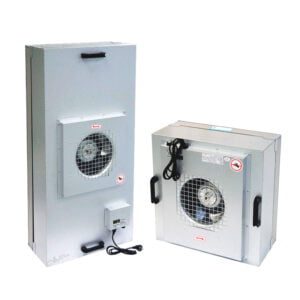
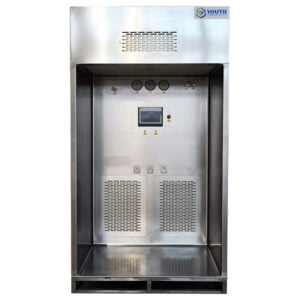
Bu durum önemlidir çünkü aynı ürün ailesi altında satılan, aynı nominal tipteki iki ünite, tamamen kendi testleri sırasında bu koşullardan hangisinin geçerli olduğuna bağlı olarak farklı akustik değerler taşıyabilir. Temiz, yüksüz bir filtreyle test edilen bir ünite ile belirtilen farklı bir koşuldaki filtreyle test edilen bir ünite, rapor edilen diğer tüm parametreler aynı olsa bile aynı karşılaştırma temelinde değerlendirilemez. Benzer şekilde, motor hızını ayarlayan bir kontrol modu, sabit bir ayarda çalışan moddan akustik olarak farklıdır ve açık girişle test edilen bir ünite, kanallı dirence karşı test edilen bir üniteden farklıdır. Bu farklılıkların hiçbiri, mevcut verilerden yapılan hesaplamalar yoluyla eşdeğer bir ses değerine dönüştürülemez; bunlar yalnızca uyumlu hale getirilmesi gereken koşullar olarak tanımlanabilir. Bu aşamada okuyucunun görevi, her bir tedarikçinin teklifine ilişkin ünite boyutu veya konfigürasyonu, filtre türü ve durumu, kontrol modu ve hava yolu düzeni hakkında eksiksiz bir tablo oluşturmaktır; böylece tedarikçiler arasında kalan herhangi bir akustik fark, test edilme şekillerindeki kayıt dışı bir farklılıktan ziyade ünitelerin kendilerine atfedilebilir. Mevcut durumu korumak YOUTH Fan Filtre Ünitesi serisi Bu disiplinle bağlantılı olarak, söz konusu ürün ailesinden herhangi bir akustik değer başka bir tedarikçinin sunduğu değerle karşılaştırılmadan önce, projeye özgü yapılandırma ve test koşulu verilerinin talep edilmesi gerekir.
Seçimden Önce Karşılaştırılabilir İstisnaları Kaydedin
Her bir tedarikçinin teklif ettiği değer için ölçü birimi, çalışma noktası, test düzeni ve yapılandırma koşulları kontrol edildikten sonra, okuyucunun bulguların basit bir sıralı listeye dönüşmesine izin vermek yerine, elde edilen sonuçları kaydetmek için yapılandırılmış bir yönteme ihtiyacı vardır. Bazı değerler, metrik, yöntem, çalışma noktası ve yapılandırma açısından birbirlerine yeterince yakın olacak ve karşılaştırılabilir olarak değerlendirilebilecektir. Diğerleri ise bu unsurların bir kısmını paylaşacak, ancak hepsini paylaşmayacak; bu da kalan öğenin teyit edilmesine kadar bu değerlerin koşullu olarak karşılaştırılabilir olmasını sağlayacaktır. Üçüncü bir grup ise her iki kategoriye de yerleştirilebilmesi için yeterli bilgiye sahip olmayacak ve eksik bilgiler sağlanana kadar karşılaştırılamaz olarak işaretlenmelidir.
| Hizalanacak veri öğesi | Satıcının belirtmesi gerekenler | Eksik veya farklı olması durumunda karşılaştırma işlemi |
|---|---|---|
| Akustik sonuç | Kesin ölçü birimi, birimler ve bildirilen değer | Birbirinden farklı ölçütleri doğrudan karşılaştırmayın |
| Test esasları | Başvurulan yöntem, rapor kimliği ve test tesisi veya kaynak | Sonucu “henüz ortak bir temele dayalı değil” olarak işaretleyin |
| Çalışma noktası | Hava akışı veya yüzey hızı ile dış basınç veya giriş basıncı | Kararlaştırılan proje görev kapsamında veri talebinde bulunmak |
| Ünitenin durumu | Ünite boyutu, filtre türü ve belirtilen durumu, motor ve kontrol modu | Yapılandırma farkını kaydedin |
| Test düzeni | Montaj, tavan veya oda kurulumu ve ölçüm konumu | Ürün karşılaştırmasından kurulum etkilerini ayırın |
| Proje kullanımı | Hedeflenen miktar, yerleşim düzeni ve kurulum yapılacak oda kriteri | Birim verilerini proje çıktısından ayrı tutun |
Bir tedarikçinin verileri “koşullu olarak karşılaştırılabilir” veya “karşılaştırılamaz” kategorisine giriyorsa, atılması gereken uygun adım, tedarikçiden akustik verilerini aynı proje temelinde yeniden sunmasını istemektir; bu, incelenmekte olan diğer sunumlar için kullanılanlarla aynı ölçü birimi ve yöntem, aynı hava akışı ve basınç noktası ile aynı açıklanmış konfigürasyon koşullarını ifade eder. Bir tedarikçi bu temelde eşdeğer veriler sağlayamazsa, doğru yaklaşım, tahmini bir düzeltme faktörü uygulamak veya eksik uyum temelinde bir tedarikçinin ünitesini daha sessiz ilan etmek yerine, bu eksikliği belgelenmiş bir istisna olarak kayda geçirmektir. Gerçekte test edilmemiş koşullar arasında bir dönüştürme uydurmak, temel verilerin desteklemediği bir rakam ortaya çıkarır; açıklanamayan düşük bir rakamı avantaj olarak değerlendirmek ise, ünite performansına değil, verideki bir sapmaya dayalı seçim yapma riskini doğurur.
Bu normalleştirilmiş kayıt, tedarikçi ile işbirliğinin bir sonraki aşamasının temelini oluşturur. Bir tedarikçiye sağlanan proje bilgileri (oda tasarımı, ünite sayısı, kanal düzeni, beklenen filtre durumu ve amaçlanan kontrol modu) ile o tedarikçinin teklifindeki akustik değerleri hesaplarken kullandığı veriler birbiriyle örtüşüyorsa, bu karşılaştırma sağlam bir temele dayanır. Eşleşmediği durumlarda ise, bu uyumsuzluk tam da normalleştirme kaydının ortaya çıkarmayı amaçladığı boşluktur ve bu boşluğu kapatmak, çözülmemiş bir durumda seçime geçmek yerine, eksik olan belirli veri noktasını tedarikçiye iletmekle mümkündür. Tedarikçi teklifinin diğer unsurları için de aynı yöntemi uygulayan okuyucular, genel hatlarıyla ele alınan benzer bir istisna izleme yaklaşımını Temiz oda ekipmanları tedarik ve tedarikçi değerlendirme kılavuzu, burada “karşılaştırılabilir sonuç için karşılaştırılabilir dayanak” ilkesi, yalnızca akustik verilerin ötesinde de geçerlidir.
Sıkça Sorulan Sorular
Q: Bir FFU değerinde ses gücü, diğerinde ise ses basıncı belirtilmiştir. Bu değerleri sıralayabilir miyim?
A: Hayır. Bunlar farklı akustik ölçümler olup, birbirinin yerine kullanılabilir değerler olarak değerlendirilmemelidir. Tedarikçilerden kesin ölçütleri, birimleri, test yöntemini, raporu ve kurulum koşullarını belirtmelerini isteyin; ardından sonuçları ortak bir karşılaştırma temelinde sunun.
Q: Belirtilen en düşük ses değeri, ihtiyaç duyduğumuz hava akışı için en sessiz seçenek midir?
A: Yalnızca aynı çalışma koşullarında yapılan bir karşılaştırma bu sonucu destekleyebilir. Hava akışını, dış veya giriş basıncını, filtre durumunu, motor ve kontrol modunu ve ünite konfigürasyonunu eşleştirin. Başka bir çalışma noktasında elde edilen daha düşük bir değer, projeniz için daha sessiz bir seçim olduğunu kanıtlamaz.
Q: Laboratuvar FFU ses değeri, beklenen oda gürültüsü olarak kullanılabilir mi?
A: Bu, kurulum yapılan odadaki sonuçtan ayrı tutulmalıdır. Yerleşim düzeni, tavan, çevreleyen yüzeyler, adet sayısı ve sistemin çalışması proje bağlamını etkiler. Oda kriterlerini tanımlayın ve bir ünitenin sonucunu oda garantisi olarak kabul etmek yerine, ilgili tahmin veya doğrulamayı kimin sağladığını sorun.
Q: Bir tedarikçi, eşleşen koşullar altında ses verisi sağlayamazsa ne yapmalı?
A: Karşılaştırmadaki istisnayı açıkça belirtin ve eksik koşulları belirleyin. Verileri, üzerinde anlaşmaya varılan proje yükümlülüğü ve ortak test esasları çerçevesinde talep edin. Eşdeğer kanıt hâlâ bulunmuyorsa, bir düzeltme faktörü uydurmayın veya birbirinden farklı değerlerden akustik açıdan en iyi olanı belirlemeyin.