Scegliere l’alloggiamento di scarico in base alle prestazioni del flusso d’aria e al costo iniziale senza prima caratterizzare ciò che il filtro HEPA usato conterrà effettivamente è l’errore di progettazione più grave nelle specifiche di scarico delle camere bianche GMP. La conseguenza raramente emerge in fase di approvvigionamento — si manifesta durante la prima sostituzione del filtro, quando il personale di manutenzione scopre che l’alloggiamento installato non fornisce alcuna protezione ingegneristica contro ciò che si è accumulato sul mezzo filtrante. A quel punto, le opzioni si riducono rapidamente: improvvisare procedure che dipendono dai DPI senza alcun contenimento, rivolgersi all’EHS e al QA per una valutazione dei rischi non pianificata, oppure adeguare un alloggiamento che non è mai stato progettato per una sostituzione contenuta. La decisione che impedisce tutti e tre questi esiti è semplice ma deve essere presa tempestivamente: caratterizzare il profilo dei residui dell’aria di scarico prima che le specifiche dell’alloggiamento siano definitive, poiché è proprio quel profilo — non i dati sul flusso d’aria, né l’ingombro, né il costo unitario — a determinare se un alloggiamento standard sia accettabile o se un sistema “bag-in/bag-out” sia l’unica scelta giustificabile.
Valutazione del rischio legato ai residui prima di scegliere alloggiamenti Safe-Change
Il filtro HEPA usato in un sistema di aspirazione GMP non è un componente neutro al termine della sua vita utile. Rappresenta infatti un punto di raccolta concentrato di tutto ciò che il sistema di ventilazione ha rimosso dall’ambiente di processo durante il suo periodo di funzionamento. Nella produzione farmaceutica e biotecnologica, il materiale catturato può includere polvere di principi attivi (API) altamente reattivi, aerosol biologici, composti citotossici o, in alcuni contesti produttivi, particelle combustibili. È la composizione di tale residuo — e non il valore di caduta di pressione dell’alloggiamento o l’ingombro dell’installazione — a costituire il fattore principale per la decisione relativa al contenimento.
La classificazione delle fasce di esposizione professionale fornisce in questo contesto un utile quadro di riferimento per la pianificazione. I sistemi di contenimento BIBO sono progettati per gestire composti pericolosi fino all’OEB 6, un livello di potenza che rappresenta alcuni dei composti farmaceutici più acutamente tossici presenti nella produzione commerciale. Considerare tale soglia come parametro di riferimento per la pianificazione dell’esposizione professionale significa che qualsiasi sistema di aspirazione al servizio di un processo in cui il principio attivo farmaceutico (API) o l’agente biologico rientri in tale fascia o vi si avvicini richiede una valutazione approfondita del contenimento prima della scelta dell’alloggiamento. Ciò non significa che l’OEB 6 sia l’unica condizione in cui sia appropriata la sostituzione in ambiente confinato, ma che l’OEB 6 rappresenta il limite massimo della gamma in cui l’utilizzo di alloggiamenti standard è chiaramente insostenibile.
La dimensione del rischio va inoltre oltre la tossicità. I materiali dei sacchi BIBO sono disponibili in polietilene dissipativo con polvere di carbonio, specificamente per affrontare scenari che coinvolgono polveri e gas combustibili. Si tratta di una considerazione ingegneristica distinta dalla potenza: un composto può presentare una bassa tossicità acuta, ma generare comunque concentrazioni esplosive di polvere sulla superficie del filtro durante la sostituzione. Ciò amplia il campo di applicazione delle specifiche dei BIBO oltre i soli composti ad alta potenza, estendendolo a qualsiasi processo in cui il filtro accumuli materiale che presenti un rischio fisico durante la rimozione. Comprendere il profilo completo dei residui — chimico, biologico e fisico — prima di finalizzare la scelta dell’alloggiamento è l’unico modo per evitare di scoprire la lacuna nel momento peggiore possibile.
Per le strutture che stanno già affrontando le implicazioni della revisione dell’Allegato 1 delle GMP dell’UE del 2022, il principio di fondo è in linea con quali siano i requisiti di tale revisione in termini di strategia di controllo della contaminazione: l'identificazione dei rischi deve precedere le decisioni ingegneristiche, non seguirle.
Esposizione alle norme GMP durante la sostituzione dei filtri HEPA del sistema di scarico
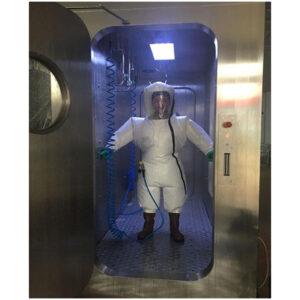
L’alloggiamento standard richiede l’accesso diretto al filtro. Non esiste alcun meccanismo tecnico tra il tecnico addetto alla manutenzione e il materiale filtrante contaminato. Quando l’alloggiamento viene aperto, il filtro viene esposto all’ambiente circostante e il tecnico è esposto a tutto ciò che il filtro ha catturato. La conseguenza pratica è la totale dipendenza dai DPI e dai controlli procedurali — un respiratore, una tuta protettiva, guanti — senza alcuna barriera ingegneristica che riduca la probabilità stessa di esposizione. È difficile prevenire la contaminazione dell’area durante il trasferimento, poiché il filtro deve essere estratto manualmente e spostato attraverso uno spazio non controllato.
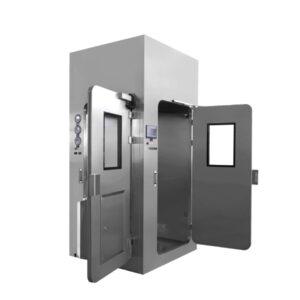
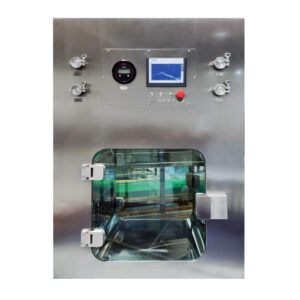
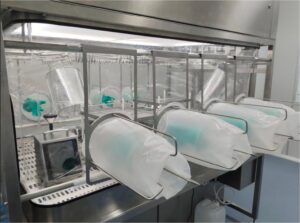
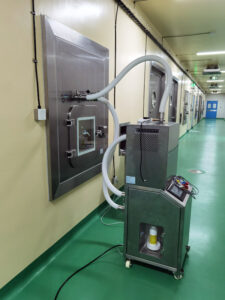
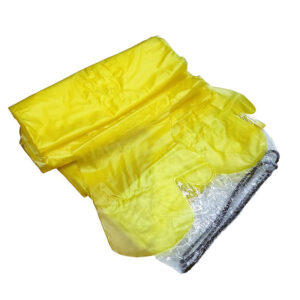
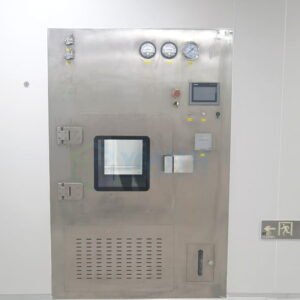
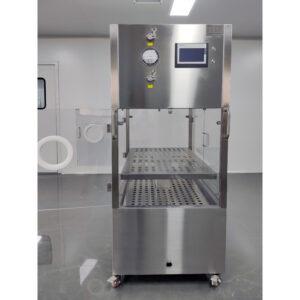
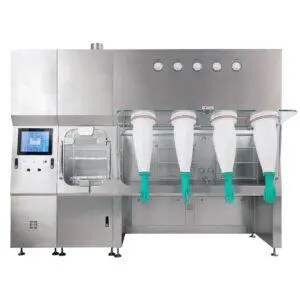
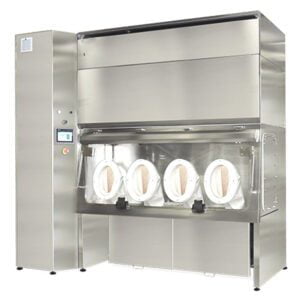
BIBO modifica il profilo di esposizione trasformando il contenimento in una misura di controllo ingegneristica anziché comportamentale. La procedura prevede che il filtro usato venga convogliato attraverso delle porte a guanto all’interno di un isolatore chiuso, dove il tecnico lo insacca senza contatto diretto e lo trasferisce all’esterno tramite una camera di passaggio. Ciò elimina la fase di manipolazione all’aria aperta che comporta il rischio di esposizione più elevato. I confronti operativi suggeriscono che questo approccio possa ridurre il rischio di esposizione dell’operatore fino al 95% rispetto ai metodi standard di sostituzione dei filtri. Tale cifra riflette il potenziale prestazionale previsto in condizioni d’uso corrette, non un parametro normativo di riferimento, ma è significativa dal punto di vista direzionale nel valutare se il sovrapprezzo di investimento per l’alloggiamento BIBO sia giustificabile.
La tabella che segue illustra la differenza strutturale tra BIBO e gli alloggi standard in relazione ai principali fattori di esposizione con cui si confrontano le squadre di manutenzione.
| Fattore di esposizione | Alloggiamento BIBO | Alloggiamento standard |
|---|---|---|
| Protezione ingegneristica | Sostituzione completamente isolata tramite porte isolanti/a guanto e camera di passaggio | Nessuna misura tecnica di controllo; accesso diretto al filtro |
| Riduzione dell'esposizione degli operatori | Riduzione fino al 95% rispetto ai metodi standard | Nessuna riduzione; rischio di esposizione totale |
| Contaminazione dell'area | Ridotto al minimo; filtro insacchettato all’interno di un sistema chiuso | Rischio di contaminazione dell'area circostante in assenza di misure di protezione dell'area |
| DPI richiesti | Requisiti ridotti in materia di DPI a causa delle misure di contenimento | È necessario indossare i DPI completi (respiratore, tuta, guanti) |
| Procedura di rimozione del filtro | Insaccamento assistito da guanti e trasferimento nella camera di passaggio | Rimozione manuale con rischio di manipolazione diretta |
L'implicazione più rilevante ai fini della specifica non è che il sistema BIBO sia universalmente più sicuro, bensì che le soluzioni standard trasferiscano l'onere della sicurezza interamente alla disciplina procedurale e al rispetto dei DPI, che sono variabili legate al ciclo di manutenzione. I controlli ingegneristici mantengono la loro efficacia indipendentemente dal fatto che il tecnico segua correttamente ogni fase della procedura. Negli scenari che prevedono la presenza di residui pericolosi, è proprio questa differenza tra una barriera ingegneristica e una comportamentale a giustificare la sostituzione in ambiente controllato, non la percentuale di esposizione in sé.
Confronto dei costi tra alloggiamento standard e sostituzione contenuta
La differenza di costo iniziale tra un alloggiamento standard e un sistema BIBO è reale e non va sottovalutata. Il sistema BIBO presenta una maggiore complessità meccanica — il meccanismo di contenimento, il collare del sacchetto, la camera di passaggio — che l’alloggiamento standard non richiede, e tale complessità si riflette nel prezzo di acquisto. Per le applicazioni di scarico in cui il filtro usato non presenta alcun rischio significativo legato ai residui, tale sovrapprezzo è difficile da giustificare e l’alloggiamento standard rimane la scelta corretta sia dal punto di vista dei costi che da quello ingegneristico.
Il calcolo cambia quando si tiene conto dei costi di manutenzione ricorrenti nell’arco dell’intero ciclo di vita dell’impianto. Le soluzioni standard richiedono l’uso completo di DPI e la protezione dell’area ad ogni sostituzione del filtro. A seconda della frequenza di sostituzione e del livello di DPI richiesto in base al grado di pericolo, tali costi ricorrenti si accumulano nel corso degli interventi di manutenzione in modi che le decisioni di approvvigionamento raramente prendono in considerazione quando si valuta il costo unitario iniziale. BIBO elimina questa componente di costo ricorrente sostituendo le spese procedurali e per i materiali di consumo ricorrenti con un investimento di capitale nel sistema di contenimento. Il peso relativo di questo compromesso varia all’aumentare della classe di pericolo e della frequenza di sostituzione dei filtri.
| Fattore di costo | Alloggiamento standard | Alloggiamento BIBO |
|---|---|---|
| Costo iniziale delle attrezzature | Prezzo di acquisto iniziale più basso | Maggiore a causa del meccanismo di contenimento e della complessità |
| Fornitura continua di DPI e protezione degli ambienti | Obbligatorio ad ogni sostituzione del filtro; costo ricorrente | Eliminato a causa di una sostituzione contenuta |
| Complessità del servizio | Accesso semplice e diretto; cambiamento più rapido | Procedura di inserimento e rimozione dei sacchi più complessa; richiede personale qualificato |
| Convalida e qualificazione | Ambito standard di convalida GMP | Prove aggiuntive: integrità, caduta di pressione, decadimento della pressione; costi di qualificazione più elevati |
Il costo nascosto che più spesso sorprende le strutture che specificano BIBO per la prima volta è la validazione. I sistemi BIBO richiedono test di qualificazione aggiuntivi che gli alloggiamenti standard non richiedono: test di integrità del filtro mediante prova con aerosol DOP o PAO, misurazione della caduta di pressione, test di decadimento della pressione e conteggio delle particelle secondo la norma ISO 14644. Questi test devono essere eseguiti dopo ogni intervento di manutenzione, il che significa che l’ambito della qualificazione non rappresenta un costo di installazione una tantum, bensì un costo operativo ricorrente legato a ogni sostituzione del filtro. Questo onere di documentazione non compare nell’ordine di acquisto, ma deve essere incluso in qualsiasi confronto onesto dei costi totali. Le strutture che valutano il sistema BIBO basandosi esclusivamente sul prezzo dell’attrezzatura e che poi scoprono i requisiti di qualificazione al momento del primo intervento di manutenzione, spesso si rendono conto che i tempi decisionali per la prossima installazione si accorciano notevolmente.
Requisiti documentali per gli interventi di manutenzione degli impianti di scarico delle camere bianche
La conformità alle GMP impone obblighi di documentazione relativi alla sostituzione del filtro di scarico indipendentemente dal tipo di alloggiamento, ma l’ambito e la struttura di tale documentazione cambiano in modo significativo quando il filtro contiene residui pericolosi. Una sostituzione standard del filtro in un’applicazione non pericolosa richiede un ordine di lavoro, una registrazione nel registro delle attrezzature e la conferma che il filtro sostitutivo soddisfi le specifiche. Una sostituzione del filtro che coinvolga residui pericolosi, biologici o potenti richiede un quadro di riferimento che comprenda la selezione dei DPI, la procedura di insacchettamento, i test di verifica e lo smaltimento dei rifiuti — e ogni elemento deve essere tracciabile.
Le strutture devono elaborare procedure operative standard (SOP) documentate che descrivano la procedura di sostituzione in sicurezza: come viene insacchettato il filtro, quali DPI sono richiesti per ciascuna fase, come viene trasferito il filtro insacchettato e come viene gestito lo smaltimento. I quadri normativi, tra cui l’Allegato 1 delle GMP dell’UE e Linee guida della FDA relative ai medicinali sterili prodotti mediante lavorazione asettica definire i requisiti documentali relativi agli interventi di manutenzione nelle camere bianche nell’ambito del più ampio quadro di riferimento per il controllo della contaminazione e la qualificazione operativa, anche laddove non venga specificata espressamente una procedura BIBO. Il principio è coerente: qualsiasi intervento che comporti un rischio di contaminazione o di esposizione deve essere regolato da una procedura documentata e qualificata.
I test di verifica post-manutenzione costituiscono il secondo livello di documentazione. Dopo la sostituzione di un filtro BIBO, è necessario eseguire e registrare i test di integrità, la misurazione della caduta di pressione, il test di decadimento della pressione e il conteggio delle particelle secondo la norma ISO 14644. Ogni risultato di prova è collegato alla registrazione dell’intervento di manutenzione e fornisce una prova oggettiva che l’impianto è tornato a funzionare in modo conforme dopo la sostituzione. Questa è la documentazione che il reparto QA esaminerà durante un audit: non solo la prova che un filtro è stato sostituito, ma la prova che la sostituzione è stata eseguita in modo controllato e che il sistema è stato verificato successivamente. Senza questa catena di prove, una sostituzione del filtro in un’applicazione di scarico pericolosa è difficile da giustificare come evento conforme alle GMP, indipendentemente da quanto accuratamente sia stata eseguita la procedura sul campo.
Lo smaltimento dei rifiuti aggiunge un terzo livello che talvolta viene considerato una questione logistica piuttosto che una questione di conformità. Dopo una sostituzione del BIBO che comporti residui pericolosi o biologici, il filtro insacchettato deve essere smaltito secondo i protocolli sui rischi biologici dell’EPA e dell’OMS. La procedura di smaltimento documentata — ovvero le modalità di classificazione, etichettatura, trasporto e smaltimento dei rifiuti — costituisce una documentazione di conformità che deve essere inserita nello stesso fascicolo dell’intervento di assistenza insieme ai dati di verifica dell’installazione. Le strutture che gestiscono con rigore la documentazione relativa alla sostituzione dei filtri ma trattano lo smaltimento come una fase informale spesso riscontrano che tale lacuna dà luogo a rilievi di audit che nemmeno la meticolosa documentazione della sostituzione è in grado di compensare.
Specifiche relative al trigger per l'aggiunta di BIBO allo scarico GMP
La condizione specifica fondamentale per il BIBO è precisa dal punto di vista operativo: il filtro HEPA usato deve essere isolato, decontaminato o rimosso secondo una procedura controllata, anziché essere aperto direttamente. Tale condizione si applica ogni volta che i residui intrappolati sul filtro — siano essi sostanze chimiche pericolose, biologiche o radioattive — comportano un rischio che la manipolazione diretta non è in grado di gestire in modo sicuro. Si tratta di un criterio di pianificazione basato sul tipo di pericolo piuttosto che su un obbligo normativo derivante da un unico standard di riferimento, ed è in linea con il quadro decisionale basato sul rischio descritto nella norma ICH Q9(R1), che sostiene l’identificazione sistematica dei pericoli e la valutazione delle conseguenze come base per le scelte ingegneristiche e procedurali.
Alcuni tipi di strutture e condizioni di processo rendono tale criterio inequivocabile. I laboratori BSL-3 e BSL-4 richiedono il BIBO come elemento funzionale di un sistema integrato di ventilazione a contenimento: in tali ambienti, la sostituzione in condizioni di contenimento non è un’opzione da valutare, ma un requisito progettuale legato alla classificazione di contenimento della struttura. Per la produzione farmaceutica con composti ad alta potenza, la fascia di esposizione professionale (OEB) del principio attivo (API) fornisce il dato di riferimento per il rischio; i composti che rientrano o si avvicinano all’OEB 6 non lasciano, al termine della valutazione, alternative credibili al contenimento.
La concentrazione di polvere fornisce una soglia basata sul processo per una diversa categoria di applicazioni. Quando le concentrazioni di polvere nell’aria di scarico raggiungono i 5 mg/m³ o valori superiori, la soluzione progettuale consigliata è un sistema HEPA pulibile dotato della tecnologia BIBO per la sostituzione in sicurezza. A quel livello di carico, la rimozione del filtro senza l’utilizzo di sacchi di contenimento comporta sia un rischio di inalazione sia un potenziale evento legato alla polvere combustibile, a seconda delle proprietà del materiale.
La tabella che segue mette in relazione queste condizioni di attivazione con le rispettive soglie e la motivazione alla base di ciascuna di esse.
| Condizione di innesco | Soglia / Requisito | Motivazione |
|---|---|---|
| Residui di filtrazione pericolosi, tossici, biologici o radioattivi | Il filtro deve essere isolato, decontaminato o rimosso secondo una procedura controllata | Rischio di esposizione diretta durante la sostituzione; richiede una sostituzione in ambiente controllato |
| Laboratori BSL-3 e BSL-4 | Il BIBO è una componente fondamentale del sistema integrato di contenimento e ventilazione | Obbligo di utilizzo di strutture ad alto livello di contenimento |
| Concentrazione di polvere ≥ 5 mg/m³ | Si consiglia l'uso di un sistema HEPA lavabile dotato della tecnologia BIBO per la sostituzione in sicurezza | Potenziale rischio di polveri combustibili o di inalazione; è necessario imballare in sacchi di sicurezza |
Ciò che la tabella non riesce a cogliere sono gli attriti organizzativi che spesso ritardano l’applicazione coerente di questi trigger. Il reparto Manutenzione valuta il filtro di scarico come un’attività di manutenzione. Il reparto EHS lo valuta come un evento di esposizione. Il reparto QA lo valuta come un rischio legato alla documentazione e all’audit. Queste valutazioni avvengono in modo sequenziale anziché congiunto, e le specifiche relative all’alloggiamento vengono spesso definite prima che tutte e tre le prospettive siano state armonizzate. Il risultato pratico è che il fattore scatenante relativo alle specifiche — ovvero l’isolamento quando il filtro deve essere insacchettato, decontaminato o rimosso senza aprirlo direttamente — viene applicato in modo incoerente oppure non viene applicato affatto finché un intervento di manutenzione non impone di affrontare la questione. Le strutture che risolvono questo problema coinvolgendo i reparti EHS e QA nella revisione delle specifiche dell’alloggiamento insieme al team di ingegneri constatano che la decisione, quando si orienta verso il BIBO, è più fondata e meglio documentata sin dall’inizio. A Alloggi BIBO una procedura definita con piena consapevolezza dei rischi legati ai residui, della frequenza delle modifiche e dell’ambito di convalida svolge una funzione chiaramente definita; una procedura aggiunta in modo reattivo a seguito di un incidente di manutenzione presenta lacune nella qualificazione che richiedono molto più tempo per essere colmate.
La decisione che conta davvero in questo contesto viene presa in fase di progettazione, non al momento del primo cambio del filtro. Se il profilo dei residui presenti nell’aria di scarico viene caratterizzato prima della scelta dell’alloggiamento e se i reparti di manutenzione, EHS e QA collaborano a tale valutazione, la scelta tra alloggiamento standard e BIBO diventa un semplice compromesso ingegneristico piuttosto che un problema di adeguamento a posteriori. L’alloggiamento standard rimane la scelta corretta quando il filtro usato non presenta alcun rischio significativo e l’applicazione di ventilazione non richiede una sostituzione controllata. Il BIBO è giustificato — e in alcuni casi l’unica opzione difendibile — quando il filtro deve essere insacchettato, decontaminato o rimosso senza accesso diretto, indipendentemente dal fatto che tale condizione derivi dalla potenza del composto, dal rischio biologico, dal carico di polveri combustibili o dalla classificazione di contenimento della struttura.
Prima di definire le specifiche di un alloggiamento di scarico per qualsiasi applicazione GMP, è necessario verificare cosa conterrà il filtro al termine del ciclo di vita, quale fascia di esposizione professionale o classificazione di biosicurezza si applica al processo, quale sarà la frequenza di sostituzione nel corso del ciclo di vita dell’impianto e quali test di verifica e documentazione saranno richiesti dal programma di controllo qualità della struttura dopo ogni intervento di manutenzione. Questi quattro elementi, di cui occorre tenere conto prima dell’acquisto, determinano se la differenza di costo di investimento tra l’alloggiamento standard e quello BIBO sia il parametro di confronto rilevante o se invece rappresenti un elemento di distrazione rispetto a un costo a valle molto più elevato.
Domande frequenti
D: Il nostro sistema di scarico è progettato esclusivamente per API non potenti: ciò significa che è sempre possibile utilizzare l’alloggiamento standard?
A: Non necessariamente. Una bassa potenza dell’API elimina uno dei fattori scatenanti del BIBO, ma non comporta automaticamente il superamento dei requisiti specificati. Se l’aria di scarico trasporta aerosol biologici, particelle combustibili in concentrazioni pari o superiori a 5 mg/m³ o materiale radioattivo, il requisito di contenimento per il BIBO rimane valido indipendentemente dalla classificazione OEB. La caratterizzazione dei residui deve tenere conto di tutti i tipi di pericolo — chimico, biologico e fisico — prima che l’alloggiamento standard possa essere considerato come opzione predefinita.
D: Una volta completata la sostituzione del filtro BIBO, qual è la prima operazione da eseguire prima di rimettere in funzione l'impianto?
R: Il sistema non può tornare in servizio finché non siano stati completati e documentati i test di verifica successivi alla sostituzione. Tale sequenza comprende il test di integrità del filtro mediante prova con aerosol DOP o PAO, la misurazione della caduta di pressione, il test di decadimento della pressione e il conteggio delle particelle secondo la norma ISO 14644. Ogni risultato deve essere registrato come parte del verbale dell’intervento di manutenzione: la sola sostituzione completata non costituisce un ritorno in servizio conforme alle GMP senza che sia stata attuata tale catena di verifica.
D: Il sistema BIBO rende superfluo l'uso dei DPI durante la sostituzione del filtro, oppure è comunque necessaria la protezione del personale?
R: Il BIBO non elimina i requisiti relativi ai DPI — modifica invece il modello di esposizione, passando da controlli puramente comportamentali a una combinazione di contenimento ingegneristico e protezione procedurale. La procedura che prevede l’uso di porte per guanti e camere di passaggio riduce sostanzialmente il rischio di contatto diretto, ma le strutture devono comunque sviluppare e seguire procedure operative standard (SOP) documentate che specifichino quali DPI siano richiesti in ogni fase. I controlli ingegneristici riducono la probabilità di esposizione; non eliminano però l’obbligo di definire e documentare il livello procedurale a corredo di essi.
D: Come dovrebbe procedere una struttura nel decidere in merito alle specifiche quando i reparti di manutenzione, EHS e controllo qualità giungono a conclusioni diverse sulla necessità o meno del BIBO?
R: Le specifiche relative all’alloggiamento non dovrebbero essere definite definitivamente finché tutte e tre le funzioni non abbiano valutato insieme lo stesso profilo di residui, non in modo sequenziale. Quando valutano il filtro di scarico da prospettive diverse — la manutenzione come attività di servizio, EHS come evento di esposizione, QA come rischio di documentazione — le specifiche rischiano di essere definite da chiunque agisca per primo, anziché sulla base della valutazione dei rischi più completa. La soluzione strutturale consiste nel coinvolgere tutte e tre le funzioni in un’unica revisione preliminare, prima dell’approvvigionamento. Il quadro decisionale basato sul rischio dell’ICH Q9(R1) sostiene proprio questo tipo di valutazione interfunzionale dei rischi come base per le scelte ingegneristiche.
D: Vale la pena specificare i sistemi di alloggiamento BIBO per un’applicazione di scarico GMP in cui la sostituzione dei filtri avviene solo una volta ogni due o tre anni?
R: Una bassa frequenza di sostituzione riduce il vantaggio in termini di costi ricorrenti per i DPI e la protezione dell’area offerto dal sistema BIBO, ma non modifica la giustificazione del contenimento qualora sia presente il fattore scatenante del rischio. Se il profilo dei residui sul filtro soddisfa le condizioni specificate — isolamento, decontaminazione o rimozione senza apertura diretta — il rischio al momento della sostituzione è lo stesso, indipendentemente dal fatto che tale evento si verifichi annualmente o ogni tre anni. Laddove la bassa frequenza influisce effettivamente sul calcolo, è nel confronto dei costi totali per scenari di rischio limite: un numero inferiore di interventi di manutenzione riduce i risparmi nel ciclo di vita derivanti dall’eliminazione dei costi dei DPI, rendendo più difficile recuperare il sovrapprezzo di capitale. In tali casi, l’onere di convalida e documentazione del sistema BIBO rispetto alla sua frequenza di utilizzo merita un’attenta valutazione prima che le specifiche vengano finalizzate.