Selezionare un fornitore di attrezzature per camere bianche basandosi esclusivamente sul prezzo unitario indicato nel preventivo è uno dei modi più sicuri per ritrovarsi con un problema tecnico che emerge solo durante la messa in servizio o il primo ciclo di audit. Un pannello realizzato con un tipo di acciaio non conforme, una scatola di passaggio con classificazione antincendio non documentata o un’unità di filtraggio con tenuta all’aria che non regge alla pressione: nessuno di questi difetti risulta evidente dal confronto dei preventivi. Vengono alla luce quando un ingegnere addetto alla convalida segnala una discrepanza, quando un installatore scopre che l’articolo quotato richiede una manodopera significativamente superiore al previsto, oppure quando una verifica normativa richiede certificati di collaudo che il fornitore non è in grado di produrre. La decisione che permette di evitare tutto ciò non consiste in un approvvigionamento più rapido, bensì nel raccogliere gli stessi disegni, materiali e prove documentali da ogni candidato prima ancora di iniziare qualsiasi confronto. Quanto segue offre un metodo strutturato per farlo e una base per la classificazione che regge a un esame approfondito.
Matrice di valutazione per i fornitori di attrezzature per camere bianche
Il confronto basato su un unico fattore — solitamente il prezzo — distorce la selezione dei fornitori in modo specifico: premia chi è più economico o più veloce nel presentare un’offerta, tralasciando al contempo gli aspetti che determinano se l’attrezzatura funzionerà correttamente, sarà conforme ai requisiti e potrà essere sottoposta a manutenzione per tutta la sua vita utile. Un modello di valutazione ponderata distribuisce tale rischio tra gli aspetti che determinano effettivamente i risultati del progetto.
Un quadro di riferimento articolato in cinque categorie — qualità a 30%, capacità ingegneristica a 25%, conformità a 20%, capacità di consegna a 15% e reputazione sul mercato a 10% — riflette un ordine di priorità pratico piuttosto che una formula normativa. La ponderazione è importante perché impone alla valutazione di trattare un fornitore con una documentazione tecnica carente in modo diverso rispetto a uno che rispetta i tempi di consegna, anche se entrambi propongono lo stesso prezzo. Senza ponderazioni esplicite, i valutatori tendono inconsciamente a basarsi sul dato più visibile, che quasi sempre è il costo.
| Categoria | Peso (%) |
|---|---|
| Qualità del prodotto | 30 |
| Competenze ingegneristiche | 25 |
| Conformità | 20 |
| Capacità di consegna | 15 |
| Reputazione sul mercato | 10 |
La struttura di valutazione funziona solo se le prove a sostegno di ciascuna categoria sono comparabili tra i vari candidati. Ciò significa richiedere gli stessi documenti giustificativi a ogni fornitore prima di assegnare i punteggi. I manuali di qualità, i diagrammi di flusso dei processi, le SOP, i registri CAPA e gli esempi di controllo delle modifiche rivelano la profondità operativa in un modo che lo stato di certificazione da solo non può fare. Un fornitore in possesso di un certificato ISO 9001 ma incapace di produrre un registro CAPA recente ha dimostrato una lacuna nei processi: il certificato copre il sistema così come è stato sottoposto ad audit, non come viene attualmente gestito. Allo stesso modo, il fatto che un fornitore utilizzi registrazioni elettroniche dei lotti e una tracciabilità basata su un sistema ERP oppure si affidi a registri manuali influisce direttamente sulla rapidità con cui può procedere un’indagine sulle cause alla radice qualora si verifichi un problema di produzione o di consegna. Non si tratta di preferenze amministrative; sono segnali di come il fornitore si comporterà sotto pressione, che è la condizione più rilevante per gli appalti regolamentati.
Controlli relativi a disegni, materiali, controlli e documentazione
I disegni di layout e le specifiche dei materiali sono gli elementi che consentono di verificare le affermazioni dei fornitori. Un fornitore che non sia in grado di produrre disegni della camera bianca che mostrino i modelli di flusso d’aria, la separazione delle zone di vestizione, la gradazione del differenziale di pressione e la relazione fisica tra percorsi puliti e sporchi non ha ancora dimostrato la propria competenza progettuale — ha dimostrato solo la capacità di fornire un preventivo. Richiedere questi disegni sin dalle prime fasi non è una formalità; è un filtro di qualificazione.
Le specifiche dei materiali hanno un peso diagnostico analogo. L’origine dell’acciaio e lo spessore del rivestimento sono tra i parametri più comunemente sottostimati nei preventivi iniziali e hanno conseguenze dirette sulla durabilità e sulla conformità a lungo termine. Come riferimento a livello di progettazione, un rivestimento epossidico standard di almeno 20 μm costituisce il valore di riferimento per gli ambienti tipici, mentre uno spessore ≥25 μm è più appropriato per condizioni corrosive o di elevata umidità. Il substrato in acciaio riveste un’importanza a sé stante: l’acciaio cinese Q235 presenta un limite di snervamento di circa 235 MPa, mentre il materiale Baosteel di grado SPCC supera tipicamente i 270 MPa. Tale differenza non è trascurabile nelle applicazioni con pannelli strutturali, dove la deflessione sotto cicli di pressione o la pulizia meccanica nel corso degli anni costituisce una condizione di progetto. Nessuna delle due soglie rappresenta un minimo normativo universale, ma scendere al di sotto di esse senza una giustificazione ingegneristica costituisce un rischio per la durabilità che l’acquirente si assume silenziosamente al momento dell’acquisto e scopre solo durante l’utilizzo.
| Tipo di assegno | Cosa verificare / Requisiti minimi | Perché è importante |
|---|---|---|
| Disegni e layout | Si richiedono disegni di layout che illustrino i percorsi dei flussi d’aria, i locali per la vestizione, le differenze di pressione e la separazione tra flussi puliti e sporchi | Dimostra il rigore e la competenza nella progettazione delle camere bianche |
| Specifiche del materiale | Verificare l'origine dell'acciaio e lo spessore del rivestimento (standard ≥20 μm, ≥25 μm per ambienti corrosivi); il limite di snervamento (Q235: 235 MPa rispetto a Baosteel SPCC: 270+ MPa) | Influisce direttamente sulla durata nel tempo e sulla conformità |
| Resistenza al fuoco e tenuta all'aria | Verificare le classi di resistenza al fuoco tramite certificati di prova effettivi; tenuta all’aria ≤1,5 m³/(h·m²) a 50 Pa per camere bianche di Classe ISO 5+ | Garantisce la sicurezza antincendio e l'efficacia del contenimento |
Le prestazioni antincendio e la tenuta all’aria sono gli ambiti in cui le autodichiarazioni dei fornitori sostituiscono più comunemente le prove verificabili. Un'affermazione relativa alla classe di resistenza al fuoco senza un certificato di prova a sostegno è una semplice asserzione, non una qualifica. Per gli ambienti di camera bianca di Classe ISO 5 e superiori, un valore di tenuta all'aria di ≤1,5 m³/(h·m²) a 50 Pa rappresenta un parametro di riferimento significativo per la progettazione — e la differenza tra un fornitore in grado di produrre dati di prova documentati a sostegno di tale valore e uno che non è in grado di farlo è la differenza tra un verbale di messa in servizio difendibile e un problema di adeguamento successivo. La norma ISO 14644-4:2022, che disciplina la progettazione, la costruzione e la messa in servizio delle camere bianche, fornisce il quadro di riferimento più ampio all’interno del quale questi dettagli di progettazione e costruzione acquisiscono il loro contesto di conformità. Quando i certificati non possono essere presentati prima dell’acquisto, tale assenza dovrebbe essere considerata come un elemento di rischio esplicito nella valutazione, non come una lacuna nella documentazione da risolvere in un secondo momento.
I rischi legati al confronto dei prezzi nascosti nell'ambito tecnico escluso
Il calcolo di un prezzo di offerta più conveniente raramente tiene conto del calcolo dei tempi di installazione, ed è proprio nel divario tra questi due calcoli che si accumulano i costi nascosti. Un pannello il cui prezzo è inferiore di 15% rispetto all’offerta di un concorrente potrebbe richiedere 30% in più di manodopera per l’installazione a causa della complessità dei collegamenti, dei requisiti di preparazione della superficie o delle variazioni di tolleranza. Questo trasferimento dal prezzo di acquisto al costo della tempistica del progetto non emerge dal confronto iniziale, ma viene alla luce quando l’installazione supera il budget o i tempi previsti. A quel punto, la scelta del fornitore è già stata effettuata e il margine di manovra è al minimo.
Le esclusioni dall’ambito di lavoro creano un problema strutturalmente simile su scala più ampia. Il contrasto tra la costruzione di camere bianche con pareti rigide, con un costo fino a $1.500 per piede quadrato, e gli approcci modulari, con un costo compreso tra $100 e $150 per piede quadrato, illustra quanto i confini dell’ambito di lavoro possano incidere in modo drammatico sul costo totale del progetto — e quanto diventi insignificante il confronto dei prezzi unitari quando il tipo di costruzione stesso differisce. Si tratta di un’analogia volta a illustrare il rischio piuttosto che di un riferimento ai prezzi di mercato attuali, ma l’implicazione decisionale è concreta: due preventivi che sembrano comparabili a livello di singole voci potrebbero riguardare obblighi di installazione, messa in servizio e manutenzione a lungo termine completamente diversi.
| Area di esclusione | Cosa chiedere / confermare | Rischi in caso di mancata attenzione |
|---|---|---|
| Complessità dell'installazione | Chiedete se il prezzo indicato include la manodopera completa per l'installazione, il tempo necessario e i materiali accessori | Un pannello più economico del modello 15% potrebbe richiedere un tempo di installazione maggiore rispetto al modello 30%, annullando così il risparmio iniziale |
| Ambito di fornitura | Verificare se il preventivo comprenda il tipo di costruzione (ad esempio, a pareti rigide o modulare), la messa in servizio, la spedizione e l'assicurazione | Il semplice confronto dei prezzi unitari non tiene conto dell’entità del progetto; una struttura a pareti rigide può costare $1.500/piede quadrato, contro i $100–$150/piede quadrato di una struttura modulare |
| Assistenza post-vendita | Chiedete quali servizi di manutenzione e assistenza alla messa in servizio sono inclusi | L'esclusione dei servizi di messa in servizio e manutenzione comporta costi imprevisti dopo la consegna |
Le domande che rivelano eventuali omissioni nell’ambito di fornitura sono dirette e specifiche: il prezzo quotato include la manodopera per l’installazione e tutti i materiali ausiliari? Copre la messa in servizio e la verifica funzionale? La spedizione e l’assicurazione sono incluse come presupposto o come voce di costo a sé stante? Quali obblighi di manutenzione si assume l’acquirente al momento della consegna? Un fornitore che si oppone a queste domande durante la fase di preventivazione non sta proteggendo i propri prezzi riservati; sta segnalando che i termini di quanto preventivato non sono chiaramente definiti. Tale ambiguità si riflette nel progetto nel momento stesso in cui viene firmato l’ordine di acquisto.
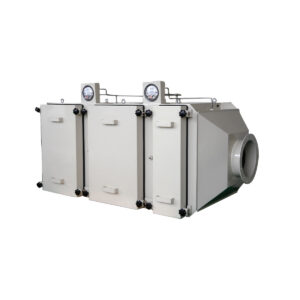
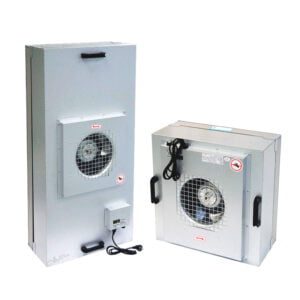
Per gli acquirenti che stanno valutando categorie specifiche di attrezzature, comprendere l'ambito tecnico di unità di filtraggio dei ventilatori — tra cui il tipo di motore, le specifiche del filtro HEPA e l’integrazione dei sistemi di controllo — è un esempio rappresentativo di come si concentrino le lacune nell’ambito dell’approvvigionamento di componenti per camere bianche, caratterizzato da un elevato ricambio.
Problemi nelle procedure di approvvigionamento causati da risposte incoerenti dei fornitori
Il problema di fondo nella maggior parte delle valutazioni dei fornitori non è che i candidati abbiano prestazioni diverse, ma che rispondano a domande diverse. Quando un fornitore fornisce una risposta dettagliata a un questionario tecnico e un altro invia una brochure del prodotto, la rosa dei candidati viene stilata sulla base di dati non comparabili. Tale incomparabilità non si risolve durante la classificazione, ma si trasforma in un falso senso di differenziazione in cui il fornitore che ha fornito più documentazione appare più competente, indipendentemente dal fatto che la sua documentazione rifletta prestazioni migliori.
La standardizzazione della serie di domande rappresenta la soluzione operativa. Un questionario strutturato che copra le dimensioni della camera bianca e la classe ISO, i sistemi di controllo, l’approccio di monitoraggio, le disposizioni relative alla formazione, la frequenza degli audit, gli intervalli di manutenzione e la cronologia dei tempi di operatività obbliga ogni candidato ad affrontare lo stesso ambito. Non si tratta di trovare risposte che corrispondano a una preferenza predeterminata, ma di generare un set di dati in cui le lacune e le incongruenze siano attribuibili alle effettive differenze tra i fornitori piuttosto che alla formulazione delle domande o al formato delle risposte.
| Punto di attrito | Cosa standardizzare | Perché riduce i ritardi negli approvvigionamenti |
|---|---|---|
| Specifiche incoerenti | Inviare a ciascun fornitore un questionario strutturato che comprenda le dimensioni della camera bianca, la classe ISO, le capacità, i controlli, il monitoraggio, la formazione, gli audit, la manutenzione e il tempo di funzionamento | Garantisce che tutte le risposte siano comparabili e che non rimangano lacune nascoste |
| Reattività variabile | Misurare i tempi di risposta per i preventivi; la media del settore è di 3–5 giorni, mentre alcuni fornitori rispondono entro 24–48 ore | Prevede la reattività della produzione e segnala eventuali ritardi |
| Frequenza variabile dei controlli di qualità | Chiedete con quale frequenza la camera bianca viene sottoposta a verifiche/test; per la classe ISO 5+ in genere ogni 6 mesi, per le altre una volta all’anno | Mette in luce le differenze nel rigore della gestione della qualità tra i fornitori |
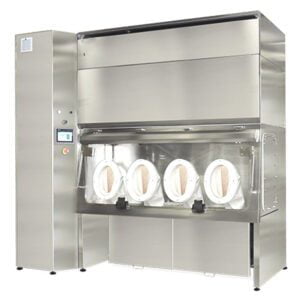
I tempi di risposta ai preventivi forniscono informazioni comportamentali rilevanti anche al di là della fase di valutazione. Un fornitore che invia sistematicamente i preventivi entro 24–48 ore dimostra capacità di coordinamento interno: gestione del progetto, revisione tecnica e allineamento commerciale che operano in parallelo. La media del settore, pari a 3–5 giorni, non è un parametro da penalizzare; è piuttosto un punto di riferimento per interpretare ciò che una risposta rapida indica riguardo al comportamento che quel fornitore adotterà durante la produzione, quando la pressione sulle scadenze è reale e i ritardi nella comunicazione si traducono direttamente in rischi per il programma. Per i sistemi dinamici a trasferimento diretto in cui la logica di interblocco, l’integrazione del differenziale di pressione e la compatibilità dei materiali richiedono una revisione tecnica prima della quotazione, una risposta entro 24 ore che non includa tali dettagli è in realtà più lenta di una risposta entro 72 ore che li affronti in modo completo.
La frequenza degli audit e delle ispezioni è un indicatore analogo. Un impianto di Classe 5 secondo la norma ISO richiede in genere un’ispezione ogni sei mesi; in contesti meno rigorosi, è possibile operare con cicli annuali. Un fornitore che non conosce la risposta a questa domanda — o che fornisce risposte incoerenti a seconda dell’interlocutore — rivela qualcosa su come viene gestita internamente la garanzia della qualità, a prescindere da quanto riportato in qualsiasi certificato.
Classifica dei fornitori dopo la raccolta di prove equivalenti
Stabilire una classifica prima che le prove siano state uniformate non è una scorciatoia: è la creazione di un confronto falso. Se tre fornitori hanno risposto a domande diverse con livelli di dettaglio diversi, qualsiasi punteggio assegnato riflette in parte lo sforzo profuso nella risposta piuttosto che la reale capacità. L’unica base difendibile per la classifica è una situazione in cui ogni candidato abbia fornito risposte alle stesse domande relative al prodotto, ai disegni, ai materiali, alla documentazione e all’assistenza, e in cui tali risposte possano essere valutate in base agli stessi criteri.
La verifica fisica in fase di campionamento è il controllo che rileva ciò che la documentazione non è in grado di individuare. Richiedere campioni di pannello di almeno 300×300 mm ed effettuare test interni secondo standard internazionali ripetibili non è un eccesso di cautela: è il passo che distingue la coerenza di marketing dalla coerenza di produzione. Un fornitore il cui spessore del rivestimento dichiarato corrisponde a quello rilevato su un campione presentato rappresenta un rischio diverso rispetto a uno la cui scheda tecnica indica 25 μm ma il cui prodotto reale misura 16 μm. Tale discrepanza non crea problemi durante la valutazione; crea un problema sei mesi dopo l’installazione, quando il rivestimento si deteriora a causa dei detergenti e si avvia una trattativa sulla garanzia sotto la pressione dei tempi.
| Fase di classificazione | Azione chiave | Perché impedisce i confronti errati |
|---|---|---|
| Equilibrare le prove | Assicurarsi che ogni fornitore risponda alle stesse domande relative alla gamma di prodotti, ai disegni, ai materiali, alla documentazione e all’assistenza prima di procedere alla classificazione | Evita di stilare classifiche basate su informazioni disomogenee o incomplete |
| Verifica fisica | Richiedere campioni di prodotto (dimensioni minime 300×300 mm per i pannelli) ed eseguire prove interne in base a standard internazionali ripetibili | Va oltre le semplici affermazioni di marketing per arrivare a prestazioni comprovate |
| Prevedere tempo sufficiente | Prevedere un periodo di qualificazione compreso tra 30 e 180 giorni, a seconda della complessità dell'operazione, delle parti interessate e delle risorse disponibili | Evita decisioni affrettate e una valutazione incompleta dei fornitori |
I tempi di qualificazione rappresentano una realtà operativa che la maggior parte degli acquirenti tende a sottovalutare. A seconda della complessità operativa dell’ambiente della camera bianca, del numero di parti interessate interne coinvolte e dei requisiti di documentazione previsti per i settori regolamentati, un rigoroso processo di qualificazione può durare da 30 a 180 giorni. Tale intervallo è un valore indicativo, non un intervallo imposto da uno standard, ma definisce un’aspettativa realistica: se un programma di approvvigionamento ha stanziato due settimane per la qualificazione dei fornitori prima dell’aggiudicazione del contratto, il processo è già stato compresso in modo tale da trasferire il rischio tecnico a valle. La logica basata sul rischio insita in quadri normativi come l’ICH Q9(R1) — che pone l’accento su un processo decisionale strutturato e basato sull’evidenza negli appalti in cui la qualità è fondamentale — sostiene il principio secondo cui le tempistiche di qualificazione dovrebbero essere determinate dalla complessità del processo, non dalla pressione del calendario degli appalti.
Per gli acquirenti che stanno affrontando le questioni di definizione generale dell'ambito di applicazione che precedono la valutazione formale, il Guida all'approvvigionamento di attrezzature per camere bianche e alla valutazione dei fornitori tratta le fasi di valutazione preliminare che determinano quali elementi probatori raccogliere prima di procedere alla selezione dei candidati.
L’implicazione fondamentale di questa struttura di valutazione è che il lavoro svolto prima della classificazione — uniformare le domande, raccogliere i disegni, verificare le specifiche dei materiali, richiedere i certificati di collaudo e misurare il comportamento in risposta — è il lavoro che determina se la selezione finale del fornitore sia difendibile. Una classificazione basata su prove disomogenee può comunque produrre una scelta ragionevole per caso; non può però produrre una scelta che regga quando la messa in servizio rivela una lacuna tecnica o quando un audit richiede documentazione che non è mai stata raccolta.
Prima di definire la rosa dei candidati, è necessario verificare che ogni candidato abbia risposto alle stesse domande relative all’ambito di applicazione, che le specifiche dei materiali siano supportate da dati di prova e non solo da schede tecniche, che gli obblighi relativi alla messa in servizio e all’installazione siano esplicitamente inclusi o esclusi per iscritto e che la tempistica di qualificazione rifletta l’effettiva complessità dell’operazione piuttosto che il calendario di approvvigionamento disponibile. Queste quattro verifiche rappresentano la differenza tra un confronto tra fornitori e una valutazione dei fornitori.
Domande frequenti
D: Cosa dovremmo fare subito dopo aver raccolto prove equivalenti da tutti i fornitori candidati?
R: Valutate le proposte di ciascun candidato utilizzando il vostro modello di punteggio ponderato prima di avviare qualsiasi discussione interna sulla classifica. Assegnare i punteggi dopo aver uniformato le prove evita di lasciarsi influenzare dal fornitore che ha fornito la risposta più articolata — ciò garantisce che i punteggi riflettano le effettive differenze di capacità piuttosto che le differenze nell’impegno profuso nella risposta. Se i campioni fisici non sono ancora stati testati, sospendete la classifica finale fino a quando non saranno confermati i risultati interni, poiché le discrepanze relative allo spessore del rivestimento e alla qualità del substrato emergono solo in quella fase.
D: Questo approccio di valutazione è valido anche nel caso in cui si acquisti un singolo componente disponibile in commercio anziché un sistema completo realizzato in camera bianca?
R: Sì, ma l’enfasi cambia. Per un singolo componente, come un’unità di filtraggio con ventola o un alloggiamento HEPA, le verifiche relative ai disegni e ai materiali rimangono pienamente rilevanti: le specifiche del motore, il grado di filtrazione, lo spessore del rivestimento e i certificati delle prove di tenuta all’aria sono ancora le prove che distinguono un acquisto giustificabile da uno non documentato. La matrice di valutazione ponderata può essere semplificata, ma le fasi relative alla documentazione e alla verifica della resistenza al fuoco non sono facoltative nemmeno per l’approvvigionamento di singole unità, in particolare in ambienti di Classe ISO 5 e superiori, dove un solo componente non conforme può comportare una riqualificazione completa.
D: A che punto un processo di valutazione più rapido comporta un rischio maggiore rispetto al tempo risparmiato nell'appalto?
R: La soglia viene superata quando la selezione preliminare ha inizio prima che tutti i candidati abbiano risposto alle stesse domande relative all’ambito di applicazione. Una tempistica compressa che salta i questionari standardizzati, accetta schede tecniche al posto dei certificati di prova o esclude il collaudo fisico dei campioni non accelera l’appalto — ma rinvia lo stesso lavoro di verifica alla fase di messa in servizio, dove correggere una lacuna nei materiali o nella documentazione comporta costi significativamente maggiori in termini di tempistiche e rilavorazioni rispetto a quanto sarebbe costato richiedere la documentazione prima dell’aggiudicazione dell’appalto.
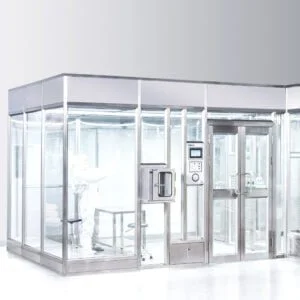
D: In che modo il sistema modulare attrezzature per camera bianca A confronto con la tradizionale costruzione a pareti rigide nel corso di questa valutazione?
R: Il quadro di valutazione si applica a entrambi, ma il rischio di esclusione dall’ambito di applicazione è maggiore con gli approcci tradizionali a pareti rigide, poiché i confini relativi alla costruzione, all’installazione e alla messa in servizio sono meno standardizzati. I fornitori di soluzioni modulari in genere presentano preventivi con un ambito di applicazione più ben definito, rendendo più agevole la verifica delle questioni relative a ciò che è incluso ed escluso. Nel caso della costruzione con pareti rigide, è necessario confermare esplicitamente per iscritto se i lavori strutturali, l’integrazione degli impianti di climatizzazione, l’allestimento elettrico e la manodopera per la messa in servizio sono a carico del fornitore o dell’acquirente: la differenza di costo tra i due approcci rende i confini dell’ambito di applicazione non documentati un rischio finanziario sostanziale.
D: È realistico prevedere un periodo di qualificazione compreso tra 30 e 180 giorni per un fornitore che è già stato utilizzato in un progetto precedente?
R: È possibile abbreviare la procedura per un fornitore già qualificato, ma solo se la sua documentazione, le specifiche dei materiali e i controlli di processo non sono cambiati dall’ultima valutazione. Se, a partire dalla precedente qualificazione, il fornitore ha introdotto nuove classi di pannelli, aggiornato i processi di rivestimento, modificato le fonti di approvvigionamento dell’acciaio o rivisto il proprio sistema di gestione della qualità, tali modifiche comportano il riavvio delle relative fasi di verifica. In questo caso si applicano i principi di controllo delle modifiche di cui all’Allegato 15 del Volume 4 di EudraLex: la qualificazione precedente non viene automaticamente riportata qualora siano cambiate le variabili relative ai processi o ai materiali, indipendentemente dal rapporto commerciale esistente.