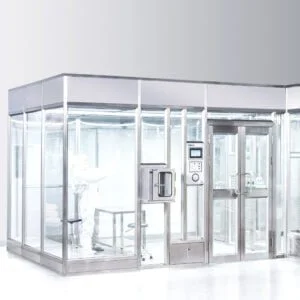
Gli ambienti che superano la verifica visiva della lista di controllo ma poi si bloccano durante le prove di tenuta o la verifica della pressione presentano un modello di errore comune: l’ispezione è stata considerata come un controllo delle condizioni superficiali piuttosto che come un’analisi dell’integrità dei confini. Il costo non è solo quello della rielaborazione, ma è la rielaborazione di giunti e penetrazioni che ora si trovano dietro le superfici finite o all’interno di assemblaggi di plenum sopraelevati, il che comporta lo smontaggio, la risigillatura e un riavvio completo della sequenza di convalida. Ciò che distingue un locale pronto per i test prestazionali da uno ancora in fase di chiusura meccanica è la verifica che ogni interfaccia in grado di compromettere l’integrità della barriera di pressione sia stata controllata nelle condizioni effettive di installazione, non solo in quelle apparenti. Quanto segue è strutturato per aiutarvi a prendere questa decisione prima di impegnare le risorse per la messa in servizio.
Definire i confini dell'involucro della camera bianca prima dell'ispezione
Un’ispezione senza confini ben definiti porta a un’ispezione incompleta. Prima di avviare qualsiasi attività di verifica, il team deve disporre di una mappa chiara che indichi dove inizia e dove finisce lo spazio pulito — non come un confine astratto, ma come un elenco concreto di componenti e interfacce che mantengono o compromettono l’integrità dell’involucro.
In un sistema modulare, tale confine attraversa i pannelli murali (generalmente disponibili con uno spessore dell’anima di 40 mm o 60 mm a seconda dei requisiti termici e strutturali), i sistemi di controsoffitto, le porte, le finestre e i pavimenti. Ciascuno di questi componenti costituisce una superficie primaria, ma il rischio per l’involucro si concentra nelle interfacce tra di essi — telai delle porte, battute delle finestre, fori nel controsoffitto, giunzioni pavimento-parete — e non sulla superficie frontale dei pannelli. La mappatura di queste interfacce prima dell’inizio dell’ispezione determina quali punti debbano essere verificati per primi e con quale livello di accuratezza.
Il motivo pratico per definire esplicitamente questo confine è che la costruzione modulare può creare un falso senso di completezza. Quando i pannelli arrivano prefabbricati e i collegamenti seguono una sequenza di montaggio documentata, la stanza sembra finita prima di essere effettivamente sigillata. I team che si affidano alla completezza visiva piuttosto che alla mappatura dei confini scoprono regolarmente che gli spazi di allineamento dei telai in corrispondenza delle testate delle porte o i riscontri delle finestre sigillati in modo inadeguato diventano visibili solo in presenza di pressione differenziale — dopo che i test sono già iniziati.
| Componente | Interfaccia critica / Punto di ispezione | Conseguenze delle perdite |
|---|---|---|
| Pannelli a parete | Giunti tra i pannelli, spessore del materiale (40 mm o 60 mm) | Perdita di integrità della pressione |
| Sistemi a soffitto | Passaggi per impianti di illuminazione, climatizzazione e servizi | Bypass dell'aria, ingresso di particolato |
| Porte | Tenuta e allineamento del telaio, tipo di porta (scorrevole o a battente) | Interruzione del flusso d'aria, ingresso di sostanze contaminanti |
| Finestre | Guarnizioni per finestre, modello non apribile, superficie | Accumulo di particelle, perdite d'aria |
| Pavimenti | Modanature di raccordo tra pavimento e parete e posa senza giunti | Filtri per particelle, sigillo dell'involucro rotto |
Partire dalla mappa dei confini consente inoltre di stabilire la corretta sequenza di ispezione: le interfacce ad alto rischio — porte, finestre, giunti tra pavimento e parete — devono essere verificate prima delle superfici a basso rischio, poiché i difetti in tali punti sono quelli che con maggiore probabilità causano il fallimento dei test successivi.
Interfacce di porte e finestre che possono compromettere il controllo della pressione
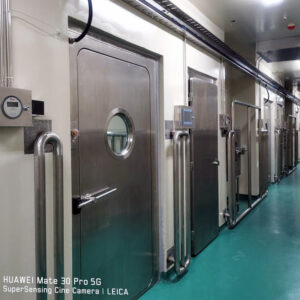
Le porte comportano un rischio sproporzionato per l’involucro edilizio perché la modalità di guasto non è sempre visibile e le conseguenze in termini di pressione sono immediate. Un telaio di porta che appare a filo durante il sopralluogo finale può comunque presentare perdite sufficienti nella parte superiore o nello stipite da destabilizzare una cascata di pressione, in particolare nelle classificazioni ISO 7 o più rigorose, dove i differenziali sono ridotti per progettazione. È la continuità della tenuta del telaio — non solo il suo allineamento — a determinare se l’interfaccia regge in condizioni operative.
La scelta del tipo di porta ha inoltre un effetto diretto sul comportamento della pressione, aspetto spesso sottovalutato in fase di appalto. Le porte scorrevoli riducono le perturbazioni di pressione associate alle operazioni di apertura rispetto alle porte a battente, che fanno passare l’aria attraverso la soglia e invertono momentaneamente il differenziale nella zona della porta. Si tratta di un compromesso ingegneristico, non di un obbligo normativo, ma vale la pena di effettuare una scelta consapevole piuttosto che optare per le porte a battente per motivi di costo. Le conseguenze a lungo termine di una scelta errata si manifestano in episodi di contaminazione o nel fallimento del monitoraggio della stabilità della pressione, non nella fase di installazione in cui la decisione è stata presa per motivi di risparmio.
Le finestre presentano un rischio diverso ma correlato. La struttura non apribile è il requisito progettuale standard, poiché una finestra apribile costituisce di fatto un varco non sigillato ogni volta che viene utilizzata. Al di là della possibilità di apertura, è proprio a livello della guarnizione del telaio e dell’interfaccia tra l’unità finestrina e il pannello circostante che si verificano effettivamente le perdite. Una geometria liscia del davanzale con una superficie orizzontale minima riduce l’accumulo di particelle e semplifica la pulizia, aspetti entrambi rilevanti sia per la convalida continua della pulizia che per l’accettazione iniziale dell’involucro.
I passanti e i pannelli di ispezione meritano la stessa attenzione. Queste aperture secondarie devono essere sigillate in corrispondenza delle interfacce con i pannelli durante l’installazione. Un passante che sia integrato dal punto di vista funzionale, ma la cui sigillatura perimetrale sia stata rimandata a una voce successiva della lista delle cose da fare, rappresenta una falla nell’involucro che potrebbe non essere individuata fino alla prova di tenuta con aerosol. Verificare l’integrità della sigillatura in questi punti durante il sopralluogo di collaudo dell’involucro — prima dell’inizio delle prove — permette proprio di evitare questa sequenza.
Per un'analisi dettagliata di come le caratteristiche tecniche di porte e finestre influenzino le prestazioni in termini di differenziale di pressione, il Quali sono i requisiti della differenza di pressione per le camere bianche modulari ISO 7 e ISO 8? L'articolo illustra la logica di progettazione a cascata che queste interfacce devono supportare.
| Interfaccia | Fattore di rischio | Requisiti di progettazione / verifica |
|---|---|---|
| Porte (a battente o scorrevoli) | Disturbo del flusso d'aria, perdita di pressione | Si preferiscono le porte scorrevoli; verificare la continuità della guarnizione del telaio |
| Finestre | Accumulo di particolato, perdite | Linee lisce e continue, superficie ridotta al minimo |
| Passaggi / Pannelli trasparenti | Dispersione dell'interfaccia | Sigillato al momento dell'installazione del pannello; verificare l'integrità della tenuta |
Giunti delle pareti, modanature e fori nel soffitto da verificare
La distinzione tra un giunto esteticamente perfetto e uno funzionalmente a tenuta è il punto in cui l’accettazione dell’opera spesso si discosta dalla consueta revisione della lista delle carenze. Un giunto tra pannelli che sembra chiuso — senza fessure visibili e con una finitura superficiale uniforme — può comunque consentire il passaggio dell’aria se la guarnizione sottostante è stata schiacciata, spostata o sostituita con un materiale di riempimento non omologato durante l’installazione. La verifica in questa fase consiste nel confermare che siano state applicate guarnizioni omologate o sigillanti adeguati lungo l’intera lunghezza del giunto, non nel verificare che la superficie del giunto appaia accettabile.
Il profilo di raccordo pavimento-parete è una questione di sequenza di lavoro tanto quanto una questione di ispezione. Se installato dopo il montaggio dei pannelli — anziché durante la realizzazione dell’involucro — spesso non riesce a garantire una tenuta continua nel punto più critico della stanza in termini di intrappolamento delle particelle. La giunzione tra il pavimento e lo zoccolo è il punto in cui si accumula la contaminazione se la geometria non è correttamente sigillata ed è anche il punto in cui la convalida della pulizia diventa difficile se gli angoli con profilo di raccordo sono assenti o incompleti. La questione relativa all’ispezione non riguarda la presenza o meno delle modanature, bensì se siano state installate secondo la corretta sequenza di costruzione e se gli angoli presentino una transizione senza fessure.
Anche i fori nel soffitto richiedono la stessa distinzione tra aspetti funzionali e estetici. Ogni foratura per l’illuminazione, l’alimentazione o il ritorno dell’impianto di climatizzazione, le linee di servizio o i sensori di monitoraggio rappresenta un potenziale percorso di bypass dell’aria. Una foratura che è stata chiusa con un materiale non omologato, oppure che è stata sigillata attorno al condotto prima che ne fosse confermata la posizione definitiva e che è stata successivamente manomessa, può consentire all’aria carica di particolato di entrare nella zona pulita dal plenum. Tutte queste forature devono essere registrate durante l’installazione e verificate come sigillate prima della conclusione della fase di ispezione visiva.
Laddove siano previsti sistemi a controsoffitto calpestabili, i requisiti di sostegno strutturale e lo spazio libero verticale sopra le unità di filtrazione con ventilatore (FFU) incidono sia sulla sicurezza durante la manutenzione che sull’accessibilità ai filtri. Un valore comunemente specificato è un minimo di 2 piedi di spazio libero verticale sopra le FFU — sufficiente affinché il personale possa eseguire i controlli di integrità dei filtri senza dover entrare nel plenum. Si tratta di un criterio di progettazione per la fase di installazione; se lo spazio libero non è stato previsto durante la realizzazione del sistema a soffitto, ricavarlo in un secondo momento dopo la messa in servizio risulta costoso e talvolta soggetto a vincoli strutturali.
| Punto di verifica | Cosa verificare | Perché è importante |
|---|---|---|
| Giunti dei pannelli murali | Sigillato con guarnizioni o sigillante omologati, non a scopo estetico | Impedisce le perdite d'aria |
| Modanatura per pavimento e parete | Installati durante la realizzazione dell'involucro edilizio, angoli arrotondati | Elimina i punti in cui si accumulano le particelle, facilita la pulizia |
| Passaggi nel soffitto | Tutte le aperture relative all'illuminazione, all'impianto di climatizzazione e alle utenze sono state sigillate | Mantiene la barriera d'aria, blocca le particelle |
| Soffitti calpestabili | Supporto strutturale, spazio libero verticale minimo di 2 piedi sopra le unità FFU | Consente un accesso sicuro per gli interventi di manutenzione |
| Posa dei pavimenti | Tecnica senza giunti, angoli arrotondati in corrispondenza delle giunzioni con le pareti | Garantisce la tenuta dell'interfaccia pavimento-parete |
Il Sistema per pareti e soffitti Le specifiche descrivono in dettaglio la realizzazione dei giunti e dei pannelli nelle costruzioni modulari e possono essere utilizzate, insieme ai verbali di verifica in cantiere, per confermare che le condizioni di installazione corrispondano alle intenzioni progettuali.
Prove raccolte sul posto che l'ispezione in fabbrica non può sostituire
I collaudi di accettazione in fabbrica confermano che i singoli componenti soddisfano i requisiti prestazionali specificati. Tuttavia, tali collaudi non consentono di riprodurre il comportamento dei componenti una volta installati; infatti, diverse modalità di guasto emergono solo quando l’impianto viene assemblato nella sua sede effettiva, con i collegamenti alle utenze, le interfacce strutturali e l’involucro edilizio circostante.
I conflitti di spazio strutturale ne sono un esempio ricorrente. Un sistema di griglia a soffitto o di pannelli a parete che supera i controlli dimensionali in fabbrica può imbattersi in elementi strutturali esistenti dell’edificio, in condutture di distribuzione degli impianti di climatizzazione o in linee antincendio che non erano state rappresentate con precisione nei disegni di costruzione. Questi conflitti danno luogo a collegamenti modificati in cantiere e a guarnizioni applicate in loco che non facevano parte del progetto originale dell’involucro edilizio e che introducono percorsi di infiltrazione non testati. Nessuna documentazione di fabbrica li affronta, poiché non esistevano in fabbrica.
La validazione in loco segue una sequenza strutturata per una buona ragione. L’ispezione visiva stabilisce le condizioni di riferimento delle guarnizioni e delle superfici. Il test di integrità dei filtri HEPA tramite prova con aerosol — secondo i metodi di prova descritti nella norma ISO 14644-3:2019 — identifica le perdite nei filtri o negli alloggiamenti che non possono essere rilevate visivamente. La soglia di accettazione per la penetrazione HEPA nel test di provocazione con aerosol è tipicamente indicata come ≤ 0,01%; qualsiasi valore superiore richiede una riparazione e una nuova prova prima che la sala possa passare alla fase successiva. Segue la verifica del flusso d’aria e della velocità frontale, comunemente effettuata tramite visualizzazione con fumo e letture dell’anemometro; per gli ambienti a flusso unidirezionale conformi alla norma ISO 5, una velocità frontale di circa 90 ±20 fpm è un valore di progetto spesso citato, sebbene il valore target applicabile dipenda dalle specifiche basi di progettazione e dalla classificazione. La verifica del differenziale di pressione conferma che i flussi a cascata siano stabiliti e stabili — i valori minimi rilevanti variano a seconda del regime normativo, con USP <797> specificando +0,02 pollici di colonna d'acqua e l'Allegato 1 delle GMP dell'UE, che fa riferimento a 10 Pa come valori di riferimento contestuali. La sequenza si conclude con le analisi del conteggio delle particelle e la verifica dei parametri ambientali.
Ogni fase determina il passaggio alla successiva. Eseguire i test di conteggio delle particelle prima che le differenze di pressione si siano stabilizzate è un errore comune nella sequenza operativa che produce dati non conformi, costringe a ripetere il conteggio una volta corretta la pressione e prolunga inutilmente i tempi di qualificazione.
| Fase di collaudo | Metodo di convalida | Soglia di accettazione chiave |
|---|---|---|
| Ispezione visiva | Verificare l'assenza di fessure, l'integrità delle guarnizioni e la tenuta dei passaggi | Nessun difetto visibile |
| Prove di tenuta (HEPA) | Sfida con l'aerosol | Penetrazione della perdita ≤ 0,011 TP10T |
| Verifica del flusso d'aria / della velocità | Studi sul fumo e anemometro | Velocità frontale: circa 90 ±20 fpm (ISO 5 unidirezionale) |
| Verifica del differenziale di pressione | Monitoraggio tramite manometro | +0,02 pollici di colonna d'acqua (USP <797>) oppure 10 Pa (Allegato 1 delle GMP dell'UE) |
| Test sulla conta delle particelle | Contatore di particelle in condizioni di stato as-built, a riposo e in funzionamento | Concentrazioni rientranti nella classe ISO di riferimento |
| Verifica dei parametri ambientali | Sensori calibrati | Temperatura e umidità conformi alle specifiche di progetto |
La norma ISO 14644-4:2022 fornisce il quadro di riferimento generale per la progettazione e la messa in funzione delle camere bianche, stabilendo le basi logiche per la verifica specifica del sito: il fatto che la qualificazione in fabbrica dei componenti non sostituisca la prova delle condizioni di installazione è direttamente coerente con l’ambito di applicazione e i principi di progettazione contenuti in tale norma.
Segnali di preparazione prima dell'inizio delle prove in aula
La chiusura meccanica della lista delle cose da fare e la prontezza per i test non sono la stessa fase, e confonderle è una delle cause più ricorrenti di ritardi nella qualificazione. La chiusura della lista delle cose da fare significa che il team di costruzione ha risolto tutte le questioni relative all’installazione individuate. La prontezza per i test significa che la sala può essere consegnata a un team di validazione con ragionevole certezza che i test prestazionali produrranno dati interpretabili e difendibili.
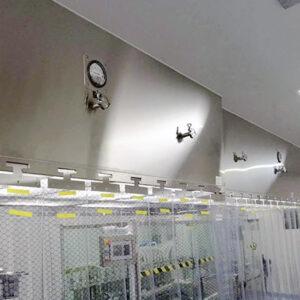
La differenza sta in una serie di verifiche preliminari che vanno oltre il completamento dei lavori. L’integrità visiva dell’involucro — assenza di fessure visibili in corrispondenza di giunti o passanti, guarnizioni intatte in tutte le interfacce ad alto rischio — costituisce il primo controllo e deve essere documentata con registrazioni, non solo confermata verbalmente durante un sopralluogo. La verifica del profilo del flusso d’aria tramite studi con fumo conferma che la distribuzione dell’aria si comporti come previsto prima del posizionamento delle sonde del contatore di particelle; in assenza di ciò, un conteggio delle particelle non superato non ha un percorso diagnostico chiaro. Le differenze di pressione su tutti i confini di zona devono essere stabili ai valori target di progetto prima che vengano registrati i dati delle prove di prestazione, poiché una pressione instabile durante un conteggio rende il risultato ininterpretabile secondo la maggior parte dei protocolli di convalida.
La preparazione della documentazione è una fase parallela che viene spesso considerata un’attività successiva al test. In ambito farmaceutico, il pacchetto IQ/OQ/PQ — che comprende i registri di taratura di tutti gli strumenti utilizzati durante la validazione, i disegni as-built che riflettono le modifiche apportate in loco e i protocolli di validazione firmati — deve essere sostanzialmente completo prima dell’inizio dei test, non assemblato a posteriori a partire da registrazioni frammentarie del sito. Un riscontro di audit generato da modifiche non documentate apportate in loco a penetrazioni sigillate costituisce un fallimento della qualificazione che una corretta revisione della documentazione prima dei test avrebbe individuato.
Prima di procedere con i test, è necessario verificare anche l’installazione e la configurazione dei sensori di monitoraggio continuo. La presenza di sensori installati ma non ancora calibrati, oppure calibrati ma non ancora collegati alla logica di allarme del BMS, comporta l’impossibilità di utilizzare il sistema di monitoraggio come prova durante la fase di qualificazione. Verificare i certificati di calibrazione dei sensori, la configurazione delle soglie di allarme e la registrazione dei dati da parte del BMS prima dell’inizio dei test evita che si verifichi una situazione in cui i dati dei test prestazionali siano validi ma l’infrastruttura di monitoraggio non possa essere qualificata contemporaneamente.
| Punto di controllo della prontezza operativa | Requisiti | Prove a conferma |
|---|---|---|
| Integrità visiva dell'involucro | Nessuna fessura visibile, guarnizioni integre, tutti i punti di passaggio sigillati | Registri delle ispezioni visive |
| Verifica del modello di flusso d'aria | Gli studi sul fumo confermano che la portata e la velocità sono conformi alle specifiche di progetto | Video o servizio |
| Differenziali di pressione | Cascata stabile, con una pressione minima di 0,02 pollici di colonna d'acqua | Registri del manometro |
| Preparazione alla misurazione del numero di particelle | Classe ISO definita in condizioni di stato di realizzazione/a riposo/in esercizio | Dati del contatore di particelle |
| Pacchetto di documentazione | IQ/OQ/PQ, taratura, disegni di as-built, protocolli di convalida | Set completo di documenti |
| Sistema di monitoraggio continuo | Sensori installati, calibrati e soglie di allarme configurate nel BMS | Certificati di calibrazione, schermate del BMS |
Il Porte e finestre per camere bianche In questa fase è utile fare un controllo incrociato con le specifiche: verificare che i componenti di porte e finestre installati corrispondano ai tipi di guarnizioni e alle configurazioni dei telai specificati rafforza sia il verbale di ispezione visiva sia il fascicolo di documentazione IQ.
L'accettazione dell'involucro dipende fondamentalmente dal fatto che ogni interfaccia che definisce il confine della zona pulita sia stata verificata nella sua condizione di installazione — non nella condizione di progetto, né in quella in cui è stata testata in fabbrica, né in base al suo aspetto visivo durante un sopralluogo. La sequenza pratica è la seguente: mappare il confine, dare priorità alle interfacce ad alto rischio, confermare l'efficacia delle tenute piuttosto che la finitura estetica, raccogliere prove in loco che la documentazione di fabbrica non può fornire e solo allora considerare la sala pronta per i test prestazionali.
Prima di definire un programma di collaudo, verificare che la lista di controllo di preparazione pre-collaudo sia stata completata come fase di controllo formale e non come semplice verifica informale. Se le differenze di pressione non sono stabili, se la tenuta del filtro HEPA non è stata sottoposta a test di penetrazione degli aerosol in loco o se i disegni as-built non riflettono le modifiche apportate sul campo durante l’installazione, la sequenza di qualificazione subirà un’interruzione — e il lavoro di rifinitura necessario per correggere a posteriori le interfacce sigillate comporta sistematicamente costi maggiori, sia in termini di tempo che di difficoltà di accesso, rispetto all’individuazione del difetto durante la fase di collaudo dell’involucro.
Domande frequenti
D: La nostra camera bianca presenta una struttura ibrida: pannelli modulari su alcune pareti e calcestruzzo gettato su altre. Questo approccio di collaudo è comunque applicabile?
R: Sì, ma le interfacce tra calcestruzzo e pannelli diventano i punti di ispezione prioritari. Il quadro di riferimento dell’articolo si applica ovunque esista una barriera di pressione; il rischio specifico nelle costruzioni ibride è che il giunto di transizione tra un substrato rigido e un sistema di pannelli modulari raramente fa parte della sequenza di assemblaggio in fabbrica e quindi non è supportato da alcuna documentazione di collaudo di fabbrica. Tali giunti richiedono la stessa verifica delle guarnizioni e dei sigillanti descritta per i collegamenti tra pannelli, con particolare attenzione al fatto che la sigillatura sia stata applicata prima o dopo il posizionamento finale del pannello — poiché la sigillatura successiva al posizionamento in corrispondenza di un’interfaccia in calcestruzzo spesso lascia spazi vuoti negli angoli e nelle giunture a vista.
D: Una volta completata e documentata la verifica di accettazione delle buste, qual è il passo successivo da compiere prima di passare il testimone al team di convalida?
R: Il passo immediatamente successivo consiste nel verificare che le differenze di pressione su tutti i confini di zona siano stabili ai valori previsti dal progetto prima che abbia inizio qualsiasi attività del team di validazione. L'accettazione dell'involucro edilizio conferma l'integrità dei confini come condizione fisica; una pressione stabile conferma che l'impianto di climatizzazione gestisce tali confini secondo quanto previsto dal progetto. Se le differenze di pressione non sono stabili — a causa di un bilanciamento dei condotti incompleto, di posizioni delle serrande non definitive o di una messa in servizio dell'unità di trattamento aria (AHU) ancora in corso — il passaggio della stanza alla fase di validazione genera dati di prova non interpretabili e costringe a ricominciare la sequenza di prove prestazionali una volta corretta la pressione.
D: A partire da quale punto una porta scorrevole non giustifica più il costo aggiuntivo rispetto a una porta a battente per il controllo della pressione?
A: Il compromesso tende a favorire le porte a battente negli ambienti di classe inferiore, dove i differenziali di pressione sono più ampi e la frequenza di traffico è bassa. Per le camere ISO 7 o ISO 8, in cui il differenziale a cascata è progettato al minimo previsto dalla normativa — come i 10 Pa indicati nell’Allegato 1 delle GMP dell’UE o i 0,02 pollici di colonna d’acqua (in. w.c.) previsti dall’USP <797> — L’apertura di una porta a battente può invertire momentaneamente il differenziale nella zona della soglia e, nei corridoi ad alto traffico, tale inversione momentanea si verifica ripetutamente nel corso di un turno. In ambienti ISO 6 o con requisiti ancora più rigorosi, o in qualsiasi locale con frequente movimento del personale, l’argomento a favore della stabilità della pressione offerto dalle porte scorrevoli è talmente forte che la differenza di costo viene in genere recuperata grazie alla prevenzione di episodi di contaminazione. Nelle camere di compensazione ISO 8 a traffico ridotto con margini di pressione più ampi, la giustificazione tecnica a favore delle porte scorrevoli è più debole e la struttura a battente rappresenta una scelta difendibile.
D: Una camera bianca modulare con soffitto calpestabile presenta maggiori difficoltà nell’ottenere l’approvazione dell’involucro edilizio rispetto a un modello non calpestabile?
R: I sistemi di controsoffitto calpestabile aumentano la complessità delle ispezioni perché il plenum diventa una zona di servizio con interfacce strutturali, e ogni apertura praticata per l’accesso di manutenzione rappresenta un ulteriore punto di tenuta da verificare. Lo spazio libero verticale di 2 piedi sopra le unità FFU è un criterio di sicurezza per la manutenzione, ma dal punto di vista dell’accettazione dell’involucro edilizio il rischio più significativo è che i controsoffitti calpestabili siano accessibili più frequentemente durante l’installazione — da parte degli addetti ai lavori meccanici ed elettrici — il che aumenta la probabilità che le aperture sigillate siano state manomesse e non risigillate. L’accettazione dell’involucro per un controsoffitto calpestabile dovrebbe includere un registro documentato di tutte le aperture che sono state praticate o modificate dopo la sigillatura iniziale, non solo un’ispezione visiva della superficie del controsoffitto al termine dei lavori.
D: Se lo stabilimento ha rilasciato un certificato di conformità per i pannelli da parete e da soffitto, di quanto si riduce il carico di lavoro relativo alla verifica in loco?
R: I certificati di conformità di fabbrica riducono lo sforzo necessario per la verifica dimensionale e dei materiali, ma non riducono affatto il carico di lavoro relativo alla verifica funzionale della tenuta in loco. Un certificato conferma che i singoli pannelli erano conformi alle specifiche al momento dell’ispezione in fabbrica. Non può confermare che i giunti siano stati sigillati correttamente durante l’assemblaggio in loco, che le guarnizioni non si siano spostate quando i pannelli sono stati regolati per adattarsi alle condizioni del sito, né che le penetrazioni nel soffitto aggiunte dagli appaltatori meccanici o elettrici siano state sigillate secondo lo stesso standard dei giunti dei pannelli. La norma ISO 14644-4:2022 stabilisce chiaramente che per l’avvio di una camera bianca è necessaria la prova dello stato di installazione; il certificato di fabbrica è una documentazione di supporto, non un sostituto della verifica in loco dell’involucro assemblato.