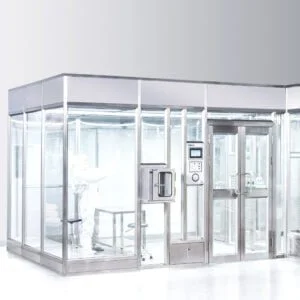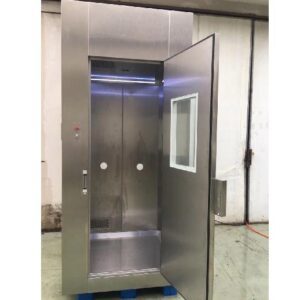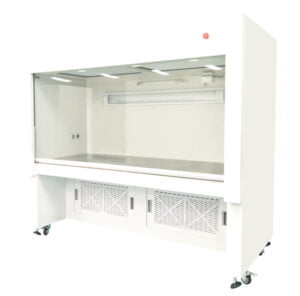
La scelta del formato della camera bianca prima di confermare quali siano le effettive esigenze del processo è il punto in cui la maggior parte dei progetti di camere bianche a pareti flessibili accumula i propri costi reali. I team scoprono l’incompatibilità non durante la revisione delle specifiche, ma in fase di messa in servizio — quando il flusso d’aria è bilanciato, le apparecchiature sono posizionate e la camera bianca non è in grado né di sostenere la pressione differenziale richiesta dal processo né di garantire un livello di pulizia costante nella classe ISO prevista. A quel punto, correggere la decisione comporta uno smantellamento parziale, il riordino dei componenti strutturali e il riavvio delle attività di validazione già programmate. Il criterio che permette di evitare tutto ciò è semplice: la classe ISO target e il rischio di contaminazione del processo devono essere confermati prima ancora di valutare se una camera a pareti flessibili sia effettivamente appropriata.
Casi d'uso delle pareti morbide per involucri flessibili per camere bianche
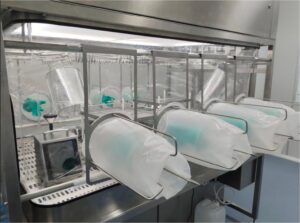
Le cabine modulari flessibili risolvono un problema specifico di implementazione: la creazione di un ambiente controllato laddove la costruzione di un’intera stanza risulti poco pratica, laddove i requisiti di layout possano variare o laddove sia necessario un potenziamento localizzato all’interno di una struttura esistente senza dover ricorrere a una ristrutturazione completa. La soluzione più indicata è quella delle applicazioni in cui il valore ISO target rientra nell’intervallo in cui è sufficiente una separazione tramite barriere d’aria, in cui non è necessario mantenere rigidamente le differenze di pressione e in cui il modello di accesso è gestibile entro i limiti di tenuta di un sistema a porte a strisce.
Una configurazione che funziona bene nella pratica consiste nel collocare una camera con pareti morbide all’interno di una stanza esistente con pareti rigide per creare una zona di lavoro con una classificazione più elevata. Non si tratta di un metodo di progettazione formalmente prescritto dalla norma ISO 14644-4:2022, che affronta i principi di progettazione e costruzione delle camere bianche a un livello più ampio, ma la logica progettuale è coerente con l’approccio di suddivisione in zone e classificazione descritto dalla norma. La camera esterna garantisce la pulizia di fondo; la camera interna concentra la filtrazione e il flusso d’aria su un’area di lavoro più ridotta, consentendo alla zona interna di raggiungere una classe ISO più rigorosa senza dover adeguare l’intera camera. Il vincolo è che questa configurazione richiede comunque che la camera interna soddisfi le proprie specifiche relative al flusso d’aria, alla tenuta e all’accesso: nessuno di questi requisiti viene meno solo perché l’involucro esterno è già controllato.
I casi d’uso più indicati sono i banchi di ricerca e sviluppo, le aree di assemblaggio leggero, le zone di confezionamento e le aree di manipolazione di componenti elettronici che operano in classe ISO 7 o ISO 8. I processi che richiedono finiture superficiali rigide per la convalida della pulizia, una separazione pressostatica stabile a lungo termine o la garanzia dell’integrità della barriera per materiali pericolosi dovrebbero essere valutati con maggiore attenzione in relazione alle strutture con pareti rigide prima di optare per una camera flessibile.
Dettagli importanti relativi a tende, telaio, flusso d’aria e accesso
Le scelte relative alle specifiche effettuate in fase di appalto determinano se la camera bianca funzionerà come previsto o se causerà problemi operativi persistenti. Il materiale della tenda, la configurazione delle porte a strisce, l’ampiezza del telaio, l’altezza del soffitto e la progettazione del flusso d’aria non sono parametri predefiniti intercambiabili: ciascuno di essi presenta una condizione al contorno che, se ignorata, provoca un malfunzionamento nell’uso quotidiano piuttosto che un errore visibile al momento dell’installazione.
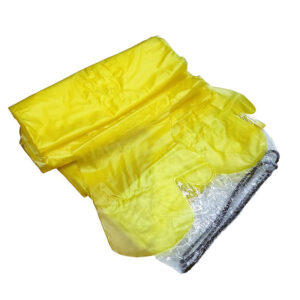
La scelta del materiale della tenda non influisce solo sull’aspetto. Le opzioni antistatiche sono rilevanti per gli ambienti elettronici; il vinile standard può generare o trattenere cariche elettrostatiche in condizioni normali di traffico e pulizia. La classe di reazione al fuoco è una questione di conformità edilizia, non solo una preferenza di prodotto. La configurabilità della pressione — ovvero se la cabina operi a pressione positiva o negativa — dipende dall’efficacia della tenuta del sistema a tenda e da come viene gestito il flusso d’aria rispetto allo spazio circostante. Le cabine a parete morbida a pressione negativa vengono talvolta proposte per applicazioni di contenimento, ma l’idoneità all’uso con materiali pericolosi richiede una valutazione specifica per ciascun processo; la sola configurabilità della direzione del flusso d’aria non costituisce di per sé una garanzia di contenimento verificata.
Il design delle porte a strisce rappresenta un punto critico specifico a cui viene attribuito un peso insufficiente in fase di approvvigionamento. Le porte a strisce standard sono adatte a frequenze di accesso da basse a moderate. In condizioni di traffico intenso, l’usura delle strisce e la risigillatura incompleta aumentano la concentrazione di particelle nel punto di ingresso, spesso in misura tale da influire sulla classificazione in prossimità della zona della porta. Se la frequenza di accesso è elevata fin dall’inizio, è opportuno specificare opzioni di porte per uso intensivo prima dell’installazione, anziché procedere a un adeguamento successivo quando eventi di contaminazione richiedono una revisione.
| Specifiche | Dettaglio | Perché è importante |
|---|---|---|
| Tessuto per tende | Vinile trasparente da 40 mil, ignifugo, con opzioni antistatiche | Influisce sulla durata, sulla sicurezza antincendio e sul controllo dell'elettricità statica |
| Porte a lamelle | Strisce larghe 8 pollici, spesse 80 mil, con sovrapposizione di 2 pollici; richiudibili automaticamente | Garantisce il controllo delle particelle nei punti di accesso ad alto traffico |
| Progettazione del flusso d'aria | Flusso laminare verticale proveniente da unità FFU installate a soffitto; l'aria fuoriesce a livello del pavimento | Definisce il meccanismo di controllo della contaminazione |
| Campata libera massima | 12×12 piedi senza supporto centrale; per dimensioni maggiori sono necessari piedini di sostegno o un sistema di sospensione a soffitto | Limita la flessibilità nella disposizione degli spazi e il posizionamento delle attrezzature |
| Dimensioni e spazio libero del soffitto | Altezze standard: 8, 9 o 10 piedi; spazio libero minimo di 2 pollici sopra l’unità FFU; altezza dell’unità FFU: 16 pollici | Garantisce un flusso d'aria adeguato e un corretto adattamento all'interno della struttura |
| Controllo della pressione | Configurabile come positivo o negativo tramite la gestione del flusso d’aria e la tenuta delle barriere d’aria | Determina l'idoneità al contenimento di sostanze pericolose |
Il calcolo dell’altezza del soffitto è più importante di quanto sembri. Un soffitto standard che ospita un involucro di 8 piedi deve comunque garantire uno spazio libero pari all’altezza dell’unità di filtraggio più lo spazio libero richiesto al di sopra di essa. Un errore in questo calcolo durante il sopralluogo comporta l’impossibilità di installare l’involucro nella posizione prevista senza modifiche, mentre scoprirlo dopo l’acquisto causa un ritardo proprio nel momento in cui le squadre di installazione sono già state programmate.
Flessibilità contro controllo della separazione nelle stanze a basso rischio
Il vantaggio in termini di flessibilità offerto da una struttura con pareti morbide è reale, ma condizionato. È possibile aggiungere o rimuovere sezioni senza dover smantellare completamente la struttura; le configurazioni sospese al soffitto eliminano la necessità di montanti di sostegno a pavimento laddove la capacità strutturale lo consenta; inoltre, la struttura può essere riposizionata in caso di modifiche alla disposizione dei processi. Per gli impianti in cui l’ingombro dei processi varia regolarmente o in cui i budget di investimento non consentono realizzazioni permanenti, questi rappresentano autentici vantaggi operativi.
La condizione è che la flessibilità non sostituisca la separazione fisica. Una parete cortina è mobile. Sotto pressione positiva, una parete cortina mal sigillata si gonfia verso l’esterno; sotto pressione negativa, si ritira verso l’interno. In entrambi i casi, il comportamento della barriera è dinamico in un modo che una parete a pannelli rigidi non è. Per i processi in cui l’integrità della separazione costituisce un criterio di convalida — ovvero laddove gli auditor o la revisione del controllo qualità richiedano prove che la barriera tra le zone mantenga in modo affidabile i propri confini — un involucro a parete morbida è più difficile da giustificare rispetto a una camera a parete rigida con giunti dei pannelli ben definiti, penetrazioni sigillate e un differenziale di pressione fisso verificato tramite monitoraggio continuo.
Questa distinzione è più netta di quanto suggerisca il confronto di marketing tra costruzione “flessibile” e “permanente”. Anche la costruzione modulare con pareti rigide può essere riconfigurata; non è intrinsecamente fissa. Il compromesso significativo è tra la separazione basata su tende e quella basata su pannelli rigidi, e tale differenza è fondamentale quando il processo su un lato della parete comporta un rischio di contaminazione o di contaminazione incrociata che deve essere dimostrato in condizioni di audit, non solo mantenuto durante il normale funzionamento. Per gli ambienti a basso rischio ISO 7 e ISO 8, in cui la preoccupazione principale è il controllo delle particelle durante operazioni stabili, la camera flessibile svolge la sua funzione. Il problema non è che le camere con pareti morbide siano inaffidabili, ma che il controllo della separazione che offrono rientri in una categoria di garanzia diversa rispetto a quella fornita dalla costruzione rigida, e confondere le due cose crea lacune che emergono durante la qualificazione o la revisione normativa.
Per avere una visione più ampia del confronto tra i diversi tipi di costruzione modulare in base a criteri di progettazione, convalida e funzionamento, il Guida completa alle camere bianche modulari tratta i formati con pareti rigide e morbide, oltre agli aspetti relativi alla gestione delle strutture.
Rischio di sovrametallizzazione in caso di eccessiva estensione delle pareti flessibili
Il problema in questo caso non è che le stanze con pareti morbide presentino difetti durante il normale utilizzo, bensì che talvolta vengano utilizzate al di fuori dei limiti previsti dal progetto, e le conseguenze diventano evidenti solo una volta completata l’installazione e avviata la fase di verifica.
Le dimensioni rappresentano il primo limite. Il limite di campata libera senza supporti di 12×12 piedi è un dato di progettazione strutturale, non un margine di sicurezza prudenziale. Superarlo senza montanti interni o sospensioni a soffitto comporta il rischio di deformazione del telaio sotto carico. L’aggiunta di rotelle a una struttura che supera queste dimensioni aggrava il problema: il vantaggio della mobilità viene meno e il rischio di instabilità aumenta. I team che se ne rendono conto dopo l’acquisto si trovano di fronte alla scelta tra aggiungere elementi di sostegno non previsti nel progetto o accettare una configurazione che non può essere spostata in sicurezza.
Il secondo limite è rappresentato dalla classe ISO di riferimento. Le linee guida dei fornitori coprono generalmente le camere a pareti morbide per le classi ISO 7 e ISO 8, con alcune configurazioni che si estendono fino alla classe ISO 5. Il raggiungimento della classe ISO 5 o superiore con una camera a pareti morbide dovrebbe essere considerato come un controllo di verifica che richiede la conferma esplicita da parte del fornitore delle prestazioni costanti nella classe richiesta — non come una limitazione del prodotto che lo esclude, ma nemmeno come una capacità standard che si possa dare per scontata. Se il processo richiede effettivamente prestazioni ISO 5 con prove di classificazione coerenti, la valutazione dovrebbe includere l’analisi se una camera modulare a pareti rigide offra un percorso più giustificabile prima di optare per un formato flessibile.
| Scenario di sovraestensione | Conseguenza | Cosa chiarire |
|---|---|---|
| Rotelle su involucri di dimensioni superiori a 12×12 piedi | Instabilità strutturale e rischio di ribaltamento | Verificare la stabilità del pavimento richiesta e se sia necessaria una base fissa o un telaio di supporto |
| Puntare alla classe ISO 5 o superiore, al di fuori del range tipico ISO 7-8 | Potrebbe non superare la verifica di pulizia; il rischio di processo aumenta | Chiarire se il sistema è in grado di garantire prestazioni costanti nella classe richiesta, oppure se sia opportuno valutare l’utilizzo di una parete rigida |
| Porte a strisce standard in punti di accesso ad alto traffico | L'usura delle porte e una sigillatura non completa possono far aumentare il numero di particelle | Verificare la frequenza del traffico e se siano necessari interventi di potenziamento delle porte per carichi pesanti |
Il costo a valle di una progettazione eccessiva non è solo la modifica delle apparecchiature, ma anche il lavoro di qualificazione che deve essere rifatto quando il primo tentativo non va a buon fine. Conteggi delle particelle che risultano conformi in una giornata tranquilla ma che subiscono variazioni durante le normali attività di accesso e pulizia, letture di pressione che non possono essere stabilizzate solo tramite la regolazione delle barriere d’aria, o prestazioni delle guarnizioni delle porte che si deteriorano più rapidamente del previsto in condizioni di traffico reale: questi sono i risultati della messa in servizio che trasformano la scelta di un involucro a basso costo in un costoso intervento di adeguamento.
Fase di selezione dopo la conferma del rischio di processo e dell'obiettivo di classe
La sequenza di selezione è fondamentale. Valutare le camere a parete morbida prima che siano stati confermati l’obiettivo ISO e il rischio di processo porta a un confronto che parte dal punto sbagliato: sono il costo della camera e i tempi di consegna a determinare la decisione, anziché ciò che il processo richiede effettivamente al sistema di separazione. Il disallineamento che ne deriva è strutturale e non si risolve durante l’installazione.
Una volta stabiliti la classe ISO e il rischio di processo, la valutazione si concentra sulla capacità di un involucro a parete morbida di garantire in modo affidabile la classificazione richiesta nelle effettive condizioni operative: frequenza di accesso, routine di pulizia, movimento delle attrezzature e grado di stabilità della pressione richiesto dal processo. I fornitori coprono in genere un intervallo operativo compreso tra ISO 5 e ISO 8 per i prodotti a pareti flessibili, con la classe ISO 4 disponibile in alcune configurazioni. Tale intervallo è riportato nei dati di progettazione dei fornitori e deve essere verificato per ogni specifica applicazione: non costituisce una garanzia che un prodotto a pareti flessibili offra prestazioni uniformi su tutto l’intervallo.
Il confronto dei costi tra le camere a parete morbida e quelle modulari a parete rigida non è semplicemente una questione di costi di capitale. Le camere a parete morbida comportano generalmente un investimento iniziale inferiore, ma se i requisiti di processo richiedono verifiche più frequenti, pulizie più intense o controlli di accesso che mettono a dura prova un sistema di porte a tendina, la differenza nei costi operativi si riduce o si inverte nel corso della vita operativa della struttura. Il confronto è utile solo quando entrambe le opzioni vengono valutate in base agli stessi requisiti prestazionali, non l’una rispetto all’altra in astratto.
| Fattore di selezione | Cosa confermare | Note |
|---|---|---|
| Dimensioni e campata libera | Verificare che le dimensioni non superino i 12×12 piedi senza supporto centrale; se le dimensioni sono superiori, prevedere supporti interni o un sistema di sospensione a soffitto | Influisce direttamente sulla disposizione delle attrezzature e sulla superficie utile |
| Classe ISO di destinazione | Verificare che la soluzione con pareti morbide sia in grado di soddisfare i requisiti di classe richiesti — intervallo tipico ISO 5-8; ISO 4 disponibile con alcune precauzioni | Le classi superiori potrebbero superare i limiti raccomandati dai fornitori |
| Mobilità | Se sono necessarie rotelle, assicurarsi che le dimensioni non superino i 12×12 piedi e che le condizioni del pavimento consentano uno spostamento stabile | Il rischio di instabilità aumenta con le dimensioni dell'involucro |
| Spogliatoio | Verificare se sia necessaria un’anticamera integrata per garantire un corretto accesso del personale | Incide sul flusso di lavoro e sul controllo della contaminazione |
| Costo rispetto alle alternative | Confronta la versione economica con pareti morbide con quella modulare con pareti rigide, che offre una maggiore separazione e una maggiore durata | L'Hardwall potrebbe offrire un valore aggiunto a lungo termine per alcuni processi |
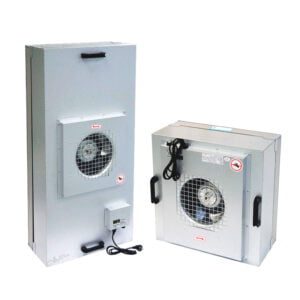
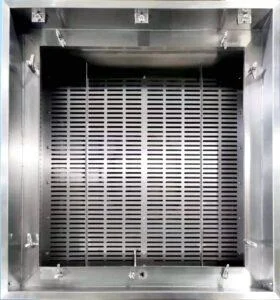
Il Unità filtro ventilatore La scelta dell'unità che alimenta la camera bianca influisce direttamente su diversi fattori: volume del flusso d'aria, configurabilità della pressione, altezza libera dal soffitto e numero di unità necessarie a coprire l'ingombro della camera bianca. Il dimensionamento delle FFU deve essere verificato in base alla geometria della camera bianca e al tasso di ricambio d'aria desiderato prima di definire le specifiche definitive della camera bianca, non dopo.
Le cabine con pareti morbide rappresentano una soluzione valida ed economica per una specifica categoria di esigenze relative alle camere bianche. I progetti in cui danno buoni risultati sono caratterizzati da requisiti di classe ISO moderati, schemi di accesso gestibili, processi con ingombro stabile che possono tuttavia richiedere una riconfigurazione periodica e livelli di rischio di contaminazione in cui è sufficiente una separazione tramite tende. I progetti in cui creano problemi sono invece caratterizzati dagli stessi requisiti, ma valutati nell’ordine sbagliato: ovvero quando il tipo di cabina è stato scelto prima di verificare tali criteri.
Prima di optare per una configurazione con pareti flessibili, verificare la classe ISO prevista e assicurarsi che il livello di rischio del processo sia compatibile con una separazione tramite barriere flessibili. Verificare i vincoli strutturali — campata, altezza del soffitto e configurabilità della pressione — rispetto alle condizioni effettive della struttura e ai requisiti di accesso. Se uno qualsiasi degli elementi emersi da tale analisi dovesse superare i limiti di progettazione, valutare la costruzione modulare con pareti rigide come alternativa prima che la procedura di appalto precluda tale opzione.
Domande frequenti
D: È possibile utilizzare una camera bianca con pareti morbide per il contenimento di materiali pericolosi se è configurata per funzionare in depressione?
R: Non senza una valutazione separata del contenimento specifica per il processo. La sola configurabilità della direzione del flusso d’aria non costituisce di per sé una garanzia verificata di contenimento: il comportamento dinamico della barriera a tendina in condizioni di pressione negativa, in cui la parete viene risucchiata verso l’interno, introduce una variabilità di tenuta che un sistema a pannelli rigidi non presenta. L’idoneità all’uso con materiali pericolosi richiede una valutazione che va oltre quanto possa confermare la configurazione del flusso d’aria.
D: A partire da quale punto il costo operativo di una struttura con pareti morbide supera quello di una sala modulare con pareti rigide?
R: Il divario di costo si riduce o si inverte quando il processo comporta eventi di convalida più frequenti, requisiti di pulizia più intensivi o modelli di accesso che compromettono la tenuta delle porte a strisce più rapidamente del previsto. I risparmi iniziali derivanti dalla costruzione con pareti flessibili sono reali, ma si mantengono solo quando i requisiti di processo rimangono entro i limiti gestibili dalla struttura flessibile senza ulteriori interventi. Valutare entrambe le opzioni in base allo stesso requisito prestazionale — e non l’una rispetto all’altra in astratto — è l’unico confronto in grado di fornire una risposta affidabile per un’applicazione specifica.
D: Cosa succede alle prove di classificazione ISO se le prestazioni delle porte a strisce si riducono in condizioni di traffico reali?
R: Il numero di particelle in prossimità della zona di ingresso aumenta e i dati di classificazione raccolti in condizioni di minore traffico non rispecchiano più la realtà operativa. Si tratta di un rischio legato alla messa in servizio e alla qualificazione, non solo di un problema di manutenzione: se il modello di degrado emerge durante la validazione, diventa difficile giustificare la prova di prestazioni di classificazione costanti. Specificare, prima dell’installazione, opzioni di porte per uso intensivo, adeguate all’effettiva frequenza di accesso, impedisce che ciò diventi un problema di adeguamento a posteriori una volta che la qualificazione è già stata programmata.
D: Una struttura con pareti morbide rappresenta una soluzione valida per ottenere la classificazione ISO 5, oppure tale requisito impone di fatto una struttura con pareti rigide?
R: L’ISO 5 con involucro a parete morbida non è escluso, ma non deve essere considerato una caratteristica standard. Le linee guida dei fornitori coprono in genere i prodotti con pareti morbide nelle classi ISO 7 e ISO 8, con alcune configurazioni che si estendono fino alla classe ISO 5. Per puntare alla classe ISO 5 è necessaria una conferma esplicita da parte del fornitore delle prestazioni costanti in quella classe nelle condizioni operative effettive; inoltre, se è richiesta una prova di classificazione coerente in condizioni di audit, una struttura modulare con pareti rigide potrebbe offrire un percorso di qualificazione più difendibile prima che la decisione di acquisto sia finalizzata.
D: Se l’altezza del soffitto della struttura è al limite per la recinzione prevista, qual è il rischio di procedere senza apportare modifiche al sito?
R: La cabina non può essere installata nella posizione prevista senza modifiche. Il calcolo dell’altezza del soffitto richiede che siano rispettate sia l’altezza dell’unità di filtraggio sia la distanza minima al di sopra di essa; un sito che soddisfa uno dei due requisiti ma non entrambi crea un conflitto che viene rilevato solo quando le squadre di installazione sono già sul posto. La conseguenza è un ritardo nel momento peggiore possibile del programma e, potenzialmente, un problema di approvvigionamento se le dimensioni della cabina non possono essere modificate dopo l’ordine. Il sopralluogo dovrebbe confermare la distanza dal soffitto rispetto a entrambi i requisiti prima della chiusura della procedura di approvvigionamento.