
Moduły czystopomieszczeniowe YOUTH z półprzewodnikami są przeznaczone do środowisk produkcyjnych wrażliwych na obecność cząstek, takich jak procesy związane z płytkami półprzewodnikowymi, montaż elektroniki, produkcja elementów optycznych, fotonika krzemowa, montaż silników optycznych CPO, przyrządy precyzyjne oraz obszary produkcyjne o wysokim stopniu czystości.
- Modułowe moduły do pomieszczeń czystych przeznaczone do zastosowań związanych z półprzewodnikami
- Opcje projektowe pomieszczeń czystych klasy ISO 5, 6, 7 i 8
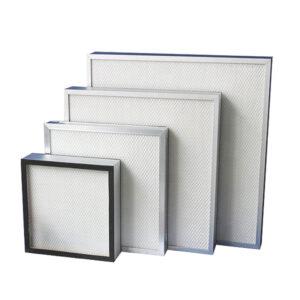
- Zintegrowane systemy filtracji FFU, HEPA i ULPA
- Przepływ laminarny i planowanie trasy powietrza powrotnego
- Opcje materiałów antystatycznych i zapewniających ochronę przed wyładowaniami elektrostatycznymi (ESD)
- Układ pomieszczeń czystych przeznaczonych do produkcji elementów optycznych, zaawansowanych rozwiązań w zakresie pakowania oraz produkcji precyzyjnej
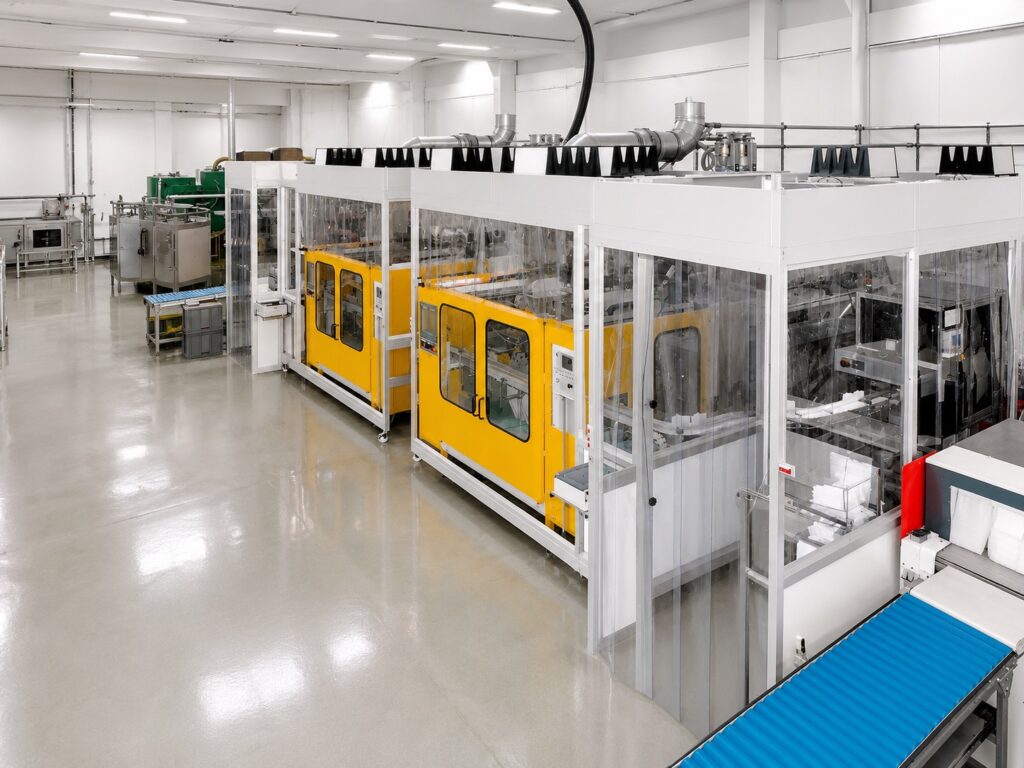
Moduły czystych pomieszczeń dla przemysłu półprzewodnikowego wymagają czegoś więcej niż tylko podstawowej kontroli cząstek
Projekty pomieszczeń czystych dla przemysłu półprzewodnikowego i elektronicznego są zazwyczaj determinowane przez wrażliwość na cząstki, wydajność produkcji, kontrolę wyładowań elektrostatycznych (ESD), stabilność przepływu powietrza, rozmieszczenie urządzeń oraz kontrolę warunków środowiskowych dostosowaną do konkretnego procesu. Moduł pomieszczenia czystego o budowie modułowej powinien zatem być określony pod kątem klasy ISO, konfiguracji FFU / HEPA lub ULPA, układu sufitu, ścieżki powietrza powrotnego, materiału podłogi i paneli, wymagań dotyczących kontroli ESD, oczekiwań dotyczących temperatury i wilgotności oraz dostępu w celu konserwacji.
System YOUTH może obsługiwać modułowe konstrukcje pomieszczeń czystych oraz wyposażenie pomieszczeń czystych opakowania przeznaczone dla branży elektronicznej, produkcji płytek półprzewodnikowych, optyki, instrumentów precyzyjnych oraz obszarów produkcyjnych o wysokim stopniu czystości. W przypadku procesów wymagających ścisłej kontroli AMC, specjalnych mediów lub spełnienia zaawansowanych wymagań dotyczących procesów półprzewodnikowych ostateczny projekt obiektu powinien zostać uzgodniony z zespołami inżynieryjnymi i procesowymi zamawiającego.
Wymagania dotyczące pomieszczeń czystych dla produkcji półprzewodników
Środowiska produkcji półprzewodników i elektroniki wymagają ścisłej kontroli cząstek, ponieważ drobne cząstki zawieszone w powietrzu mogą wpływać na jakość produktów, stabilność procesów i wydajność produkcji. Moduł pomieszczenia czystego przeznaczony do zastosowań związanych z półprzewodnikami powinien być zaprojektowany z uwzględnieniem równomierności przepływu powietrza, wydajności filtracji, czystości powierzchni, kontroli wyładowań elektrostatycznych oraz rozmieszczenia sprzętu.
W przypadku zaawansowanej produkcji płytek półprzewodnikowych, fotoniki, zaawansowanych rozwiązań w zakresie pakowania lub wysoce wyspecjalizowanych procesów półprzewodnikowych ostateczne wymagania projektowe dotyczące pomieszczeń czystych należy potwierdzić zgodnie ze specyfikacjami procesowymi klienta.
Wskazówki dotyczące projektowania modułów do czystych pomieszczeń półprzewodnikowych
| Wymagania projektowe | Co należy sprawdzić przed złożeniem zapytania ofertowego |
|---|---|
| Docelowa klasa ISO | Klasa ISO 5, 6, 7 lub 8 oraz to, czy wymóg dotyczy całego pomieszczenia, czy tylko lokalnego obszaru procesowego |
| Proces wrażliwy na cząstki | Prace związane z płytkami półprzewodnikowymi, montażem elektronicznym, kontrolą optyczną, przyrządami precyzyjnymi lub pakowaniem |
| Strategia dotycząca filtrów FFU / HEPA / ULPA | Zasięg działania na suficie, skuteczność filtra, dostęp do elementów wymiennych oraz droga przepływu powietrza |
| Kontrola ESD / antystatyczna | Wymagania dotyczące podłóg, materiałów ściennych/paneli, interfejsu stanowiska pracy oraz uziemienia |
| Temperatura i wilgotność | Czy stabilność procesu wymaga ściślejszej kontroli warunków otoczenia |
| Kwestia dotycząca AMC | Czy zanieczyszczenie molekularne pochodzące z powietrza ma znaczenie i wymaga oceny specjalisty |
| Rozmieszczenie narzędzi i sprzętu | Przestrzeń wolna dla narzędzi, ścieżka konserwacji, ruch operatora i transport materiału |
| Oczekiwania dotyczące monitorowania | Wymagania dotyczące liczników cząstek, ciśnienia, temperatury/wilgotności oraz interfejsu alarmowego |
Moduły do pomieszczeń czystych przeznaczone do fotoniki krzemowej i optyki współpakowanej (CPO)
Technologia Co-Packaged Optics, często nazywana CPO, staje się ważnym tematem w kontekście centrów danych wykorzystujących sztuczną inteligencję, szybkich sieci oraz opakowań półprzewodników nowej generacji. Zamiast opierać się wyłącznie na tradycyjnych, podłączanych modułach optycznych, technologia CPO pozwala na umieszczenie układów optycznych bliżej wysokowydajnych układów scalonych lub układów ASIC przełączników. Może to przyczynić się do zmniejszenia strat energii elektrycznej, zapewnienia większej przepustowości oraz poprawy efektywności energetycznej w zaawansowanych systemach obliczeniowych.
W przypadku projektowania pomieszczeń czystych istotne znaczenie mają nie tylko trendy rynkowe. Praktyczne pytanie brzmi: jakiego rodzaju środowisko kontrolowane jest potrzebne do realizacji procesów związanych z fotoniką krzemową, montażem układów optycznych, mocowaniem włókien światłowodowych, ustawianiem optycznym, kontrolą jakości oraz powiązanymi etapami pakowania?
Procesy CPO i fotoniki krzemowej mogą obejmować fotoniczne układy scalone, elementy optyczne, interfejsy światłowodowe, precyzyjne ustawianie, mikro-montaż oraz zaawansowane obszary wsparcia w zakresie pakowania. Operacje te są wrażliwe na cząstki zawieszone w powietrzu, wyładowania elektrostatyczne, niestabilny przepływ powietrza, nieodpowiednie materiały oraz niekontrolowane ruchy operatorów. Modułowe pomieszczenie czyste może zapewnić kontrolowaną strefę produkcyjną dla linii pilotażowych, opracowywania procesów, montażu elementów optycznych lub jako dodatkowe obszary czyste w ramach istniejącego obiektu.
Modułowe moduły czystych pomieszczeń YOUTH można konfigurować z wykorzystaniem jednostek FFU, filtrów HEPA lub ULPA, materiałów antystatycznych, paneli ściennych i sufitowych dostosowanych do czystych pomieszczeń, posadzek do czystych pomieszczeń, sprzętu transferowego oraz interfejsów monitorujących, zgodnie z wymaganiami projektu.
| Obszar procesu | Główne aspekty projektowania pomieszczeń czystych |
|---|---|
| Obsługa chipów fotonicznych | Lokalna strefa czystości klasy 5 lub 6 według normy ISO, kontrola wyładowań elektrostatycznych (ESD) oraz powierzchnie o niskiej emisji cząstek |
| Zespół silnika optycznego | Laminarny przepływ powietrza, stabilny układ stanowisk roboczych oraz kontrola cząstek |
| Mocowanie i wyrównanie włókien | Kontrolowany przepływ operatorów, czyste miejsce pracy oraz stabilna temperatura i wilgotność tam, gdzie jest to wymagane |
| Wsparcie w zakresie zaawansowanych rozwiązań opakowaniowych | Odstępy od narzędzi, trasy transportu materiałów oraz lokalne strefy czystości wokół kluczowych etapów |
| Kontrola optyczna i testowanie | Czyste oświetlenie, kontrola cząstek, stanowiska pracy zabezpieczone przed wyładowaniami elektrostatycznymi oraz uporządkowany układ sprzętu |
| Linia pilotażowa lub obszar badań i rozwoju | Modułowa konstrukcja, możliwość rozbudowy oraz łatwy dostęp w celu konserwacji |
Priorytety dotyczące modułowych pomieszczeń czystych w branży półprzewodnikowej a farmaceutycznej
| Pozycja | Półprzewodniki / Elektronika | Farmaceutyka / GMP |
|---|---|---|
| Główne ryzyko | Zanieczyszczenie cząstkami stałymi, wyładowania elektrostatyczne (ESD), wydajność procesu, stabilność środowiskowa | Zanieczyszczenia mikrobiologiczne / cząsteczkowe, zanieczyszczenie krzyżowe, dokumentacja GMP |
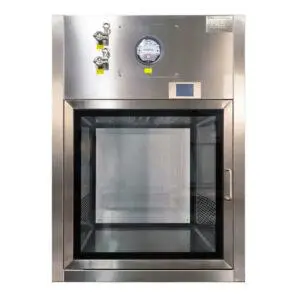
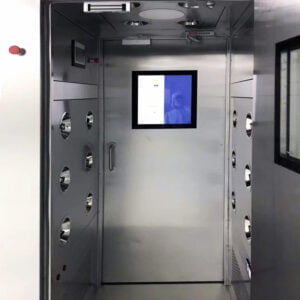
| Najważniejsze elementy wyposażenia | FFU, filtry HEPA/ULPA, posadzka antystatyczna, system monitorowania, rozmieszczenie narzędzi | Komora przekaźnikowa, prysznic powietrzny, przebieralnia, kaskada ciśnieniowa, możliwość czyszczenia, dokumentacja kwalifikacyjna |
| Główne zagadnienia dokumentacji | Klasa ISO, protokoły badań, wymagania dotyczące materiałów i ochrony przed wyładowaniami elektrostatycznymi (ESD) | Dokumentacja dotycząca zgodności z GMP, kwalifikacja, czyszczenie, przepływ materiałów i personelu |
| Granica dostawcy | Pakiet obejmujący konstrukcję modułową i wyposażenie do pomieszczeń czystych | Konstrukcja modułowa, urządzenia transportowe, systemy filtracji oraz dokumentacja wspierająca zgodność z GMP |
Opcje projektowe w zakresie kontroli cząstek, przepływu laminarnego i klas ISO
Laminarny przepływ powietrza
Odpowiedni kierunek i prędkość przepływu powietrza pomagają usuwać cząstki z obszaru roboczego i chronią newralgiczne strefy procesu.
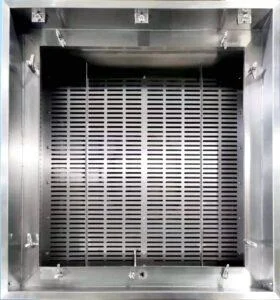
Filtracja HEPA / ULPA
Filtry o wysokiej wydajności można dobierać w zależności od wymagań dotyczących czystości, układu pomieszczeń oraz wrażliwości procesu.
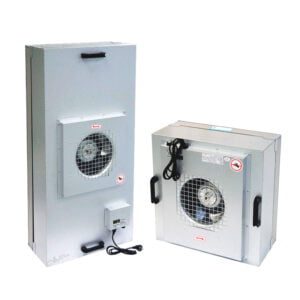
Układ FFU
Liczbę i rozmieszczenie modułów FFU można dobrać w zależności od wielkości pomieszczenia, powierzchni sufitu oraz wymaganego poziomu czystości.
Projekt systemu wentylacji wywiewnej
Ścieżki powietrza powrotnego można skonfigurować tak, aby zapewniały stabilny przepływ powietrza i usuwanie cząstek.
Kontrola ciśnienia
Ciśnienie w pomieszczeniu można odpowiednio zaplanować, aby chronić kluczowe strefy produkcyjne przed zanieczyszczeniami z zewnątrz.
Podstawowe elementy modułowego systemu pomieszczeń czystych
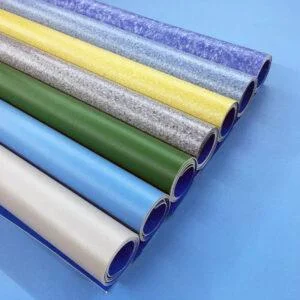
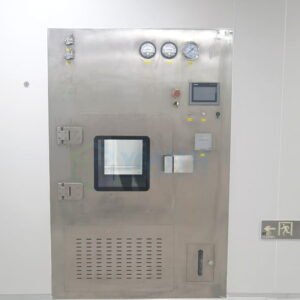
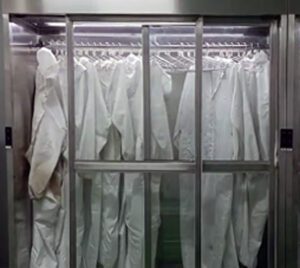
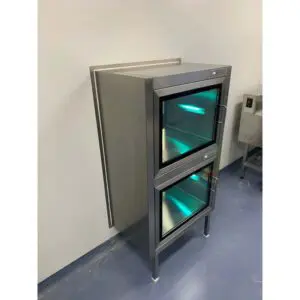
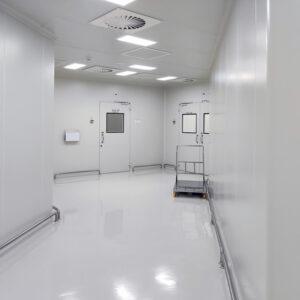
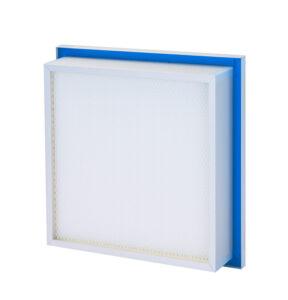
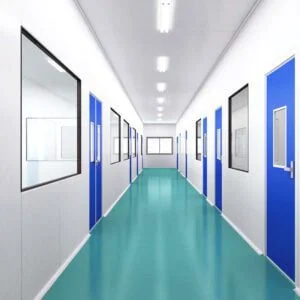
Modułowy pomieszczenie czyste to nie tylko obudowa pomieszczenia. Jest to kompletny system środowiska kontrolowanego, zbudowany z elementów zgodnych z wymogami pomieszczeń czystych. Firma YOUTH może dostarczyć główną konstrukcję pomieszczenia czystego oraz powiązane wyposażenie zgodnie z wymaganiami Państwa projektu.
Opcje klas ISO dla pomieszczeń czystych przeznaczonych dla elektroniki i półprzewodników
| Klasa pomieszczeń czystych | Typowe zastosowanie |
|---|---|
| ISO klasa 4 | Bardzo wymagające lokalne strefy czystości lub specjalistyczne procesy |
| ISO klasa 5 | Obszary o krytycznych wymaganiach czystości, montaż precyzyjny, operacje związane z płytkami półprzewodnikowymi oraz prace z elementami optycznymi |
| ISO klasa 6 | Produkcja elektroniki, obszary związane z fotoniką krzemową oraz montaż wrażliwych podzespołów |
| ISO klasa 7 | Produkcja elektroniki ogólnej i montaż w warunkach czystych |
| ISO klasa 8 | Obszary czyste, pakowanie lub strefy kontrolowane o niższym ryzyku |
Materiały antystatyczne, kontrola wyładowań elektrostatycznych (ESD) oraz dobór paneli do pomieszczeń czystych
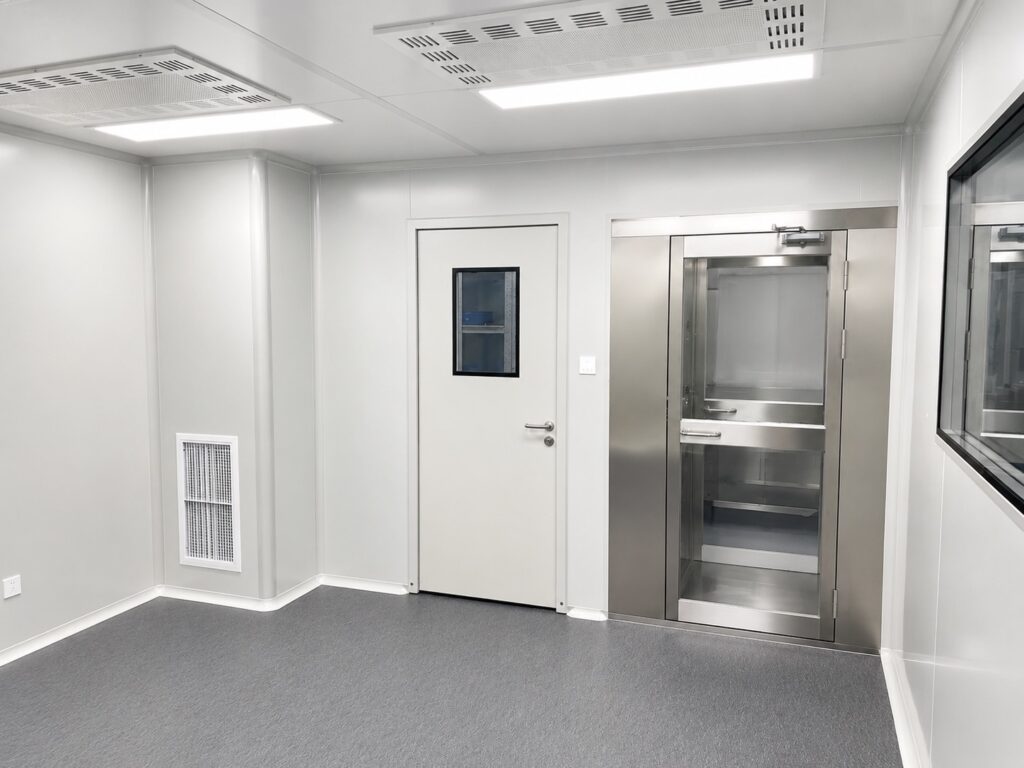
W przypadku pomieszczeń czystych przeznaczonych dla branży elektronicznej i półprzewodnikowej dobór materiałów ma znaczenie nie tylko pod względem czystości, ale także kontroli wyładowań elektrostatycznych. Panele, posadzki, powierzchnie robocze i meble do pomieszczeń czystych można dobierać zgodnie z wymaganiami dotyczącymi właściwości antystatycznych, łatwości czyszczenia oraz trwałości.
- Opcje podłóg antystatycznych
- Panele ścienne i sufitowe przystosowane do stosowania w pomieszczeniach czystych
- Materiały o niskim poziomie uwalniania cząstek
- Meble ze stali nierdzewnej lub przeznaczone do pomieszczeń czystych
- Stanowiska robocze zabezpieczone przed wyładowaniami elektrostatycznymi (ESD) tam, gdzie jest to wymagane
- Gładkie, łatwe do czyszczenia powierzchnie
- Odpowiednie oświetlenie i integracja z sufitem
Zastosowania w czystych pomieszczeniach w przemyśle półprzewodnikowym i elektronicznym
- Środowiska czyste związane z przemysłem półprzewodnikowym
- Obszary związane z obsługą i kontrolą płytek półprzewodnikowych
- Montaż elektroniki
- Produkcja płytek drukowanych i podzespołów
- Produkcja urządzeń optycznych
- Obszary związane z fotoniką krzemową
- Obszary podparcia zespołu silnika optycznego CPO
- Zaawansowane rozwiązania w zakresie pakowania zapewniające czystość w strefach czystych
- Montaż precyzyjnych przyrządów
- Strefy czyste w elektronice lotniczej i kosmicznej
- Ekologiczna produkcja akumulatorów i komponentów związanych z nowymi źródłami energii
- Przetwarzanie materiałów wrażliwych na pył
Informacje niezbędne do sporządzenia oferty na modułowy pokój czysty
Prosimy o podanie następujących informacji:
- Wymagana powierzchnia pomieszczenia lub dostępna powierzchnia montażowa
- Docelowa klasa ISO
- Branże zastosowań i procesy produkcyjne
- Niezależnie od tego, czy projekt dotyczy fotoniki krzemowej, modułów optycznych, CPO czy zaawansowanych rozwiązań w zakresie pakowania
- Kluczowe obszary procesu: montaż, mocowanie włókien, kontrola jakości, pakowanie lub testowanie
- Preferencje dotyczące twardych lub miękkich ścianek
- Konieczna kontrola temperatury i wilgotności
- Wymagania dotyczące ESD i docelowa wartość wilgotności
- Liczba operatorów w pomieszczeniu czystym
- Główne urządzenia zainstalowane w pomieszczeniu
- Zajmowana powierzchnia narzędzia i przestrzeń niezbędna do konserwacji
- Wymagania dotyczące przepływu materiałów i personelu
- Kraj lub lokalizacja projektu
Modułowa a tradycyjna konstrukcja pomieszczeń czystych w zakładach produkcji półprzewodników
W przypadku projektów dotyczących pomieszczeń czystych w branży półprzewodnikowej i elektronicznej konstrukcja modułowa może pomóc skrócić czas budowy, zwiększyć elastyczność układu oraz ułatwić wprowadzanie zmian w procesach produkcyjnych w przyszłości. Modułowe elementy pomieszczeń czystych można zaprojektować jako niezależne strefy czyste, wyspy produkcyjne, linie pilotażowe lub strefy czyste w ramach istniejącego obiektu.
| Pozycja | Modułowy moduł do pomieszczeń czystych | Tradycyjna konstrukcja |
|---|---|---|
| Instalacja | Szybsze i bardziej ujednolicone | Zazwyczaj trwają dłużej i w większym stopniu zależą od konkretnego miejsca |
| Rozbudowa | Łatwiejsze do rozbudowy lub modyfikacji | Trudniejsze do modyfikacji |
| Elastyczność układu | Nadaje się do zmian w procesie produkcyjnym oraz linii pilotażowych | Mniejsza elastyczność po zakończeniu budowy |
| Dostęp konserwacyjny | Można je zaprojektować z wykorzystaniem paneli modułowych i systemów sufitowych | Zależy od projektu budynku |
| Najlepsze dopasowanie | Elektronika, elementy optyczne, rozwiązania w zakresie opakowań oraz strefy o kontrolowanej czystości | Duże, stałe obiekty o ustalonym przebiegu procesu |
Najczęściej zadawane pytania dotyczące modułów do czystych pomieszczeń półprzewodnikowych
Czy firma YOUTH może zapewnić pomieszczenia czyste do zastosowań związanych z półprzewodnikami?
Tak. Firma YOUTH oferuje modułowe moduły do pomieszczeń czystych przeznaczone do montażu elektroniki, procesów związanych z płytkami półprzewodnikowymi, produkcji elementów optycznych, obszarów wsparcia fotoniki krzemowej, obszarów wsparcia zaawansowanych technologii pakowania, produkcji precyzyjnej oraz innych środowisk produkcyjnych wrażliwych na obecność cząstek.
Czy w pomieszczeniu czystym można realizować procesy związane z fotoniką krzemową lub CPO?
Tak. Modułowe moduły czystopomieszczeniowe YOUTH można skonfigurować do zastosowań w fotonice krzemowej, montażu modułów optycznych, obszarach wsparcia silników optycznych CPO, mocowaniu światłowodów, kontroli jakości, testowaniu oraz powiązanych strefach procesowych o wysokim stopniu czystości. Ostateczną konfigurację należy ustalić zgodnie z przebiegiem procesu klienta, docelową klasą ISO, wymaganiami dotyczącymi ochrony przed wyładowaniami elektrostatycznymi (ESD) oraz potrzebami w zakresie kontroli warunków środowiskowych.
Czy pomieszczenie czyste można zaprojektować z laminarnym przepływem powietrza?
Tak. Koncepcje przepływu laminarnego można projektować w zależności od wymaganego poziomu czystości, układu pomieszczenia, wrażliwości procesu, zasięgu działania jednostek FFU oraz lokalnych wymagań dotyczących stref czystych.
Czy oferujecie filtry typu HEPA lub ULPA?
Tak. Opcje filtracji HEPA lub ULPA można dobrać w zależności od docelowego poziomu czystości, wielkości pomieszczenia, strategii przepływu powietrza oraz wymagań technologicznych.
Czy można uwzględnić podłogę antystatyczną?
Tak. W razie potrzeby można zastosować posadzki antystatyczne oraz materiały zapewniające kontrolę wyładowań elektrostatycznych (ESD). Ma to szczególne znaczenie w przypadku montażu układów elektronicznych, operacji związanych z półprzewodnikami, komponentów optycznych oraz obszarów wspierających fotonikę krzemową.
Czy to rozwiązanie nadaje się do pełnowymiarowej fabryki półprzewodników?
Modułowe moduły czystopomieszczeniowe YOUTH nadają się do stosowania w strefach czystych, modułach produkcyjnych, liniach pilotażowych, obszarach montażu elementów optycznych, obszarach produkcji elektroniki oraz środowiskach kontrolowanych związanych z półprzewodnikami. W przypadku dużych, zaawansowanych projektów fabrycznych przed opracowaniem oferty należy przeanalizować szczegółowe wymagania procesowe, systemy zasilające, system kontroli AMC, narzędzia procesowe oraz specyfikacje dotyczące obiektu.
Czy firma YOUTH może zagwarantować, że czysta sala półprzewodnikowa będzie spełniać wymagania określonej klasy ISO?
Firma YOUTH zapewnia wsparcie w zakresie modułowej konstrukcji pomieszczeń, systemów filtracji FFU / HEPA / ULPA, paneli do pomieszczeń czystych oraz powiązanego wyposażenia, dostosowanego do docelowej klasy ISO. Ostateczna klasyfikacja ISO zależy od warunków instalacji, szczelności pomieszczeń, wyważenia przepływu powietrza, obciążenia cieplnego sprzętu, przestrzegania procedur eksploatacyjnych oraz wyników testów przeprowadzonych przez zespół projektowy.
Jakie informacje należy podać przed złożeniem zapytania ofertowego dotyczącego pomieszczenia czystego do produkcji półprzewodników?
Prosimy o podanie wielkości pomieszczenia, docelowej klasy ISO, rodzaju procesu, układu wyposażenia, liczby operatorów, wymagań dotyczących ochrony przed wyładowaniami elektrostatycznymi (ESD), oczekiwanych wartości temperatury i wilgotności, trasy transportu materiałów oraz informacji, czy projekt obejmuje montaż elektroniki, obsługę płytek półprzewodnikowych, fotonikę krzemową, CPO, moduły optyczne lub zaawansowane rozwiązania w zakresie pakowania.