
Przenośna komora czysta typu „softwall” do mobilnych środowisk kontrolowanych
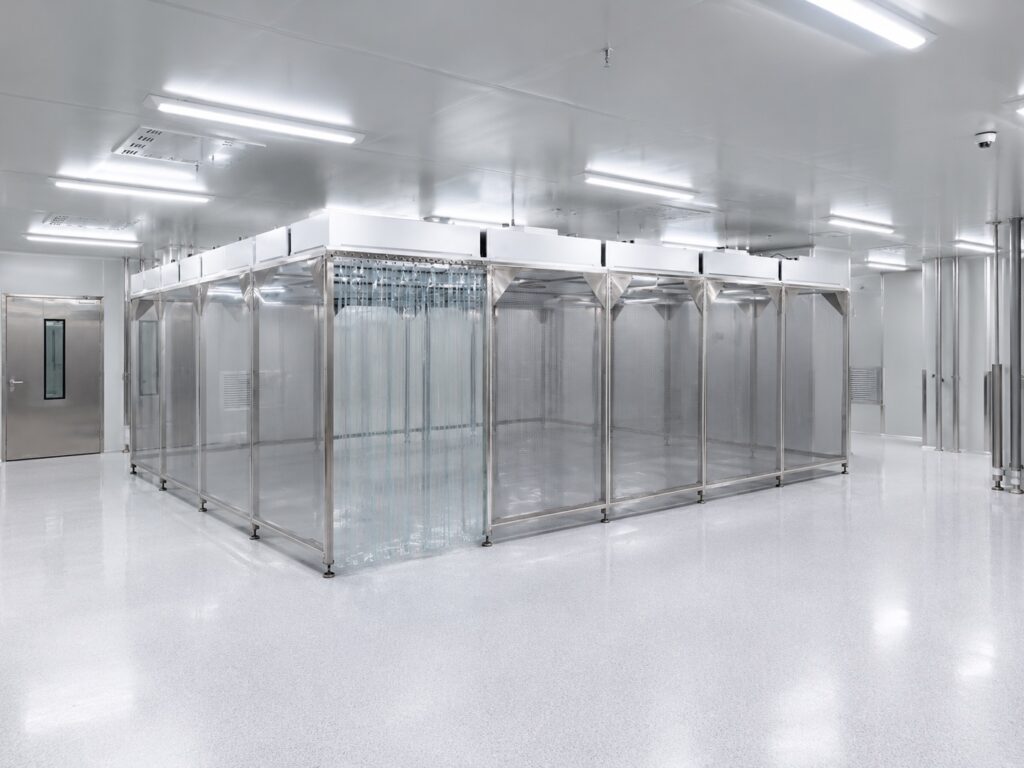
Przenośne pomieszczenia czyste typu softwall firmy YOUTH zapewniają elastyczne, mobilne i ekonomiczne środowiska o kontrolowanych warunkach, przeznaczone do tymczasowej produkcji, produkcji pilotażowej, montażu w warunkach czystości, prac laboratoryjnych oraz rozbudowywalnych zastosowań w pomieszczeniach czystych.
- Przenośna i przenośna konstrukcja pomieszczenia czystego
- Elastyczna osłona z miękkich ścianek
- Szybki montaż i łatwa rozbudowa
- Nadaje się do zastosowań w pomieszczeniach czystych klasy ISO 6–8
- Dostępne są niestandardowe rozmiary, materiały ram oraz konfiguracje modułów FFU
Czym jest przenośny pomieszczenie czyste typu „softwall”?
Przenośna komora czysta z miękkimi ścianami to modułowa komora czysta składająca się z konstrukcji ramowej, elastycznych zasłon oraz montowanych na suficie urządzeń filtrujących powietrze. Jest przeznaczona dla klientów, którzy potrzebują czystej, kontrolowanej przestrzeni bez konieczności budowania stałej komory czystej ze sztywnymi ścianami.
Pomieszczenia czyste z miękkimi ścianami są powszechnie wykorzystywane do tymczasowej produkcji w warunkach czystości, produkcji na małą skalę, przygotowań laboratoryjnych, ochrony sprzętu oraz czystych prac montażowych. Można je szybko zainstalować, łatwo rozbudować oraz przenieść w inne miejsce w razie zmiany wymagań produkcyjnych.
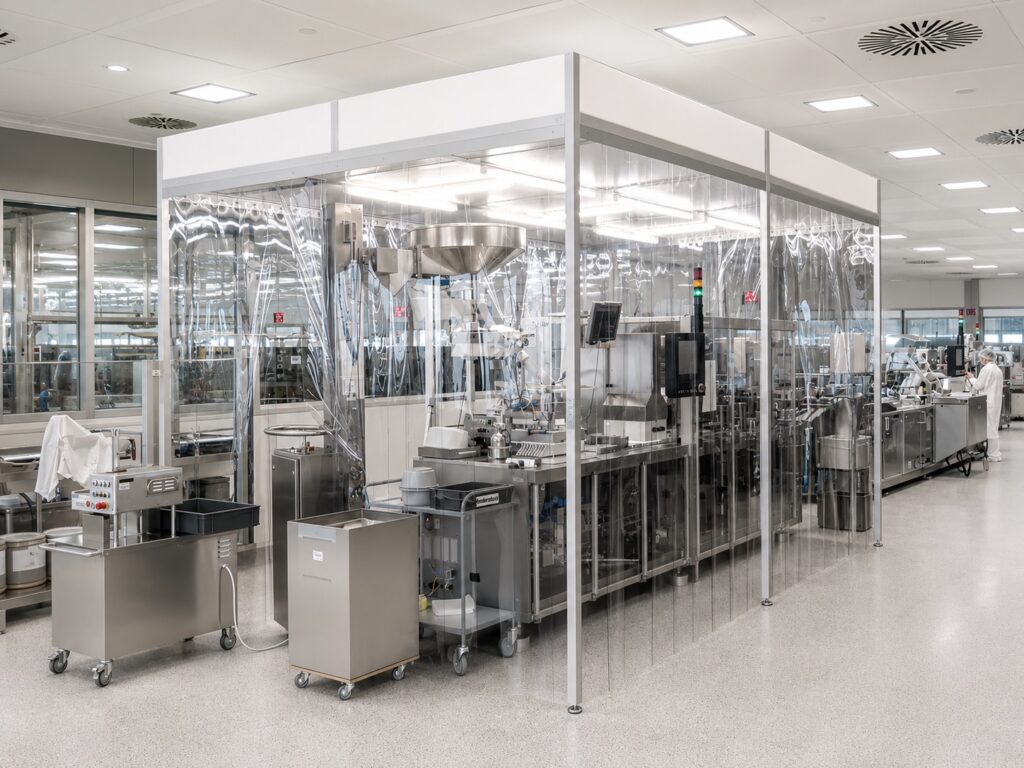
Dlaczego warto wybrać przenośny pomieszczenie czyste typu Softwall?
Szybkie wdrożenie
Pomieszczenie czyste o ścianach miękkich można zainstalować szybciej niż tradycyjne pomieszczenie czyste lub pomieszczenie czyste o ścianach twardych.
Niższy koszt początkowy
Konstrukcja typu „softwall” zazwyczaj wymaga mniejszego zakresu prac budowlanych i mniejszych nakładów początkowych.
Elastyczny układ
Pomieszczenie czyste można dostosować do różnych rozmiarów, wysokości, miejsc wejścia oraz układów wyposażenia.
Konstrukcja przenośna
Pomieszczenie czyste można przenieść lub przebudować w razie zmiany wymagań produkcyjnych.
Konstrukcja z możliwością rozbudowy
W razie konieczności powiększenia powierzchni czystej można dodać dodatkowe moduły.
Kiedy pomieszczenie czyste typu Softwall jest właściwym wyborem
| Najlepsze dopasowanie | Zachowaj ostrożność |
|---|---|
| Tymczasowy, czysty montaż | Ścisła długoterminowa kontrola ciśnienia |
| Produkcja pilotażowa lub linia próbna | Produkcja GMP o wysokim ryzyku |
| Pomieszczenie laboratoryjne lub kontrolne | Procesy wymagające skutecznego uszczelnienia i częstej walidacji czyszczenia |
| Obszar czysty klasy ISO 6–8 o niższym ryzyku | Ciężki sprzęt, agresywne środki czyszczące lub duże natężenie ruchu |
| Strefa czysta z możliwością rozbudowy lub przeniesienia | Projekty, w których ostateczna kwalifikacja musi pozostać niezmieniona po przeniesieniu |
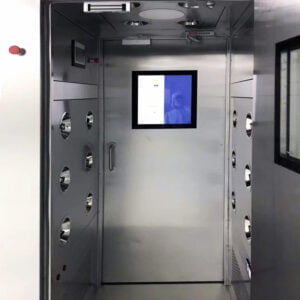
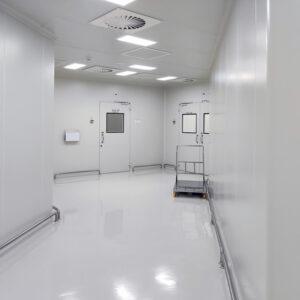
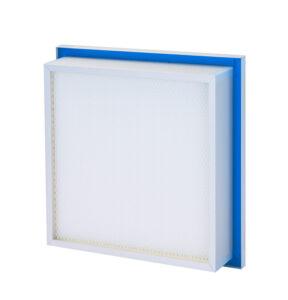
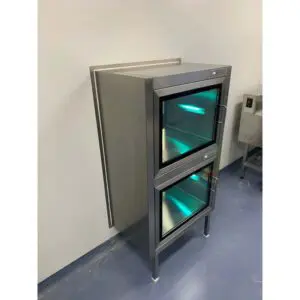
Podstawowe elementy modułowego systemu pomieszczeń czystych
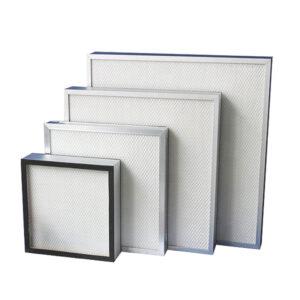
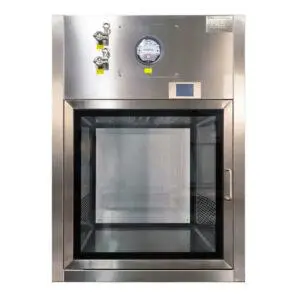
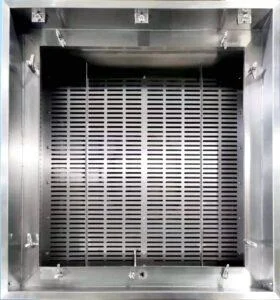
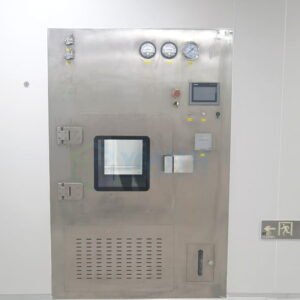
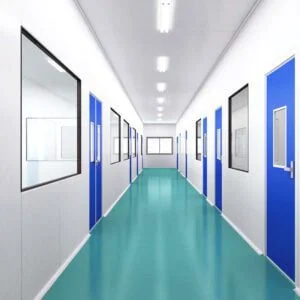
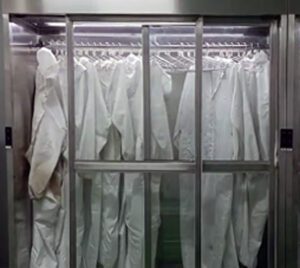
Modułowy pomieszczenie czyste to nie tylko obudowa pomieszczenia. Jest to kompletny system środowiska kontrolowanego, zbudowany z elementów zgodnych z wymogami pomieszczeń czystych. Firma YOUTH może dostarczyć główną konstrukcję pomieszczenia czystego oraz powiązane wyposażenie zgodnie z wymaganiami Państwa projektu.
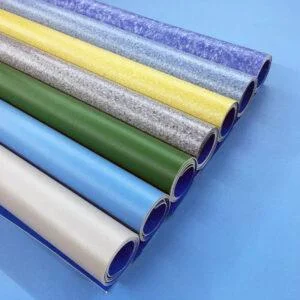
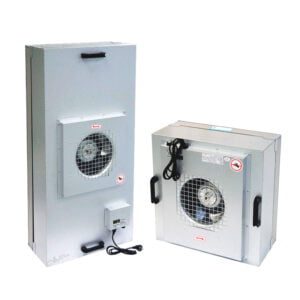
Wybór pomieszczeń czystych typu „softwall” i „hardwall”
| Czynnik | Softwall Cleanroom | Modułowe pomieszczenie czyste z twardą ścianą |
|---|---|---|
| Struktura | Konstrukcja ramowa z elastyczną osłoną kurtynową | Sztywne panele ścienne i szczelna konstrukcja |
| Mobilność | Łatwiejsze do przenoszenia lub rozbudowy | Bardziej stabilne, ale mniej przenośne |
| Uszczelnienie | Niższy niż typu „hardwall” | Lepsza szczelność i stabilność ciśnienia |
| Koszt | Zazwyczaj niższy koszt początkowy | Zazwyczaj wyższy, ale zapewnia lepszą kontrolę w dłuższej perspektywie |
| Czystość | Zależy od materiału, z którego wykonana jest zasłona, oraz od możliwości dostępu | Łatwiej to przedstawić za pomocą sztywnych powierzchni i detali paneli |
| Najlepsze zastosowanie | Tymczasowe, pilotażowe obszary czyste o niższym ryzyku | Obszary długoterminowe, zgodne z GMP, o wysokim poziomie kontroli lub o podwyższonej stabilności |
Wydajność na poziomie klasy ISO 6–8 w przenośnym systemie czystych pomieszczeń
Pomieszczenia czyste z miękkimi ścianami są powszechnie stosowane w środowiskach kontrolowanych klasy ISO 6, klasy ISO 7 i klasy ISO 8. Ostateczny poziom czystości zależy od zasięgu działania jednostek FFU, skuteczności filtracji HEPA, wielkości pomieszczenia, szczelności zasłon, działań operatora oraz obciążenia zanieczyszczeniami procesowymi.
Air Supply
Jednostki FFU zamontowane na suficie dostarczają przefiltrowane powietrze do pomieszczenia czystego.
Filtracja
Filtry HEPA lub ULPA można dobrać w zależności od wymaganego poziomu czystości.
Powrotny strumień powietrza
Powietrze może wracać przez szczeliny w ściankach miękkich, dolne kanały powrotne lub specjalnie zaprojektowane systemy powrotu powietrza.
Kontrola
Oświetlenie, prędkość wentylatora oraz opcjonalne funkcje monitorowania można skonfigurować zgodnie z wymaganiami projektu.
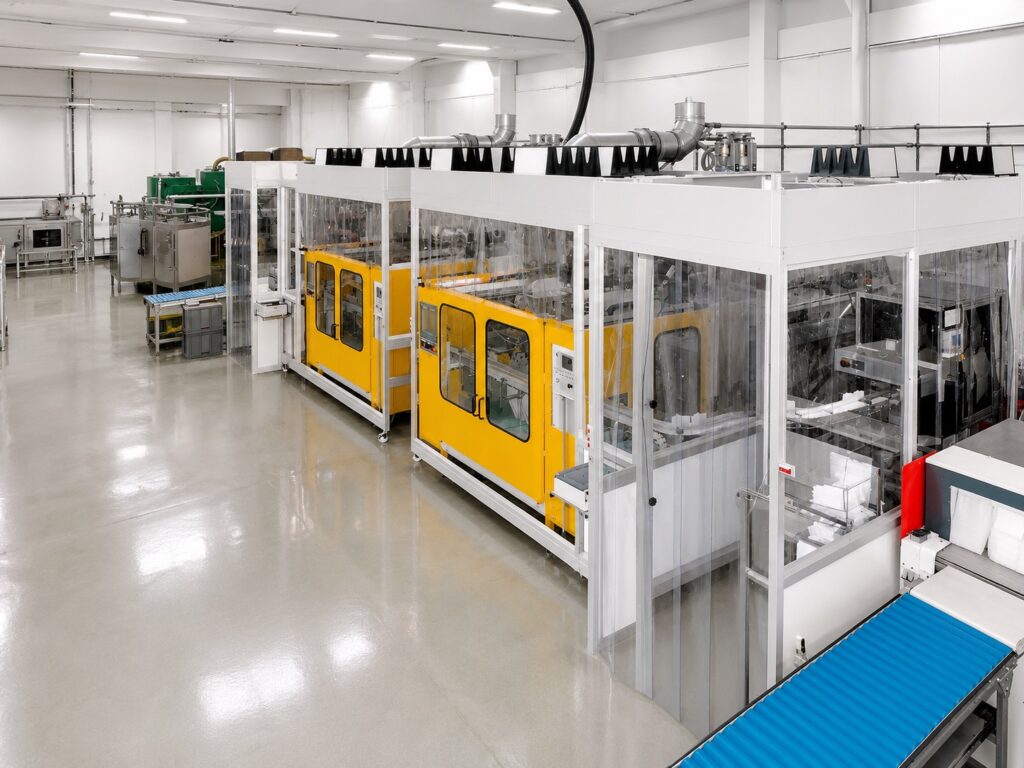
Standardowe rozmiary, konfiguracje na zamówienie oraz opcje mobilnych pomieszczeń czystych
Przenośne pomieszczenia czyste typu softwall YOUTH mogą być produkowane w rozmiarach standardowych lub w pełni dostosowanych do indywidualnych potrzeb. Pomieszczenie czyste można zaprojektować z uwzględnieniem dostępnej powierzchni podłogi, wymiarów sprzętu, ruchu operatorów oraz wymaganego procesu czystego.
- Długość, szerokość i wysokość pomieszczenia
- Materiał i konstrukcja ramy
- Materiał zasłon i ich przezroczystość
- Miejsce montażu i wymiary otworu
- Ilość i rozmieszczenie modułów FFU
- Opcja filtracji HEPA lub ULPA
- Oświetlenie i sterowanie elektryczne
- Kółka lub podstawa stała
- Opcje antystatyczne
- Przyłącze do komory przesyłowej lub prysznica powietrznego
Co należy sprawdzić po przeniesieniu czystego pomieszczenia z miękkimi ścianami
W przypadku przeniesienia pomieszczenia czystego z miękkimi ścianami zespół projektowy nie powinien zakładać, że dotychczasowe parametry pozostaną niezmienione. Nabywca powinien przynajmniej sprawdzić:
- Położenie modułu FFU i kierunek przepływu powietrza
- miejsca zamknięcia kurtyny i miejsca nieszczelności
- docelowy poziom czystości pomieszczeń
- zasilanie oraz stabilność sufitu / ramy
- warunek filtrowania
- odczyty ciśnienia lub przepływu powietrza, jeśli to konieczne
- badanie cząstek stałych lub weryfikacja czystości, jeśli proces wymaga udokumentowanych dowodów
W przypadku prac podlegających regulacjom lub wymagających szczególnej dbałości o jakość przeniesienie powinno być traktowane jako zmiana, która może wymagać ponownej kontroli lub ponownej kwalifikacji.
Zastosowania przenośnych pomieszczeń czystych
- Montaż na małą skalę z zachowaniem czystości
- Produkcja pilotażowa
- Laboratoryjna obsługa próbek
- Montaż elektroniki
- Opakowania wyrobów medycznych
- Kontrola elementów optycznych
- Ochrona produktów w pobliżu wrażliwego sprzętu
- Tymczasowe strefy czystej produkcji
- Czyste powierzchnie magazynowe lub przeładunkowe
Czynniki wpływające na cenę pomieszczeń czystych typu softwall
Ceny pomieszczeń czystych typu softwall zależą od kilku czynników projektowych. Małe, przenośne pomieszczenie czyste z podstawowym systemem filtracji FFU będzie znacznie różnić się od większego pomieszczenia czystego o większym przepływie powietrza, wyposażonego w zasłony antystatyczne, specjalne oświetlenie i wiele punktów dostępu.
- Wielkość pomieszczenia czystego
- Docelowa klasa ISO
- Materiał ramy
- Materiał na zasłony
- Ilość jednostek FFU
- Filtr typu HEPA lub ULPA
- Oświetlenie i instalacja elektryczna
- Wymagania dotyczące mobilności
- Dodatkowe komory przepustowe, prysznice powietrzne lub meble do pomieszczeń czystych
- Miejsce dostawy i pomoc przy montażu
Informacje niezbędne do sporządzenia oferty na modułowy pokój czysty
Prosimy o podanie następujących informacji:
- Wymagana powierzchnia pomieszczenia lub dostępna powierzchnia montażowa
- Docelowa klasa ISO
- Branże zastosowań i procesy produkcyjne
- Preferencje dotyczące twardych lub miękkich ścianek
- Konieczna kontrola temperatury i wilgotności
- Liczba operatorów w pomieszczeniu czystym
- Główne urządzenia zainstalowane w pomieszczeniu
- Wymagania dotyczące przepływu materiałów i personelu
- Kraj lub lokalizacja projektu
Najczęściej zadawane pytania dotyczące przenośnych pomieszczeń czystych typu Softwall
Czy można dostosować pomieszczenie czyste z miękkimi ścianami do indywidualnych potrzeb?
Tak. Rozmiar, wysokość, rama, kurtyna, liczba modułów FFU, położenie wejścia oraz akcesoria – wszystko to można dostosować do indywidualnych potrzeb.
Czy pomieszczenie czyste z miękkimi ścianami można przenieść?
Tak. Pomieszczenia czyste o ścianach miękkich są zaprojektowane z myślą o elastycznym wykorzystaniu i można je łatwiej przenosić lub przebudowywać niż pomieszczenia czyste o ścianach twardych.
Jaką klasę ISO może osiągnąć pomieszczenie czyste z miękkimi ścianami?
Pomieszczenia czyste z miękkimi ścianami są powszechnie stosowane w zastosowaniach wymagających klasy czystości ISO 6, ISO 7 i ISO 8. Ostateczna klasa zależy od projektu systemu wentylacyjnego i warunków eksploatacyjnych.
Czy pomieszczenie czyste typu softwall nadaje się do zastosowań farmaceutycznych?
Można ją stosować w niektórych obszarach pomocniczych w przemyśle farmaceutycznym, w strefach pobierania próbek, magazynach lub środowiskach kontrolowanych, jednak w zależności od procesu w obszarach o krytycznym znaczeniu dla GMP może być konieczne zastosowanie pomieszczenia czystego o ścianach sztywnych.
Jakie informacje są potrzebne do wyceny?
Prosimy o podanie wielkości pomieszczenia, klasy ISO, przeznaczenia, wymaganych akcesoriów, miejsca montażu oraz wszelkich specjalnych wymagań, takich jak zasłony antystatyczne lub kółka do przemieszczania.
Czy pomieszczenie czyste typu softwall nadaje się do produkcji zgodnej z GMP?
Może ona znaleźć zastosowanie w niektórych obszarach o niższym ryzyku lub w strefach pomocniczych, ale nie nadaje się automatycznie do każdego procesu produkcyjnego zgodnego z GMP. Jeśli projekt wymaga solidnego uszczelnienia, stabilnej kaskady ciśnieniowej, częstej walidacji czyszczenia lub rygorystycznej długoterminowej kwalifikacji, bezpieczniejszym punktem wyjścia jest zazwyczaj modułowy pomieszczenie czyste o sztywnych ścianach.