
YOUTH semiconductor cleanroom modules are designed for particle-sensitive manufacturing environments such as wafer-related processes, electronics assembly, optical components, silicon photonics, CPO optical engine assembly, precision instruments and high-cleanliness production areas.
- Modular cleanroom modules for semiconductor-related applications
- ISO Class 5, 6, 7 and 8 cleanroom design options
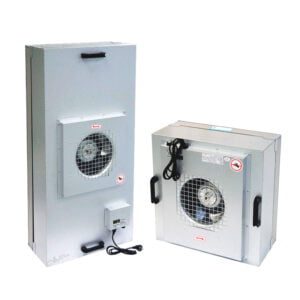
- FFU, HEPA and ULPA filtration integration
- Laminar airflow and return-air path planning
- Anti-static and ESD-control material options
- Cleanroom layouts for optical components, advanced packaging and precision manufacturing
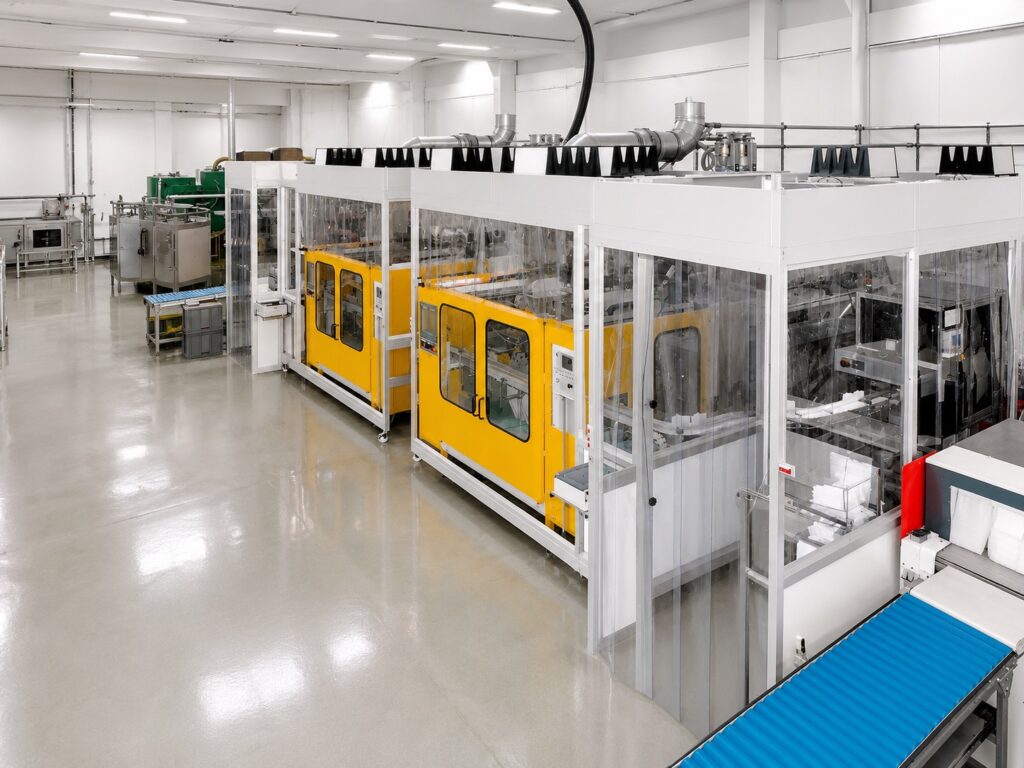
Semiconductor Cleanroom Modules Need More Than Basic Particle Control
Semiconductor and electronics cleanroom projects are usually driven by particle sensitivity, production yield, ESD control, airflow stability, tool layout and process-specific environmental control. A modular cleanroom module should therefore be specified by ISO class, FFU / HEPA or ULPA configuration, ceiling layout, return-air path, floor and panel material, ESD-control needs, temperature / humidity expectations and maintenance access.
YOUTH can support modular cleanroom structures and cleanroom equipment packages for electronics, wafer-related, optical, precision instrument and high-cleanliness manufacturing areas. For processes with strict AMC control, special utilities or advanced semiconductor process requirements, the final facility design should be coordinated with the buyer’s engineering and process teams.
Cleanroom Requirements for Semiconductor Manufacturing
Semiconductor and electronics manufacturing environments require strict particle control because small airborne particles can affect product quality, process stability and production yield. A cleanroom module for semiconductor-related applications should be designed around airflow uniformity, filtration performance, surface cleanliness, electrostatic control and equipment layout.
For advanced wafer fabrication, photonics, high-end packaging or highly specialized semiconductor processes, final cleanroom design requirements should be confirmed according to the customer’s process specifications.
Semiconductor Cleanroom Module Design Inputs
| Design Input | What To Confirm Before RFQ |
|---|---|
| Target ISO class | ISO Class 5, 6, 7 or 8 target and whether the requirement applies to the whole room or local process area |
| Particle-sensitive process | Wafer-related work, electronics assembly, optical inspection, precision instruments or packaging |
| FFU / HEPA / ULPA strategy | Ceiling coverage, filter efficiency, replacement access and airflow path |
| ESD / anti-static control | Flooring, wall / panel material, workstation interface and grounding requirements |
| Temperature and humidity | Whether process stability requires tighter environmental control |
| AMC concern | Whether airborne molecular contamination is relevant and requires specialist review |
| Tool and equipment layout | Tool clearance, maintenance path, operator movement and material transfer |
| Monitoring expectation | Particle counters, pressure, temperature / humidity and alarm interface needs |
Cleanroom Modules for Silicon Photonics and Co-Packaged Optics (CPO)
Co-Packaged Optics, often called CPO, is becoming an important topic in AI data centers, high-speed networking and next-generation semiconductor packaging. Instead of relying only on traditional pluggable optical modules, CPO brings optical engines closer to high-performance chips or switch ASICs. This can help reduce electrical loss, support higher bandwidth and improve power efficiency in advanced computing systems.
For cleanroom planning, the important point is not only the market trend. The practical question is: what kind of controlled environment is needed for silicon photonics, optical engine assembly, fiber attach, optical alignment, inspection and related packaging steps?
CPO and silicon photonics processes may involve photonic integrated circuits, optical components, fiber interfaces, precision alignment, micro-assembly and advanced packaging support areas. These operations are sensitive to airborne particles, electrostatic discharge, unstable airflow, unsuitable materials and uncontrolled operator movement. A modular cleanroom can provide a controlled production zone for pilot lines, process development, optical component assembly or supporting clean areas inside an existing facility.
YOUTH modular cleanroom modules can be configured with FFU coverage, HEPA or ULPA filtration, anti-static materials, cleanroom-compatible wall and ceiling panels, cleanroom flooring, transfer equipment and monitoring interfaces according to the project requirements.
| Process Area | Cleanroom Design Focus |
|---|---|
| Photonic chip handling | ISO Class 5 or 6 local clean zone, ESD control and low-particle surfaces |
| Optical engine assembly | Laminar airflow, stable workstation layout and particle control |
| Fiber attach and alignment | Controlled operator flow, clean work area and stable temperature / humidity where required |
| Advanced packaging support | Tool clearance, material transfer route and local clean zones around critical steps |
| Optical inspection and testing | Clean lighting, particle control, ESD-safe workstations and organized equipment layout |
| Pilot line or R&D area | Modular layout, expansion flexibility and easy maintenance access |
Semiconductor vs Pharmaceutical Modular Cleanroom Priorities
| Item | Semiconductor / Electronics | Pharmaceutical / GMP |
|---|---|---|
| Main risk | Particle contamination, ESD, process yield, environmental stability | Microbial / particulate contamination, cross-contamination, GMP documentation |
| Key equipment focus | FFU, HEPA / ULPA, anti-static flooring, monitoring, tool layout | Pass box, air shower, gowning, pressure cascade, cleanability, qualification documents |
| Documentation focus | ISO class, testing records, material and ESD requirements | GMP support documents, qualification, cleaning, material / personnel flow |
| Supplier boundary | Modular structure and cleanroom equipment package | Modular structure, transfer equipment, filtration and GMP support documents |
Particle Control, Laminar Flow and ISO Class Design Options
Laminar Airflow
Suitable airflow direction and velocity help remove particles from the working area and protect critical process zones.
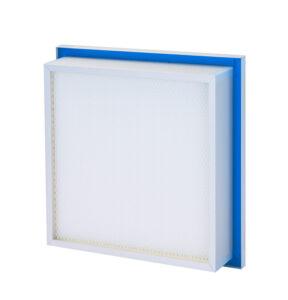
HEPA / ULPA Filtration
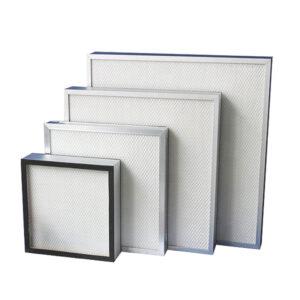
High-efficiency filters can be selected based on cleanliness requirements, room layout and process sensitivity.
FFU Layout
FFU quantity and distribution can be designed according to room size, ceiling coverage and required cleanliness level.
Return Air Design
Return air paths can be configured to support stable airflow and particle removal.
Pressure Control
Room pressure can be planned to protect critical production zones from outside contamination.
Core Components of a Modular Cleanroom System
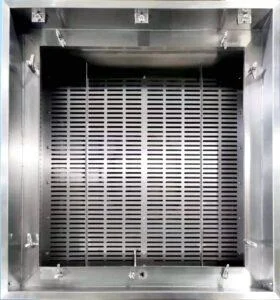
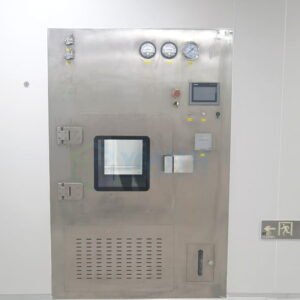
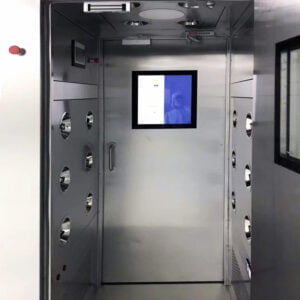
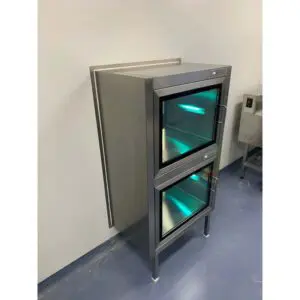
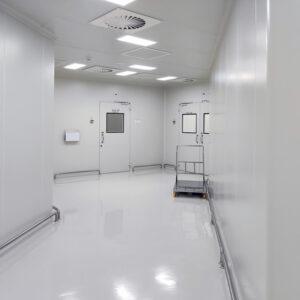
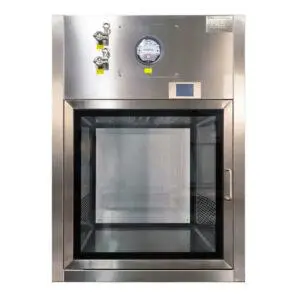
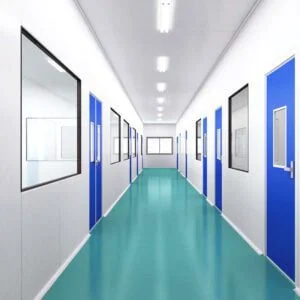
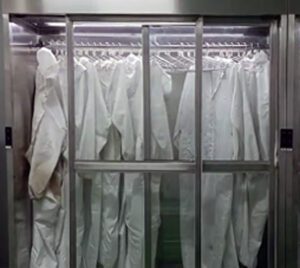
A modular cleanroom is not only a room enclosure. It is a complete controlled-environment system built from cleanroom-compatible components. YOUTH can supply the main cleanroom structure and related equipment according to your project requirements.
ISO Class Options for Electronics and Semiconductor Cleanrooms
| Cleanroom Class | Typical Use |
|---|---|
| ISO Class 4 | Highly demanding local clean zones or specialized processes |
| ISO Class 5 | Critical clean areas, precision assembly, wafer-related handling and optical component work |
| ISO Class 6 | Electronics manufacturing, silicon photonics support areas and sensitive component assembly |
| ISO Class 7 | General electronics production and clean assembly |
| ISO Class 8 | Supporting clean areas, packaging or lower-risk controlled zones |
Anti-Static Materials, ESD Control and Cleanroom Panel Selection
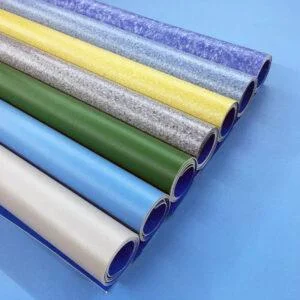
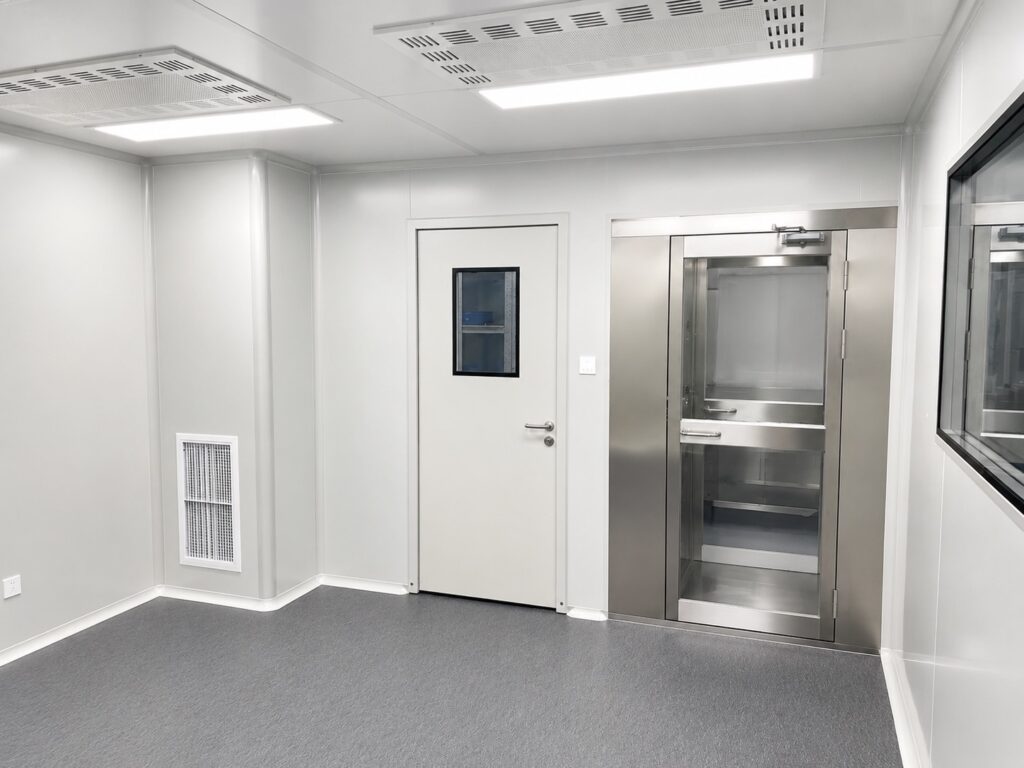
For electronics and semiconductor-related cleanrooms, material selection is important not only for cleanliness but also for electrostatic control. Cleanroom panels, flooring, work surfaces and furniture can be selected according to anti-static, cleanability and durability requirements.
- Anti-static flooring options
- Cleanroom-compatible wall and ceiling panels
- Low-particle-shedding materials
- Stainless steel or cleanroom-grade furniture
- ESD-safe workstations where required
- Smooth, cleanable surfaces
- Suitable lighting and ceiling integration
Semiconductor and Electronics Cleanroom Applications
- Semiconductor-related clean environments
- Wafer handling and inspection support areas
- Electronics assembly
- PCB and component manufacturing
- Optical device manufacturing
- Silicon photonics support areas
- CPO optical engine assembly support areas
- Advanced packaging support clean zones
- Precision instrument assembly
- Aerospace electronics clean areas
- Battery and new energy component clean production
- Dust-sensitive material processing
Information Needed for a Modular Cleanroom Quote
Please tell us:
- Required room size or available installation area
- Target ISO class
- Application industry and production process
- Whether the project involves silicon photonics, optical modules, CPO or advanced packaging
- Critical process area: assembly, fiber attach, inspection, packaging or testing
- Hardwall or softwall preference
- Required temperature and humidity control
- ESD requirement and humidity target
- Number of operators inside the cleanroom
- Main equipment installed inside the room
- Tool footprint and maintenance clearance
- Material and personnel flow requirements
- Country or project location
Modular vs Traditional Cleanroom Construction for Semiconductor Facilities
For semiconductor-related and electronics cleanroom projects, modular construction can help reduce construction time, improve layout flexibility and support future process changes. Modular cleanroom modules can be designed as independent clean areas, production islands, pilot lines or clean zones inside an existing facility.
| Item | Modular Cleanroom Module | Traditional Construction |
|---|---|---|
| Installation | Faster and more standardized | Usually longer and more site-dependent |
| Expansion | Easier to expand or modify | More difficult to modify |
| Layout flexibility | Suitable for process changes and pilot lines | Less flexible after construction |
| Maintenance access | Can be planned with modular panels and ceiling systems | Depends on building design |
| Best fit | Electronics, optical components, packaging support and controlled clean zones | Large permanent facilities with fixed process flow |
Semiconductor Cleanroom Module FAQ
Can YOUTH provide cleanrooms for semiconductor-related applications?
Yes. YOUTH can provide modular cleanroom modules for electronics assembly, wafer-related processes, optical components, silicon photonics support areas, advanced packaging support areas, precision manufacturing and other particle-sensitive production environments.
Can the cleanroom support silicon photonics or CPO-related processes?
Yes. YOUTH modular cleanroom modules can be configured for silicon photonics, optical module assembly, CPO optical engine support areas, fiber attach, inspection, testing and related high-cleanliness process zones. The final configuration should be confirmed according to the customer’s process flow, target ISO class, ESD requirements and environmental control needs.
Can the cleanroom be designed with laminar airflow?
Yes. Laminar airflow concepts can be designed according to the required cleanliness level, room layout, process sensitivity, FFU coverage and local clean zone requirements.
Can you provide HEPA or ULPA filtration?
Yes. HEPA or ULPA filtration options can be selected based on the target cleanliness level, room size, airflow strategy and process needs.
Can anti-static flooring be included?
Yes. Anti-static flooring and ESD-control materials can be included when required. This is especially important for electronics assembly, semiconductor-related handling, optical components and silicon photonics support areas.
Is this suitable for a full semiconductor fab?
YOUTH modular cleanroom modules are suitable for clean zones, production modules, pilot lines, optical component assembly areas, electronics manufacturing areas and semiconductor-related controlled environments. For large advanced fab projects, detailed process requirements, utilities, AMC control, process tools and facility-level specifications should be reviewed before proposal development.
Can YOUTH guarantee a semiconductor cleanroom will meet a specific ISO class?
YOUTH can support the modular room structure, FFU / HEPA / ULPA filtration, cleanroom panels and related equipment for the target ISO class. Final ISO classification depends on installed conditions, room leakage, airflow balancing, equipment heat load, operating discipline and testing by the project team.
What information should I provide before requesting a semiconductor cleanroom proposal?
Please provide the room size, target ISO class, process type, equipment layout, operator count, ESD requirement, temperature / humidity expectation, material transfer route and whether the project involves electronics assembly, wafer handling, silicon photonics, CPO, optical modules or advanced packaging.