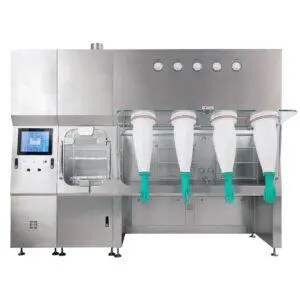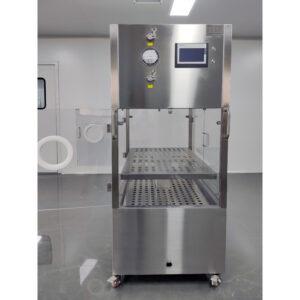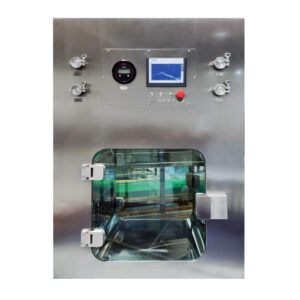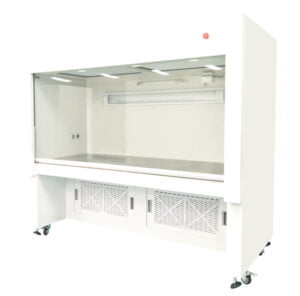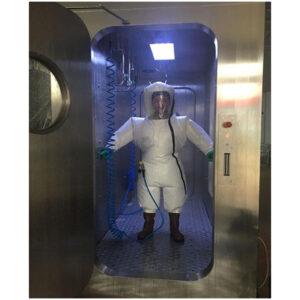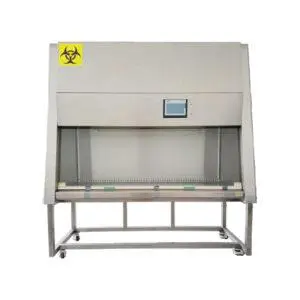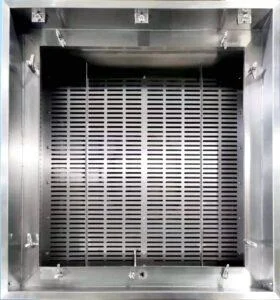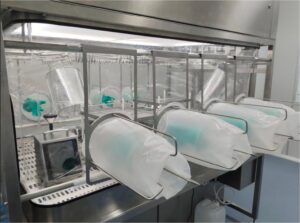
Elegir una carcasa de filtro que cumpla con las especificaciones de flujo de aire pero que no permita el procedimiento de cambio «bag-in/bag-out» es uno de los errores de especificación más costosos en la adquisición de equipos para entornos críticos, ya que solo sale a la luz durante la primera intervención de mantenimiento. En ese momento, la carcasa ya está instalada en una línea de escape contaminada, y su sustitución requiere la parada del sistema, una posible descontaminación y, en algunos casos, la reinstalación completa de las interfaces de los conductos. La decisión que evita esto no es qué filtro admite la carcasa, sino si la geometría de la carcasa, la configuración de acceso y los componentes auxiliares se han diseñado desde el principio teniendo en cuenta el flujo de trabajo de sustitución. Lo que sigue está estructurado para ayudar a los compradores a confirmar esa alineación antes de enviar una solicitud de presupuesto, no después de la puesta en marcha.
Proceso de sustitución seguro que los compradores deben confirmar antes de solicitar un presupuesto
La deficiencia más grave en las especificaciones de las carcasas BIBO no está relacionada con el flujo de aire ni con la eficacia de los filtros, sino con la capacidad real de la carcasa para llevar a cabo el procedimiento de cambio seguro. Una carcasa que supera los cálculos de caída de presión pero carece de las características físicas necesarias para la fijación de la bolsa, la extracción hermética y la instalación inversa obliga a los técnicos a recurrir a métodos improvisados que frustran el objetivo de contención para el que se adquirió la carcasa.
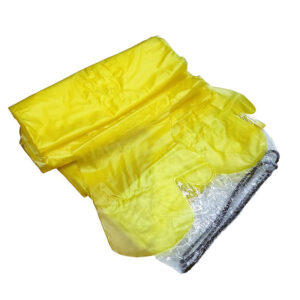
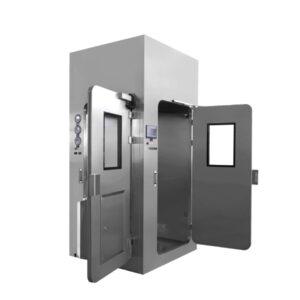
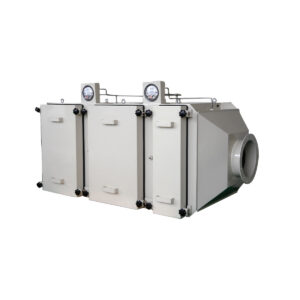
Cuatro elementos físicos y de procedimiento definen una carcasa capaz de soportar toda la secuencia de sustitución segura. Un collarín de entrada acanalado actúa como punto de anclaje: sin él, no existe una interfaz fiable para que una bolsa de PVC se asiente y se selle contra la carcasa, lo que significa que no hay barrera entre el técnico y la superficie contaminada del filtro en el momento de mayor exposición. Las puertas de acceso laterales constituyen la vía de extracción: permiten introducir un filtro contaminado directamente en una bolsa de residuos sin abrir el interior de la carcasa al espacio circundante. La secuencia de sellado de la bolsa —retorcer, sellar y cortar, dejando la mitad de la bolsa unida a la carcasa y la otra mitad envolviendo el filtro usado— es lo que garantiza que el filtro quede totalmente aislado antes de manipularlo. Y la técnica de embolsado inverso para la instalación de un filtro nuevo, que consiste en colocar el filtro de recambio en una bolsa nueva y enroscarla sobre la mitad de la bolsa que aún está unida al collarín antes de retirar la bolsa antigua, es lo que cierra la ventana de exposición durante la reinstalación.
Omitir cualquiera de estos aspectos en la revisión de las especificaciones no solo supone un riesgo de procedimiento, sino que puede hacer que la secuencia de cambio seguro resulte físicamente imposible con la carcasa tal y como se entrega. La confirmación de los cuatro aspectos antes de la solicitud de presupuesto es el momento en el que el comprador tiene el control sobre esto.
| Característica que hay que confirmar | Qué permite | Por qué es importante para la seguridad |
|---|---|---|
| Collarín de entrada acanalado | Fijación segura de la bolsa de PVC | Crea un sellado hermético que evita la exposición durante el cambio del filtro |
| Puerta de acceso lateral | Extracción del filtro directamente en la bolsa de residuos sin necesidad de abrir el interior de la carcasa | Reduce al mínimo la liberación de contaminantes durante la extracción del filtro |
| Procedimiento de sellado de bolsas | Gira, cierra y corta la bolsa para aislar el filtro usado. | Garantiza que el filtro usado esté completamente cerrado antes de manipularlo |
| Técnica de embolsado inverso | Se coloca el filtro nuevo en una bolsa nueva, se instala sobre la media bolsa que aún está fijada y, a continuación, se retira la bolsa vieja. | Evita la exposición durante la instalación de un filtro nuevo |
El espacio libre de acceso frontal es una dimensión relacionada que rara vez aparece en las tablas de especificaciones, pero que resulta importante a la hora de planificar la instalación. Una carcasa dimensionada para minimizar el espacio ocupado puede no ofrecer suficiente espacio libre para la manipulación de las bolsas y la extracción completa del filtro. Se trata de una cuestión de diseño, no de filtración, y es más fácil resolverla en la fase de diseño que una vez que la unidad está montada en un plenum de techo o en un conducto de extracción. Para obtener más detalles sobre la secuencia en sí, el Procedimiento de cambio de bolsa de entrada y salida para carcasas de cambio seguro explica detalladamente todos los pasos del procedimiento.
Riesgos de exposición de los técnicos durante la retirada de filtros usados
Las carcasas estándar no incluyen ningún mecanismo para aislar un filtro usado antes de abrir la puerta de la carcasa. En una aplicación no peligrosa, esto es aceptable. En una línea de escape contaminada —en la que se manejan aerosoles biológicos, residuos de polvos potentes o partículas de fármacos quimioterapéuticos—, esto significa que el primer contacto del técnico con el entorno del filtro se produce en el momento en que se abre la carcasa, sin ninguna barrera de contención intermedia. El EPI completo puede reducir la exposición individual en ese escenario, pero no evita que la zona circundante se contamine durante la retirada del filtro, ni genera un registro de contención documentado y auditable de la operación de sustitución.
El mecanismo que ofrece la carcasa BIBO no es complejo, pero sí específico: la envolvente de la bolsa sellada garantiza que, cuando se desconecta un filtro usado y se extrae de su posición de montaje, la superficie del filtro permanezca encerrada durante toda la extracción. El técnico manipula el exterior de la bolsa, no la superficie del filtro. Esto elimina el contacto directo con la superficie contaminada durante la fase de desconexión y extracción, que es precisamente la fase en la que una manipulación inadecuada genera el mayor riesgo de liberación.
La guía «Bioseguridad en laboratorios microbiológicos y biomédicos» (BMBL) de los CDC, 6.ª edición, define la contención durante el mantenimiento como un principio fundamental de las prácticas de bioseguridad: el objetivo es prevenir la exposición en cada paso del procedimiento, no solo durante los procesos activos. La sustitución de filtros en una línea de escape biológico es una tarea de mantenimiento que conlleva un riesgo de liberación equivalente al de los procesos que el sistema fue diseñado para contener. Una carcasa que no ofrezca aislamiento previo a la retirada considera el mantenimiento como algo ajeno al límite de contención, lo cual es una postura defendible únicamente cuando la aplicación presenta un riesgo realmente bajo.
La implicación práctica para las compras es que la selección de la carcasa BIBO es, ante todo, una decisión sobre el método de mantenimiento. Si la respuesta a la pregunta “¿cómo cambiamos este filtro de forma segura?” requiere el uso de EPI completo, controles de zona y descontaminación del espacio circundante tras el cambio, la carcasa ha trasladado el riesgo de contaminación del filtro a la propia operación de mantenimiento. Se trata de un patrón conocido en las aplicaciones estándar de las carcasas, y es precisamente el modo de fallo directo que el diseño de BIBO pretende evitar.
Control de la presión y acceso para pruebas en entornos críticos
Una carcasa BIBO que no pueda supervisarse ni someterse a pruebas sin comprometer el espacio controlado que protege es un sistema incompleto, independientemente de su rendimiento de contención durante el funcionamiento normal. La supervisión de la presión y el acceso para realizar pruebas no son elementos adicionales, sino la infraestructura que permite que la carcasa sea susceptible de mantenimiento y auditoría a lo largo de su vida útil.
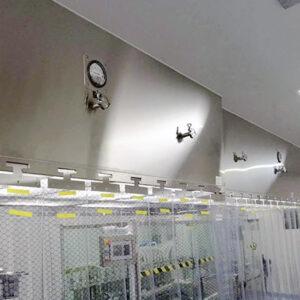
El criterio de planificación que con mayor frecuencia se pasa por alto es el control por etapas. Un sistema con varias etapas de filtrado necesita un manómetro de presión diferencial específico para cada etapa por separado. Un único manómetro para todo el conjunto puede ocultar un prefiltro saturado detrás de un filtro final limpio, o viceversa, lo que da lugar a una lectura que no refleja con precisión el estado de ninguno de los dos. Los manómetros Magnehelic son una opción habitual para esta aplicación debido a su pantalla visible de lectura directa, pero el aspecto crítico de la especificación es que cada etapa necesita su propio punto de medición, no que se requiera una marca concreta de manómetro. El Mantenimiento de filtros HEPA: Garantizar el máximo rendimiento El artículo aborda con mayor detalle las consecuencias que tiene para el rendimiento una supervisión inadecuada de la carga.
El acceso a los puertos de ensayo sigue una lógica similar. La norma ISO 14644-3:2019 establece el marco de ensayo para la verificación in situ de la eficiencia de los filtros; la metodología depende de que la carcasa cuente con puntos de acceso para el muestreo aguas arriba y aguas abajo. Si no se dispone de dichos puertos, los ensayos in situ requieren acceder al interior del sistema, lo que, en una aplicación de gases de escape peligrosos, puede exigir una descontaminación previa al acceso y una recontaminación posterior. El diseño de secciones de ensayo en la carcasa según las especificaciones permite validar la eficiencia del filtro sin alterar el espacio controlado ni provocar un incidente de contención.
Las líneas de los manómetros presentan una vulnerabilidad menos evidente: si las conexiones aguas arriba y aguas abajo no están equipadas con válvulas de aislamiento herméticas y puertos de esterilización, el mantenimiento del propio manómetro se convierte en una vía de contaminación. Se trata de un detalle que es fácil de especificar en la fase de diseño de la carcasa, pero difícil de incorporar a posteriori tras la instalación.
| Requisitos de seguimiento y acceso | Datos que hay que confirmar | El sentido de la vida en entornos críticos |
|---|---|---|
| Manómetro de presión diferencial por etapa de filtrado | Instalar un manómetro Magnehelic específico para cada etapa | Permite realizar un seguimiento continuo del estado de los filtros y sustituirlos a tiempo |
| Tomas de presión estática, puertos de prueba, secciones de prueba in situ | Incorporar puertos para realizar pruebas de eficiencia de los filtros individuales | Permite la validación de filtros sin necesidad de acceder al sistema ni interrumpir el funcionamiento del espacio controlado |
| Válvulas de aislamiento herméticas en las tuberías de presión | Incluir válvulas y puertos de esterilización en las líneas de entrada y de salida | Evita la contaminación durante el mantenimiento de los componentes de control de presión |
La consecuencia derivada de no especificar adecuadamente el acceso a la supervisión y a las pruebas no es un fallo en la puesta en servicio, sino un fallo operativo. Los sistemas que carecen de estas características suelen funcionar con programas de sustitución a intervalos fijos, ya que no existe una forma fiable de evaluar el estado real del filtro. Esto aumenta el coste de los consumibles y genera sustituciones que quizá no sean necesarias, al tiempo que puede pasar por alto condiciones de carga que se desarrollan más rápido de lo esperado.
Diferencias en los presupuestos ocultas en las bolsas, los amortiguadores y los manómetros
La diferencia de precio entre dos presupuestos de BIBO que parecen corresponderse al mismo tipo de alojamiento se debe casi siempre a lo que omite el presupuesto más barato, más que al precio del propio alojamiento. Los prefiltos, las secciones de escaneo, los manómetros de presión diferencial, los puertos de fumigación, las piezas de transición, las compuertas de aislamiento, los kits de bolsas y las bridas a medida se tratan sistemáticamente como opciones por separado, en lugar de como elementos incluidos de serie; y un presupuesto que los excluya sin señalar dicha omisión puede parecer competitivo hasta que se realiza el pedido y los componentes que faltan aparecen como operaciones de adquisición independientes.
Cada omisión conlleva un coste específico posterior. Una carcasa suministrada sin orificios de fumigación no puede descontaminarse de forma segura antes de un cambio de filtro sin una intervención improvisada. Una carcasa sin compuertas de cierre hermético puede no proporcionar un aislamiento adecuado en un flujo de escape de alto riesgo, incluso si el filtro en sí funciona correctamente. Una carcasa sin kits de bolsas de repuesto obliga a retrasar el mantenimiento la primera vez que se programa un cambio de filtro y no se dispone de bolsas. No se trata de casos aislados, sino de deficiencias previsibles en la adquisición que deberían detectarse en una revisión del alcance previa a la adjudicación.
| Elemento que suele omitirse | A qué afecta | Riesgo en caso de que no figure en el presupuesto |
|---|---|---|
| Prefiltros | Protege el filtro HEPA de la acumulación de partículas gruesas | Obstrucción prematura del filtro HEPA, mayor frecuencia de sustitución |
| Escanear secciones | Permite realizar pruebas de fugas en los filtros sin necesidad de desmontarlos | No es posible comprobar la integridad del filtro sin que el sistema deje de funcionar |
| Medidores DP | Supervisa la caída de presión en los filtros | No se dispone de información sobre la carga de los filtros, lo que conlleva el riesgo de que se produzcan fugas |
| Transiciones | Conecta la carcasa a los conductos | Las interfaces incompatibles provocan retrasos en la instalación |
| Orificios de fumigación | Permite la descontaminación del interior de la vivienda | Imposibilidad de realizar trabajos de mantenimiento de forma segura en viviendas contaminadas |
| Compuertas sin fugas | Proporciona un aislamiento hermético a las burbujas | Contención inadecuada en flujos de gases de escape peligrosos |
| Kits de bolsas adicionales | Necesario para futuros cambios de filtro | Paradas forzadas al realizar pedidos de bolsas con poca antelación |
| Bridas a medida | Garantiza una conexión adecuada de los conductos | Costes por fugas o de adaptación |
Hay dos opciones de componentes en particular que implican un equilibrio entre el coste y la contención, algo que rara vez se refleja de forma explícita en un presupuesto estándar. El tipo de sellado del filtro —sello de junta frente a sello de gel fluido— determina el rendimiento real frente a las fugas de la carcasa en condiciones de funcionamiento. Un sellado con junta es rentable y adecuado para muchas aplicaciones, pero un sellado con gel fluido proporciona una barrera contra líquidos que se aproxima a cero fugas y es la opción adecuada para aplicaciones con sustancias citotóxicas, de nivel de seguridad biológica 3 (BSL-3) o con polvos de alta potencia. Elegir el sellado con junta para una línea de escape peligrosa porque no se explicó la diferencia de precio en las especificaciones crea un riesgo de fuga que resulta difícil de corregir tras la instalación sin sustituir la carcasa.
La elección de la compuerta de aislamiento sigue la misma lógica. Una compuerta estándar proporciona aislamiento operativo, pero no una contención estanca a las burbujas. Una compuerta con sellado biológico es una mejora que supone un coste adicional y no es necesaria en todas las aplicaciones; sin embargo, en un sistema de descarga de alto riesgo, la ausencia de un aislamiento hermético implica que no es posible aislar completamente el conducto aguas abajo durante el cambio de filtro. Confirmar qué tipo de compuerta se incluye y si cumple con los requisitos de contención de la aplicación es un paso de revisión que debe realizarse en la fase de presupuesto.
| Componente | Configuración básica | Actualización a un sistema de alta contención | Nota sobre la disyuntiva |
|---|---|---|---|
| Filtro allí | Junta de estanqueidad (económica) | Junta de gel líquido (fuga 0%) | Se requiere un precinto de gel para las mercancías peligrosas; esto supone un coste adicional |
| Compuerta de aislamiento | Amortiguador estándar | Compuerta con sellado biológico (hermética) | Bio-sealed garantiza un aislamiento sin fugas para vertidos de alto riesgo; mejora opcional |
Factores que determinan el cambio de una vivienda estándar a una vivienda BIBO
El cambio de una carcasa estándar a una BIBO no es una cuestión de evaluar continuamente la relación coste-beneficio, sino una decisión que depende de un umbral determinado y que viene condicionada por el tipo de aplicación y los requisitos del método de mantenimiento. Cuando el nivel de peligro del material manipulado hace que el contacto directo con el filtro sin protección sea inaceptable, la carcasa estándar resulta funcionalmente insuficiente, independientemente de su rendimiento de filtración.
El umbral basado en los materiales es claro: las instalaciones que manipulan principios activos farmacéuticos, antibióticos, hormonas, fármacos citotóxicos, polvos químicos o materiales biológicos trabajan con sustancias cuyo riesgo de inhalación o contacto durante un cambio de filtro no puede gestionarse únicamente con EPI sin aceptar también el riesgo de contaminación del área. El Carcasa del filtro BIBO Esto se resuelve aislando el filtro usado antes de abrir la puerta de la carcasa, lo que significa que la decisión de proceder o no con el cambio no depende de la autorización de acceso a la zona ni de los preparativos de descontaminación posteriores.
El umbral del nivel de bioseguridad es igualmente claro. Las aplicaciones de los niveles BSL-3 y BSL-4 implican el uso de agentes con requisitos de descontaminación establecidos que las carcasas estándar no pueden cumplir. La 6.ª edición del BMBL de los CDC aborda este tema directamente en sus directrices de contención para agentes de alto riesgo: las actividades de mantenimiento en los espacios de contención, incluido el cambio de filtros, no deben crear nuevas vías de exposición. Las carcasas estándar, que requieren abrir el interior de la carcasa antes de poder acceder al filtro, crean precisamente esa vía. BIBO es la arquitectura que la elimina.
| Condición desencadenante | Riesgos asociados a la vivienda estándar | Requisito de BIBO |
|---|---|---|
| Manipulación de materiales peligrosos (API, antibióticos, hormonas, polvos químicos, fármacos citotóxicos, materiales biológicos) | Es necesario utilizar EPI completo; riesgo de contaminación de la zona durante el cambio del filtro sin bolsa | Las cepas de BIBO utilizan un filtro antes de que se abra la puerta, lo que protege al personal y al entorno. |
| Solicitudes de nivel de bioseguridad 3 y 4 | Se requiere descontaminación; las instalaciones estándar no pueden contener agentes biológicos activos | El sistema BIBO es obligatorio para la alta contención; admite el cambio validado de bolsas de entrada y salida. |
| El protocolo de mantenimiento debe garantizar la seguridad del personal antes de abrir las viviendas | La carcasa estándar no ofrece aislamiento previo a la extracción; el filtro expuesto supone un peligro para los técnicos | BIBO permite extraer y sustituir el filtro sin abrirlo, lo que evita el contacto directo |
La revisión del protocolo de mantenimiento constituye un útil criterio de evaluación para la adquisición, independiente del tipo de material. Si el procedimiento de cambio actual o previsto exige el uso de EPI completo, el despeje de la zona y la descontaminación de superficies tras el cambio, la carcasa ya está funcionando como si se requiriera una contención BIBO, pero sin proporcionarla. Esa brecha entre el comportamiento de mantenimiento requerido y la capacidad real de contención de la carcasa es la señal operativa más clara de que se justifica una actualización de las especificaciones. El Guía completa para la sustitución del filtro HEPA «Bag-in-Bag-Out» abarca todo el alcance de lo que esa diferencia de capacidad supone en la práctica. Para aplicaciones en las que el interfaz de la bolsa de contención Es una cuestión de adquisición en sí misma: confirmar que la bolsa es compatible con el collarín de la carcasa especificado es un requisito previo, no algo que se tenga en cuenta a posteriori.
La decisión más importante que toma un comprador al especificar una carcasa BIBO no es qué filtro se va a instalar en su interior, sino si la carcasa es compatible con todo el proceso de sustitución segura antes de realizar el pedido de la unidad. Confirmar, en la fase de especificación, la presencia del collarín acanalado, la puerta de acceso lateral, el acceso al puerto de prueba, la infraestructura de monitorización y el tipo de compuerta de aislamiento evita el descubrimiento, mucho más costoso, de que la carcasa no es compatible con el método de mantenimiento para el que se adquirió.
Antes de presentar una solicitud de presupuesto, la revisión del alcance debe considerar los prefiltros, los puertos de fumigación, los manómetros de presión diferencial, las secciones de escaneo y los kits de bolsas como elementos cuya inclusión o exclusión explícita debe confirmarse, y no como elementos que se dan por incluidos. Asimismo, el tipo de junta y la configuración de la compuerta deben determinarse en función del nivel de riesgo real de la aplicación, y no dejarse para una conversación posterior sobre ingeniería de valor. Un presupuesto que parezca ofrecer un precio más bajo para la misma carcasa suele reflejar un alcance que no permite realizar la instalación tal y como se ha especificado.
Preguntas frecuentes
P: ¿Son adecuadas las carcasas BIBO para aplicaciones en las que la línea de escape gestiona clases de riesgo mixtas —con algunos filtros en servicio estándar y otros en zonas contaminadas—?
R: Sí, pero cada zona debe especificarse y presupuestarse de forma independiente. El diseño de la carcasa, el tipo de junta, la configuración del amortiguador y los requisitos del collarín del saco deben adaptarse a la condición de mayor riesgo de cada segmento, y no a la media de toda la instalación. Aplicar especificaciones estándar de la carcasa a un sistema mixto solo porque algunas zonas presentan un riesgo bajo genera una incoherencia en el mantenimiento: los técnicos necesitan procedimientos diferentes para unidades adyacentes, lo que aumenta la probabilidad de que se produzca un error de procedimiento durante un evento de cambio de alto riesgo.
P: Una vez instalada y puesta en servicio una carcasa BIBO, ¿cuál es la primera acción de mantenimiento que permite comprobar que la instalación funciona realmente según lo especificado?
R: La primera prueba de integridad del filtro in situ, realizada mediante los puertos de prueba y los puntos de acceso para el muestreo aguas arriba y aguas abajo, constituye la confirmación práctica. Esta prueba, llevada a cabo según la norma ISO 14644-3:2019, establece un valor de referencia de eficiencia para cada etapa del filtro y confirma que las conexiones de toma de presión, las válvulas de aislamiento y las secciones de análisis funcionan correctamente antes de que la carcasa entre en servicio habitual. Realizar esta prueba durante la puesta en servicio también crea la referencia documental con la que se compararán los futuros cambios; sin ella, no existe un punto de referencia auditable del estado del filtro a lo largo de la vida útil de la carcasa.
P: ¿En qué momento la elección de una carcasa BIBO compacta para reducir el espacio ocupado una vez instalada supone un riesgo para el mantenimiento que compensa el ahorro de espacio?
R: Cuando el espacio libre frontal es insuficiente para que un técnico pueda colocar, fijar y manipular una bolsa de contención, al tiempo que guía un filtro usado a través de la ruta de extracción sin empujar la bolsa contra la estructura adyacente. No se trata de un umbral cuantificable que se aplique de forma universal, sino que depende de las dimensiones específicas del filtro, la longitud de la bolsa y el espacio físico disponible delante de la puerta de acceso tras la instalación. El riesgo se materializa en el primer cambio de filtro, no en la puesta en servicio, por lo que debe evaluarse en la fase de diseño utilizando las dimensiones reales de la bolsa junto con el contorno de la carcasa, y no resolverse dando por sentado que la unidad compacta será manejable en la práctica.
P: ¿Es el sellado con gel la opción adecuada para todas las aplicaciones farmacéuticas o solo para categorías de riesgo específicas?
R: La junta de gel está garantizada específicamente para fármacos citotóxicos, principios activos farmacéuticos de alta potencia, materiales biológicos de nivel de seguridad biológica (BSL) 3/4 y polvos químicos en los que no se admite ninguna vía de fuga en la interfaz entre el filtro y la carcasa. En entornos estándar de fabricación farmacéutica en los que se manipulan principios activos de menor riesgo o antibióticos con exposiciones controladas, una junta de sellado debidamente especificada puede cumplir los requisitos de contención a un coste menor. El factor decisivo es si el límite de exposición laboral de la aplicación o la clasificación reglamentaria de contención consideran que cualquier derivación medible alrededor de la superficie del filtro constituye un incumplimiento normativo; si es así, la junta de gel es la especificación adecuada, independientemente de la diferencia de precio.
P: Si una instalación estándar ya exige el uso de EPI completo y la descontaminación de la zona cada vez que se cambia el filtro, ¿qué es lo que se elimina realmente al pasar a BIBO, además del requisito del EPI?
R: La eliminación primaria es el propio episodio de contaminación del área, no solo el requisito del EPI. Con las carcasas estándar, el hecho de abrir el interior de la carcasa antes de retirar el filtro libera la superficie contaminada del filtro al espacio circundante; el EPI protege al técnico, pero no impide la liberación de partículas en el área de mantenimiento, en las superficies de los equipos adyacentes ni en los conductos de retorno del sistema de climatización. BIBO elimina por completo ese episodio de liberación al encerrar el filtro antes de abrir la carcasa. La eliminación secundaria es el procedimiento de descontaminación posterior al cambio de la zona circundante, que, según los principios de gestión de riesgos de la norma ICH Q9(R1), representa un riesgo residual documentado en cada cambio de carcasa estándar que BIBO reduce a una medida de contención controlada y auditable.