
Sala limpia modular de paredes rígidas con estructura de paneles rígidos
Las salas blancas modulares de paredes rígidas YOUTH utilizan paneles de pared rígidos, estructuras selladas y componentes integrados para salas blancas con el fin de crear entornos controlados y estables para aplicaciones en los sectores farmacéutico, de dispositivos médicos, electrónico, de laboratorio y de fabricación de precisión.
- Estructura de sala limpia con paneles rígidos
- Mejor estanqueidad y mayor durabilidad a largo plazo
- Opciones personalizadas para paredes, techos, puertas y suelos
- Configurable para aplicaciones en salas blancas de clase ISO
- Adecuado para proyectos de salas blancas permanentes o semipermanentes
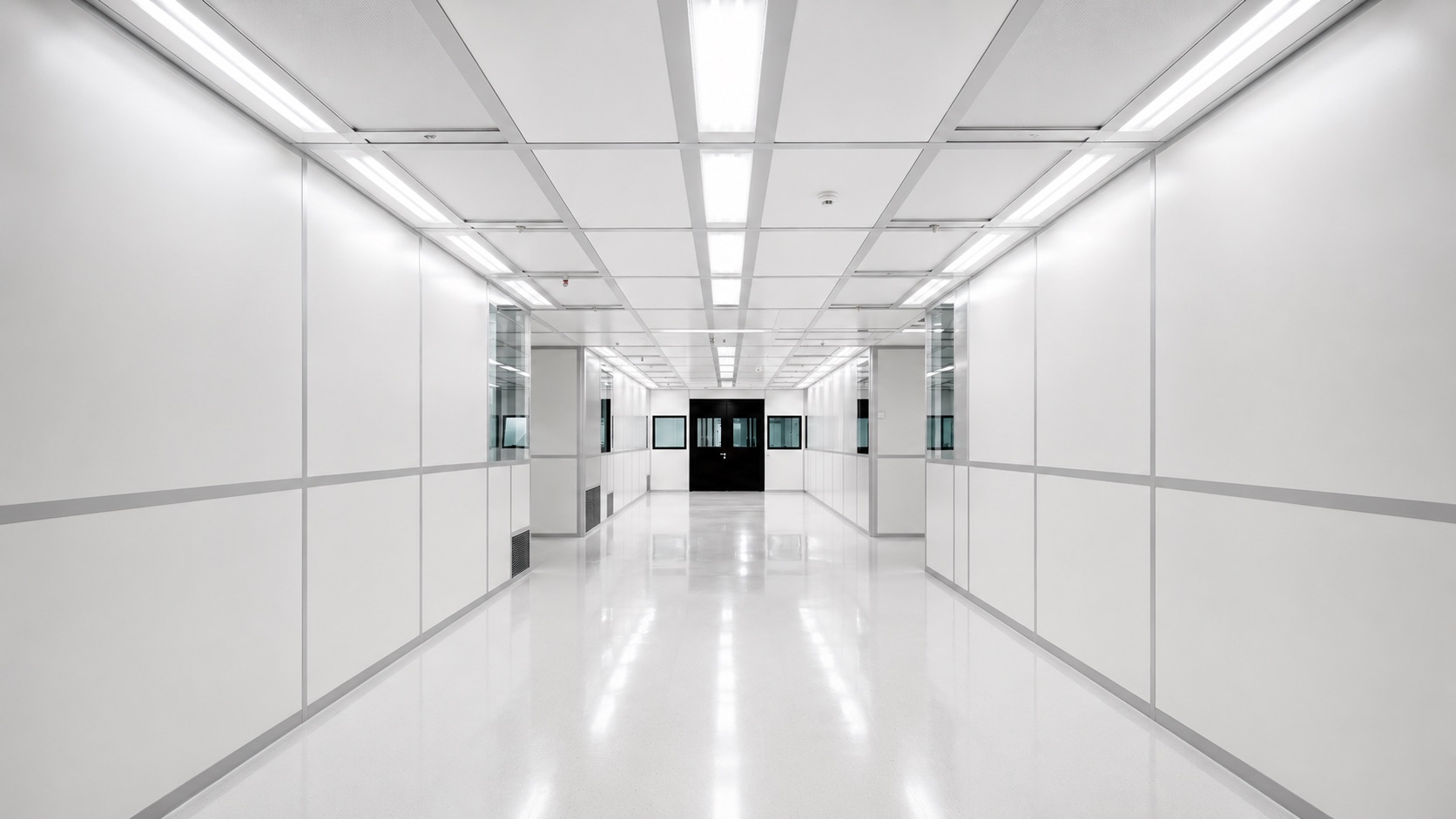
¿Qué es una sala limpia modular de paredes rígidas?
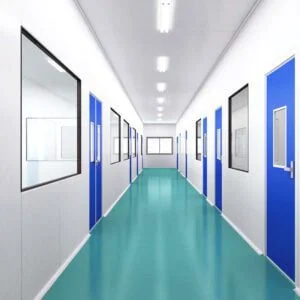
Una sala limpia modular de paredes rígidas es un recinto construido con paneles de pared rígidos en lugar de cortinas flexibles. Ofrece una estructura más resistente, un mejor sellado y un entorno de sala limpia más permanente que una sala limpia de paredes flexibles.
Las salas blancas de paredes rígidas se utilizan habitualmente cuando el proyecto requiere un control estable del flujo de aire y de la presión, una mayor durabilidad, un aspecto más limpio y un uso productivo a largo plazo. Pueden diseñarse como salas independientes o integrarse en un espacio ya existente del edificio.
Paneles rígidos para paredes, sistemas de techo y configuraciones estructurales
Las salas blancas modulares de paredes rígidas YOUTH pueden configurarse con diferentes materiales para paredes y techos compatibles con salas blancas, en función del nivel de limpieza requerido, la resistencia química, la durabilidad y el presupuesto del proyecto.
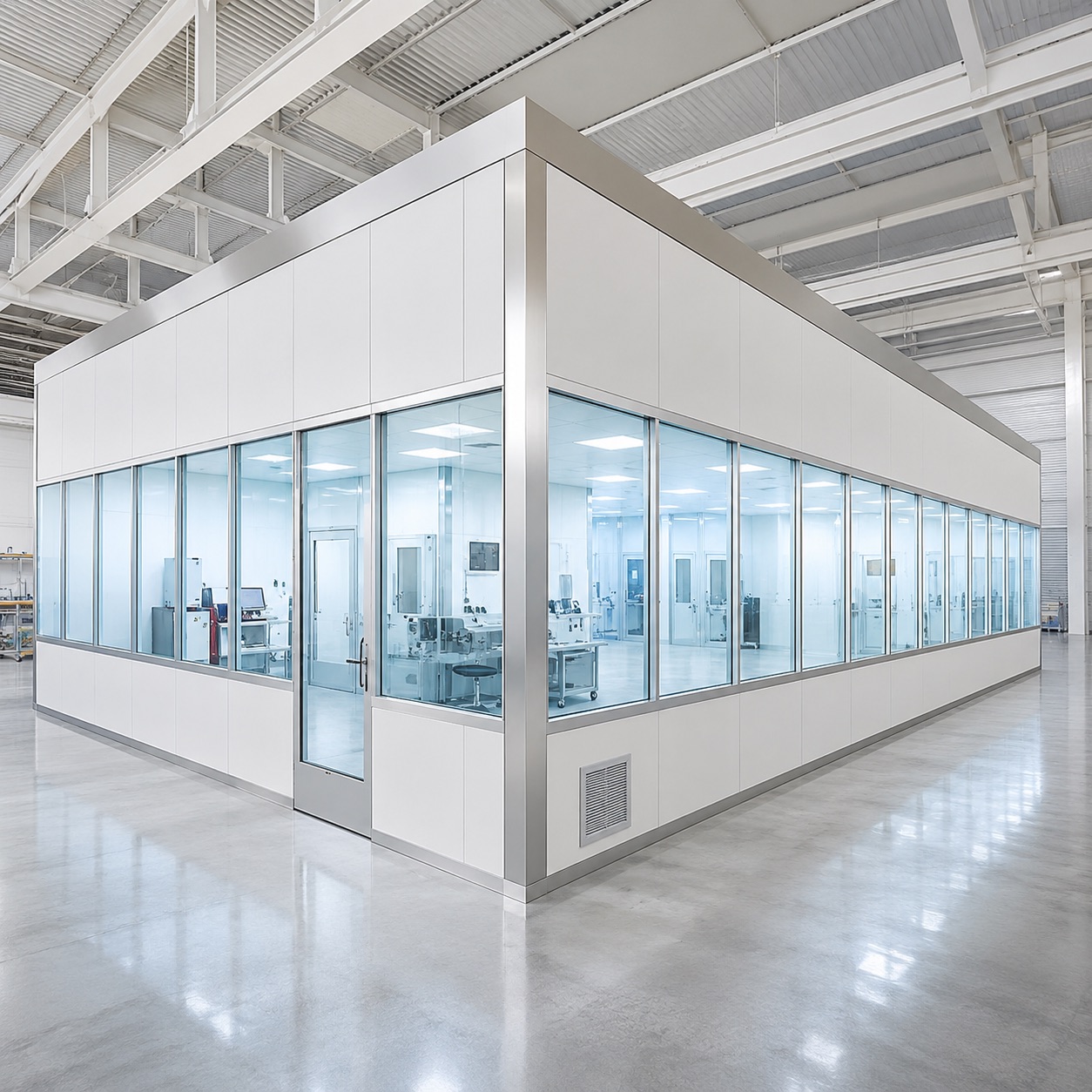
Paneles de pared
Entre las opciones pueden figurar paneles sándwich, paneles de acero, paneles de acero inoxidable, paneles de vidrio u otros sistemas de paredes compatibles con salas blancas.
Sistema de techos
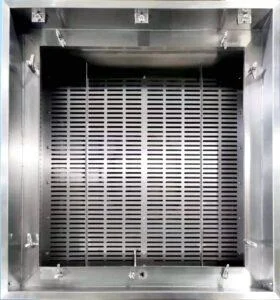
El techo puede diseñarse para albergar unidades de tratamiento de aire (FFU), cajas HEPA, iluminación, conductos de retorno de aire y cumplir con los requisitos de mantenimiento.
Puertas para salas blancas
Se pueden elegir puertas batientes, puertas correderas, puertas automáticas o puertas con enclavamiento para salas blancas, en función del flujo de personal y de materiales.
Suelos
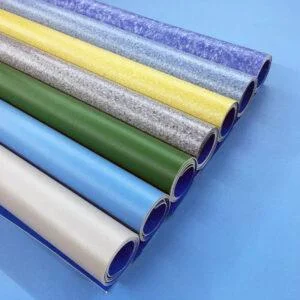
El suelo de una sala limpia puede seleccionarse en función de sus prestaciones antiestáticas, su resistencia química, los requisitos de limpieza y su capacidad de carga.
Estructura y soporte
La sala limpia puede diseñarse como una estructura independiente o conectada a la estructura del edificio existente.
Opciones de diseño para salas blancas de paredes rígidas de clase ISO 5-8
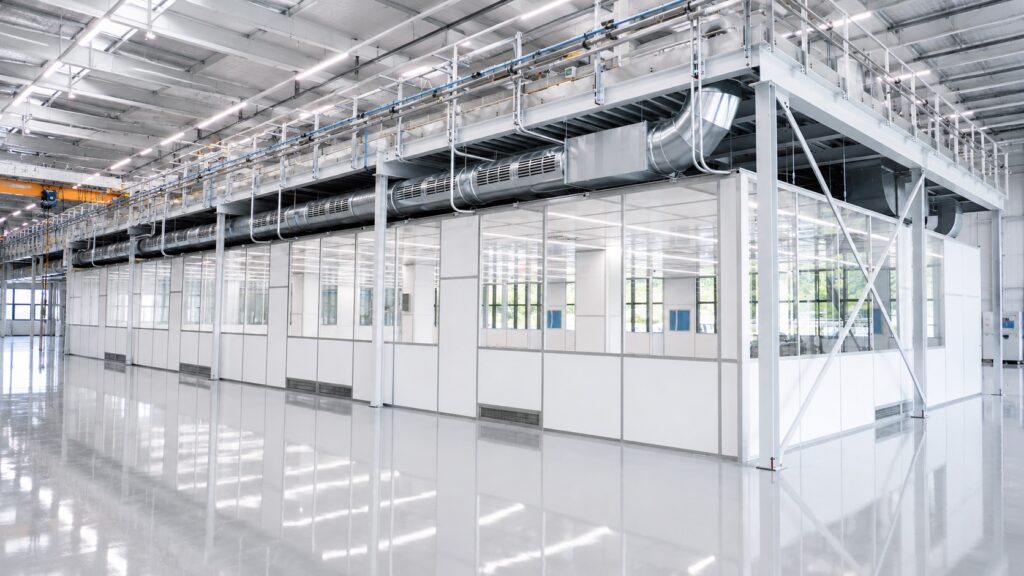
Las salas blancas modulares de paredes rígidas pueden configurarse para entornos de diferentes clases ISO ajustando el volumen de suministro de aire, la cobertura de la filtración HEPA, el diseño del retorno de aire, el sellado de la sala, el control de presión y la distribución interna.
| Clase de sala limpia | Aplicación típica de paredes rígidas |
|---|---|
| ISO Clase 5 | Zonas de limpieza crítica, áreas de trabajo locales de alta limpieza |
| ISO Clase 6 | Fabricación de precisión y montaje de alta precisión |
| ISO Clase 7 | Producción limpia en los sectores farmacéutico, de dispositivos médicos y de electrónica |
| ISO Clase 8 | Áreas generales de fabricación y envasado controladas |
El diseño definitivo de la clase ISO debe confirmarse en función del tamaño de la sala, la carga de contaminación del proceso, la carga térmica de los equipos y las condiciones de funcionamiento.
Campos de especificación de salas blancas modulares con paredes rígidas
| Campo de especificaciones | Qué definir |
|---|---|
| Clase ISO objetivo | Objetivo de clase ISO 5, 6, 7 u 8 y si se aplica a toda la sala o a una zona concreta |
| Sistema de paneles de pared | Material del panel, acabado superficial, facilidad de limpieza, resistencia química y método de instalación |
| Sistema de techo | Rejilla del techo, disposición de las unidades FFU, iluminación y acceso para el mantenimiento |
| Puertas y ventanas | Tipo de puerta, ventana de observación, sellado, control de acceso y flujo de tráfico |
| Suelos | Sistemas de suelo ESD, de epoxi, de vinilo u otros, en función del sector y de las necesidades de limpieza |
| Configuración FFU / HEPA | Cobertura del filtro, acceso para su sustitución, recorrido del flujo de aire y requisitos de ensayo |
| Presión / caudal de aire | Responsabilidad en materia de presión entre estancias, retorno de aire, control de fugas y equilibrado |
| Documentación | Planos, lista de componentes, compatibilidad con FAT/SAT, manual de instrucciones y registros de mantenimiento |
Componentes fundamentales de un sistema modular de sala limpia
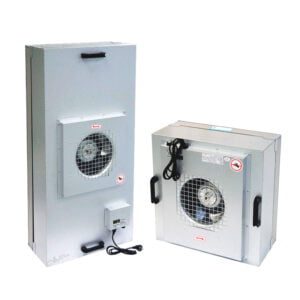
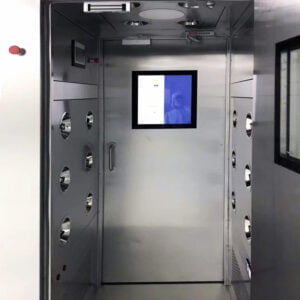
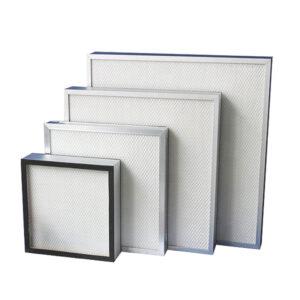
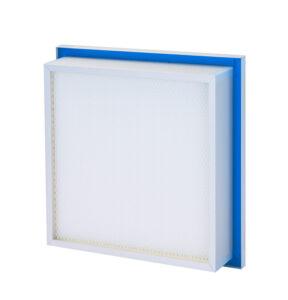
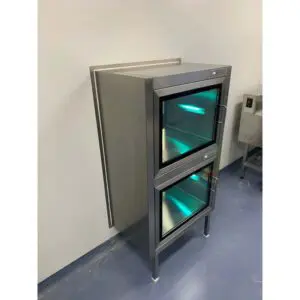
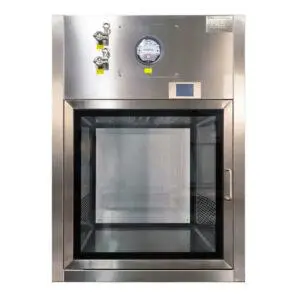
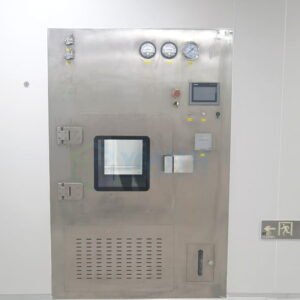
Una sala limpia modular no es solo un recinto cerrado. Se trata de un sistema completo de entorno controlado construido a partir de componentes compatibles con salas limpias. YOUTH puede suministrar la estructura principal de la sala limpia y el equipamiento correspondiente según los requisitos de su proyecto.
Aplicaciones de las salas blancas modulares de paredes rígidas
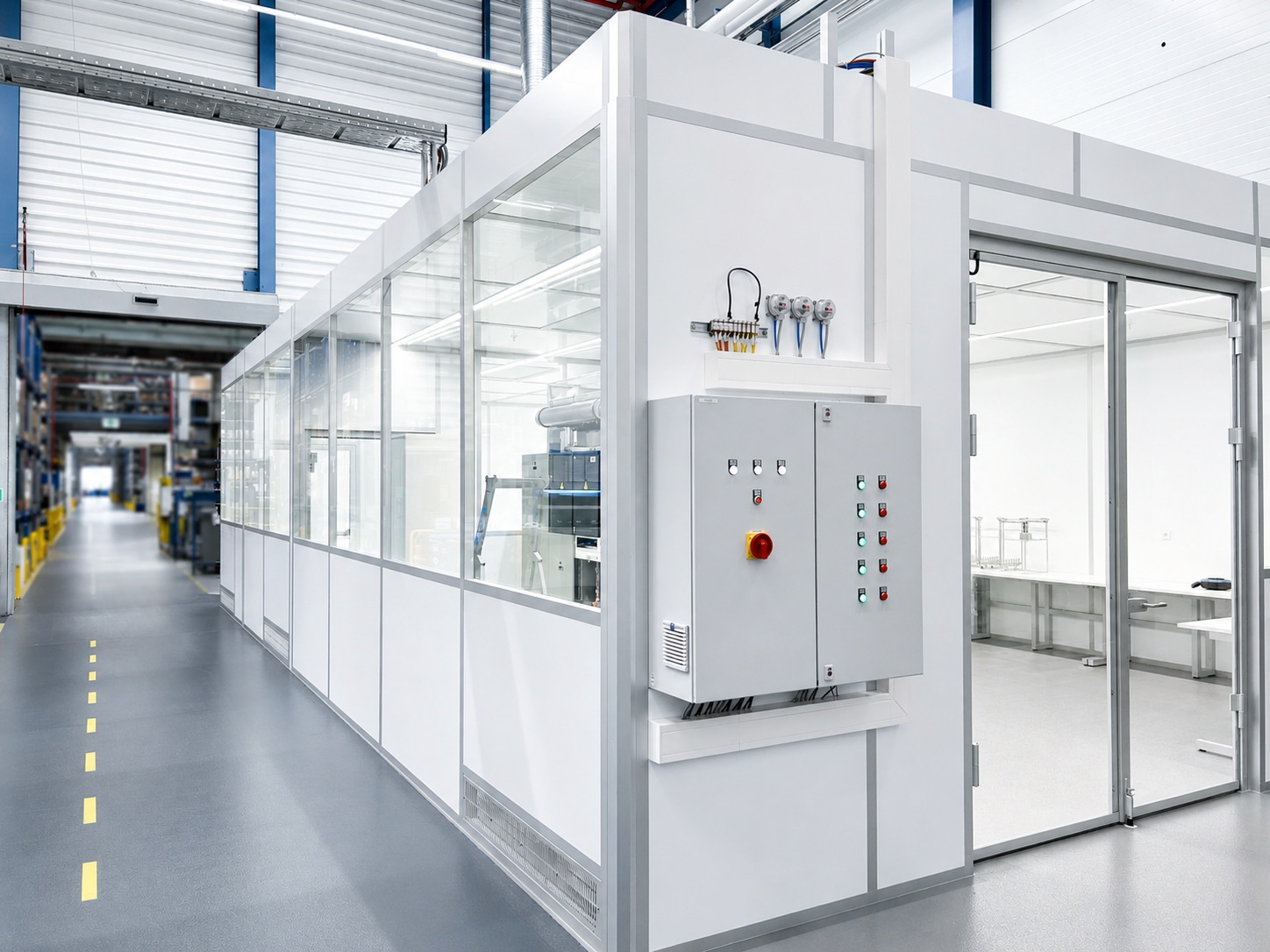
Las salas blancas modulares de paredes rígidas son adecuadas para proyectos que requieren una estructura estable, un aspecto limpio y un control ambiental a largo plazo.
- Montaje y embalaje de productos sanitarios
- Áreas limpias auxiliares para la industria farmacéutica
- Fabricación de precisión
- Manipulación de componentes aeroespaciales
- Montaje de componentes electrónicos
- Áreas limpias de laboratorio
- Fabricación de productos ópticos e instrumentos
- Salas de control de calidad
Salas blancas de paredes rígidas frente a salas blancas de paredes flexibles: ¿cuál deberías elegir?
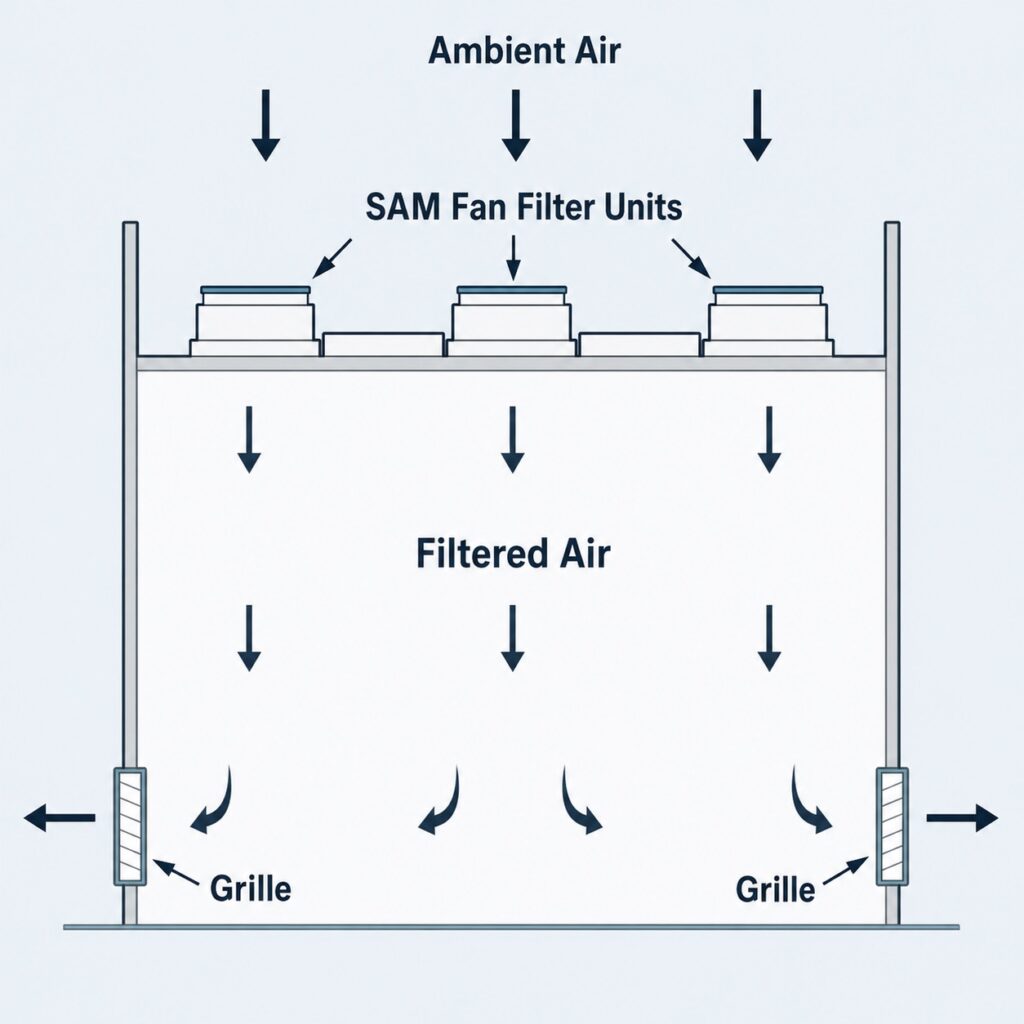
Opta por una sala limpia con paredes rígidas cuando tu proyecto requiera un sellado más resistente, un uso a largo plazo, mayor durabilidad, mayor estabilidad en los niveles de limpieza o un aspecto más profesional.
Opta por una sala limpia con paredes flexibles cuando tu proyecto requiera un menor coste, una reubicación más rápida, un espacio de producción temporal o una ampliación flexible de la sala limpia.
Normalmente se recomienda el uso de «hardwall» para:
- Producción a largo plazo
- Requisitos de limpieza más estrictos
- Un control más estable de la temperatura, la humedad o la presión
- Proyectos en los sectores farmacéutico, de dispositivos médicos o de fabricación de precisión
Normalmente, se recomienda el uso de «Softwall» para:
- Zonas limpias temporales
- Producción piloto
- Proyectos con restricciones presupuestarias
- Necesidades de salas blancas móviles o ampliables
Cuándo es mejor empezar con «Hardwall»
Una sala limpia modular de paredes rígidas suele ser la mejor opción inicial cuando el proyecto requiere una producción a largo plazo, un mejor sellado, un control estable de la presión, limpiezas frecuentes, una documentación más rigurosa sobre la facilidad de limpieza o una vía más fiable hacia la cualificación según las normas ISO o GMP.
La construcción con paredes rígidas resulta especialmente útil para áreas de apoyo al sector farmacéutico, la fabricación de dispositivos médicos, la producción de productos electrónicos, el montaje de precisión, el envasado en condiciones de limpieza y aquellas aplicaciones en las que la sala limpia vaya a permanecer en funcionamiento durante un largo periodo de tiempo.
Errores habituales en las solicitudes de presupuesto para salas blancas modulares de paredes rígidas
| Error | Consecuencia |
|---|---|
| Solo se solicita el tamaño de la habitación | El proveedor no puede calcular correctamente las necesidades de FFU, paneles, techos, puertas y flujo de aire |
| No se ha definido la clase ISO | Es posible que las cotizaciones no sean comparables y las expectativas respecto a los resultados de las pruebas siguen sin estar claras |
| Sin tener en cuenta el flujo de materiales | Es posible que los requisitos relativos a la caja de paso, la puerta y la zonificación se añadan demasiado tarde |
| No tener en cuenta el acceso para la limpieza | El departamento de control de calidad o el de producción pueden rechazar determinadas superficies, esquinas o accesos de mantenimiento tras la instalación. |
| Faltan algunos documentos requeridos | Es posible que los documentos de apoyo o certificados relativos a FAT, SAT, IQ y OQ no estén incluidos en el alcance original. |
| Considerar el alcance del proveedor como el alcance completo del EPC | Las responsabilidades en materia de climatización, servicios públicos, obras civiles y validación final pueden seguir sin estar claras |
Datos necesarios para un presupuesto de sala limpia modular
Por favor, dinos:
- Tamaño necesario de la estancia o superficie disponible para la instalación
- Clase ISO objetivo
- Sectores de aplicación y proceso de producción
- Preferencia por las paredes rígidas o blandas
- Control obligatorio de la temperatura y la humedad
- Número de operarios dentro de la sala limpia
- Equipos principales instalados en el interior de la sala
- Requisitos relativos al flujo de materiales y personal
- País o ubicación del proyecto
PREGUNTAS FRECUENTES
¿Cuál es la principal ventaja de una sala limpia con paredes rígidas?
Una sala limpia de paredes rígidas ofrece una estructura más resistente, un mejor sellado y una mayor durabilidad a largo plazo que una sala limpia de paredes flexibles.
¿Se pueden personalizar los paneles de pared?
Sí. El material de las paredes, el grosor, el tipo de paneles, la ubicación de las ventanas, el tipo de puertas y la distribución de la estancia se pueden personalizar.
¿Puede una sala limpia con paredes rígidas ser independiente?
Sí. Las salas limpias modulares de paredes rígidas pueden diseñarse como estructuras independientes o integrarse en edificios ya existentes.
¿Qué clase ISO es la adecuada para una sala limpia de paredes rígidas?
Las salas blancas con paredes rígidas suelen configurarse para aplicaciones de clase ISO 5 a clase ISO 8, en función de los requisitos de flujo de aire, filtración y proceso.
¿Puede YOUTH suministrar todos los componentes necesarios para una sala limpia?
Sí. YOUTH puede suministrar paneles de pared, sistemas de techo, puertas, suelos, unidades FFU, filtros HEPA, cajas de transferencia, duchas de aire y otros productos relacionados equipos para salas blancas.
¿Es siempre mejor una pared rígida que una blanda?
No. Las paredes rígidas son más adecuadas cuando el comprador necesita una estructura más resistente, un mejor sellado, estabilidad a largo plazo, superficies más limpias, control de la presión o un mayor apoyo en materia de homologación. Las paredes flexibles pueden resultar más prácticas cuando el proyecto es temporal, de menor riesgo, portátil o en el que el coste es un factor determinante.