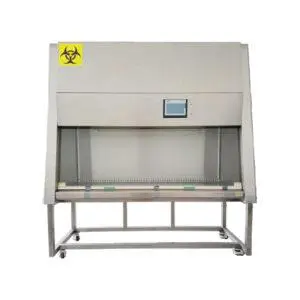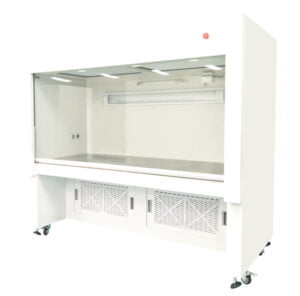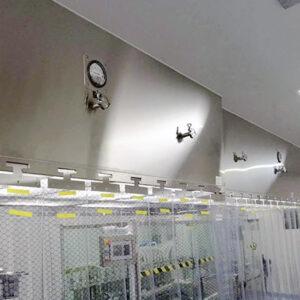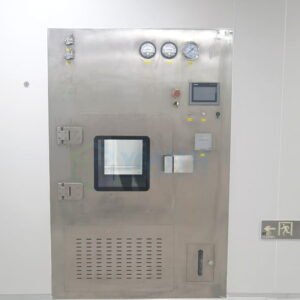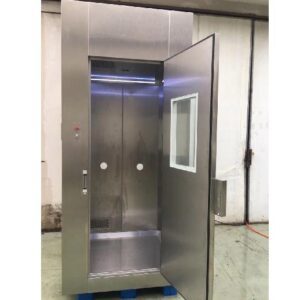
Los fallos en la contención del polvo durante el pesaje y la dosificación rara vez se manifiestan de forma evidente. Lo más habitual es que salgan a la luz durante las pruebas de humo de la calificación operativa (OQ) —una vez instalada la cabina, fijada la posición de trabajo y finalizada la fabricación—, lo que obliga a los equipos a optar por costosas soluciones correctivas y retrasa la entrega. Las decisiones que evitan esto deben tomarse en fases previas: la ubicación de la rejilla de retorno, la inclusión de un puerto de prueba, la alineación de la altura de trabajo y las especificaciones de los materiales deben resolverse antes de que comience la fabricación, no después. Comprender cómo cada una de estas decisiones influye en el rendimiento del flujo de aire, la eficiencia de captación del polvo y las pruebas de cualificación es lo que distingue a una cabina que supera la cualificación operativa (OQ) sin problemas de otra que genera informes de desviación antes incluso de procesar un solo lote.
Trayectoria de flujo laminar inverso a través de la zona de trabajo del operario
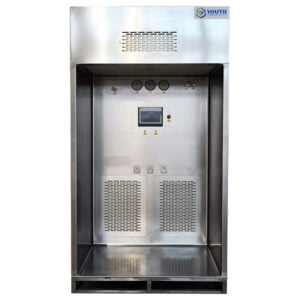
El principio fundamental de una cabina de flujo laminar inverso es direccional: el aire de suministro se desplaza verticalmente hacia abajo desde la cámara de distribución HEPA del techo, aleja el polvo en suspensión de la zona de respiración del operario e impulsa las partículas hacia los puntos de captura situados en la base de la pared trasera. Esta prioridad es opuesta a la de una campana LAF estándar, que protege principalmente la superficie de trabajo de la contaminación, en lugar de proteger al operario de lo que genera el trabajo. En el caso de las operaciones de pesaje y dosificación —en las que la manipulación del polvo genera un aerosol localizado directamente a la altura de las manos—, esa distinción es importante desde el punto de vista operativo.
La función de barrido vertical depende de que se mantenga una velocidad descendente constante en toda la zona de trabajo. Los valores de diseño para este tipo de cabina suelen hacer referencia a 0,45 ±0,05 m/s, medidos a 6 pulgadas por debajo de la superficie del filtro HEPA, junto con una calidad del aire de suministro de Clase 100 (ISO 5). Se trata de valores de diseño para esta configuración, no de mínimos reglamentarios universales impuestos por una norma concreta, y deben tratarse como tales en las especificaciones de adquisición y los protocolos de cualificación. Lo que definen desde el punto de vista operativo es el rango de velocidad dentro del cual el barrido descendente sigue siendo lo suficientemente coherente como para transportar el polvo de forma fiable hacia la rejilla de captura trasera, en lugar de permitir que migre hacia arriba o lateralmente hacia la zona de respiración.
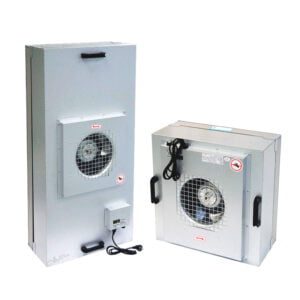
Un filtro HEPA de purga descarga una parte del aire recirculado para mantener el interior de la cabina bajo una ligera presión negativa con respecto a la sala circundante. Esto evita la salida de polvo en suspensión durante las operaciones de transferencia de material —apertura de frascos, trasvases y cambios de envases— cuando la turbulencia momentánea puede alterar brevemente el patrón de flujo laminar. La función de presión negativa no sustituye al barrido direccional; proporciona una barrera de contención secundaria que limita las consecuencias de cualquier alteración en la cara abierta.
| Componente de flujo de aire | Función | Especificación clave |
|---|---|---|
| Suministro con flujo descendente filtrado por HEPA | Aleja el polvo en suspensión de la zona de respiración y lo dirige hacia los prefiltros de la pared trasera | Velocidad vertical de 0,45 ± 0,05 m/s a 6 pulgadas por debajo del filtro HEPA; aire de clase 100 (ISO 5) |
| Purgar el filtro HEPA del sistema de escape | Expulsa una parte del aire para mantener la presión negativa en el espacio de trabajo, lo que evita la contaminación hacia el exterior. | Mantiene una presión negativa en el interior de la cabina |
El modo de fallo que conviene anticipar en este caso es la postura del operario. Si el cuerpo o los brazos del operario interrumpen la trayectoria del flujo de arriba abajo —bloqueando la trayectoria de retorno por la pared trasera o desviando lateralmente el barrido descendente—, el patrón de flujo de aire previsto ya no proporciona la geometría de captura en torno a la cual se diseñó la cabina. La visualización del humo durante la calificación operativa (OQ) pondrá esto de manifiesto, pero para entonces la posición de trabajo suele estar ya establecida. La oportunidad de corrección más temprana se encuentra en la revisión previa a la fabricación, donde se pueden evaluar las dimensiones de la zona de trabajo, la altura de la abertura de acceso y la profundidad de alcance del operario en relación con la trayectoria de flujo prevista antes de que se fije el diseño.
Detalles de la rejilla de retorno y la altura de trabajo que influyen en la captación de polvo
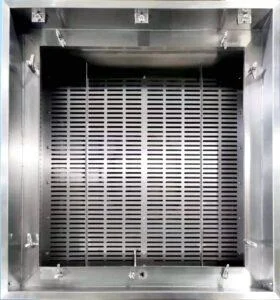
Los prefiltros de la pared trasera, situados en la base de la cabina, no son retornos pasivos. Están diseñados con una velocidad de aspiración elevada para crear un efecto de barrido —una succión activa que arrastra el polvo en suspensión hacia abajo y hacia atrás a medida que desciende por la zona de trabajo. Que ese efecto de barrido intercepte realmente el polvo generado en las manos del operario depende de la relación geométrica entre la altura de la rejilla de aspiración, la altura de la superficie de trabajo y la posición física del operario durante el pesaje y la dosificación.
La altura de la superficie de trabajo es la variable de planificación que los equipos suelen especificar de forma más incompleta. La referencia de 6 pulgadas aguas abajo —el punto en el que se caracteriza el rendimiento del flujo laminar— define la zona de trabajo utilizable en relación con la cara del filtro HEPA, no en relación con el suelo o con la altura estándar de una mesa de trabajo. Si la superficie de trabajo está situada de tal forma que las manos, los recipientes y el equipo de pesaje se encuentren considerablemente por encima o por debajo de la geometría de captura optimizada, es posible que el efecto de barrido en la base de la rejilla trasera no intercepte la nube de aerosoles allí donde se genera. La desalineación a este nivel no puede compensarse aumentando la velocidad del ventilador ni ajustando la presión del filtro HEPA; la trayectoria del flujo viene determinada por la geometría física de la cabina instalada.
La altura de la rejilla de retorno debe confirmarse en función de la elevación prevista de la superficie de trabajo durante la fase de revisión del diseño. En el caso de las instalaciones de adaptación —en las que se incorpora una cabina a un dispensario ya existente con bancos de altura fija o básculas montadas en el suelo—, esta comprobación de alineación es esencial antes de la adquisición. Una cabina especificada para una altura de trabajo estándar puede no ajustarse a la geometría operativa real del emplazamiento, lo que crea un hueco de captura que no se aprecia en las especificaciones del equipo, pero que sí se observa durante las pruebas de humo.
El diseño del sistema de extracción también parte de la base de que la zona de trabajo se mantenga razonablemente libre de obstáculos cerca de la pared trasera. El apilamiento denso de equipos, el almacenamiento de contenedores en la parte trasera de la superficie de trabajo o la colocación de la balanza justo delante de la rejilla de retorno pueden alterar la trayectoria del flujo de aire hacia atrás y reducir la velocidad de entrada en la superficie de la rejilla. Se trata de decisiones de planificación operativa, pero deben tenerse en cuenta a la hora de dimensionar la cabina: una zona de trabajo demasiado estrecha para el espacio que ocupan los equipos previstos tendrá un rendimiento sistemáticamente inferior en la captura de polvo, independientemente de lo bien que esté ajustado el sistema de flujo de aire.
Visualización del humo y pruebas de calificación operativa (OQ) sobre la dirección del flujo de aire
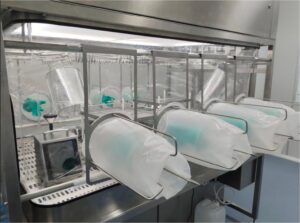
La prueba de humo es el método prescrito para confirmar que un sistema de flujo de aire unidireccional mueve el aire en la dirección prevista por el diseño. La norma ISO 14644-3:2019 describe la visualización del flujo de aire como una prueba observacional para caracterizar la dirección del flujo y detectar turbulencias en entornos controlados, y constituye el marco normativo para este tipo de pruebas de cualificación operativa (OQ). En el caso de una cabina de flujo laminar inverso, el objetivo de la prueba es específico: el humo introducido en el plano de suministro debe desplazarse de arriba abajo sin desviaciones laterales significativas, sin recirculación ni estancamiento, y debe ser atraído hacia los puntos de captura de retorno de la pared trasera sin escapar a través de la superficie de trabajo abierta.
Lo que demuestra una prueba de humo satisfactoria es el patrón de flujo de aire en el momento y en las condiciones de la prueba. Se trata de una prueba de cualificación operativa (OQ) puntual, no de una garantía permanente del rendimiento continuado. El registro de cualificación debe reflejar esto: el estudio de humo documenta que la dirección prevista del flujo de aire se confirmó en el momento de la cualificación, en las condiciones de funcionamiento definidas en el protocolo de prueba y con el equipo configurado tal y como se describe. Cualquier cambio posterior en la configuración de la cabina, la posición de funcionamiento, la disposición interna del equipo o el estado de carga de los filtros HEPA que pudiera alterar la geometría del flujo debería dar lugar a una evaluación para determinar si se justifica una nueva cualificación.
Las condiciones en las que se lleva a cabo la prueba de humo son tan importantes como el resultado. Las pruebas realizadas con la cabina sin carga y la superficie de trabajo vacía pueden no reflejar la situación real de funcionamiento, en la que hay manos, recipientes, balanzas y cucharas en la trayectoria del flujo. Un protocolo riguroso de calificación operativa (OQ) definirá la posición de funcionamiento prevista y la reproducirá durante el estudio de humo, ya que una cabina que supere la prueba sin carga puede mostrar un patrón diferente en condiciones de trabajo. Si la postura del operador no se define como parte de la configuración de la prueba, el estudio de humo no puede confirmar que la trayectoria del flujo se mantenga durante las operaciones reales de dispensación; solo confirma que se mantiene en ausencia de estas.
Por este motivo, la grabación en vídeo de las pruebas de humo es una práctica habitual. Una simple indicación estática de «aprobado/suspendido» no refleja el comportamiento del flujo en las diferentes posiciones de ensayo ni proporciona pruebas que puedan revisarse en futuras auditorías. La grabación debe mostrar el recorrido completo del flujo desde el suministro hasta la captura, documentar cualquier zona de turbulencia o desviación y confirmar que no se escapa humo por la cara abierta de la cabina en las condiciones de ensayo. En el caso de las aplicaciones farmacéuticas en las que la cabina de pesaje forma parte de un proceso validado, esta grabación pasa a formar parte del paquete de cualificación operativa (OQ) y respalda el informe de cualificación de dicha unidad.
Opciones de fabricación que facilitan o dificultan las pruebas
La omisión más grave en la fabricación de una cabina con flujo de aire laminar inverso es la ausencia de puertos de prueba de DOP/PAO en el lado aguas arriba de los filtros HEPA. Sin ellos, no es posible realizar las pruebas de integridad de los filtros HEPA —un requisito previo para la homologación— mediante el método de barrido estándar. Las alternativas son soluciones provisionales que requieren un desmontaje parcial, la retirada de los filtros o posiciones de muestreo improvisadas que pueden no reproducir las condiciones que la prueba está diseñada para evaluar. Esto retrasa la puesta en servicio, genera complicaciones en la documentación y, en algunos casos, obliga al fabricante a volver a la obra. Este descuido es tan habitual que debería figurar como un punto específico en cualquier revisión de las especificaciones de fabricación, y no darse por supuesto.
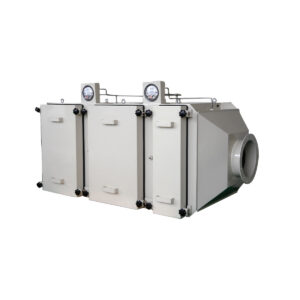
La filtración en tres etapas —prefiltro, filtro intermedio y HEPA—, con manómetros de presión diferencial en cada etapa, aborda un problema distinto: crea un marco de diagnóstico continuo que permite a los equipos de mantenimiento identificar en qué etapa del filtro se está produciendo una obstrucción sin necesidad de acceder al sistema ni desmontarlo. Una simple lectura de presión en todo el sistema indica que algo ha cambiado; los manómetros por etapas indican dónde. Esta distinción es importante tanto para la programación del mantenimiento rutinario como para interpretar lecturas anómalas de la calificación operativa (OQ): una lectura de presión elevada en la etapa HEPA con una lectura estable en la etapa intermedia apunta a una causa diferente a la de la obstrucción simultánea de ambas etapas.
La especificación de los materiales —los tipos de acero inoxidable frente al hierro galvanizado con recubrimiento en polvo— suele considerarse una decisión basada en el coste durante el proceso de adquisición, cuando en realidad se trata de una decisión relacionada con la documentación de validación. La elección influye en la evidencia de la facilidad de limpieza, la justificación del riesgo de corrosión y la defendibilidad normativa a largo plazo del registro de cualificación. Una cabina fabricada en acero inoxidable 316L con esquinas internas redondeadas y lisas permite una descripción de la validación de la limpieza más sencilla que una fabricada en hierro galvanizado con recubrimiento en polvo, en la que la integridad del recubrimiento, la posibilidad de que se descascarille y la corrosión en las juntas con el paso del tiempo plantean aspectos que deben gestionarse en la documentación. Ninguno de los dos materiales es la única opción conforme a la normativa, pero las consecuencias que cada elección tiene para la documentación deben entenderse antes de la adquisición, y no después de la primera revisión de la cualificación.
| Opción de diseño | Repercusiones en las pruebas y la puesta en servicio | Qué confirmar |
|---|---|---|
| Se han omitido los puertos de prueba DOP/PAO | Retrasa las pruebas de integridad del filtro HEPA y su puesta en servicio | Los puertos de prueba de la fase inicial se incluyen en las especificaciones de diseño |
| Diseño modular con cámara superior desmontable, caja de extracción inferior y paneles laterales | Simplifica la instalación in situ y el acceso para el mantenimiento futuro; reduce la complejidad | Los planos de diseño confirman el montaje y desmontaje modulares |
| Filtración en tres etapas con manómetros de presión diferencial en cada etapa | Permite la supervisión continua de la carga del filtro y la resolución proactiva de problemas | Se incluyen manómetros, a los que se puede acceder fácilmente, para cada etapa del filtro |
| Elección del material (acero inoxidable 304/316/316L frente a chapa galvanizada con recubrimiento en polvo) y esquinas internas redondeadas y lisas | Influye en la facilidad de limpieza, la resistencia a la corrosión y los requisitos de documentación de validación | El tipo de material y el diseño de las esquinas especificados cumplen con los requisitos de las salas blancas y la normativa vigente |
La construcción modular —compartimento superior desmontable, caja de extracción inferior y paneles laterales— tiene un impacto directo en el acceso para la instalación y la facilidad de mantenimiento a largo plazo. En instalaciones con vías de acceso restringidas o con esclusas de sala limpia de dimensiones limitadas, es posible que una cabina que no se pueda dividir en secciones manejables no se pueda instalar sin una intervención significativa en las instalaciones. La misma modularidad que simplifica la instalación inicial también facilita la futura sustitución de filtros y la inspección interna. Conviene confirmar esto explícitamente en la fase de adquisición: no todos los diseños modulares se desmontan en la misma medida, y la diferencia entre un diseño que permite acceder a la cámara sin retirar los paneles laterales y otro que no lo permite cobra relevancia cada vez que es necesario sustituir el filtro HEPA o volver a comprobar su integridad.
Punto de aceptación para demostrar el patrón de flujo de aire previsto
Para demostrar el patrón de flujo de aire previsto en la calificación operativa (OQ), es necesario contar con pruebas convergentes de múltiples parámetros, y no con una única lectura de velocidad. La velocidad del aire en la superficie de trabajo, las presiones diferenciales en cada etapa de filtrado, la presión negativa interna de la cabina y el patrón de flujo del humo deben confirmarse simultáneamente dentro de los rangos definidos, en condiciones de funcionamiento documentadas, para constituir un estado operativo cualificado. Si alguno de estos parámetros se sale de su rango de aceptación, el sistema no ha demostrado el rendimiento previsto, y la desviación apunta a una parte específica del sistema, más que a un fallo general.
Los rangos de aceptación definen los límites operativos que tienen un significado diagnóstico cuando no se cumplen. Una lectura de velocidad fuera del rango aceptado puede indicar una variación en el rendimiento del ventilador, una acumulación de partículas en el filtro más allá del rango operativo o un problema mecánico en el asentamiento del cartucho HEPA. Una presión diferencial a través del filtro HEPA fuera del intervalo definido sugiere bien una saturación prematura, bien un problema de integridad. Una presión negativa de la cabina fuera de su rango apunta a un problema de equilibrio entre el suministro y el escape que afecta a la función de contención. Comprender qué implica operativamente un fallo en cada rango es lo que permite al equipo de puesta en servicio distinguir entre un problema de ajuste y un defecto de fabricación, y abordar la causa correcta en lugar de perseguir el síntoma.
| Parámetro | Rango de aceptación / Requisito | Medición / Evidencia |
|---|---|---|
| Velocidad del aire en la superficie de trabajo | 90 FPM ±20% (0,45 m/s ±20%) | Medido a 6 pulgadas aguas abajo de la superficie del filtro HEPA |
| Presión diferencial del filtro HEPA | 8-18 mm de agua | Lectura del manómetro en el filtro HEPA |
| Presión diferencial del filtro intermedio | 2–6 mm de agua | Lectura del manómetro en el filtro intermedio |
| Presión negativa interna de la cabina | 0,5–2,5 mm de agua | Lectura del manómetro del interior de la cabina |
| Patrón de flujo del humo | Movimiento unidireccional de arriba abajo sin turbulencias significativas | Prueba de visualización (grabación en vídeo) |
| Frecuencia de renovación de la cualificación | Dos veces al año o tras cualquier modificación importante que afecte a los parámetros operativos | Revalidación programada o nueva prueba activada |
El patrón de flujo del humo es el criterio de aceptación cualitativo que las lecturas cuantitativas no pueden sustituir. Una cabina puede cumplir todos los umbrales numéricos y, aun así, presentar recirculación cerca de la cara abierta, desviación hacia arriba en los bordes de la zona de trabajo o una captura incompleta en la rejilla trasera si la geometría, la posición de funcionamiento o la disposición del equipo provocan alteraciones locales. La prueba de humo confirma lo que las cifras no pueden medir directamente: si el flujo se mueve realmente tal y como prevé el diseño dentro de la configuración física específica que se utilizará durante el funcionamiento.
La recalificación dos veces al año —o tras cualquier modificación importante que altere los parámetros operativos— refleja una práctica habitual en el sector para mantener la confianza documentada en el rendimiento del flujo de aire de una unidad que se utiliza en operaciones de dispensación continuas. En la práctica, esta frecuencia significa que la cabina debe estar diseñada para permitir la realización de ensayos repetibles desde el primer ciclo de calificación. Las posiciones de funcionamiento definidas, las tomas de presión accesibles, los puntos de medición de referencia estables y la documentación clara de la configuración calificada no son meras comodidades puntuales de la calificación operativa (OQ), sino requisitos que se repiten en cada proceso de recalificación. Un diseño que dificulte la reproducción sistemática de cualquiera de estos elementos convierte una simple prueba bianual en una investigación recurrente, lo que genera dificultades de cumplimiento a lo largo de toda la vida útil de la unidad.
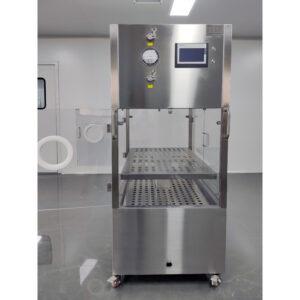
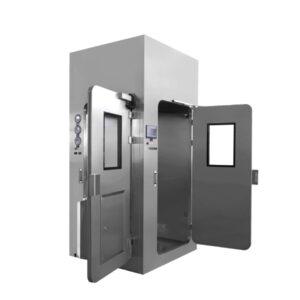
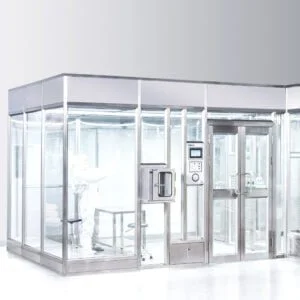
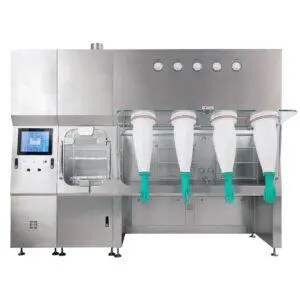
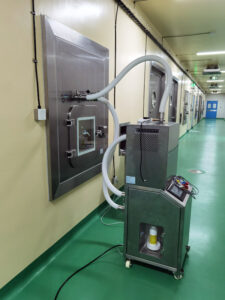
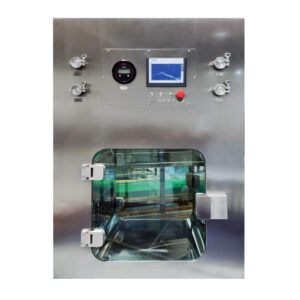
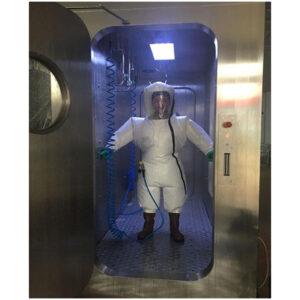
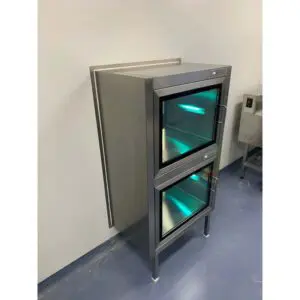
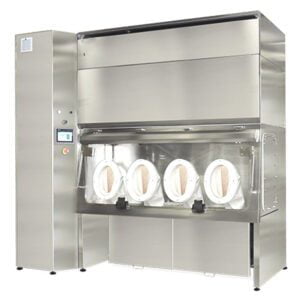
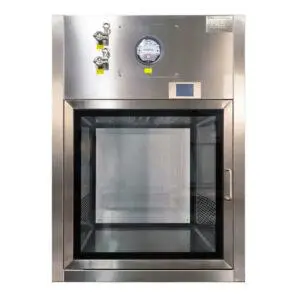
A la hora de tomar decisiones sobre la selección de equipos, el Cabina de dispensación, cabina de muestreo, cabina de pesaje Esta gama ofrece una referencia útil sobre cómo se aplican estos principios de diseño en las diferentes configuraciones de los stands.
Las decisiones que determinan si una cabina de flujo de aire laminar inverso funciona según lo previsto durante la calificación operativa (OQ) son, casi en su totalidad, decisiones previas a la fabricación: la ubicación de los puertos de prueba, la alineación de la rejilla de retorno y la altura de trabajo, la calidad de los materiales, la disposición de los filtros y la definición de la posición de funcionamiento prevista. Cuando comienza la prueba de humo, la geometría ya está fijada y la fabricación ha concluido. Una cabina que supera la OQ sin problemas es aquella en la que estas decisiones se tomaron de forma deliberada, en lugar de posponerse.
Antes de la adquisición, comprueba que las especificaciones de fabricación incluyan puertos de prueba de DOP/PAO en la parte inicial del sistema, manómetros de presión diferencial escalonados y una altura de la superficie de trabajo claramente definida que se ajuste a la geometría de captura de la cabina. Antes de que comience la cualificación, defina la posición de funcionamiento que se reproducirá en la prueba de humo y asegúrese de que refleje la práctica real de dispensación. Estas son las condiciones en las que se puede demostrar el patrón de flujo de aire previsto, y las condiciones en las que habrá que volver a demostrarlo, dos veces al año, durante toda la vida útil de la unidad.
Preguntas frecuentes
P: ¿Una cabina con flujo de aire laminar inverso sigue garantizando una contención adecuada del polvo cuando se utiliza con una báscula de suelo situada por debajo de la altura estándar de una mesa de trabajo?
R: No sin un ajuste en el diseño: una báscula montada en el suelo sitúa la zona de dispensación activa por debajo de la geometría de captura optimizada de la cabina, lo que significa que el aerosol generado a la altura de las manos puede quedar fuera de la zona donde el efecto de aspiración de la rejilla trasera es más intenso. Antes de especificar una cabina, hay que confirmar que la altura de la entrada de la rejilla de retorno y el punto de referencia de la superficie de trabajo estén alineados con la elevación real del equipo de pesaje, y no con una suposición basada en una mesa de trabajo estándar. En las instalaciones de adaptación con básculas de suelo fijas, esta comprobación de alineación debe considerarse un requisito previo a la adquisición, y no un ajuste posterior a la instalación.
P: Una vez que la cabina supera la calificación operativa (OQ), ¿cuál es la primera decisión operativa que puede invalidar de forma silenciosa el patrón de flujo de aire calificado?
R: Cambiar la disposición interna de los equipos tras la homologación —como reubicar una balanza más cerca de la rejilla trasera, apilar contenedores cerca de la salida de retorno o introducir recipientes más grandes que los presentes durante las pruebas de humo— puede alterar la trayectoria del flujo de aire hacia la parte trasera sin que se active un control de cambios formal, si la modificación no se considera significativa desde el punto de vista operativo. La configuración homologada debe documentarse con suficiente detalle para que cualquier cambio de ubicación de los equipos se evalúe comparándola con la configuración sometida a la prueba de humo antes de que comience el uso habitual, y no solo cuando los resultados de la nueva homologación parezcan anómalos.
P: ¿En qué momento una cabina con flujo de aire laminar inverso deja de ser la herramienta adecuada y resulta más conveniente recurrir a otro método de contención?
R: Cuando el límite de exposición laboral al polvo es lo suficientemente bajo como para requerir un control demostrado de la exposición personal por debajo de lo que un diseño de cabina abierta puede documentar de forma fiable, una cabina RLAF alcanza su límite de contención. El flujo de aire laminar inverso controla los aerosoles de la zona de respiración y de trabajo durante los movimientos normales de dispensación, pero no proporciona el nivel de contención propio de un aislador, necesario para principios activos altamente potentes en los que cualquier exposición a través de una abertura facial es inaceptable. El umbral no viene definido por el diseño de la cabina en sí, sino por la clasificación de la banda de riesgo del material que se manipula; dicha determinación debe preceder a la selección del equipo.
P: ¿Es el acero inoxidable 304 una opción de material adecuada para una cabina de dispensación, o el uso farmacéutico exige realmente el acero inoxidable 316L?
R: El acero inoxidable 304 no queda descartado, pero conlleva una documentación sobre el riesgo de corrosión que el acero inoxidable 316L evita, especialmente en soldaduras y uniones expuestas a productos de limpieza. La diferencia práctica se pone de manifiesto en la validación de la limpieza: una construcción en 316L permite una explicación sencilla en cuanto a la resistencia química, mientras que el 304 requiere una justificación explícita de que el régimen de limpieza no provoca una degradación de la superficie a largo plazo. Para aplicaciones de baja potencia con polvo seco y protocolos de limpieza suaves, el 304 puede ser una opción defendible; para cualquier aplicación que requiera una limpieza agresiva a base de disolventes o un escrutinio regulatorio a largo plazo, la carga documental del 304 suele superar el ahorro de costes que supone.
P: ¿Cómo debería abordar un equipo la recualificación si el puesto operativo de la OQ original no se documentó formalmente en el expediente de cualificación?
R: La recalificación sin una posición operativa de referencia definida supone, en la práctica, reiniciar la calificación desde la fase de prueba de humo, ya que no existe una línea de base establecida que permita confirmar que el sistema está funcionando de forma reproducible. El equipo deberá definir y justificar una posición operativa representativa antes de realizar las pruebas, considerar el primer ciclo de recalificación como una nueva calificación operativa (OQ) equivalente para ese parámetro y actualizar el registro de calificación para que los ciclos semestrales posteriores cuenten con una referencia estable. El coste en recursos que supone reconstruir esta documentación de forma retroactiva —incluida la descripción de la investigación que explique por qué faltaba— es sustancialmente mayor que el de recopilarla durante la OQ original, que es precisamente el riesgo que el énfasis del artículo en la planificación previa a la fabricación pretende evitar.