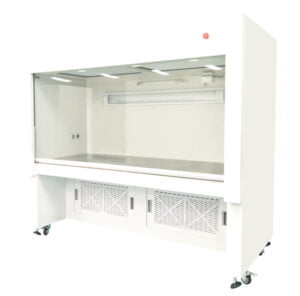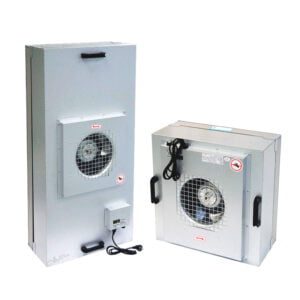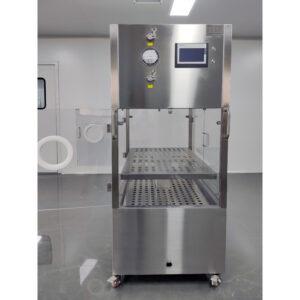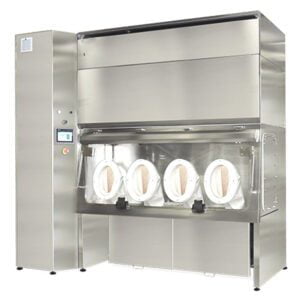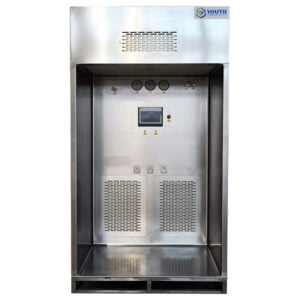
Un poste de prélèvement arrive sur site, passe une inspection visuelle, est raccordé au réseau électrique et au réseau de conduits, et l’équipe de projet le considère comme “ installé ”. Quelques semaines plus tard, le service d’assurance qualité bloque la remise du projet car personne n’est en mesure de fournir une cartographie des flux d’air tenant compte du bilan réel d’évacuation du bâtiment, le test d’étanchéité des filtres HEPA a été omis, ou les seuils d’alarme n’ont jamais été alignés sur la cascade de pression de l’installation. Ces lacunes transforment une installation presque achevée en un cycle de retouches interminable — et la cause profonde est presque toujours la même : les critères de réception n’ont jamais été définis en détail, n’ont jamais été alignés sur le cahier des charges fonctionnel (URS) approuvé, et n’ont jamais été appliqués au bon moment dans la séquence. Pour éviter cela, il faut faire en sorte que le dossier de remise du site constitue un ensemble de preuves de performance, et non pas simplement une liste de contrôle d’expédition ; le discernement dont chaque projet a besoin réside dans la capacité à distinguer l’achèvement mécanique de l’état de préparation opérationnelle conforme aux BPF avant le lancement de la production.
Critères de réception d'une cabine d'échantillonnage
L'installation physique d'une cabine de prélèvement peut sembler achevée bien avant qu'elle ne soit réellement apte à un usage pharmaceutique. L'ajustement mécanique, la mise à niveau et l'alignement des panneaux sont indispensables, mais ils ne fournissent aucune indication quant à l'intégrité du confinement ou à la facilité de nettoyage. Les paramètres qui déterminent si la cabine protégera l'opérateur et le produit — intégrité des filtres, configuration du flux d'air, uniformité de la vitesse, propreté statique et finition des surfaces — doivent être vérifiés une fois l'unité montée et raccordée, et ne doivent pas être considérés comme acquis sur la base des rapports du fabricant.
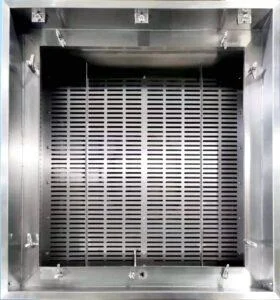
Un test d'intégrité du filtre HEPA in situ, réalisé après l'installation, constitue le premier véritable critère de réussite ou d'échec. Le critère généralement appliqué est l'absence de fuite supérieure à 0,011 TP10T de l'aérosol d'essai. Bien que ce chiffre soit un objectif de conception courant pour cabine de distribution Bien qu’il s’agisse d’une exigence de qualification — et non d’un seuil réglementaire défini dans EudraLex ou les normes ISO —, il est difficile de justifier une décision de mise sur le marché si le taux de fuite dépasse cette valeur. Une voie de fuite qui passe inaperçue parce que l’essai a été reporté ou mal réalisé signifie que la protection de la zone respiratoire de l’opérateur n’est pas vérifiée. La méthode d’essai doit être respectée ISO 14644-3 en tant que cadre procédural, mais la limite d'acceptation numérique doit être considérée comme la limite propre au projet, telle que définie dans l'URS.
La visualisation des flux d'air doit montrer un écoulement unidirectionnel descendant et s'éloignant de l'opérateur, sans tourbillon, reflux ou diffusion susceptible d'entraîner la poudre vers la zone respiratoire. Un générateur de brouillard d'eau mis en service au poste de travail permet de mettre rapidement en évidence des configurations d'écoulement que les seules mesures de vitesse ne permettent pas de détecter. Si le flux revient en arrière ou stagne, le concept de confinement échoue, même si les valeurs de vitesse de l'air d'alimentation se situent dans la plage admissible.
Un filtre HEPA ayant passé avec succès les tests en usine peut tout de même présenter des défaillances après le transport ; seuls des tests sur site permettent de vérifier son état une fois installé.
La mesure de la vitesse de l’air d’alimentation apporte le complément quantitatif nécessaire. La plage couramment utilisée est comprise entre 0,36 et 0,54 m/s, mesurée entre 5 et 15 cm sous la face du filtre. La moyenne de chaque membrane doit rester dans une fourchette de 10% par rapport à la moyenne totale de la cabine, et aucun point isolé ne doit s’écarter de plus de 12% de la moyenne de sa membrane. Ces chiffres découlent de la pratique en matière de qualification, et non d’une exigence réglementaire, mais ils constituent un cadre strict garantissant l’uniformité. Des écarts importants créent des zones de faible vitesse qui réduisent le confinement, ou des jets à grande vitesse qui réentraînent les particules et compromettent la propreté dans des conditions statiques.
La propreté en conditions statiques, généralement évaluée par rapport aux limites de classe A des BPF à l’aide d’un compteur de particules laser, constitue le contrôle d’intégration : si les surfaces sont suffisamment lisses et sans joint pour permettre un nettoyage efficace, et si la filtration et la circulation d’air fonctionnent correctement, le nombre de particules devrait correspondre à la classe définie. Un échec à ce stade est souvent dû à des défauts de surface — soudures rugueuses, interstices, coins inaccessibles — qui retiennent la poudre et empêchent un nettoyage en profondeur. Une inspection visuelle et tactile de toutes les surfaces intérieures avant le comptage des particules permet d’éviter un cycle de nettoyage, de nouveau test et de retouche.
| Paramètre d'acceptation | Exigences et justificatifs | Risque lié à la remise en cas d'absence de confirmation |
|---|---|---|
| Intégrité du filtre HEPA | Aucune fuite supérieure à 0,011 TP10T (test d'intégrité du filtre in situ) | Exposition des opérateurs à des contaminants atmosphériques par le biais d'un flux d'air non filtré |
| Configuration des flux d'air | Écoulement unidirectionnel, sans tourbillon, reflux ni diffusion (visualisation par brume d'eau) | La zone de respiration occupée n'est peut-être pas protégée |
| Vitesse de l'air soufflé | Moyenne comprise entre 0,36 et 0,54 m/s ; la moyenne de chaque membrane s'inscrit dans une fourchette de 10% par rapport à la moyenne totale ; aucun point ne présente un écart supérieur à 12% par rapport à la moyenne de sa membrane | Une vitesse non uniforme peut entraîner une défaillance du confinement ou une remise en suspension des particules |
| Propreté en conditions statiques | Limites de classe A des BPF (mesures effectuées à l'aide d'un compteur de particules laser) | Les concentrations de particules en suspension dans l'air peuvent dépasser les limites fixées par la classification des salles blanches, ce qui compromet la qualité des produits |
| Surfaces intérieures | Lisse, sans joint, exempt de zones où les particules pourraient s'accumuler (inspection visuelle et tactile) | L'incapacité à nettoyer efficacement entraîne une contamination croisée et des constatations lors des inspections |
Éléments relatifs aux services techniques, au débit d'air et aux alarmes lors de la remise du site
Une cabine d'échantillonnage ne fonctionne pas de manière isolée. Elle interagit avec le système d'évacuation d'air du bâtiment, la cascade de pression des locaux et le flux de travail de l'opérateur. La remise du projet doit inclure des preuves démontrant que le rapport de débit d'air évacué, le fonctionnement des alarmes et la stabilité des réseaux fonctionnent dans les conditions réelles du site, et pas seulement sur un banc d'essai isolé.
Le volume d’air extrait est généralement fixé entre 5% et 15% du volume total d’air soufflé afin d’obtenir la différence de pression négative nécessaire et un flux d’air vers l’intérieur au niveau de l’ouverture de travail. Ce rapport est une valeur de conception qui traduit une exigence fonctionnelle de confinement en un point de consigne d’équilibrage ; son intérêt réside dans le résultat — une pression négative constante dans les conditions de fonctionnement — plutôt que dans le chiffre exact. Si le parcours du conduit d’évacuation est plus long ou présente davantage de restrictions que ce qui avait été prévu lors de la conception en usine, ce rapport peut varier. La remise du site doit donc inclure une documentation sur les débits d’air indiquant les volumes d’alimentation et d’évacuation, des relevés de pression différentielle effectués avec les portes et les systèmes de ventilation de la pièce en état normal, ainsi que la preuve que la cabine maintient une pression négative par rapport à la pièce environnante.
Le fonctionnement des alarmes est également spécifique à chaque site. Les capteurs de pression, les moniteurs de débit d’air et les compteurs de particules doivent déclencher des alertes sonores et visuelles lorsque les paramètres s’écartent des seuils convenus dans le cahier des charges fonctionnel (URS) et confirmés lors de la mise en service. Le point essentiel n’est pas de savoir si l’alarme retentit lorsqu’un technicien appuie sur un bouton de test, mais si les seuils de déclenchement sont définis par rapport à la plage de fonctionnement de référence du site, et si les alarmes sont transmises à un endroit où les opérateurs peuvent les voir et les entendre pendant la distribution active. Une alarme qui se déclenche trop tôt provoque des arrêts intempestifs ; une alarme qui se déclenche trop tard permet à la production de se poursuivre dans des conditions non conformes. Une remise du site sans vérification de la logique d’alarme et sans tests de réponse documentés laisse la protection de confinement sans surveillance.
Les signaux d'alarme ne protègent la production que s'il est confirmé qu'ils se déclenchent aux seuils définis par le site, et non aux valeurs par défaut définies en usine.
Les raccordements aux réseaux — stabilité de l’alimentation électrique, conduites pneumatiques pour les portes automatiques ou les registres, interfaces de communication avec le système de gestion technique du bâtiment (GTB) — doivent être vérifiés par rapport au cahier des charges fonctionnels (URS). Une fluctuation de tension affectant la vitesse des ventilateurs peut modifier le débit d’air et la pression, mais passe souvent inaperçue car la vérification électrique se limite à une simple confirmation de mise sous tension/hors tension. Les documents de remise du site doivent inclure la tension en charge, la confirmation du bon fonctionnement de tout onduleur (UPS) ou alimentation de secours, ainsi que la conformité du comportement de l’arrêt d’urgence de la cabine aux protocoles de sécurité de l’installation.
| Zone de remise des pièces à conviction | Justificatif d'acceptation requis | Risque en cas d'informations incomplètes |
|---|---|---|
| Rapport volumique de l'air évacué | 5–15% du volume total d'air d'alimentation, en maintenant une dépression | La cabine pourrait présenter une charge électrique positive, ce qui compromettrait la sécurité de l'opérateur |
| Fonctionnalité d'alarme | Les écarts de pression, de débit d'air et de nombre de particules déclenchent des alertes sonores et visuelles | Les écarts non détectés permettent à la production de se poursuivre dans des conditions dangereuses |
| Stabilité de l'approvisionnement en services publics | Vérification des raccordements électriques, pneumatiques et de communication conformément au cahier des charges (URS) | Dysfonctionnement de l'équipement ou incapacité à atteindre le débit d'air ou le niveau de propreté requis |
| Documentation relative au débit d'air et à la pression | Rapports de cartographie et courbes de pression différentielle confirmant les performances dans les conditions réelles du site | Aucune preuve de confinement ; rejet probable lors du transfert par le service d'assurance qualité |
Achèvement de l'usine et conformité aux BPF (bonnes pratiques de fabrication)
L’une des erreurs les plus coûteuses dans les projets de salles blanches consiste à considérer l’achèvement des travaux d’usine comme un indicateur de la conformité aux BPF. Les essais de réception en usine (FAT) permettent de vérifier que la cabine d’échantillonnage a été construite conformément au cahier des charges et qu’elle fonctionne correctement, tant sur le plan électrique que mécanique, avant son expédition. Ils réduisent les risques liés au transport, mais ne permettent pas de reproduire la cascade de pression, les caractéristiques des conduits d’évacuation ou l’interaction avec l’opérateur, qui sont pourtant déterminants pour les performances réelles de confinement. C’est la prise de conscience de cette limite qui empêche la remise d’une cabine avant l’heure.
Après l’installation, les essais de réception sur site (SAT) permettent de vérifier que l’équipement fonctionne correctement avec les réseaux et interfaces réels. Les SAT permettent de détecter les dommages subis pendant le transport, les erreurs de câblage et les défaillances majeures du flux d’air, mais ils ne garantissent pas un contrôle environnemental durable. Seule la séquence de qualification — IQ, OQ et PQ — fournit des preuves documentées que la cabine respecte la classe de propreté, les critères de confinement et les paramètres d’alarme définis dans le cahier des charges (URS) dans des conditions statiques et, le cas échéant, dynamiques. C’est à ce stade que la responsabilité de l’ingénierie en matière d’installation prend fin et que celle de l’assurance qualité (QA) en matière de validation opérationnelle commence. Le procès-verbal de remise marquant l’achèvement mécanique ne doit pas être confondu avec une mise en service définitive.
Même si une cabine a passé avec succès les tests en usine, il faut encore vérifier qu'elle s'adapte à votre système d'air, à vos opérateurs et à vos protocoles de nettoyage.
Le risque concret apparaît lorsque les procédures de qualification opérationnelle (OQ) et de qualification de performance (PQ) sont reportées jusqu’à ce que l’ingénierie ait donné son feu vert, plaçant ainsi l’assurance qualité (QA) sur le chemin critique alors que les calendriers de production imposent une mise en service rapide. Si l’OQ révèle des non-conformités au niveau du débit d’air ou des difficultés de nettoyage, la cabine est déjà considérée comme “ achevée ” d’un point de vue technique, ce qui entraîne des retouches qui se répercutent sur la documentation et les nouveaux essais. En structurant la séquence de manière à ce que les preuves de l’IQ/OQ soient prévues dans le cadre du dossier de transfert, plutôt que comme un exercice de qualification postérieur à celui-ci, on élimine ce goulot d’étranglement et on évite le faux sentiment de sécurité lié à une cabine mécaniquement achevée.
| Phase d'évaluation | Ce qu'il confirme | Ce qu'il ne peut pas confirmer |
|---|---|---|
| Réception en usine (FAT) | Intégrité des équipements et spécifications techniques avant expédition | Performances en cas d'intégration au système CVC du site et en fonction de l'intervention de l'opérateur |
| Réception du site (SAT) | La cabine installée fonctionne correctement avec des équipements réels et une circulation d'air | Respect constant des bonnes pratiques de fabrication (BPF) dans les conditions de production |
| Qualification GMP (OQ/PQ) | L'environnement répond aux critères de classe et de confinement dans des conditions statiques et dynamiques, conformément aux spécifications URS. | Stabilité à long terme sans surveillance environnementale ni entretien continus |
Séquence de validation technique et d'assurance qualité permettant d'éviter les retouches
Lorsqu’une cabine d’échantillonnage est installée mécaniquement, le calendrier du projet impose souvent une validation technique avant que les preuves de qualification ne soient complètes. Cette séquence — achèvement avant acceptation — crée un goulot d’étranglement bien connu : l’ingénierie déclare l’unité prête, puis l’assurance qualité identifie par la suite des données de performance manquantes ou des alarmes non résolues, et la cabine doit être rouverte pour des retouches qui perturbent la documentation, les nouveaux tests et le calendrier de validation. Pour éviter ces retouches, il ne s’agit pas d’ajouter davantage de tests, mais de définir la bonne séquence de validation ainsi que l’ensemble des justificatifs que le service d’assurance qualité examinera avant d’accepter la remise de l’unité.
La procédure à suivre dans la pratique est simple : aucun transfert ne peut avoir lieu tant que les rapports d’IQ et d’OQ, ainsi que les journaux de données et les registres de formation qui les accompagnent, n’ont pas été examinés et jugés conformes. La date d’achèvement des travaux d’ingénierie devient ainsi une étape marquant à la fois la documentation et la performance, plutôt qu’une date fixe purement formelle. La documentation comprend souvent les registres de maintenance, les rapports de validation, les données de surveillance environnementale issues des essais statiques initiaux, ainsi que la preuve que les opérateurs ont été formés au nettoyage et à la gestion des alarmes. Alors que Annexe 15 d'EudraLex fournit un guide de référence concernant les exigences en matière de documentation de qualification ; les documents spécifiques doivent refléter l'évaluation des risques propre au projet ainsi que les spécifications fonctionnelles (URS). Le véritable critère réside dans la reproductibilité : si un auditeur demande un registre de maintenance ou un dossier de formation trois mois plus tard, est-il possible de le fournir sans difficulté ?
L’absence de documentation n’est pas un simple manque de documents ; il s’agit d’une constatation d’audit latente pouvant entraîner une nouvelle qualification. Si les registres de formation font défaut, le service d’assurance qualité peut rejeter l’état opérationnel, car il est impossible de démontrer que les opérateurs comprennent les procédures de confinement. Si les registres de nettoyage sont incomplets, le lien entre l’inspection des surfaces, la nettoyabilité et les comptages de particules statiques est rompu, et l’acceptation du niveau de propreté devient indéfendable. La procédure de validation doit donc inclure un examen formel par l’assurance qualité (QA) de l’ensemble des documents avant la mise en production, et non pas constituer une simple formalité après la remise.
Une mise en service mécanique sans justificatifs d'IQ/OQ constitue une remise inachevée, et non une installation achevée.
Contrôle final de réception par rapport au cahier des charges fonctionnels (URS) approuvé
L’URS approuvé est le seul document qui définit ce que la cabine d’échantillonnage doit faire, dans quelles conditions et sur la base de quelles preuves. Or, dans de nombreux projets, le contrôle final de réception se résume à une comparaison approximative par rapport aux “ bonnes pratiques ”, ce qui fait que certains éléments spécifiques de l’URS ne trouvent pas d’équivalent dans les résultats des essais. Cette ambiguïté ouvre la voie à des litiges, à des retouches et à des constatations réglementaires, car la base de la réception n’est plus traçable.
Chaque paramètre de réception — nombre de particules, différences de pression, vitesse du flux d’air, seuils d’alarme — aurait dû être consigné dans l’URS avant l’approvisionnement. La réception finale consiste en un exercice de vérification : identifier chaque exigence de l’URS et confirmer que le document justificatif correspondant (IQ, OQ ou PQ) respecte bien les limites et conditions spécifiées. Par exemple, une exigence de l’URS stipulant que la cabine doit maintenir une pression négative dans des conditions dynamiques doit être validée par un relevé de différence de pression effectué par un opérateur simulant des mouvements de distribution, et non par une mesure statique prise alors que la cabine est vide. Si l’URS exige une propreté de classe A BPF au repos, le rapport du compteur de particules doit mentionner les emplacements d’échantillonnage, les volumes et les limites d’acceptation définis lors de la qualification, et le résultat doit se situer dans ces limites.
Lorsqu’un élément de l’URS ne dispose pas de justificatifs correspondants, la passation doit être bloquée. Cela peut signifier que le test a été omis, que le résultat se situait juste en dehors des limites sans avoir été signalé, ou que la documentation a été égarée. Quelle que soit la raison, valider la cabine dans ces conditions prive le projet de la possibilité d’analyser ultérieurement les écarts de performance et expose le site à un risque d’audit. C’est la traçabilité entre l’exigence de l’URS, la référence au test et l’enregistrement des données qui transforme la qualification d’un simple exercice de coche de case en une décision d’acceptation défendable.
| Domaine d'exigences URS | Éléments à vérifier lors de la réception définitive | Risque en cas de non-adéquation |
|---|---|---|
| Propreté (nombre de particules) | Résultats des mesures statiques de classe A selon les BPF respectant les limites approuvées | La cabine pourrait être mise en service sans que les conditions environnementales soient suffisamment maîtrisées. |
| Différentiels de pression | Maintien d'une pression négative (rapport d'évacuation 5–15%) et limites d'alarme consignées | Perte de maîtrise ou faux sentiment de sécurité |
| Vitesse du flux d'air | Carte de vitesse indiquant une uniformité comprise entre 0,36 et 0,54 m/s, dans les limites des tolérances URS | La protection de l'opérateur n'est pas garantie ; il n'est pas possible d'établir une tendance des performances |
| Dossier de documentation | Rapports d'IQ/OQ finalisés, registres de formation, registres de maintenance, données de validation | Lacunes dans le contrôle des auditeurs ; risque réglementaire et retard de production |
Toute exigence URS pour laquelle aucune preuve correspondante n'est fournie constituera un constat d'audit futur.
Un contrôle final de réception qui suit l'URS ligne par ligne n'est pas excessif ; c'est la seule méthode qui empêche de passer d'une exigence définie à une impression subjective. L’ensemble des preuves qui en résulte — traçabilité entre l’URS et les tests, rapports de qualification validés et documentation complète — est ce dont l’assurance qualité a besoin pour valider la cabine en toute confiance, et ce que les auditeurs s’attendent à voir. Lorsque l’URS est pris au sérieux en tant que critère de réception, les retouches provoquées par des désaccords de dernière minute concernant les performances sont éliminées, car les critères ont toujours été clairs, partagés et contraignants.
Questions fréquemment posées
Q : Nous n'avons pas établi de cahier des charges fonctionnel détaillé pour la cabine d'échantillonnage avant la passation du marché. Pouvons-nous tout de même définir des critères d'acceptation pertinents à présent ?
R : Oui, mais vous devez établir un cahier des charges d'utilisation (URS) a posteriori avant le début de la qualification. Appuyez-vous sur les spécifications de performance de l'équipement, la classe de propreté GMP prévue et le risque de confinement de votre produit pour définir des critères explicites et mesurables. Sans cela, la réception finale se transforme en une évaluation subjective qui ne pourra pas être justifiée lors d'un audit.
Q : Une fois que le poste a passé avec succès la réception finale par rapport au cahier des charges (URS), quelle doit être la première étape opérationnelle ?
R : Mettez immédiatement en place un plan de surveillance environnementale systématique. Définissez les points d'échantillonnage, les fréquences et les seuils d'alerte/d'intervention pour les particules en suspension dans l'air et les différences de pression, tant que les valeurs de référence d'acceptation sont encore récentes. Cela permet de faire le lien entre les valeurs de qualification statiques et l'évolution continue des performances, vous offrant ainsi une alerte précoce en cas de dérive avant que celle-ci n'affecte le produit.
Q : Pouvons-nous accepter un taux de fuite HEPA légèrement supérieur à 0,011 TP10T si notre produit présente un faible risque et que la cabine fonctionne dans une zone contrôlée non stérile ?
R : La valeur de 0,01% correspond à un objectif courant de l’URS, et non à une exigence réglementaire. Un assouplissement de cette valeur peut se justifier si une évaluation des risques documentée démontre qu’un taux de fuite plus élevé permet tout de même d’assurer la protection requise de l’opérateur et la classe de propreté requise pour votre opération spécifique. Toutefois, tout écart doit être approuvé par le service d’assurance qualité et consigné comme justification d’une acceptation délibérée — faute de quoi la valeur de référence standard s’applique.
Q : Dans quelle mesure devons-nous exiger des essais de réception en usine plutôt que de nous fier à la qualification sur site pour détecter les problèmes ?
R : Les essais FAT doivent confirmer l’intégrité de la construction, la certification du filtre, l’uniformité du débit d’air aux points de consigne définis en usine, ainsi que la logique des alarmes à l’aide de charges simulées ; cela réduit le risque d’expédition de matériel défectueux. La qualification sur site doit ensuite vérifier les performances avec votre système d’évacuation réel, votre cascade de pression et le flux de travail de vos opérateurs. Le choix d’un fournisseur proposant des rapports FAT complets — tels que la documentation d’essais disponible avec la gamme de cabines de distribution de Youth Filter — vous permet de rationaliser le FAT tout en vous fiant aux résultats de référence, mais les essais sur site restent indispensables pour la mise en service conforme aux BPF.
Q : Le protocole complet de réception traçable décrit ici est-il justifié pour une seule cabine de prélèvement dans une petite pharmacie spécialisée dans la préparation magistrale ?
R : Oui, car les exigences réglementaires en matière de documentation relative au confinement et de preuves de propreté dépendent du niveau de BPF que vous revendiquez, et non de la taille de l’installation. Même une exploitation à petite échelle doit démontrer la protection des opérateurs et l’intégrité du produit. Le dispositif peut être adapté — moins de points d’échantillonnage, des spécifications d’utilisation (URS) simplifiées — mais l’exigence fondamentale de traçabilité entre les URS et les essais reste essentielle pour la défense en cas d’audit et la sécurité des patients.