
Le choix d'une salle blanche modulaire commence par la classe ISO, le risque lié au processus et le périmètre d'application
Le choix d'une salle blanche modulaire ne doit pas se faire uniquement en fonction de la taille de la pièce. Pour les projets B2B, il convient tout d'abord de déterminer la classe ISO requise, le processus de production, le risque de contamination ainsi que la répartition des responsabilités entre le fournisseur de la salle blanche, l'équipe CVC/EPC et l'équipe de validation du site.
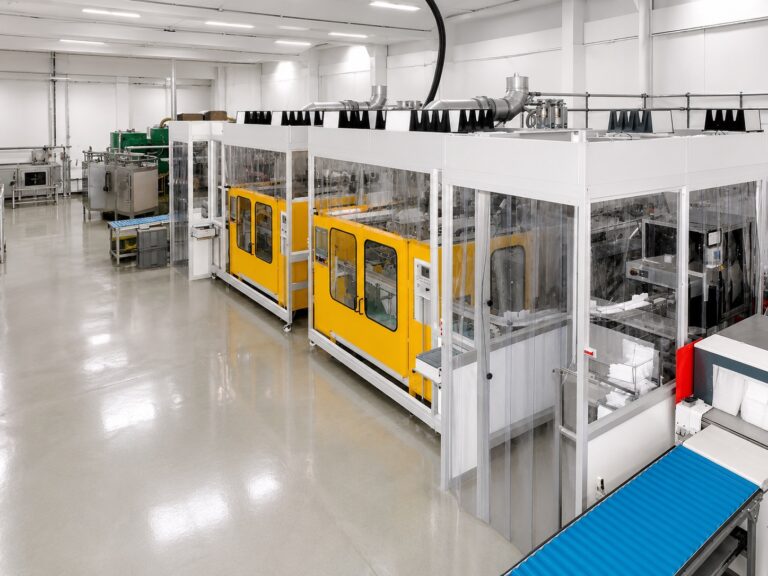
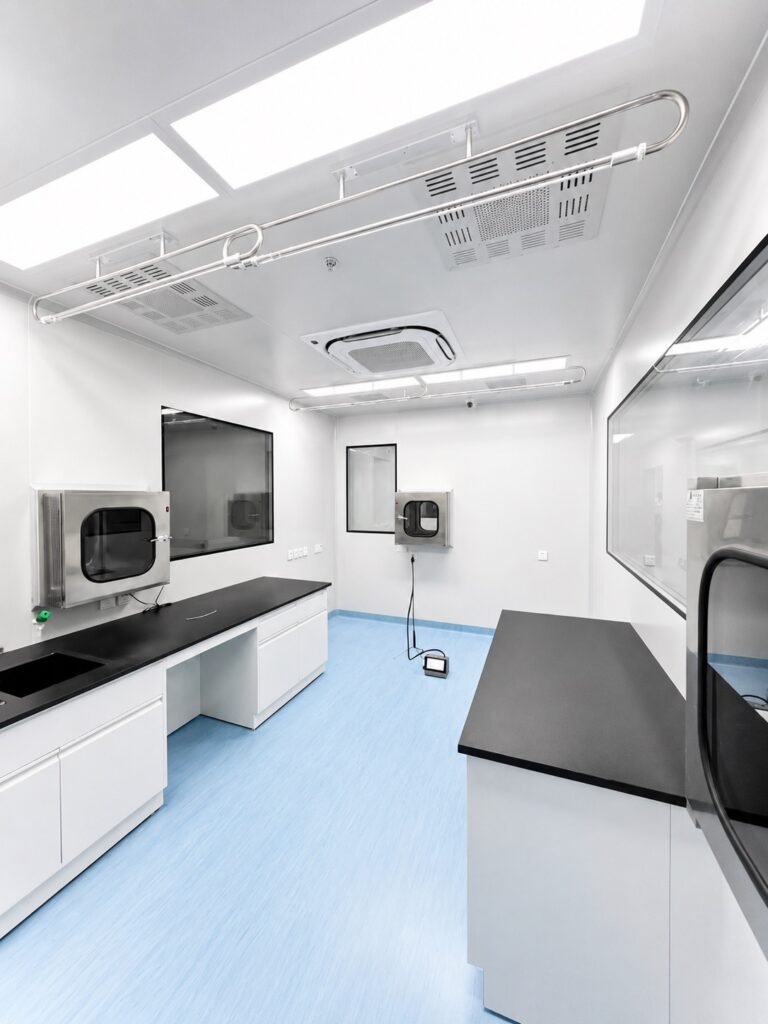
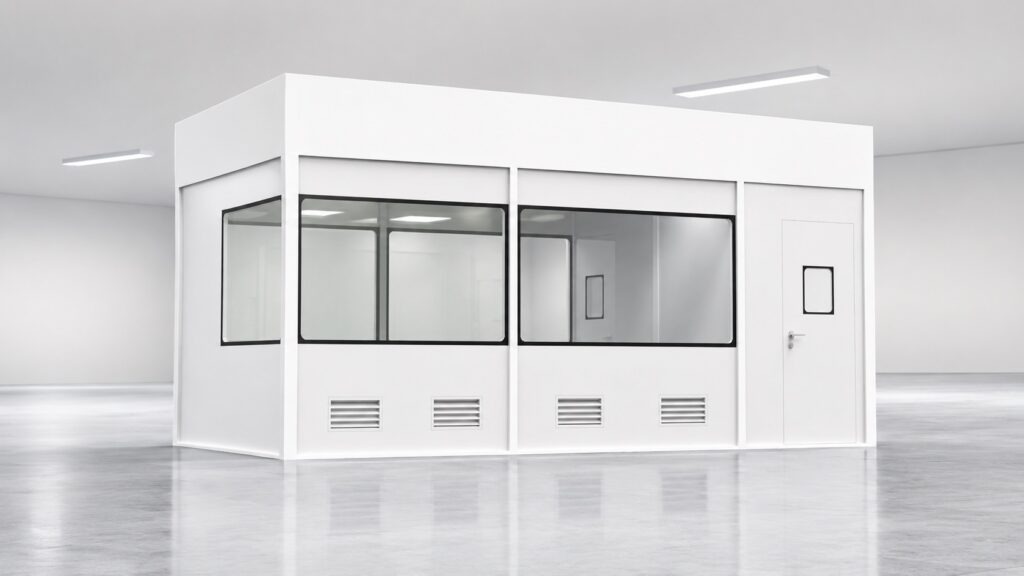
Les systèmes modulaires de salles blanches YOUTH peuvent s'adapter à des configurations à parois rigides, à parois souples, autonomes et préfabriquées, avec des unités de traitement d'air (FFU), des systèmes de filtration HEPA/ULPA, des panneaux de salle blanche, des portes, des fenêtres, des sas de transfert, des douches à air, des revêtements de sol et des équipements pour les zones d'habillage. La configuration finale doit être validée en fonction du processus de fabrication, de la classe de propreté visée, des flux de personnel et de matériaux, des conditions d'installation et des documents de transfert requis.
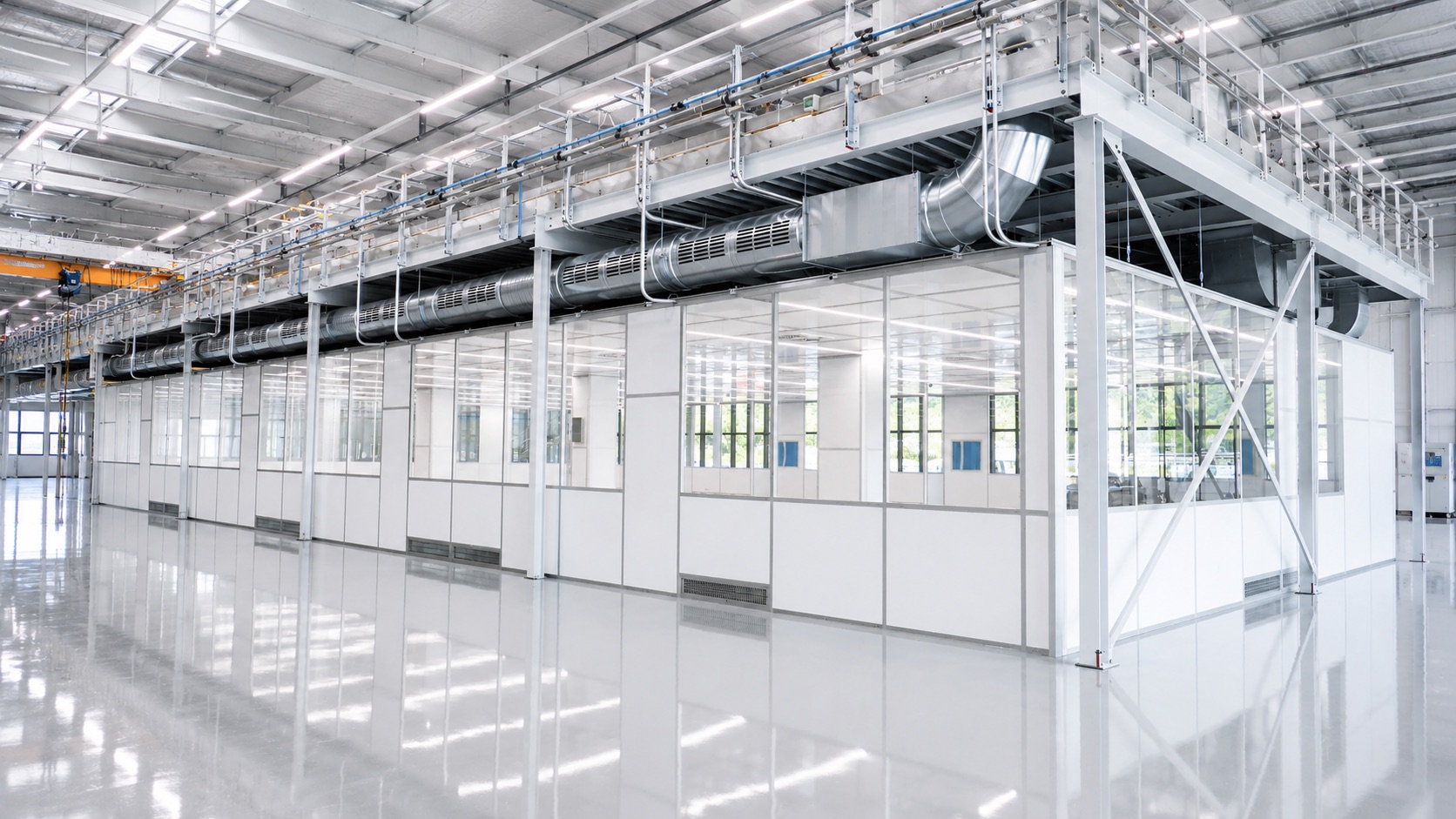
| Paramètres | 15 m² | 30 m² | 50 m² | 100 m² | |
|---|---|---|---|---|---|
| Matériau | Option A : Cadre en profilés d'aluminium / acier carré galvanisé (peinture par pulvérisation électrostatique) + panneau en acier émaillé cuit au four + vitrage creux Option B : cadre en acier inoxydable SUS304 + panneau en acier inoxydable + vitre creuse | ||||
| Classe 1–100 (ISO 3–5) | Quantité de FFU | 12 pièces | Vingt-quatre pièces | 48 pièces | 96 pièces |
| Taille de la FFU | 1 175 × 875 × 325 mm | ||||
| Changements d'air | Couverture intégrale du plafond (couverture FFU 100%) | ||||
| Classe 1K (ISO 6) | Quantité de FFU | 3 pièces | 6 pièces | 9 pièces | 18 pièces |
| Taille de la FFU | 1 175 × 875 × 325 mm | ||||
| Changements d'air | 90 à 120 ACH (ajusté en fonction des conditions extérieures) | ||||
| Classe 10K (ISO 7) | Quantité de FFU | 2 pièces | 4 pièces | 6 pièces | 12 pièces |
| Taille de la FFU | 1 175 × 875 × 325 mm | ||||
| Changements d'air | 60 à 80 ACH (ajusté en fonction des conditions extérieures) | ||||
| Vitesse de l'air | 0,45 m/s ± 20% | ||||
| Température (recommandée) | 18 à 28 °C | ||||
| Humidité (recommandée) | 50–70 %RH | ||||
| Éclairement | 400–800 lux | ||||
| Puissance | 2,4 à 7 kW | 4,8 à 10 kW | 9,6–19 kW | 19,2–30 kW | |
Structure modulaire
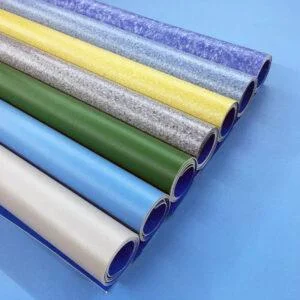
Constitué de panneaux, de cadres, de ossatures de plafond, de portes pour salles blanches et de systèmes de revêtement de sol.
Flux d'air contrôlé
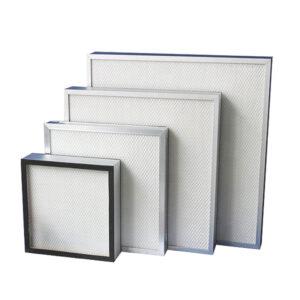
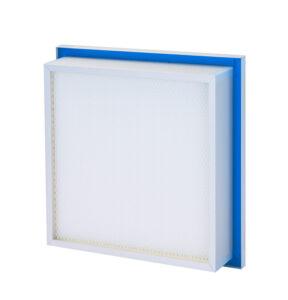
Équipé d'un module FFU, d'un système de filtration HEPA et d'options de contrôle de l'air de retour et de la pression.
Mise en page personnalisée
Conçu en fonction de votre processus de production, de la disposition de vos équipements et du flux de travail dans votre salle blanche.
Conception extensible
Peut être étendu, modifié ou mis à niveau en fonction de l'évolution de vos besoins de production.
Sélection du type de salle blanche modulaire
| Type de salle blanche | Meilleure adaptation | Ce n'est pas le modèle le plus adapté | Question clé pour l'achat |
|---|---|---|---|
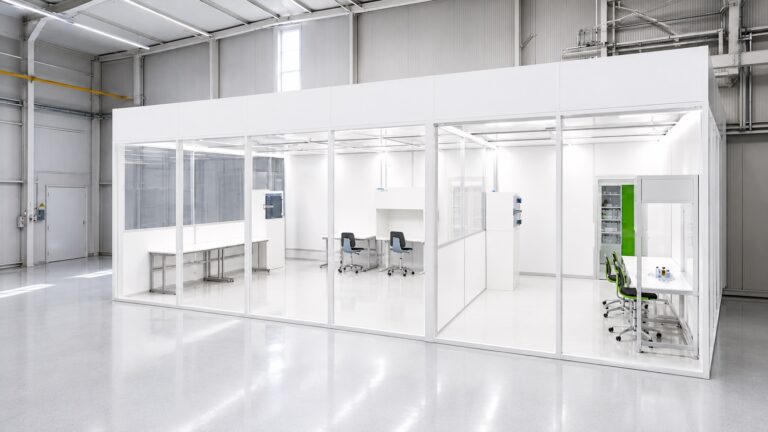
| Salle blanche modulaire à parois rigides | Production à long terme, étanchéité renforcée, stabilité accrue, zones de fabrication conformes aux BPF ou contrôlées | Projets à très court terme où la portabilité prime sur l'étanchéité | La pièce nécessite-t-elle une pression stable, une meilleure facilité de nettoyage et une utilisation à long terme ? |
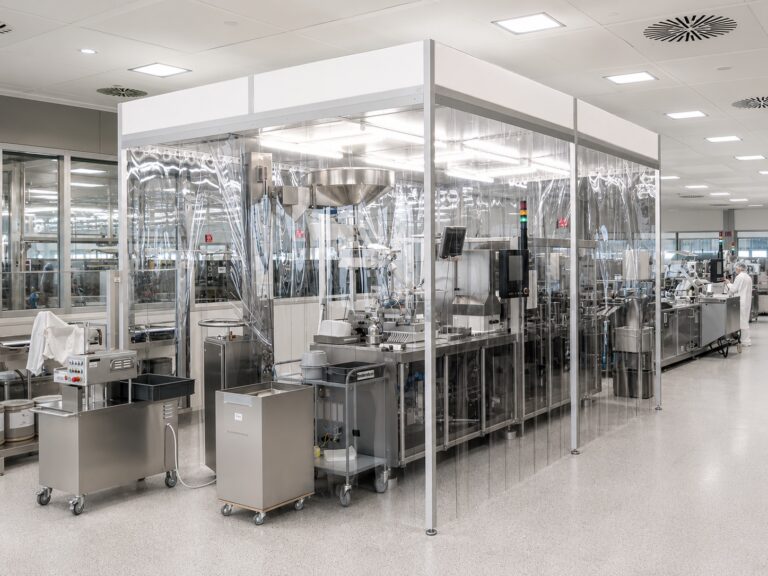
| Salle blanche à parois souples | Zones propres temporaires, production pilote, assemblage en salle blanche, applications à faible risque de classe ISO 6 à 8 | Zones à contrôle de haute pression, à grande facilité de nettoyage ou soumises à des normes GMP strictes | La mobilité est-elle plus importante que la rigidité de l'enveloppe et les performances d'étanchéité ? |
| Salle blanche modulaire destinée à l'industrie pharmaceutique | Zones de production conformes aux BPF, de préparation, d'échantillonnage, de conditionnement, de pesage et de transfert de matières | Projets nécessitant une validation complète « clé en main » des installations par un seul prestataire EPC | Quels sont les niveaux de classe de salle blanche, les schémas de circulation et les documents de qualification requis ? |
| Module pour salle blanche dédiée aux semi-conducteurs | Électronique, secteurs liés aux plaquettes, optique, assemblage de précision et production sensible aux particules | Procédés nécessitant des produits chimiques spécifiques, des services AMC ou des services techniques d'installation qui n'ont pas encore été définis | Quelle classe ISO, quelle configuration FFU/ULPA, quelles mesures de protection contre les décharges électrostatiques (ESD) et de contrôle environnemental sont nécessaires ? |
Planification de la classe ISO avant l'établissement du devis
| Niveau de propreté visé | Exemple d'utilisation dans le cadre d'un projet | Configuration Implication |
|---|---|---|
| ISO Classe 5 | Zone critique locale, salle blanche de haute pureté, certains procédés pharmaceutiques ou liés aux semi-conducteurs | Une couverture plus étendue des unités FFU et des filtres HEPA, une conception plus rigoureuse des flux d'air, des exigences de contrôle plus strictes |
| ISO Classe 6 | Fabrication de précision, salles de processus contrôlées, production à haut niveau de propreté | Une répartition équilibrée des unités FFU, un retour d'air contrôlé et une gestion rigoureuse des fuites dans la salle |
| ISO Classe 7 | Domaines courants de soutien pharmaceutique : conditionnement, assemblage en milieu propre et fabrication sous contrôle | Équilibre pratique entre le coût des salles blanches, le débit d'air et la complexité d'exploitation |
| Classe ISO 8 | Zones d'accès, zones contrôlées à faible risque, zones de stockage aseptisées, zones de soutien général | L'intensité de filtration est moindre, mais il reste nécessaire de planifier les flux de matériaux et de personnel |
Remarque : la classe ISO requise doit être confirmée par le responsable du processus, l'équipe d'assurance qualité et l'équipe d'ingénierie avant l'établissement du devis. Un fournisseur peut prendre en charge la configuration de l'équipement, mais la classification et la qualification finales dépendent des conditions d'installation et des résultats des essais.
Secteurs d'activité et applications
Fabrication de produits pharmaceutiques
Zones propres destinées au transfert de matières, à la formulation, au conditionnement, au prélèvement d'échantillons et à la production contrôlée.
Dispositifs médicaux
Environnements contrôlés destinés à l'assemblage, au contrôle, au conditionnement et aux processus liés aux dispositifs stériles.
Laboratoires et centres de recherche
Espaces propres modulaires destinés à la préparation en laboratoire, à la manipulation d'échantillons et à la mise en œuvre de protocoles expérimentaux contrôlés.
Alimentation, cosmétiques et emballages
Des environnements de production propres pour les opérations de fabrication et de conditionnement où l'hygiène est primordiale.
Électronique et semi-conducteurs
Espaces à contrôle de la concentration en particules destinés à l'assemblage de précision, aux procédés liés aux plaquettes et à la fabrication de composants électroniques.
Composants essentiels d'un système modulaire de salle blanche
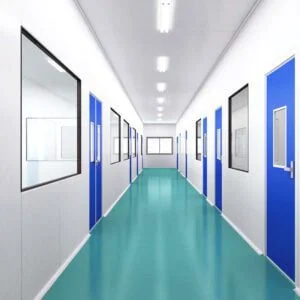
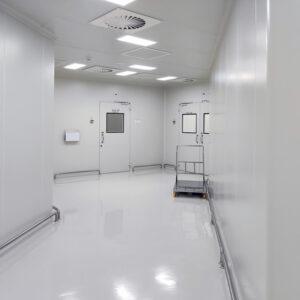
Une salle blanche modulaire n'est pas seulement une enceinte. Il s'agit d'un système complet d'environnement contrôlé construit à partir de composants compatibles avec les salles blanches. YOUTH peut fournir la structure principale de la salle blanche et les équipements connexes en fonction des exigences de votre projet.







Informations requises pour un appel d'offres concernant une salle blanche modulaire
| Données relatives à l'appel d'offres | Pourquoi c'est important |
|---|---|
| Classe ISO requise | Détermine la couverture des unités FFU/HEPA, la stratégie de circulation d'air et les exigences en matière d'essais |
| Superficie de la pièce et hauteur sous plafond | Définit le système de panneaux, l'ossature du plafond, l'éclairage, le nombre d'unités FFU et la méthode d'installation |
| Type de procédé et de produit | Permet de déterminer le risque de contamination, les besoins en matière de nettoyage et la compatibilité des matériaux |
| Applications industrielles | Les projets dans les secteurs pharmaceutique, des semi-conducteurs, des dispositifs médicaux et des laboratoires ont des priorités différentes |
| Flux de personnel et de matériel | Concerne les vestiaires, la chambre de transfert, la douche à air, les portes et le zonage des locaux |
| Préférence pour un hardwall ou un softwall | Incidences sur le coût, l'étanchéité, la mobilité, la facilité de nettoyage et la stabilité à long terme |
| Documents requis | Précise si des plans, des tests FAT, SAT, des documents relatifs aux qualifications d'installation (IQ) et d'exploitation (OQ) ou des certificats de matériaux sont nécessaires |
| Limites de responsabilité du site | Distingue le périmètre de fourniture YOUTH de celui du CVC, des travaux de génie civil, de la validation et des travaux d'installation sur site |
FAQ
Une salle blanche modulaire peut-elle être personnalisée ?
Oui. La taille de la pièce, son agencement, les matériaux des murs, le système de plafond, les portes, la conception de la circulation d'air, le niveau de filtration et les équipements associés peuvent tous être personnalisés en fonction du projet.
À quelle classe ISO vos salles blanches modulaires sont-elles adaptées ?
YOUTH est en mesure de configurer des salles blanches modulaires pour des applications courantes de classe ISO, telles que les classes ISO 5, 6, 7 et 8. La conception finale dépend des exigences du processus et des conditions du local.
Une salle blanche modulaire est-elle préférable à une construction traditionnelle ?
Pour de nombreux projets, les salles blanches modulaires permettent une installation plus rapide, une extension plus aisée, une construction plus propre et une plus grande flexibilité que les salles blanches traditionnelles construites sur site.
Pouvez-vous proposer à la fois des salles blanches à parois rigides et à parois souples ?
Oui. YOUTH propose à la fois des salles blanches modulaires à parois rigides et des salles blanches portables à parois souples.
De quelles informations avez-vous besoin avant d'établir un devis ?
Les informations les plus importantes comprennent la superficie de la salle, la classe ISO, l'application, le déroulement du processus, la disposition des équipements, le lieu d'installation et toute exigence en matière de contrôle de la température ou de l'humidité.
Une salle blanche modulaire, c'est la même chose qu'une salle blanche clé en main ?
Pas toujours. Un fournisseur de salles blanches modulaires peut fournir la structure de la salle blanche, les panneaux, les unités de filtration FFU/HEPA, les portes, les fenêtres, les sas de transfert, les douches à air et les équipements associés. Les systèmes CVC, les installations techniques du bâtiment, les travaux de génie civil et la validation finale peuvent nécessiter l'intervention de l'équipe d'ingénierie de l'acheteur, d'un maître d'œuvre EPC ou d'une équipe de validation locale. Le périmètre du projet doit être confirmé avant l'établissement du devis.
Quelle est la plus grande erreur à éviter lorsqu'on demande un devis pour une salle blanche modulaire ?
La plus grande erreur consiste à ne demander que les dimensions d'une salle sans préciser la classe ISO, le type de processus, les flux de personnel et de matériaux, la stratégie de pression, la liste des équipements et les exigences en matière de documentation. Cela entraîne généralement des demandes de précisions répétées et rend difficile la comparaison des devis des fournisseurs.