I documenti di ambito che raggruppano la fornitura delle apparecchiature e quella delle camere bianche in un’unica voce raramente superano indenni la fase di messa in servizio. Quando i test di integrità dei filtri HEPA, la classificazione del flusso d’aria e l’esecuzione delle qualifiche richiedono ciascuno un responsabile e nessuno è stato assegnato, la lacuna emerge nel momento peggiore possibile: dopo la fabbricazione, durante la revisione della preparazione del sito o nel bel mezzo di un audit di controllo qualità. La domanda che determina se un progetto riesca a evitare tale esito è specifica: cosa comprende effettivamente l’ambito delle apparecchiature e a chi spetta la responsabilità di tutto il resto? Le sezioni riportate di seguito vi aiutano a tracciare tale confine con sufficiente precisione da reggere a una revisione tecnica e a proteggere il documento dall’essere riscritto sotto pressione.
Elenco delle attrezzature che devono essere presenti nelle aree di produzione farmaceutica
Il punto di partenza per definire cosa debba essere collocato in un’area di produzione farmaceutica non è una checklist normativa, bensì un insieme di requisiti progettuali che le apparecchiature devono effettivamente soddisfare per poter essere collocate in tale area senza creare rischi di contaminazione o di non conformità. La pulibilità, la sterilizzabilità, la drenabilità, le finiture superficiali prive di fessure, l’operatività nel rispetto dei vincoli della camera bianca e la controllabilità all’interno dell’ambiente di processo sono i criteri pratici che determinano se un’unità debba essere collocata all’interno dell’area controllata o al suo confine.
L’Allegato 1 delle GMP dell’UE fornisce una giustificazione diretta del motivo per cui tali criteri esistono nella produzione sterile e controllata. Le attrezzature utilizzate in tali ambienti non devono introdurre vie di contaminazione attraverso giunti inaccessibili, incompatibilità dei materiali o progetti che non consentono la convalida della pulizia. Tale principio non si limita alle zone sterili, ma riflette la logica di fondo secondo cui qualsiasi attrezzatura a contatto con il prodotto, i prodotti intermedi o il confezionamento primario deve soddisfare tali requisiti di progettazione prima di essere inserita in un’area di produzione farmaceutica.
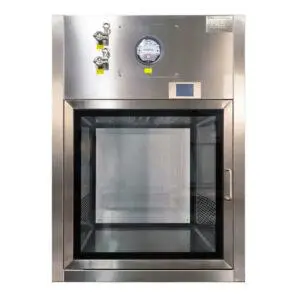
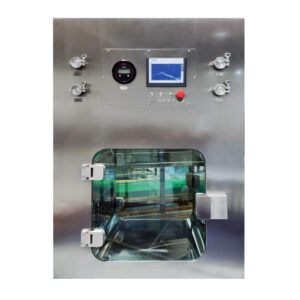
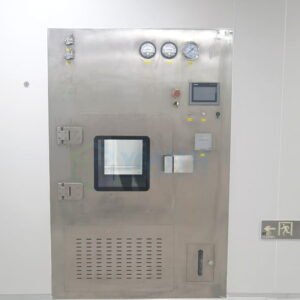
L’implicazione pratica durante la definizione dell’ambito è che ogni unità deve essere valutata in base a questi criteri prima di essere confermata come rientrante nell’ambito. Un portello di trasferimento con una guarnizione della porta soggetta alla formazione di fessure, una cabina di distribuzione senza un protocollo di pulizia convalidato o una cabina di biosicurezza che non può essere decontaminata in loco possono tecnicamente rientrare nella stanza, ma non possono essere adeguatamente qualificate. L’identificazione di tali lacune durante la definizione dell’ambito è recuperabile. Individuarle dopo la fabbricazione o l’installazione comporta una rielaborazione difficile da giustificare al reparto QA e ancora più difficile da chiudere nella documentazione.
Confini che mantengono separate le responsabilità relative a HVAC, EPC e validazione
La fonte principale di confusione riguardo all’ambito di intervento nei progetti di camere bianche farmaceutiche non risiede nei sistemi principali, bensì nel presupposto che un pacchetto di apparecchiature includa implicitamente le condizioni necessarie al loro funzionamento. Gli impianti HVAC nelle strutture con camere bianche possono rappresentare oltre il 60% del consumo energetico del sito. A tale livello, l’appaltatore HVAC è un partecipante a sé stante al progetto, con propri obblighi di progettazione, messa in servizio e bilanciamento. Considerare tale ambito come una conseguenza a valle della fornitura delle apparecchiature crea una lacuna strutturale: le apparecchiature arrivano in loco, ma nessun soggetto designato è responsabile delle condizioni del flusso d’aria da cui esse dipendono.
Questo schema si ripete lungo cinque confini comuni, e l’errata attribuzione di uno qualsiasi di essi ritarda la revisione tecnica o sposta la responsabilità in una zona grigia dal punto di vista contrattuale.
| Ambito di applicazione | Un malinteso comune | Cosa chiarire |
|---|---|---|
| Dimensionamento degli impianti di climatizzazione e progettazione del flusso d’aria (unità di trattamento aria, posizionamento delle griglie, flusso a tappo, protezione dell’aria primaria) | Spesso incluso nel pacchetto di attrezzature, come se il fornitore dovesse garantire condizioni da camera bianca a tutti gli effetti | La progettazione, l'installazione e il bilanciamento degli impianti di climatizzazione sono di competenza dell'appaltatore HVAC/EPC, non del fornitore delle apparecchiature |
| Certificazione delle camere bianche (verifica della classe/del grado) | Previsto nell'ambito della consegna e della messa in servizio delle attrezzature | I test di certificazione rientrano nell'ambito della validazione o della messa in servizio degli impianti HVAC, a prescindere dalla fornitura delle apparecchiature |
| Verifica dell'integrità del filtro HEPA (test DOP) | Si presume che sia incluso nella fornitura del filtro | I test successivi all'installazione volti a verificare l'efficienza e la tenuta costituiscono un'attività di verifica a sé stante, che non rientra nella consegna dell'apparecchiatura |
| Qualificazione delle apparecchiature (URS, DQ, IQ, OQ, PQ) | Si ritiene che tale operazione venga eseguita dal produttore nell'ambito della fornitura | La qualificazione è un processo di convalida a sé stante, di competenza dell'utente finale o del team di convalida, non del fornitore dell'apparecchiatura |
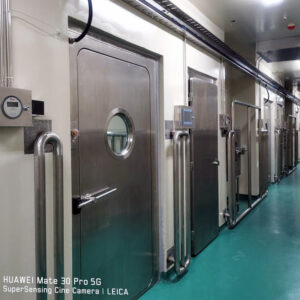
| Specifiche delle porte per camere bianche (senso di apertura, non scorrevoli) | Assegnato in modo errato all'ambito delle attrezzature | La progettazione delle porte è un elemento costruttivo e rientra nell'ambito dell'EPC o in quello architettonico |
Il confine della qualificazione merita un’attenzione particolare. La qualificazione delle apparecchiature — dalle specifiche dei requisiti dell’utente alla qualificazione di progettazione, installazione, operativa e delle prestazioni — è di competenza dell’utente finale o del team di validazione, non del fornitore delle apparecchiature. L’Allegato 15 del Volume 4 dell’EudraLex stabilisce il quadro di riferimento per la qualificazione che disciplina questo processo. Un fornitore può produrre la documentazione a supporto dell’esecuzione dell’IQ e dell’OQ, ma l’esecuzione e la titolarità del protocollo di qualificazione costituiscono un’attività distinta che deve essere esplicitamente assegnata prima dell’approvazione dell’ambito di applicazione. I progetti che presumono che sia il fornitore a gestire tale aspetto tendono a riscontrare questa lacuna quando inizia la pianificazione della validazione e non esiste alcun responsabile del protocollo.
Il punto relativo alle specifiche delle porte è di minore entità, ma significativo dal punto di vista operativo. La direzione di apertura, la compatibilità con i differenziali di pressione dell’aria e il divieto di utilizzare porte scorrevoli in determinati livelli di classe delle camere bianche sono scelte progettuali. Affidarne la definizione a un fornitore di attrezzature comporta ordini di modifica, ritardi e, talvolta, conflitti fisici con la disposizione della stanza, che risultano costosi da risolvere una volta che la stanza è stata costruita.
Famiglie di prodotti associate a rischi di processo e di trasferimento esposti
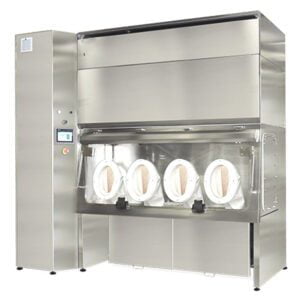
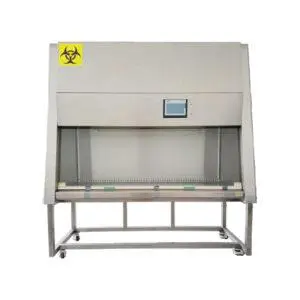
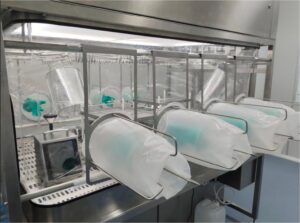
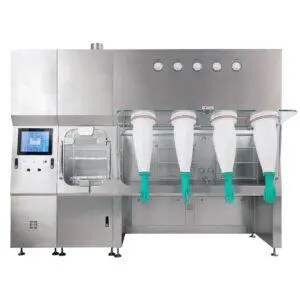
Alcune famiglie di prodotti concentrano i rischi di contaminazione legati ai processi e ai trasferimenti in modi che rendono la definizione dell’ambito di responsabilità particolarmente rilevante. Le cabine di biosicurezza ne sono un esempio. Negli ambienti di laboratorio e di produzione farmaceutica, la questione se una cabina di biosicurezza debba rientrare nell’ambito della fornitura delle attrezzature o dell’allestimento del laboratorio rimane spesso irrisolta nelle prime fasi di un progetto — e tale ambiguità crea un rischio concreto. Se l’unità viene specificata nell’ambito dell’allestimento, potrebbe non soddisfare i requisiti di documentazione GMP, la documentazione di supporto alla convalida della pulizia o i criteri di progettazione per la decontaminazione che il controllo qualità farmaceutico si aspetta. Se invece rientra nell’ambito delle attrezzature senza un responsabile dell’installazione designato, viene fornita senza integrazione nel flusso d’aria o nell’infrastruttura elettrica della sala.
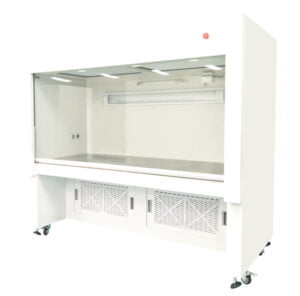
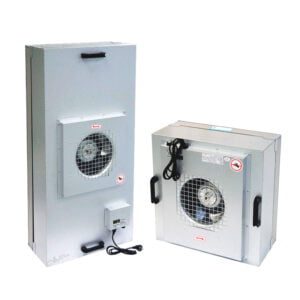
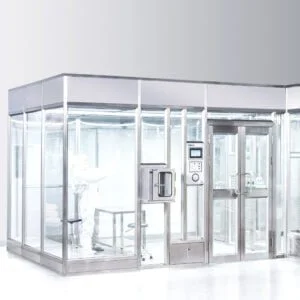
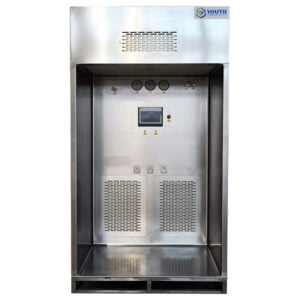
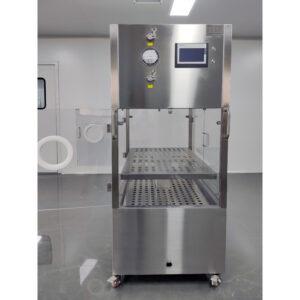
Unità di filtraggio del ventilatore e cabine di erogazione, campionamento e pesatura Si tratta di famiglie di prodotti in cui il rischio di contaminazione è concentrato nell’interfaccia tra operatore, materiale e flusso d’aria. Le prestazioni della cabina dipendono da un flusso d’aria laminare correttamente orientato, e tali prestazioni sono verificabili solo dopo l’installazione dell’unità e il bilanciamento dell’impianto di climatizzazione della stanza. La norma ISO 14644-4:2022 fornisce il quadro di riferimento per i requisiti degli elementi delle camere bianche ed è utile in questo contesto come riferimento per le attività di verifica richieste; tuttavia, tali attività devono essere esplicitamente assegnate a un soggetto specifico. Esse non vengono trasferite all’acquirente come parte della fornitura dei filtri o dell’unità.
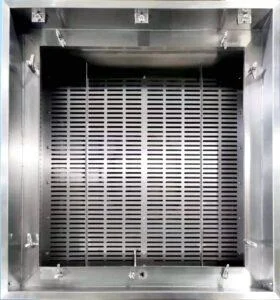
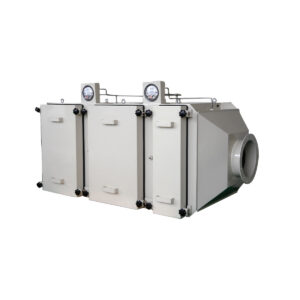
Il monitoraggio e il collaudo dei filtri HEPA occupano una posizione analoga nella pianificazione. La fornitura dei filtri e i test di integrità post-installazione — test di sfida con DOP o PAO per verificare l’efficienza e la tenuta — sono attività distinte. Una rientra nell’ambito delle apparecchiature; l’altra deve essere di competenza del team di messa in servizio dell’impianto HVAC o del programma di validazione. Tralasciare questa distinzione costituisce un errore di approvvigionamento che si manifesta come conflitto di tempistiche quando iniziano le revisioni sulla prontezza del sito.
Errori relativi all'ambito di applicazione che ritardano la revisione tecnica e quella di controllo qualità
Gli errori che più spesso causano un blocco della revisione tecnica e di controllo qualità non sono quelli evidenti che riguardano le assegnazioni principali del sistema. Si tratta piuttosto di decisioni di livello intermedio che si modificano durante la definizione dell’ambito di progetto e diventano visibili solo quando un revisore pone una domanda specifica e non esiste una risposta chiara.
La classificazione in gradi è uno degli aspetti più rilevanti. Classificare una sala non sterile come di grado D impone gli obblighi di piena conformità all’Allegato 1 in un ambito che non è mai stato progettato, preventivato o valutato a tal fine. Questa sovraspecificazione spesso nasce da un istinto conservativo durante la fase iniziale di pianificazione — a una sala viene assegnato un grado più elevato per evitare un rischio percepito — ma la conseguenza a valle è un onere di qualificazione, una specifica costruttiva e un requisito di selezione delle attrezzature che il team di progetto non aveva preventivato né valutato. Quando il reparto di controllo qualità (QA) esamina infine il documento di definizione dell’ambito e individua la discrepanza tra il rischio effettivo del processo della sala e il grado assegnatole, ridefinire i confini richiede una nuova verifica delle ipotesi in più aree dell’ambito contemporaneamente. Tale revisione richiede tempo che il programma di progetto in genere non prevede.
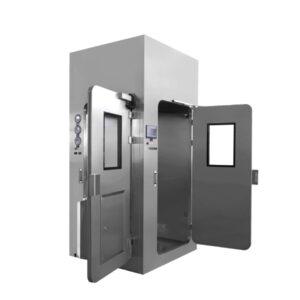
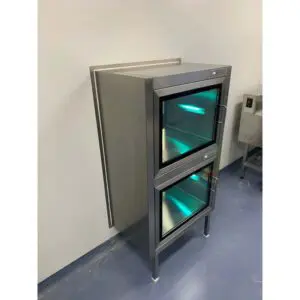
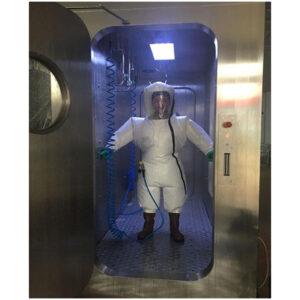
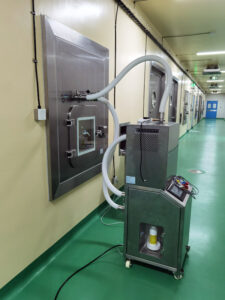
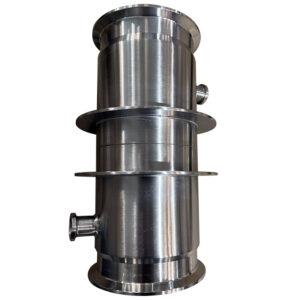
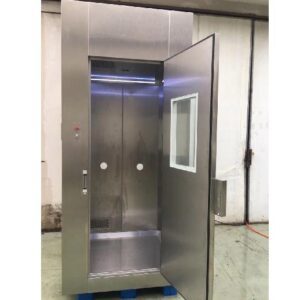
Un errore strutturalmente simile si verifica quando le cabine di sicurezza biologica o Camere di passaggio VHP rimangono senza un responsabile chiaramente designato per l’ambito di competenza. Entrambe sono prodotti a rischio di trasferimento — unità che si trovano al confine tra aree classificate e non classificate, oppure tra zone di processo. Se né la fornitura delle attrezzature né l’allestimento del laboratorio le rivendicano esplicitamente, le unità spesso compaiono in entrambi gli ambiti a livello di sintesi e in nessuno dei due a livello di dettaglio. Il risultato è che nessuna delle parti si è impegnata a fornire la documentazione di convalida della decontaminazione, le specifiche di interfaccia del sito o il supporto per la qualificazione dell’installazione che il controllo qualità richiederà al momento della messa in servizio.
Il modello che caratterizza questi errori è costante: i documenti relativi all’ambito di progetto redatti in prosa narrativa tendono a comprimere i confini, costringendo il revisore a valle a ridefinirli. Un ambito di progetto che separi in colonne distinte le unità fornite, i lavori esclusi, le interfacce con il sito e i documenti da consegnare è strutturalmente resistente a tale compressione. Un ambito di progetto redatto come una descrizione fluida di ciò che il progetto comprende non lo è. Per un’ulteriore valutazione di come la documentazione del fornitore debba essere strutturata in base a questi criteri, il Guida all'approvvigionamento di attrezzature per camere bianche e alla valutazione dei fornitori illustra in modo più dettagliato il processo di revisione della documentazione.
Documentazione del punto di approvazione dopo la registrazione dei lavori forniti ed esclusi
Il punto di approvazione per un attrezzature per camera bianca Il documento di definizione dell'ambito non costituisce una tappa fondamentale del progetto nel senso convenzionale del termine: è il momento in cui il documento può essere consegnato a un revisore tecnico o a un responsabile del controllo qualità senza sollevare immediatamente dubbi su chi sia responsabile di cosa. Tale momento si verifica solo quando le unità fornite, le attività escluse, le interfacce con il sito e i documenti da consegnare sono distinti per iscritto, anziché descritti insieme in modo tale da consentire a persone ragionevoli di giungere a conclusioni diverse in merito alle responsabilità.
La logica è pratica. Un ambito di applicazione ristretto che specifichi esattamente ciò che il fornitore delle apparecchiature consegna — e indichi chiaramente ciò che è escluso, tra cui la progettazione degli impianti di climatizzazione, i test di certificazione delle camere bianche, la verifica dell’integrità dei filtri HEPA, l’esecuzione della qualificazione delle apparecchiature e gli elementi di costruzione civile come le porte — riduce il margine di disallineamento in seguito. Tale restrizione rende inoltre il documento difendibile in caso di audit, poiché ogni confine di responsabilità può essere ricondotto a una riga specifica nell’ambito di applicazione piuttosto che dedotto dal testo circostante.
Un pacchetto più ampio che raggruppi più attività sotto un unico ambito può favorire l’efficienza nell’approvvigionamento, ma solo se a ciascuna interfaccia viene assegnato un responsabile specifico prima che l’ambito venga approvato. Senza tale assegnazione, un ambito più ampio non semplifica il coordinamento, ma moltiplica i punti in cui le ipotesi possono divergere. La decisione di approvazione non riguarda l’ampiezza dell’ambito, ma il fatto che ogni confine nel documento sia sufficientemente esplicito da impedire a chi lo leggerà in seguito di interpretarlo in modo errato.
L'approvazione dell'ambito di applicazione per le apparecchiature destinate alle camere bianche GMP rappresenta il momento in cui ogni presupposto relativo a chi effettua la consegna, chi esegue l'installazione, chi effettua i test e chi procede alla qualificazione deve essere messo per iscritto — senza che ciò sia implicito in ciò che il documento non dice. I progetti che incontrano minori difficoltà in fase di messa in servizio sono quelli in cui il documento relativo all'ambito di applicazione è stato considerato come una matrice delle responsabilità, non come una descrizione d'acquisto.
Prima di approvare qualsiasi documento relativo all’ambito di lavoro, è necessario verificare che le unità fornite siano specificate in dettaglio con i relativi criteri di progettazione, che i lavori esclusi siano indicati esplicitamente anziché essere lasciati come una semplice clausola di esclusione generica, che le interfacce con il sito abbiano un responsabile designato dalla controparte e che i risultati attesi del documento — pacchetti di supporto IQ, dati per la convalida della pulizia, specifiche di decontaminazione — siano elencati a fronte della parte che li produrrà. È proprio questa struttura a reggere quando il reparto QA esamina il fascicolo e si chiede se l’ambito sia stato progettato per essere sottoposto a audit o semplicemente per chiudere la procedura di appalto.
Domande frequenti
D: E se il progetto si avvalga di un appaltatore che opera con la formula “design-build” o EPC, la logica relativa ai confini dell’ambito di applicazione è comunque valida?
R: Sì, e diventa sempre più importante, non meno. Quando un unico appaltatore EPC si occupa di più ambiti, i confini interni tra la fornitura delle apparecchiature, la progettazione degli impianti di climatizzazione, i lavori di ingegneria civile e l’esecuzione della validazione possono diventare sfocati all’interno del contratto, pur rimanendo ben definiti in termini di responsabilità. Se tali confini non sono specificati per iscritto nel pacchetto EPC, le stesse lacune emergono in fase di messa in servizio — ma sono semplicemente più difficili da risolvere perché le parti responsabili condividono un unico contratto principale. Per ogni sotto-ambito è comunque necessario che le unità fornite, i lavori esclusi, le interfacce in cantiere e la documentazione da consegnare siano definiti separatamente per iscritto, con un responsabile designato per ciascuna interfaccia, indipendentemente dalla struttura del contratto principale.
D: Una volta approvato il documento di definizione dell'ambito, quali sono i passaggi da seguire prima di avviare la produzione delle apparecchiature?
R: Il passo immediatamente successivo consiste nel verificare che i responsabili dell’interfaccia del sito indicati nel documento di ambito abbiano accettato per iscritto le proprie responsabilità. L’approvazione dell’ambito definisce i confini sulla carta; non comunica automaticamente all’appaltatore HVAC che è responsabile della verifica del bilanciamento del flusso d’aria, né al team di convalida che è responsabile dell’esecuzione dei protocolli IQ e OQ. Se tali conferme non vengono raccolte prima dell’inizio della fabbricazione, i confini dell’ambito esistono in un unico documento ma non negli accordi di coordinamento del progetto — e questa lacuna riappare quando ha inizio la revisione della prontezza del sito.
D: A che punto l’aggiunta di ulteriori famiglie di prodotti a un pacchetto di attrezzature smette di essere vantaggiosa e inizia a comportare rischi di coordinamento?
R: Il criterio determinante è se, prima dell’approvazione dell’ambito di intervento, ogni famiglia aggiunta abbia un responsabile dell’interfaccia designato dal lato del sito. Un pacchetto di apparecchiature più ampio può favorire l’efficienza nell’approvvigionamento quando l’acquirente ha già assegnato l’integrazione, l’installazione e la verifica dell’impianto HVAC a soggetti specifici. Quando tali assegnazioni non esistono, l’aggregazione di ulteriori unità nell’ambito delle apparecchiature non riduce la complessità del coordinamento, ma trasferisce le questioni irrisolte relative alle interfacce alla fase di approvvigionamento, lasciandovele fino a quando la messa in servizio non ne impone una risoluzione. L’ampiezza del pacchetto non è il fattore di rischio; lo è invece l’assenza di una responsabilità assegnata per le interfacce.
D: Il pacchetto di documentazione fornito dal fornitore delle apparecchiature può sostituire il protocollo IQ/OQ redatto dall'acquirente?
R: No. Un fornitore può produrre documentazione a supporto dell’esecuzione delle prove di qualificazione di immunità (IQ) e operative (OQ) — registrazioni dei test di accettazione in fabbrica, disegni dimensionali, certificazioni dei materiali e dati per la convalida della pulizia — ma tale documentazione costituisce materiale di riferimento, non una qualificazione completata. Ai sensi dell’Allegato 15 del Volume 4 di EudraLex, il protocollo di qualificazione deve essere di proprietà e deve essere eseguito dall’utente finale o dal suo team di convalida delegato. Considerare il pacchetto di documentazione di un fornitore equivalente a una qualificazione completata costituisce un’ipotesi di ambito che il reparto QA respingerà al momento della messa in servizio, e risolverla dopo che l’apparecchiatura è già in loco richiede tempo per la redazione, l’esecuzione e la revisione del protocollo che il programma raramente riesce a assorbire senza problemi.
D: Questo approccio di separazione degli ambiti è applicabile anche nel caso in cui la camera bianca sia di piccole dimensioni — ad esempio un'area di dosaggio costituita da un unico locale o un'unità di produzione di principi attivi (API) su piccola scala?
R: Sì, e i progetti più piccoli sono più vulnerabili agli errori di delimitazione descritti nell’articolo, non meno. Nei grandi progetti, la presenza di appaltatori distinti per gli impianti di climatizzazione, le opere civili e la validazione crea una separazione naturale dell’ambito di intervento, poiché ciascuna parte tutela le proprie responsabilità. In un progetto di piccole dimensioni, in cui sono coinvolte meno parti, la stessa persona o azienda potrebbe presentare un'offerta che copre contemporaneamente più aree di ambito, il che rende più facile che i confini si riducano a un unico ordine di acquisto senza un'assegnazione esplicita delle responsabilità. Le conseguenze — test di integrità dei filtri HEPA senza un soggetto responsabile, esecuzione delle qualifiche non assegnata, interfacce del sito non documentate — sono le stesse indipendentemente dalle dimensioni della sala, e lo sforzo di recupero non si riduce proporzionalmente alle dimensioni del progetto.