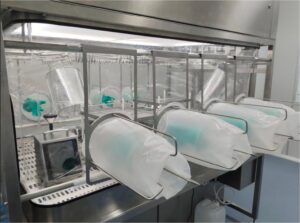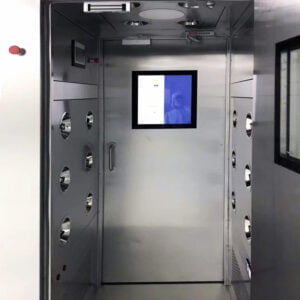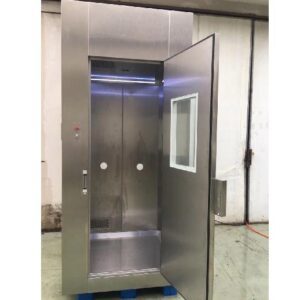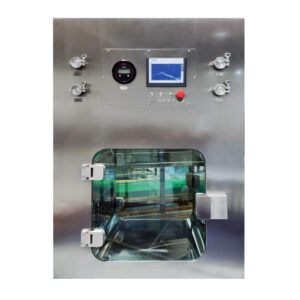
La scelta di un produttore prima che sia stato definito l’ambito completo del progetto è uno degli errori più comuni e costosi nell’approvvigionamento di camere bianche. Spesso gli acquirenti scoprono, al momento della messa in servizio o durante un audit normativo, che i disegni di installazione, le certificazioni dei materiali e i verbali dei test di fabbrica non sono mai stati inclusi nel contratto originale — non perché il produttore si sia rifiutato di fornirli, ma perché nessuno li aveva richiesti per iscritto prima dell’inizio della produzione. Tale omissione può ritardare l’entrata in funzione, bloccare la validazione o costringere a costose rielaborazioni quando un ingegnere di validazione o un ispettore richiede documentazione che non esiste. La questione pratica non è se un produttore sia in grado di costruire una camera bianca, ma se l’ambito di fornitura, gli obblighi di documentazione e il processo di revisione siano definiti con sufficiente chiarezza da superare una revisione di qualificazione.
Gamma di prodotti del produttore: pannelli, controsoffitti, FFU e sistemi di controllo
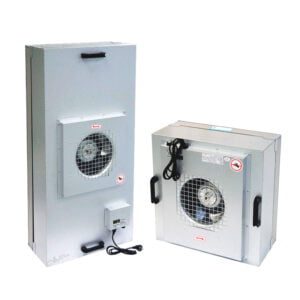
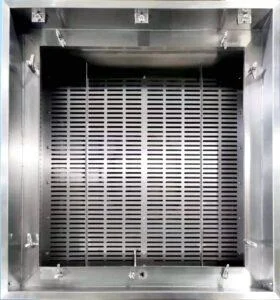
Un produttore che fornisce solo pannelli a parete, aspettandosi che altri si occupino di procurare la griglia a soffitto, le unità di filtraggio con ventilatore (FFU), le porte e i passaggi, non sta fornendo un sistema per camere bianche — sta fornendo un componente. Il divario di coordinamento tra sottosistemi approvvigionati separatamente è il punto in cui si accumula il rischio di interfaccia: una griglia a soffitto da un fornitore, le FFU da un altro e i pannelli da un terzo raramente arrivano con coordinate di penetrazione, portate di carico o percorsi di cablaggio già definiti in modo coordinato. Verificare che un unico produttore copra l’intera gamma di componenti prima di emettere un ordine di acquisto riduce sostanzialmente tale rischio.
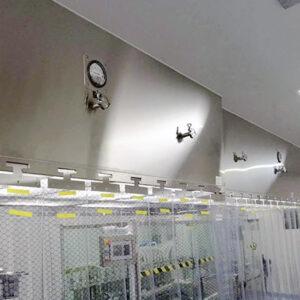
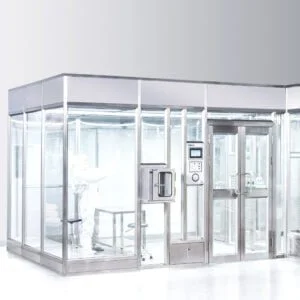
Le camere bianche con pareti rigide, realizzate con montanti in alluminio anodizzato e sistemi di pannelli rigidi, possono sopportare i differenziali di pressione interna necessari per raggiungere le classificazioni da ISO 5 a ISO 8, a seconda della configurazione dell’impianto di trattamento dell’aria. Si tratta di un parametro progettuale legato alle caratteristiche strutturali e di tenuta del sistema di pannelli, non di un risultato universale ottenibile con qualsiasi tipo di assemblaggio delle pareti. Il design del soffitto a ricircolo — in cui l’aria filtrata con filtri HEPA ritorna attraverso le camere delle pareti laterali anziché essere espulsa all’esterno — migliora sia la durata dei filtri che il controllo dell’umidità nel tempo, ma comporta un costo iniziale maggiore. I sistemi a passaggio singolo hanno costi di installazione inferiori e sono adatti ad applicazioni con classificazioni inferiori, dove l’economicità operativa è una preoccupazione secondaria. Nessuna delle due opzioni è la scelta predefinita corretta; sono l’obiettivo di classificazione dell’acquirente e il budget per il ciclo di vita a determinare quale configurazione sia più adatta.
La prefabbricazione dei pannelli con linee di giunzione ben definite consente di integrare in fabbrica le aperture per le porte, i fori per i portelli di trasferimento e i telai delle finestre, anziché ricavarli in cantiere. La modifica in cantiere di un pannello prefabbricato — in particolare per adattarlo a uno spostamento di una porta deciso in fase avanzata o a un passaggio non previsto nei disegni originali — compromette l’integrità strutturale e la tenuta del pannello e quasi sempre causa ritardi nella tabella di marcia. I sistemi a parete morbida, al contrario, utilizzano una griglia tubolare in acciaio per il soffitto con unità HEPA motorizzate e illuminazione imbullonata, e possono essere realizzati su ruote con freno per garantire la mobilità. Sono adatti ad ambienti di avviamento o a esigenze temporanee di camere bianche in cui non è richiesta la pressurizzazione ISO 5, e un produttore che offre sia configurazioni a parete rigida che a parete morbida offre all’acquirente più opzioni nella fase di definizione dell’ambito del progetto.
Ogni componente comporta un onere di verifica specifico e un rischio specifico a valle qualora il produttore non lo fornisca direttamente.
| Componente | Cosa verificare | Rischi in caso di mancata fornitura |
|---|---|---|
| Pannelli a parete | Pannelli prefabbricati con giunti ben definiti e supporto per montanti in alluminio anodizzato | Le modifiche apportate in fase avanzata sono costose; potenziali perdite di pressione |
| Griglia a soffitto | Griglia tubolare in acciaio integrata con FFU, illuminazione e camere di ritorno dell'aria | Un soffitto non compatibile potrebbe non consentire l'integrazione di filtri HEPA o il controllo della pressione |
| FFU e HEPA | Progetto a ricircolo per garantire la durata del filtro e il controllo dell'umidità rispetto al compromesso in termini di costi del sistema a passaggio singolo; accesso al filtro HEPA per la manutenzione | Una scelta errata delle unità influisce sui costi operativi e sulla classificazione ISO |
| Porte e finestre | Porte con rivestimento in acciaio, portelli di trasferimento e finestre preintegrati durante la fabbricazione dei pannelli | Il taglio in cantiere compromette l'integrità dei pannelli e ritarda i tempi di realizzazione |
| Opzione Softwall | Telaio in tubolare d'acciaio con filtro HEPA motorizzato, illuminazione fissata con bulloni, rotelle con freno per garantire la mobilità | La mancanza dell'opzione "portatile" limita l'avvio o l'utilizzo temporaneo delle applicazioni |
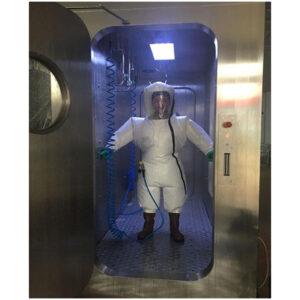
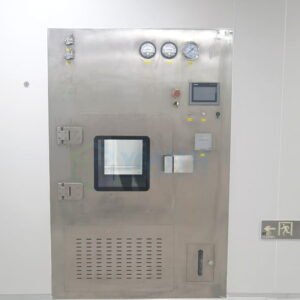
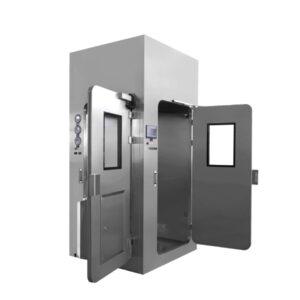
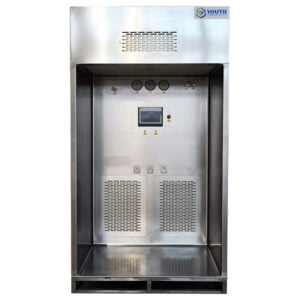
| Passaggi e docce d'aria | Aperture prefabbricate per camere di passaggio e docce d’aria | Il maggiore coordinamento con fornitori esterni aumenta il rischio di interfaccia |
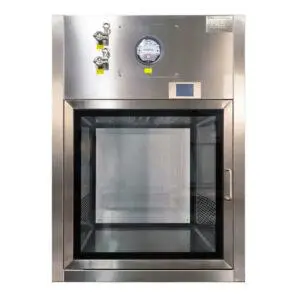
La lacuna più rilevante in questo elenco è solitamente rappresentata dalla categoria dei pass-through e delle camere a pioggia d’aria. Quando questi componenti vengono acquistati separatamente, il produttore dei pannelli ha già definito le dimensioni delle aperture e qualsiasi discrepanza con la camera acquistata separatamente richiede o un nuovo ordine di pannelli o modifiche in loco — entrambe con implicazioni in termini di costi e tempistiche che non erano state previste nel contratto originale.
Le prove relative ai disegni, ai materiali e ai registri di produzione di cui gli acquirenti hanno bisogno
| Tipo di documento | Cosa confermare | Perché è importante |
|---|---|---|
| Disegni di installazione | Progetti realizzati in fabbrica conformi alla norma ISO 14644-1, che specificano la disposizione, la pressione, l’illuminazione e i livelli di rumore | In assenza di disegni approvati, la camera bianca potrebbe non soddisfare gli standard operativi |
| Dati sui materiali | Certificazioni e specifiche tecniche relative a pannelli, filtri, porte e componenti strutturali | La mancanza di dati sui materiali rende impossibile verificare la durata e l'idoneità all'uso in camera bianca |
| Documentazione relativa alle prove in fabbrica | Risultati dei test relativi a temperatura, umidità, differenza di pressione e prestazioni acustiche | L'assenza di registrazioni dei test impedisce all'acquirente di verificare che la camera bianca soddisfi i requisiti normativi |
Una camera bianca che funziona correttamente all’avvio ma di cui mancano i documenti tecnici di fabbrica che dimostrino che è stata progettata e costruita secondo le specifiche crea un problema di convalida, non solo un inconveniente documentale. Ai sensi della norma ISO 14644-4:2022, la documentazione di progettazione e costruzione di una camera bianca deve specificare i parametri prestazionali, tra cui temperatura, umidità, differenziale di pressione, livelli di illuminazione e rumore — non come supplemento facoltativo, ma come parte della base probatoria a sostegno della qualificazione del progetto. Se il produttore non ha mai redatto tali documenti, l’acquirente non può generarli a posteriori, e un ingegnere di convalida o un ispettore normativo che operi in conformità ai requisiti dell’Allegato 15 di EudraLex identificherà probabilmente tale assenza come una lacuna nel pacchetto di qualificazione.
I dati relativi ai materiali sono spesso considerati un aspetto di bassa priorità durante le trattative di approvvigionamento, ma diventano un problema di alta priorità durante la messa in servizio. Le certificazioni delle superfici dei pannelli, le specifiche dei materiali filtranti, la compatibilità dei telai delle porte con i detergenti e le classificazioni dei componenti strutturali contribuiscono tutti alla manutenzione della camera bianca e alla sua conformità normativa. Un acquirente che accetta un’installazione completata senza tali documentazione non dispone di un punto di riferimento per valutare se un componente sostitutivo, dopo due anni, sia conforme alle specifiche originali.
I verbali di collaudo in fabbrica — che riguardano le prestazioni relative al differenziale di pressione, l’uniformità della temperatura e l’integrità dei filtri HEPA, come verificato prima della spedizione — svolgono una funzione diversa rispetto ai disegni di installazione. Essi dimostrano che il produttore ha verificato le prestazioni in fase di produzione, non solo al momento dell’installazione. Tale distinzione è importante quando un test post-installazione risulta fallito e ci si chiede se il problema abbia origine nell’apparecchiatura stessa o nell’installazione in loco. Senza i verbali di collaudo in fabbrica, l’acquirente si fa carico di tutto l’onere diagnostico.
| Tipo di documento | Cosa confermare | Perché è importante |
|---|---|---|
| Disegni di installazione | Progetti realizzati in fabbrica conformi alla norma ISO 14644-1, che specificano la disposizione, la pressione, l’illuminazione e i livelli di rumore | In assenza di disegni approvati, la camera bianca potrebbe non soddisfare gli standard operativi |
| Dati sui materiali | Certificazioni e specifiche tecniche relative a pannelli, filtri, porte e componenti strutturali | La mancanza di dati sui materiali rende impossibile verificare la durata e l'idoneità all'uso in camera bianca |
| Documentazione relativa alle prove in fabbrica | Risultati dei test relativi a temperatura, umidità, differenza di pressione e prestazioni acustiche | L'assenza di registrazioni dei test impedisce all'acquirente di verificare che la camera bianca soddisfi i requisiti normativi |
La verifica pratica relativa agli appalti è semplice: prima della firma del contratto, richiedere al produttore di fornire un elenco dei documenti che indichi ogni singolo prodotto da consegnare, il relativo formato e la fase del progetto in cui verrà emesso. Se il produttore non è in grado di fornire tale elenco durante la fase di presentazione dell’offerta, la stessa assenza è indicativa di come funziona il suo processo di documentazione.
Per gli acquirenti impegnati nel processo di qualificazione dei fornitori, il Guida all'acquisto di apparecchiature per camere bianche e alla valutazione dei fornitori fornisce un quadro strutturato per valutare gli obblighi del produttore in materia di documentazione prima dell'acquisto.
Compromessi tra produttori diretti e integratori
La scelta tra un produttore diretto e un modello basato su integratori o rivenditori non riguarda solo il prezzo, ma determina anche chi detiene la tracciabilità delle revisioni dei disegni, chi risolve i conflitti di interfaccia tra i sottosistemi e chi è responsabile quando un validatore chiede quale organizzazione abbia certificato un componente specifico. Queste questioni relative alla responsabilità sono facili da rimandare durante la fase di approvvigionamento, ma difficili da risolvere nel corso della validazione.
I produttori diretti che dispongono di ingegneri progettisti interni sono in grado di rispondere a richieste di progettazione personalizzate — un’apertura della porta non standard, un’apertura nel pannello per apparecchiature di processo, una disposizione delle FFU riconfigurata attorno a un ostacolo a soffitto — senza dover far passare la modifica attraverso un fornitore terzo. Questo percorso diretto riduce i tempi di ciclo delle richieste di revisione e mantiene la serie di disegni sotto un unico sistema di controllo delle revisioni. Quando un appaltatore generale o un architetto richiede una modifica alla disposizione, la risposta proviene dal team che gestisce i dati di produzione, non da un intermediario che coordina fornitori che potrebbero operare con cicli di rilascio diversi.
I modelli basati su integratori e rivenditori introducono livelli di approvvigionamento che possono complicare la tracciabilità quando emerge la questione della responsabilità. Se i pannelli provengono da un produttore, le FFU da un altro e i controlli da un terzo, e l’integratore li ha assemblati e coordinati, la questione di chi certifichi l’interfaccia tra tali sottosistemi spesso non ha una risposta chiara. Tale lacuna è gestibile quando il progetto è semplice e l’installazione procede senza complicazioni. Diventa invece rilevante quando un componente si guasta, un test non rispetta le specifiche o un ente regolatore richiede la base di progettazione di un determinato elemento a pressione. L’integratore può aver gestito il coordinamento, ma la responsabilità della progettazione potrebbe non essere chiaramente attribuibile a nessuno.
| Considerazione | Produttore diretto | Integratore / Rivenditore |
|---|---|---|
| Progettazione su misura | I nostri ingegneri progettisti interni offrono soluzioni personalizzate e tempi di consegna più rapidi | Fonti provenienti da più fornitori; capacità limitata di progettazione su misura |
| Tempi di consegna | Tempi di consegna più brevi; collabora direttamente con architetti e appaltatori generali | Tempi di coordinamento più lunghi a causa della presenza di più fornitori e dei passaggi di consegne |
| Tracciabilità | Un unico fornitore per pannelli, FFU e sistemi di controllo; chiara attribuzione delle responsabilità | La presenza di più fornitori solleva questioni relative alla tracciabilità dei componenti |
| Rischio di coordinamento | Minore rischio di malintesi; un unico referente per le modifiche progettuali | Maggiore rischio di lacune nell'ambito di applicazione e di incompatibilità tra interfacce |
Nessuno dei due approcci è intrinsecamente sbagliato. Un integratore che abbia stabilito e documentato pratiche di tracciabilità presso la propria base di fornitori, che mantenga una serie di disegni controllata e che sia in grado di indicare il responsabile dell’interfaccia per ciascun sottosistema, risolve la maggior parte dei rischi legati alla responsabilità. Il modello di fallimento non è il modello dell’integratore in sé, bensì il presupposto, comune nell’ambito degli appalti, secondo cui una proposta che sembri completa implichi automaticamente una documentazione completa e una chiara attribuzione della responsabilità delle interfacce. Confermare tali dettagli prima dell’aggiudicazione del contratto è più utile che dare per scontato che il modello risponda alla domanda.
Attrito di produzione dovuto a modifiche apportate in fase avanzata del layout
Le modifiche di ultima ora al progetto sono la causa principale della compressione dei tempi di consegna e dei costi imprevisti nei progetti di realizzazione di camere bianche. Il motivo è di natura strutturale: le dimensioni dei pannelli, le posizioni delle aperture delle porte, le coordinate dei fori di passaggio, la distanza tra le griglie delle FFU e i percorsi dei cavi di controllo sono interdipendenti. Una modifica a uno qualsiasi di questi elementi, una volta avviata la produzione, si ripercuote a cascata sugli altri, e il costo di tale effetto a cascata dipende quasi interamente dal tipo di sistema di pareti.
I sistemi a parete monoblocco sono adatti a progetti con layout completamente stabilizzati e senza previsioni di riconfigurazione. Quando il progetto è definitivo e il committente è certo che rimarrà tale, il sistema monoblocco offre una soluzione strutturalmente coerente. Il rischio è rappresentato dai progetti che entrano in fase di produzione con un layout ritenuto definitivo e che poi subiscono una modifica alle apparecchiature di processo, un conflitto tra i servizi scoperto durante il sopralluogo o un’osservazione normativa che richiede un adeguamento dei confini degli ambienti. In tali scenari, i pannelli monoblocco non offrono alcuna possibilità pratica di modifica senza dover effettuare un nuovo ordine — il che comporta tempi di consegna, costi e ripercussioni sulla tempistica non previsti nelle ipotesi iniziali del progetto.
I sistemi modulari a telaio per pareti presentano un profilo di costo diverso. I pannelli possono essere riconfigurati, riutilizzati o riposizionati senza dover effettuare nuovi ordini, il che garantisce flessibilità quando l’incertezza relativa alla disposizione degli spazi è elevata. Tale flessibilità ha un costo: i sistemi modulari con telaio comportano in genere un costo iniziale per piede quadrato più elevato rispetto a quelli monoblocco; tuttavia, gli acquirenti che realizzano progetti in una fase di espansione prevista o che operano sulla base di progetti di processo ancora in evoluzione potrebbero ritenere che valga la pena includere il costo della riconfigurabilità nel budget del progetto, piuttosto che scoprirne l’assenza dopo l’avvio della produzione.
| Caratteristica | Sistema di pareti monoblocco | Sistema modulare di pareti con telaio |
|---|---|---|
| Flessibilità del layout | Adatto a layout fissi e stabili | Si adatta facilmente alle modifiche di layout |
| Costo delle modifiche apportate in ritardo | Elevato; le modifiche richiedono spesso il riordino dei pannelli | Bassa; i pannelli possono essere riconfigurati senza dover effettuare un nuovo ordine |
| Riorganizzazione dei pannelli | Ritardi e costi significativi in caso di modifiche | Intervento minimo; riutilizzo dei pannelli esistenti |
| Scenario ideale | Progetto definitivo senza ulteriori modifiche previste | Progetti per i quali è prevista un’espansione o una riconfigurazione futura |
L'implicazione pratica è che la scelta del sistema di pareti dovrebbe essere effettuata tenendo conto della certezza del layout, e non basandosi esclusivamente sul costo iniziale. Un team di progetto che sceglie un sistema monoblocco in base al prezzo unitario e poi modifica il layout durante la fase di realizzazione spesso spenderà complessivamente di più rispetto a un team che abbia optato fin dall'inizio per pareti modulari con telaio, tenendo conto della possibilità di riconfigurazione. Il camera bianca modulare Una decisione in materia di configurazione è più giustificabile quando viene presa sulla base di una valutazione esplicita della stabilità del layout, piuttosto che solo sulla base di un confronto dei prezzi.
Approvazione dopo l'assegnazione delle revisioni e delle interfacce
La decisione di approvazione del produttore viene spesso considerata una tappa fondamentale del processo di approvvigionamento: il momento in cui viene emesso l’ordine di acquisto e il progetto procede. In pratica, emettere un ordine di acquisto prima che l’ambito di produzione, la gestione delle revisioni, gli obblighi documentali e la responsabilità delle interfacce siano stati definiti per iscritto crea proprio le condizioni in cui le lacune nella documentazione descritte in precedenza si trasformano in problemi per il progetto.
Prima di procedere con la produzione, è necessario chiarire quattro aspetti. In primo luogo, l’ambito di produzione deve indicare ogni componente fornito dal produttore e ogni componente che verrà reperito altrove — non perché l’elenco sia lungo, ma perché è proprio nelle lacune tra i componenti che hanno origine i conflitti di interfaccia. In secondo luogo, il processo di revisione deve essere esplicito: chi avvia una richiesta di revisione, come viene esaminata, quali sono i tempi di risposta previsti e in che modo la revisione viene riportata nella serie di disegni. I produttori che gestiscono le revisioni in modo informale — per telefono o via e-mail senza un aggiornamento controllato dei disegni — creano una situazione in cui la configurazione installata e quella documentata divergono, il che costituisce un rischio in termini di convalida. In terzo luogo, l’elenco dei documenti deve essere completo e datato: ogni documento da consegnare, il suo formato e la data di emissione. In quarto luogo, il responsabile dell’interfaccia per ogni confine di sottosistema deve essere indicato per iscritto. Il confine tra il sistema di pannelli e la griglia delle FFU, il confine tra la ferramenta della porta e il telaio del pannello, e il confine tra il sistema di controllo e il cablaggio di alimentazione delle FFU sono tutti potenziali punti di guasto se la responsabilità viene assunta anziché assegnata.
Non si tratta di una fase di approvazione formalmente obbligatoria ai sensi della norma ISO 14644-4:2022 o di qualsiasi altra norma citata — si tratta piuttosto di un controllo pratico del processo che i team di progetto esperti applicano perché qualsiasi lacuna irrisolta, se lasciata in sospeso, tende a diventare il punto di attrito che ritarda l’occupazione o blocca il pacchetto di qualificazione. La decisione di approvazione da parte del produttore dovrebbe essere considerata come il momento in cui tutti e quattro questi punti passano dalla fase di discussione a quella di impegno scritto, non come il momento in cui vengono concordati il prezzo e i tempi di consegna.
Per i team che stanno lavorando ai requisiti relativi alla documentazione di qualificazione, il Standard di conformità ISO 14644 e GMP per le apparecchiature per camere bianche Il documento di riferimento illustra il quadro normativo in materia di collaudo e certificazione che il pacchetto di documentazione dovrà rispettare.
La conseguenza più concreta di questa valutazione è che la scelta del produttore e la definizione dell’ambito di intervento non sono fasi sequenziali, ma costituiscono un’unica fase. Un produttore in grado di fornire pannelli per pareti, strutture per soffitti, unità di filtraggio dei ventilatori, Alloggiamento del terminale HEPA, porte e comandi, tutti inclusi in un’unica serie di disegni sottoposti a controllo delle revisioni, elimina una categoria di rischi legati all’interfaccia che nessun livello di coordinamento può compensare appieno una volta avviata la produzione. Il pacchetto di documentazione — disegni tecnici di fabbrica, dati sui materiali e registrazioni dei test di fabbrica — non è una formalità post-consegna; costituisce la base probatoria che un ingegnere addetto alla convalida utilizzerà per confermare che la camera bianca sia stata costruita secondo le specifiche.
Prima di approvare un fornitore, confermare per iscritto: l’elenco completo dei componenti, la procedura di gestione delle revisioni, l’elenco completo dei documenti con le relative date di consegna e il responsabile dell’interfaccia designato per ciascun confine di sottosistema. Se uno qualsiasi di questi quattro elementi risulta ancora in sospeso al momento dell’emissione dell’ordine di acquisto, considerare tale lacuna come il rischio che effettivamente rappresenta, non come un dettaglio da risolvere in un secondo momento.
Domande frequenti
D: Cosa succede se la configurazione della camera bianca è ancora in fase di definizione quando il produttore deve avviare la produzione?
A: Ritardare l’impegno di produzione fino a quando la planimetria non sia sufficientemente stabile, oppure optare per un sistema modulare a telaio anziché monoblocco. I pannelli monoblocco non possono essere riposizionati o riutilizzati dopo la produzione senza effettuare un nuovo ordine — il che significa che qualsiasi modifica ai confini degli ambienti, conflitto con gli impianti o revisione delle apparecchiature di processo individuata dopo l’inizio della produzione comporterà tempi di consegna, costi di riordino e ripercussioni sulla tempistica che non erano stati preventivati nel contratto originale. I sistemi modulari con telaio comportano un costo iniziale per piede quadrato più elevato, ma garantiscono la riconfigurabilità, un aspetto che vale la pena considerare nel budget quando la certezza sul layout è bassa o si prevede un’espansione graduale.
D: Se il progetto è gestito da un integratore, chi è effettivamente responsabile di certificare che le interfacce dei sottosistemi siano conformi alle specifiche?
R: Tale responsabilità deve essere assegnata per iscritto prima dell’aggiudicazione del contratto — il modello dell’integratore non la risolve automaticamente. Quando i pannelli, le FFU e i sistemi di controllo provengono da produttori distinti coordinati da un integratore, la titolarità della progettazione dell’interfaccia tra tali sottosistemi spesso non ha un referente chiaro. Un integratore che gestisca una serie di disegni controllata, documenti la tracciabilità lungo tutta la propria rete di fornitori e sia in grado di indicare per iscritto il responsabile dell’interfaccia per ciascun confine di sottosistema risolve gran parte di questo rischio. L’errore più comune consiste nel presumere che una proposta apparentemente completa implichi una completa responsabilità per l’interfaccia, anziché confermarla esplicitamente prima che la produzione abbia inizio.
D: A che punto l'assenza dei verbali dei test di fabbrica diventa effettivamente un problema per il progetto?
R: Il problema emerge quando un test post-installazione fallisce e la questione diagnostica verte sul fatto che il guasto abbia origine nell’apparecchiatura o nell’installazione in loco. In assenza di registrazioni dei test di fabbrica relative alle prestazioni relative al differenziale di pressione, all’uniformità della temperatura e all’integrità dei filtri HEPA, come verificato prima della spedizione, l’acquirente si fa carico dell’intero onere diagnostico e non dispone di prove indipendenti per distinguere un difetto di fabbricazione da un errore di installazione. Ai sensi dell’Allegato 15 di EudraLex, tale lacuna probatoria può anche bloccare il pacchetto di qualificazione: tale assenza non può essere sanata a posteriori una volta che l’apparecchiatura è stata installata e lo stato di fabbrica non sussiste più.
D: Un produttore che offre una soluzione completa garantisce sempre tempi di revisione più rapidi rispetto a un integratore?
R: In linea di massima sì, ma solo quando il produttore dispone di ingegneri progettisti interni che esercitano un controllo diretto sui dati di produzione. Il vantaggio in termini di rapidità deriva dal fatto che la richiesta di revisione, l’aggiornamento dei disegni e la modifica della produzione avvengono tutti all’interno di un’unica organizzazione e di un unico sistema di controllo delle revisioni. Un produttore che subappalta esternamente la fabbricazione dei pannelli o la produzione di FFU può perdere tale vantaggio anche se si presenta come fornitore unico. Prima di fare affidamento sugli impegni relativi ai tempi di consegna, è necessario verificare che il produttore controlli internamente la documentazione tecnica e che le richieste di revisione non richiedano il passaggio attraverso fornitori esterni con cicli di rilascio indipendenti.
D: La verifica preliminare alla prefabbricazione, che comprende quattro elementi — ambito, processo di revisione, elenco dei documenti e responsabile delle interfacce — è richiesta dalla norma ISO 14644-4:2022?
R: No, non si tratta di una fase di approvazione formalmente obbligatoria ai sensi della norma ISO 14644-4:2022. Si tratta piuttosto di una prassi operativa che i team di progetto esperti applicano perché ciascuno di questi quattro elementi, se lasciato irrisolto al momento dell’ordine di acquisto, tende a diventare un punto critico specifico che ritarda l’occupazione degli spazi o crea lacune nel pacchetto di qualificazione. La norma ISO 14644-4:2022 richiede effettivamente che la documentazione di progettazione e costruzione specifichi i parametri prestazionali e supporti la qualificazione progettuale, ma non prescrive in che modo i team di approvvigionamento debbano strutturare le approvazioni pre-fabbricazione. La verifica dei quattro elementi costituisce una misura di controllo del rischio di approvvigionamento, non un requisito di conformità.