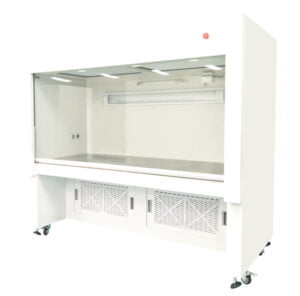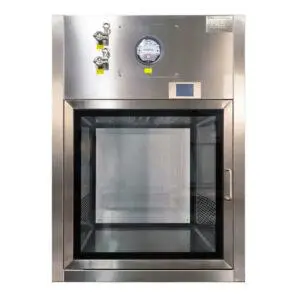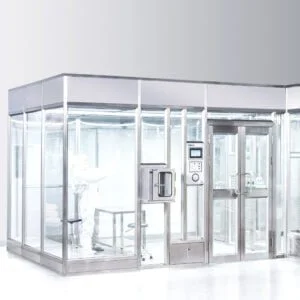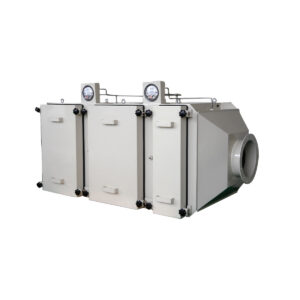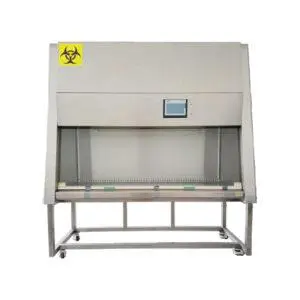
La maggior parte dei capitolati per le cabine di pesatura, campionamento e dosaggio giunge ai fornitori con poco più che una classificazione ambientale, l'ingombro esterno e una vaga richiesta di “conformità alle norme GMP”. I fornitori preparano un preventivo di base basato sulle ipotesi minime contenute in quel pacchetto, e il divario tra un progetto basato su ipotesi minime e un'installazione conforme alle GMP diventa visibile solo al momento della messa in servizio — o durante la prima ispezione normativa. A quel punto, la cabina è già in loco all'interno di una sala classificata e le modifiche in loco comportano sia pressioni sui tempi che rischi di non conformità che nessuno aveva previsto nel budget. Il documento che colma questo divario è una Specifica dei Requisiti dell’Utente redatta prima dell’emissione della Richiesta di Offerta, che indichi il materiale da trattare, definisca il concetto di flusso d’aria, risolva le decisioni relative al contenimento e identifichi i risultati di qualificazione di cui l’acquirente avrà bisogno al momento della consegna. I lettori che analizzeranno la struttura riportata di seguito saranno in una posizione migliore per emettere una richiesta di offerta (RFQ) che produca preventivi comparabili, eviteranno ordini di modifica post-aggiudicazione sulle caratteristiche di contenimento e arriveranno alla consegna con un pacchetto di documenti che supporti il rilascio dell'area GMP.
Da dove parte l'URS: materiali, ambiente, processo e funzione della cabina
La prima domanda a cui l'URS deve rispondere non è di natura dimensionale, bensì funzionale. Una cabina di pesatura, una cabina di campionamento e una cabina di dosaggio non sono configurazioni intercambiabili della stessa unità di base. La pesatura pone l'accento sulla precisione di misurazione e sul contenimento delle polveri durante la movimentazione statica. Il dosaggio introduce fasi attive di trasferimento della polvere — apertura dei contenitori, trasferimento del materiale, chiusura dei sacchi — che generano eventi di rilascio che il sistema di flusso d'aria deve gestire attivamente. Un URS che definisce semplicemente “una cabina per la movimentazione di polveri” lascia al fornitore il compito di interpretare la funzione, e il progetto risultante sarà ottimizzato per quella funzione che il fornitore riterrà primaria.
Oltre alla funzione della cabina, l’URS deve specificare il materiale trattato. Il fatto che si tratti di un eccipiente non pericoloso, di un principio attivo citotossico o di un composto potente con un livello OEB assegnato modifica il grado di filtrazione richiesto, la progettazione della depressione e le misure di protezione dell’operatore. Questi non sono dettagli secondari: determinano se la cabina necessita di un unico stadio HEPA o di una configurazione multistadio, se lo scarico richiede canalizzazioni esterne e quale tipo di tenuta è richiesta in corrispondenza dei raccordi dei filtri. Tralasciare la classificazione del materiale dall'URS significa che il fornitore non può effettuare scelte progettuali giustificabili su tali parametri.
Il grado di pulizia dell'ambiente circostante è un terzo dato che deve essere incluso nell'URS sin dall'inizio. Una cabina installata in un'area di grado D o ISO 8 presenta obiettivi di classe di pulizia interna diversi rispetto a una installata in un ambiente di grado superiore, e tali obiettivi influiscono sui tassi di ricambio d'aria, sulle specifiche dei filtri e sull'entità delle attività di qualificazione richieste. Anche il concetto di flusso d'aria — tipicamente unidirezionale verso il basso con pressione negativa rispetto alla sala di fondo — dovrebbe essere indicato esplicitamente piuttosto che dato per scontato. La pressione negativa rispetto all'ambiente circostante è il meccanismo principale che impedisce la fuoriuscita di polvere dalla cabina nello spazio classificato circostante; ometterlo dall'URS lascia aperta la questione se il fornitore lo progetterà o opterà per una configurazione a pressione positiva o neutra che non può svolgere la funzione di contenimento prevista.
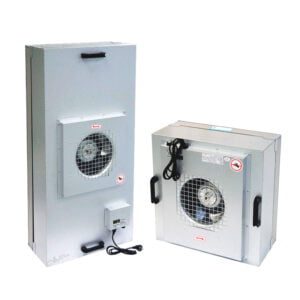
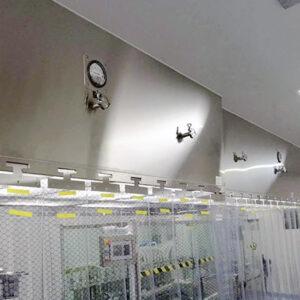
Infine, l'URS dovrebbe elencare i requisiti di qualificazione che la cabina deve soddisfare, comprese le caratteristiche fisiche che rendono possibili tali prove: porte di iniezione PAO o DOP, posizioni dei manometri di pressione differenziale e punti di accesso per le prove di integrità dei filtri. La norma ISO 14644-4:2022 fornisce un quadro di riferimento pertinente per la progettazione e la costruzione dei sistemi per camere bianche, e strutturare l'URS in modo che l'infrastruttura di prova sia specificata in anticipo significa che tali caratteristiche sono integrate fin dall'inizio anziché essere aggiunte in un secondo momento. Una cabina che arriva in loco senza porte di iniezione costringe a una soluzione alternativa durante la messa in servizio che nessun team di controllo qualità dovrebbe dover documentare come una deviazione.
Decisioni relative al flusso d'aria e al contenimento che incidono sul preventivo del fornitore
Le decisioni irrisolte relative al flusso d'aria rappresentano la causa principale delle modifiche contrattuali successive all'aggiudicazione nei progetti relativi agli stand. Quando lo studio di progettazione (URS) non specifica i parametri di contenimento, i fornitori elaborano i preventivi basandosi su ipotesi progettuali diverse; i preventivi non sono quindi direttamente comparabili e il prezzo più basso riflette spesso lo scenario di base più prudente, ovvero quello che garantisce il minor livello di protezione.
Il rapporto tra ricircolo e scarico è una scelta che deve essere definita nel capitolato tecnico (URS) prima dell'emissione della richiesta di offerta (RFQ). Un valore comunemente utilizzato in ambito ingegneristico è un rapporto 90/10, ma ciò che conta è che tale rapporto sia indicato in modo esplicito, anziché essere lasciato alla discrezione del fornitore. Un rapporto non specificato influisce sia sull'efficienza di contenimento che sul dimensionamento dei ventilatori; un fornitore che ipotizza il ricircolo totale e uno che progetta per un condotto di scarico significativo presenteranno preventivi significativamente diversi, e nessuno dei due sbaglia rispetto a quanto richiesto dall'URS.
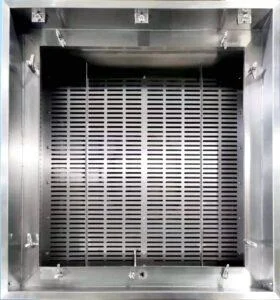
La scelta del tipo di guarnizione HEPA è una decisione correlata, con dinamiche di approvvigionamento simili. I filtri HEPA con guarnizione a sigillo rappresentano lo standard di base e sono adeguati per molte applicazioni, ma le guarnizioni a sigillo sono anche un noto punto di perdita nelle interfacce tra filtro e telaio in caso di uso prolungato. I filtri con guarnizione in gel offrono un confine di contenimento più affidabile e dovrebbero essere specificati esplicitamente nelle specifiche tecniche (URS) per le applicazioni che trattano materiali pericolosi o potenti. Se la guarnizione in gel non viene indicata, l'offerta di base includerà la guarnizione a guarnizione, e la differenza di costo emergerà solo quando il controllo qualità richiederà l'aggiornamento dopo l'aggiudicazione.
La scelta tra velocità dell'aria fissa e regolabile è un compromesso che vale la pena risolvere sin dall'inizio. Una velocità fissa — solitamente intorno a 0,45 m/s ±20% nelle applicazioni a flusso discendente — è più economica da implementare e sufficiente quando il materiale e il processo sono ben definiti. Un intervallo regolabile, ad esempio da 0,3 a 0,6 m/s, aumenta la complessità e il costo del sistema di controllo variabile del ventilatore, ma offre flessibilità per le cabine che possono trattare materiali con caratteristiche di densità o dispersibilità diverse. Nessuna delle due scelte è universalmente corretta; l'URS dovrebbe indicare quale delle due è richiesta dal processo.
Ciascuna di queste decisioni ha un effetto a catena sull'ambito di competenza del fornitore. La tabella che segue illustra i punti decisionali chiave, i dettagli delle specifiche richiesti nell'URS e il rischio derivante dall'eventuale assenza di tali dettagli.
| Punto di decisione | Dettagli delle specifiche da chiarire | Rischio in caso di informazioni poco chiare o mancanti nell'URS |
|---|---|---|
| Rapporto tra ricircolo e scarico | Indicare chiaramente il rapporto (ad es. 90/10) | Installazione non corretta o impianto di climatizzazione sovradimensionato, variazione significativa del preventivo |
| Tipo di guarnizione HEPA | Preferire la guarnizione in gel rispetto alla guarnizione tradizionale | Le guarnizioni sono spesso fonte di perdite; il preventivo iniziale potrebbe non includere il sigillante in gel, con un conseguente aumento dei costi in seguito |
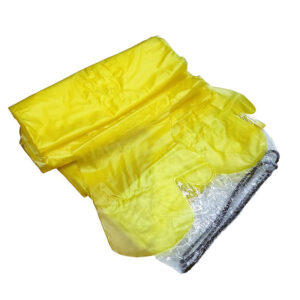
| Miglioramento del contenimento | Valutare la necessità di una tenda in PVC o di una barriera d'aria | Un preventivo di base senza approfondimenti comporta modifiche all'ordine e lacune nella gestione dei rischi |
| Controllo della velocità dell'aria | Scegliere la velocità fissa di 0,45 m/s ±20% oppure quella regolabile da 0,3 a 0,6 m/s | La versione fissa è più economica ma può limitare le possibilità di impiego; quella regolabile comporta maggiore complessità e costi aggiuntivi |
| Struttura a depressione | È richiesto un sistema a doppia camera con depressione | Le quotazioni di base spesso tralasciano questo aspetto, con il rischio di violazioni della sicurezza e di dover riprogettare il sistema |
| Regolazione dell'aria di scarico | Includere le specifiche della piastra di regolazione dell'aria di scarico | Uno scarico sbilanciato può causare una perdita di depressione e il cedimento del contenimento |
Due aspetti meritano di essere sottolineati al di là di quanto riportato nella tabella. Una struttura a doppia parete in depressione — in cui la cabina mantiene una pressione negativa sul perimetro interno e un ulteriore differenziale di pressione sul rivestimento esterno — è una caratteristica di contenimento che i preventivi standard tendono abitualmente a tralasciare. Per la manipolazione di API potenti, ometterla è una lacuna progettuale che potrebbe non emergere fino al test di conteggio delle particelle durante la qualificazione. Allo stesso modo, una piastra di regolazione dell'aria di scarico è un componente a basso costo la cui assenza può rendere impossibile bilanciare correttamente il volume di scarico in loco, che è proprio il tipo di problema sul campo che diventa costoso all'interno di una camera classificata.
Documenti comprovanti l'idoneità che gli acquirenti dovrebbero richiedere prima del passaggio di proprietà
Il principio alla base dell'Allegato 15 del Volume 4 di EudraLex è che la documentazione di qualificazione deve dimostrare la conformità agli URS prima che un sistema venga autorizzato all'uso in conformità alle GMP. Per uno stand, ciò significa che l'acquirente deve richiedere un pacchetto di prove definito prima della consegna — non per formalità, ma perché l'assenza di risultati di test specifici al momento della consegna crea lacune di qualificazione che dovranno essere colmate prima che lo stand possa essere utilizzato in produzione.
Richiedere questo pacchetto prima della consegna, anziché dopo l'installazione, modifica anche il comportamento dei fornitori durante la produzione. I fornitori che sanno che alla consegna sarà richiesto un rapporto di prova di tenuta DOP o PAO saranno più propensi a integrare un accesso alla porta di iniezione nell'alloggiamento del filtro. I fornitori che sanno che le misurazioni della velocità del flusso d'aria saranno verificate rispetto a 0,45 m/s ±20% saranno più propensi a mettere in funzione correttamente la ventola prima della spedizione. Il requisito di documentazione, indicato nell'URS, funge da vincolo di progettazione tanto quanto da richiesta di documentazione.
La documentazione che un acquirente dovrebbe richiedere riguarda cinque aspetti: integrità del filtro HEPA, velocità del flusso d'aria, certificazione dell'efficienza del filtro, classificazione di pulizia e livello di rumorosità. Ciascuno di essi ha una base di misurazione specifica e una ragione per cui è rilevante ai fini della qualificazione GMP.
| Documentazione comprovante i requisiti | Misura o soglia richiesta | Perché è necessario |
|---|---|---|
| Test di integrità del filtro HEPA | Rapporto di prova di tenuta DOP/PAO | Verifica la corretta installazione del filtro e l'assenza di perdite, requisiti necessari per la qualificazione GMP |
| Misura della velocità del flusso d'aria | Certificato a 0,45 m/s ±20% nell'area di lavoro | Garantisce un flusso discendente unidirezionale adeguato per il controllo delle particelle |
| Certificato di efficienza del filtro HEPA | Minimo 99,9951 TP10T a 0,3 µm (H14) | Conferma che le prestazioni del filtro soddisfano le specifiche relative alle camere bianche |
| Test di classificazione della pulizia | Prova di conteggio delle particelle per il raggiungimento della classe specificata (ad es. ISO 5, Classe A) | Verifica che lo stand operi nel rispetto degli standard di pulizia richiesti per il processo |
| Prova del livello di rumore | ≤75 dB o ≤65 dB a seconda del modello | Garantisce il comfort dell'operatore e il rispetto delle norme di sicurezza sul lavoro |
Due aspetti meritano particolare attenzione al di là della lista di controllo. Il certificato di efficienza del filtro HEPA — che attesta una penetrazione minima del 99,9951% a 0,3 µm, corrispondente al grado H14 — è un documento redatto in fabbrica che conferma le prestazioni del filtro prima dell’installazione. È diverso dal test di integrità DOP o PAO a livello di sito, che conferma che il filtro è stato installato senza perdite. Entrambi sono necessari; uno non sostituisce l'altro. Gli acquirenti che richiedono solo il certificato di efficienza e tralasciano il rapporto del test di integrità non hanno la prova che verifica la qualità dell'installazione piuttosto che la qualità di fabbricazione del filtro. Il test di classificazione della pulizia — il conteggio delle particelle nella zona di lavoro che dimostra che la cabina raggiunge la classe specificata, come ISO 5 o Grado A — è la conferma operativa che il sistema integrato funziona come progettato. Non può essere dedotto dai soli certificati a livello di componente.
Per gli acquirenti che si trovano nelle prime fasi di definizione delle specifiche, il Specifiche di prestazione delle cabine di pesatura essenziali per la conformità alle GMP: lista di controllo degli 8 parametri critici fornisce un riferimento integrativo per i parametri di prestazione che concorrono direttamente al soddisfacimento di tale requisito di prova.
Aspetti relativi alla pulizia, alla manutenzione e all'integrazione del sistema di misurazione spesso tralasciati nelle richieste di offerta
Tre aspetti fondamentali dell'URS sono sistematicamente assenti dai primi capitolati di gara: la geometria interna per la pulizia, l'accessibilità per la manutenzione dei filtri e la geometria di integrazione con l'infrastruttura esistente. Ciascuno di questi aspetti influisce sul funzionamento post-installazione ed è difficile o costoso da correggere una volta che la cabina è stata installata all'interno di un locale classificato.
La geometria interna è importante perché la convalida della pulizia GMP dipende dalla dimostrabile pulibilità. Un interno in acciaio inossidabile genericamente descritto come “SS304”, ma realizzato con giunti interni del telaio, elementi di fissaggio a vista o angoli a 90 gradi, non potrà essere pulito come una superficie uniforme. La specifica che elimina questo rischio è un interno monoblocco completamente saldato con angoli arrotondati in tutti i punti di transizione tra parete e pavimento e tra parete e soffitto. Se la richiesta di preventivo indica solo il tipo di materiale senza specificare il requisito della saldatura e degli angoli arrotondati, il fornitore non ha alcun obbligo di soddisfarlo e la superficie risultante potrebbe non superare la verifica di convalida della pulizia.
Le decisioni relative all'accessibilità per la manutenzione devono essere incluse nell'URS poiché incidono sulla disposizione interna, non solo sulla praticità di manutenzione. Una cabina progettata con filtri accessibili solo dal retro o dall'alto richiede lo spostamento o lo smontaggio parziale dell'unità per la sostituzione ordinaria dei filtri — un'operazione che, in una sala classificata, comporta un evento di contaminazione. Specificare la sostituzione del filtro con accesso frontale o laterale nell'URS vincola la progettazione interna in modo da rendere la manutenzione operativamente realistica in un ambiente GMP. A questo proposito, un unico manometro di pressione differenziale per l'intero treno di filtri indica all'operatore che la resistenza è aumentata da qualche parte, ma non identifica quale stadio è intasato. I manometri per singolo stadio per il prefiltro, il filtro fine e il filtro HEPA consentono la sostituzione proattiva dello stadio intasato senza disturbare inutilmente gli altri.
L'integrazione della bilancia è l'elemento che più facilmente può causare un conflitto fisico dopo l'installazione. Se lo studio di fattibilità (URS) non specifica il tipo di bilancia, le dimensioni del piano di pesatura integrato, i requisiti di isolamento dalle vibrazioni e il materiale della superficie del piano, la cabina verrà progettata con una geometria interna generica che potrebbe non adattarsi alla bilancia effettiva. Una conseguenza comune è che la bilancia non può essere posizionata all'interno della zona effettiva di flusso discendente, compromettendo la logica di contenimento alla base dell'utilizzo stesso della cabina.
| Dati URS da specificare | Omissioni comuni nelle richieste di preventivo | Conseguenze in caso di mancato raggiungimento dell'obiettivo |
|---|---|---|
| Interno in acciaio inossidabile monoblocco interamente saldato con angoli arrotondati | La richiesta di offerta menziona solo ‘interni in acciaio inossidabile’ senza specificare dettagli relativi alle saldature e alle raccordi | I residui di particelle permangono, impedendo una pulizia efficace e comportando il rischio di contaminazione incrociata |
| L'altezza dello stand è inferiore di 20–30 mm rispetto al soffitto della sala | L'altezza dello stand è stata stabilita in modo da corrispondere esattamente all'altezza del soffitto | Problemi di adattamento durante l'installazione richiedono modifiche alla struttura |
| Manometri di pressione differenziale per ogni stadio del filtro | È stato richiesto un solo calibro oppure non ne è stato specificato nessuno | Mancanza di un monitoraggio in tempo reale del carico dei filtri, con conseguente manutenzione reattiva e perdita di flusso d'aria |
| Sostituzione del filtro accessibile dalla parte anteriore/laterale senza smontaggio | Non è stata specificata la direzione di accesso; i filtri sono collocati in punti difficili da raggiungere | Tempi di manutenzione più lunghi e rischio maggiore di contaminazione durante la sostituzione dei filtri |
| Integrazione della bilancia (piano di pesatura integrato, isolamento antivibrante, dimensioni) | Tipo di scala e dimensioni della tabella omessi | Conflitti di spazio e tabelle incompatibili che richiedono costosi interventi di adeguamento |
Un dettaglio di installazione che vale la pena includere nell'URS è l'altezza della cabina rispetto al soffitto della stanza. Progettare la cabina in modo che risulti da 20 a 30 mm più bassa dell'altezza del soffitto evita i problemi di adattamento che sorgono quando un'unità specificata per corrispondere all'altezza del soffitto si scontra con le normali variazioni di tolleranza di costruzione. Si tratta di un dato derivante dall'esperienza pratica piuttosto che di un requisito dimensionale codificato, ma la sua omissione causa inevitabilmente richieste di modifiche in loco durante l'installazione.
Per gli acquirenti che desiderano capire in che modo queste scelte di configurazione si traducano in specifici tipi di stand, il Cabina di dispensazione farmaceutica vs cabina di campionatura — Come scegliere la configurazione giusta per la gestione dei principi attivi (API) e il rispetto dei requisiti di contenimento OEB L'articolo illustra in modo più approfondito i compromessi relativi all'architettura di contenimento.
Documentazione richiesta ai fornitori prima dell'autorizzazione all'accesso all'area GMP
Una cabina che supera l’ispezione visiva e funziona entro i propri parametri di progettazione non è ancora qualificata per l’uso in un’area GMP. L’autorizzazione all’uso in un’area GMP richiede una traccia documentale che dimostri che la cabina è stata costruita secondo le specifiche e che ha funzionato correttamente in loco. Il principio stabilito nell'EudraLex, Volume 4, Allegato 15 — secondo cui le attività di qualificazione devono essere documentate e dimostrare la conformità agli URS prima che un sistema venga rilasciato — si applica direttamente in questo caso. Il pacchetto di documentazione del fornitore è il meccanismo attraverso il quale viene stabilita tale conformità.
Il documento fondamentale del pacchetto è una dichiarazione di conformità alle URS da parte del fornitore: una risposta, riga per riga o sezione per sezione, che dimostri in che modo ogni requisito delle URS sia soddisfatto dall’attrezzatura fornita. Senza questo documento, l’acquirente non dispone di alcuna base tracciabile per affermare che lo stand sia stato realizzato secondo le specifiche. Durante un audit GMP, l'assenza di una dichiarazione di conformità URS costringe il team di controllo qualità a ricostruire la conformità a partire da documenti tecnici sparsi, il che richiede tempo ed è difficile da difendere in caso di contestazioni.
I certificati dei materiali relativi al tipo di acciaio inossidabile delle superfici a contatto — SUS304 o SUS316L a seconda di quanto specificato nelle URS — confermano che il materiale utilizzato nella fabbricazione corrisponde al tipo selezionato per la pulibilità e la resistenza alla corrosione. Tali certificati devono indicare lo stabilimento specifico o il lotto di fornitura, non limitarsi ad attestare la conformità. Un fornitore che non è in grado di fornire certificati dei materiali tracciabili per lotto per le superfici a contatto presenta una lacuna documentale che un revisore probabilmente segnalerà.
Il disegno di schema del prodotto, solitamente un file CAD quotato, è necessario prima che lo stand arrivi in loco. Consente al team della struttura di verificare che l'unità si adatti allo spazio assegnato, che i pannelli di accesso per la manutenzione siano allineati con la disposizione della sala e che gli allacciamenti alle utenze siano posizionati correttamente rispetto agli impianti di climatizzazione e all'impianto elettrico della sala. Esaminare questo disegno dopo che lo stand è già stato caricato su un camion ha un valore limitato.
Il rapporto sulle prove di messa in servizio — che comprende le misurazioni della velocità del flusso d'aria, le letture del differenziale di pressione in ciascuna fase di filtrazione e i risultati del conteggio delle particelle nella zona di lavoro — costituisce la documentazione delle prestazioni in loco che completa la catena probatoria della qualificazione. In combinazione con i certificati di efficienza dei filtri a livello di fabbrica per ogni stadio (tipicamente prefiltro G4, filtro fine F8 e HEPA H14), questo rapporto fornisce le prove complete delle prestazioni necessarie per passare dall’installazione alla qualificazione operativa. I requisiti di controllo qualità specifici del sito potrebbero richiedere documenti aggiuntivi oltre a questa serie minima, ma gli elementi qui elencati rappresentano la linea di base al di sotto della quale è difficile sostenere un rilascio dell'area GMP difendibile.
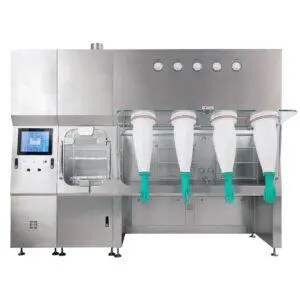
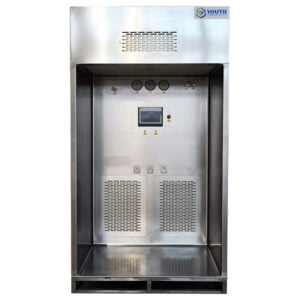
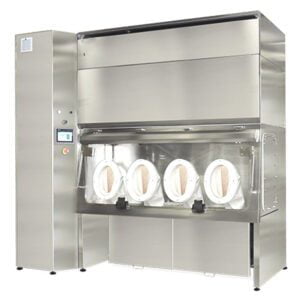
Cabine di dosaggio, campionamento e pesatura I prodotti progettati per ambienti GMP dovrebbero essere forniti di serie con questo pacchetto; se un fornitore li considera opzionali o addebita un costo aggiuntivo per la documentazione, ciò indica una lacuna nel supporto alla qualificazione che è opportuno risolvere prima dell'aggiudicazione dell'appalto.
Un URS che specifichi la funzione della cabina, il materiale trattato, la classe di ambiente di fondo, il concetto di flusso d’aria e i risultati di qualificazione richiesti prima dell’emissione della richiesta di offerta (RFQ) elimina le ambiguità più rilevanti dal processo di approvvigionamento. I fornitori che presentano offerte sulla base di un URS definito presentano proposte comparabili; gli acquirenti che valutano tali offerte possono identificare le lacune nell’ambito di applicazione anziché doverle ipotizzare. Le decisioni relative al contenimento — rapporto di ricircolo, tipo di tenuta, struttura a pressione negativa, controllo della velocità — devono essere incluse nell'URS proprio perché sono gli elementi che con maggiore probabilità daranno luogo a ordini di modifica dopo l'installazione della cabina in loco.
Prima di emettere qualsiasi richiesta di offerta, è opportuno verificare che i reparti di produzione, controllo qualità e progettazione stiano operando sulla base della stessa versione dell’URS e abbiano approvato gli stessi presupposti in materia di contenimento, classe di pulizia e ambito di qualificazione. Laddove tali approvazioni divergano, l’URS è ancora da considerarsi una bozza. Risolvere tale divergenza prima di coinvolgere i fornitori è la decisione che ha il maggiore effetto a valle sul fatto che la cabina ottenga l'autorizzazione all'area GMP nei tempi previsti e senza rilavorazioni.
Domande frequenti
D: Cosa succede se la cabina deve trattare più materiali con livelli di OEB diversi in momenti diversi? L'URS deve coprire tutti questi materiali o solo quello a più alto rischio?
R: L'URS deve essere definito in base al materiale a più alto rischio che la cabina dovrà mai trattare, non in base a un caso d'uso medio. La progettazione del contenimento, la configurazione dello stadio HEPA, le specifiche di pressione negativa e i requisiti di integrità delle guarnizioni sono tutti determinati dal materiale peggiore. Una cabina progettata per un eccipiente a basso OEB e successivamente utilizzata per un principio attivo potente senza una revisione del progetto crea un rischio per la conformità e la sicurezza dell'operatore che non può essere corretto solo con controlli procedurali.
D: A partire da quando la scelta di un intervallo di velocità dell'aria regolabile non giustifica più il costo e la complessità aggiuntivi?
R: La velocità fissa è la scelta giusta quando la cabina deve trattare un unico tipo di materiale o una gamma ristretta di prodotti con caratteristiche di dispersibilità simili. L'intervallo regolabile si ripaga solo quando la cabina deve trattare tipi di polveri realmente diversi — ad esempio, un principio attivo (API) fine e a bassa densità insieme a un eccipiente granulare denso — dove una singola velocità fissa risulterebbe insufficiente per il materiale più leggero o creerebbe una turbolenza eccessiva con quello più pesante. Se il processo è ben definito in fase di URS, optare per la velocità fissa ed evitare la complessità del controllo del ventilatore.
D: Se non si raggiunge un accordo tra i soggetti interessati interni (produzione, controllo qualità e ingegneria) prima dell'emissione della richiesta di offerta, qual è la soluzione alternativa più sostenibile?
R: Pubblicate la richiesta di offerta (RFQ) indicando esplicitamente i punti di disaccordo come questioni aperte che richiedono il contributo dei fornitori, anziché nasconderli dietro formulazioni vaghe. Ciò costringe ciascun fornitore a dichiarare per iscritto i propri presupposti progettuali, fornendo al team acquisti opzioni concrete da portare alla discussione interna di allineamento. È più lento rispetto all'emissione di un URS pienamente concordato, ma è meno rischioso che aggiudicare un contratto basato su un presupposto che il controllo qualità, la produzione e l'ingegneria interpretano in modo diverso: tale discrepanza emergerà durante la qualificazione, non prima.
D: Una specifica HEPA con guarnizione in gel è sempre la scelta giusta per applicazioni con principi attivi farmaceutici (API) altamente reattivi, oppure esistono situazioni in cui un filtro con guarnizione tradizionale è accettabile anche per impieghi che richiedono un elevato livello di contenimento?
R: I filtri con guarnizione di tenuta possono essere considerati idonei per applicazioni con API ad alta potenza solo se l'integrità della tenuta viene verificata tramite prove DOP o PAO ad ogni intervallo di messa in servizio e riqualificazione, e se il programma di manutenzione prevede un'ispezione visiva periodica della tenuta sotto carico. Il problema pratico è che le guarnizioni si degradano nel tempo e a causa dei ripetuti cicli di sostituzione del filtro in modi che non sono sempre visivamente evidenti prima che si verifichi una perdita. Per le applicazioni in cui un singolo guasto della tenuta ha conseguenze sulla sicurezza del paziente o sull'esposizione dell'operatore, la specifica della tenuta a gel elimina completamente quella modalità di guasto, e la differenza di costo è minima rispetto al costo di qualificazione e di riparazione di una perdita non rilevata.
D: Una volta finalizzato l'URS e emessa la richiesta di offerta (RFQ), qual è il passo successivo da compiere per evitare che i requisiti relativi al pacchetto di documenti vengano considerati facoltativi al momento del passaggio di consegne?
R: Rendere il pacchetto di documentazione un risultato contrattuale con pagamenti scaglionati o tappe di accettazione legate al suo completamento — non una semplice richiesta di cortesia nell'appendice dell'URS. Nello specifico, la dichiarazione di conformità all'URS, i certificati dei materiali e il disegno di massima del prodotto dovrebbero essere richiesti prima dell'approvazione della produzione, mentre il rapporto sui test di messa in servizio dovrebbe costituire una condizione per l'accettazione finale. I fornitori che sanno che la documentazione determina il pagamento la trattano come un risultato della produzione; i fornitori che la ricevono solo come una richiesta di consegna tendono a non darle la priorità finché l'acquirente non interviene.