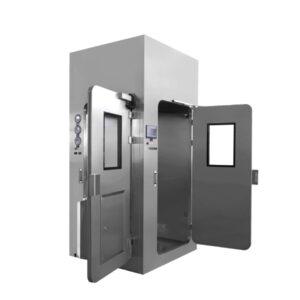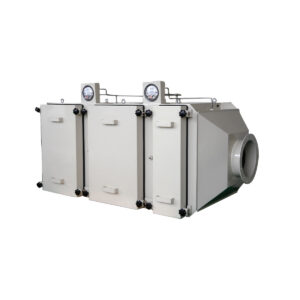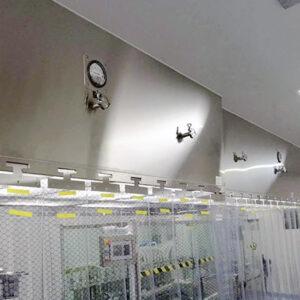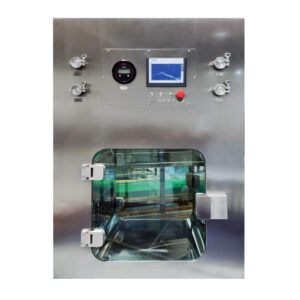
Majoritatea eșecurilor legate de înlocuirea filtrelor nu sunt cauzate de procedura în sine — ele sunt determinate de ceea ce se întâmplă în minutele care preced deschiderea ușii de acces. Un tehnician care deschide o carcasă BIBO fără a verifica egalizarea presiunii sau care omite verificarea integrității sacului deoarece operațiunea pare de rutină a creat deja situația de expunere înainte chiar de a atinge filtrul. Costurile ulterioare nu sunt abstracte: reziduuri de medicamente periculoase pe materialul filtrant, contaminare biologică eliberată în zona de lucru sau o expunere profesională care se manifestă abia după finalizarea procedurii. Decizia care determină dacă o înlocuire este sigură sau periculoasă se ia în timpul secvenței de pregătire înainte de deschidere, nu în timpul schimbării propriu-zise, iar înțelegerea a ceea ce trebuie rezolvat în cadrul acelei secvențe — și în ce ordine — este ceea ce diferențiază o procedură justificabilă de o situație care poate atrage răspunderea.
Verificări înainte de deschidere, înainte ca ușa de acces BIBO să se miște
Faza de pregătire are o importanță procedurală mai mare decât înlocuirea propriu-zisă a filtrului, deoarece toate condițiile care determină dacă se poate accesa carcasa în condiții de siguranță trebuie confirmate înainte de începerea oricărei mișcări fizice. Tratarea acestei faze ca pe o simplă formalitate — sau scurtarea ei sub presiunea termenelor — reprezintă sursa majorității eșecurilor din practică.
Prima măsură de control este izolarea. În cazul în care sunt montate clapete de izolare, acestea trebuie închise înainte de deschiderea carcasei. Această măsură nu doar previne scurgerile de aer în timpul operațiunii de înlocuire, ci izolează secțiunea respectivă de restul sistemului, astfel încât orice diferență de presiune, migrare a contaminanților sau mișcare accidentală a aerului în timpul accesului să nu se poată propaga în amonte sau în aval. Închiderea clapetelor este o condiție prealabilă pentru întreaga procedură, nu o etapă concomitentă.
Al doilea control este adesea subestimat: inspectați noul sac de filtrare înainte de a interveni asupra oricărui alt element. Un sac deteriorat nu va prezenta defecte vizibile în timpul procedurii — se va defecta în mod silențios, permițând aerului contaminat sau particulelor să scape din zona de izolare fără a declanșa nicio alarmă. Depistarea unui sac compromis înainte de deschiderea ușii de acces durează câteva minute; depistarea aceleiași probleme după ce ușa s-a deschis și filtrul uzat este manipulat poate fi ireversibilă fără o operațiune completă de decontaminare. Această inspecție reprezintă un punct de control al calității, iar poziția sa în secvență — înainte de acces, nu în timpul instalării — este deliberată.
Contextul de planificare agravează ambele riscuri. Instalațiile care reacționează doar la alarmele de presiune au adesea un interval de timp foarte scurt între momentul în care se constată necesitatea înlocuirii și perioada în care lucrarea trebuie finalizată. Această comprimare obligă echipele să procure saci, să confirme starea clapetelor și să evalueze cerințele de decontaminare simultan, sub presiune, moment în care pașii premergători deschiderii sunt adesea omisi. Documentarea acestor controale sub forma unei liste de verificare oficiale înainte de deschidere — separată de procedura fizică — reduce probabilitatea ca un program grăbit să le reducă la o singură sarcină nediferențiată.
Izolarea și pregătirea sacului în timpul înlocuirii filtrului
Odată confirmate verificările premergătoare deschiderii, mecanismul de izolare al sistemului „bag-in/bag-out” depinde în totalitate de modul în care se realizează și se menține interfața sacului în timpul schimbării. Logica de proiectare a izolării în sistemul BIBO este simplă, dar detaliile de implementare sunt esențiale: un sac fixat incorect sau manipulat în ordine greșită oferă doar aparența izolării.
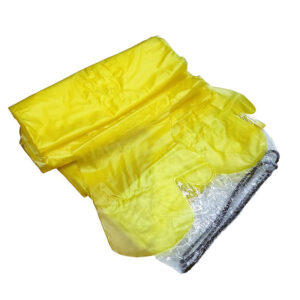
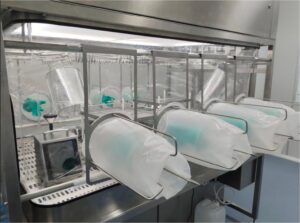
Punga de înlocuire se introduce peste orificiul filtrului înainte de deschiderea carcasei. După ce filtrul uzat este atras în pungă, aceasta este răsucită, sigilată și tăiată — rămânând o jumătate care înconjoară filtrul uzat, iar cealaltă jumătate rămânând atașată de carcasă. Această secvență de răsucire-sigilare-tăiere este cea care garantează că filtrul uzat nu trece niciodată printr-o cale deschisă, neizolată, în timpul îndepărtării. Punga este fixată în două puncte cu ajutorul unor coliere de cablu, folosind o unealtă de presare și un cuțit încălzit, creând o dublă închidere fiabilă care previne scurgerile de la ambele capete. Aceste detalii reprezintă specificul modului în care funcționează în practică mecanismul de izolare; procedurile de la fața locului pot varia, dar logica de bază — aceea că filtrul trebuie să fie închis înainte de a fi detașat — rămâne aceeași.
O husă de protecție tipică are o lungime de aproximativ doi metri. Această dimensiune este mai degrabă o valoare de proiectare care influențează planificarea spațiului de lucru decât o specificație fixă: echipa are nevoie de suficient spațiu liber în jurul feței carcasei pentru a desfășura husa în întregime, fără a o plia, îndoi sau comprima într-un mod care ar putea compromite etanșeitatea. Instalațiile cu acces îngust pentru întreținere în jurul carcaselor BIBO trebuie să verifice spațiul necesar pentru desfășurarea sacului încă din faza de planificare premergătoare punerii în funcțiune, nu abia în ziua schimbării. Dacă geometria accesului obligă sacul să adopte o configurație incomodă, riscul de compromitere a etanșeității crește, iar în program trebuie prevăzut un timp suplimentar pentru instalare.
Pentru instituțiile care își planifică sau își revizuiesc sisteme de tip „bag-in/bag-out”, proiectarea interfeței sacului — inclusiv tipul de guler, metoda de fixare a sacului și cerințele privind uneltele — trebuie verificată pentru a se asigura compatibilitatea cu carcasa înainte de programarea înlocuirii. Achiziționarea unor saci generici care nu se potrivesc cu geometria gulerului carcasei reprezintă o eroare de achiziție care poate deveni evidentă abia în timpul configurării, într-un moment în care întreruperea procedurii prezintă riscuri proprii.
Planificarea decontaminării suprafețelor din locuințe și a filtrelor uzate
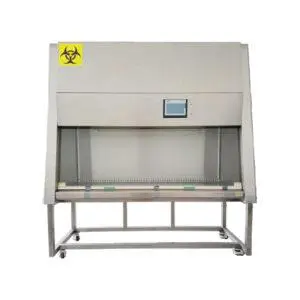
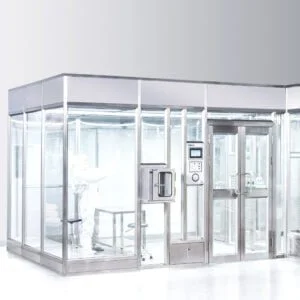
Decontaminarea nu este o cerință universală pentru fiecare instalație BIBO, dar în mediile de biosecuritate — orice instalație în care filtrul a fost expus la microorganisme — aceasta funcționează mai degrabă ca o condiție prealabilă decât ca o îmbunătățire opțională. Decizia de proiectare depinde de clasificare: dacă clasa de risc a spațiului implică agenți biologici, decontaminarea carcasei și a filtrului trebuie finalizată înainte ca ușa de acces să se deschidă. Nu există nicio soluție alternativă procedurală.
Consecința omiterii decontaminării în contextul biosecurității este directă: tehnicienii care manipulează filtrul uzat sau care lucrează în apropierea suprafețelor deschise ale carcasei pot fi expuși la contaminare biologică viabilă prezentă pe materialul filtrant sau în interiorul carcasei. CDC-ul Biosecuritatea în laboratoarele microbiologice și biomedicale și OMS Manual de biosecuritate în laborator Ambele documente stabilesc cadre de referință privind modul în care clasificarea riscurilor biologice determină măsurile de control procedural în mediile de laborator — principiul conform căruia metoda de izolare trebuie să corespundă nivelului de risc se aplică în mod direct modului în care este planificată înlocuirea filtrelor în aceste medii, chiar dacă niciunul dintre documente nu reglementează direct specificațiile tehnice ale echipamentelor BIBO.
În practică, aceasta înseamnă că metoda de decontaminare — fie că este vorba de tratarea chimică a suprafețelor, de peroxid de hidrogen vaporizat sau de o altă abordare adaptată agenților prezenți — trebuie selectată și programată înainte de începerea intervalului de înlocuire, și nu improvizată în ziua schimbării. Unitățile care utilizează decontaminarea cu VHP trebuie să confirme disponibilitatea echipamentelor, durata ciclului și cerințele de ventilație ca parte a planificării prealabile procedurii, deoarece un ciclu VHP prelungește semnificativ timpul necesar înainte ca accesul fizic să poată începe. Acest timp de pregătire trebuie inclus în program încă din momentul în care înlocuirea este identificată ca fiind necesară.
Criteriul de planificare îl reprezintă clasificarea spațiului, iar decizia revine echipei responsabile de programul de biosecuritate al unității, nu tehnicianului care efectuează modificarea fizică. În practică, aceasta înseamnă că cerința de decontaminare trebuie declanșată și confirmată în timpul programării procedurii — înainte de alocarea forței de muncă și a materialelor — astfel încât întreaga secvență premergătoare deschiderii să poată fi finalizată în ordinea corectă atunci când începe intervalul de lucru. A se vedea Ghid de utilizare și întreținere BIBO pentru a avea o perspectivă mai amplă asupra modului în care planificarea decontaminării se încadrează în ciclul complet de viață al acestor sisteme.
Defecțiuni ale serviciului cauzate de considerarea carcasei ca fiind curată
Presupunerea că carcasa filtrului este curată — sau suficient de curată — reprezintă cea mai gravă eroare pe care o echipă o poate comite în cadrul unei operațiuni de înlocuire BIBO. Aceasta tinde să se manifeste nu sub forma unei defecțiuni vizibile în timpul procedurii, ci sub forma unui eveniment de expunere profesională, a unei zone de lucru contaminate sau a unei anchete privind un incident, în cadrul căreia se urmărește înapoi până la momentul în care secvența de pregătire înainte de deschidere a fost omisă sau scurtată.
Logica consecințelor decurge din ierarhia de control. În cazul carcaselor care nu sunt de tip BIBO, nu există o izolare proiectată în timpul schimbării filtrului: carcasa este deschisă, filtrul este expus, iar zona înconjurătoare și tehnicianul depind în totalitate de EIP pentru protecție. Aceasta reprezintă treapta cea mai de jos a ierarhiei de control — utilă ca ultimă linie de apărare, dar incapabilă din punct de vedere structural să înlocuiască izolarea. Atunci când o echipă aplică aceeași presupunere unei proceduri BIBO — considerând carcasa ca fiind în mod inerent sigură și bazându-se pe EIP în loc să confirme izolarea și integritatea sacului — aceasta a redus avantajul izolației tehnice oferit de designul BIBO la același nivel de protecție ca în cazul unei schimbări tradiționale fără izolare. Sistemul BIBO este prezent, dar protecția pe care o oferă nu este utilizată.
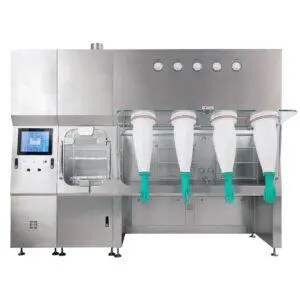
În cazul filtrelor HEPA instalate în izolatoare care manipulează medicamente periculoase, miza acestei ipoteze este și mai mare. Aceste filtre acumulează concentrații ridicate de reziduuri de medicamente pe parcursul duratei lor de viață. Dacă montarea sacului este omisă sau efectuată în grabă, riscul de expunere nu constă în contaminarea accidentală, ci în contactul direct cu materialul periculos concentrat pe suprafața filtrului și pe materialul filtrant.
| Scenariu de eșec | De ce este important | Consecințe potențiale |
|---|---|---|
| Locuințe tradiționale de tip non-BIBO fără sistem de izolare | Nu există măsuri de izolare integrate în timpul schimbării filtrului; necesită echipament complet de protecție individuală și expune zona înconjurătoare | Contaminarea zonei de service; expunerea directă a tehnicianului |
| Recurgerea exclusivă la echipamentul individual de protecție (EIP) în timpul schimbării filtrului | EIP reprezintă singura măsură de protecție; lipsesc cele mai eficiente măsuri de izolare | Probabilitate ridicată de eșec al măsurilor de izolare și de expunere profesională |
| Filtrele HEPA din izolatoarele pentru medicamente periculoase | Filtrele intră în contact direct cu concentrații ridicate de substanțe periculoase | Risc grav pentru sănătatea la locul de muncă în cazul în care se omite configurarea sistemului „bag-in/bag-out” |
Modelul care leagă toate cele trei scenarii de eșec nu este defectarea echipamentului — ci presupunerile procedurale. Carcasa arată la fel din exterior, indiferent dacă conține agenți biologici, reziduuri de medicamente sau o încărcătură obișnuită de particule. Controalele efectuate înainte de deschidere există tocmai pentru că aspectul exterior al carcasei nu oferă nicio informație cu privire la starea de pericol din interiorul acesteia. Echipele care au efectuat numeroase schimburi de rutină fără incidente sunt adesea cele mai expuse la acest risc, deoarece repetarea tinde să normalizeze secvența prescurtată.
Saci de colectare BIBO care sunt adaptate în prealabil la designul carcasei reduc o variabilă din acest lanț de defecte, dar nu înlocuiesc confirmarea procedurală care trebuie să preceadă utilizarea lor.
Verificați dacă nu există scurgeri înainte de a îndepărta filtrul HEPA uzat
O secvență de verificare a eliberării funcționează ca o barieră: toate condițiile trebuie îndeplinite înainte ca ușa de acces să se deschidă, iar îndeplinirea majorității acestora nu este suficientă. Scopul de a structura aceste verificări ca o barieră colectivă, mai degrabă decât ca o listă vagă de pregătiri prealabile, este acela că finalizarea parțială creează o încredere falsă — dacă se confirmă că clapetele sunt închise, dar nu se verifică egalizarea presiunii, echipa a îndeplinit o singură condiție, lăsând însă nerezolvată problema mecanismului care ar putea duce la o eliberare necontrolată.
Egalizarea presiunii este importantă deoarece o diferență de presiune între interiorul camerei și zona de lucru din jur va genera un curent de aer la deschiderea ușii. Acest curent este necontrolat și, în cazul unei camere contaminate, transportă particule sau material biologic în mediul de lucru chiar în momentul deschiderii — înainte ca vreo măsură de izolare să poată să le intercepteze. Verificarea egalizării presiunii înainte ca ușa să se miște elimină complet acest mecanism.
Supapa de eliberare completă acoperă patru condiții distincte, fiecare dintre ele rezolvând un mod de defectare separat.
| Verificarea lansării | De ce este important |
|---|---|
| Verificați dacă presiunea internă s-a egalizat cu cea externă | Previne mișcările bruște de aer care ar putea elibera substanțe contaminante |
| Asigurați-vă că clapetele de izolare sunt închise | Izolează carcasa de sistem înainte de acces |
| Verificați prezența și integritatea sacului de schimb | Verificarea finală a etanșeității înainte de manipularea filtrului uzat |
| Asigurați-vă că s-a efectuat decontaminarea (medii de biosecuritate) | Elimină riscul biologic înainte de îndepărtarea filtrului |
Verificarea decontaminării din tabel are o implicație specifică în ceea ce privește planificarea: este singurul element din secvența de trecere prin poartă care nu poate fi finalizat în ziua schimbului fără un timp de pregătire semnificativ în mediile de biosecuritate. Dacă o echipă ajunge la poarta de ieșire și constată că decontaminarea nu a fost efectuată, răspunsul corect este să întrerupă procedura — nu să continue purtând echipament de protecție individuală suplimentar. Reorganizarea programului este o situație care poate fi remediată; continuarea fără decontaminare într-un mediu de biosecuritate nu este.
Ceea ce conferă utilitate practică porții de eliberare este faptul că aceasta reduce secvența de pre-deschidere la o stare binară: gata sau nu gata. Nu există o poziție procedurală intermediară între o poartă confirmată, îndeplinită în totalitate, și una amânată sau incompletă. Echipele care tratează verificările ca fiind aproximative — în care majoritatea criteriilor sunt confirmate, iar elementele rămase sunt considerate îndeplinite — funcționează fără protecția pe care secvența este concepută să o ofere.
Secvența descrisă aici — de la închiderea clapetei și inspectarea sacului până la confirmarea decontaminării și egalizarea presiunii — reprezintă operațiunile care determină dacă înlocuirea unui BIBO este sigură înainte de primul contact fizic cu carcasa. Fiecare etapă rezolvă un mod specific de defectare, iar ordinea în care sunt efectuate nu este interschimbabilă. O echipă care confirmă izolarea după verificarea sacului sau care verifică starea de decontaminare după ce ușa este deja în mișcare nu a finalizat secvența de pre-deschidere; aceasta a inițiat o secvență concomitentă, ceea ce reprezintă o operațiune diferită și mai periculoasă.
Pentru unitățile care își revizuiesc sau își formalizează procedurile de înlocuire, punctul de plecare practic constă în a confirma dacă procesul actual tratează verificările premergătoare deschiderii ca pe o etapă documentată, secvențiată în timp, sau ca pe un exercițiu general de conștientizare înainte de începerea lucrului. Această distincție este esențială mai ales în condiții de presiune legată de respectarea programului — moment în care este cel mai probabil ca secvența de verificare înainte de deschidere să fie scurtată. Dacă procedura documentată nu specifică ordinea și criteriile de finalizare pentru fiecare verificare înainte de deschidere, această lacună trebuie remediată înainte de programarea următoarei înlocuiri, nu în timpul acesteia.
Întrebări frecvente
Î: Unitatea noastră utilizează exclusiv carcase BIBO pentru filtrarea particulelor nebiologice — se aplică în continuare întreaga secvență de pregătire înainte de punerea în funcțiune?
R: Verificările privind izolarea și integritatea sacului se aplică indiferent de clasificarea pericolului, însă cerința de decontaminare este specifică mediilor de biosecuritate care implică microorganisme. O aplicație cu particule nebiologice necesită totuși închiderea clapetei, egalizarea presiunii și inspectarea sacului înainte de acces — aceste controale vizează modurile de defectare care există independent de tipul de pericol. Etapa de decontaminare este singurul element condițional; toate celelalte controale premergătoare deschiderii rămân obligatorii.
Î: Odată ce filtrul uzat a fost sigilat în pungă și înlocuirea s-a încheiat, ce trebuie să se întâmple înainte ca carcasa să revină la funcționarea normală?
R: Clapetele de izolare trebuie redeschise numai după ce s-a confirmat că noul filtru este așezat corect și ușa de acces este complet asigurată, iar sacul de filtru uzat trebuie transferat imediat către ruta de eliminare desemnată, în loc să fie lăsat lângă carcasă. Lăsarea unui sac sigilat în zona de service în timp ce sistemul este repornit prezintă un risc de manipulare pe care schimbarea sacului a fost concepută să îl elimine. Confirmarea traseului de eliminare înainte de începerea înlocuirii — nu după — face parte din planificarea prealabilă deschiderii, tocmai pentru ca această etapă să nu fie improvizată la finalul procedurii.
Î: În ce situație este mai indicat să apelați la un contractor calificat, în loc să vă bazați pe o echipă internă, pentru înlocuirea filtrului BIBO?
R: Înlocuirea coordonată de un contractor devine opțiunea mai avantajoasă atunci când echipa internă nu dispune de instruire documentată specifică controalelor BIBO premergătoare deschiderii, când instalarea implică agenți de biosiguranță care necesită cicluri formale de decontaminare sau când unitatea nu poate pregăti în mod fiabil, în intervalul de timp alocat înlocuirii, pungile, uneltele și personalul calificat necesare. Riscul nu constă în faptul că echipele interne ar fi, în mod inerent, mai puțin capabile, ci în faptul că înlocuirea BIBO, realizată sub presiunea termenelor și fără o echipă care să fi exersat întreaga secvență de pregătire înainte de deschidere, duce în mod inevitabil la omisiunea unor etape. Dacă programul de instruire documentat și disponibilitatea echipamentelor nu pot fi confirmate înainte de programarea lucrărilor, implicarea unui contractor reduce această expunere la risc.
Î: Decontaminarea cu VHP este întotdeauna metoda potrivită pentru mediile de biosecuritate sau există situații în care un tratament chimic al suprafețelor este suficient?
R: Metoda de decontaminare trebuie aleasă în funcție de agenții prezenți în incintă, nu în funcție de echipamentele disponibile. VHP este adecvat atunci când clasificarea pericolului și sensibilitatea agentului justifică acest lucru, dar unele aplicații biologice pot necesita un agent diferit sau o metodă de contact adaptată organismelor specifice implicate. Articolul identifică VHP ca fiind una dintre mai multe abordări — decizia aparține echipei programului de biosecuritate a unității și ar trebui luată în timpul planificării procedurilor, mai degrabă decât în ziua schimbării, când durata ciclului și cerințele de ventilație nu mai pot fi respectate în intervalul de lucru disponibil.
Î: Cum se compară profilul de risc al unei înlocuiri BIBO cu utilizarea simplă a EIP completă în timpul unei operațiuni tradiționale de schimbare a filtrului fără izolare, având în vedere că EIP este obligatorie în ambele cazuri?
R: Sistemul de izolare BIBO și EIP ocupă poziții diferite în ierarhia de control, iar tratarea lor ca fiind o protecție echivalentă reprezintă eroarea care duce la apariția evenimentelor de expunere. Într-o procedură tradițională de schimbare fără izolare, EIP reprezintă singura barieră între tehnician și materialul filtrant — nu există un sistem de izolare proiectat, astfel încât orice defecțiune a EIP sau problemă de ajustare rămâne neatenuată. Într-o procedură BIBO executată corect, interfața sacului asigură izolarea primară, iar EIP funcționează ca un strat de rezervă. Diferența practică devine semnificativă în cazul încărcăturilor cu risc ridicat: un filtru care acumulează reziduuri concentrate de medicamente periculoase sau agenți biologici pe durata sa de viață creează un risc de expunere pe care EIP-ul singur — descris în articol ca fiind cea mai puțin eficientă metodă — este structural insuficient să îl controleze. Valoarea sistemului BIBO constă în faptul că îl îndepărtează complet pe tehnician de contactul direct cu filtrul, dar numai dacă secvența de pre-deschidere este finalizată corect.