O specificație care menționează BIBO, dar nu spune nimic despre modul în care filtrul contaminat este izolat înainte de a fi îndepărtat, va fi adesea aprobată fără obiecții în ceea ce privește achiziția - și apoi nu va trece de revizuirea biosecurității odată ce procedurile de întreținere sunt scrise efectiv. În acest stadiu, opțiunile sunt limitate: modernizarea carcasei înainte ca prima schimbare a filtrului să fie aprobată sau reproiectarea căii de evacuare în funcție de constrângerile de ocupare. Ambele rezultate sunt costisitoare și evitabile. Decizia privind echipamentul care previne acest lucru nu este modelul de carcasă care trebuie comandat, ci modul precis în care este definită secvența de izolare și izolare înainte de emiterea comenzii. Ceea ce urmează vă oferă datele de intrare specifice, pragurile și verificările necesare pentru a evalua dacă o specificație BIBO este într-adevăr pregătită pentru biosecuritate sau doar etichetată astfel.
Contribuții la evaluarea riscurilor de biosecuritate pentru selectarea BIBO
Selecția BIBO eșuează în modul cel mai previzibil atunci când începe cu catalogul echipamentului, mai degrabă decât cu evaluarea riscurilor. Nivelul de biosecuritate al laboratorului, cadrul de reglementare care îl guvernează și natura fizică a contaminanților manipulați modifică fiecare ceea ce trebuie să facă carcasa - iar omiterea acestei caracterizări în amonte produce o specificație care poate numi categoria de produse corectă, dar nu și configurația pe care aplicația o necesită de fapt.
În conformitate cu NSF/ANSI 49, laboratoarele BSL-2 și BSL-3 sunt obligate să utilizeze filtre BIBO împreună cu dispozitive de dezinfecție chimică. Această asociere este importantă deoarece o carcasă fără capacitate de dezinfecție in situ nu poate îndeplini cerința de decontaminare, chiar dacă procedura de schimbare a filtrului este corectă. Pentru instalațiile care funcționează în conformitate cu anexa 3 GMP a UE în zonele de producție a medicamentelor cu potență ridicată, este necesară filtrarea HEPA în două etape - ceea ce înseamnă că o specificație BIBO cu o singură etapă creează o deficiență de conformitate care va apărea în timpul inspecției de reglementare, mai degrabă decât în timpul achiziției, care este un moment mult mai prost pentru a o descoperi.
Întrebarea privind tipul de pericol introduce un alt tip de decizie de compromis. În cazul în care contaminanții nu pot fi neutralizați chimic - pulberile farmaceutice fiind un exemplu documentat - izolarea fizică de tip bag-in/bag-out este cerința de control, indiferent de configurația cabinetului de biosecuritate. Aceasta este o decizie tehnică determinată de caracteristicile pericolului, nu o regulă universală care se aplică în mod identic în toate contextele; esențial este că evaluarea pericolului trebuie să preceadă selecția echipamentului, nu să o urmeze.
Fiecare dintre aceste intrări corespunde unui rezultat specific al configurației BIBO care ar trebui să fie vizibil în specificație înainte de începerea discuțiilor cu furnizorii.
| Contribuția la evaluarea riscurilor | Standard / declanșator | Ce înseamnă aceasta pentru selecția BIBO |
|---|---|---|
| Clasificare laborator BSL-2/3 | NSF/ANSI 49 - cabinete de securitate biologică | Filtrele BIBO și dispozitivele de dezinfecție chimică sunt obligatorii |
| Zona de producție a medicamentelor cu potență ridicată | EU GMP Anexa 3 | Filtrarea HEPA în două etape trebuie să fie specificată pentru a evita deficiențele de conformitate |
| Contaminanți care nu pot fi neutralizați chimic (de exemplu, pulberi farmaceutice) | Tipul pericolului (biologic vs. chimic) | Este necesară izolarea cu sac în/din sac |
Implicația practică a omiterii acestei cartografieri nu constă în sosirea unei carcase greșite, ci în faptul că carcasa corectă sosește cu o configurație greșită, iar caracteristica care lipsește (o a doua treaptă HEPA, un port de dezinfecție in situ, o interfață compatibilă pentru dulap) nu poate fi adăugată la fața locului fără înlocuirea carcasei.
Cale de evacuare și întreținere Întrebări de acces din contextul BMBL
Amplasarea carcasei BIBO în calea de evacuare nu este o preferință de amplasare; aceasta determină dacă carcasa funcționează ca parte a strategiei de izolare sau doar ca un dispozitiv de filtrare care poartă eticheta BIBO. Un BIBO de evacuare secundară poziționat între conducta de evacuare și sistemul de izolare cu presiune negativă - în serie cu un filtru HEPA de evacuare - menține fluxul de aer contaminat în interiorul limitei controlate atât în timpul funcționării normale, cât și în timpul schimbării filtrului. Amplasarea greșită a carcasei în amonte de această limită sau tratarea acesteia ca fiind interschimbabilă cu o carcasă HEPA de pe partea de alimentare elimină funcția de izolare, păstrând în același timp aspectul de conformitate.
Menținerea presiunii negative în timpul întreținerii ventilatorului principal este o întrebare la care proiectarea căii de evacuare trebuie să răspundă înainte de instalare, nu în timpul primului eveniment de întreținere. O abordare documentată în ghidul practicienilor prevede un mic ventil de evacuare paralel - dimensionat la aproximativ 16% din capacitatea ventilatorului principal - care funcționează cu supape de etanșare electrice și manuale pentru a menține presiunea negativă în mod continuu în timpul întreținerii ventilatorului principal. Această figură este o referință de proiectare pentru o arhitectură specifică, nu un minim impus de cod, dar ilustrează logica de planificare: sistemul de evacuare are nevoie de o cale de acces pentru întreținere care să nu necesite spargerea izolării pentru a-l întreține.
Orientarea carcasei adaugă o a treia variabilă de proiectare. Carcasele BIBO pot fi configurate orizontal, vertical sau conectate în serie; conectarea în serie prelungește în mod specific timpul de rezidență al gazului disponibil pentru dezinfecția chimică, ceea ce este important atunci când decontaminarea in situ face parte din secvența de întreținere. Instalarea încastrată în peretele lateral este o opțiune practică care merită evaluată în spațiile mecanice restrânse - aceasta menține admisia la același nivel cu peretele și reduce spațiul liber necesar pentru accesul la schimbarea sacului. Acestea sunt criterii de planificare care fac parte din conversația de dezvoltare a proiectării, nu decizii lăsate la latitudinea instalatorului.
Pentru echipele care revizuiesc Sisteme Bag-In/Bag-Out (BIBO): Ghid de operare și întreținere, problemele legate de traseul de evacuare discutate aici se aliniază direct cu aceste considerații privind amplasarea și accesul.
Izolarea filtrelor contaminate față de filtrarea generală HVAC
Diferența procedurală dintre o înlocuire standard a filtrului HVAC și o înlocuire a filtrului BIBO este suficient de semnificativă pentru ca cele două carcase să nu fie evaluate în același cadru de achiziții publice. O înlocuire convențională a filtrului HVAC este o înlocuire deschisă: tehnicianul are acces la carcasă, scoate filtrul încărcat și îl înlocuiește fără niciun intermediar de izolare. Într-o aplicație de evacuare în condiții de biosecuritate, această abordare expune tehnicianul la orice a capturat filtrul, care este exact pericolul pe care carcasa trebuie să îl controleze.
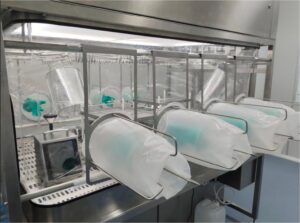
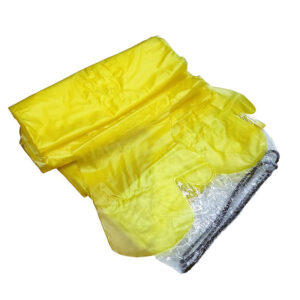
Înlocuirea filtrului BIBO utilizează saci de reținere sigilați - cu o lungime de aproximativ 2 metri, cu șnururi și centuri de siguranță - care permit închiderea filtrului încărcat înainte ca acesta să fie decuplat din carcasă. Configurațiile premium includ mănuși interne integrate în sac pentru a extinde protecția operatorului în faza de manipulare. Procedura este semnificativ diferită de o schimbare a sistemului HVAC, iar carcasa care o susține trebuie să fie capabilă din punct de vedere fizic să mențină integritatea pe parcursul ciclului de atașare și îndepărtare a sacului.
Această capacitate fizică este motivul pentru care carcasele HVAC standard nu pot înlocui din punct de vedere structural o incintă BIBO clasificată pentru biosecuritate. În conformitate cu GB 50346-2011 și JG/T 497-2016, pragurile de construcție relevante pentru incintele BIBO includ o rezistență la presiune de ±3 kPa și testarea etanșeității la ≥2,5 kPa. Carcasele HVAC standard nu au un nivel echivalent de rezistență la presiune și nu sunt testate pentru integritatea etanșeității la aceste niveluri. Tratarea acestora ca fiind echivalente - deoarece ambele conțin filtre HEPA - este o substituție care elimină funcția de izolare, păstrând în același timp performanța filtrului.
| Aspect | Filtrare generală HVAC | BIBO Izolarea filtrelor contaminate |
|---|---|---|
| Metoda de înlocuire a filtrului | Schimb deschis fără sac de reținere | Bag-in/bag-out cu saci sigilați (aprox. 2 m, șnururi, centuri de siguranță; modelele premium includ mănuși interne) |
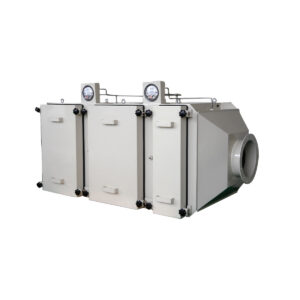
| Construcția incintei | Ansamblu mecanic standard, nu complet sudat | Construcție complet sudată, de obicei din oțel inoxidabil de 2 mm |
| Rezistență la presiune și etanșeitate la aer | Fără rating de rezistență la presiune; testare minimă a scurgerilor | Rezistență la presiune ±3 kPa; etanșeitate testată la ≥2,5 kPa conform GB 50346-2011 și JG/T 497-2016 |
Consecința în aval a specificării unei carcase care nu poate îndeplini aceste praguri nu este o constatare de audit eșuată în abstract - este o procedură de schimbare a filtrului pe care responsabilul cu biosecuritatea nu o poate aproba, deoarece carcasa nu poate demonstra că filtrul contaminat este izolat înainte ca mâinile tehnicianului să intre în contact cu acesta.
Frecarea achizițiilor în jurul procedurilor de servicii nedefinite
Modelul care generează cele mai multe lucrări de refacere evitabile în achizițiile BIBO este redactarea unei specificații privind performanța de filtrare a carcasei, fără a defini cum arată procedura de întreținere. Atunci când procedurile de service nu sunt definite la achiziție, lacunele care apar în timpul calificării pentru întreținere tind să fie structurale - ceea ce înseamnă că necesită modificări hardware, nu revizuiri ale procedurilor.
Compatibilitatea tipului de cabinet este cea mai frecventă neconcordanță timpurie. Sistemele BIBO pot fi integrate în dulapurile de biosecuritate de tip B2 din clasa II, dar, în general, nu sunt disponibile ca accesorii pentru dulapurile de tip A2 și nu sunt opțiuni standard de modernizare pentru majoritatea tipurilor de dulapuri instalate. O specificație care selectează o carcasă BIBO fără a confirma compatibilitatea dulapului din aval poate avea ca rezultat o configurație care trece de verificarea achizițiilor și nu trece de calificarea sistemului de biosecuritate - caz în care soluția este înlocuirea dulapului, nu ajustarea procedurii. Confirmarea tipului de dulap înainte de specificarea BIBO este punctul de intervenție care previne acest lucru.
Prefiltrarea este o a doua lacună pe care echipele de achiziții o tratează adesea ca fiind opțională. În aplicațiile farmaceutice, prefiltrele prelungesc semnificativ durata de viață a filtrului HEPA primar prin captarea particulelor mai grosiere înainte ca acestea să încarce mediul HEPA. O carcasă specificată fără o etapă de prefiltrare va atinge mai repede intervalele de înlocuire a filtrelor HEPA, crescând costurile ciclului de viață într-un mod care nu este vizibil în comparația inițială a capitalului. Aceasta nu este o lacună de siguranță cu risc ridicat, dar este o escaladare previzibilă a costurilor pe care o specificație completă ar fi abordat-o.
Capacitatea de dezinfecție in situ este lacuna cu cele mai grave consecințe în aval. În cazul în care carcasa BIBO nu include un port de dezinfecție sau o funcție echivalentă de decontaminare in situ, carcasa nu poate fi decontaminată între momentul în care filtrul este încărcat cu materiale periculoase și momentul în care acesta este îndepărtat fizic. Unele programe de biosecuritate pot accepta fluxuri alternative de decontaminare, dar altele nu, iar funcția nu poate fi instalată ulterior într-o carcasă care nu a fost proiectată pentru a o suporta. Specificarea acestei funcții - sau confirmarea explicită a absenței acesteia și a consecințelor fluxului de lucru - este o decizie care trebuie luată înainte de a comanda carcasa.
| Procedură nedefinită / Gap | Risc în caz de nerezolvare | Ce să clarificăm în cadrul achizițiilor |
|---|---|---|
| Compatibilitatea BIBO cu tipul de cabinet de biosecuritate | Nepotrivire în ceea ce privește achiziția, respingerea evaluării biosecurității sau modernizarea post-instalare | Confirmați că dulapul este clasa II tip B2 și că adăugarea BIBO este acceptată |
| Specificații de prefiltrare | Lipsa prefiltrului crește frecvența înlocuirii HEPA și costul ciclului de viață | Includeți în caietul de sarcini cerințele privind prefiltrele și etapele |
| Funcție de dezinfecție in situ pe carcasa BIBO | Carcasa nu poate fi decontaminată fără echipament suplimentar; forțează modernizarea | Precizați dezinfecția in situ, dacă este necesar, sau verificați disponibilitatea acesteia pe carcasa selectată |
Aceste trei lacune se agravează reciproc. O echipă care confirmă compatibilitatea dulapului, dar omite prefiltrarea și dezinfecția in situ, a rezolvat cea mai vizibilă neconcordanță de achiziție, lăsând în același timp lacunele esențiale pentru întreținere. Specificațiile pot fi susținute doar atunci când procedurile de service au fost elaborate suficient de detaliat pentru a identifica ce trebuie să facă carcasa în timpul schimbării filtrului, nu doar în timpul funcționării normale.
Verificări de selecție înainte de a numi o locuință Biosafety-Ready
Calificarea unei carcase ca fiind pregătită pentru biosecuritate este o afirmație funcțională, nu o etichetă care rezultă din categoria produsului. Întrebarea la care ar trebui să răspundă este dacă adăpostul poate suporta secvența completă de întreținere și izolare fără ocoliri ale fluxului de lucru pe care un responsabil cu biosecuritatea nu le-ar aproba. Patru puncte de verificare stabilesc un prag minim justificabil înainte de aplicarea acestei descrieri.
Materialul incintei și integritatea construcției sunt pe primul loc. Un corp din oțel inoxidabil complet sudat - 2 mm SUS304 este o referință comună de construcție - este punctul de plecare pentru izolarea la presiune. Cadrele de verificare a etanșeității la aer, cum ar fi ASME N510 și JG/T 497-2016, definesc cum arată metodologia de testare; acestea nu sunt legi care guvernează universal în fiecare jurisdicție, dar oferă o bază de referință pentru revendicarea performanței. O carcasă care nu a fost testată în conformitate cu un standard recunoscut de etanșeitate la aer nu poate susține în mod fiabil funcția de izolare în timpul atașării și îndepărtării sacului, indiferent de ceea ce spune descrierea produsului.
Detectarea online a scurgerilor și monitorizarea presiunii diferențiale sunt controalele operaționale care fac ca gestionarea filtrelor să fie trasabilă. Capacitatea de scanare PAO permite verificarea in situ a integrității filtrului fără scoaterea carcasei din funcțiune. Monitorizarea presiunii diferențiale în timp real oferă un indicator continuu al stării de încărcare a filtrului, permițând înlocuirea proactivă înainte ca filtrul să ajungă într-o stare în care integritatea este discutabilă. Fără aceste funcții, momentul înlocuirii filtrului devine o decizie judecătorească mai degrabă decât o măsurătoare documentată - o poziție care este dificil de apărat într-un registru de întreținere a biosecurității.
Supapa de închidere pentru biosecuritate este o caracteristică opțională pe multe carcase, dar absența sa are o consecință concretă: fără o supapă de izolare, carcasa nu poate fi decuplata de calea de evacuare în timpul întreținerii fără a afecta echilibrul presiunii sistemului. Într-o aplicație critică de izolare, acest decalaj operațional poate necesita instalarea unei supape manuale sau modificarea sistemului înainte de aprobarea primului eveniment de întreținere. Aceasta este o caracteristică a carcasei selectate, a cărei prezență ar trebui confirmată, sau absența acesteia ar trebui rezolvată în mod explicit în procedura de întreținere înainte de încheierea achiziției.
Configurația filtrării în mai multe etape ar trebui să rezulte direct din rezultatele evaluării riscurilor, nu dintr-o specificație implicită. O configurație care include etape de prefiltrare, HEPA, chimice și cu cărbune activ este adecvată atunci când profilul contaminantului justifică fiecare etapă; specificarea tuturor etapelor atunci când este indicată doar HEPA suprasolicită carcasa și crește costurile fără a îmbunătăți izolarea. Opusul - specificarea doar a HEPA atunci când profilul de risc necesită trepte chimice sau cu cărbune activ - creează o deficiență reală de protecție. Evaluarea riscurilor este elementul care determină etapele care sunt justificate.
| Verificare | Ce trebuie să confirmați | Motivul |
|---|---|---|
| Materialul carcasei și etanșeitatea la aer | Oțel inoxidabil complet sudat (de exemplu, 2 mm SUS304); îndeplinește standardele de etanșeitate ASME N510 și JG/T 497-2016 | Asigură integritatea izolării sub presiunea de funcționare |
| Detectarea scurgerilor și monitorizarea presiunii | Sunt incluse scanarea PAO online și monitorizarea presiunii diferențiale în timp real | Necesar pentru evaluarea conformității și a înlocuirii proactive a filtrelor |
| Supapă de închidere pentru biosecuritate | Supapa de izolare opțională este disponibilă pentru întreținere | Previne expunerea la reflux în timpul întreținerii |
| Configurație de filtrare în mai multe etape | Etapele pre, HEPA, chimice și cu cărbune activ sunt specificate pe baza evaluării riscurilor de biosecuritate | Evită supra sau sub specificații și corespunde profilului contaminantului |
A Bag in Bag Out - BIBO Carcasa care satisface toate aceste patru verificări poate susține o revizuire completă a calificării pentru întreținere. O carcasă care le satisface pe unele, dar nu și pe altele, va necesita fie o revizuire a specificațiilor înainte de încheierea achiziției, fie o modificare hardware înainte de aprobarea primei modificări a filtrului - iar a doua cale este în mod constant mai costisitoare decât prima.
Cea mai importantă reformulare pentru selectarea BIBO într-o aplicație de evacuare în condiții de biosecuritate este că decizia nu se referă în primul rând la performanța filtrului. Filtrele sunt specificate prin evaluarea riscurilor. Decizia privind BIBO se referă la faptul dacă carcasa poate susține secvența de izolare în timpul întreținerii - izolarea filtrului, fixarea sacului, decontaminarea și îndepărtarea - fără a crea un eveniment de expunere sau a necesita un flux de lucru pe care programul de biosecuritate nu îl va aproba. Această secvență trebuie elaborată, cel puțin în linii mari, înainte de selectarea carcasei, deoarece caracteristicile care o fac posibilă - dezinfecție in situ, supapă de izolare, orificiu de scanare PAO, construcție rezistentă la presiune - nu pot fi modificate după instalarea carcasei.
Înainte de a încheia o specificație BIBO pentru un sistem de evacuare în condiții de biosecuritate, confirmați că procedura de întreținere este suficient de detaliată pentru a verifica compatibilitatea carcasei, că cerințele privind tipul de dulap și dezinfecția in situ sunt rezolvate și că declarațiile privind etanșeitatea și construcția carcasei selectate sunt susținute de un cadru de testare recunoscut. Dacă aceste trei condiții nu sunt îndeplinite, specificația nu este încă completă, indiferent de denumirea carcasei.
Întrebări frecvente
Î: Acest ghid de selecție BIBO se aplică dacă sistemul de evacuare deservește un spațiu BSL-1 sau un laborator standard fără un nivel definit de biosecuritate?
R: Nu - cadrul descris presupune că filtrul de evacuare face parte dintr-o strategie oficială de izolare legată de un nivel clasificat de biosecuritate. Într-un spațiu BSL-1 sau neclasificat, filtrul de evacuare este, de obicei, o componentă a sistemului de climatizare pentru confort, iar cerințele de izolare BIBO, standardele de construcție la presiune și mandatele de dezinfecție in situ nu se aplică. Aplicarea criteriilor de selecție BIBO de grad de biosecuritate la o cale de evacuare neclasificată va suprasolicita sistemul, fără a oferi un beneficiu de izolare. Punctul de plecare corect este să se confirme dacă traseul de evacuare este desemnat ca făcând parte din limitele de izolare ale laboratorului înainte de a se invoca orice criterii BIBO.
Î: Odată ce carcasa BIBO este corect specificată și achiziționată, care este pasul imediat următor înainte ca prima schimbare a filtrului să fie aprobată?
R: Responsabilul cu biosecuritatea are nevoie de o procedură de întreținere redactată care să pună în corespondență fiecare etapă a secvenței de schimbare a filtrului - fixarea sacului, decuplarea filtrului, decontaminarea și îndepărtarea sacului - cu caracteristicile specifice ale carcasei unității instalate. Fără această procedură, nu există nicio bază pentru aprobarea întreținerii, indiferent de cât de bine a fost specificată carcasa. Procedura este, de asemenea, locul în care devin vizibile lacunele din specificația inițială: dacă dezinfecția in situ sau o supapă de izolare lipsesc, procedura nu poate fi finalizată așa cum a fost scrisă, iar lacuna trebuie rezolvată prin modificarea hardware-ului înainte de autorizarea primei modificări.
Î: În ce moment o carcasă BIBO încetează să mai fie soluția de izolare potrivită și un bazin de biosecuritate sau o altă metodă de decontaminare devin mai adecvate?
R: O carcasă BIBO este soluția adecvată atunci când cerința principală de izolare este izolarea unui filtru încărcat de tehnician în timpul îndepărtării. Atunci când cerința de decontaminare implică scufundarea în lichid a elementelor care trec prin limita de izolare - mai degrabă decât izolarea schimbării filtrului - un bazin de siguranță biologică răspunde unei nevoi procedurale complet diferite. Cele două nu sunt interschimbabile și nu sunt opțiuni concurente pentru aceeași funcție; rezultatul evaluării riscurilor care identifică ce trebuie decontaminat și cum, determină care categorie de echipament este relevantă pentru o anumită aplicație.
Î: Prin ce diferă specificarea unei carcase BIBO pentru un sistem de evacuare la nivel de instalație față de utilizarea filtrului HEPA deja încorporat într-un dulap de biosecuritate clasa II pentru a gestiona izolarea evacuării?
R: Filtrarea HEPA la nivel de cabinet și BIBO la nivel de instalație servesc limite de izolare diferite și nu se pot înlocui reciproc. Sistemul HEPA de evacuare al dulapului de biosecuritate controlează ceea ce iese din dulap; sistemul BIBO de evacuare al instalației controlează ceea ce iese din limita de izolare a clădirii și reglementează la ce este expus tehnicianul de întreținere în timpul întreținerii filtrului. Un laborator care se bazează exclusiv pe sistemul HEPA intern al dulapului, fără un BIBO în calea de evacuare a instalației, nu dispune de un mecanism de izolare pentru conductele din aval de dulap sau pentru evenimentul de schimbare a filtrului la evacuarea din clădire. Cele două sisteme abordează puncte secvențiale din calea de evacuare, nu același punct la scări diferite.
Î: Dacă o locuință BIBO trece de cele patru verificări de construcție și verificare descrise în articol, este suficient pentru a trece la achiziție sau există cerințe de reglementare care trebuie rezolvate separat?
R: Cele patru verificări de selecție stabilesc că carcasa poate susține secvența de întreținere și izolare - acestea reprezintă un prag de pregătire pentru specificații, nu o cerere de reglementare. În funcție de jurisdicție și de tipul de instalație, pot urma în mod independent etape suplimentare: revizuirea procedurii de întreținere de către comitetul de biosecuritate, notificarea autorității de reglementare pentru instalațiile BSL-3 sau superioare și validarea punerii în funcțiune, inclusiv testarea etanșeității la aer și rezultatele scanării PAO. Aceste cerințe provin din cadrul de reglementare aplicabil - BMBL, Manualul de biosecuritate în laborator al OMS sau Manualul canadian de biosecuritate - și nu din specificațiile carcasei în sine. Trecerea verificărilor de selecție înseamnă că echipamentul este adecvat scopului; acesta nu îndeplinește în mod automat nicio obligație de prezentare sau de punere în funcțiune cerută de program.