Alegerea implicită a unei cutii de transfer statice doar pentru că reprezintă elementul cu cel mai mic cost din lista de echipamente pentru o trapă de transfer este una dintre cele mai frecvente erori de specificație din proiectele de amenajare a camerelor curate — și una dintre cele mai greu de remediat odată ce pereții au fost construiți și procedurile standard de operare (SOP) au fost redactate în jurul unui echipament care nu își îndeplinește funcția. Înlocuirea unei camere de transfer cu specificații insuficiente după instalare înseamnă tăierea unui perete validat, re-punerea în funcțiune a perimetrului camerei și, adesea, rescrierea procedurii de transfer care fusese deja elaborată pentru a se adapta echipamentului necorespunzător. Decizia care evită această situație nu este complexă, dar necesită cunoașterea clasificării camerelor de pe ambele părți ale peretelui, a naturii materialului transferat și a faptului dacă decontaminarea sau fluxul activ de aer fac parte din cerințele de transfer înainte de a începe orice discuție cu furnizorul. Ceea ce urmează este o structură pentru luarea acestei decizii înainte ca procesul de achiziție să consfințe alegerea greșită.
Riscul legat de transfer înainte de alegerea furnizorului de cutii de transfer
Riscul de contaminare la o cameră de transfer nu ține în primul rând de unitatea în sine, ci de capacitatea acesteia de a menține condiția de separare între cele două spații pe care le conectează. O cameră de transfer statică creează o deschidere fizică prevăzută cu un sistem de interblocare care împiedică deschiderea simultană a ambelor uși. Aceasta este întreaga sa contribuție la izolare. În cazul în care ambele încăperi conectate au aceeași clasificare de curățenie și o presiune similară, acest lucru poate fi suficient. În cazul în care o parte este un spațiu de clasă inferioară sau necontrolat, iar cealaltă este o zonă controlată, o unitate statică nu poate compensa diferența de clasificare în timpul unui transfer — iar materialul care intră din partea inferioară aduce cu sine încărcătura de particule și contaminare specifică acelui mediu.
Modelul practic de eșec nu este dramatic. Acesta tinde să se manifeste sub forma unor abateri recurente legate de particule, care pot fi atribuite traseului de transfer, sau sub forma unei proceduri standard de operare (SOP) care le impune operatorilor să ștergă toate materialele înainte de transfer și apoi să le ștergă din nou în interiorul camerei — soluții de compromis care există deoarece cutia de transfer nu asigură fluxul de aer necesar pentru a elimina contaminarea din cameră între ciclurile de deschidere-închidere a ușii. Aceste abateri sunt gestionabile până când un audit scoate la iveală discrepanța dintre procedura scrisă și capacitatea reală a echipamentului de transfer. În acel moment, argumentul conform căruia o cutie statică era suficientă devine greu de susținut dacă diferența de presiune din încăpere sau riscul asociat materialelor indică contrariul.
Criteriul de proiectare este simplu: dacă încăperile de pe ambele părți ale peretelui au un nivel comparabil de curățenie și raportul de presiune este stabil, o unitate statică răspunde nevoii de transfer. Dacă există o diferență semnificativă de clasificare între cele două părți — sau dacă una dintre părți este un coridor necontrolat sau un vestibul — fluxul activ de aer în cameră reprezintă o cerință funcțională, nu o îmbunătățire.
Funcții statice, dinamice, VHP și cutie de transfer pentru biosecuritate
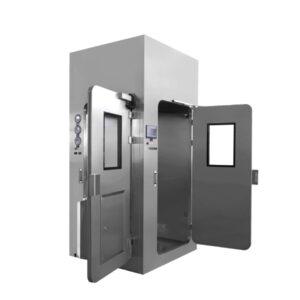
Camerele de transfer statice și dinamice rezolvă probleme diferite, iar diferența dintre ele nu este una minoră. O cameră de transfer statică asigură separarea fizică și controlul secvențial al ușilor. Aceasta nu introduce aer în cameră, nu filtrează aerul existent și nu creează o condiție de presiune pentru a proteja niciunul dintre spațiile conectate în perioada scurtă în care ușa este deschisă. Pentru transferurile între două spații cu un nivel echivalent de curățenie, acest lucru este adesea suficient — camera se află deja la aceeași calitate a mediului ca ambele părți.
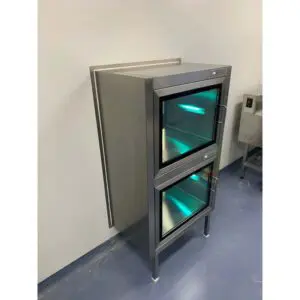
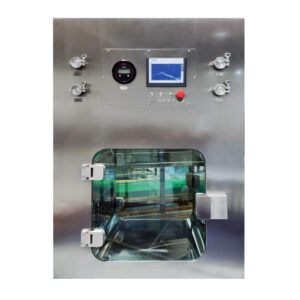
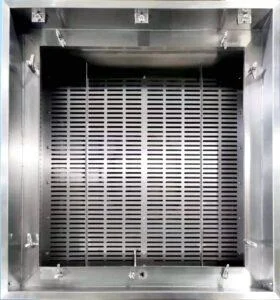
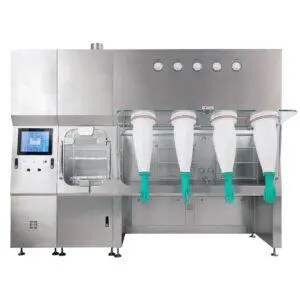
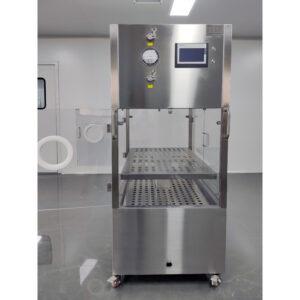
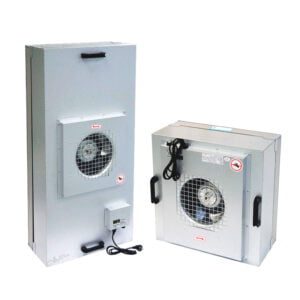
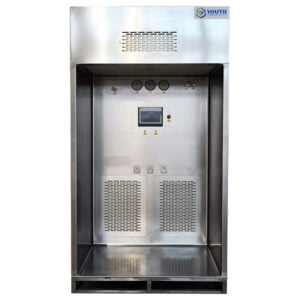
O cameră de transfer dinamică asigură circulația unui flux de aer recirculat și filtrat prin filtre HEPA în interiorul camerei. Scopul este de a menține în spațiul de transfer o stare de filtrare care să împiedice particulele introduse din partea cu clasificare inferioară să ajungă în partea cu clasificare superioară atunci când ușa internă se deschide. Acest aspect este important din punct de vedere operațional, deoarece modifică modul în care funcționează camera între transferuri: în loc să rețină contaminarea introdusă ultima dată, aceasta o elimină în mod continuu. Pentru un producător precum Youth Filter, caseta de trecere dinamică unitățile sunt proiectate special pentru acest scenariu de transfer cu clasificare încrucișată, în care separarea pasivă a unei unități statice este insuficientă.
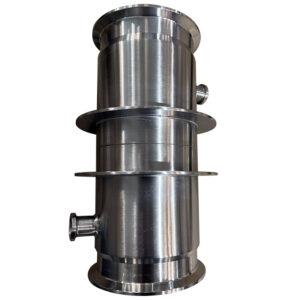
Camerele de transfer cu VHP adaugă un ciclu de decontaminare la etapa de transfer. În loc să se bazeze pe ștergerea efectuată de operator sau pe diluarea prin filtre HEPA pentru gestionarea contaminării suprafețelor, o unitate VHP expune materialele din cameră la peroxid de hidrogen vaporizat, la o concentrație și un timp de expunere suficiente pentru a atinge o reducere logaritmică definită. Sarcina de validare crește substanțial — dezvoltarea ciclului, calificarea ciclului, testarea compatibilității materialelor și monitorizarea continuă a ciclului devin toate parte integrantă a procedurii de transfer. Anexa 1 la GMP-ul UE stabilește cerințele de decontaminare pentru mediile de producție sterile, ceea ce face ca acest tip de etapă de transfer sporicidă validată să fie relevantă atunci când materialele trebuie să intre într-o zonă de grad A sau B fără o sterilizare terminală prealabilă. Unitatea VHP nu simplifică procesul de transfer; aceasta înlocuiește un risc de contaminare necontrolat cu unul controlat și validabil. Acest compromis merită în contextul potrivit, dar este imposibil de justificat în cazul în care sunt adecvate controale de transfer mai simple.
Cutiile de transfer de nivel de biosecuritate abordează o altă dimensiune: protecția operatorului și a mediului, mai degrabă decât protecția produsului. În cazul în care un laborator BSL-3 sau o unitate de izolare OEB4/OEB5 se află pe o parte a peretelui, echipamentul de transfer trebuie să mențină limitele de izolare — cascada de presiune, sistemul de evacuare HEPA, secvența de interblocare — în condițiile de defecțiune specifice acelui mediu, nu doar în condiții normale de funcționare.
Ghidul de proiectare al unui producător corelează unitățile statice cu condițiile din standardul ISO 7, iar unitățile dinamice cu cerințele din standardele ISO 5–6. Această corelare constituie un punct de referință util pentru planificare, dar ar trebui tratată mai degrabă ca o valoare orientativă de proiectare decât ca o regulă universală. Cerința efectivă rezultă din diferențele de clasificare a încăperilor și din evaluarea riscurilor legate de materiale, nu dintr-un tabel din broșura produsului.
| Caracteristică | Caseta de trecere statică | Caseta de trecere dinamică |
|---|---|---|
| Ventilație | Fără ventilație | Aer recirculat, filtrat prin filtru HEPA |
| Filtrare | Fără filtrare | Unitate autonomă cu filtrare HEPA |
| Adecvarea clasificării ISO | ISO 7 | Cinci-șase |
| Scenariu de transfer | Între camere sterile de aceeași clasificare | Între diferite niveluri de curățenie sau între o cameră curată și una care nu este curată |
Detalii privind sistemul de blocare a ușii, fluxul de aer, camera și decontaminarea
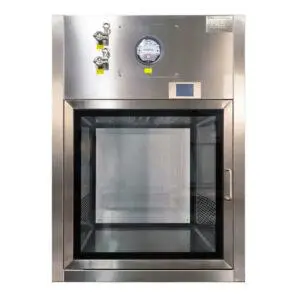
Blocarea ușilor este singura caracteristică comună unităților statice, dinamice și VHP, fiind totodată cea mai susceptibilă de a se defecta fără a da semne vizibile. Un sistem mecanic de blocare împiedică fizic deblocarea unei uși în timp ce cealaltă este deschisă. Un sistem electronic de blocare adaugă funcții de monitorizare, înregistrare și opțiunea unei întârzieri temporizate între ciclurile ușilor — utilă în cazul în care o unitate dinamică necesită o perioadă de purjare definită după închiderea ușii exterioare, înainte ca ușa interioară să se poată deschide. Ambele modele îndeplinesc același obiectiv operațional: prevenirea accesului simultan care ar crea o cale de aer directă și necontrolată între cele două spații conectate.
Modul de defectare care contează nu este o blocare bruscă și evidentă a dispozitivului de interblocare. Ci tocmai slăbirea treptată a unui dispozitiv mecanic de interblocare sau ocolirea alarmei false a unui dispozitiv electronic de interblocare, care permite operatorilor să deschidă ambele uși sub presiunea timpului. Această defecțiune este rareori testată în timpul punerii în funcțiune cu aceeași rigoare aplicată calificării filtrelor HEPA, însă devine imediat vizibilă în timpul unei inspecții GMP dacă înregistrările de audit sau testele fizice relevă că deschiderea simultană este posibilă. Fiabilitatea dispozitivului de interblocare ar trebui să constituie un criteriu de acceptare funcțională în protocoalele FAT și SAT, însoțită de teste documentate de forță sau de logică, și nu o simplă presupunere.
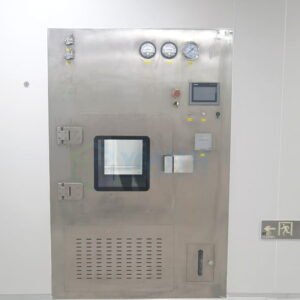
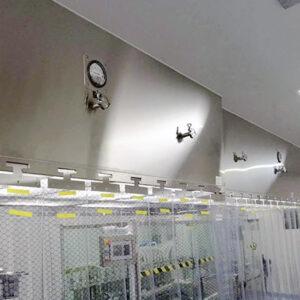
În cazul unităților dinamice, manometrul de presiune diferențială montat pe filtrul HEPA reprezintă un indicator operațional continuu. Un producător specifică un interval de 0–250 Pa pentru acest manometru; această valoare reflectă parametrii de proiectare ai unității, nu un prag de presiune impus de reglementări. Din punct de vedere practic, ceea ce contează este faptul că manometrul oferă operatorilor un punct de referință pentru încărcarea filtrului — o cădere de presiune care tinde spre limita superioară a intervalului manometrului indică o încărcare a filtrului care necesită evaluare înainte de a afecta performanța fluxului de aer. Portul de testare DOP/PAO permite testarea integrității filtrului HEPA conform metodologiei de testare a scurgerilor descrisă în ISO 14644-3:2019. Fără acest port, integritatea filtrului nu poate fi verificată după instalare sau în urma oricărei operațiuni de întreținere care afectează carcasa filtrului, ceea ce înseamnă că afirmația privind capacitatea de filtrare a unității dinamice nu poate fi susținută în documentația de calificare.
| Componentă | Specificații / Detalii | Scop / Risc |
|---|---|---|
| Sistem de blocare a ușilor | Mecanic sau electronic, cu temporizator opțional; împiedică deschiderea simultană a ambelor uși | Protejează diferențele de presiune din încăpere; o defecțiune a sistemului de interblocare creează o cale directă de contaminare încrucișată |
| Manometru de presiune diferențială (unități dinamice) | Intervalul 0–250 Pa | Monitorizează căderea de presiune la nivelul filtrului HEPA, verificând debitul de aer și indicând gradul de încărcare al filtrului |
| Port de testare DOP/PAO (unități dinamice) | Port pentru testarea integrității filtrului HEPA cu aerosol DOP/PAO | Permite testarea etanșeității și numărarea particulelor în vederea validării filtrului |
Riscul legat de procedura standard de operare (SOP) ca urmare a specificării insuficiente a echipamentelor de transfer
Echipamentele de transfer care nu respectă specificațiile rareori duc la o defecțiune imediată și vizibilă. Ele determină o acumulare treptată de măsuri compensatorii în procedura standard de operare (SOP) pentru transfer — ștergeri suplimentare, perioade de așteptare obligatorii, verificări efectuate de operator care înlocuiesc funcționarea echipamentului — care sunt greu de justificat în cazul în care specificațiile echipamentului sunt contestate. Problema constă în faptul că SOP-ul este redactat în funcție de ceea ce este instalat, nu de cerințele traseului de transfer, iar aceste adaptări devin documentația privind calitatea pe care o va consulta auditorul.
Cea mai directă manifestare a acestei probleme este specificarea unei camere de transfer statice pentru un transfer dintr-un spațiu necontrolat sau cu un nivel de clasificare inferior într-o zonă controlată. Sistemul de interblocare al unității statice împiedică deschiderea simultană a ușilor, dar nu face nimic pentru a remedia contaminarea care a pătruns în cameră la deschiderea ușii exterioare. Orice încărcătură de particule sau contaminare de suprafață care a pătruns odată cu materialul rămâne în cameră până la deschiderea ușii interioare, moment în care pătrunde în spațiul controlat. Includerea unei etape de ștergere în procedura standard de operare (SOP) abordează parțial problema contaminării de suprafață, dar nu rezolvă expunerea la particule din aer, în special în cazul transferurilor care au loc frecvent sau care implică ambalaje dificil de șters complet.
A doua eroare frecventă constă în tratarea tipului de interblocare ca pe o alegere pur estetică. Un sistem mecanic de interblocare care devine nesigur la frecvențe ridicate de transfer sau un sistem electronic care nu dispune de o istorie de audit înregistrată pot fi adecvate la momentul instalării, dar pot deveni o sursă de risc după douăsprezece luni. Dacă ruta de transfer face legătura cu un spațiu cu risc ridicat, iar funcționarea interblocării nu poate fi documentată în cadrul unui audit, camera de transfer nu poate demonstra că a menținut condiția de izolare pe care a fost proiectată să o protejeze.
Acestea sunt întrebări de verificare a procesului de achiziție, nu corecții ulterioare instalării. Verificarea clasificării încăperilor din ambele perspective, a frecvenței transferurilor și a riscului asociat materialelor înainte de finalizarea caietului de sarcini permite identificarea majorității problemelor legate de specificații insuficiente înainte ca acestea să fie incluse într-un URS. Aceste cutie de trecere statică este alegerea potrivită pentru aplicația potrivită; riscul constă în utilizarea sa pe o rută de transfer pentru care nu a fost niciodată adecvată.
| Problema specificării insuficiente | Consecințele în cazul în care problema nu este abordată | Ce trebuie să se verifice împreună cu furnizorul |
|---|---|---|
| Se specifică utilizarea unei cutii de transfer statice în cazul în care este necesar un flux de aer dinamic (de exemplu, trecerea dintr-un spațiu necontrolat sau cu un nivel de clasificare inferior într-o zonă controlată) | Incapacitatea de a menține nivelul necesar de igienă; contaminarea încrucișată; posibile abateri de la procedurile standard de operare (SOP) și înlocuirea ulterioară a unității | Confirmați diferențele de clasificare a încăperilor și verificați dacă pentru transferurile între clase este prevăzută o cameră de transfer dinamică cu recirculare HEPA |
| Sistem de blocare a ușilor inadecvat sau defect | Deschiderea simultană a ușilor creează o cale directă de contaminare încrucișată între zonele conectate ale camerei curate | Verificați tipul sistemului de interblocare (mecanic/electronic, opțiune cu temporizator) și fiabilitatea funcțională în condiții de funcționare |
Alegerea furnizorului după ce relația cu camera și riscul legat de materiale sunt clar stabilite
Odată ce sunt definite relația dintre încăperi, diferențialul de clasificare, frecvența transferului și cerințele de decontaminare, selectarea furnizorului devine mai degrabă un exercițiu de verificare decât o comparație a caracteristicilor. Întrebarea nu mai este “ce oferă acest furnizor”, ci “îndeplinește unitatea acestui furnizor cerințele funcționale și de calificare specifice ale acestei rute de transfer?”.”
În cazul unei camere de transfer statice care leagă două spații cu clasificare similară, discuția cu furnizorul ar trebui să se concentreze pe fiabilitatea sistemului de interblocare, dimensiunile camerei în raport cu încărcătura reală de transfer, finisajul suprafețelor și capacitatea de curățare, precum și asupra compatibilității interfeței de penetrare a peretelui unității cu sistemul de compartimentare al camerei curate. Dimensiunea camerei reprezintă un punct de fricțiune mai frecvent decât pare: o unitate dimensionată conform desenelor tehnice poate să nu poată acomoda containerele, tăvile sau ambalajele secundare utilizate efectiv pe traseul de transfer, ceea ce duce fie la improvizații forțate la locul de utilizare, fie la o nouă comandă.
În cazul unei camere de transfer dinamice, furnizorul ar trebui să poată prezenta documentația privind metodologia de testare a integrității filtrului HEPA al unității, intervalul de măsurare și baza de calibrare a manometrului de presiune diferențială, precum și un port de testare DOP/PAO accesibil după instalare, fără a fi necesară demontarea panoului. Acestea nu sunt cerințe avansate — ele reprezintă minimul necesar pentru elaborarea unui protocol IQ/OQ care să demonstreze că unitatea funcționează conform specificațiilor. Un furnizor care nu poate oferi aceste elemente ca livrabile standard indică o sarcină de calificare care va fi suportată de funcția de validare a echipei de achiziții. Pentru o comparație mai completă a diferențelor dintre unitățile statice și cele dinamice în ceea ce privește aceste criterii, analiza detaliată de la Cutia de transfer statică vs. cutia de transfer dinamică: 8 diferențe cheie abordează aspectele legate de proiectare și performanță care sunt utile în etapa de definire a specificațiilor.
În cazul unităților VHP, capacitatea furnizorului de a sprijini dezvoltarea ciclului și de a furniza parametri de ciclu validați pentru geometria camerei este mai importantă decât numărul de funcții ale unității. O cutie de transfer VHP cu un ciclu bine caracterizat, care poate fi reprodus în mod fiabil, este mai utilă decât o unitate mai complexă, ale cărei parametri de decontaminare impun unității achizitoare să îi dezvolte de la zero.
| Tipul de cutie de transfer necesar | Aspecte cheie care trebuie verificate împreună cu furnizorul | Risc dacă lipsește |
|---|---|---|
| Caseta de trecere statică | Sistem fiabil de blocare a ușilor (mecanic/electronic); compatibilitate confirmată pentru transferurile între încăperi din aceeași clasă de curățenie | Un sistem de blocare defectuos poate permite deschiderea simultană a ușilor, ceea ce poate duce la contaminare încrucișată |
| Caseta de trecere dinamică | Recirculare HEPA cu manometru de presiune diferențială (0–250 Pa) și port de testare DOP/PAO; performanță documentată pentru transferuri între diferite niveluri de puritate | Fără aceste caracteristici, integritatea filtrului HEPA nu poate fi validată, ceea ce sporește riscul de contaminare în timpul transferurilor între clase |
Cel mai util rezultat al unei revizuiri a specificațiilor unei camere de transfer este claritatea cu privire la ceea ce impune de fapt traseul de transfer — nu la ceea ce este cel mai ușor de achiziționat sau cel mai ieftin din punct de vedere al termenelor. O unitate nepotrivită nu prezintă defecte la livrare; defectele apar în timpul utilizării de rutină, în cazul abaterilor de la traseul de transfer, în cadrul întrebărilor de audit privind modul în care a fost controlată contaminarea la limita camerei și, în cele din urmă, prin înlocuirea unității sau prin revizuirea procedurilor standard de operare (SOP), ceea ce costă mai mult decât decizia inițială privind specificațiile.
Înainte de a finaliza orice specificație privind camera de transfer, verificați clasificarea de pe ambele părți ale peretelui, dacă raportul de presiune este controlat activ, ce cerințe de decontaminare se aplică materialelor transferate și dacă tipul de interblocare și dimensiunea camerei corespund modelului real de funcționare — nu celui idealizat din URS. Aceste patru întrebări, la care trebuie să se răspundă înainte de selectarea unui furnizor, determină dacă unitatea achiziționată va fi încă adecvată după doi ani de funcționare.
Întrebări frecvente
Î: Avem deja instalată o cabină de trecere statică între o zonă controlată și un coridor necontrolat. Putem modifica procedura standard de operare (SOP) pentru a o face funcțională sau înlocuirea acesteia este inevitabilă?
R: Înlocuirea reprezintă soluția durabilă. Etapele suplimentare de curățare sau perioadele de așteptare ale operatorului nu pot compensa absența fluxului de aer filtrat prin HEPA, care elimină în mod activ contaminarea din cameră între ciclurile de deschidere-închidere a ușii. Coridorul necontrolat introduce o încărcătură de particule și contaminare pe care designul pasiv al unității statice nu o poate gestiona; soluțiile alternative la procedurile standard de operare (SOP) vor fi greu de justificat în timpul unui audit dacă diferența de clasificare a încăperii necesită protecție activă.
Î: După ce am confirmat clasificările încăperilor și riscul legat de materiale, ce ar trebui să includ în specificația cerințelor utilizatorului (URS) înainte de a contacta un furnizor de camere de transfer?
R: URS-ul trebuie să includă, cel puțin: clasificarea ISO de ambele părți ale peretelui, dimensiunile și greutatea maximă a celui mai mare container de transfer, tipul de interblocare necesar (mecanic sau electronic cu jurnal de audit), dacă este necesar un flux de aer HEPA activ sau un ciclu de decontaminare cu VHP, materialul acceptabil pentru cameră și standardul de curățabilitate, precum și documentația care trebuie furnizată (portul de testare a integrității filtrului HEPA, intervalul manometrului de presiune diferențială și suportul prevăzut pentru IQ/OQ). Acest nivel de detaliu mută discuția cu furnizorul de la listele de caracteristici la capacitatea funcțională, evitând neconcordanțele ulterioare.
Î: La ce diferență de curățenie o cameră de transfer statică nu mai este acceptabilă și devine obligatorie utilizarea unei unități dinamice?
R: Pragul este atins atunci când una dintre laturile peretelui are o clasificare de cameră curată inferioară sau nu este controlată, iar cascada de presiune, pe cont propriu, nu poate împiedica în mod fiabil pătrunderea contaminării în spațiul cu grad superior. În practică, o diferență de două clase ISO sau mai mult — sau orice transfer în care una dintre părți nu este clasificată — face, în general, ca fluxul de aer dinamic filtrat prin HEPA să fie o cerință. Pentru transferurile între medii identice de clasă ISO 7, o unitate statică este de obicei adecvată; pentru transferurile de la ISO 5 la ISO 7 sau de la un spațiu neclasificat la ISO 7, o unitate dinamică reprezintă cerința minimă necesară pentru menținerea condiției la limită.
Î: Dacă există deja o cameră de trecere dinamică cu o procedură validată de dezinfectare prin ștergere, există vreun motiv pentru a trece la o unitate VHP?
R: Se recomandă trecerea la un sistem mai performant numai atunci când mediul de destinație impune o etapă de decontaminare sporicidă validată, pe care curățarea manuală nu o poate asigura în mod fiabil. Pentru zonele de producție aseptice reglementate de Anexa 1 la GMP UE (Gradul A/B), se așteaptă un ciclu de decontaminare controlat și verificabil, nu o curățare a suprafețelor care depinde de operator. Dacă evaluarea riscurilor arată că contaminarea suprafețelor materialelor transferate ar putea duce la încălcarea limitelor de sterilitate, o cutie de transfer cu VHP înlocuiește incertitudinea reziduală a proceselor manuale cu un ciclu care poate fi dezvoltat, calificat și monitorizat.
Î: În cazul unei cutii de transfer de la ISO 7 la ISO 7 cu frecvență redusă de transfer, este justificat costul suplimentar al unui sistem electronic de interblocare cu jurnal de audit?
R: În majoritatea aplicațiilor de tip ISO 7–la–ISO 7, un sistem de interblocare mecanică întreținut corespunzător este suficient și implică o complexitate mult mai redusă. Un sistem de interblocare electronic cu jurnal de audit devine o investiție rentabilă numai atunci când traseul de transfer deservește un proces critic din punct de vedere al bunelor practici de fabricație (GMP), care necesită dovada funcționării sistemului de interblocare în timpul inspecțiilor, sau când politica mai amplă a unității privind integritatea datelor impune un control înregistrat asupra fiecărei granițe controlate. În absența acestui factor determinant de natură normativă sau procedurală, costul suplimentar generează beneficii operaționale limitate.