Selectarea unui furnizor doar pe baza amplorii catalogului este una dintre cele mai fiabile modalități de a ajunge la o etapă de calificare cu documentație incompletă. Discrepanța apare de obicei în timpul revizuirii tehnice — nu în timpul discuției inițiale cu furnizorul — când desenele tehnice, livrabilele de asigurare a calității și afirmațiile departamentului de vânzări se dovedesc a descrie versiuni diferite ale aceluiași echipament. În acel moment, echipa de asigurare a calității a cumpărătorului fie preia sarcina de refacere a lucrărilor, fie termenul de execuție al proiectului suferă întârzieri. Întrebarea practică nu este care furnizor are cea mai largă gamă de produse, ci dacă fiecare candidat poate acoperi diferența dintre ceea ce vinde și ceea ce poate demonstra. Abordarea sistematică a acestei întrebări — analizând capacitățile, documentația, domeniul de personalizare, responsabilitatea pentru instalare și lacunele în dovezi — este ceea ce face ca lista restrânsă să fie justificată înainte de emiterea comenzii de achiziție.
Capacitățile furnizorilor care contează dincolo de catalogul de produse
Un catalog de produse vă indică ce poate oferi un furnizor. Acesta nu vă spune însă dacă furnizorul a proiectat și a realizat un mediu controlat în care parametrii de mediu au fost menținuți în limite măsurabile, specifice proiectului.
Această distincție practică este importantă deoarece proiectele de camere curate din domeniul farmaceutic și biotehnologic specifică adesea condiții de mediu care trebuie menținute în mod continuu, nu doar verificate la punerea în funcțiune. Un furnizor care a proiectat o instalație ce menține o umiditate relativă de 35%±10%, o temperatură de 18°C±3°C și 25 de schimburi de aer pe oră pe o suprafață de 485 de metri pătrați a demonstrat că selecția echipamentelor, integrarea sistemului HVAC și logica de control pot menține acești parametri în condiții reale de funcționare — nu doar în cadrul unui test de acceptare unic. Aceste cifre sunt specifice caietului de sarcini al proiectului respectiv, nu reprezintă praguri normative universale, dar servesc drept indicator concret al faptului că funcția de proiectare a furnizorului este reală sau teoretică.
Proiectarea controlului contaminării este a doua competență pe care analiza catalogului o omite în mod constant. Un furnizor care înțelege cum să separe traseele de circulație ale personalului și ale materialelor — astfel încât tranzițiile de îmbrăcare, camerele de echilibrare pentru transferul materialelor și amplasarea echipamentelor de proces să funcționeze în mod coordonat — realizează proiectarea controlului contaminării, nu doar livrarea echipamentelor. Anexa 1 la GMP-ul UE tratează controlul contaminării ca o obligație la nivel de proiectare, acoperind fluxul de aer, comportamentul suprafețelor, mișcarea personalului și dispunerea echipamentelor ca un sistem integrat. Un furnizor a cărui echipă poate descrie raționamentul din spatele amenajării, nu doar specificațiile produselor, operează la un nivel diferit față de cel care poate oferi doar cotații pentru unități de filtrare cu ventilator și sisteme de panouri.
Implicația pentru selecția inițială: înainte ca un catalog să devină o listă restrânsă, solicitați furnizorului să descrie un proiect care a necesitat controlul parametrilor de mediu, inclusiv parametrii pe baza cărora s-a realizat proiectarea și modul în care dispunerea a susținut obiectivele de control al contaminării. Un furnizor care nu poate răspunde concret la această întrebare este un vânzător de echipamente. Aceasta este o opțiune legitimă în anumite structuri de proiect, dar cumpărătorul ar trebui să știe cu ce tip de furnizor lucrează înainte de a emite specificațiile tehnice.
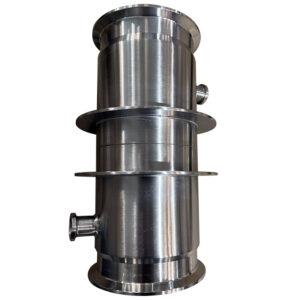
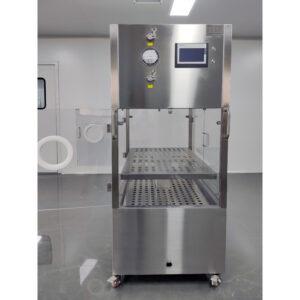
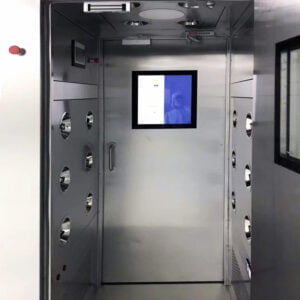
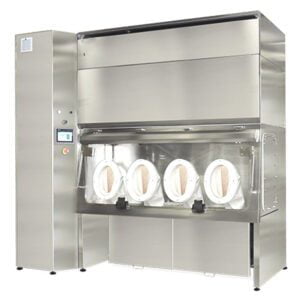
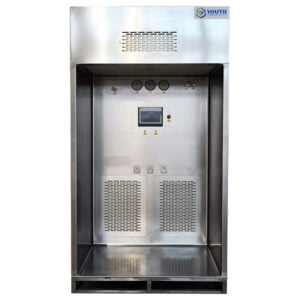
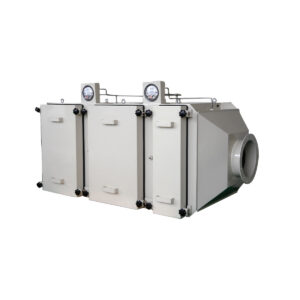
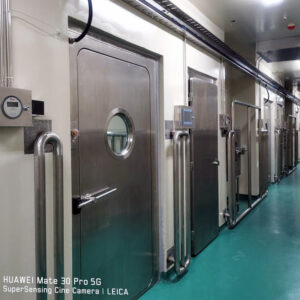
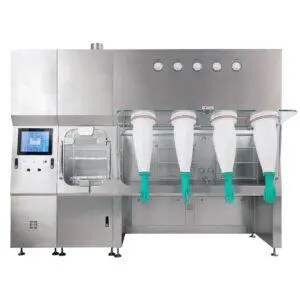
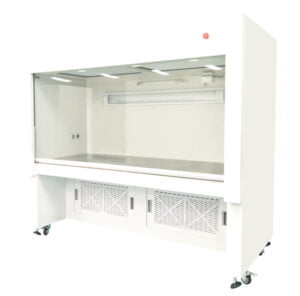
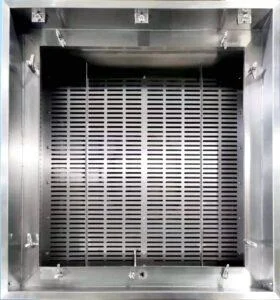
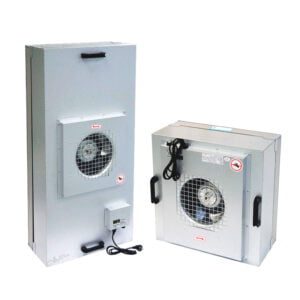
Unități de filtrare a ventilatorului și Configurații ale cabinelor de dozare și cântărire există două categorii de produse în care integrarea la nivel de proiectare este esențială — performanța fiecăreia dintre ele depinde de modul în care sunt amplasate și racordate la sistemul de ventilație, nu doar de specificațiile fiecărei unități în parte.
Asistență documentară pentru cumpărătorii GMP și echipele de asigurare a calității din cadrul proiectelor
Problema documentației are o structură ascunsă a costurilor pe care cumpărătorii o subestimează adesea în momentul selectării furnizorului. Un furnizor care oferă suport nativ pentru documentația GMP — adică elaborează desene tehnice, înregistrări privind trasabilitatea materialelor și livrabile conforme cu cerințele de validare ca parte a pachetului său standard — reduce fricțiunile legate de asigurarea calității pe tot parcursul proiectului. Un furnizor care oferă doar echipamente poate propune un preț de achiziție mai mic, dar transferă în întregime sarcina creării documentelor, riscul de validare și responsabilitatea în fața auditorilor către echipa cumpărătorului. Această transferare a costurilor nu apare în comanda de achiziție.
Distincția cu o importanță operațională mai mare constă în faptul dacă documentația furnizorului reflectă GMP în sensul său fundamental sau cGMP ca abordare de aplicare a legii — poziția FDA conform căreia se aplică standardele tehnologice actuale, nu doar criteriile istorice de conformitate. Acest aspect determină dacă pachetul de documentație furnizat de un furnizor va corespunde efectiv echipamentului instalat și va susține validarea proiectului, sau dacă va descrie configurații generice care impun cumpărătorului să genereze în mod independent dovezi suplimentare de acceptare.
| Standardul de documentare | Ce acoperă, de obicei | Ce trebuie clarificat cu furnizorul |
|---|---|---|
| GMP (nivel de bază) | Cerințe de bază privind calitatea și conformitatea | Dacă documentația face referire la echipamente sau practici învechite și dacă cumpărătorul va trebui să prezinte dovezi suplimentare de acceptare |
| cGMP (actual) | Tehnologii actuale: filtrare HEPA îmbunătățită, sisteme avansate de monitorizare a mediului | Documentația respectivă prezintă echipamentele și sistemele de monitorizare instalate, așa cum sunt ele în realitate, și nu descrieri generice, și servește drept bază pentru validarea proiectului |
Consecința ulterioară a interpretării eronate a acestei distincții este că discrepanțele dintre documentație și echipamentul instalat tind să apară în cel mai nepotrivit moment posibil — în timpul punerii în funcțiune sau al unui audit, după ce echipamentul a fost montat definitiv, iar remedierea problemelor este costisitoare. Dacă documentația unui furnizor face referire la configurații de filtrare sau sisteme de monitorizare care nu corespund cu ceea ce a fost instalat efectiv, echipa de asigurare a calității a cumpărătorului trebuie să remedieze aceste discrepanțe, de obicei prin crearea propriilor dovezi de acceptare, fără sprijinul furnizorului. Un furnizor care susține conformitatea cu cGMP ar trebui să fie solicitat să demonstreze acest lucru în mod specific: să arate că certificatele materialelor, documentația privind filtrele HEPA și specificațiile de monitorizare a mediului corespund echipamentului care face obiectul ofertei, nu unei descrieri generice a liniei de produse.
Pentru echipele de achiziții care încearcă să stabilească modul în care să structureze această analiză înainte de discuțiile cu furnizorii, Achiziționarea de echipamente pentru camere curate | Ghid de evaluare a furnizorilor prezintă modul în care se poate evalua sistematic domeniul de aplicare al documentației în etapa de preselecție.
Întrebări privind exportul și personalizarea înainte de selectarea furnizorilor
Proiectele de export implică două constrângeri de planificare pe care achizițiile interne le tratează uneori ca fiind secundare: dacă capacitatea de producție a furnizorului poate face față volumului comenzii și dacă departamentul de proiectare al acestuia poate satisface cerințele fizice specifice amplasamentului, pe care o configurație din catalog nu le poate îndeplini.
În ceea ce privește capacitatea, un furnizor care declară o producție de 10.000 de unități pe an oferă un criteriu de planificare aproximativ pentru a evalua dacă volumul comenzii de export este realist. Această cifră nu reprezintă un punct de referință al industriei sau un prag de certificare — ea indică pur și simplu dacă capacitatea de producție a furnizorului este structurată pentru producția la scară largă sau este adaptată în principal livrărilor pe piața internă, pe bază de proiecte individuale. Pentru cumpărătorii care plasează comenzi mari de export cu termene de livrare stricte, este important să se confirme acest aspect în mod explicit, fără a se baza pe informațiile din prezentarea catalogului.
În ceea ce privește personalizarea, întrebarea care se impune imediat este dacă echipa de proiectare a furnizorului se poate adapta la cerințele specifice ale instalației care se abat de la configurațiile standard. Înălțimea tavanului este un exemplu practic: un proiect care a necesitat înălțimi ale tavanului de 2,7 metri pentru zonele generale ale camerei curate, dar o înălțime liberă de 4 metri în spațiile care găzduiesc echipamente de proces de mari dimensiuni reprezintă genul de constrângere specifică locației pe care un furnizor care oferă doar echipamente s-ar putea să nu o poată satisface fără sprijin ingineresc extern. Cunoașterea limitelor capacității de personalizare a furnizorului înainte de emiterea specificațiilor evită o problemă frecventă apărută în mijlocul proiectului — situația în care o cerință personalizată este acceptată în timpul discuțiilor de vânzare, dar ulterior se constată că aceasta necesită o modificare de proiectare care nu a fost inclusă niciodată în oferta inițială.
Evaluarea practică în această etapă este simplă: întrebați furnizorul care dintre aspectele configurațiilor sale standard sunt fixe, care pot fi modificate în cadrul domeniului actual de proiectare și producție și dacă dimensiunile personalizate necesită subcontractare externă. Dacă răspunsul la ultima întrebare este afirmativ, cumpărătorul trebuie să înțeleagă cine este responsabil de specificații, de revizuirea desenelor tehnice și de verificarea calității componentelor personalizate — deoarece dispersarea responsabilităților între furnizori este o sursă frecventă de lacune în documentație în cadrul proiectelor de export.
Domeniul de aplicare al fabricii versus responsabilitatea privind instalarea la fața locului
Cel mai evident risc în achiziționarea transfrontalieră de echipamente îl reprezintă presupunerea că sfera de competență a fabricii și responsabilitatea pentru instalarea la fața locului sunt continue — adică furnizorul care produce echipamentul se ocupă și de proiectarea instalării, gestionează asamblarea la fața locului și își asumă responsabilitatea pentru performanța echipamentului după punerea în funcțiune. Această continuitate nu există în cazul tuturor furnizorilor, iar confirmarea ei în mod explicit înainte de semnarea contractului ar trebui considerată o verificare de bază în cadrul procesului de achiziție, nu un punct de negociere.
Un furnizor care dispune de o echipă profesională de proiectare și de o echipă dedicată de instalare poate demonstra o responsabilitate unitară în ambele etape. Atunci când aceeași entitate se ocupă atât de producția din fabrică, cât și de asamblarea la fața locului, desenele create în faza de proiectare sunt utilizate efectiv în timpul instalării, toleranțele panourilor modulare sunt verificate în raport cu condițiile de la fața locului de către persoane care înțeleg intenția inițială a proiectului, iar raportul de punere în funcțiune indică o singură parte responsabilă. Un furnizor care subcontractează instalarea către o terță parte introduce o discontinuitate în documentație exact în momentul în care înregistrările de validare trebuie să fie continue.
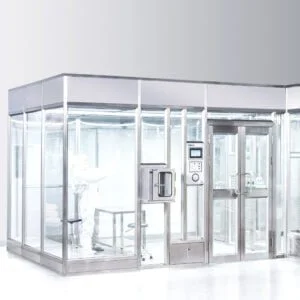
În acest context, este relevantă consecința practică a construcției cu panouri modulare. Sistemele modulare permit o asamblare mai rapidă la fața locului, cu perturbări reduse pentru spațiile adiacente, însă calitatea instalării lor depinde de faptul dacă persoanele care realizează asamblarea înțeleg toleranțele de proiectare ale sistemului de panouri. O echipă de instalare angajată de producător are mai multe șanse să mențină această continuitate decât un antreprenor local care lucrează cu acest sistem pentru prima dată.
Cumpărătorii ar trebui să solicite direct aceste informații: Cine se ocupă de asamblarea la fața locului? Echipa respectivă este angajată de furnizor sau este subcontractată? Care este canalul de comunicare dintre echipa de instalare de la fața locului și echipa de proiectare din fabrică, în cazul în care apare o problemă pe teren? Responsabilitatea pentru comunicarea ulterioară livrării este una dintre cele patru condiții — alături de acoperirea produsului, fidelitatea față de schițe și responsabilitatea pentru documente — care trebuie confirmate înainte de finalizarea listei de candidați preselectați. Dacă vreuna dintre acestea rămâne ambiguă, ea va reapărea sub forma unei probleme la punerea în funcțiune sau la audit.
Decizia privind lista scurtă va fi luată după ce vor fi remediate lipsurile legate de echipamente și probe
Preselecția ar trebui să funcționeze ca o verificare finală, nu ca un punct de plecare. Scopul practic al evaluării furnizorilor este acela de a elimina discrepanța dintre ceea ce susține un furnizor în faza de vânzare și ceea ce poate demonstra cu dovezi documentate la finalizarea proiectului. Această discrepanță, atunci când există, se transferă direct către cumpărător sub forma unor lucrări suplimentare de validare.
Un furnizor al cărui proiect a trecut de validarea GMP — ceea ce înseamnă că specificațiile de proiectare, performanța echipamentelor și documentația s-au aliniat suficient de bine pentru a îndeplini cerințele unui proces formal de calificare — oferă o bază probatorie mai solidă decât unul al cărui istoric de conformitate se limitează la autocertificare. Un singur proiect validat nu garantează că toate proiectele vor urma aceeași cale, dar confirmă faptul că lanțul de la proiectare la documentație al furnizorului este capabil să producă acel rezultat. Aceasta reprezintă o distincție semnificativă față de un furnizor al cărui proces nu a fost niciodată testat extern.
Comparația dintre documentația GMP și cea cGMP servește ca un instrument util de verificare finală în etapa de preselecție. Un furnizor a cărui documentație reflectă specificațiile actuale de filtrare și sistemele de monitorizare a mediului — în loc de standarde de bază care ar putea fi depășite de tehnologia instalată — este mai bine poziționat pentru a susține calificarea proiectului fără a genera lacune suplimentare. Standardul ISO 9001:2015 oferă un cadru de management al calității care susține o structură coerentă a documentației, dar nu înlocuiește cerințele specifice de documentare GMP; un furnizor care prezintă certificarea ISO ca dovadă a pregătirii pentru validare confundă structura sistemului de calitate cu dovezile de conformitate cu reglementările.
Lista scurtă se finalizează atunci când sunt confirmate cinci condiții specifice: acoperirea produsului corespunde cu domeniul de aplicare al proiectului, desenele tehnice corespund cu ceea ce se include în ofertă, responsabilitatea pentru documentație este explicită și atribuită furnizorului (nu este transferată cumpărătorului), personalizarea și domeniul de aplicare al exportului se încadrează în capacitatea directă a furnizorului, iar comunicarea ulterioară livrării are un canal stabilit. Orice dintre aceste condiții lăsată nerezolvată generează o problemă în etapele ulterioare. Costul finalizării acestora înainte de emiterea comenzii de achiziție constă în câteva întrebări specifice. Costul rezolvării acestora după punerea în funcțiune se măsoară în cicluri de refacere.
Pentru o abordare structurată a verificării documentației înainte de audit, Echipamente validate pentru camere curate | Listă de verificare a auditului | SOP-uri Acest material prezintă categoriile de dovezi care ar trebui să fie disponibile înainte de începerea procesului de calificare.
Cea mai justificată decizie de preselecție este cea în care s-a confirmat în mod explicit că toate lacunele au fost acoperite — nu doar presupunându-se că au fost acoperite pentru că discuția de vânzare a decurs fără probleme. Amploarea catalogului, referințele de proiecte, capacitatea de producție și gama de personalizare sunt fiecare elemente de informație utile, dar, luate individual, nu pot înlocui fidelitatea confirmată a desenelor tehnice, claritatea privind proprietatea documentelor și un furnizor care poate demonstra că rezultatele sale în materie de asigurarea calității corespund echipamentelor pe care le-a instalat într-un proiect finalizat.
Înainte de a alege definitiv un furnizor, cele mai utile întrebări care trebuie clarificate sunt: Cine deține documentația în cazul în care apare o neconcordanță în timpul procesului de calificare? Care este calea de urmat de la locul instalării înapoi către echipa de proiectare a furnizorului atunci când apare o discrepanță la fața locului? Și documentația furnizorului reflectă echipamentul instalat efectiv sau o descriere generică a liniei de produse, care va impune cumpărătorului să genereze dovezi independente de acceptare? Aceste trei întrebări, luate separat, vor face diferența între un furnizor GMP cu adevărat competent și unul care are performanțe bune doar pe durata comenzii de achiziție.
Întrebări frecvente
Î: Ce se întâmplă dacă proiectul apelează la o firmă de inginerie externă pentru elaborarea întregii documentații de asigurare a calității — mai contează totuși capacitatea furnizorului de a întocmi documentația?
R: Da, acest aspect rămâne important, deoarece documentația furnizorului trebuie să corespundă cu cea elaborată de firma de inginerie, nu să o înlocuiască. Atunci când certificatele materialelor, înregistrările privind filtrele HEPA și schițele echipamentelor furnizate de furnizor descriu configurații diferite față de cele specificate de firma de inginerie sau față de ceea ce a fost instalat efectiv, echipa de asigurare a calității a cumpărătorului trebuie să reconcilieze aceste discrepanțe în mod independent. Un furnizor care oferă doar echipamente și nu produce documentație GMP specifică creează o sarcină mai mare de reconciliere, indiferent de cine deține pachetul complet de documentație. Confirmarea faptului că livrabilele furnizorului descriu echipamentul real care face obiectul ofertei — și nu o linie generică de produse — rămâne o condiție prealabilă pentru ca transferul către un inginer terț să se desfășoare fără probleme.
Î: Odată ce un furnizor a fost selectat și s-a emis o comandă de achiziție, ce trebuie să se întâmple înainte de expedierea echipamentului?
R: Prima măsură după emiterea comenzii de achiziție este confirmarea faptului că desenele tehnice analizate în etapa de preselecție corespund configurației finale de producție, și nu unei versiuni de pre-vânzare. Modificările aduse desenelor în timpul procesului de fabricație — dimensiuni modificate, materiale înlocuite, specificații revizuite ale filtrelor — care nu sunt semnalate înainte de expediere creează exact acea lacună de documentație pe care procesul de verificare a fost conceput să o prevină. Cumpărătorii ar trebui să solicite o revizuire a desenelor tehnice înainte de expediere și să se asigure că înregistrările privind trasabilitatea materialelor pentru componentele critice sunt complete și atașate la pachetul de expediere, astfel încât documentația de punere în funcțiune să pornească de la o bază de referință completă, în loc să fie necesară colectarea retroactivă a dovezilor la fața locului.
Î: La ce amploare a proiectului nu mai merită costul suplimentar pe care îl implică un furnizor specializat în documentația GMP, comparativ cu un furnizor care oferă doar echipamente?
R: Pentru instalațiile cu o singură încăpere sau cu complexitate redusă, în care echipa internă de asigurare a calității a cumpărătorului dispune de capacitatea și experiența necesare pentru a genera în mod independent dovezi de acceptare, un furnizor care oferă doar echipamente poate fi o soluție rentabilă. Costul suplimentar pentru asistența în documentația GMP devine clar justificat atunci când proiectul implică mai multe zone controlate, cerințe privind parametrii în regim continuu sau expunerea la audituri de reglementare externe — deoarece aceste condiții multiplică costul refacerii documentației în cazul în care apar lacune la punerea în funcțiune. Transferul costurilor ascunse nu este vizibil în comanda de achiziție, dar devine real atunci când echipa de asigurare a calității a cumpărătorului dedică timp pregătirii pentru audit creând dovezi pe care furnizorul nu a fost niciodată contractat să le producă.
Î: Cum se compară un furnizor de panouri modulare cu un antreprenor specializat în amenajarea camerelor sterile la fața locului, în cazul proiectelor care necesită termene scurte de punere în funcțiune?
R: Un furnizor de sisteme modulare care dispune de o echipă de instalare integrată permite, în general, o punere în funcțiune mai rapidă, deoarece toleranțele panourilor sunt controlate în fabrică, iar echipa de instalare înțelege intenția proiectului sistemului fără a fi nevoie de o perioadă de adaptare. O abordare bazată pe construcția la fața locului oferă mai multă flexibilitate pentru spațiile extrem de neregulate, dar necesită, de obicei, perioade de construcție mai lungi, o coordonare mai intensă la fața locului și introduce o discrepanță mai mare în documentație între fazele de proiectare și construcție. Compromisul devine mai evident atunci când calificarea post-instalare se desfășoară într-un interval de timp fix: un sistem modular cu responsabilitate unificată de la fabrică la șantier generează un istoric de punere în funcțiune mai clar, în timp ce un proiect construit la fața locului cu mai mulți subcontractanți impune cumpărătorului să gestioneze activ continuitatea documentației între toate părțile implicate.
Î: Dacă un furnizor deține certificarea ISO 9001:2015, este acest lucru suficient pentru a presupune că documentația sa va susține calificarea proiectului în conformitate cu GMP?
R: Nu. Standardul ISO 9001:2015 stabilește structura unui sistem de management al calității — procese coerente, controlul documentelor, mecanisme de acțiuni corective — dar nu impune un conținut specific al documentației conform GMP, cum ar fi înregistrările de validare a filtrelor HEPA, specificațiile de monitorizare a mediului sau trasabilitatea materialelor, aliniate la cerințele reglementărilor farmaceutice. Un furnizor care prezintă certificarea ISO ca dovadă a pregătirii pentru calificare confundă structura sistemului de calitate cu dovezile de conformitate cu reglementările. Standardul ISO 9001 este un indicator util care arată că furnizorul dispune de un proces de documentare funcțional, dar cumpărătorul trebuie totuși să verifice dacă rezultatul acestui proces — desenele tehnice, certificatele materialelor și înregistrările echipamentelor — reflectă echipamentul instalat și îndeplinește categoriile specifice de dovezi necesare pentru calificarea proiectului.