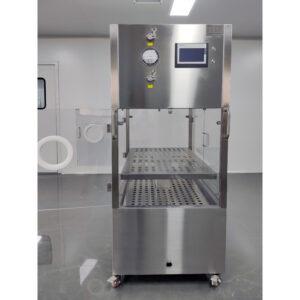
Comandarea filtrelor HEPA înainte ca interfața carcasei și accesul pentru testul de etanșeitate să fie finalizate reprezintă una dintre cele mai frecvente cauze ale întârzierilor în procesul de calificare la punerea în funcțiune a camerelor curate. Filtrul ajunge, geometria carcasei nu se potrivește, metoda de etanșare nu a fost niciodată confirmată, iar testul de integritate nu poate fi efectuat fără soluții temporare care generează la rândul lor probleme de documentare. Costul ulterior nu se rezumă doar la o corectare a procesului de achiziție — este vorba de o etapă de calificare amânată, o vizită de certificare reprogramată și, în mediile de producție, de perioade de nefuncționare neplanificate pe durata aprovizionării cu piese de schimb cu termene de livrare personalizate. Decizia privind furnizorul este justificabilă doar atunci când clasa materialului filtrant, configurația carcasei, accesul pentru scanare și ruta de înlocuire sunt aliniate ca un sistem, nu achiziționate secvențial ca articole separate.
Domeniul de aplicare al filtrării HEPA înainte de selectarea furnizorului
Termenul “HEPA” acoperă o gamă largă de performanțe declarate, iar aceste diferențe sunt importante înainte de selectarea furnizorilor. Conform standardelor Departamentului Energiei al SUA, un filtru HEPA trebuie să atingă o eficiență de cel puțin 99,97% la 0,3 microni — dimensiunea particulei cu cea mai mare capacitate de penetrare pentru mediile fibroase cu încărcare în profunzime. Conform standardului EN 1822, clasificarea se împarte în H13 (99,95%) și H14 (99,995%), ambele verificate la dimensiunea particulelor cu cea mai mare capacitate de penetrare pentru fiecare filtru specific. Acestea nu sunt interschimbabile. Un filtru H13 respectă standardul EN 1822, dar nu îndeplinește pragul DOE de 99,97%; o specificație care menționează ambele cadre normative fără a preciza care dintre ele este aplicabil va crea o neconcordanță la calificarea instalării.
| Standard | Cerința de eficiență | Clasificare generală |
|---|---|---|
| Departamentul Energiei al SUA | ≥99,971 TP10T la 0,3 µm | HEPA |
| RO 1822 | H13: ≥99,951 TP10T, H14: ≥99,9951 TP10T | Maximă 13, Maximă 14 |
Riscul cel mai iminent în procesul de achiziție îl reprezintă etichetarea neconfirmată a eficienței. Produsele descrise ca fiind “de tip HEPA”, “în stil HEPA” sau “HEPA 99%” nu au fost neapărat testate independent și pot avea o performanță semnificativ inferioară oricăruia dintre pragurile din tabelul de mai sus. Aceasta nu este o preocupare teoretică — ci o verificare specifică care trebuie efectuată în etapa de calificare a furnizorului. Întrebarea nu este dacă un produs pretinde performanțe HEPA, ci dacă datele de testare provenite de la o terță parte acreditată susțin clasa declarată la dimensiunea corectă a particulelor. Furnizorii care nu pot prezenta această documentație pentru lotul specific de mediu comandat nu au trecut de primul punct de control, indiferent de preț sau de termenul de livrare.
Stabilirea standardului care reglementează specificațiile — DOE sau EN 1822 — determină, de asemenea, protocolul de testare aplicabil sistemului instalat, ceea ce are o legătură directă cu proiectarea carcasei și cu cerințele de acces pentru scanare care decurg din aceasta. Această secvență nu poate fi parcursă în sens invers.
FFU, carcasa HEPA, materialul filtrant și rolurile filtrelor de schimb
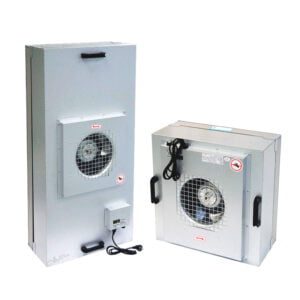
Un sistem de filtrare pentru camere curate nu este un simplu filtru — este un ansamblu de componente care funcționează ca sistem numai dacă fiecare interfață a fost specificată în mod coordonat. Unitățile de ventilare cu filtru (FFU) integrează suflanta, prefiltrul și filtrul HEPA terminal într-un singur modul, ceea ce simplifică integrarea în grila de tavan, dar limitează tipurile de medii filtrante care pot fi înlocuite fără a înlocui modulul. Carcasele filtrelor HEPA terminale sunt structuri fixe alimentate de un sistem separat de tratare a aerului și creează o separare clară între carcasa structurală și elementul filtrant înlocuibil. Alegerea dintre aceste abordări determină geometria de acces, efortul de înlocuire și modul în care camera este recertificată după schimbarea filtrului.
Interfața dintre carcasă și filtru este locul în care își au originea majoritatea problemelor de compatibilitate. Filtrele HEPA cu etanșare cu gel — în care cadrul filtrului se fixează într-un canal umplut cu un gel vâscos de pe carcasă — necesită ca carcasa să fie proiectată și fabricată astfel încât să permită această metodă de etanșare. A Filtru de aer Gel Seal HEPA/ULPA nu poate fi înlocuit într-o carcasă concepută pentru o garnitură comprimată fără a compromite integritatea etanșării, iar înlocuirea inversă generează aceeași problemă. Nu este vorba de o problemă minoră de montare — o etanșare defectuoasă a cadrului creează o cale de scurgere ocolitoare care va fi detectată de scanarea convențională cu aerosoli, generând o neconformitate la testul de integritate care trebuie remediată înainte ca încăperea să poată funcționa. Specificarea tipului de material filtrant și a metodei de etanșare a carcasei ca un ansamblu, înainte de achiziție, elimină complet acest mod de defectare.
Filtrele de schimb introduc o a treia dimensiune în problema compatibilității. Filtrul de schimb trebuie să corespundă nu numai clasei de filtrare și dimensiunilor cadrului, ci și metodei de etanșare, configurației plisurilor și vitezei frontale nominale a carcasei instalate. A Filtru de aer HEPA/ULPA cu pliuri miniaturale oferă o suprafață mai mare a materialului filtrant pe unitatea de dimensiune a feței, ceea ce influențează rezistența și echilibrarea fluxului de aer în aval. Dacă filtrul de schimb prezintă diferențe față de cel original în ceea ce privește adâncimea pliurilor sau rezistența materialului filtrant, distribuția fluxului de aer se modifică, iar condițiile din încăpere validate anterior ar putea să nu mai fie valabile fără o reechilibrare. Aceasta constituie un motiv pentru recalificare, nu o operațiune de întreținere de rutină.
Implicația practică este că specificațiile filtrului de schimb ar trebui stabilite odată cu specificațiile carcasei, și nu alese în mod oportunist atunci când un filtru se apropie de sfârșitul duratei de viață. Un furnizor de echipamente de filtrare care coordonează carcasa, tipul de material filtrant și disponibilitatea filtrelor de schimb reduce riscul apariției acestei probleme de substituție. Un furnizor care oferă doar filtre poate fi competitiv din punct de vedere al costurilor, dar calculul costurilor ar trebui să țină seama de riscul de neconformitate care apare dacă nu se confirmă compatibilitatea cu carcasa.
Întrebări privind accesul la testarea etanșeității și strategia privind piesele de schimb
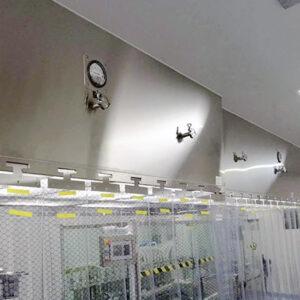
Testarea integrității nu este o formalitate ulterioară instalării — este o cerință operațională recurentă care trebuie să poată fi îndeplinită fizic în condițiile de funcționare după instalare. Procedura standard de scanare cu aerosol implică deplasarea unei sonde de eșantionare pe întreaga suprafață din aval a filtrului și a cadrului carcasei, măsurând eficiența locală de colectare pentru a detecta scurgeri de ocolire sau defecte ale materialului filtrant. Dacă designul carcasei, structura tavanului sau echipamentele adiacente blochează deplasarea sondei pe orice porțiune a suprafeței filtrului, acea porțiune a testului nu poate fi finalizată conform intenției. Rezultatul este fie un test de integritate incomplet, fie o neconformitate care necesită modificarea accesului înainte ca certificarea să poată continua.
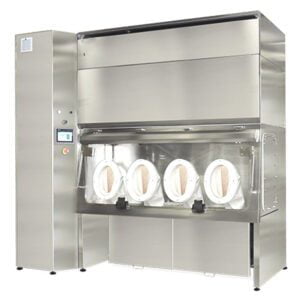
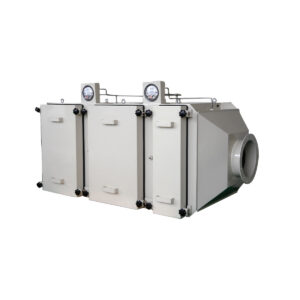
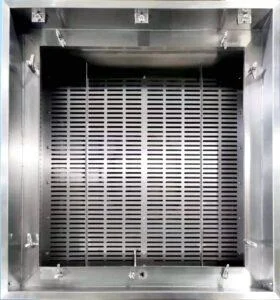
Această problemă legată de acces trebuie rezolvată încă din etapa de selecție a locuințelor, nu descoperită abia în timpul primei vizite de certificare. Aceasta Cutie de carcasă HEPA Înainte de instalare, proiectul trebuie verificat din punctul de vedere al spațiului liber în aval, al prevederilor privind introducerea sondei și al geometriei cadrului. Aceeași verificare se aplică și modulelor FFU, în cazul cărora fața difuzorului și dispunerea de montare pot restricționa amplasarea sondei, cu excepția cazului în care unitatea a fost configurată ținând cont de accesul pentru scanare.
Strategia privind filtrele de rezervă se încadrează în aceeași categorie de risc. Un filtru a cărui înlocuire este simplă într-o carcasă standard poate necesita un termen de livrare mai lung dacă carcasa are dimensiuni nereglementate ale cadrului sau o adâncime personalizată. În condiții normale de funcționare, se preconizează, în general, că materialul filtrant HEPA își păstrează eficacitatea timp de trei până la cinci ani, iar vizitele de certificare sunt programate, de obicei, anual sau semestrial — însă acestea sunt cifre orientative care trebuie confirmate cu furnizorul pentru produsul specific, nu intervale de service garantate.
| Parametru | Specificații tipice | Ce trebuie clarificat cu furnizorul |
|---|---|---|
| Frecvența testării | Certificare anuală sau semestrială | Dacă documentația furnizorului confirmă frecvența cerută și metoda de certificare |
| Metoda de testare | Testarea DOP (ftalat de dioctil) | Dacă testarea DOP este compatibilă cu proiectul carcasei și este inclusă în procesul de calificare |
| Dimensiunea particulelor pentru testul de etanșeitate | 0,3 µm | Aerosolul de testare respectiv conține particule de 0,3 µm, conform standardului aplicabil |
| Durata de viață estimată a filtrului | 3–5 ani în condiții normale de funcționare | Intervalul recomandat de înlocuire și strategia privind filtrele de rezervă la fața locului |
| Acces la scanare | Suprafața completă a filtrului a fost scanată cu o sondă pentru aerosoli | Dacă carcasa permite accesul neîngrădit al sondei pe întreaga suprafață a filtrului |
Cifrele privind durata de viață și frecvența testărilor din tabel definesc un interval de planificare a întreținerii. Dacă termenul de livrare pentru înlocuirea unui filtru personalizat depășește intervalul de siguranță dintre un test de integritate eșuat și următorul ciclu de producție programat, unitatea nu dispune de nicio marjă de recuperare. Păstrarea la fața locului a cel puțin unui filtru de rezervă pentru fiecare carcasă non-standard elimină acest risc. Decizia de a păstra piese de schimb la fața locului nu este întotdeauna lipsită de costuri, dar alternativa — așteptarea unei comenzi de filtre personalizate în timp ce o cameră certificată rămâne inactivă — implică un cost mai mare, care rareori este reflectat în bugetul inițial de achiziții. Abordați problema termenului de livrare cu furnizorul înainte de a plasa comanda de carcase, nu după ce primul filtru ajunge la sfârșitul duratei de viață.
Riscul de oprire cauzat de componentele de filtrare inaccesibile
Două tipuri de defecțiuni reprezintă cel mai mare risc de oprire care poate fi evitat în sistemele HEPA instalate: condițiile de funcționare care depășesc limitele de proiectare ale materialului filtrant și piesele de schimb pentru care nu s-a confirmat niciodată disponibilitatea într-un interval de timp rezonabil.
Materialul filtrant HEPA funcționează în limitele de mediu definite. Specificațiile producătorului menționează, de obicei, un interval de temperatură de funcționare de aproximativ 4,4–37,8 °C și un interval de umiditate relativă de 25–75% RH. În afara acestor limite, crește riscul de deformare a materialului filtrant sau de degradare higroscopică, iar în condiții de umiditate ridicată, dezvoltarea organismelor biologice în structura filtrului devine o preocupare plauzibilă. Acestea sunt valori de proiectare specificate de producător care definesc intervalul de funcționare; ele nu reprezintă praguri reglementare fixe care se aplică uniform în toate instalațiile. Măsura relevantă constă în compararea acestor limite cu condițiile reale de funcționare ale încăperii — inclusiv condițiile de deviere în timpul ciclurilor de decontaminare cu vapori de hidrogen peridic (VHP), fluctuațiile de temperatură ale procesului sau defecțiunile mediului controlat — și confirmarea faptului că sistemul de monitorizare va semnaliza aceste condiții înainte ca materialul filtrant să fie deteriorat, și nu după.
| Factor de risc | Consecințe potențiale | Ce trebuie clarificat cu furnizorul |
|---|---|---|
| Depășirea limitelor de temperatură (4,4–37,8 °C) sau de umiditate (25–75% RH) | Deformarea materialului filtrant sau apariția mucegaiului, ceea ce duce la defectarea prematură | Confirmați intervalul de funcționare necesar și măsurile de monitorizare |
| Termenul de livrare pentru filtrele HEPA personalizate | Oprire prelungită în așteptarea pieselor de schimb | Precizați termenul de livrare obișnuit pentru filtrele personalizate și disponibilitatea pieselor de schimb standard |
Geometriile personalizate ale filtrelor agravează riscul legat de termenul de livrare. O carcasă construită cu dimensiuni nestandardizate ale cadrului, cu o adâncime neobișnuită sau cu un canal de etanșare specific poate avea o singură sursă pentru mediile de înlocuire, iar acea sursă s-ar putea să nu dispună de stoc permanent. Termenul de livrare pentru un filtru personalizat în aceste condiții poate transforma o înlocuire de rutină într-o oprire a activității de câteva săptămâni. Compromisul în etapa de selectare a carcasei se face între flexibilitatea proiectării și expunerea la riscurile lanțului de aprovizionare: o carcasă de format standard, cu un filtru de înlocuire disponibil pe scară largă, prezintă un risc de întreținere pe durata ciclului de viață mai redus decât o configurație personalizată, chiar dacă aceasta din urmă s-ar potrivi puțin mai bine cu geometria grilei de tavan. Aceasta este problema care trebuie rezolvată înainte de instalare, deoarece geometria carcasei nu poate fi modificată fără o operațiune de demolare și recalificare.
Merită analizată și interacțiunea dintre acești doi factori de risc. O încăpere care funcționează aproape de limita superioară a umidității, este echipată cu un filtru personalizat și are acces limitat la scanare și-a agravat expunerea la riscul de oprire din cauza a trei variabile distincte — fiecare dintre acestea putând fi remediată individual încă din faza de proiectare.
Decizia privind furnizorul după stabilirea filtrului, a carcasei și a traseului de service
Până în momentul în care se ajunge la o decizie finală privind alegerea furnizorului, ar trebui să fie deja stabilite clasa filtrului, configurația carcasei, metoda de etanșare, geometria de acces pentru scanare și ruta de înlocuire. Dacă aceste aspecte nu sunt stabilite, decizia privind furnizorul este prematură — iar costurile ulterioare generate de nealinierea acestora vor apărea în etapa de calificare, nu la achiziție.
Distincția practică între un furnizor care comercializează doar filtre și unul de echipamente de filtrare nu ține în primul rând de gama de produse, ci de coordonarea interfețelor. Un furnizor care comercializează doar filtre poate oferi prețuri competitive și poate fi o opțiune adecvată atunci când carcasa este deja specificată, dimensiunile filtrului de schimb sunt fixate la un format standard, iar accesul pentru scanare a fost confirmat în proiectul carcasei. Un furnizor de echipamente de filtrare care coordonează mediile de filtrare, carcasa terminală și selecția FFU reduce riscul de neconcordanțe de compatibilitate la nivelul acestor interfețe, ceea ce influențează direct dacă primul test de integritate este promovat, dacă camera poate fi recertificată fără modificări și dacă înlocuirea de rutină reprezintă o operațiune de întreținere planificată sau un proiect neplanificat. Pentru instalațiile în care aceste variabile interacționează — camere cu clasificare ridicată, configurații neobișnuite ale tavanului sau instalații cu programe de producție strânse — această coordonare are o valoare reală care nu apare într-o comparație a costurilor pe linii de buget.
Cerințele privind documentația se aplică ambelor tipuri de furnizori și ar trebui considerate un criteriu de selecție, nu un aspect secundar. Furnizorul trebuie să poată prezenta certificate de testare a filtrelor care să poată fi corelate cu lotul specific de mediu filtrant, schițe cu dimensiunile carcasei și ale garniturilor, precum și documentație de calificare compatibilă cu cadrul IQ/OQ/PQ al unității. Un furnizor care nu poate prezenta acest pachet de documentație creează un risc de audit care este dificil de remediat după instalare. Pentru informații referitoare la modul în care specificațiile filtrelor se raportează la cerințele de documentație GMP, consultați Filtre de aer pentru camere curate conforme cu GMP | Cerințe FDA și ISO 14644 Standarde pentru echipamente pentru camere curate | Ghid de conformitate Resursele oferă un cadru util pentru alinierea specificațiilor produsului la cerințele privind documentația de calificare.
Verificarea finală înainte de a se angaja cu un furnizor este dacă domeniul de aplicare propus acoperă întregul sistem așa cum va fi testat și întreținut — nu doar componentele așa cum apar în lista de materiale. Un filtru care trece de testul de acceptare din fabrică, dar care nu poate fi scanat în poziția sa de instalare, nu și-a îndeplinit funcția prevăzută. O carcasă care acceptă astăzi filtrul specificat, dar pentru care nu există o sursă de înlocuire confirmată peste trei până la cinci ani, a amânat riscul unei opriri, în loc să-l elimine.
Cel mai fiabil criteriu pentru a stabili dacă procesul de selecție a unui furnizor de sisteme de filtrare este gata să continue este dacă clasa materialului filtrant, interfața de etanșare a carcasei, calea de acces pentru scanare, numărul de piesă al filtrului de schimb și termenul de livrare al furnizorului sunt toate menționate în caietul de sarcini. Dacă oricare dintre aceste cinci aspecte rămâne nerezolvat la momentul comenzii, se creează o situație care va necesita rezolvarea ulterioară — fie înainte de punerea în funcțiune, fie în timpul primului ciclu de recertificare, fie la prima înlocuire neplanificată. Costul rezolvării fiecăreia dintre aceste situații după instalare este mai mare, atât în ceea ce privește timpul, cât și efortul de documentare, decât costul rezolvării lor în etapa de elaborare a specificațiilor.
Înainte de a emite o comandă de achiziție, asigurați-vă că furnizorul propus poate furniza pachetul complet de documentație pentru lotul specific de mediu și modelul carcasei, că filtrul de schimb este disponibil într-un format standard sau că au fost prevăzute în buget piese de schimb la fața locului pentru formatele personalizate și că proiectul carcasei a fost verificat pentru a asigura accesul neobstrucționat al sondei pe întreaga suprafață a filtrului. Aceste trei confirmări, efectuate înainte de finalizarea procesului de achiziție, fac diferența între un sistem de filtrare care își susține propriul ciclu de viață de întreținere și unul care generează dificultăți la fiecare eveniment de recertificare.
Întrebări frecvente
Î: Nu proiectez o cameră curată nouă — am nevoie să găsesc un filtru de schimb pentru o carcasă existentă. Procesul de coordonare a furnizorilor descris în acest articol se aplică și în acest caz?
R: Da, dar ordinea operațiunilor se schimbă. În loc să coordonați totul de la zero, lucrați în sens invers, pornind de la carcasa instalată. Confirmați modelul carcasei, metoda de etanșare (gel sau garnitură), dimensiunile cadrului, adâncimea pliurilor și geometria de acces la scanare pe baza desenelor de execuție sau a unei inspecții fizice. Apoi alegeți un înlocuitor care să îndeplinească aceste constrângeri fixe. Un furnizor specializat exclusiv în filtre este adesea suficient dacă toate detaliile de interfață sunt clare; un furnizor de echipamente de filtrare aduce un plus de valoare atunci când documentația este incompletă sau există probleme de acces. Aspectul ne negociabil este verificarea compatibilității etanșării, a rezistenței mediului de filtrare și a spațiului liber pentru sondă înainte de a plasa comanda — doar din perspectiva carcasei, nu a filtrului.
Î: După ce am selectat un furnizor și am confirmat proiectul carcasei pe hârtie, care este următorul pas concret pentru a verifica accesul la scanarea de testare a etanșeității înainte de instalare?
R: Efectuați o verificare simulată a traseului de scanare planificat. Suprapuneți zona de deplasare a sondei peste desenul de instalare al carcasei (sau un model 3D) pentru a identifica obstacolele fizice — corpuri de iluminat, sprinklere, conducte, elemente structurale — care ar bloca scanarea integrală a suprafeței filtrului și a perimetrului cadrului. Dacă carcasa se află la fața locului, simulați mișcarea sondei cu un filtru fals pentru a confirma spațiul liber. Rezolvați acum orice limitare de acces prin repoziționarea carcasei sau prin specificarea unei carcase cu dispozitive de scanare încorporate, nu amânând această problemă până la prima vizită de certificare.
Î: Camera noastră curată funcționează la limita superioară a intervalului de umiditate recomandat (aproape de 75% RH). Ar trebui să planificăm înlocuirea filtrelor mai des decât la intervalul obișnuit de 3–5 ani?
R: Da, planificați o inspecție mai frecventă și un ciclu de înlocuire mai scurt. Funcționarea prelungită la un nivel de umiditate relativă (RH) apropiat de 75% sporește absorbția de umiditate de către materialul filtrant, crescând riscul de degradare a pliurilor, de modificări dimensionale și de dezvoltare microbiană, chiar dacă filtrul trece în continuare testul de integritate. Colaborați cu furnizorul dumneavoastră pentru a stabili un program de monitorizare bazat pe starea de funcționare — inclusiv verificări vizuale anuale sau semestriale pentru a depista deteriorările cauzate de umiditate — și prevăziți în buget o înlocuire mai devreme în cazul în care apar semne de deteriorare, înainte ca calitatea aerului din aval să fie afectată.
Î: Când este indicat să apelați la un furnizor care oferă doar filtre, în locul unui furnizor de echipamente complete de filtrare?
R: Un furnizor specializat exclusiv în filtre este potrivit atunci când sunt îndeplinite toate cele patru condiții: dețineți documentație detaliată și precisă privind carcasa instalată (tipul garniturii, dimensiunea cadrului, adâncimea pliurilor); filtrul de înlocuire are dimensiuni standard și este disponibil de la mai mulți producători; accesul pentru testul de etanșeitate este asigurat și neobstrucționat; și dispuneți de capacitatea internă de a gestiona verificarea compatibilității. Dacă există incertitudini cu privire la oricare dintre aceste condiții, un furnizor de echipamente de filtrare care coordonează carcasa, mediul filtrant și procesul de service reduce riscul unui test de integritate eșuat sau al unei incompatibilități de ultim moment. Costul suplimentar de coordonare este justificat atunci când un eveniment de recalificare sau o întrerupere a producției ar depăși economiile realizate la achiziție.
Î: Merită să investim în păstrarea unui filtru HEPA de rezervă la fața locului, având în vedere că sistemul nostru utilizează un filtru de dimensiuni standard, pentru care termenele de livrare sunt, de obicei, scurte?
R: Depinde de toleranța dumneavoastră față de perioadele de nefuncționare în raport cu costul de stocare. Chiar și un filtru obișnuit se poate confrunta cu întârzieri neașteptate în aprovizionare, perturbări logistice sau indisponibilitatea unui lot. Dacă un test de integritate eșuat ar duce la oprirea unei linii de producție esențiale pentru venituri timp de o săptămână sau mai mult, o piesă de rezervă își amortizează, de obicei, costul. Dacă unitatea dumneavoastră poate suporta o oprire de scurtă durată și dispune de capacitate de rezervă, recurgerea la comenzi urgente poate fi acceptabilă. Decizia ar trebui să se bazeze pe o comparație directă: costul de deținere al piesei de rezervă raportat la marja pierdută în cazul unei opriri în cel mai rău scenariu, înmulțit cu probabilitatea unei înlocuiri neprogramate, plus costurile cu forța de muncă și de recalificare necesare pentru reechilibrare în cazul utilizării unui înlocuitor temporar.