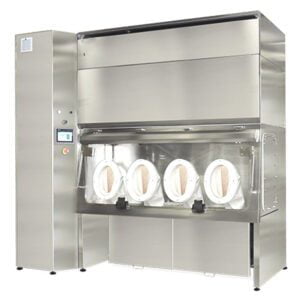
Înlocuirea unui filtru HEPA într-un mediu BSL-3 încetează să mai fie o sarcină de întreținere în momentul în care cineva întreabă ce trebuie să se întâmple înainte de a deschide carcasa. Această întrebare scoate la iveală adevărata problemă: echipele care programează înlocuirea unui filtru fără a finaliza un domeniu de decontaminare se pot trezi cu un tehnician care stă în fața dulapului și nu are unde să meargă în siguranță, transformând un interval de service planificat într-o închidere neprogramată. Întârzierea se agravează deoarece recertificarea nu poate fi programată până când fumigația nu este finalizată, iar fumigația nu poate începe până când o evaluare a riscurilor nu definește ce trebuie tratat. Planul de înlocuire necesită, de fapt, un răspuns clar cu privire la suprafețele care vor fi decontaminate, prin ce metodă, sub autoritatea cui și cu ce dovezi documentate, înainte ca primul panou de acces să fie scos.
Domeniul de decontaminare în jurul înlocuirii filtrului HEPA BSL-3
Tratarea înlocuirii filtrului HEPA ca o sarcină de aprovizionare mai degrabă decât ca un eveniment de decontaminare este cea mai frecventă eroare în etapa de planificare și tinde să apară în cel mai prost moment posibil - când tehnicianul este deja la fața locului.
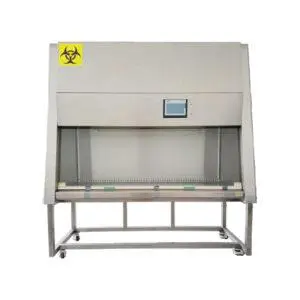
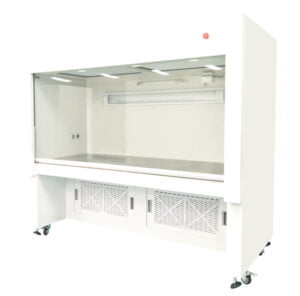
Pentru cabinele de biosecuritate utilizate în activități BSL-3, NSF/ANSI 49 specifică decontaminarea completă a gazelor înainte de accesarea sau înlocuirea filtrelor. Acest standard se aplică dulapului ca sistem, nu doar mediului filtrant, ceea ce înseamnă că domeniul de aplicare al decontaminării se extinde asupra suprafeței de lucru, suprafețelor interioare și filtrelor în sine. Raționamentul nu este doar procedural. Materialul filtrant concentrează particule periculoase în timp; suprafețele interioare, inclusiv pereții și componentele interne, pot acumula contaminare din aerosoli sedimentați; iar suprafața de lucru intră în contact direct cu agentul în timpul funcționării. Dacă oricare dintre aceste trei zone este exclusă din ciclul de decontaminare deoarece echipa a presupus că filtrul este singura problemă, carcasa nu poate fi deschisă în siguranță.
Înainte de selectarea oricărei metode sau de programarea oricărui contractant, o evaluare a riscurilor înainte de decontaminare trebuie să stabilească ce agenți sunt prezenți, ce niveluri de concentrație sunt realiste și ce trebuie să realizeze metoda de decontaminare. Această evaluare este documentul care justifică domeniul de aplicare - ea este cea care determină dacă un ciclu de gaz standard este suficient sau dacă sunt necesare etape de pregătire suplimentare. Omiterea evaluării riscurilor nu elimină riscul, ci doar transferă consecințele într-o etapă ulterioară, în care acestea sunt mai greu de gestionat.
| Ce trebuie decontaminat | De ce este necesară | Ce trebuie să confirmați înainte de deschidere |
|---|---|---|
| Suprafață de lucru | Contact direct cu agenți biologici | Verificarea suprafeței (prelevare de probe cu tampon/aer) nu arată nicio contaminare viabilă |
| Suprafețe interioare | Contaminarea se poate depune pe pereți, plenumuri și componente interne | Toate suprafețele interioare sunt incluse în metoda de decontaminare |
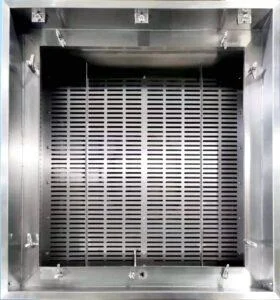
| Filtre HEPA | Filtrele rețin și concentrează particulele periculoase | Decontaminarea atinge mediul filtrant și carcasa filtrului |
| Evaluarea riscurilor înainte de decontaminare | definește domeniul de aplicare și justifică metoda aleasă pentru fiecare risc al instalației | O evaluare documentată a riscurilor este completă și aprobată |
O evaluare a riscurilor finalizată cu un domeniu de decontaminare documentat este condiția de bază pentru programarea oricărei activități în aval. Fără aceasta, selectarea metodei, coordonarea contractantului și calendarul de întreținere sunt, în cel mai bun caz, provizorii.
Suprafețe de locuințe și panouri de acces care ar putea necesita tratament
Modelul de contaminare care cauzează cel mai mare risc de expunere la servicii nu este vizibil pe fața filtrului - este vorba de acumularea în interiorul plenumurilor, ansamblurilor suflantelor și carcaselor filtrelor, care devine un pericol numai atunci când carcasa este deranjată.
În timpul funcționării normale a BSC, fluxul de aer atrage particule în spațiile interne care nu sunt curățate sau inspectate în mod regulat. Plenumurile primesc aer recirculat care transportă tot ceea ce filtrul nu a capturat încă sau a fost dislocat de pe suprafețele din amonte. Rotoarele suflantelor și carcasele motoarelor pot acumula particule care aderă la suprafețe de-a lungul lunilor de funcționare. Garniturile filtrelor și marginile carcasei rețin contaminarea la limita de etanșare. Nimic din toate acestea nu este vizibil din exterior și nici nu va fi decontaminat, cu excepția cazului în care ciclul de gaze este proiectat special pentru a atinge aceste geometrii interne.
Pregătirea este importantă din punct de vedere practic: îndepărtarea tuturor materialelor din interiorul cabinetului, protejarea instrumentelor sensibile de expunerea la sterilizant și confirmarea faptului că panourile de acces pot fi deschise în ordinea corectă sunt etape care permit gazului să pătrundă în zonele în care s-a concentrat contaminarea. Pregătirea incompletă nu creează doar neplăceri, ci înfrânge ciclul de decontaminare prin blocarea fizică a plenarelor sau a spațiilor de suflare de la contactul cu sterilizantul. Un tehnician care deschide un dulap pregătit necorespunzător nu lucrează într-un mediu decontaminat, indiferent de ceea ce spune ordinul de lucru.
| Componenta locuință | De ce poate fi contaminat | Ce trebuie să pregătiți |
|---|---|---|
| Panouri de acces | Expus la agenți aeropurtați în timpul funcționării | Îndepărtați obstacolele, protejați instrumentele, confirmați procedura de deschidere sigură |
| Carcasă filtru HEPA | Contaminarea se poate depune în mediul filtrant și în garnituri | Includeți în ciclul de decontaminare cu gaz; verificați penetrarea |
| Plenum | Fluxul de aer atrage particulele în spațiul intern | Confirmați că plenul este accesibil sterilului; scurgeți lichidele |
| Ansamblu ventilator | Rotorul și carcasa motorului pot acumula particule | Asigurați-vă că suflanta este oprită, protejată de deteriorări și complet tratată |
Verificarea înainte de deschiderea oricărui panou de acces nu ar trebui să fie “a fost efectuată decontaminarea?”, ci mai degrabă “metoda de decontaminare a atins fiecare componentă de pe această listă?” Acestea sunt întrebări diferite, cu răspunsuri diferite.
Planificarea VHP sau a fumigației înainte de îndepărtarea filtrului
Alegerea gazului sterilizant nu este o decizie care poate fi luată de cel care inițiază cererea de înlocuire a filtrului, deoarece constrângerile care guvernează alegerea se află în afara echipamentului în sine.
Formaldehida, dioxidul de clor și vaporii de peroxid de hidrogen (VHP) sunt opțiunile comune de sterilizare pentru această aplicație și fiecare creează un set diferit de compromisuri. Formaldehida este foarte eficientă împotriva unei game largi de agenți, dar prezintă probleme semnificative de toxicitate, necesită o monitorizare strictă a expunerii și lasă reziduuri care necesită aerisire completă înainte de reintrare. Dioxidul de clor este eficient și lasă mai puține reziduuri, dar poate fi coroziv pentru anumite materiale și necesită o gestionare atentă a concentrației. VHP oferă caracteristici favorabile în ceea ce privește reziduurile și este considerat, în general, mai puțin dăunător pentru electronice și garnituri decât celelalte două opțiuni, dar penetrarea sa în materiale poroase și geometrii complexe necesită o proiectare atentă a ciclului pentru a confirma contactul adecvat cu toate suprafețele țintă.
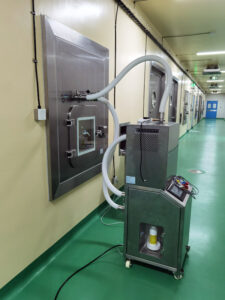
O decontaminare portabilă Unitate generatoare VHP poate fi utilizat pentru a furniza VHP la volume izolate de dulapuri sau segmente de încăperi, ceea ce face ca proiectarea ciclului să fie mai controlabilă - dar nu elimină cerința de a verifica dacă sterilizantul a ajuns la componentele interne ale carcasei la concentrații eficiente.
Factorii de planificare care trebuie rezolvați înainte de selectarea unui sterilizant nu sunt considerații tehnice opționale - sunt condițiile care determină dacă decontaminarea va funcționa.
| Factorul de planificare | Ce să clarificăm | Risc dacă nu este abordat |
|---|---|---|
| Profil de risc specific laboratorului | Ce agenți sunt prezenți și nivelurile lor de concentrație | Decontaminare ineficientă în cazul în care sterilul sau procesul nu se potrivește |
| Compatibilitatea materialelor | Dacă sterilizantul deteriorează suprafețele dulapului, garniturile sau componentele electronice | Equipment degradation or incomplete coverage |
| Safety considerations | Toxicity, exposure limits, monitoring, and PPE requirements | Harm to personnel during application or aeration |
| Residue and aeration | How much residue remains and the time needed before safe entry | Premature re‑entry or interference with post‑service certification |
What makes this a recurring friction point in practice is that the decision authority for sterilant selection typically sits with biosafety and facilities teams, not with whoever ordered the filter or scheduled the replacement. If the replacement request moves forward without those teams involved at the planning stage, the sterilant question will arrive as a delay rather than a decision.
Disposal And Service Exposure Risks After Decontamination
Completing a decontamination cycle does not eliminate all exposure risk from the replacement event — it transfers the risk management responsibility to the handling and disposal steps that follow.
A used HEPA filter that has been through a full gas decontamination cycle is not treated as clean waste. The filter is still classified as potentially hazardous material and must leave the work area through a defined containment path. In BSL-3 environments, bag-in-bag-out (BIBO) housings are specifically designed to address this disposal route: the used filter is sealed inside a bag within the housing before the housing is opened, preventing direct contact and containing any residual contamination. Facilities that do not use BIBO-configured housings face a more complex disposal chain that requires additional containment materials, defined packaging procedures, and a clear chain of custody for the used filter as regulated waste. For facilities evaluating their current housing configuration, the BIBO system design addresses this disposal route directly.
Gas decontamination must be carried out by trained professionals with appropriate PPE and monitoring equipment in place. This is an operational requirement driven by the toxicity of the sterilants involved and the need to confirm sterilant concentration and aeration completion before re-entry is permitted. The decontamination process itself creates exposure risk if aeration is cut short, monitoring is inadequate, or personnel re-enter before clearance is confirmed. An incomplete aeration timeline is not a minor scheduling compression — it puts the personnel performing the replacement into a sterilant environment that the work plan was supposed to have eliminated.
The downstream consequence of inadequate disposal planning is not limited to personnel exposure. If the used filter leaves the BSL-3 area without proper containment documentation, it creates a regulatory and audit exposure that is difficult to correct retroactively. The disposal chain is part of the replacement event, not a separate logistics question to resolve after the filter is out.
Approval Evidence Before Maintenance Work Starts
The decontamination event is not complete when the gas cycle finishes and the cabinet is aired out. It is complete when objective evidence confirms that the space is safe to work in and that documentation is in hand to support that claim.
Swab sampling, air sampling, and biological indicators (BIs) each serve a distinct verification function. Swab sampling detects viable surface contamination and confirms the decontamination reached the surfaces where contact occurred. Air sampling after aeration confirms that no viable airborne agents remain in the work zone. Biological indicators provide the most direct evidence of cycle efficacy — a mapped kill result from a known spore load demonstrates that the sterilization cycle achieved the required performance, not just that it ran to completion. None of these checks is redundant; they address different failure modes of the same decontamination process.
Proceeding to maintenance work without documented verification results is an audit liability, but it is also a practical safety gap. If a swab result is not obtained before the housing is opened, there is no objective basis for the claim that the interior surfaces are decontaminated. The work may proceed, and nothing visible may go wrong, but the safety case rests on assumption rather than evidence.
After the maintenance work is complete, a full airflow validation and recertification per NSF/ANSI 49 must be conducted before the cabinet returns to service. This confirms that the BSC performs within its operational envelope after reassembly — a step that can be missed when teams treat recertification as an optional post-service formality rather than a return-to-service condition. Finally, a decontamination certificate must be physically affixed to the cabinet, recording the date, contractor, cabinet model, and services performed. That certificate is what closes the approval chain; without it, the maintenance record is incomplete regardless of what sampling results were obtained.
| Approval Step | Ce confirmă acest lucru | Documentation Standard |
|---|---|---|
| Swab sampling | Absence of viable surface contaminants | Documented sampling plan and results |
| Air sampling | No airborne viable agents after aeration | Post‑decontamination air sample report |
| Biological indicators (BIs) | Sterilization cycle efficacy | BI placement map, kill results, and log |
| Full airflow validation | BSC operates within performance envelope | Recertification report per NSF/ANSI 49 |
| Decontamination certificate | Formal record of decontamination date, method, contractor | Certificate affixed to BSC, filed for audits |
Any facility that treats the decontamination certificate as a formality to file rather than a prerequisite to maintenance is creating an audit gap that will appear at the worst time — typically during an inspection rather than during a routine review.
The core judgment this process demands is distinguishing between a replacement plan that is logistically complete and one that is technically defensible. A logistically complete plan has a contractor scheduled and a filter ordered. A technically defensible plan has a documented risk assessment, a sterilant selection that accounts for agent profile, material compatibility, and safety constraints, verification sampling with recorded results, a defined disposal path for the used filter, and a decontamination certificate on file before the first tool touches the cabinet.
Before any BSL-3 filter replacement moves from planning to scheduling, the team responsible should be able to answer three questions without hesitation: what surfaces are confirmed to be within the decontamination scope, which team or individual holds approval authority for the selected sterilant method, and what documented evidence will confirm safe re-entry before the housing is opened. If any of those answers are unclear at the planning stage, the replacement date should not be fixed until they are resolved.
Întrebări frecvente
Q: What happens if the BSL-3 facility’s risk assessment is owned by a biosafety team that isn’t involved in the maintenance scheduling process?
A: The replacement date cannot be safely fixed until biosafety is at the planning table, not notified after decisions are made. Sterilant selection, decontamination scope, and re-entry approval all depend on determinations that sit with biosafety and facilities — not with whoever ordered the filter. If those teams are looped in after a contractor is already scheduled, the most likely outcome is a scope conflict that delays the replacement or forces a rescheduled decontamination cycle.
Q: Does a BIBO housing configuration eliminate the need for gas decontamination before the filter is removed?
A: No — BIBO housings address the filter disposal and handling route after decontamination, not the decontamination requirement itself. NSF/ANSI 49 specifies full gas decontamination of the cabinet as a system before filters are accessed, regardless of how the used filter will be packaged and removed. BIBO design controls the exposure risk during filter extraction; it does not substitute for treating the interior surfaces, plenums, and blower assemblies that accumulate contamination during operation.
Q: At what point does VHP become the wrong choice for a BSL-3 HEPA filter decontamination, and what should drive that decision?
A: VHP is the wrong choice when the cabinet geometry prevents adequate sterilant penetration into plenums or blower spaces at effective concentrations, or when the agent profile requires a sterilant with broader validated efficacy for the specific organism class involved. The decision should be governed by the pre-decontamination risk assessment — specifically the agent present, material compatibility constraints for seals and electronics, and the facility’s ability to design and verify cycle parameters for complex internal geometries. Selecting VHP because it is the most common option, without confirming those conditions are met, shifts the failure risk to the verification stage when BIs reveal incomplete kill.
Q: Is biological indicator mapping required even when the gas cycle completes to the specified parameters?
A: Yes, because cycle completion confirms the process ran — it does not confirm the sterilant reached internal housing components at effective concentrations. Biological indicators mapped to plenums, filter gasket boundaries, and blower spaces provide direct evidence that the decontamination achieved the required performance in the geometries where contamination concentrates. A cycle that ran to completion but failed to penetrate a blocked plenum will show normal run data and a failed BI result; without the BI, that failure mode is invisible before the housing is opened.
Q: If a facility has been replacing BSL-3 HEPA filters without formally affixing a decontamination certificate to the cabinet, how significant is the compliance exposure?
A: The exposure is material and difficult to correct retroactively. The decontamination certificate is the document that closes the approval chain for each service event — without it, the maintenance record is incomplete regardless of what sampling results exist in separate files. During an inspection, the absence of certificates on individual cabinets signals a systemic gap in the approval process rather than an isolated record-keeping lapse, which typically draws broader scrutiny of the facility’s decontamination program. Facilities in this position should treat certificate remediation as a compliance priority and establish the affixing step as a hard close condition for every future replacement event.