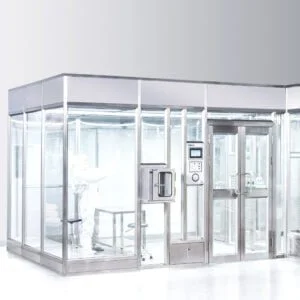
Majoritatea proiectelor de camere curate modulare care depășesc bugetul o fac înainte ca măcar un singur panou să fie instalat. În momentul în care un furnizor întocmește o ofertă pe baza dimensiunilor din planul de etaj, fără date confirmate privind sarcina pe planșeu, înălțimi libere verificate ale tavanului sau pozițiile trasate ale rețelelor de utilități, oferta reflectă o fabrică ideală care s-ar putea să nu existe. Această discrepanță se remediază prin ordine de modificare — pentru lucrări de armare, redirecționarea rețelelor de utilități sau modificări ale panourilor — de obicei în momentul din program când presiunea de producție este cea mai mare. Aspectele de planificare abordate aici sunt cele care determină dacă costul și termenul de execuție indicate în etapa de cerere de ofertă rezistă la confruntarea cu realitatea construcției.
Constrângerile existente la nivelul fabricii înainte de elaborarea ofertei pentru camera curată
Prima sursă de eroare în stabilirea prețului în cadrul oricărui proiect de cameră curată într-o fabrică existentă este presupunerea că o planimetrie reprezintă o inspecție la fața locului. Planimetriile confirmă limitele spațiului; ele nu confirmă capacitatea de încărcare, pozițiile rețelelor de utilități sau optimizările de proiectare care vor fi efectiv necesare pentru ca camera curată prevăzută să fie funcțională în cadrul suprafeței disponibile. Atunci când spațiul este limitat, proiectul trebuie conceput astfel încât să se încadreze în ceea ce există deja — iar această constrângere trebuie inclusă în ofertă, nu într-o modificare ulterioară atribuirii contractului.
Capacitatea de încărcare a plăcii de pardoseală reprezintă constrângerea care poate genera cel mai probabil costuri neprevăzute. Sistemele de pereți și tavan ale camerei curate, unitățile FFU, camerele de filtrare și echipamentele de proces adaugă o greutate totală pe care o placă industrială mai veche s-ar putea să nu fie proiectată să o suporte fără o evaluare prealabilă. Dacă această verificare este amânată după etapa de ofertare, lucrările de armare devin o adăugire la proiect, în loc să fie incluse în domeniul de aplicare al acestuia — ceea ce generează atât costuri directe, cât și o prelungire a duratei de execuție înainte ca instalarea camerei curate să poată continua.
Fezabilitatea traseului rețelelor de utilități prezintă același risc, dar sub o altă formă. Identificarea locurilor în care racordurile la sistemul de încălzire, ventilație și aer condiționat (HVAC) și la rețeaua electrică sunt fizic realizabile nu echivalează cu confirmarea faptului că acestea sunt realizabile în cadrul scopului și al calendarului proiectului. Redirecționarea rețelelor de utilități într-o fabrică în funcțiune se încadrează rareori perfect într-o ofertă standard, iar omiterea acesteia este unul dintre cele mai frecvente motive pentru care punerea în funcțiune se blochează după ce asamblarea modulară a fost, în rest, finalizată.
| Constrângere | Ce să clarificăm | Consecințele în cazul în care se trece cu vederea |
|---|---|---|
| Suprafața utilă disponibilă | Măsurați și asigurați-vă că amenajarea permite integrarea tuturor funcționalităților necesare unei camere sterile în spațiul respectiv | Spațiul limitat impune optimizarea proiectului; o ofertă fără dimensiunile amplasamentului poate prezenta o imagine eronată a amprentei la sol |
| Capacitatea de încărcare a plăcii de pardoseală | Evaluează dacă pardoseala existentă poate suporta greutatea camerei sterile | Estaeădee i e l tiiuecmitsn r lrrelrsecncdăteuo enecc ao ncteedgrs pș ppsneru ivb rialnafinrop eîr neras,mzioli asiee ăai sea ateute |
| Căile de utilități existente (sisteme de încălzire, ventilație și aer condiționat, alimentare cu energie electrică) | Identificați locurile în care racordurile sistemului HVAC și conexiunile electrice sunt fizic fezabile | Poate fi necesară redirecționarea sau integrarea utilităților, ceea ce implică extinderea domeniului de aplicare dincolo de cel inclus într-o ofertă standard |
Cele trei categorii de constrângeri din tabel au o consecință comună: fiecare dintre ele poate determina revizuirea costurilor și a calendarului de referință după atribuirea contractului. Faptul de a le trata ca elemente de intrare anterioare ofertării, și nu ca elemente identificate după atribuirea contractului, reprezintă diferența practică dintre o propunere fermă și o serie de ordine de modificare.
Verificarea tavanelor din plăci și a obstacolelor suspendate
Înălțimea liberă este valoarea care apare în planurile de fabricație. Aceasta nu este însă valoarea care determină dacă o cameră curată modulară poate fi instalată și întreținută fără modificări ulterioare. Zona utilă a tavanului de deasupra interiorului camerei curate necesită spațiu pentru unitățile de ventilare cu filtru, racordurile la sistemul HVAC al fabricii, corpurile de iluminat și spațiul liber necesar pentru accesul în vederea întreținerii — fiecare dintre aceste elemente ocupând spațiu vertical pe care valoarea înălțimii libere a camerei nu o ia în calcul în mod individual.
Riscul legat de constructibilitate este specific: dacă înălțimea platformei FFU, adâncimea camerei de distribuție și traseul conductelor nu sunt verificate în raport cu elementele existente deasupra înainte de începerea instalării, primul semn al unui conflict de spațiu liber este adesea un panou sau un traseu de conductă care nu poate fi poziționat fără relocarea instalațiilor existente. Această relocare este rareori inclusă în domeniul de aplicare standard al furnizorului și prelungește faza de instalare într-un mod care afectează producția adiacentă, în cazul în care fabrica este în funcțiune.
O verificare practică a spațiului liber de deasupra ar trebui să vizeze cel puțin patru straturi: partea inferioară a plăcii sau a structurii existente a acoperișului, orice instalații fixe ale clădirii (sprinklere, conducte principale de încălzire, ventilație și aer condiționat, jgheaburi de cabluri, corpuri de iluminat), înălțimea necesară pentru plenumul și platforma de filtrare a sistemului modular, precum și spațiul liber necesar deasupra respectivei platforme pentru accesul la întreținere fără demontare parțială. Diferența dintre verificarea înălțimii încăperii și verificarea fiecăruia dintre aceste straturi reprezintă diferența dintre un desen conform cu normele și o instalație care poate fi realizată efectiv.
Un criteriu care modifică recomandarea: dacă fabrica are un tavan suspendat sau instalații la nivelul mezaninului, în loc de o placă liberă, verificarea obstacolelor devine mai complexă, deoarece elementele care pot crea conflicte s-ar putea să nu fie vizibile pe planurile standard și necesită o inspecție fizică la fața locului, însoțită de măsurători, pentru a confirma opțiunile de traseu.
Traseele de instalare a echipamentelor și materialelor pentru panouri
Traseele de instalare a panourilor și a echipamentelor sunt considerate simple detalii logistice până în momentul în care un panou de dimensiuni reale nu poate trece printr-un cadru de ușă, nu poate ocoli o coloană structurală sau nu poate traversa o hală de producție în funcțiune fără a avaria echipamentele din jur sau fără a impune oprirea producției. În acel moment, traseul devine o constrângere a proiectului care afectează simultan costurile, calendarul și controlul curățeniei.
Verificarea care trebuie efectuată înainte de livrare este simplă: trebuie să se confirme că dimensiunile celui mai lat și mai înalt panou, fie asamblat, fie în stare plată, permit deplasarea acestuia de la punctul de livrare la locul de instalare, trecând prin fiecare ușă, coridor și punct de tranziție pe care îl implică traseul. Aceasta include verificarea capacității nominale a liftului, în cazul în care camera curată se află la un etaj superior, precum și confirmarea faptului că niciun segment al traseului nu trece prin zone clasificate, sensibile la temperatură sau ocupate de echipamente de proces care nu pot fi oprite.
Pentru cameră curată modulară În cazul sistemelor în care panourile sunt livrate pre-tăiate și pre-asamblate, cu instalații electrice și de control integrate, efortul de manipulare se concentrează mai degrabă pe traseul propriu-zis decât pe modificările efectuate la fața locului. Acesta reprezintă un avantaj practic, dar face ca accesul la traseu să devină mai critic, nu mai puțin: un panou care trebuie modificat la fața locului pentru a se adapta unui traseu cu constrângeri își pierde avantajul prefabricării și generează praful și întârzierea pe care abordarea modulară a fost aleasă tocmai pentru a le evita.
Consecința pe termen lung a unui traseu de instalare prost planificat nu se rezumă doar la costuri suplimentare de manipulare. Există riscul ca panourile să fie transportate prin zone de producție active fără a se aplica măsuri adecvate de control al contaminării, ceea ce poate compromite curățenia spațiilor care ar trebui să beneficieze de această instalare. Acest aspect este deosebit de relevant atunci când fabrica are zone adiacente clasificate ISO sau unități de producție farmaceutică deschise în apropiere. Prin urmare, planificarea traseului ar trebui să includă nu doar accesul fizic, ci și măsurile de control al contaminării — bariere temporare, puncte de aspirare cu filtre HEPA, ambalaje de protecție — care reglementează modul în care panourile sunt transportate prin clădirea în funcțiune.
Conectări la rețeaua de utilități și planificarea perioadelor de întrerupere a serviciilor
Pregătirea rețelelor de utilități reprezintă în mod constant punctul în care se pierde încrederea în respectarea calendarului în proiectele de camere curate modulare. Faza de asamblare modulară poate avansa rapid odată ce panourile ajung la șantier, dar etapa care limitează ritmul de execuție este aproape întotdeauna legată de disponibilitatea fizică și stabilitatea rețelelor de distribuție a energiei electrice, a aerului comprimat, a canalizării și a sistemului HVAC în punctul în care trebuie conectate. Atunci când acestea nu sunt disponibile, structura camerei curate poate fi finalizată, în timp ce punerea în funcțiune este blocată, în așteptarea rețelelor de utilități care se presupunea că sunt pregătite.
Utilitățile care necesită o coordonare activă — nu doar identificarea — sunt alimentarea cu energie electrică (capacitatea confirmată a circuitului și amplasarea punctului de distribuție), aerul comprimat (presiunea corectă, punctul de rouă și puritatea adecvată pentru echipamentele de proces deservite), gazele de proces, acolo unde este cazul, și racordurile la sistemul HVAC (debitul de aer, presiunea și capacitatea termică). Fiecare dintre acestea are un termen de execuție asociat fie cu programul de întreținere al fabricii, fie cu procesul de racordare al operatorului de rețea, iar fiecare poate introduce o dependență care nu ține de competența furnizorului camerei curate. Identificarea acestora pe un desen nu echivalează cu confirmarea faptului că vor fi gata la etapa de punere în funcțiune.
Sistemele modulare prefabricate sunt adesea menționate ca oferind avantaje semnificative în ceea ce privește durata de construcție față de construcțiile tradiționale — unele referințe ale producătorilor descriu reduceri de până la 50% ale timpului de asamblare în comparație cu construcția convențională. Faptul că acest beneficiu se traduce sau nu într-o reducere a timpilor de nefuncționare în cadrul unui proiect specific depinde aproape în totalitate de coordonarea prealabilă a racordurilor la rețelele de utilități, astfel încât acestea să se încadreze în calendarul de asamblare. O asamblare rapidă, urmată de o așteptare de patru săptămâni pentru modernizarea tabloului electric, nu oferă avantajul în ceea ce privește respectarea programului pe care această abordare îl poate asigura.
Implicația practică este că secvența de racordare a utilităților trebuie stabilită înainte de confirmarea datei de livrare a camerei curate. Aceasta înseamnă definirea utilităților a căror racordare necesită întreruperea activității fabricii, identificarea posibilității de a eșalona racordările pentru a minimiza întreruperile continue și confirmarea faptului că orice racordare la rețelele aflate în funcțiune a fost verificată de echipele de inginerie și de SSM ale instalației. Perioadele de întrerupere a activității sunt cel mai ușor de controlat atunci când sunt planificate în funcție de un program confirmat de pregătire a utilităților, și nu gestionate în mod reactiv odată ce structura camerei curate este deja instalată.
Surse de contaminare în timpul lucrărilor de construcție
Riscul de contaminare în timpul instalării unei camere curate nu se limitează la camera curată în sine. Liniile de producție adiacente, echipamentele de proces deschise și zonele clasificate din apropiere sunt toate afectate de ceea ce se întâmplă în timpul fazei de construcție — iar metoda de instalare determină cantitatea de praf, particule și perturbări introduse în mediul comun al fabricii.
Metodele tradiționale de construcție și sistemele generice de panouri care necesită tăierea și asamblarea la fața locului generează un nivel de încărcare cu particule — provenite din șlefuire, tăiere și lipire cu bandă adezivă — care este incompatibil cu activitățile de producție farmaceutică sau biotehnologică desfășurate în apropiere. Sistemele modulare de panouri prefabricate, livrate deja tăiate și asamblate, evită îndepărtarea materialului la fața locului, eliminând astfel sursa principală de praf în etapa de construcție. Standardul ISO 14644-4:2022 oferă un cadru de referință pentru controlul contaminării în timpul construcției și instalării camerelor curate; acesta nu prescrie tehnologii specifice de panouri, dar stabilește principiul conform căruia controlul contaminării în faza de construcție trebuie să fie luat în considerare încă din faza de proiectare, nu ca o măsură luată ulterior.
| Metoda de instalare | Surse de contaminare | Zgomot și perturbări | Întârzieri în construcții |
|---|---|---|---|
| Construcția tradițională | Șlefuire, aplicare de bandă adezivă, confecționare la fața locului | Nivel ridicat de praf și zgomot | Durată prelungită a lucrărilor de construcție |
| Panouri generice (tăiate la fața locului) | Praful rezultat în urma tăierii și asamblării | Zgomotul produs de tăiere | Întârzieri cauzate de modificările efectuate la fața locului |
| Panouri modulare prefabricate | Nu se efectuează tăierea la fața locului; componentele sunt livrate deja tăiate și asamblate | Zgomot minim, fără generare de praf | Perturbări minime; instalare mai rapidă |
Tabelul comparativ evidențiază diferența dintre metodele de construcție, însă implicația cea mai importantă este ceea ce înseamnă fiecare metodă pentru mediul de producție adiacent. Pentru o fabrică care nu poate opri liniile de producție învecinate în timpul instalării, alegerea dintre metode nu ține doar de viteza de construire a camerei curate — ci de faptul dacă instalarea poate fi realizată fără a provoca evenimente de contaminare în spații care au propriile cerințe de clasificare sau de validare a curățării. Aceasta este o decizie care ține de departamentul de facilități și de asigurarea calității, nu doar de cel de achiziții.
Implicațiile validării procesului de curățare depășesc faza de instalare. În cazul în care în apropierea zonelor clasificate au loc activități de construcție care generează particule, aceste zone pot necesita o recalificare sau, cel puțin, dovezi documentate privind măsurile de control al contaminării înainte de reluarea producției. Sistemele modulare preasamblate reduc, deși nu elimină complet, această expunere; riscul rezidual provine din deplasarea panourilor, a materialelor de ambalare și a personalului prin fabrică. Camerele de echilibrare temporare, rutele de acces controlate și punctele de control ale curățării stabilite între schimburile de instalare sunt măsurile de control aplicate cel mai frecvent pentru gestionarea acestui risc rezidual. Pentru îndrumări suplimentare privind gestionarea mediului post-instalare, consultați ghidul Youth Filter Resurse pentru instalarea și întreținerea echipamentelor pentru camere sterile să abordăm mai în detaliu aspectele legate de punerea în funcțiune după finalizarea construcției.
Date obținute în urma studiului de teren privind prețurile practicate de furnizori
Un furnizor nu poate stabili cu precizie prețul pentru condițiile de instalare pe care nu le-a văzut. Atunci când o ofertă este elaborată pe baza unor ipoteze ideale de fabrică — pardoseli plane, tavane fără obstacole, rețele de utilități accesibile, trasee de instalare libere — iar situația reală de la fața locului diferă de aceste ipoteze, diferența se reflectă în ordinele de modificare emise după atribuirea contractului. Inspecția la fața locului este mecanismul care elimină această discrepanță, dar numai dacă rezultatele acesteia sunt documentate și comunicate în cadrul cererii de ofertă, și nu păstrate doar la nivel intern.
Elementele care fac ca o inspecție la fața locului să fie utilă pentru stabilirea prețului sunt specifice: dimensiunile măsurate ale podelei, împreună cu o evaluare confirmată a sarcinii pe planșeu în cazul în care aceasta este incertă; măsurătorile înălțimii tavanului efectuate la poziția reală de instalare, nu la înălțimea nominală a încăperii; fotografii ale obstacolelor suspendate, însoțite de dimensiuni; pozițiile confirmate ale utilităților și capacitățile circuitelor; precum și un traseu de instalare cartografiat, cu lățimile ușilor, razele de viraj și orice zone de producție active pe care le traversează traseul. Furnizorii care primesc aceste elemente pot stabili prețul în funcție de condițiile reale de instalare. Furnizorii care primesc doar o planșă de etaj stabilesc prețul pe baza unei interpretări, iar diferența dintre cele două devine riscul financiar al proiectului.
Raportul de măsurare are o valoare care depășește oferta inițială. Acesta devine punctul de referință în raport cu care se verifică planificarea instalării — dacă o coloană structurală sau o conductă de utilități care nu a fost înregistrată în măsurare creează un conflict în timpul instalării, raportul de măsurare stabilește dacă soluția constă într-o modificare din partea furnizorului sau într-o modificare din partea clientului. Această delimitare este importantă pentru controlul costurilor și pentru asumarea responsabilității privind respectarea calendarului. Tratarea măsurătorilor de șantier ca pe o formalitate care precede activitatea tehnică “adevărată” este modelul cel mai susceptibil de a genera surprize în ceea ce privește prețurile; tratarea acestora ca pe baza probatorie care justifică prețurile furnizorului este practica care menține proiectul în limitele angajamentului bugetar inițial.
Pentru proiectele care implică sisteme pentru pereți și tavane sau uși și ferestre pentru camere sterile fiind componente coordonate separat, datele obținute în urma măsurătorilor ar trebui să includă dimensiunile de interfață la fiecare punct de contact în care elementele modulare se îmbină cu structura clădirii existente sau cu sistemele adiacente. Lacunele de interfață descoperite după începerea instalării se numără printre cele mai perturbatoare cauze ale lucrărilor de refacere în proiectele de renovare a clădirilor existente.
Secvența de planificare descrisă în aceste secțiuni are o logică proprie: constrângerile care prezintă cel mai mare risc din punct de vedere al costurilor — sarcina pe planșeu, înălțimea liberă, disponibilitatea rețelelor de utilități — sunt totodată cele a căror rezolvare necesită cel mai mult timp odată ce instalarea a început. Abordarea acestora înainte de etapa de solicitare a ofertei (RFQ) le menține în sfera de competență și în calendarul furnizorului, în loc să apară ca modificări la un contract fix. Acesta este argumentul practic pentru a trata verificările prealabile instalării ca elemente obligatorii ale ofertei, mai degrabă decât ca estimări preliminare.
Ceea ce ar trebui să verifice majoritatea echipelor înainte de a accepta o ofertă este dacă furnizorul a stabilit prețul pe baza condițiilor reale din fabrică sau pe baza unui set ipotetic de condiții ideale. Diferența se observă în cât de specifică este propunerea în ceea ce privește interfața cu placa de beton, coordonarea lucrărilor la înălțime, domeniul de aplicare al racordării la utilități și gestionarea traseului de instalare. O propunere detaliată în privința acestor aspecte reflectă faptul că furnizorul a luat în considerare constrângerile reale. Una care nu menționează nimic despre acestea poate fi corectă, sau poate că amână aceste chestiuni pentru o discuție ulterioară privind ordinele de modificare.
Întrebări frecvente
Î: Ce se întâmplă dacă fabrica mea actuală este în prezent neocupată și nu are linii de producție active?
R: Verificările premergătoare instalării se concentrează exclusiv pe constrângerile fizice, fără a mai include reducerea timpilor de nefuncționare și controlul contaminării. În absența operațiunilor curente, puteți renunța la barierele temporare și la planificarea opririlor eșalonate, dar trebuie totuși să verificați capacitatea de încărcare a plăcilor de beton, înălțimea liberă, disponibilitatea racordurilor la utilități și dimensiunile traseului de instalare. Avantajul din punct de vedere al costurilor oferit de o clădire neocupată este pur logistic — acesta nu elimină necesitatea unor dovezi obținute în urma inspecției la fața locului pentru a preveni apariția unor ordine de modificare cauzate de conflicte structurale sau legate de utilități.
Î: După ce am identificat constrângerile specifice amplasamentului, ce ar trebui să includ în cererea de ofertă pentru a obține un preț fix ferm?
R: Includeți în dosar planul de etaj măsurat, împreună cu rezultatele evaluării sarcinii plăcii de beton, măsurătorile înălțimii tavanului efectuate la locul de instalare (inclusiv spațiul liber din plenum și cel necesar pentru întreținere), fotografii ale obstacolelor suspendate cu dimensiuni, punctele de utilități confirmate și capacitățile acestora, precum și un traseu marcat pe hartă care să indice lățimile ușilor, razele de viraj și eventualele traversări ale spațiilor de producție. Furnizarea acestui set complet de documente permite furnizorilor, precum echipa de camere curate modulare de la Youth Filter, să stabilească prețurile pe baza condițiilor reale, nu a ipotezelor, reducând astfel variațiile ulterioare atribuirii contractului.
Î: În ce situație nu mai este necesară evaluarea sarcinii unei plăci de pardoseală?
R: Evaluarea poate fi omisă în condiții de siguranță numai dacă puteți confirma că placa existentă a fost proiectată inițial pentru o sarcină uniformă de cel puțin 500 kg/m² și dacă dispuneți de calculele structurale originale sau de un raport recent privind starea acesteia. Camerele sterile modulare ușoare, cu amprentă redusă, pot fi uneori amplasate pe plăci de beton destinate unei utilizări industriale mai ușoare, dar așezarea nedocumentată a solului, fisurile sau modificările anterioare vor invalida totuși această ipoteză. În caz de îndoială, prelevarea unei probe din miezul plăcii și efectuarea unui test de sarcină costă mult mai puțin decât consolidarea în cursul proiectului.
Î: Cum se compară costul total de instalare al unei camere curate modulare cu cel al unei construcții tradiționale, atunci când se iau în calcul toate lucrările de pregătire a amplasamentului?
R: Sistemele modulare reduc, de obicei, forța de muncă la fața locului și timpul de asamblare cu până la 50%, însă avantajul total în ceea ce privește costurile depinde de gradul necesar de redirecționare a rețelelor de utilități și de consolidare a pardoselii. În cazul construcțiilor tradiționale, aceste costuri pregătitoare sunt adesea ascunse într-o singură ofertă a antreprenorului general, în timp ce ofertele modulare separă structura camerei curate de lucrările efectuate în fabrică. Atunci când constrângerile legate de planșeu și de rețelele de utilități sunt documentate din start, abordarea modulară generează, de obicei, un cost total al proiectului mai redus și o întrerupere mai scurtă a producției, însă diferența se reduce dacă sunt necesare modernizări structurale ample, indiferent de metoda de construcție.
Î: Când este mai avantajos din punct de vedere financiar să se reutilizeze un spațiu controlat existent, în loc să se instaleze o nouă cameră curată modulară?
R: Reamenajarea este de obicei cea mai avantajoasă opțiune dacă încăperea existentă îndeplinește deja clasificarea ISO necesară, dispune de o capacitate compatibilă a sistemului de încălzire, ventilație și aer condiționat (HVAC) și necesită doar ajustări minore ale configurației pentru a se adapta procesului dumneavoastră. Punctul de echilibru se atinge atunci când costurile de modernizare a pereților, a sistemului de filtrare și a racordurilor la utilități se apropie de 60–70% din costul unei noi instalații modulare, deoarece noul sistem vă oferă o incintă validată, cu rate de scurgere cunoscute și control al contaminării, în timp ce încăperile modernizate prezintă adesea riscuri latente de neconformitate care ies la iveală în timpul recalificării.