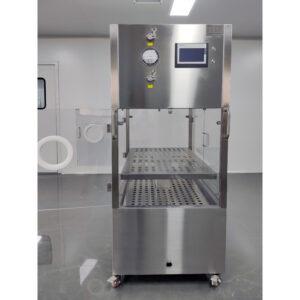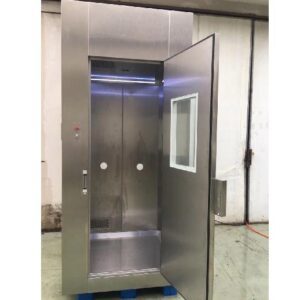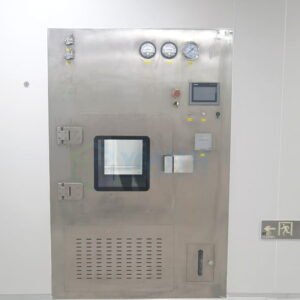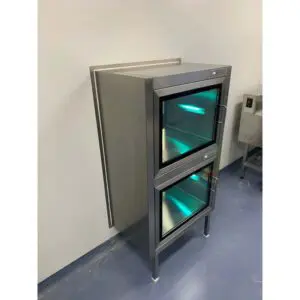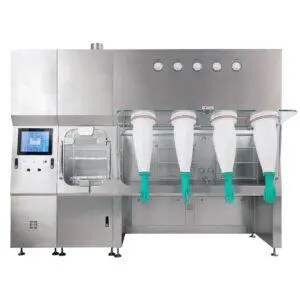
Proiectele de camere curate în care regulile de transfer la limitele dintre zone nu sunt specificate suficient de detaliat descoperă de obicei problema în timpul studiilor de fum efectuate la punerea în funcțiune sau la prima inspecție de reglementare — nu în timpul revizuirii proiectului. O hotă cu flux laminar poziționată corect într-o cameră de fond poate proteja eficient o suprafață de lucru, dar dacă traseele de transfer, secvența de deschidere a ușilor și relațiile de presiune din jurul acelei hote nu sunt cartografiate înainte de construcție, protecția se poate prăbuși în timpul funcționării normale fără a declanșa vreo alarmă. Costul practic îl reprezintă lucrările de recalificare, întârzierea punerii în folosință sau constatarea unei probleme care impune o modernizare completă și mai costisitoare a camerei după finalizarea amenajării. Decizia care rezolvă din timp majoritatea acestor probleme nu constă în alegerea implicită a unei clasificări superioare, ci în definirea precisă a locului în care are loc expunerea critică și a capacității unei anvelope locale controlate de a o izola în mod fiabil în întreaga gamă de condiții de funcționare.
Suprafața de expunere ca principal factor de decizie
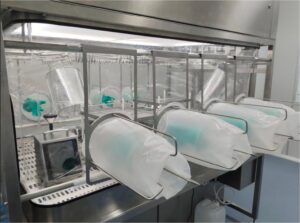
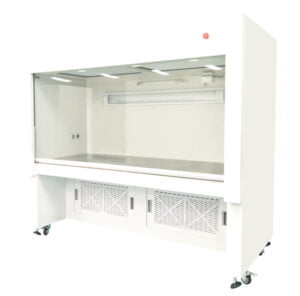
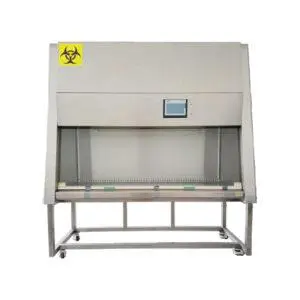
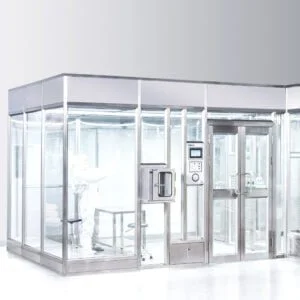
Punctul de plecare nu este clasa camerei sterile în sine, ci limita fizică a riscului de contaminare. Atunci când expunerea critică este cu adevărat limitată la o singură suprafață de lucru, o hotă cu flux laminar sau unitate de flux laminar de aer Crearea unei zone locale de clasă ISO 5 în cadrul unei încăperi de fond de clasă ISO 7 reprezintă o strategie larg utilizată și susținută de autoritățile de reglementare în domeniul procesării farmaceutice aseptice. Această abordare este considerată de autoritățile de reglementare și de specialiștii din domeniu ca o alternativă economică la o încăpere integrală de clasă ISO 5, și nu ca un compromis, cu condiția ca limitele zonei locale să fie clar definite și justificabile.
Condiția care face acest lucru posibil este izolarea. Dacă operatorii, materialele și produsul neambalat rămân în interiorul zonei locale sau în imediata apropiere a acesteia pe tot parcursul procesului, se poate menține izolarea locală. În momentul în care activitatea depășește această zonă de izolare — fie printr-un transfer către o zonă de tranzit, o etapă secundară de procesare la o stație separată, fie prin mișcările de rutină ale operatorului care transportă particule înapoi către suprafața critică — ipoteza izolării începe să nu mai fie valabilă. Aceasta nu este o preocupare minoră: este motivul cel mai frecvent pentru care strategiile privind zona locală necesită remediere după validare.
A privi acest aspect ca pe un compromis este mai util decât a-l trata ca pe o regulă binară. Standardul ISO 14644-7 oferă un cadru de referință pentru dispozitivele de separare, la care merită să se facă referire atunci când se caracterizează zona locală ca un mediu controlat distinct, dar nu clasifică încăperea în sine. Decizia de a utiliza o zonă locală în locul clasificării întregii încăperi trebuie documentată cu o justificare clară, legată de harta reală a procesului — unde produsul este expus, pentru cât timp, la ce stații și sub ce restricții de mișcare a operatorului. Această justificare devine fundamentul atât pentru strategia de verificare, cât și pentru orice argument viitor privind controlul modificărilor.
Clasificarea completă a camerelor pentru riscul distribuit
Atunci când riscul de contaminare nu se limitează la o singură suprafață — atunci când acesta este generat la mai multe linii de echipamente, transportat de operatorii care se deplasează între stații sau redistribuit în timpul schimburilor de tură — strategiile de protecție locală devin din ce în ce mai greu de aplicat. O zonă locală poate proteja ceea ce se află în interiorul ei; ea nu poate ține cont de particulele care provin de la o altă stație și sunt transportate de curenții de aer sau de mișcarea operatorilor către o suprafață critică situată în afara volumului acoperit de hota.
Clasificarea „full-room” rezolvă această problemă tratând întregul volum ocupat ca pe o anvelopă controlată. În cadrul ISO 14644-1:2015, clasificarea se bazează pe concentrația de particule din aer pentru dimensiuni cuprinse între 0,1 µm și 5 µm, măsurată în trei stări definite: la finalizarea construcției, în repaus și în funcționare. Pentru conformitatea cu reglementările în mediile GMP, starea de funcționare este cea mai importantă și trebuie să reflecte încărcătura reală de particule introdusă de persoane, procese și echipamente care funcționează simultan. Acest ultim aspect este adesea subestimat în proiectare: o încăpere care trece clasificarea în stare de repaus s-ar putea să nu o mențină la încărcare operațională maximă dacă sistemul HVAC nu a fost dimensionat pentru căldura și generarea reală de particule ale procesului în desfășurare.
Scenariile operaționale în care clasificarea întregii încăperi reprezintă opțiunea cea mai justificată prezintă caracteristici distincte.
| Scenariu operațional | De ce este important | Ce trebuie să confirmați |
|---|---|---|
| Mai multe linii de echipamente | Riscul de contaminare este răspândit în diferite locații, ceea ce face mai dificilă asigurarea unei protecții localizate peste tot | Că clasificarea completă a încăperilor acoperă toate amplasamentele liniilor de echipamente și spațiile dintre acestea |
| Mai multe schimburi de producție | Traficul operatorilor și mișcarea materialelor cresc pe parcursul zilei, sporind riscul de încălcare a securității dacă se controlează doar zonele locale | Ca starea de clasificare să fie menținută în timpul schimburilor de tură și în perioadele de vârf de trafic |
| Riscul de contaminare distribuită | Riscul nu se limitează la o singură suprafață de lucru, ci provine din activitatea oamenilor, din transferuri și din operațiunile desfășurate simultan | Planul de monitorizare să cuprindă nivelurile de particule pe întreaga suprafață de operare, nu doar în apropierea stațiilor critice |
Consecința din punct de vedere al verificării a alegerii clasificării pentru întreaga încăpere este că monitorizarea particulelor trebuie să acopere întreaga suprafață operațională, nu doar zona imediat învecinată unui post de lucru critic. Acest lucru afectează planificarea amplasării probelor, frecvența monitorizării și numărul de instrumente sau puncte de prelevare necesare pentru menținerea conformității. Echipele care proiectează încăperea pentru o clasificare completă, dar apoi concentrează monitorizarea în apropierea unui singur post de lucru, funcționează, în practică, fără dovezi că restul încăperii își menține clasificarea în timpul producției.
Reguli privind intrarea și ieșirea din zona locală
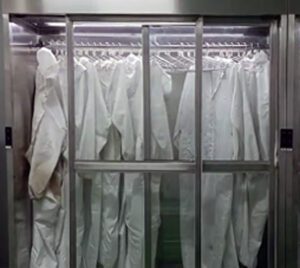
O zonă locală care nu dispune de o hartă de transfer bine definită reprezintă o strategie de izolare cu un perimetru nedefinit. Aerul curat din interiorul hotei este bine caracterizat; însă traseul pe care îl parcurge o componentă sau un material pentru a ajunge în sau a părăsi acea hotă nu este adesea bine definit. În mediile reglementate de GMP, harta de clasificare a unei instalații ar trebui să se transpună într-o hartă de presiune și transfer care să descrie în mod explicit modul în care persoanele, materialele, deșeurile, probele și echipamentele se deplasează între zonele clasificate — și unde mișcarea simultană creează un risc de încălcare a normelor. În absența acesteia, zona locală funcționează conform proiectului în timpul calificării, dar nu neapărat și în timpul funcționării de rutină.
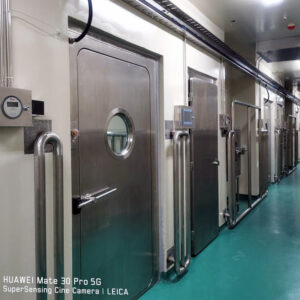
Limitele ușilor merită o atenție deosebită, deoarece separările pe niveluri eșuează acolo mai des decât la orice altă interfață. Proiectarea defectuoasă a ușilor, etanșarea inadecvată, logica incorectă a interblocării sau decalajele de sincronizare în ciclul de secvențiere a ușilor pot reduce sau anula temporar diferența de presiune dintre o încăpere de fond și o zonă adiacentă mai bine controlată. O egalizare momentană la o graniță de nivel în timpul unui transfer este suficientă pentru a introduce particule într-un spațiu care părea protejat. Aceasta nu este o defect de proiectare care poate fi detectată doar prin numărarea particulelor — este necesară testarea funcțională a secvenței de interblocare și a răspunsului la presiune în condiții realiste de transfer.
Elementele de transfer și factorii legați de uși care trebuie verificați și testați în mod oficial înainte de punerea în folosință sunt prezentați aici, cu titlu de referință.
| Element de transfer | Scop | Riscuri în cazul unei cartografieri necorespunzătoare |
|---|---|---|
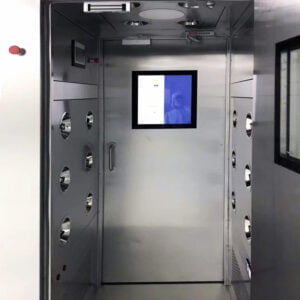
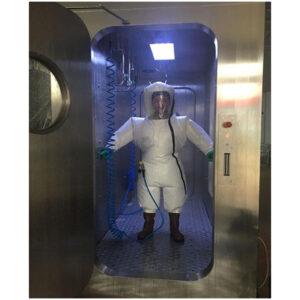
| Blocuri de aer | Separați diferitele niveluri de igienă și asigurați circulația în condiții de siguranță a persoanelor | Cascadele de presiune se defectează; contaminarea încrucișată între clase |
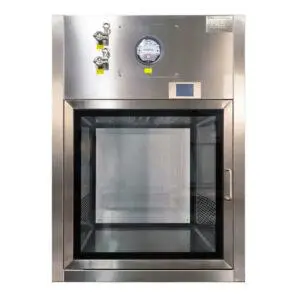
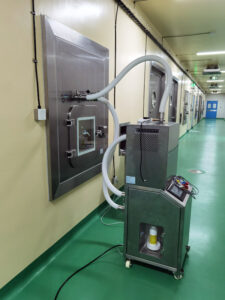
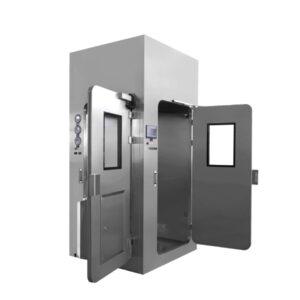
| Entități cu transfer direct | Transferați materiale, probe și componente fără a deschide ambele părți simultan | Încălcarea directă a gradului de securitate; pierderea protecției locale în timpul transferurilor |
| Încuietori | Prevenirea deschiderii simultane a ușilor și asigurarea respectării ordinii de deschidere | Ușile pot fi deschise în ordinea greșită, ceea ce duce la prăbușirea separării de presiune |
| Secvențierea ușilor | Stabiliți care ușă se deschide prima și intervalul de timp dintre ciclurile de deschidere ale ușilor | O eroare a operatorului duce la o pierdere temporară a integrității limitei de nivel |
| Căi cu mișcare simultană | Identificați locurile în care persoanele și materialele se întâlnesc în același timp (de exemplu, eliminarea deșeurilor în timpul producției) | Eliberarea și răspândirea necontrolată a particulelor în zona protejată |
| De Factor | De ce este important | Ce trebuie să confirmați |
|---|---|---|
| Prin design | Geometria, direcția de oscilație și toleranțele de spațiu afectează scurgerile de aer și capacitatea de curățare | Acest design al ușii permite formarea unor cascade de presiune unidirecționale și reduce la minimum turbulențele la nivelul deschiderilor |
| Capacitatea de curățare | Suprafețele care nu pot fi curățate eficient adăpostesc particule și microbi | Materialele, finisajele și îmbinările ușii să permită o curățare ușoară și repetabilă, fără a provoca deteriorări |
| Etanșare | Scurgerile din jurul garniturilor egalizează presiunea între niveluri și permit pătrunderea particulelor | Acest tip de garnitură, integritatea și modul de instalare să respecte diferența de presiune cerută |
| Comportamentul sistemului de interblocare | O ocolire neintenționată a sistemului de interblocare sau erorile de sincronizare pot crea o cale directă între niveluri | Să se asigure că logica sistemului de interblocare, comportamentul sistemului de alarmă și comanda manuală sunt definite și testate |
Disciplina necesară pentru menținerea în vigoare a regulilor de transfer este adesea subestimată în faza de proiectare. Comportamentul sistemelor de interblocare trebuie definit în URS, testat în cadrul testelor FAT și SAT și verificat în cadrul testelor de performanță funcțională înainte de demararea proceselor IQ/OQ. Definirea acestor reguli după finalizarea lucrărilor de amenajare — când ușile sunt deja instalate și diferențele de presiune sunt deja stabilite — generează riscul unor lucrări suplimentare și poate necesita modificări fizice pentru a se obține separarea dorită.
Compatibilitatea camerei de fundal cu sistemul de protecție local
O zonă locală de clasa ISO 5 nu funcționează independent de încăperea în care se află. Mediul de fond stabilește un prag minim de contaminare pe care zona locală trebuie să îl depășească. În cazul proceselor farmaceutice aseptice, orientările FDA consideră că o încăpere de fond de cel puțin clasa ISO 7 reprezintă o cerință reglementară atunci când zona locală constituie protecția principală pentru operațiunile critice. Aceasta nu este o regulă universală valabilă pentru toate industriile, dar în sectorul farmaceutic reglementat funcționează ca un standard de referință care trebuie justificat în cazul în care se deviază de la acesta.
Relația de presiune dintre camera de fond și zona locală este importantă în ambele sensuri. O cameră de fond de clasă ISO 7, care se află la o presiune mai mare decât coridoarele adiacente, creează o separare în cascadă care susține zona locală prin reducerea cantității de particule care pot pătrunde din exterior. O valoare orientativă tipică pentru proiectarea încăperilor adiacente cu grade diferite de curățenie este o diferență de presiune de cel puțin 10 Pa, deși aceasta nu este o cerință ISO — este o valoare practică de proiectare care trebuie verificată în raport cu geometria reală a încăperii, dimensiunile spațiilor de la uși și timpul de răspuns al sistemului HVAC în timpul ciclurilor de deschidere-închidere a ușilor. Diferența reală de presiune la nivelul deschiderii unei uși, pe parcursul a câteva secunde în timpul unui transfer, poate fi semnificativ mai mică decât valoarea măsurată în stare staționară, motiv pentru care testarea dinamică a presiunii în condiții realiste de transfer este esențială.
Compromisul este direct: diferențele de presiune nominale mai mari îmbunătățesc izolarea în condiții statice, dar sporesc dificultatea de utilizare a ușilor și consumul energetic al sistemului HVAC. Sălile proiectate cu cascade de presiune mari pot genera, de asemenea, turbulențe la deschiderea ușilor, ceea ce degradează temporar performanța zonei locale, în loc să o protejeze. Prin urmare, compatibilitatea camerei de fundal nu se rezumă doar la confirmarea faptului că sala respectă standardul ISO 7 în repaus — ci necesită evaluarea stabilității relațiilor dintre presiune și fluxul de aer în timpul transferurilor și al tiparelor de mișcare ale operatorilor care au loc în condiții normale de producție.
Sarcina de verificare în cazul controlului la nivel de cameră față de cel local
Alegerea între clasificarea pe zone locale și clasificarea la nivel de încăpere nu afectează doar construcția — ci restructurează întregul program de verificare, de la punerea în funcțiune până la asigurarea conformității pe termen lung. Nu este vorba de abordări echivalente cu un domeniu de aplicare diferit; acestea diferă în ceea ce privește metoda, frecvența și tipurile de dovezi necesare pentru a menține încrederea în timp.
În cazul unei zone locale cu flux unidirecțional, întrebarea esențială pentru verificare este dacă fluxul de aer acoperă în întregime zona critică de expunere cu o viteză și o direcționalitate suficiente pentru a împiedica pătrunderea particulelor. Studiile de vizualizare a fumului și cartografierea fluxului de aer, menționate în IEST-RP-CC002, sunt instrumentele standard pentru a demonstra acest lucru. Acestea sunt verificări periodice ale performanței, nu evenimente de monitorizare de rutină — ele sunt efectuate la calificare, după lucrări de întreținere care afectează sistemul de flux de aer și atunci când au loc modificări ale configurației procesului. Ceea ce demonstrează acestea este faptul că zona locală se comportă ca un dispozitiv de separare în condițiile de testare utilizate; ele nu oferă dovezi continue ale protecției în timpul producției.
Verificarea clasificării întregii încăperi funcționează diferit. Metodologia de clasificare ISO 14644-1 oferă cadrul pentru prelevarea de probe de numărare a particulelor pe întregul volum al încăperii, locațiile de prelevare și numărul minim de probe fiind determinate de suprafața încăperii și de nivelul de clasificare. Conformitatea continuă se bazează pe un program de monitorizare a mediului, continuu sau periodic, care acoperă întreaga amprentă operațională — numărarea particulelor, prelevarea de probe de suprafață și, în mediile farmaceutice clasificate, monitorizarea microbiană distribuită pe întregul spațiu de lucru. Sarcina de verificare este mai amplă și necesită mai multe resurse în ceea ce privește instrumentele, efortul de prelevare a probelor și gestionarea datelor, dar generează dovezi continue privind performanța la nivelul întregii încăperi, mai degrabă decât dovezi punctuale la nivel de zonă.
O greșeală frecventă constă în tratarea alegerii protecției pe zone locale ca pe o modalitate de a reduce programul de verificare, fără a ține seama pe deplin de ceea ce presupune, în schimb, abordarea pe zone locale. Studiile privind fumul, cartografierea vitezei fluxului de aer la suprafața de lucru și caracterizarea condițiilor de fond din încăpere în condiții operaționale trebuie toate planificate, executate și documentate. Dacă acestea nu sunt incluse în planul de calificare încă de la început, ele apar ca o lacună neprevăzută în buget în timpul IQ/OQ sau în timpul unei inspecții prealabile aprobării — moment în care costul suplimentar depășește de obicei economiile pe care ar fi trebuit să le aducă abordarea mai simplă.
Implicațiile fiecărei abordări în ceea ce privește costurile și schimbările
Prețul inițial al echipamentelor reprezintă rareori sursa diferenței reale de cost. Sistemul HVAC este principalul factor de cost pentru orice spațiu clasificat, iar în scenariile de clasificare a întregii încăperi, energia și complexitatea mecanică necesare pentru tratarea întregului volum — și nu doar a unui spațiu de fundal plus o unitate locală de recirculare — variază neliniar în funcție de nivelul de clasificare. Unitățile de tratare a aerului din instalațiile de camere curate pot reprezenta peste 60% din consumul total de energie al amplasamentului; această cifră este mai degrabă un punct de referință la nivel de instalație decât o țintă precisă de proiectare, dar reflectă ordinul de mărime la care deciziile privind sistemul HVAC afectează costurile de exploatare pe durata ciclului de viață al unei instalații.
Aici este prezentată comparația structurată a costurilor între variabilele de decizie.
| Factor de cost | Abordarea pe zone locale | Abordarea „cameră completă” |
|---|---|---|
| Complexitatea sistemelor HVAC și energia | Partea inferioară: doar sala de fond (de exemplu, ISO 7) necesită un sistem complet de climatizare; unitatea locală recirculează aerul în interiorul zonei | Nivel superior: întreaga încăpere trebuie tratată conform nivelului clasificat, ceea ce duce la o creștere semnificativă a puterii ventilatoarelor, a sarcinii de răcire și a consumului de energie (puterea unității de tratare a aerului (AHU) poate depăși 60 % din puterea totală a instalației) |
| Realizarea inițială și validarea | Costuri de construcție mai mici pentru structura de bază a încăperii; efortul de validare s-a concentrat pe acoperirea fluxului de aer și pe compatibilitatea cu mediul înconjurător | Costuri de construcție mai ridicate din cauza cerințelor mai stricte privind pereții, tavanul și pardoseala; este necesară cartografierea și clasificarea particulelor la nivelul întregii încăperi |
| Disciplina operatorilor și monitorizarea | Mișcările operatorului trebuie controlate strict în zona de acțiune locală; monitorizarea se concentrează asupra fluxului de aer și asupra numărului de particule la nivel local | Libertatea operatorului este mai mare, dar monitorizarea de rutină a mediului trebuie să acopere întreaga încăpere; un program mai amplu de testare a suprafețelor și a particulelor |
| Întreținere | Testarea periodică a filtrelor HEPA ale hotei, verificarea vitezei fluxului de aer și întreținerea unităților locale | Întreținerea sistemului central de încălzire, ventilație și aer condiționat (HVAC), grupuri de filtre mai mari și o calibrare mai amănunțită a senzorilor în întreaga încăpere |
| Modificări viitoare ale procesului | Este mai ușor să reconfigurați sau să mutați stațiile de lucru; clasificarea încăperilor de fundal poate rămâne neschimbată | Modificarea dispunerii echipamentelor poate necesita reclasificarea sau o validare extinsă a întregului spațiu, ceea ce duce la creșterea timpului de nefuncționare și a costurilor |
Doi factori de cost sunt, de obicei, subestimați în această comparație. Primul este disciplina operatorilor în ceea ce privește abordarea zonelor locale: atunci când o zonă locală este aleasă parțial datorită costului său de construcție mai redus, decizia respectivă se bazează pe presupunerea că operatorii vor respecta în mod fiabil constrângerile comportamentale de care depinde zona. Evenimentele de contaminare care își au originea în tehnica de lucru a operatorilor sau în deplasările acestora în jurul unei zone locale nu apar în modelul inițial de costuri, dar se reflectă în rapoartele de abatere, în costurile de reevaluare și în eliminarea loturilor. Al doilea factor este flexibilitatea viitoare a procesului. O încăpere de fundal proiectată în jurul unei configurații specifice a zonei locale poate adesea să absoarbă modificările stațiilor de lucru fără a declanșa o reclasificare. O încăpere complet clasificată, în care pozițiile echipamentelor, înălțimile tavanului și pozițiile sistemelor de încălzire, ventilație și aer condiționat (HVAC) au fost toate validate pentru o configurație specifică, poate necesita o recalificare parțială sau completă atunci când procesul se modifică — ceea ce se va întâmpla aproape întotdeauna pe durata de viață operațională a instalației.
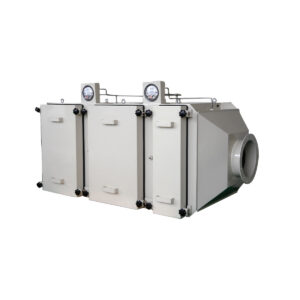
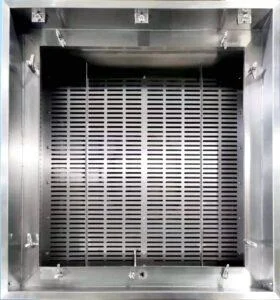
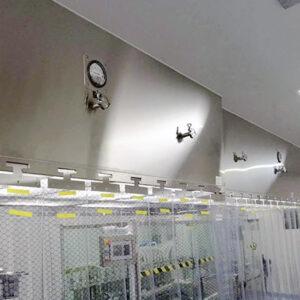
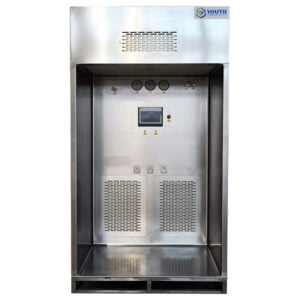
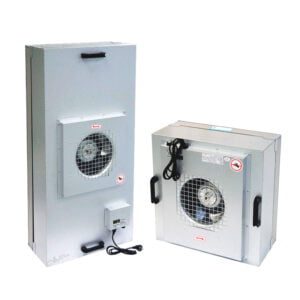
A unitate de filtrare ventilator O strategie bazată pe zone locale poate oferi o flexibilitate reală pentru instalațiile în care se preconizează o evoluție a amprentei proceselor, cu condiția ca clasificarea încăperilor de fundal și regulile de transfer aferente să fie concepute încă de la început ținând cont de această posibilitate de reconfigurare. Adaptarea ulterioară a acestor reguli reprezintă varianta mai costisitoare.
Judecata esențială pe care o impune această decizie nu se referă la numerele de clasă ISO, ci la faptul dacă expunerea critică poate fi limitată în mod fiabil în cadrul unei zone locale, în condiții reale de funcționare, incluzând transferurile, mișcările operatorului și traficul generat de schimburile de tură. Dacă acest lucru este posibil, o zonă locală bine proiectată, susținută de o încăpere de fundal compatibilă și de o hartă de transfer definită, reprezintă o abordare justificabilă și eficientă din punct de vedere al costurilor. Dacă expunerea este distribuită pe întregul spațiu sau dacă disciplina operațională necesară pentru menținerea integrității zonei locale nu poate fi aplicată și monitorizată în mod sistematic, clasificarea întregii încăperi oferă o protecție mai puternică și un argument de conformitate mai clar.
Înainte de a opta pentru una dintre aceste abordări, verificările practice constau în: stabilirea dacă harta de transfer definește fiecare punct de trecere între clase, împreună cu logica de secvențiere și de interblocare; dacă clasificarea încăperilor de fundal și diferențele de presiune au fost verificate în condiții operaționale, și nu doar statice; și dacă domeniul de aplicare al verificării — studii privind fumul pentru zonele locale, cartografierea completă a particulelor pentru încăperile clasificate — este inclus încă de la început în bugetul de punere în funcțiune și calificare, și nu este descoperit abia după finalizarea construcției.
Întrebări frecvente
Î: Activitatea noastră se referă la ambalarea semiconductoarelor, nu la produse farmaceutice aseptice — se aplică în continuare cerința privind clasa ISO 7 atunci când se utilizează o zonă curată locală de clasă ISO 5?
R: Nu, nu este o cerință universală. Așteptările de fond prevăzute de standardul ISO 7, discutate în articol, decurg din ghidul FDA privind procesarea aseptică. Pentru aplicații din domeniul semiconductorilor, industrial sau non-farmaceutic, clasa de fond trebuie determinată printr-o evaluare a riscurilor specifică produsului. Aceasta ia în considerare sensibilitatea la dimensiunea particulelor, factorul de protecție al dispozitivului local de flux unidirecțional și potențialul de contaminare încrucișată din partea proceselor adiacente. Adesea, un fond de clasă ISO 8 poate fi suficient dacă vizualizarea fluxului de aer confirmă că zona locală înconjoară complet suprafața critică în condiții de funcționare.
Î: Ce ar trebui să facă echipa noastră de proiect în primul rând, imediat după ce citește acest text, pentru a demara procesul decizional?
R: Elaborați o hartă detaliată a expunerilor la proces înainte de stabilirea specificațiilor echipamentelor sau a amenajării spațiului. Marcați fiecare punct în care produsul sau suprafețele critice sunt expuse, durata fiecărei expuneri, precum și traseele de deplasare ale operatorilor, materialelor și deșeurilor între aceste puncte. Acest document unic arată dacă toate expunerile se concentrează în raza de acțiune a unuia sau a două dispozitive cu flux laminar — ceea ce favorizează o abordare locală — sau dacă sunt distribuite pe mai multe stații de lucru, ceea ce vă îndreaptă spre clasificarea completă a încăperii. Harta devine, de asemenea, baza pentru proiectarea ulterioară a sistemului de transfer și a cascadei de presiune.
Î: La ce dimensiune fizică o zonă curată “locală” devine prea mare pentru a mai fi practică, impunând clasificarea întregii încăperi?
R: Nu există o limită fixă în metri pătrați, dar se conturează un prag practic în jurul limitelor de acoperire ale unei singure hote cu flux laminar — de obicei, 1,2–1,8 m lățime efectivă de lucru pe unitate. Conectarea mai multor unități poate extinde acoperirea, dar atunci când suprafața protejată acoperă cea mai mare parte a încăperii și operatorii trebuie să se deplaseze în mod curent între unități, curățenia mediului din fundal și modelele de curgere a aerului devin la fel de critice ca și zonele locale. În această etapă, efortul de verificare începe să reflecte cartografierea particulelor la nivelul întregii încăperi, iar multe echipe optează pentru o clasificare completă pentru a simplifica conformitatea și a reduce riscul apariției unor zone de transfer neprotejate.
Î: Există vreun scenariu în care o încăpere clasificată la cel mai înalt nivel să necesite, pe lângă această clasificare, și dispozitive locale de flux laminar?
R: Da, atunci când anumite etape ale procesului necesită un nivel de curățenie mai ridicat decât clasificarea camerei. De exemplu, o sală de clasă ISO 6 utilizată pentru medicamente destinate terapiilor avansate poate totuși să includă etape de manipulare a celulelor în condiții deschise în cadrul unei stații de lucru cu flux laminar de clasă ISO 4 sau ISO 5. Dispozitivul local oferă un factor de protecție suplimentar, iar programul de verificare trebuie să acopere atât numărarea particulelor din aer la nivelul întregii încăperi, cât și integritatea fluxului de aer din zona locală prin intermediul studiilor cu fum. Acest model hibrid se deosebește de strategia „zonă locală cu fond redus” prezentată în articol și este frecvent utilizat în cazul în care vulnerabilitatea produsului este extrem de ridicată.
Î: Cum putem compara în mod obiectiv costurile pe durata ciclului de viață ale clasificării pe încăperi întregi față de cele ale zonelor locale, dincolo de estimarea inițială a costurilor de construcție?
A: Modelați trei categorii de costuri pe un orizont de 10 ani. În primul rând, energia: înmulțiți consumul specific de energie al sistemului HVAC al instalației (kW/m²) pentru fiecare clasificare cu suprafața etajului și numărul de ore de funcționare anual, utilizând tarifele locale la energie electrică. În al doilea rând, flexibilitatea: estimați costurile de recalificare generate de modificările configurației procesului — modificările complete ale încăperilor necesită, de obicei, reechilibrarea și retestarea întregului spațiu, în timp ce zonele locale pot fi adesea repoziționate cu o revalidare minimă. În al treilea rând, riscul de neconformitate: atribuiți un cost ajustat în funcție de probabilitate constatărilor de audit sau pierderilor de lot care ar putea apărea din cauza lipsei de disciplină a operatorilor în jurul unei zone locale. Prezentarea acestora sub formă de intervale, mai degrabă decât de estimări punctuale, oferă conducerii o comparație realistă pe care factorii de cost din articol o indică, dar pe care nu o cuantifică.