Definirea unui mediu controlat în jurul denumirii unei categorii de produse, în loc să se ia în considerare etapele efective ale procesului în care suprafețele sunt expuse, reprezintă una dintre cele mai frecvente erori de planificare în proiectele de asamblare a modulelor optice și fotonice. Echipele care clasifică o încăpere la nivelul ISO 6 doar pentru că produsul este descris ca fiind de mare valoare adesea nu asigură o protecție suficientă pentru cele trei sau patru stații de aliniere și fixare în care capetele fibrelor, suprafețele lentilelor și plăcuțele de cip sunt cu adevărat expuse, în timp ce investesc excesiv în acoperirea tavanului în restul spațiului. Costurile ulterioare se manifestă în etapa de calificare, când numărul de particule la nivelul stațiilor de lucru nu corespunde cu valorile declarate la nivel de încăpere, sau în randament, când evenimentele de contaminare se datorează fluxului de aer la nivelul bancurilor de lucru, care nu a fost niciodată verificat independent. Ce urmează este un cadru pentru concretizarea acestor distincții înainte ca amenajarea să fie stabilită definitiv și ofertele să fie emise.
Puncte de expunere în modulul optic și ansamblul CPO
Riscul de contaminare în cadrul ansamblurilor de module optice și de componente optice integrate nu este distribuit uniform pe toată suprafața de producție. Acesta se concentrează în anumite etape ale procesului: manipularea panglicii de fibră sau a fibrei goale înainte de terminare, poziționarea și alinierea lentilelor, fixarea matriței și lipirea firelor, precum și cuplarea conectorilor. În afara acestor etape, aceeași linie de asamblare poate include operațiuni de subasamblare mecanică, testare electrică și ambalare, care nu implică deloc suprafețe optice expuse.
Această distribuție este importantă deoarece personalul din camera curată reprezintă sursa principală de particule în orice mediu controlat, iar proximitatea și mișcarea acestuia în raport cu treptele cu suprafață deschisă determină expunerea efectivă. Un protocol de îmbrăcare și un sistem de circulație a aerului calibrate pentru întreaga încăpere ca o singură zonă de risc tratează mișcarea tehnicianului în timpul unei operațiuni de lipire la fel ca mișcarea acestuia în timpul tăierii capătului unei fibre — o distincție care determină decizii de protecție locală foarte diferite.
Implicația practică în ceea ce privește planificarea este că cartografierea expunerii ar trebui să preceadă deciziile privind clasificarea încăperii. Înainte de stabilirea acoperirii tavanului sau a țintei ISO, echipa de proiect ar trebui să identifice fiecare stație sau punct de tranziție în care o suprafață optică sau fotonică sensibilă este expusă mediului înconjurător, durata respectivei expuneri și proximitatea personalului. Aceste stații devin condițiile determinante pentru proiectare. Tot restul încăperii poate fi tratat ca o zonă cu sensibilitate redusă, cu cerințe locale de flux de aer corespunzător mai puțin restrictive.
Protecția locală versus clasificarea la nivelul întregii încăperi
Trecerea întregii încăperi la o clasă ISO superioară reprezintă soluția potrivită atunci când operațiunile desfășurate în spații deschise sunt cu adevărat dispersate — adică atunci când bancurile de aliniere, stațiile de asamblare și punctele de inspecție sunt răspândite pe toată suprafața spațiului de lucru și nu există nicio modalitate practică de a le grupa într-o subzonă protejată. În această configurație, ridicarea clasei de protecție a întregii încăperi este mai economică decât instalarea mai multor dispozitive locale de protecție la fiecare stație.
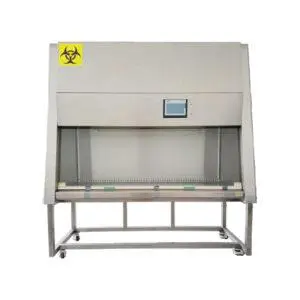
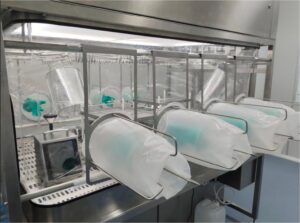
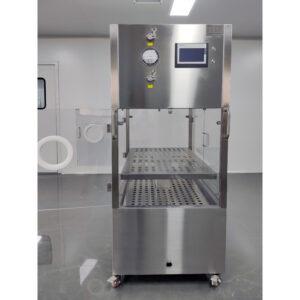
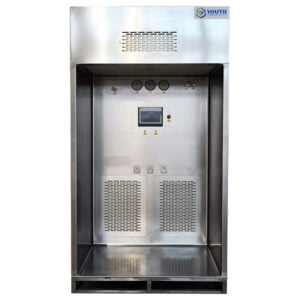
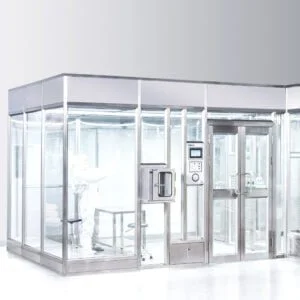
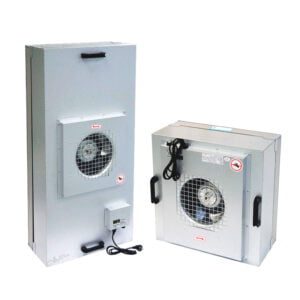
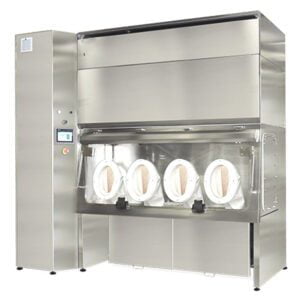
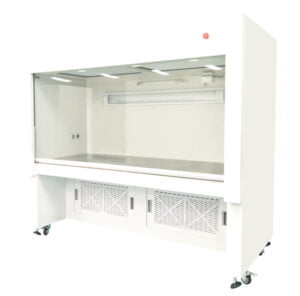
Atunci când operațiunile cu suprafață deschisă sunt concentrate pe un număr redus de bancuri de lucru, situația se schimbă. O cameră curată modulară cu pereți flexibili poate fi instalată ca strat suplimentar de izolare în interiorul unei camere existente cu pereți rigizi sau al unei zone de producție standard, creând o zonă separată fără a modifica spațiul înconjurător. În interiorul acelei zone sau direct la bancul de lucru critic, un post de lucru cu flux laminar care funcționează la nivelul ISO 5 poate proteja procesul, în timp ce camera înconjurătoare rămâne la nivelul ISO 6, 7 sau 8. Aceasta nu este o configurație teoretică: ea reflectă modul în care ambalarea cimentului osos și procesele farmaceutice la fel de stricte au fost structurate de ani de zile, iar aceeași logică se aplică stațiilor de aliniere optică și de asamblare. Standardul ISO 14644-7 abordează proiectarea și performanța dispozitivelor de separare — inclusiv a incintelor cu pereți flexibili — ca o categorie distinctă de echipamente de control al contaminării, ceea ce conferă acelui strat de protecție un cadru definit pentru specificare și verificare.
Compromisul constă între flexibilitatea operațională și costul modernizării. Incintele cu pereți flexibili și hote cu flux laminar pot fi repoziționate sau reconfigurate pe măsură ce se modifică dispunerea procesului; o modernizare la nivelul întregii încăperi este fixată în tavan, în rețeaua de conducte și în sistemul de presurizare. Atunci când există probabilitatea ca etapele procesului să fie consolidate sau mutate pe măsură ce volumul crește, protecția locală păstrează opțiunile de dispunere. Atunci când procesul este stabil și distribuit, clasificarea întregii încăperi este, de obicei, mai simplu de calificat și de întreținut.
Fiecare strategie implică o sarcină diferită în ceea ce privește dovezile de acceptare, ceea ce afectează atât domeniul de aplicare al punerii în funcțiune, cât și monitorizarea continuă.
| Strategie | Ce presupune acest lucru | Când se aplică |
|---|---|---|
| Actualizare ISO pentru întreaga încăpere | Îmbunătățiți clasa de curățenie a întregii încăperi prin acoperirea tavanului, circulația aerului și presurizare. | Procesele care expun suprafețe sensibile sunt repartizate pe mai multe utilaje sau stații, ceea ce face ca clasificarea întregii încăperi să fie mai economică decât utilizarea mai multor izolatoare locale. |
| Cameră curată modulară cu pereți flexibili | Instalați o cameră curată cu pereți flexibili ca strat suplimentar de izolare în interiorul unei camere existente cu pereți rigizi sau al unei zone de producție standard, fără a fi necesară modernizarea întregului spațiu. | Segregarea pe zone este necesară doar pentru o parte dintre operațiuni; sala de clasă inferioară existentă rămâne neschimbată. |
| Hota / stație de lucru cu flux laminar | Amplasați un proces critic într-o cabină cu flux laminar de clasa 100 (ISO 5) situată într-o cameră curată de clasă inferioară (de exemplu, clasa 1000/ISO 6). | Doar stațiile de aliniere, fixare sau alte stații specifice unor unelte expun suprafețe optice sau de fibră sensibile; clasificarea camerei înconjurătoare se menține la un nivel inferior. |
Cea mai frecventă greșeală în luarea acestei decizii este tratarea stației de lucru cu flux laminar local ca pe o măsură suplimentară de confort, și nu ca pe principalul punct de izolare. Dacă stația de lucru este locul în care se obține randamentul, performanța fluxului de aer al acesteia, integritatea filtrului și condițiile la limită ar trebui validate cu cel puțin aceeași rigoare ca și clasificarea camerei — și, în mod ideal, documentate separat în registrele de acceptare, astfel încât cele două niveluri de protecție să poată fi evaluate independent.
Spațiu liber pentru scule, stabilitatea bancului și accesul pentru inspecție
Instrumentele de asamblare din domeniul opticii și fotonicii impun constrângeri fizice care sunt adesea incompatibile cu ipotezele privind fluxul de aer stabilite încă din fazele incipiente ale proiectării unei camere curate modulare. Echipamentele de aliniere activă, stațiile de montare a rețelelor de fibre optice și sistemele de inspecție interferometrică au toate spații libere specifice — panouri de acces pentru întreținere, portaluri mobile, brațe suspendate pentru camere — care determină unde se poate afla personalul, unde direcția fluxului de aer este acceptabilă și unde nu pot fi amplasate unitățile FFU montate pe tavan. Dacă aceste constrângeri nu sunt reflectate în planul de amenajare înainte de finalizarea proiectării fluxului de aer, este probabil să fie necesare modificări la fața locului în timpul punerii în funcțiune.
Băncile sensibile la vibrații ridică o problemă conexă. Mesele antivibrații utilizate pentru lucrările de aliniere submicronică sunt sensibile la calea de transmisie de la placa de beton la suprafața mesei, iar penetrările în pardoseală, conductele adiacente și structurile de montare ale unităților FFU pot introduce perturbări mecanice dacă sunt amplasate fără a se ține cont de faptul că anumite mese necesită izolare. Descoperirea faptului că un cadru structural al unei unități FFU este cuplat la un picior al mesei după instalarea grilei de tavan comprimă programul de punere în funcțiune și poate necesita reproiectarea mecanică a structurii de susținere.
Accesul pentru inspecție reprezintă a treia dimensiune. Sistemele de inspecție optică în linie, porturile de acces pentru endoscop și stațiile de microscop necesită linii de vizibilitate specifice, zone de iluminare și, uneori, protecție locală HEPA dintr-o direcție diferită de schema generală a fluxului de aer. Acestea trebuie identificate ca constrângeri fixe în caietul de sarcini al amenajării înainte de începerea modelării fluxului de aer, nu adăugate ca excepții în timpul proiectării detaliate. O amenajare a camerei curate care să țină cont de amprenta echipamentelor, să lase spațiu liber conform cu normele pentru accesul de service și să amplaseze bancurile sensibile la vibrații departe de elementele structurale ale fluxului de aer este mai dificil de realizat, dar mult mai puțin costisitoare decât una care este corectată după instalare.
Riscurile legate de descărcările electrostatice (ESD) și de particule în fluxurile de lucru din domeniul fotonicii
Ansamblurile fotonice și modulele optice includ de obicei circuite integrate de comandă, amplificatoare TIA, circuite electronice de modulare și cipuri conectate prin lipire cu fir — componente care prezintă aceeași sensibilitate la descărcările electrostatice ca și dispozitivele semiconductoare standard. Riscul de descărcare electrostatică (ESD) este adesea neglijat în etapa inițială de planificare a camerei curate pentru aceste proiecte, deoarece produsul este descris mai degrabă în termeni optici decât electronici, iar modul de defectare cauzat de ESD nu apare de obicei în etapa de asamblare. Acesta apare mai târziu, în timpul testelor funcționale sau la returnarea produselor din teren, fiind atribuit unui eveniment de manipulare la un banc de lucru care nu a fost niciodată echipat cu pardoseală împământată sau cu brățară antistatică.
Umiditatea relativă este o variabilă semnificativă în cadrul acestui profil de risc. O valoare țintă de proiectare de aproximativ 45% ±5% RH este utilizată pe scară largă în mediile controlate în care acumularea de sarcini electrostatice reprezintă o preocupare; la niveluri mai scăzute de umiditate, acumularea de sarcini se accelerează, iar energia de descărcare crește. Această valoare țintă constituie un element de planificare, nu un criteriu de clasificare ISO — ea influențează specificațiile sistemului HVAC și precizia controlului umidității, mai degrabă decât cerințele privind numărul de particule. Standardul ANSI/ESD S20.20 oferă un cadru de testare și de programare pentru elementele de control ESD, inclusiv umiditatea, conductivitatea pardoselii și verificarea împământării, și poate fi utilizat pentru a defini criteriile de acceptare pentru zonele sensibile la ESD din cadrul unei camere curate destinate fotonicii.
Pardoseala conductivă legată la pământ este o opțiune de configurare care trebuie inclusă în caietul de sarcini pentru orice stație în care se manipulează cipuri neîncapsulate, ansambluri lipite sau subansambluri electronice neprotejate. Aceasta nu este obligatorie în toate zonele unei camere curate pentru fotonică, însă identificarea stațiilor în care este necesară înainte de specificarea finisajelor de pardoseală evită situația de modernizare ulterioară — șlefuirea unei pardoseli epoxidice deja instalate și înlocuirea acesteia cu un sistem conductiv după punerea în funcțiune a camerei. Același principiu se aplică și amplasării ionizatoarelor la stațiile de lucru unde materialele disipative și împământarea nu sunt suficiente pentru a gestiona încărcătura electrică de pe componentele optice neconductoare.
Pentru mai multe informații privind modul în care filtrarea și fluxul de aer interacționează cu mediul de particule și sarcini electrice în ansamblurile optice și fotonice, Modul în care unitățile de filtrare a ventilatoarelor mențin standardele pentru camere curate în domeniul opticii și fotonicii prezintă aspectele legate de proiectare la nivel de FFU.
Dovezi privind acceptarea zonelor de cameră și a stațiilor de lucru
Faptul că o încăpere trece testele de clasificare ISO la nivel de încăpere nu demonstrează în mod automat că zonele de proces deschise — banca de aliniere, stația de fixare a fibrelor, zona de plasare a lentilelor — îndeplinesc condițiile de curățenie impuse de proces. Este vorba de măsurători diferite efectuate în poziții diferite, iar separarea acestora în protocolul de acceptare este ceea ce permite ca fiecare nivel de protecție să fie asigurat în mod independent.
Dovezile de conformitate la nivel de încăpere trebuie să includă concentrația de particule în pozițiile de clasificare definite de planul de eșantionare conform ISO 14644, verificarea diferenței de presiune la limitele încăperii și integritatea filtrelor la acoperirea instalată la tavan. Dovezile la nivel de stație de lucru trebuie să includă numărarea locală a particulelor la suprafața de proces, viteza și uniformitatea fluxului de aer la planul de lucru al hotei cu flux laminar sau al dispozitivului de protecție local și — în cazul în care direcționalitatea fluxului de aer este esențială — vizualizarea dinamică folosind metode cu fum sau cu substanțe marcatoare. Studiile cu fum reprezintă un instrument practic de verificare pentru a confirma că aerul este dirijat corespunzător prin filtrele HEPA sau ULPA și ajunge la suprafața protejată fără recirculare sau scurtcircuitare; acestea sunt utile la calificarea inițială, după intervențiile de întreținere care afectează geometria filtrului sau a camerei de distribuție, precum și ori de câte ori se modifică configurația stației de lucru. Acestea nu trebuie considerate un substitut pentru datele privind numărarea particulelor, ci o verificare complementară care evidențiază problemele legate de traiectoria fluxului pe care numărarea particulelor, luată separat, s-ar putea să nu le identifice.
Structura documentației de acceptare este importantă pentru pregătirea inspecției. Atunci când clasificarea încăperilor și performanța fluxului de aer la stațiile de lucru sunt consemnate în același raport de testare fără a se face distincție între ele, este dificil să se demonstreze care nivel de protecție a fost verificat conform cărui standard și care condiție limită s-a modificat între cele două. Separarea dovezilor — înregistrările privind clasificarea încăperilor, înregistrările privind performanța fluxului de aer local și datele privind particulele din zona de proces — în documente distincte face ca dosarul de calificare să fie mai ușor de justificat și mai ușor de întreținut pe măsură ce configurația încăperii evoluează.
Întrebări privind amenajarea care trebuie clarificate înainte de întocmirea ofertei pentru sala CPO
O ofertă pentru o cameră CPO emisă înainte de clarificarea aspectelor legate de amenajare prezentate mai jos va necesita revizuire — iar această revizuire va avea loc într-o etapă în care termenele de livrare ale furnizorilor și aprobările interne fac ca modificările să fie costisitoare. Parametrii din tabelul de mai jos reprezintă dependențe încrucișate: acoperirea tavanului cu unități FFU determină clasa ISO care poate fi atinsă; clasa ISO determină cerințele privind diferența de presiune; cerințele privind diferența de presiune afectează clasa de curățenie a camerelor de echilibrare și a coridoarelor adiacente; iar diferența de curățenie dintre spațiile de legătură limitează viteza cu care cascada poate coborî fără a încălca recomandarea privind cele două ordine de mărime care limitează riscul de infiltrare a contaminanților.
| Parametru | Ce să clarificăm | Orientări / Valori |
|---|---|---|
| Amprenta la sol a încăperii modulare | Lungimea și lățimea necesare pentru a permite amplasarea uneltelor, a bancurilor de lucru și accesul pentru inspecție. | Camerele sterile cu pereți flexibili au, de obicei, dimensiuni standard cuprinse între 8′×8′ și 12′×24′; configurațiile personalizate sunt frecvente. |
| Clasa ISO țintă | Nivelul de curățenie pe care trebuie să îl îndeplinească camera (de exemplu, ISO 6, 7, 8). | Clasificări configurabile pentru camere sterile modulare; clasa ISO determină specificațiile privind acoperirea FFU, debitul de aer și filtrarea. |
| Cascadă de presiune între încăperi | Diferența de presiune dintre camera curată și spațiile adiacente cu clasificare inferioară. | Mențineți o presiune de 0,03–0,05 in. w.g.; diferențele de presiune mai mari de 0,05 in. w.g. nu oferă o protecție suplimentară semnificativă împotriva infiltrațiilor. |
| Diferența de curățenie între spațiile adiacente | Clasificarea în funcție de gradul de curățenie a încăperilor comunicante și a camerelor de echilibrare. | Diferența dintre clasele de curățenie ale spațiilor comunicante nu trebuie să depășească două ordine de mărime. |
| Gradul de acoperire al filtrului ventilatorului | Proporția suprafeței tavanului ocupată de unitățile FFU pentru a îndeplini clasa ISO țintă. | ISO 8: acoperire maximă de obicei între 5 și 15%; acoperirea crește odată cu nivelul de rigurozitate, ajungând până la 60–100% pentru ISO 3. Asigurați-vă că acoperirea este adecvată pentru clasa aleasă. |
Doi dintre acești parametri merită o mențiune suplimentară cu privire la interacțiunile lor. Intervalul diferenței de presiune de 0,03–0,05 in. w.g. reflectă experiența din industrie privind zona eficientă pentru reducerea infiltrării contaminanților; depășirea valorii de 0,05 in. w.g. nu asigură o protecție proporțional mai bună și crește solicitarea asupra garniturilor ușilor, a dispozitivelor de interblocare și a sistemului de control al instalației de încălzire, ventilație și aer condiționat (HVAC). Această limită superioară afectează, de asemenea, gradul de etanșeitate necesar pentru cascada dintre spațiile adiacente, ceea ce, la rândul său, influențează necesitatea unei camere de echilibrare și clasificarea pe care aceasta trebuie să o îndeplinească.
Acoperirea tavanului cu unități FFU este variabila care leagă cel mai direct clasa ISO țintă de proiectarea fizică. Pentru o încăpere de clasă ISO 8, o acoperire a tavanului cu unități de tip 5–15% este de obicei suficientă; pe măsură ce clasa țintă devine mai strictă, acoperirea crește, iar implicațiile structurale, electrice și legate de fluxul de aer ale acestei densități mai mari de acoperire trebuie reflectate în specificațiile de interfață ale clădirii înainte ca furnizorul camerei curate să poată emite o ofertă de preț fiabilă. Pentru informații de referință privind modul în care acoperirea cu FFU se adaptează la cerințele clasei ISO și dependențele de proiectarea fluxului de aer care decurg din aceasta, Proiectarea modulară a fluxului de aer în camerele curate și cerințele privind sistemul HVAC oferă informații detaliate privind aspectele tehnice.
Dimensiunile standard ale camerelor curate cu pereți flexibili variază de la 8′×8′ la 12′×24′, conform ofertelor comerciale tipice, însă dimensiunile personalizate sunt frecvente și ar trebui stabilite în funcție de dispunerea efectivă a echipamentelor, de spațiile libere necesare pentru întreținere și de traseele de circulație ale personalului, mai degrabă decât să se adapteze la o dimensiune din catalog. Aceasta Modul de cameră curată pentru semiconductori și mai amplu Cameră curată modulară Ambele configurații permit personalizarea dimensiunilor, iar confirmarea cerințelor dimensionale înainte de întocmirea ofertei permite evitarea modificărilor de scop care pot întârzia procesul de fabricație.
Cea mai importantă decizie de proiectare într-un proiect de cameră curată pentru module optice sau CPO este distingerea între cerințele de curățenie care se aplică camerei și cele care se aplică bancurilor de lucru. O greșeală în această distincție, indiferent de direcție — fie clasificarea excesivă a camerei în timp ce bancurile critice rămân neprotejate, fie tratarea fluxului de aer local al stațiilor de lucru ca pe un element de confort și nu ca pe o variabilă de calificare — generează fie costuri de capital inutile, fie un pachet de calificare care nu poate fi justificat la nivelul stațiilor de lucru, unde se determină de fapt randamentul.
Înainte de a emite o ofertă pentru o cameră curată sau de a stabili proiectul sistemului HVAC, echipa ar trebui să poată răspunde la următoarele întrebări: unde se află punctele de expunere cu suprafață deschisă, ce strategie de protecție locală se aplică fiecăruia dintre acestea, ce dovezi de conformitate vor verifica fiecare strat în mod independent și ce obiective privind cascada de presiune și acoperirea cu unități FFU decurg din aceste alegeri. Aceste răspunsuri determină domeniul de aplicare — nu denumirea categoriei de produs de pe linia de asamblare.
Întrebări frecvente
Î: Lista echipamentelor noastre este încă în curs de finalizare și nu dispunem încă de dimensiunile exacte ale uneltelor. Putem totuși să începem planificarea amenajării camerei curate?
R: Da, dar mai întâi trebuie să stabiliți pozițiile bancurilor sensibile la vibrații și ale stațiilor cu proces deschis. Schema de amenajare poate fi elaborată în funcție de fluxul de proces și de spațiile libere necesare pentru cele mai critice unelte, urmând să fie perfecționată odată cu confirmarea echipamentelor finale. Amânarea tuturor deciziilor privind amenajarea până la stabilirea tuturor uneltelor restrânge adesea marja de manevră în proiectarea fluxului de aer și impune modificări pe teren în timpul punerii în funcțiune.
Î: După ce am identificat punctele de expunere și am ales între protecția locală și cea pentru întreaga încăpere, ce ar trebui să includem în cererea de ofertă pentru a evita modificările ulterioare ale domeniului de aplicare?
R: Prezentați coordonatele stațiilor de lucru critice pentru proces, împreună cu nivelurile locale de curățenie necesare, cerințele de izolare împotriva vibrațiilor și zonele de control ESD, precum și clasa ISO țintă a încăperii, planul de cascadă a presiunii și orice cerințe privind linia de vizibilitate pentru inspecție. Pe baza acestor informații, furnizorul poate stabili prețul ținând cont de constrângerile reale ale amenajării dvs., în loc să se bazeze pe dimensiunile generice ale încăperii. Puteți solicita o ofertă de preț prin intermediul unei oferte de camere curate modulare configurabile, cum ar fi modulul de cameră curată pentru semiconductori de la Youth Filter, pentru a obține o estimare precisă și gata de execuție.
Î: La ce număr de stații cu proces deschis devine mai rentabil să se ridice clasa de protecție a întregii încăperi, în loc să se instaleze stații de lucru individuale cu flux laminar?
R: Nu există un prag fix; punctul de tranziție depinde de costul dispozitivelor locale de protecție, de suprafața totală a încăperii și de faptul dacă stațiile sunt grupate sau dispersate. Atunci când mai mult de aproximativ jumătate din suprafața etajului necesită condiții de nivel ISO 5 sau superioare, modernizarea completă a încăperii devine adesea mai ieftină și mai ușor de certificat decât gestionarea unui număr mare de stații de lucru cu flux laminar separate, dotate cu sisteme de monitorizare independente. Cu toate acestea, dacă stațiile critice sunt grupate strâns, o incintă cu pereți flexibili sau un plenum local comun pot rămâne soluții mai flexibile și mai rentabile chiar și în cazul unui număr mai mare de stații.
Î: Care dintre următoarele abordări este, de obicei, mai economică pe durata ciclului de viață al echipamentului: o cameră curată cu pereți rigizi, conformă cu standardul ISO 6, sau o cameră conformă cu standardul ISO 8, dotată cu stații de lucru conforme cu standardul ISO 5 la bancurile cheie?
R: O încăpere ISO 8 cu stații de lucru locale ISO 5 implică, de obicei, costuri inițiale de investiție și costuri energetice pentru sistemul de climatizare mai reduse, dar necesită un efort suplimentar de punere în funcțiune, deoarece performanța fluxului de aer al fiecărei stații de lucru trebuie validată și monitorizată separat. Pe termen lung, varianta cu o cameră ISO 8 plus stații de lucru este adesea mai avantajoasă din punct de vedere al flexibilității și al consumului de energie atunci când se preconizează modificarea configurației procesului, în timp ce o cameră completă ISO 6 simplifică monitorizarea și calificarea continuă dacă procesul este stabil și distribuit. Decizia ar trebui să se bazeze pe o comparație a costurilor pe durata ciclului de viață, nu doar pe prețul inițial de construcție.
Î: Merită să întocmim documente de recepție separate pentru clasificarea încăperilor și pentru fluxul de aer la stațiile de lucru locale, dacă construim o linie pilot care va fi mutată în termen de doi ani?
R: Da, deoarece separarea dovezilor menține intactă calificarea procesului chiar și atunci când se schimbă încăperea. Atunci când linia pilot se mută, se poate revalida doar clasificarea încăperii din noua locație, reutilizând în același timp înregistrările de performanță la nivel de stație de lucru pentru aceleași hote sau incinte cu flux laminar. Fără această separare, o relocare impune adesea o recalificare completă a fiecărui strat de protecție, ceea ce costă mai mult decât efortul inițial de documentare.