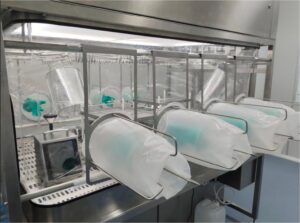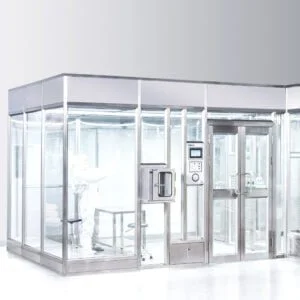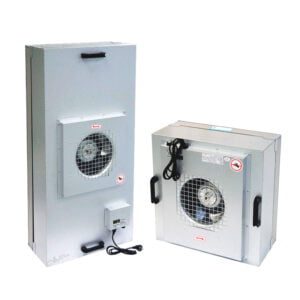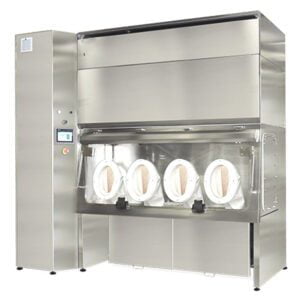
Alegerea unei structuri necorespunzătoare a camerei la începutul unui proiect rareori se observă imediat. Aceasta devine evidentă abia după câteva luni, când un audit al clientului evidențiază date inconsistente privind presiunea, când un procedură standard de operare (SOP) de curățare nu poate fi finalizată deoarece marginile perdelelor rețin particule și împiedică ștergerea reproductibilă, sau când un punct de trecere care ar fi trebuit să fie un sistem etanș cu interblocare este, în schimb, o breșă acoperită cu vinil pe care niciun operator nu o poate justifica în scris. Diferența de preț inițială dintre un sistem cu perdele flexibile și o cameră cu panouri rigide determină adesea decizia inițială, dar costul care decurge dintr-o alegere greșită tinde să se măsoare în întârzieri de calificare, investigații repetate de monitorizare a mediului și refacerea amenajării, care nu a fost niciodată planificată ca investiție de capital. Criteriul care contează cu adevărat este dacă structura fizică a camerei poate rezista la variabilitatea umană și operațională cu care se va confrunta în utilizarea de rutină.
Cazuri de utilizare a rețelelor Softwall cu trafic limitat
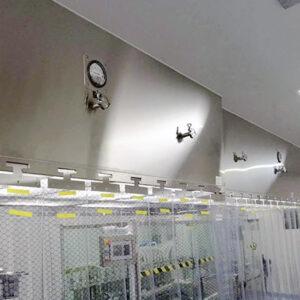
Camerele curate cu pereți flexibili sunt cea mai viabilă soluție atunci când obiectivul este controlul local al contaminării, iar diferențele de presiune dintre zone nu reprezintă riscul principal. Aplicații precum asamblarea pe banc de lucru, ambalarea ușoară sau distribuirea în loturi mici în medii de clasa ISO 7–8 pot fi realizate cu ajutorul unei perdele flexibile ca barieră, atunci când fluxul de personal este cu adevărat redus, iar materialele sunt manipulate în cantități controlate. Acest interval ISO 7–8 reprezintă o orientare oferită de furnizorii comerciali în scopuri de planificare, nu o limită maximă oficială definită de standardul ISO 14644-4:2022, dar reflectă o constrângere reală de proiectare: perimetrele delimitate de perdele din vinil nu asigură o etanșare suficient de fiabilă pentru a menține diferența de presiune necesară pentru clasificări de curățenie mai stricte.
Criteriul de planificare cel mai util este modelul de trafic, nu doar clasa de curățenie. O cameră cu pereți flexibili, cu doi operatori și un flux de lucru simplu în linie, funcționează diferit față de aceeași suprafață ocupată, dar cu schimburi de tură, mai multe cărucioare cu materiale și acces frecvent la echipamente. Fiecare mișcare a perdelei reprezintă un eveniment de presiune tranzitorie. În scenariile cu trafic redus, aceste evenimente sunt rare, iar camera își revine rapid. Pe măsură ce activitatea crește, recuperarea presiunii devine mai puțin fiabilă, iar orice program de monitorizare a mediului care se bazează pe numărări stabile de particule în timpul perioadelor operaționale devine mai greu de justificat. Echipele care utilizează camere cu pereți flexibili pentru activități intermitente, cu frecvență redusă, și tratează perimetrul camerei ca pe o barieră locală, mai degrabă decât ca pe o zonă cu presiune controlată, consideră de obicei că acest format este adecvat. Echipele care presupun că flexibilitatea se va adapta la volumul viitor de producție descoperă adesea limitările camerei atunci când contează cel mai mult.
Caracteristicile de portabilitate și implementare rapidă ale sistemelor cu perdele din vinil sunt cu adevărat utile în fazele incipiente ale cercetării și dezvoltării, în operațiunile la scară pilot și în soluțiile temporare de producție, însă aceste avantaje presupun o ipoteză implicită: expunerea procesului este suficient de redusă încât transferul informal de materiale și limitele gestionate de operatori să fie acceptabile. În cazul în care această ipoteză nu este analizată cu atenție încă de la începutul proiectului, decizia de a începe cu pereți flexibili devine o constrângere care persistă până în etapa de calificare operațională.
Cazuri de utilizare a pereților rigizi cu cerințe de audit și presiune
Camerele curate cu panouri rigide răspund unui set diferit de condiții de funcționare, în special în cazul în care stabilitatea cascadei de presiune, controlul documentat al accesului și dovezile fizice pregătite pentru inspecție fac parte din sarcinile operaționale de rutină, mai degrabă decât din caracteristici la care se aspiră. Pentru producția farmaceutică la clasa ISO 5 sau mai curată, relația de presiune dintre zonele adiacente nu este doar un nivel de confort — este un parametru de control care trebuie documentat, analizat din punct de vedere al tendințelor și justificat în fața auditorilor externi. Un sistem de panouri cu îmbinări etanșe, ansambluri de uși cu cadru și infrastructură integrată de monitorizare a presiunii oferă baza fizică pentru această justificare. Faptul că acesta asigură o diferență de presiune specifică depinde în întregime de proiectarea sistemului HVAC și de calitatea execuției instalării, nu doar de materialul panourilor, însă învelișul etanș este o condiție prealabilă pentru ca diferența de presiune să devină, în primul rând, un parametru controlabil și reproductibil.
Defensibilitatea în cazul unui audit este un factor practic pe care echipele de achiziții îl subestimează uneori. O încăpere cu pereți rigizi oferă o configurație fizică fixă și clară: ușile se află în poziții fixe, punctele de intrare și ieșire sunt definite, iar înregistrările privind accesul corespund direct limitelor încăperii. Inspectorii care analizează datele de mediu, registrele privind fluxul de personal și investigațiile privind evenimentele de contaminare pot reconstitui ceea ce s-a întâmplat din punct de vedere fizic. În schimb, limitele delimitate de pereți flexibili se pot modifica — perdelele sunt repoziționate, fixate cu ace în timpul mutării echipamentelor sau pur și simplu nu sunt readuse la aliniamentul inițial după curățare. Această variabilitate este dificil de documentat și de explicat atunci când o investigație necesită configurarea fizică a camerei la un moment dat.
În mediile din industria semiconductorilor, unde pătrunderea particulelor trebuie redusă la nivelul ISO 5 sau mai bun, capacitatea mai mare de rezistență la presiune statică oferită de sistemele cu pereți rigizi reprezintă un avantaj structural, dar este un avantaj care depinde de proiectare. Aceasta presupune ca sistemul HVAC, etanșarea încăperii și instalarea panourilor să funcționeze în mod coordonat. Afirmațiile furnizorilor privind capacitatea mai mare de rezistență la presiune statică ar trebui considerate ca un punct de plecare în proiectare, care necesită verificare prin teste de presiune și calificare de mediu, și nu ca o garanție inclusă odată cu panourile.
Controlul accesului la zonele de curățare și disciplina operatorilor
Problema legată de disciplina de curățare în cazul încăperilor cu pereți flexibili nu ține în primul rând de frecvența curățării, ci de reproductibilitatea acesteia. Perdelele din vinil acumulează particule în pliuri, de-a lungul marginilor inferioare și la punctele de fixare ale suporturilor. O procedură standard de operare (SOP) de curățare elaborată pentru o suprafață plană și neporoasă a panourilor nu poate fi aplicată direct la marginea unei perdele. Operatorii trebuie să lucreze în jurul elementelor de suspendare, să gestioneze deplasarea perdelelor în timpul curățării și să accepte faptul că unele suprafețe nu pot fi șterse cu aceeași consistență a mișcării pe care o permit sistemele cu panouri. Atunci când o investigație privind contaminarea necesită dovezi că marginea camerei a fost curățată conform procedurii, suprafețele perdelelor sunt cu adevărat mai greu de justificat.
| Zona de comparație | Camera curată Softwall | Cameră curată cu pereți rigizi |
|---|---|---|
| Tip de suprafață | Perdele din vinil; poroase, care atrag praful | Panouri netede, neporoase |
| Capacitatea de curățare a suprafeței | Mai dificil; praful se acumulează în pliuri | Ușor de curățat și de dezinfectat |
| Frecvența de curățare | Necesită curățare și întreținere mai frecvente | Frecvență mai redusă de curățare |
| Controlul accesului | Barierele flexibile pot compromite accesul controlat | Panourile structurate asigură un control robust al accesului |
| Disciplina operatorilor | Se pune un accent mai mare pe comportamentul operatorului; marginile complică protocolul | Bariera fizică contribuie la respectarea regulilor de igienă |
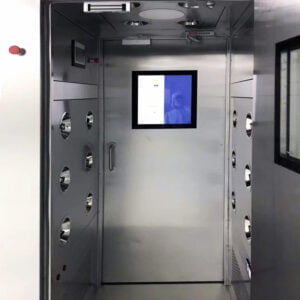
Diferența în ceea ce privește controlul accesului are implicații ulterioare care depășesc simplul confort al operatorului. În camerele cu pereți rigizi, panourile fizice creează puncte de intrare bine definite. Secvențele de îmbrăcare și dezbrăcare se raportează la aceste limite fizice, iar jurnalele de acces pot fi corelate cu ele. Perimetrele delimitate de perdele flexibile pot fi ocolite mai ușor — nu prin nerespectarea deliberată a regulilor, ci prin adaptările informale care au loc sub presiunea producției. Un operator care dă la o parte un panou de perdea pentru a trece o componentă și apoi îl închide face ceva plauzibil din punct de vedere fizic, dar necontrolat din punct de vedere procedural. Într-un mediu în care se presupune că disciplina operatorilor este ridicată și consecventă, acest lucru poate fi gestionabil. În medii în care programele de lucru, personalul contractual sau variabilitatea instruirii introduc incertitudine, aplicarea structurală pe care o asigură un perete din panouri reprezintă un control real.
Merită menționată în mod explicit diferența în ceea ce privește efortul de instruire: mediile cu pereți flexibili impun cerințe mai mari operatorilor, deoarece spațiul fizic nu contribuie la fel de mult la asigurarea securității. Aceasta nu este nici un defect fatal, nici o chestiune nesemnificativă — este un factor de risc care ar trebui să figureze în evaluarea riscurilor facilității și să se reflecte în investițiile necesare în instruire și în procedurile standard de operare (SOP) pentru a asigura funcționarea fiabilă a acestui tip de cameră.
Diferențe între cutia de transfer pentru uși și integrarea utilităților
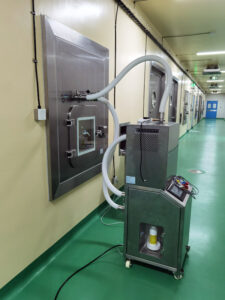
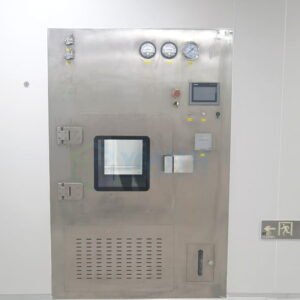
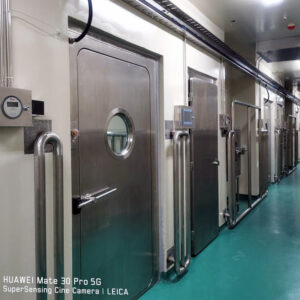
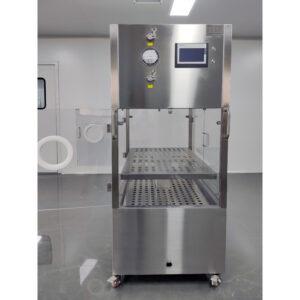
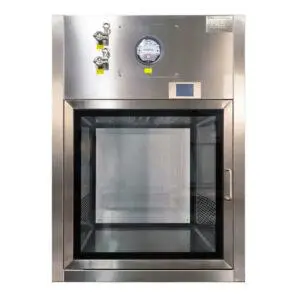
Transferul de materiale este domeniul în care limitările pereților flexibili devin cele mai semnificative din punct de vedere operațional. Limitele perdelelor din vinil nu oferă un cadru structural pentru o cutie de transfer convențională cu închidere interblocată. Materialele care se deplasează între zone trebuie fie transportate printr-o breșă în perdea — care nu este controlată — fie trecute printr-o unitate independentă care nu asigură etanșeitatea la perimetrul perdelelor cu aceeași integritate pe care o oferă o cutie de transfer integrată în panou. Fiecare dintre aceste abordări introduce o etapă de transfer care este mai dificil de definit din punct de vedere procedural și mai greu de verificat în timpul procesului de calificare.
| Element de integrare | Camera curată Softwall | Cameră curată cu pereți rigizi |
|---|---|---|
| Montarea ușilor | Poate fi necesară montarea într-un cadru separat; perdelele nu sunt potrivite | Panouri concepute pentru integrarea în uși |
| Cutie de transfer / Transfer de materiale | Perdelele flexibile îngreunează transferul; necesită mai multă intervenție din partea operatorului | Se pot integra camere de trecere |
| Integrare HVAC | Reglarea mai puțin precisă a presiunii și a umidității | Integrare perfectă cu sistemul HVAC pentru o reglare precisă |
| Compatibilitatea cu camera de echilibrare | Este dificil să se realizeze camere de echilibrare eficiente | Se integrează cu ușurință cu camerele de echilibrare |
| Rutare utilitară | Structură de susținere pentru țevi și conducte | Panourile sunt prevăzute pentru instalarea cablurilor și a conductelor de apă |
În acest context, consecințele cascadei de presiune sunt esențiale. O cameră de tranzit integrată într-un panou cu pereți rigizi menține bariera de presiune pe durata transferului de material. Sistemul de interblocare împiedică deschiderea simultană a ambelor uși, menținând diferența de presiune între zone. Într-un mediu cu pereți flexibili, obținerea aceleiași fiabilități a cascadei necesită soluții tehnice alternative care sporesc costurile și complexitatea, iar fiabilitatea acestora este dificil de validat cu același grad de încredere. Pentru orice proces în care contaminarea încrucișată între zonele adiacente reprezintă un risc real — intermediari farmaceutici, manipularea compușilor puternici sau izolarea biologică la niveluri de izolare inferioare — această diferență în controlul transferului ar trebui să fie o decizie la nivel de specificație, nu o chestiune abordată ulterior.
Integrarea sistemelor HVAC urmează aceeași logică. Panourile cu pereți rigizi asigură o delimitare structurală stabilă și etanșă, pe care pot fi fixate și întreținute în mod fiabil racordurile conductelor, punctele de prelevare pentru senzorii de presiune și punctele de monitorizare a umidității. Învelișurile cu pereți flexibili se deformează în timpul utilizării, iar racordurile la rețelele de utilități realizate pe structuri flexibile necesită o gestionare mai atentă pentru a-și menține etanșeitatea în timp. Pentru operațiunile în care ISO 14644-4:2022 Criteriile de proiectare a camerelor sterile trebuie respectate și documentate prin teste de calificare, iar coerența structurală a unui sistem de panouri contribuie în mod direct la repetabilitatea acestor teste.
Flexibilitatea versus controlul operațional pe termen lung
Argumentul flexibilității în cazul camerelor cu pereți flexibili este real, dar se aplică cel mai bine încă din faza inițială a proiectului. Implementarea rapidă și reconfigurarea ușoară reprezintă avantaje reale atunci când configurațiile proceselor sunt încă în evoluție, spațiul este împărțit cu alte funcții sau când instalația are nevoie de un mediu controlat temporar în timpul unei tranziții. Capacitatea de a modifica dimensiunile sau de a repoziționa o cameră cu pereți flexibili fără a fi necesară aprobarea unei investiții de capital constituie un instrument operațional semnificativ pentru aplicațiile aflate în fază incipientă sau cu risc redus.
| Factor | Camera curată Softwall | Cameră curată cu pereți rigizi |
|---|---|---|
| Timp de configurare | Implementare rapidă, promptă | Mai lung, mai consumator de timp |
| Portabilitate | Foarte ușor de transportat, ușor de mutat | Mai stabil, greu de mutat |
| Reconfigurare / Modificare | Ușor de reconfigurat pe măsură ce nevoile se schimbă | Greu de modificat sau extins |
| Extindere | Scalabil | Extinderea necesită un efort mai conștient |
| Stabilitatea presiunii (control pe termen lung) | Capacitate redusă de presiune statică | Presiune statică mai mare; esențială pentru prevenirea pătrunderii particulelor |
Costul ascuns al acestei flexibilități este faptul că ea se aplică în mod egal în ambele sensuri. O cameră care poate fi reconfigurată cu ușurință poate fi, de asemenea, reconfigurată din neatenție — prin adăugarea informală de echipamente, repoziționarea perdelelor în timpul lucrărilor de întreținere sau modificări incrementale ale procesului care alterează modelele de curgere a aerului fără a declanșa o revizuire formală în cadrul programului de control al modificărilor. În timp, starea operațională a unei camere cu pereți flexibili se îndepărtează de starea sa calificată mai ușor decât în cazul unei camere cu pereți rigizi, deoarece limita fizică nu se opune schimbării. Pentru procesele care funcționează în cadrul unui program de control al modificărilor, această abatere reprezintă o problemă de menținere a calificării.
Sistemele cu pereți rigizi prezintă constrângerea opusă. Odată instalate, modificările de amenajare necesită planificare, perioade de nefuncționare și, în majoritatea cazurilor, o decizie de investiție. Această abordare deliberată reprezintă un cost în cadrul proiectelor cu ritm rapid, dar constituie totodată un mijloc de control: spațiul așa cum a fost certificat este același cu cel utilizat, iar abaterile de la această configurație sunt vizibile și documentate. Pentru operațiunile de producție în care amenajarea camerei face parte în mod oficial din starea de calificare, această rezistență structurală la schimbare este o caracteristică, nu o limitare. Implicația practică este că echipele care aleg între tipuri de camere pe baza flexibilității viitoare ar trebui să definească pentru ce fel de schimbare viitoare se pregătesc de fapt — dezvoltarea intenționată a proceselor sau genul de abatere operațională informală pe care nimeni nu o intenționează, dar pe care pereții modulari ajută la prevenirea ei.
Criterii de selecție dincolo de prețul inițial al camerei
Corelarea dintre sectoare și sisteme, așa cum apare în ghidurile furnizorilor comerciali — „hardwall” pentru industria farmaceutică și cea a semiconductorilor, „softwall” pentru producția generală și asamblare — este o metodă euristică utilă de planificare, dar simplifică excesiv mai multe variabile care contează în practică. Factorii relevanți nu se rezumă doar la categoria de industrie; aceștia includ nivelul de expunere al procesului, standardul de reglementare sau de audit al clientului pe care camera trebuie să îl respecte, dacă cascada de presiune reprezintă un control formal, modul în care este definit transferul de materiale în evaluarea riscurilor procesului și cum arată, în realitate, disciplina operatorilor din cadrul instalației pe parcursul turelor de lucru.
| Industrie/Aplicație | Cerință tipică ISO | Sistem recomandat | Factori-cheie de selecție |
|---|---|---|---|
| Produse farmaceutice | ISO Clasa 5 sau mai curat | Carcasă rigidă | Stabilitatea la presiune, dovezi de audit, validarea procesului de curățare |
| Semiconductor | ISO Clasa 5 sau mai curat | Carcasă rigidă | Controlul particulelor, presiune statică mai mare |
| Producție generală / Asamblare | Clasa ISO 7–8 | Perete flexibil | Rentabilitate, flexibilitate în cazul modificărilor de proces, preț inițial mai mic |
Aplicațiile farmaceutice necesită, de obicei, pereți rigizi nu din cauza unei cerințe privind materialul din care sunt realizați aceștia, ci deoarece combinația dintre stabilitatea la presiune, validarea procesului de curățare, dovezile de audit și documentația privind controlul accesului este dificil de asigurat în mod fiabil cu un perimetru flexibil. Aceasta ISO 14644-4:2022 Cadrul de proiectare oferă baza pentru stabilirea clasei de curățenie necesare unui anumit proces; acesta nu impune un tip anume de perete, dar cerințele de proiectare pe care le stabilește — în special cele referitoare la menținerea diferenței de presiune și la posibilitatea de curățare a suprafețelor — se potrivesc mai bine cu construcția din panouri rigide în mediile cu clasificare superioară.
Greșeala de selecție care merită menționată în mod explicit este alegerea unui perete flexibil (softwall) pe baza prețului inițial, atunci când modelul de operare din etapele ulterioare necesită un nivel de control specific peretelui rigid (hardwall). Această alegere nu eșuează, de obicei, imediat. Ea eșuează atunci când primul audit al clientului solicită date privind evoluția presiunii care nu există, când o anchetă privind un eveniment de contaminare nu poate fi finalizată deoarece înregistrările privind curățarea marginilor perdelelor sunt insuficiente sau când echipa trebuie să adauge o cameră de transfer și descoperă că integrarea acesteia într-un perimetru din vinil necesită lucrări structurale care costă mai mult decât camera inițială. Evaluarea tipului de cameră în raport cu expunerea la proces și disciplina de operare cu care se va confrunta efectiv — nu scenariul ideal descris într-un URS la începutul proiectului — este verificarea care împiedică repetarea acestui tipar.
Cea mai utilă întrebare pe care trebuie să ți-o pui înainte de a lua o decizie nu este care tip de cameră este mai curat, ci limitările cărui tip de cameră pot fi gestionate cu adevărat de către operațiune. O cameră cu pereți flexibili, operată conform unor protocoale riguroase într-o aplicație cu trafic redus și sensibilitate scăzută la presiune, este o alegere justificabilă. Aceeași cameră, operată sub presiunea producției, cu personal variabil pe ture și cerințe de trecere, reprezintă o problemă persistentă de calificare care așteaptă să se declanșeze. Sistemele cu pereți rigizi elimină multe dintre aceste riscuri, dar o fac în detrimentul permanenței configurației — un cost neglijabil pentru producția consacrată, dar semnificativ pentru procesele aflate încă în dezvoltare.
Înainte de a opta pentru unul dintre cele două formate, echipa de proiectare ar trebui să definească cum va arăta, în practică, starea de conformitate a camerei: ce relații de presiune trebuie menținute și monitorizate, cum va fi controlat și documentat transferul de materiale, ce dovezi de validare a procesului de curățare sunt necesare și dacă este probabil ca dispunerea camerei să se modifice în primii trei ani de funcționare. Aceste răspunsuri restrâng opțiunile într-un mod mai fiabil decât orice comparație a costului pe picior pătrat.
Întrebări frecvente
Î: Ce se întâmplă dacă unitatea noastră nu este supusă unor audituri externe? Mai contează alegerea între pereți flexibili și pereți rigizi?
R: Alegerea rămâne importantă, dar ponderea fiecărui criteriu se modifică. În absența unei evaluări independente, avantajul oferit de pereții rigizi în ceea ce privește justificarea formală în cazul unui audit capătă o pondere mai mică, astfel încât vă puteți baza mai mult pe flexibilitate și pe costul inițial. Decizia depinde, așadar, de faptul dacă riscul asociat procesului dvs. intern necesită cu adevărat stabilitate la presiune, curățare reproductibilă și transfer controlat de material — în caz contrar, pereții flexibili sunt adesea suficienți.
Î: Care este următorul pas imediat după ce am ales între perete moale și perete rigid?
R: Efectuați o evaluare a expunerii la proces și a disciplinei operaționale pentru a defini starea de conformitate a camerei. Aceasta presupune specificarea relațiilor exacte de presiune, a controalelor privind transferul de materiale și a dovezilor de validare a curățării pe care camera trebuie să le îndeplinească, astfel încât proiectarea sistemului HVAC, integrarea cutiei de transfer și procedurile standard de operare (SOP) să poată fi elaborate pe baza unor cerințe măsurabile, și nu doar pe baza unor intenții bune.
Î: Pot camerele sterile cu pereți flexibili să atingă vreodată clasa ISO 6?
R: Este posibil din punct de vedere tehnic, dar rareori viabil în condiții de producție. Perimetrul flexibil face ca stabilitatea presiunii și curățarea reproductibilă a marginilor perdelei să fie mult mai greu de validat la clasa ISO 6, iar efortul de calificare depășește adesea orice economie inițială de costuri. Atunci când clasificarea sub clasa ISO 7 este o cerință strictă, pereții rigizi reprezintă punctul de plecare structural cel mai justificat.
Î: Având în vedere costurile pe termen lung, pereții flexibili sunt într-adevăr mai ieftini dacă se iau în calcul riscurile legate de validarea procesului de curățare și de audit?
R: Depinde de scenariul de risc. În cazul aplicațiilor cu trafic redus și cu un număr redus de audituri, camerele de tip „softwall” prezintă, de obicei, un cost total de proprietate mai mic. Însă atunci când există o posibilitate reală de investigații privind contaminarea, constatări în urma auditurilor sau întârzieri în procesul de recalificare, costul operațional al protejării unei camere de tip „softwall” poate anula rapid economiile de capital. Comparați tipurile de camere cu costul celei mai grave întreruperi operaționale, nu doar cu prețul de achiziție.
Î: În ce moment investiția într-o cameră cu pereți rigizi devine o soluție prea sofisticată pentru aplicația noastră?
R: Sistemul cu pereți rigizi devine o soluție excesiv de complexă atunci când procesul dumneavoastră funcționează la nivelul ISO 7–8, cascada de presiune nu reprezintă un mijloc de control primar, transferul de materiale se desfășoară în mod informal și prezintă un risc redus, iar nu există nicio cerință de audit din partea clienților sau a autorităților de reglementare. În acest context, plătiți pentru caracteristici structurale pe care disciplina dumneavoastră operațională și contextul de reglementare nu le vor impune niciodată — sistemul cu pereți flexibili asigură un control adecvat la un cost mai mic și cu o flexibilitate mai mare în ceea ce privește amenajarea spațiului.