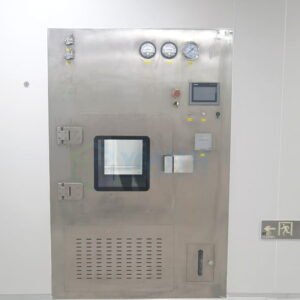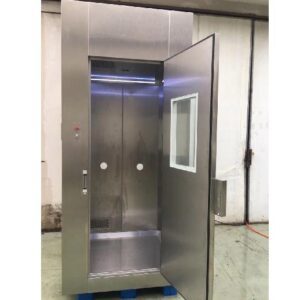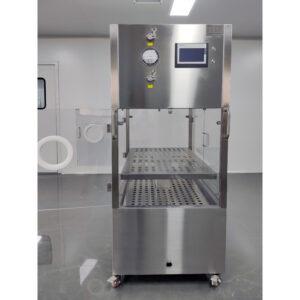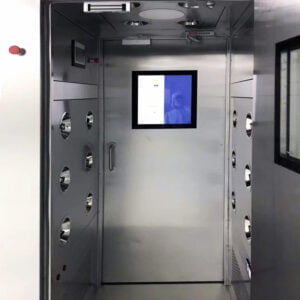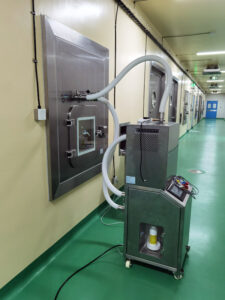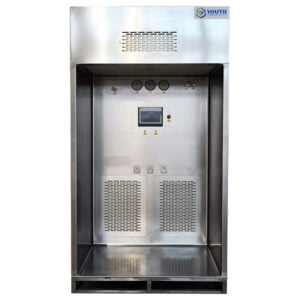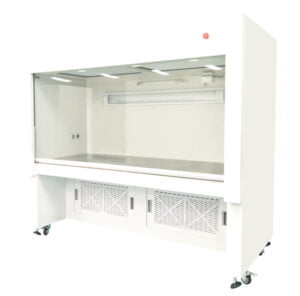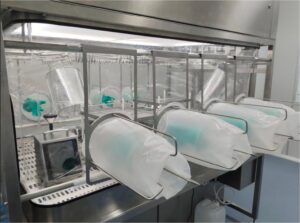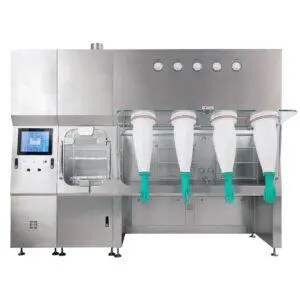
Specificarea tipului de cutie de transfer înainte de finalizarea cascadei de presiune a încăperii este una dintre cele mai frecvente cauze ale întârzierilor la punerea în funcțiune în cadrul amenajării camerelor curate. Echipele care achiziționează o unitate statică pentru un transfer care necesită protecție activă împotriva fluxului de aer descoperă de obicei problema în etapa de calificare sau în timpul unui audit — moment în care opțiunile se reduc la înlocuirea forțată, la aplicarea unor proceduri suplimentare greu de justificat sau la ambele. Distincția dintre aceste două tipuri de dispozitive nu ține în primul rând de costuri sau de aspectul estetic; este o decizie de control al riscurilor care depinde de ceea ce protejează transferul, de cerințele mediului de recepție și de necesitatea dovezilor privind fluxul de aer pentru a demonstra protecția. Informațiile care urmează oferă echipelor de achiziții, validare și inginerie cadrul necesar pentru a lua această decizie înainte de comandarea echipamentului.
Camerele de transfer statice și dinamice controlează diferite tipuri de riscuri
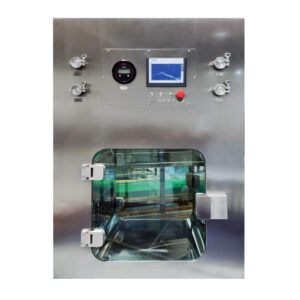
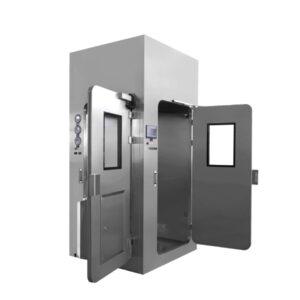
O cutie de transfer statică controlează un singur aspect: separarea ușilor. Prin împiedicarea deschiderii simultane a ambelor uși, aceasta elimină calea directă a aerului între cele două spații. Pentru transferurile între zone aflate la același nivel de clasificare, acest lucru este adesea suficient — diferența de presiune la nivelul trapei este redusă, riscul de contaminare cu particule generat de transferul în sine este limitat, iar sistemul HVAC al camerei curate preia sarcina controlului mediului. În cazul în care aceste condiții sunt îndeplinite, o unitate statică reprezintă o soluție proporțională și nu creează o breșă.
Problema apare atunci când aceste condiții nu sunt îndeplinite. Dacă transferul depășește o limită semnificativă de clasă — de exemplu, mutarea materialelor dintr-un coridor de clasă inferioară într-o cameră de umplere de clasa B — separarea prin ușă nu este suficientă pentru a împiedica inversarea presiunii sau migrația particulelor în momentul deschiderii. Fără o alimentare dedicată cu aer în interiorul camerei, cavitatea cutiei de transfer devine un volum de amestecare pasiv care conectează ambele părți ale limitei ori de câte ori se deschide o ușă. Aceasta este lacuna funcțională pe care o unitate dinamică este proiectată să o acopere: ea introduce propriul flux de aer filtrat prin HEPA pentru a menține presiunea pozitivă în interiorul camerei, astfel încât partea cu grad mai ridicat să fie protejată de un flux de aer activ, nu doar prin respectarea strictă a procedurilor.
| Caracteristică | Caseta de trecere statică | Caseta de trecere dinamică |
|---|---|---|
| Compatibilitatea clasificării camerelor | Transferuri între zone aflate la același nivel de clasificare | Transferuri între zone cu niveluri de clasificare diferite |
| Alimentarea cu aer și ventilația | Nu există sursă proprie de aer; aerul circulă între încăperi | Unitatea autonomă de filtrare cu ventilator furnizează aer filtrat prin filtru HEPA și generează suprapresiune |
| Controlul primar al riscurilor | Numai separarea ușilor | Separarea ușilor și controlul activ al fluxului de aer pentru transferurile cu risc ridicat |
Implicațiile unei aplicări greșite nu sunt deloc neglijabile. Considerarea separării prin ușă ca o protecție adecvată pentru un transfer la limita nivelului poate fi viabilă în timpul funcționării de rutină, dar devine de nejustificat atunci când un auditor solicită dovezi privind fluxul de aer care nu au fost niciodată generate — deoarece echipamentul nu a fost niciodată capabil să le genereze. Alegerea între măsurarea statică și cea dinamică este, prin urmare, o decizie de proiectare, nu o optimizare a costurilor, și ar trebui luată pe baza unei înțelegeri definitive a ceea ce reprezintă de fapt limita de transfer.
Cerințele privind fluxul de aer care stau la baza transferului dinamic
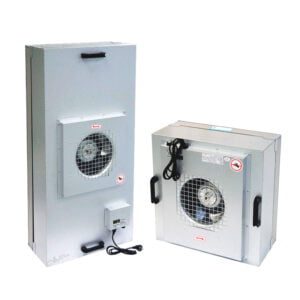
O cameră de transfer dinamică nu se rezumă la adăugarea unui filtru la o cameră statică. Ea introduce o unitate autonomă de ventilator-filtru care trebuie să alimenteze camera cu aer, să creeze suprapresiune pe partea cu grad de puritate mai ridicat și să evacueze sau să recirculeze aerul respectiv fără a perturba cascada de presiune proprie a instalației. Acest lucru necesită două conexiuni la infrastructură pe care o unitate statică nu le are: o cale de alimentare și o cale de evacuare, ambele trebuind să fie coordonate cu proiectul sistemului HVAC al încăperii.
Acest aspect este de o importanță deosebită în etapa inițială de proiectare a instalației. Atunci când se specifică o cameră de transfer dinamică înainte ca schema sistemului HVAC al încăperii să fie definitivă, echipa de instalare constată adesea că traseul conductei de evacuare intră în conflict cu pozițiile de trecere prin tavan, că modelul de presiune existent al încăperii nu a luat în calcul sarcina suplimentară a fluxului de aer sau că direcția fluxului de aer din camera de transfer și diferența de presiune din încăpere acționează una împotriva celeilalte. Acestea nu sunt simple ajustări de punere în funcțiune — sunt erori de planificare care necesită refacerea lucrărilor. Consecința practică este că o cameră de transfer dinamică ar trebui specificată cu strategia de alimentare și evacuare deja stabilită, și nu tratată ca un dispozitiv autonom care poate fi introdus în orice deschidere dintr-un perete clasificat.
Complexitatea suplimentară nu constituie un argument împotriva utilizării unităților dinamice acolo unde acestea sunt necesare. Este, dimpotrivă, un argument în favoarea unei secvențe corecte a deciziilor: identificarea mai întâi a riscului de transfer, stabilirea necesității unui flux de aer activ și, abia apoi, rezolvarea implicațiilor la nivel de infrastructură înainte de achiziționarea unității. Echipele care inversează această secvență — specificând mai întâi camera de transfer și rezolvând abia ulterior interfețele mecanice — tind să constate că instalarea camerei de transfer devine un punct de blocaj în timpul construcției sau punerii în funcțiune.
Coordonarea sistemului de blocare și a presiunii la instalare
Verificarea interblocării este o verificare standard la punerea în funcțiune, dar consecințele eșecului acesteia sunt adesea subestimate. Dacă ambele uși pot fi deschise simultan — fie din cauza unei defecțiuni de cablare, a unei defecțiuni mecanice sau a unei erori de configurare a software-ului — diferența de presiune la nivelul peretelui despărțitor se prăbușește în momentul utilizării. Pentru o cameră statică, aceasta înseamnă o cale directă de trecere a aerului între spațiile clasificate. În cazul unei camere dinamice, aceasta înseamnă că fluxul de aer propriu al camerei este insuficient pentru a menține raportul de presiune în fața celor două uși deschise. În orice caz, defectarea sistemului de interblocare anulează protecția pe care dispozitivul a fost proiectat să o asigure.
| Etapa de verificare a instalării | De ce este important | Ce trebuie verificat |
|---|---|---|
| Testul de interblocare | Împiedică deschiderea simultană a ușilor, menținând diferența de presiune în camera curată | Asigurați-vă că ambele uși nu pot fi deschise în același timp |
| Alinierea cascadei de presiune | O cameră de transfer dinamică contribuie la menținerea regimului de presiune din încăpere, dar nu poate compensa un regim de presiune proiectat necorespunzător | Asigurați-vă că camera de transfer este coordonată cu sistemul HVAC al instalației și cu strategia finală privind presiunea |
Alinierea cascadei de presiune reprezintă al doilea punct de coordonare și este cel care este cel mai des amânat pentru o etapă greșită a proiectului. O cameră de transfer dinamică poate susține o cascadă de presiune proiectată corespunzător, consolidând bariera la punctul de transfer. Ceea ce nu poate face este să compenseze un regim de presiune al încăperii care nu a fost proiectat corect încă de la început. Dacă sistemul HVAC nu menține diferența de presiune prevăzută între cele două încăperi în condiții de funcționare, adăugarea unei cabine de transfer dinamice modifică fluxul de aer local la trapa de transfer, dar nu remediază defecțiunea de presiune la nivelul întregii instalații. Auditorii care inspectează o cameră curată cu o cascadă de presiune echilibrată necorespunzător nu vor accepta o cabină de transfer bine specificată ca substitut pentru controlul presiunii la nivelul încăperii.
Verificarea practică efectuată la instalare constă în verificarea funcționării sistemului de interblocare în raport cu strategia de presiune reală, nu în raport cu valorile de presiune prevăzute în proiect. Dacă diferența de presiune din încăpere s-a modificat în timpul construcției sau punerii în funcțiune, sistemul de interblocare al camerei de transfer și direcția fluxului de aer trebuie reevaluate înainte ca unitatea să fie calificată oficial.
Compromisuri între costuri, testare și reducerea riscurilor
Alegerea unei camere de transfer dinamice implică costuri pe durata ciclului de viață și o sarcină de testare pe care unitățile statice nu le implică. Numai domeniul de validare este semnificativ diferit: o unitate dinamică necesită testarea integrității filtrului HEPA, măsurarea vitezei aerului și testarea capacității de recuperare în conformitate cu condițiile definite în ISO 14644-3 în cazul dispozitivelor de separare, în timp ce validarea unităților statice se limitează, de obicei, la funcția de interblocare și la inspecția vizuală sau mecanică. Această diferență se traduce prin termene de calificare mai lungi, protocoale IQ/OQ/PQ mai complexe și evenimente recurente de recalificare legate de ciclurile de înlocuire a filtrelor.
| Aspect | Caseta de trecere statică | Caseta de trecere dinamică |
|---|---|---|
| Efortul de validare | Mai puțin complexe; de obicei, nu sunt necesare teste HEPA sau de debit de aer | Teste riguroase conform standardului ISO 14644-3: teste de integritate a filtrelor HEPA, de viteză a aerului și de recuperare |
| Starea conformității în cazul în care este necesar un flux de aer activ | Nerespectări grave, inexplicabile pentru auditori | Conform; asigură debitul de aer filtrat activ necesar |
| Întreținerea filtrului | Scăzut; nu există un program de înlocuire periodică a filtrului | Prefiltru (G4) la fiecare 6 luni; filtru HEPA la fiecare 6–12 luni |
Costurile de întreținere sunt adesea subestimate în faza de achiziție. O cameră de transfer dinamică echipată cu un prefiltru G4 și un filtru HEPA implică schimbări periodice ale filtrelor, fiecare înlocuire necesitând cel puțin o verificare a integrității după întreținere și, eventual, o recalificare parțială, în funcție de procedurile de control al modificărilor ale unității. Echipele care specifică pentru prima dată unități dinamice tratează uneori costul inițial de investiție ca pe variabila decisivă și sunt surprinse de costurile operaționale recurente necesare pentru menținerea unității într-o stare calificată.
Riscul de audit legat de eroarea inversă este mai grav. Specificarea unei unități statice pentru un transfer care necesită protecție împotriva fluxului de aer activ nu generează o simplă lacună minoră de documentare — ci produce o neconformitate dificil de explicat din punct de vedere structural, deoarece echipamentul nu a fost niciodată capabil să asigure protecția necesară pentru transferul respectiv. Niciun control procedural nu poate înlocui în mod adecvat lipsa dovezilor privind fluxul de aer într-un transfer la limita dintre clase. Această asimetrie — în care sub-specificarea creează o lacună critică din punct de vedere al auditului, iar supra-specificarea generează o sarcină financiară gestionabilă — ar trebui să influențeze decizia în sensul confirmării cerinței privind fluxul de aer activ înainte de a opta definitiv pentru o unitate statică.
Transferul dinamic este justificat de dovezile privind fluxul de aer activ
Cel mai clar semnal normativ în acest sens provine din Anexa 1 la GMP-ul UE, care stabilește o cerință explicită ca trape de transfer să protejeze mediul de grad superior, acolo unde este cazul, printr-o alimentare activă cu aer filtrat sau printr-o spălare eficientă. Această formulare se referă specific la contextele de producție sterilă aflate sub jurisdicția GMP-ului UE, nu reprezintă o cerință universală pentru camerele curate, dar stabilește standardul de audit pentru orice unitate care funcționează în conformitate cu Anexa 1 și oferă o justificare directă pentru utilizarea unităților dinamice în aceste medii. O cutie de transfer statică nu poate furniza aer filtrat în mod activ prin natura sa, ceea ce înseamnă că, pentru transferurile către medii de gradul A sau B într-o instalație sterilă conform GMP, sarcina justificării revine oricărei echipe care alege o unitate statică, și nu celei care optează pentru una dinamică.
| Factorul de justificare | Caseta de trecere statică | Caseta de trecere dinamică |
|---|---|---|
| Alinierea la Anexa 1 a GMP-ului UE | Nu asigură aer filtrat în mod activ; este posibil să nu îndeplinească așteptările privind protecția mediilor cu cerințe ridicate | Asigură o alimentare activă cu aer filtrat, care respectă cerințele din Anexa 1 |
| Conformitatea cu clasele ISO pentru camere sterile | Potrivit, în general, pentru camere curate de clasa ISO 7 | Respectă cerințele pentru camerele curate de clasa 4 conform standardului ISO |
Cifrele privind adecvarea la clasele ISO — unitățile statice fiind, de obicei, potrivite pentru medii de clasa ISO 7, iar cele dinamice capabile să îndeplinească cerințele clasei ISO 4 — provin din ghidurile de proiectare ale furnizorilor, și nu din standardul ISO 14644 ca criterii normative de clasificare. Acestea sunt utile ca cadru de planificare, nu ca prag de conformitate. O cutie de transfer statică nu este interzisă în mod automat în medii de clasă superioară dacă riscul de transfer și condițiile de presiune sunt gestionate prin alte mijloace validate. Ceea ce indică în mod util aceste cifre este faptul că, pe măsură ce cerințele de mediu devin mai stricte, probabilitatea ca o unitate statică să fie soluția proporțională scade, iar sarcina probatorie de a o justifica crește. Pentru transferurile în medii de clasa ISO 5 și superioare, sau în spații de grad GMP A/B, ipoteza implicită ar trebui să fie aceea că este necesar un flux de aer activ, cu excepția cazului în care există o justificare tehnică documentată pentru o concluzie contrară. Puteți consulta caseta de trecere dinamică specificațiile și comoră statică și trapă de transfer analizați-le împreună pentru a stabili care dintre ele se potrivește cu limita de transfer confirmată în unitatea dumneavoastră.
Alegerea între o cameră de transfer statică și una dinamică se bazează pe trei aspecte pe care echipa de achiziții trebuie să le confirme înainte de a plasa comanda: nivelurile de clasificare de ambele părți ale limitei de transfer, dacă cascada de presiune a instalației este finalizată și verificată, precum și dacă cadrul de calitate normativ sau intern care reglementează transferul impune dovezi privind fluxul activ de aer. Dacă toate cele trei aspecte sunt clarificate și transferul se efectuează între spații de același grad, cu o relație de presiune stabilă, o unitate statică cu interblocare verificată este adecvată. Dacă oricare dintre aceste condiții este incertă sau dacă transferul traversează o graniță de clasificare într-un mediu de cameră curată reglementat de GMP sau de clasă superioară, opțiunea implicită ar trebui să fie cea dinamică — cu sarcinile legate de alimentare, evacuare și testare incluse în proiect înainte de achiziționarea unității.
Modelul recurent de eșec nu constă, în principiu, în specificarea unei unități greșite, ci în specificarea unei unități înainte de a se răspunde la aceste trei întrebări. Fixarea unei cutii de transfer statice în timp ce strategia de presiune este încă în curs de modelare sau înainte ca riscul de transfer să fi fost analizat în raport cu cadrul de calitate aplicabil creează condițiile pentru substituiri forțate sau soluții alternative procedurale care sunt mai greu de validat și mai greu de justificat.
Întrebări frecvente
Î: Unitatea noastră nu intră sub incidența Anexei 1 la GMP-ul UE (de exemplu, semiconductori sau electronice). Recomandarea privind camera de transfer dinamică se aplică în continuare?
R: Da, atunci când transferul depășește limita unei clase de curățenie care necesită un control activ al particulelor. Criteriul decisiv principal este riscul de transfer, nu jurisdicția de reglementare. Chiar și în absența obligațiilor prevăzute în Anexa 1, standardele interne de calitate, sensibilitatea produsului sau obiectivele de clasificare ISO pot impune utilizarea unui flux de aer filtrat activ prin filtre HEPA pentru a preveni contaminarea încrucișată. Ghidul furnizorului, care plasează unitățile dinamice la nivelul clasei ISO 4 și unitățile statice la nivelul clasei ISO 7, rămâne o referință utilă pentru planificare, indiferent de sectorul de activitate.
Î: Am instalat deja o cutie de transfer statică la o graniță de nivel și acum ne confruntăm cu o constatare în urma unui audit. Care este următorul pas imediat?
R: Implementați o evaluare temporară și documentată a riscurilor, însoțită de controale procedurale îmbunătățite — precum protocoale stricte de dezinfecție și monitorizarea în timp real a particulelor în timpul transferurilor — recunoscând totodată că acestea nu pot înlocui dovezile lipsă privind fluxul de aer. Măsura corectivă pe termen lung constă în înlocuirea unității cu o cameră de transfer dinamică. Măsurile procedurale suplimentare sunt greu de justificat în fața unei inspecții de audit, deoarece o unitate statică nu a fost niciodată proiectată să asigure protecția activă necesară transferului.
Î: În ce situație o cutie de transfer statică devine inadecvată pentru transferurile între zone cu aceeași clasificare?
R: Atunci când cerințele interne ale mediului de recepție sau sensibilitatea produsului impun limite de particule mai stricte decât ar indica doar clasificarea camerei. De exemplu, un transfer între camere de aceeași clasă, de la ISO 7 la ISO 7, poate necesita totuși protecție dinamică dacă procesul implică materiale sterile sau dacă politica de calitate a companiei impune dovada existenței unui flux de aer activ. Premisa articolului, conform căreia protecția statică este suficientă pentru clasele corespunzătoare, presupune că riscul de transfer este limitat exclusiv de clasificarea camerei; constrângerile suplimentare ale procesului anulează această presupunere.
Î: Cum se compară costul total de proprietate între camerele de transfer statice și cele dinamice pe parcursul unui ciclu de viață tipic al echipamentului?
R: Unitățile dinamice implică costuri pe durata ciclului de viață semnificativ mai mari, datorită înlocuirilor periodice ale filtrelor (prefiltru la fiecare 6 luni, filtru HEPA la fiecare 6–12 luni), protocoalelor de validare mai extinse conform standardului ISO 14644-3 și operațiunilor de recalificare legate de întreținere. Deși investiția inițială este, de asemenea, mai mare, costurile operaționale curente depășesc adesea costul total al unității statice. Cu toate acestea, o neconformitate critică identificată în urma unui audit, cauzată de specificarea insuficientă a unei unități statice, poate genera cheltuieli de remediere care depășesc rapid orice economii realizate pe durata ciclului de viață — ceea ce face ca această alegere să fie în primul rând o decizie de risc, nu un calcul de costuri.
Î: Este încă justificată utilizarea unei camere de transfer dinamice dacă transferăm materiale prin această barieră doar o singură dată pe schimb?
R: Da. Frecvența transferurilor nu reduce riscul de contaminare în momentul deschiderii ușii. Un singur transfer neprotejat poate introduce particule și poate compromite mediul cu grad de puritate superior. Atât cerințele normative, cât și principiile solide de control al contaminării impun ca camera de transfer să asigure protecție împotriva fiecărui eveniment de transfer, indiferent de cât de rar este utilizată. Utilizarea sporadică nu modifică în niciun fel analiza de risc dacă zona respectivă rămâne un punct de transfer critic din punct de vedere al gradului de puritate.