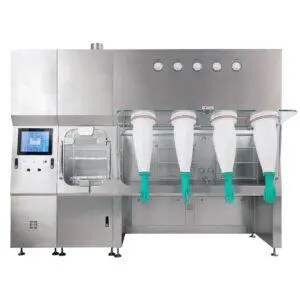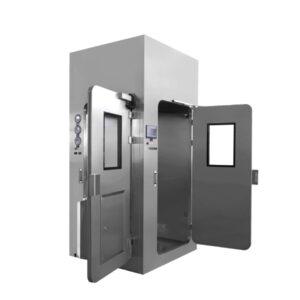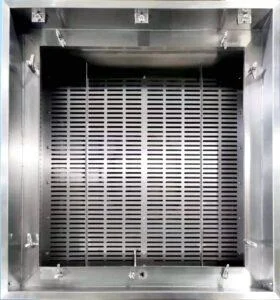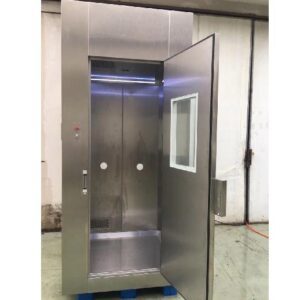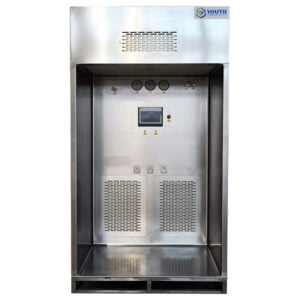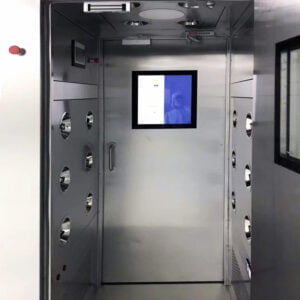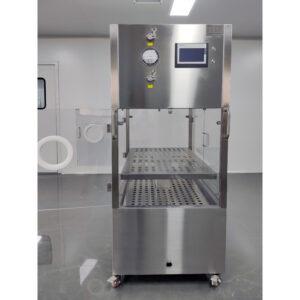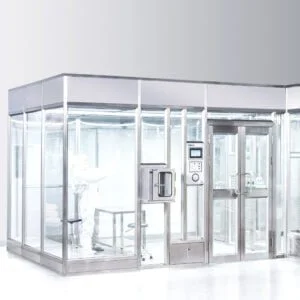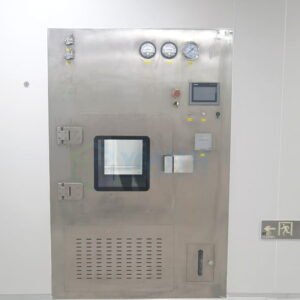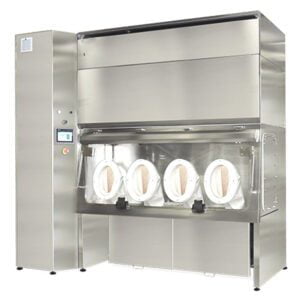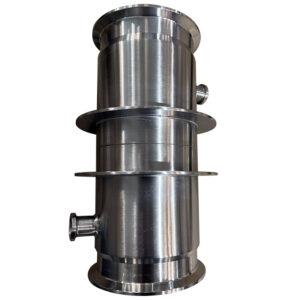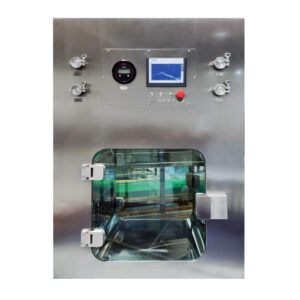
Echipele de achiziții solicită adesea o cameră de transfer VHP bazându-se exclusiv pe dimensiunile camerei și pe configurația ușii, pentru ca apoi, după instalare, să descopere că ciclul de validare nu corespunde cu încărcăturile reale din producție care trec prin aceasta. Rezultatul este o procedură de revalidare care se desfășoară în paralel cu punerea în funcțiune, întârzie aprobarea transferului și atrage atenția departamentului de asigurare a calității asupra fiecărui raport de ciclu ulterior. Cauza principală este aproape întotdeauna aceeași: matricea de încărcare nu a fost niciodată definită înainte de dimensionarea echipamentului, astfel încât camera a fost validată în stare goală și apoi utilizată în stare încărcată. Pentru a preveni această situație, este necesar ca cutia de transfer să fie tratată ca un sistem de proces dependent de încărcare înainte de a fi considerată o specificație hardware — iar deciziile cele mai importante se iau în etapa de planificare, nu în timpul calificării instalării.
Planificarea sistemului VHP Pass Box începe cu matricea de încărcare
Prima întrebare la care un furnizor trebuie să primească un răspuns nu este cea referitoare la volumul camerei. Ci ce anume intenționați să treceți prin ea, în ce ambalaj, în ce cantități și cu ce frecvență. Fără aceste informații, dimensionarea camerei se reduce la o estimare, dezvoltarea ciclului nu are o bază solidă, iar strategia de validare nu are definit un scenariu de caz extrem. Fiecare decizie ulterioară — de la amplasarea punctului de injectare la durata de aerare și până la poziționarea indicatorului biologic — depinde de geometria încărcăturii și de comportamentul materialului, nu de dimensiunile interioare.
O eroare de planificare care se repetă în diverse unități constă în tratarea definirii încărcăturii ca pe ceva ce poate aștepta până după achiziție. În momentul livrării camerei, geometria internă este fixă, pozițiile de injectare și extracție sunt stabilite, iar orice încărcătură care nu se încadrează în modelul validat generează fie o abatere, fie un ciclu repetat. Dacă încărcătura reală de producție este mai grea, mai densă sau alcătuită din materiale diferite față de cele presupuse în timpul dezvoltării ciclului, este posibil ca parametrii stabiliți în timpul calificării să nu se aplice în mod fiabil. Ajustarea parametrilor ciclului după calificare necesită o justificare documentată și, în majoritatea cazurilor, o nouă serie de validare.
Practica recomandată în acest caz este elaborarea unei matrice de încărcare înainte de emiterea cererii de ofertă (RFQ). Această matrice trebuie să precizeze tipurile de articole, formatele de ambalare ale acestora, numărul maxim de unități pe transfer, constrângerile legate de orientare, precum și orice proprietăți ale materialelor care afectează penetrarea vaporilor sau aerarea. Nu este necesar ca aceasta să fie exhaustivă în etapa de propunere, dar trebuie să fie suficient de specifică pentru ca furnizorul să poată propune o dimensiune a camerei și o abordare a ciclurilor bazate pe cazul dvs. concret de utilizare. O matrice de încărcare care menționează “consumabile de laborator diverse” nu este un document de planificare; este o decizie amânată care va costa timp ulterior.
Date privind ciclul, dincolo de dimensiunea camerei
Dimensiunea camerei indică ce se poate încăpea în interiorul acesteia. Ea nu indică însă dacă un ciclu VHP derulat în acea cameră va avea o performanță constantă în condițiile sarcinilor pe care le transferați efectiv. Distincția este importantă deoarece performanța ciclului depinde de sarcină: aceeași cameră, același sistem de injecție și aceiași parametri nominali pot genera profiluri diferite de distribuție a vaporilor, în funcție de ceea ce se află în interior și de poziția acestuia.
Ciclul în patru etape — dezumidificare, condiționare, decontaminare și ventilație — nu este o secvență fixă care să ofere rezultate uniforme indiferent de încărcătură. Dezumidificarea pregătește camera pentru a primi vapori fără condensare prematură. Condiționarea asigură creșterea concentrației de H₂O₂. Decontaminarea menține această concentrație pentru faza de distrugere a microorganismelor. Ventilația elimină peroxidul rezidual până la un nivel final acceptabil. Ceea ce variază în funcție de încărcătură este durata necesară pentru fiecare fază, nivelurile de concentrație care pot fi menținute și locurile în care se pot forma „zone fără vapori” în jurul obiectelor dense sau cu forme neregulate. Monitorizarea în timp real a temperaturii, umidității, presiunii și concentrației de H₂O₂ oferă înregistrarea ciclului, dar aceasta reprezintă o înregistrare a ceea ce s-a întâmplat la locațiile senzorilor — nu o dovadă a ceea ce s-a întâmplat în interiorul unei pungi opace sau în spatele unui container stivuit.
Standardul de validare care acoperă această lacună este amplasarea indicatorilor biologici. Sporii de Geobacillus stearothermophilus reprezintă organismul de testare acceptat pentru validarea VHP, o reducere de ≥6 log reprezentând performanța minimă acceptabilă — o cerință susținută direct de standardul ISO 22441:2022. Decizia importantă nu este dacă să se utilizeze indicatori biologici, ci unde să fie amplasați aceștia. Pozițiile de testare ale indicatorilor biologici în cel mai defavorabil scenariu trebuie alese pe baza geometriei încărcăturii și a accesului vaporilor, nu în funcție de ce este convenabil de atins în interiorul unei camere goale. Un indicator biologic plasat într-o locație deschisă, fără obstacole, nu pune la încercare procesul într-o locație dificilă; acesta confirmă performanța într-una ușoară.
| Factorul probatoriu | Ce prevede standardul | Cum depășește limitele dimensiunii camerei |
|---|---|---|
| Etapele ciclului | Patru etape bine definite: dezumidificare, climatizare, decontaminare, ventilație | Dimensiunea camerei, în sine, nu determină tranzițiile de stadiu în condiții de încărcare |
| Monitorizare în timp real | Înregistrări continue ale temperaturii, umidității, presiunii și concentrației de H₂O₂ | Datele demonstrează performanța ciclului în interiorul camerei încărcate, nu doar capacitatea în stare goală |
| Indicator biologic | Spori de Geobacillus stearothermophilus cu o reducere de ≥6 log | BI identifică locațiile cu cele mai mari provocări în ceea ce privește încărcarea, dincolo de simplul volum |
| Distribuția vaporilor | Poziționarea exactă a sistemelor de injecție și extracție pentru o acoperire uniformă | Eficiența acoperirii depinde de distribuția și amplasarea sarcinii, nu doar de dimensiunile camerei |
Poziționarea sistemului de injecție și extracție este o variabilă de proiectare care determină dacă datele obținute în timpul ciclurilor de testare sunt transferabile la condițiile de funcționare cu încărcătură. O cameră calificată pentru un anumit model de curgere poate avea un comportament diferit dacă densitatea încărcăturii sau dispunerea acesteia redirecționează vaporii înainte ca aceștia să ajungă la punctele de extracție prevăzute. Acesta este un factor de risc care trebuie abordat în cadrul discuției privind revizuirea proiectului, nu în registrul de depanare de după instalare.
Întrebări privind compatibilitatea materialelor și aerarea
Evaluarea compatibilității materialelor și definirea punctului final al aerării sunt două aspecte distincte care sunt adesea confundate. Compatibilitatea se referă la capacitatea unui anumit articol de a tolera expunerea la H₂O₂ fără a suferi daune sau fără a acumula reziduuri la un nivel inacceptabil. Aerarea se referă la durata pe care camera trebuie să o mențină în faza de ventilație până când nivelul reziduurilor scade la un nivel acceptabil. Ambele aspecte trebuie analizate pentru fiecare tip de material din matricea de încărcare — nu doar pentru articolul cel mai comun.
Intervalul de funcționare menționat pentru echipamentele VHP în ghidurile comerciale este larg (4–80 °C), dar valoarea mai relevantă este creșterea temperaturii interne pe durata unui ciclu, care poate fi cuprinsă între 5 și 15 °C, în funcție de sistem și de parametrii ciclului. Pentru articolele sensibile la căldură, această creștere reprezintă riscul, nu intervalul absolut de funcționare. Un produs care tolerează o temperatură de depozitare la temperatura ambiantă de 25 °C, dar care nu poate suporta 38 °C pe durata unui ciclu de decontaminare, nu va fi protejat de faptul că echipamentul este proiectat pentru 80 °C. Toleranța materialului trebuie verificată în raport cu profilurile termice reale ale ciclului, nu cu valorile nominale ale echipamentului.
Punctul final al aerării, reprezentat de o concentrație reziduală de H₂O₂ mai mică de 1 ppm, este un obiectiv practic utilizat pe scară largă pentru siguranța personalului și protecția materialelor. Atingerea acestui nivel durează mai mult într-o cameră încărcată decât într-una goală, mai ales atunci când sunt prezente materiale poroase. Încărcăturile poroase — anumite spume de ambalare, materiale pe bază de țesături, unele folii polimerice — pot absorbi peroxidul în timpul fazelor de condiționare și decontaminare și îl pot elibera lent în timpul aerării. Acest lucru prelungește timpul necesar pentru atingerea valorii țintă a reziduurilor și, dacă aerarea este programată la un interval de timp fix, în loc să fie confirmată de senzori, creează riscul de a transfera articole care încă prezintă reziduuri de suprafață ridicate.
| Material/Parametru | Probleme legate de compatibilitate | Specificație/Prag |
|---|---|---|
| Articole sensibile la căldură | Poate fi afectat negativ de expunerea la H₂O₂ | Nu este potrivit pentru cutia de transfer VHP |
| Materiale poroase | Poate absorbi și reține peroxidul, prelungind durata de aerare | Nu este potrivit |
| Componente electronice fără rezistență | Vaporii pot provoca daune | Nu este potrivit |
| Creșterea temperaturii interne | Procesul generează o creștere a temperaturii cu 5–15 °C | Interval de funcționare 4–80 °C; verificați toleranța produsului |
| Punctul final al aerării | Concentrația reziduală de H₂O₂ | Trebuie să fie mai mic de 1 ppm |
Componentele electronice ne-rezistente prezintă un risc de categorie care poate fi ușor trecut cu vederea atunci când preocuparea principală o reprezintă contaminarea biologică. Combinația dintre vaporii oxidanți și creșterea temperaturii poate deteriora circuitele sensibile, iar aceste deteriorări pot să nu fie vizibile imediat. Articolele care conțin componente electronice trebuie evaluate în mod explicit din punctul de vedere al compatibilității cu VHP înainte de a fi incluse în orice protocol de transfer, indiferent dacă articole cu aspect similar au trecut prin proces fără incidente vizibile.
Probleme de validare generate de ipotezele privind camera goală
Cea mai frecventă cauză a întârzierilor în procesul de revalidare o reprezintă discrepanța dintre condițiile în care un ciclu a fost calificat și condițiile în care acesta este utilizat ulterior. O calificare cu camera goală demonstrează că sistemul poate asigura un profil definit al concentrației de H₂O₂ și o reducere a BI de ≥6 log în absența oricărei încărcături. Aceasta nu demonstrează însă că sistemul poate face acest lucru cu materialele, geometriile și densitățile de umplere pe care le vor prezenta efectiv transferurile de producție. Atunci când acestea diferă în mod semnificativ, este dificil să se susțină că calificarea este reprezentativă.
Procedurile de documentare premergătoare instalării abordează această problemă impunând precizie înainte ca proiectul camerei să fie definitiv stabilit. Instalațiile care finalizează definirea detaliată a matricei de sarcină, verificarea compatibilității materialelor și stabilirea ipotezelor privind parametrii ciclului înainte de instalare parcurg procesul de validare mult mai ușor decât cele care lasă aceste aspecte nedefinite și încearcă să le rezolve în timpul IQ/OQ. Această din urmă abordare generează în mod constant surprize în etapele finale ale ciclului: amplasări ale BI-urilor care nu pot fi justificate, durate de aerare care nu au făcut parte din specificațiile de instalare și profiluri de temperatură care nu au fost anticipate. Fiecare dintre acestea creează o lacună în pachetul de validare pe care departamentul de asigurare a calității (QA) trebuie fie să o accepte cu o justificare documentată, fie să o remedieze prin teste suplimentare.
Controlul temperaturii în timpul testării de calificare (PQ) reprezintă un exemplu concret în care ipotezele privind sarcina generează un risc măsurabil. Studiile de validare au arătat că variațiile de temperatură care depășesc ±3 °C în timpul testării PQ pot afecta semnificativ ratele de distrugere a sporilor, în unele cazuri până la punctul de a compromite întregul studiu de calificare. Acesta nu este un prag universal de acceptare/respingere stabilit de reglementări și derivat dintr-un singur standard, ci reflectă sensibilitatea compoziției chimice a VHP la stabilitatea temperaturii — și este un risc care crește atunci când camera încărcată prezintă o masă termică și o rezistență la fluxul de aer diferite față de camera goală utilizată în timpul dezvoltării ciclului. Anexa 1 la GMP-ul UE stabilește o așteptare clară privind validarea robustă a proceselor în mediile de fabricație sterile; aceasta nu rezolvă problema pragului de ±3 °C, dar face ca consecințele unei PQ eșuate sau la limită să fie mai semnificative într-un context steril reglementat.
Disciplina profesională pe care o impune acest lucru constă în desfășurarea ciclului de dezvoltare în condiții reprezentative de încărcare încă de la început — nu în efectuarea testelor fără încărcare și apoi în afirmarea echivalenței. În cazul în care acest lucru nu este posibil înainte de instalare, strategia de validare ar trebui să precizeze cel puțin logica de delimitare a sarcinilor: care sarcină reprezintă cel mai defavorabil scenariu pentru accesul vaporilor, care reprezintă cel mai defavorabil scenariu pentru aerare și ce dovezi vor fi utilizate pentru a demonstra acoperirea ambelor scenarii.
Pentru o prezentare structurată a elementelor pe care ar trebui să le cuprindă un pachet complet de validare, Lista de verificare finală pentru validarea VHP Passbox prezintă elementele de documentare și testare care asigură pregătirea pentru inspecție.
Sarcinile reprezentative trebuie specificate înainte de cererea de ofertă (RFQ)
Un furnizor nu poate dimensiona corespunzător o cameră a cutiei de transfer VHP, nu poate propune poziționarea sistemelor de injecție și extracție și nici nu poate contura o abordare de dezvoltare a ciclului fără a ști ce anume va procesa efectiv camera. Solicitarea unei oferte pe baza unor dimensiuni aproximative și a unei descrieri vagi a conținutului transferat duce la o propunere de echipament, nu la o soluție de proces. Diferența este importantă, deoarece propunerea de echipament poate fi dimensionată adecvat pentru dimensiunile specificate, dar complet nepotrivită pentru comportamentul real al încărcăturii, toleranțele materialelor și cerințele de aerare ale produsului care va trece prin ea.
Încărcăturile reprezentative pentru contextele de transfer VHP includ articole precum pungi cu dop de cauciuc, recipiente din aluminiu API și plăci Petri — însă acestea sunt exemple ilustrative, nu o listă exhaustivă. Fiecare unitate trebuie să-și definească propria încărcătură de caz extrem pe baza materialelor, geometriilor și configurațiilor de ambalare reale relevante pentru operațiunile sale. O încărcătură de caz extrem pentru accesul vaporilor este, de obicei, cea care creează cea mai dificilă geometrie interioară: forme neregulate, articole imbricate, recipiente care pot restricționa circulația vaporilor. O încărcătură de caz extrem pentru aerare este adesea articolul cel mai poros sau cel cu masa cea mai mare din matrice, deoarece reține peroxidul cel mai mult timp și necesită cea mai mare ventilație pentru a atinge ținta de reziduuri.
Identificarea sarcinilor reprezentative înainte de solicitarea de ofertă (RFQ) determină, de asemenea, amploarea activităților de evaluare a compatibilității materialelor care trebuie realizate înainte de dezvoltarea ciclului. Dacă sarcinile includ orice articol cu componente electronice, acoperiri polimerice speciale sau materiale de ambalare al căror comportament de absorbție a peroxidului este necunoscut, această evaluare trebuie să aibă loc înainte de finalizarea abordării de validare — nu după ce prima serie de teste de calificare (PQ) relevă un rezultat neașteptat. Aceasta Documentația produsului „VHP pass box” oferă un punct de referință pentru înțelegerea parametrilor de proiectare a camerei în contextul unor cerințe specifice de încărcare.
Etapa de definire a încărcăturii, care precede cererea de ofertă (RFQ), reprezintă, de asemenea, momentul în care trebuie stabilite limitele de ambalare: înălțimea maximă a stivei, cerințele de orientare, distanța minimă față de pereții camerei și punctele de injecție, precum și orice criterii de excludere pentru materialele care nu pot suporta ciclul. Stabilirea din timp a acestor limite oferă departamentului de asigurare a calității și echipei de validare un cadru de lucru bine definit, în loc de un domeniu deschis care se extinde odată cu fiecare nouă cerere de transfer. Cum să alegeți VHP Passbox? Resursa prezintă criteriile de selecție care leagă cerințele de încărcare de deciziile privind configurația echipamentelor.
Principiul de proiectare care face diferența între un sistem de transfer VHP validat corespunzător și o sursă recurentă de abateri de ciclu și evenimente de revalidare este simplu de descris, dar este adesea ignorat: definiți încărcătura înainte de cameră, nu după. Dimensiunea camerei, poziția injectorului, parametrii ciclului și obiectivele de aerare sunt toate elemente care decurg din ceea ce trebuie să treacă prin sistem și din modul în care materialul respectiv se comportă în urma expunerii la H₂O₂.
Înainte de a lansa o cerere de ofertă (RFQ), asigurați-vă că echipa dumneavoastră poate identifica încărcăturile reprezentative, formatele de ambalare ale acestora, eventualele restricții cunoscute privind compatibilitatea materialelor, precum și dovezile de acceptare pe care le veți solicita în urma validării ciclului. Dacă vreuna dintre aceste aspecte rămâne nerezolvată, discuția privind selectarea echipamentului este prematură — iar discuția privind validarea care va urma achiziției va fi mai dificilă, mai lentă și mai expusă contestărilor în cadrul auditului decât ar fi necesar.
Întrebări frecvente
Î: Ce se întâmplă dacă unitatea noastră este un laborator de cercetare care nu funcționează conform GMP — mai avem nevoie totuși de matricea completă de încărcare și de abordarea de validare a încărcării?
R: Da, principiile fizice ale penetrării vaporilor și ale aerării sunt aceleași, indiferent de supravegherea reglementară. Chiar și în absența GMP, un ciclu cu camera goală nu va decontamina în mod fiabil încărcăturile reale. Cel puțin, efectuați teste cu indicatori biologici folosind articolele pe care le transferați de obicei; puteți adapta documentația pentru a corespunde cerințelor sistemului dvs. de calitate, utilizând în același timp dovezi bazate pe încărcătură pentru a evita o încredere nejustificată.
Î: După ce am definit matricea de încărcare, ce anume ar trebui să includem în cererea de ofertă pentru a primi o propunere relevantă din punct de vedere tehnic din partea furnizorilor?
R: Precizați tipurile de articole, formatele de ambalare, numărul maxim de unități pe transfer, restricțiile de orientare și orice limite cunoscute privind compatibilitatea materialelor. Precizați, de asemenea, distanțele necesare față de pereții camerei și punctele de injecție. Acest lucru permite furnizorului să dimensioneze camera, să poziționeze sistemele de injecție și extracție și să propună parametri de ciclu pe baza sarcinii dvs. în cel mai defavorabil scenariu — nu pe baza unei ipoteze generice privind camera goală.
Î: În ce moment o modificare a încărcăturii noastre de transfer — cum ar fi adăugarea unui nou tip de container — impune revalidarea ciclului VHP?
R: Nu există un prag normativ unic, dar revalidarea este necesară atunci când noua încărcătură prezintă o geometrie mai greu de penetrat, un material mai absorbant sau o densitate mai mare decât cea a celui mai defavorabil scenariu calificat în prezent. Dacă modificarea face ca accesul vaporilor sau aerarea să fie mai dificile decât în condițiile testate anterior cu indicatori biologici, validarea existentă nu mai reflectă acea nouă condiție și trebuie extinsă.
Î: Ne gândim să alegem între o cameră mai mare, care să ne ofere flexibilitate pe viitor, și una mai mică, care să faciliteze validarea — cum putem lua această decizie?
R: Lăsați matricea de încărcare să determine dimensiunea. O cameră supradimensionată pentru cel mai defavorabil scenariu de încărcare din prezent prelungește durata de dezvoltare a ciclului, durata aerării și generează provocări legate de controlul reziduurilor, fără a oferi beneficii garantate. Alegeți o dimensiune care să acopere scenariul cel mai defavorabil definit de dumneavoastră, plus o mică marjă pentru adăugiri previzibile, dar evitați să specificați volumul pentru încărcări ipotetice care s-ar putea să nu se materializeze niciodată; efortul de validare crește proporțional cu complexitatea camerei.
Î: Merită oare tot acest efort inițial de definire a încărcăturii pentru o linie de producție mică, care manipulează doar două sau trei tipuri de articole?
R: Da. Chiar și o încărcătură simplă, cu o varietate redusă, poate genera zone fără abur sau poate absorbi peroxidul în moduri pe care o cameră goală nu le va evidenția. Efortul unic de a efectua dezvoltarea ciclului cu articolele dvs. reale previne abaterile repetate de producție, depanarea îndelungată a sistemului de aerare și blocajele legate de controlul calității, care consumă aproape întotdeauna mai multe resurse decât planificarea pe care o faceți acum.