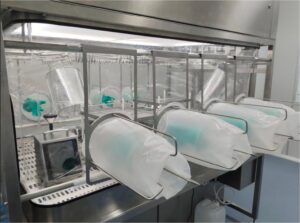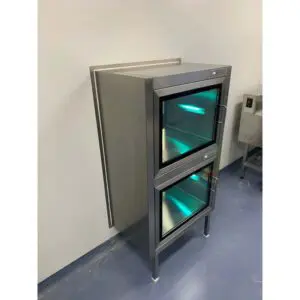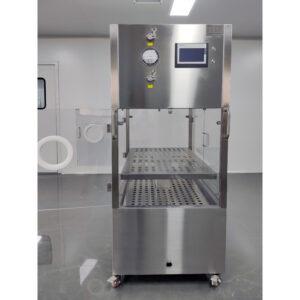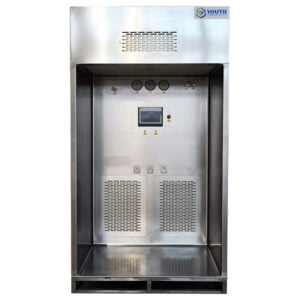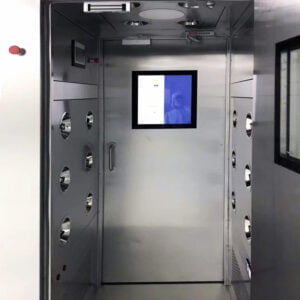
Większość niepowodzeń związanych z czyszczeniem w środowiskach kontrolowanych nie wynika z zaniedbań. Są one spowodowane tym, że operatorzy stosują podejście znane z czyszczenia otwartych stanowisk roboczych do czyszczenia wyciągów, w których przepływ powietrza, integralność filtrów i możliwość czyszczenia powierzchni są ze sobą wzajemnie powiązane — a gdzie pojedynczy błąd w kolejności czynności, wyborze środków chemicznych lub metodzie aplikacji może zagrozić wynikom monitoringu środowiskowego na wiele tygodni przed tym, zanim uda się zidentyfikować przyczynę. Konsekwencje tych błędów przejawiają się w postaci nieoczekiwanych dochodzeń dotyczących przyczyn źródłowych, przedwczesnej modernizacji wyciągu lub ustaleń audytowych dotyczących możliwości czyszczenia, których usunięcie wiąże się z wysokimi kosztami. Zrozumienie, gdzie leżą te punkty awaryjne — oraz jakie warunki wymagają zmiany strategii czyszczenia — stanowi praktyczną granicę między rutynową dezynfekcją a programem, który niepostrzeżenie działa na niekorzyść celów związanych z izolacją.
Priorytety w zakresie czyszczenia, które stawiają przepływ powietrza przed wyglądem
Pierwszą reakcją, gdy powierzchnia okapu wygląda na zanieczyszczoną, jest wyczyszczenie tego, co widać. Taka reakcja prowadzi do ustalenia niewłaściwej kolejności działań. Okap wyczyszczony tak, by wyglądał na czysty, ale wyczyszczony w niewłaściwej kolejności, przy użyciu niewłaściwych środków lub podczas pracy urządzenia, może stać się źródłem zanieczyszczeń, które ujawnią się dopiero wtedy, gdy monitoring środowiskowy wymusi analizę przyczyn źródłowych.
Przed przystąpieniem do czyszczenia powierzchni należy zapewnić prawidłowy przepływ powietrza. Oznacza to, że wyłączenie zasilania i odłączenie przewodu zasilającego nie są tylko formalnością — stanowią one niezbędny warunek przed rozpoczęciem jakichkolwiek czynności czyszczących. Praca dmuchawy podczas czyszczenia zakłóca kontrolowany rozkład przepływu powietrza w strefie roboczej i może powodować przenoszenie zanieczyszczeń w kierunku powierzchni filtra, a nie z dala od niej. Odłączenie zasilania eliminuje również zagrożenie elektryczne, które występuje zawsze, gdy płyn dostanie się w pobliże czujników, gniazdek lub elementów wewnętrznych. Żadna z tych czynności nie wynika z wymogów regulacyjnych ustanowionych przez jeden organ nadzorczy; są to praktyczne warunki wstępne, które chronią integralność mechaniczną i kontrolę zanieczyszczeń wszystkich kolejnych etapów.
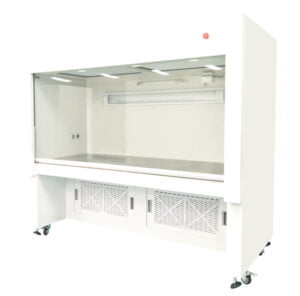
Najważniejszą decyzją planistyczną jest uznanie, że komora z przepływem laminarnym stanowi środowisko o krytycznym znaczeniu dla bezpieczeństwa, a nie zwykły stół czysty. Uszczelnienia, powierzchnia filtra oraz kierunkowy przepływ powietrza – wszystko to zależy od tego, by czyszczone powierzchnie nie ulegały uszkodzeniom mechanicznym i nie zawierały pozostałości chemicznych, które mogłyby utrudniać długoterminowe utrzymanie czystości. Program, który skupia się na usuwaniu widocznych zanieczyszczeń bez uwzględnienia tych ograniczeń, może sprawić, że komora będzie wyglądać na czystą, jednocześnie systematycznie niszcząc materiały niezbędne do jej funkcjonowania.
Sekwencja wycierania i kontrola wyschnięcia w ramach rutynowej dezynfekcji okapu
Kolejność czynności jest kwestią kontroli zanieczyszczeń, a nie preferencji operatora. Przetarcie od bardziej zabrudzonej strefy do czystszej powoduje przeniesienie zanieczyszczeń na powierzchnie, które zostały już zdezynfekowane, co oznacza, że ostatni przetarty obszar jest tak czysty, jak ściereczka, która dotknęła wszystkich poprzednich powierzchni. Kierunek „od czystego do zabrudzonego” ma na celu zapobieżenie powstaniu takiej drogi przenoszenia zanieczyszczeń podczas samego procesu czyszczenia.
Punkt wyjścia różni się w przypadku okapów z przepływem pionowym i poziomym, ponieważ położenie filtra decyduje o tym, która powierzchnia stanowi najczystszy punkt odniesienia. W obu przypadkach ogólny kierunek ruchu przebiega od góry do dołu i od tyłu do przodu, konsekwentnie odprowadzając zanieczyszczenia z dala od czystszych stref. Nakładające się równoległe pociągnięcia z nakładaniem się wynoszącym około 25% — wartość ta stanowi powszechną najlepszą praktykę, a nie wymóg regulacyjny — eliminują pominięte pasma, które pozostawiają ruchy okrężne. Równie ważne jest właściwe obchodzenie się z ściereczką: niepozostawiająca włókien ściereczka złożona na cztery części pozwala na wielokrotne użycie czystej powierzchni przed koniecznością jej wymiany, a wymiana na początku każdego nowego odcinka ściany zapobiega temu, by sama ściereczka stała się źródłem zanieczyszczenia krzyżowego.
| Krok | Najważniejsze praktyki | Powód |
|---|---|---|
| Punkt początkowy (pionowa osłona) | Zacznij od tylnej ściany, przechodząc od najczystszej strefy do najbardziej zabrudzonej | Zapobiega ponownemu zanieczyszczeniu już wyczyszczonych powierzchni |
| Punkt początkowy (pozioma osłona) | Zacznij od sufitu (pomiń ten krok, jeśli filtr HEPA jest tam zamontowany) | Zapncr anzeke ckiezjeawlędyc f wab eparcuna”„łtszyónsib ei-tra |
| Ogólne wytyczne | Od t,r rd ó gołuzoddyooupł ydodu | Odprowadza zanieczyszczenia z czystszych obszarów |
| Wzór uderzeń | Nakładające się ruchy równoległe (nakładanie się ≈25%); brak ruchów okrężnych | Eliminuje pominięte miejsca i zapobiega rozprzestrzenianiu się zanieczyszczeń |
| Wykorzystanie tkanin | Ściereczka niepozostawiająca włókien, złożona na cztery części; do każdej powierzchni należy używać czystej strony; wymieniać po wyczyszczeniu każdej ściany lub gdy jest wyraźnie zabrudzona | Zapobiega zanieczyszczeniu krzyżowemu spowodowanemu przez ściereczkę do czyszczenia |
Kontrola wyschnięcia przed ponownym uruchomieniem przepływu powietrza to etap najczęściej pomijany pod presją czasu. Wilgoć resztkowa na powierzchniach okapu przed ponownym uruchomieniem dmuchawy może spowodować przedostanie się cieczy do obszaru powierzchni filtrującej lub pozostawienie kałuż środka czyszczącego pod kratkami, gdzie trudno je wykryć i usunąć. Pozwolenie na całkowite wyschnięcie powierzchni przed ponownym włączeniem urządzenia eliminuje jedną z najczęstszych dróg gromadzenia się pozostałości. Jeśli wizualna kontrola nie jest wystarczająca, z ponownym uruchomieniem należy poczekać, aż nie będzie już widocznego połysku.
Błędy związane z rozpylaniem i szorowaniem, które powodują uszkodzenia filtrów lub uszczelek
Dwa najpoważniejsze błędy fizyczne popełniane podczas czyszczenia okapu dotyczą sposobu wywierania siły — rozpylania i szorowania — i oba są powszechne właśnie dlatego, że wydają się intuicyjne w niemal każdym innym kontekście czyszczenia.
Rozpylanie środka dezynfekującego lub czyszczącego bezpośrednio do komory to odruch zaczerpnięty z ogólnych praktyk dezynfekcji powierzchni. Wewnątrz komory z przepływem laminarnym stwarza to jednocześnie wiele zagrożeń: aerozol i zgromadzona ciecz mogą przedostać się na powierzchnię filtra HEPA, uszkodzić wbudowane czujniki oraz przedostać się do gniazdek elektrycznych. Ciecz gromadząca się pod kratkami podłogowymi pozostawia osad, którego nie da się w pełni usunąć podczas standardowego wycierania, tworząc miejsce, w którym gromadzą się zanieczyszczenia, które narastają w trakcie kolejnych cykli czyszczenia. Prawidłowym sposobem postępowania jest zawsze nałożenie środka czyszczącego najpierw na chusteczkę, a następnie przetarcie nią powierzchni — zapewnia to bezpośrednią kontrolę nad tym, gdzie trafia środek i w jakiej ilości styka się z danym obszarem.
Gwałtowne szorowanie powoduje inny rodzaj szkód. Powierzchnie ze stali nierdzewnej i powlekane w komorze z przepływem laminarnym posiadają ochronną warstwę powierzchniową, która zapobiega osadzaniu się mikroorganizmów i jest odporna na czyszczenie chemiczne. Narzędzia ścierne lub energiczne szorowanie mogą zarysować tę warstwę, tworząc mikroszczeliny, w których gromadzą się mikroorganizmy i które aktywnie opierają się dezynfekcji. Uszkodzenia te są zazwyczaj niewidoczne podczas rutynowej kontroli, co sprawia, że mają one poważne konsekwencje — powierzchnie, które wyglądają na nienaruszone, mogą być już uszkodzone w sposób przejawiający się powtarzającymi się wynikami zanieczyszczenia lub niewyjaśnionymi niepowodzeniami w monitorowaniu środowiska.
| Błąd | Jak to szkodzi | Działania profilaktyczne |
|---|---|---|
| Wprowadzanie środków bezpośrednio do komory silnika | Powoduje uszkodzenia filtrów HEPA, czujników i gniazdek elektrycznych; gromadzi się pod kratkami, pozostawiając trudne do usunięcia osady | Środek czyszczący lub dezynfekujący należy zawsze najpierw nanieść na chusteczkę, a nie bezpośrednio na powierzchnię osłony |
| Energiczne szorowanie | Powoduje zarysowanie ochronnej warstwy powierzchniowej, tworząc mikroszczeliny, w których gromadzą się mikroorganizmy i które są odporne na dezynfekcję | Należy delikatnie przetrzeć powierzchnię nasączoną szmatką; unikać stosowania środków ściernych |
| Próba wyczyszczenia filtra HEPA | Nieodwracalne uszkodzenie filtra; ryzyko zanieczyszczenia z powietrza i konieczność przedwczesnej wymiany | Solidną osłonę ochronną należy wycierać wyłącznie ostrożnie; nigdy nie wolno dotykać samej powierzchni filtra |
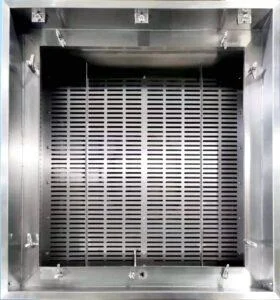
Sam filtr HEPA stanowi granicę, której nie wolno przekraczać podczas czyszczenia. Ostrożnie można przetrzeć jedynie solidną osłonę ochronną zamontowaną przed powierzchnią filtra, używając do tego lekko zwilżonej szmatki i nie wywierając nacisku. Materiał filtracyjny jest delikatny i nie da się go wymienić bez całkowitej wymiany filtra — każdy bezpośredni kontakt grozi powstaniem mikrootworów, przez które przedostaje się nieprzefiltrowane powietrze, co jest rodzajem awarii często wykrywaną dopiero podczas badań certyfikacyjnych.
Wymagania dotyczące rutynowego czyszczenia a wymagania dotyczące gruntownej dezynfekcji po wyłączeniu instalacji
Nie każda czynność czyszcząca ma taki sam zakres, a traktowanie ich jako równoważnych jest częstą przyczyną zarówno niedostatecznego, jak i nadmiernego czyszczenia. Rutynowe wycieranie przeprowadzane po każdej sesji użytkowania lub na początku zmiany ma na celu usunięcie świeżych zanieczyszczeń powierzchniowych w warunkach niskiego stopnia zabrudzenia i przygotowania sterylnego. Nie jest ono przeznaczone do usuwania nagromadzonego obciążenia biologicznego, osadów chemicznych ani zanieczyszczeń, które przedostały się do obszarów znajdujących się za elementami demontowalnymi.
Gruntowne czyszczenie po całkowitym wyłączeniu to odrębna operacja. Wymaga ona dłuższego czasu działania środków czyszczących w celu zapewnienia skutecznego kontaktu, dłuższego suszenia powierzchni przed ponownym uruchomieniem oraz dokładniejszej kontroli każdej wyczyszczonej powierzchni — w tym obszarów, do których zazwyczaj nie dociera się podczas rutynowego wycierania. Warunki ponownego uruchomienia po gruntownym czyszczeniu również wymagają większej uwagi: w przypadku okapu, który był wilgotny przez dłuższy czas, przed przywróceniem przepływu powietrza konieczne jest potwierdzenie całkowitego wyschnięcia, a w niektórych protokołach obiektów wymagany jest cykl przedmuchiwania przed użyciem, zanim strefa robocza zostanie uznana za wystarczająco czystą do wykonywania wrażliwych operacji.
Praktyczna granica między tymi dwoma poziomami czystości nie jest ustalona przez jeden akt prawny — zależy ona od protokołu obiektu, intensywności użytkowania, charakteru przetwarzanych materiałów oraz wyników monitoringu środowiskowego w czasie. Z operacyjnego punktu widzenia istotne jest, aby rozróżnienie to było jasno określone w standardowej procedurze operacyjnej (SOP), a operatorzy, pracownicy działu zapewnienia jakości oraz konserwatorzy mieli wspólne rozumienie tego, która procedura ma zastosowanie w danej sytuacji. W przypadku braku takiej koordynacji rutynowe czyszczenie stosuje się w sytuacjach wymagających bardziej intensywnej interwencji, a rozbieżność ta pozostaje niewidoczna do momentu, gdy dane z monitoringu wymuszają przeprowadzenie przeglądu.
Dokumentowanie każdego zabiegu czyszczenia wraz z datą, godziną, rodzajem i zastosowanymi środkami nie jest biurokratyczną formalnością. To właśnie ta dokumentacja pozwala zidentyfikować pierwotną przyczynę w przypadku odchyleń w wynikach monitoringu środowiskowego — ustalić, czy problem wynika ze zmiany częstotliwości czyszczenia, zmiany osób odpowiedzialnych za czyszczenie i sposobu jego przeprowadzania, czy też zmiany stosowanego środka chemicznego. Bez tej dokumentacji ustalanie pierwotnej przyczyny staje się w dużej mierze spekulacją. Więcej informacji na temat tego, jak wyglądają uporządkowane dzienniki konserwacji w całym cyklu eksploatacyjnym urządzenia z przepływem laminarnym, Konserwacja okapów laminarnych: Najlepsze praktyki szczegółowo omawia strukturę dokumentacji.
Niezgodności w zakresie składu chemicznego i czasu kontaktu, które powodują problemy w zakresie zapewnienia jakości
Substancje chemiczne stosowane do czyszczenia komór laminarnych są dobrze znane, jeśli rozpatrywać je osobno. Przyczyną problemów w zakresie zapewnienia jakości prawie nigdy nie jest sytuacja, w której zespół stosuje niewłaściwą substancję chemiczną w izolacji — chodzi raczej o to, że różne osoby pracujące przy tej samej komorze stosują różne substancje chemiczne, różne etapy płukania lub opierają się na różnych założeniach dotyczących czasu działania, nie zdając sobie sprawy z istnienia tych różnic.
Ma to znaczenie, ponieważ wyciągi z przepływem laminarnym często przechodzą przez ręce wielu grup użytkowników: operatorów, którzy na co dzień obsługują wyciąg, pracowników działu kontroli jakości, którzy przeprowadzają okresowe audyty lub testy rekwalifikacyjne, oraz personelu technicznego, który zajmuje się gruntownym czyszczeniem lub dezynfekcją po naprawach. Jeśli każda z tych grup stosuje protokół chemiczny oparty na innym programie szkoleniowym lub innym dokumencie SOP, powierzchnia wyciągu narażona jest na niejednolity wpływ środków chemicznych. Konsekwencje tego nie zawsze są natychmiastowe — kumulują się one w miarę jak kompatybilność powierzchni jest wielokrotnie testowana przez środki, pod kątem których nie została oceniona, lub gdy pomija się etapy płukania przeznaczone dla jednej substancji chemicznej, ponieważ inny operator założył, że używany jest inny produkt.
| Chemiczny | Obawy dotyczące zgodności | Co należy sprawdzić, aby uniknąć problemów związanych z kontrolą jakości |
|---|---|---|
| Podchloryn sodu (wybielacz) | Działa korozyjnie na stal nierdzewną; niepełne usunięcie powoduje powstawanie wżerów i utrudnia czyszczenie | Obowiązkowe płukanie wodą sterylną lub alkoholem 70%; wszyscy operatorzy muszą przestrzegać tej samej procedury płukania |
| 70% Etanol | Może spowodować uszkodzenie niektórych powierzchni i powłok | Należy sprawdzić zgodność materiałów; w razie ich zastosowania należy upewnić się, że spełniają one standardy uzgodnione przez wszystkich operatorów i personel konserwacyjny |
| 70% Alkohol izopropylowy | Jest bezpieczniejszy dla tworzyw sztucznych i gumy, ale nadal wymaga równomiernego nakładania | Należy upewnić się, że wszystkie strony stosują ten sam rodzaj alkoholu i ten sam czas kontaktu, aby uniknąć rozbieżności w założeniach |
Wybielacz stanowi najwyraźniejszy przykład substancji chemicznej wymagającej wyraźnej koordynacji między zespołami. Podchloryn sodu jest skuteczny i szeroko stosowany, ale działa korozyjnie na stal nierdzewną, jeśli pozostawi się go w kontakcie z nią bez odpowiedniego spłukania. Powodowane przez niego wżery nie są widoczne podczas rutynowego wycierania — ujawniają się one później jako problem z czyszczeniem, który prowadzi do uwag audytowych dotyczących integralności powierzchni. Etap płukania po zastosowaniu wybielacza — przy użyciu wody sterylnej lub alkoholu 70%, stosowanych konsekwentnie — musi być wykonywany w ten sam sposób przez każdego operatora, a nie różnić się w zależności od tego, kto danego dnia zajmuje się czyszczeniem.
Wybór między etanolem a alkoholem izopropylowym stanowi raczej prawdziwy kompromis niż jednoznacznie najlepsze rozwiązanie. 70-procentowy etanol zapewnia silne działanie bakteriobójcze, ale przy wielokrotnym stosowaniu może uszkadzać niektóre powłoki powierzchniowe i uszczelki gumowe. 70-procentowy alkohol izopropylowy jest generalnie łagodniejszy dla tworzyw sztucznych i gumy, ale aby był skuteczny, wymaga równie konsekwentnego stosowania. Nie chodzi o to, który środek jest lepszy — chodzi o to, że oba wymagają uzgodnionego standardu obowiązującego wszystkich użytkowników, a standard ten musi zostać zapisany w jednej wspólnej procedurze operacyjnej (SOP), a nie pozostawiony indywidualnej ocenie przy każdym czyszczeniu.
Warunki związane z pozostałościami i zagrożeniami, które wymagają zastosowania innej strategii czyszczenia
Nagromadzenie pozostałości to stan, który sprawia, że standardowe procedury czyszczenia przynoszą efekt odwrotny do zamierzonego. Gdy na powierzchniach okapu zgromadzą się pozostałości środka dezynfekującego lub czyszczącego, dalsze stosowanie tej samej procedury wycierania nie pozwala ich usunąć — powoduje jedynie ich dalsze osadzanie się. Warstwa pozostałości staje się miejscem przywierania kurzu i schronieniem dla mikroorganizmów, a także fizycznie izoluje powierzchnie od kontaktu z kolejną dawką środka dezynfekującego, co oznacza, że czyszczenie zmniejsza, a nie poprawia skuteczność ochrony.
Próg, który wymusza zmianę strategii, nie zawsze jest oczywisty. Widoczne przebarwienia i chropowatość powierzchni to wskaźniki pojawiające się w późniejszym etapie. Wcześniejsze oznaki to między innymi stopniowy wzrost wartości wyników monitoringu środowiskowego bez wyraźnej zmiany w procesie produkcyjnym lub powierzchnie, które w dotyku są lepkie lub pozostawiają warstwę na czystych ściereczkach podczas rutynowego wycierania. Oba te stany wskazują, że osad nagromadził się do takiego stopnia, że konieczne jest podjęcie ukierunkowanych działań w celu jego usunięcia, zanim standardowe czyszczenie znów będzie skuteczne.
Sposób usuwania zależy od tego, w czym pozostałość jest rozpuszczalna. W przypadku większości pozostałości środków czyszczących wystarczy nanieść izopropanol 70% na niestrzępiącą się ściereczkę i przetrzeć nią zanieczyszczoną powierzchnię. Jeśli pozostałości nie są rozpuszczalne w alkoholu — co może mieć miejsce w przypadku niektórych środków czyszczących na bazie detergentów lub przy znacznym nagromadzeniu biofilmu — należy najpierw użyć wody sterylnej w celu rozluźnienia i usunięcia osadu, a następnie izopropanolu 70%, aby całkowicie usunąć zanieczyszczenia i pozostawić czystą, suchą powierzchnię. Nie jest to standardowa procedura stosowana przy każdym czyszczeniu; stanowi ona praktyczne rozwiązanie w konkretnej sytuacji, która wymaga innego podejścia niż rutynowa dezynfekcja. Aby uzyskać bardziej szczegółowy opis tego, jak wpisuje się to w pełny proces czyszczenia urządzenia z laminarnym przepływem powietrza, Jak bezpiecznie czyścić urządzenia z laminarnym przepływem powietrza? zawiera szczegółowe wskazówki, w tym dotyczące stosowania środków chemicznych i postępowania z pozostałościami.
Gdy stan pozostałości wiąże się z procesem o podwyższonym ryzyku — zwłaszcza gdy wyciągi są wykorzystywane do pracy z silnie działającymi związkami, materiałami biologicznymi lub substancjami chemicznymi wymagającymi izolacji — strategię czyszczenia należy opracować od nowa w oparciu o rzeczywisty profil ryzyka, a nie dostosowywać ją na podstawie standardowej procedury operacyjnej (SOP) dla stołu otwartego. Kontekst zagrożenia wpływa na dopuszczalny próg pozostałości, wymagane środki ochrony indywidualnej (PPE) podczas czyszczenia, kategorię utylizacji zużytych ściereczek oraz potencjalnie na dobór środków chemicznych. Stosowanie protokołu czyszczenia stołu laboratoryjnego otwartego do dygestorium wymagającego izolacji tylko dlatego, że dotychczas się sprawdzał, stanowi typowy przykład niepowodzenia, w którym rozbieżność między zakładaną a rzeczywistą ochroną staje się problemem związanym z przestrzeganiem przepisów.
Najbardziej niezawodnym sposobem uniknięcia problemów związanych z zanieczyszczeniem podczas czyszczenia w komorze z przepływem laminarnym jest traktowanie kolejności czynności, doboru środków chemicznych oraz dokumentacji jako skoordynowanego systemu, a nie trzech odrębnych nawyków. Zespół, który wyciera w prawidłowym kierunku, ale stosuje nieodpowiednio dobrane środki chemiczne w zależności od operatora, lub który używa właściwych środków, ale pomija sprawdzenie wyschnięcia przed ponownym uruchomieniem, kontroluje jedynie częściowo zmienne decydujące o tym, czy strefa czysta komory jest faktycznie chroniona. Przed sfinalizowaniem lub audytem standardowej procedury operacyjnej (SOP) dotyczącej czyszczenia warto odpowiedzieć na następujące pytania: czy wszystkie grupy użytkowników — operatorzy, dział kontroli jakości i konserwacji — stosują te same standardy dotyczące środków chemicznych i protokoły płukania? Czy istnieje określony próg, po przekroczeniu którego rutynowe czyszczenie przechodzi w gruntowną dezynfekcję? Czy usuwanie pozostałości traktowane jest jako procedura warunkowa, a nie jako coś, co ma nastąpić automatycznie podczas standardowego wycierania?
Jeśli którekolwiek z tych odpowiedzi są niejasne lub niespójne w poszczególnych zespołach, oznacza to, że w programie czyszczenia występuje luka, którą monitorowanie warunków środowiskowych w końcu wykryje, nawet jeśli okapy wydają się czyste podczas codziennego użytkowania.
Często zadawane pytania
Pytanie: Czy ten protokół czyszczenia ma zastosowanie do komory bezpieczeństwa biologicznego w taki sam sposób, jak do komory z przepływem laminarnym?
O: Nie — komory bezpieczeństwa biologicznego wymagają zasadniczo innego podejścia do czyszczenia, ponieważ ich głównym celem jest izolacja, a nie ochrona produktu, a wiele z nich działa pod podciśnieniem z konfiguracjami wentylatorów, które wpływają na sposób przemieszczania się środków czyszczących w strefie roboczej. Omówione tutaj zasady logiki sekwencji i koordynacji środków chemicznych stanowią istotną podstawę, jednak standardowa procedura operacyjna (SOP) dotycząca komory bezpieczeństwa biologicznego musi również uwzględniać wymagania dotyczące dekontaminacji, środki ochrony indywidualnej (PPE) przeznaczone do usuwania zużytych materiałów, a w niektórych przypadkach procedury fumigacji, które całkowicie wykraczają poza rutynowe czyszczenie komór z przepływem laminarnym.
Pytanie: Po gruntownym czyszczeniu w trybie całkowitego wyłączenia, jak długo powinien pracować okap, zanim będzie można uznać, że nadaje się do wykonywania prac wymagających szczególnej precyzji?
O: Nie ma jednej uniwersalnej wartości czasu przedmuchiwania — właściwy czas trwania cyklu przedmuchiwania przed użyciem zależy od protokołu obowiązującego w danym obiekcie, stosowanego środka dezynfekującego oraz tego, czy operacja przeprowadzana po ponownym uruchomieniu wymaga zachowania sterylności. Wykap powinien pracować co najmniej tak długo, aby można było potwierdzić przywrócenie pełnego przepływu powietrza oraz brak widocznej wilgoci na wszystkich powierzchniach. Niektóre protokoły placówki wymagają przeprowadzenia cyklu przedmuchiwania o określonym czasie, zanim strefa robocza zostanie uznana za gotową do użytku; jeśli standardowa procedura operacyjna (SOP) nie określa tego czasu w sposób jednoznaczny, jest to luka, którą warto wyeliminować przed kolejnym cyklem audytowym.
Pytanie: Jeśli wyniki monitoringu środowiskowego wykazują tendencję wzrostową, a częstotliwość czyszczenia nie uległa zmianie, od czego należy rozpocząć dochodzenie?
O: Na początek należy sprawdzić, czy normy dotyczące środków chemicznych oraz protokół płukania są faktycznie spójne we wszystkich grupach użytkowników mających kontakt z okapem — operatorów, pracowników kontroli jakości oraz personelu technicznego. Odchylenia w wynikach monitoringu środowiskowego bez wyraźnej zmiany procesu są częstym sygnałem niespójności w stosowaniu środków chemicznych lub gromadzenia się pozostałości, a nie tylko kwestią częstotliwości czyszczenia. Należy sprawdzić, czy etapy płukania po zastosowaniu środków takich jak wybielacz są wykonywane w sposób jednolity, czy wszyscy operatorzy stosują te same praktyki dotyczące zarządzania ściereczkami oraz czy nie odnotowano żadnych wskaźników obecności pozostałości — lepkich powierzchni, warstwy na czystych ściereczkach lub przebarwień powierzchni.
Pytanie: Który z tych dwóch środków – etanol 70% czy alkohol izopropylowy 70% – jest lepszym rozwiązaniem domyślnym w przypadku okapu ze stali nierdzewnej, stosowanego do różnych rodzajów produktów?
O: Alkohol izopropylowy o stężeniu 70% jest zazwyczaj bardziej konserwatywnym rozwiązaniem domyślnym w przypadku wspólnej wyciągi, ponieważ wiąże się z mniejszym ryzykiem uszkodzenia gumowych uszczelek i powlekanych powierzchni w trakcie wielokrotnych cykli użytkowania. Jednak ważniejsza od tego, który środek jest lepszy sam w sobie, jest decyzja o wyborze jednego środka i zapisaniu go w jednej wspólnej procedurze operacyjnej (SOP), tak aby każda grupa użytkowników stosowała ten sam czas działania, tę samą sekwencję płukania (jeśli jest wymagana) oraz te same założenia dotyczące zgodności z materiałami. Dygestorium czyszczone na przemian etanolem i alkoholem izopropylowym przez różnych operatorów ma niejednolity przebieg chemiczny, którego żaden z tych środków stosowany osobno by nie spowodował.
Pytanie: W jakiej sytuacji obecność pozostałości lub zagrożenia oznacza, że należy poddać ocenie samą okap, a nie tylko plan czyszczenia?
O: Gdy po przeprowadzeniu prawidłowego etapu usuwania pozostałości nadal występują wżery powierzchniowe, trwałe przebarwienia lub powtarzające się awarie systemów monitorowania środowiskowego, przyczyną problemu może być stan techniczny okapu — a nie tylko sama procedura czyszczenia. Korozja spowodowana niedostatecznie spłukanym wybielaczem, mikrozarysowania powstałe w wyniku stosowania ściernych narzędzi czyszczących lub degradacja uszczelnień spowodowana wielokrotnym narażeniem na działanie nieodpowiednich substancji chemicznych mogą osiągnąć punkt, w którym optymalizacja czyszczenia nie jest już w stanie rozwiązać problemu. W takiej sytuacji urządzenie wymaga kontroli pod kątem zgodności z pierwotnymi specyfikacjami dotyczącymi integralności powierzchni, a kolejnym istotnym krokiem staje się renowacja lub wymiana komponentów, a nie zmiana standardowej procedury operacyjnej (SOP).