Zespoły ds. zamówień regularnie kupują mobilne urządzenia z przepływem laminarnym, aby obsłużyć wiele stref, a następnie pozostawiają je na jednym stanowisku na całe miesiące — w wyniku czego urządzenie wybrane ze względu na elastyczność zaczyna powodować zablokowania kół, zużycie kabli oraz ładowanie podtrzymujące akumulatorów bez żadnego korzyści operacyjnych. To rozbieżność rzadko jest oczywista, dopóki audyt konserwacyjny lub kontrola integralności filtrów HEPA nie ujawni dokumentacji, w której stacjonarne urządzenie traktowane jest jako mobilne, wraz z obowiązkami kwalifikacyjnymi wynikającymi z tej klasyfikacji. Decyzja, która pozwala rozwiązać większość tych błędów związanych z zakupami, nie dotyczy preferencji produktowych — chodzi o to, czy rzeczywisty przepływ pracy obejmuje zdefiniowaną, powtarzalną trasę przemieszczania urządzenia, czy też jedna stała lokalizacja zaspokoiłaby potrzeby w bardziej efektywny sposób. Po przeczytaniu tego tekstu będziesz w stanie lepiej określić, które warunki użytkowania rzeczywiście przemawiają za platformą mobilną, a które sprawiają, że instalacja stacjonarna jest wyborem wiążącym się z mniejszym ryzykiem i niższymi kosztami cyklu życia.
Etapy procesu, w których mobilność wnosi rzeczywistą wartość dodaną
Mobilność stanowi wartość dodaną tylko wtedy, gdy w procesie występuje przerwa między dwiema stałymi stacjami, której żadne urządzenie stacjonarne nie jest w stanie wypełnić. W momencie, gdy system ochrony czystego powietrza musi przemieszczać się wraz z materiałem, zamiast na niego czekać, mobilny wózek z przepływem laminarnym rozwiązuje problem, z którym urządzenie stacjonarne nie jest w stanie sobie poradzić ze względu na swoją konstrukcję.
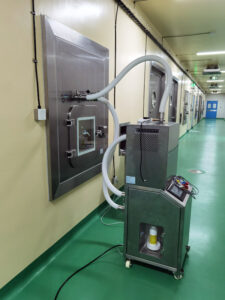
Przenoszenie materiałów z autoklawu do pomieszczenia czystego stanowi tego praktyczny przykład. Materiały wychodzące z autoklawu muszą przed dotarciem do punktu wejścia do pomieszczenia czystego przejść przez korytarz lub komorę buforową, które mogą nie spełniać warunków normy ISO 5. Urządzenie stacjonarne umieszczone wewnątrz pomieszczenia czystego nie jest w stanie zabezpieczyć przewożonego ładunku podczas przemieszczania się przez ten korytarz. Wózek, który utrzymuje laminarny przepływ powietrza na całej trasie, wypełnia tę lukę na powtarzalnej ścieżce, z określonym punktem początkowym i końcowym, co sprawia, że dany przypadek zastosowania jest operacyjnie ograniczony i możliwy do udokumentowania.
Drugim uzasadnionym zastosowaniem jest tymczasowe zapewnienie warunków podczas budowy zakładu zgodnego z cGMP lub w okresie przejściowym związanym ze zwiększaniem skali produkcji — zwłaszcza gdy zakład przechodzi z etapu badań klinicznych na skalę komercyjną, a stała infrastruktura nie została jeszcze wdrożona. W tym scenariuszu przejściowym mobilny wózek zapewnia ciągłość czystego powietrza na wszystkich etapach produkcji bez konieczności wstrzymywania produkcji. Jest to kryterium planistyczne, a nie standardowy model operacyjny: po uruchomieniu stałej instalacji rola wózka w tej lokalizacji dobiega końca. Traktowanie narzędzia przejściowego jako rozwiązania stałego jest przyczyną, dla której wiele zespołów stwarza warunki do pojawienia się w przyszłości problemu związanego z „zaparkowanymi urządzeniami”.
Zadania związane z transportem na wspólnej trasie, które uzasadniają zastosowanie platformy wózkowej
Warunkiem uzasadniającym zastosowanie platformy mobilnej nie jest różnorodność zastosowań — jest to powtarzalna trasa między stałymi stacjami w przestrzeni, której nie da się trwale sklasyfikować lub której klasyfikacja zmienia się w zależności od innych działań. Gdy warunek ten jest spełniony, urządzenie stacjonarne nie jest w stanie rozwiązać problemu, niezależnie od tego, jak dobrze funkcjonuje na swojej stacji.
W produkcji farmaceutycznej i biotechnologicznej istnieją trzy zadania związane z transferem, które konsekwentnie spełniają ten warunek.
| Zadanie związane z przeniesieniem | Charakterystyka trasy | Dlaczego warto mieć wózek mobilny |
|---|---|---|
| Przenoszenie materiałów między pomieszczeniami czystymi przez korytarz nieczysty | Niekontrolowane powietrze w korytarzu; powtarzalna trasa | Zapewnia ciągłą ochronę ładunku w miejscach, gdzie urządzenie stacjonarne nie jest w stanie pokryć odległości przemieszczania się |
| Transport fiolek z produktem liofilizowanym do i z liofilizatorów | Stałe stacje początkowa i końcowa; powtarzalna trasa między nimi | Zapewnia czyste powietrze przez cały czas trwania transportu między urządzeniami stacjonarnymi |
| Buforowanie pośrednie w śluzach materiałowych lub strefach czystych | Krótkotrwałe przebywanie w różnych pozycjach w strefach czystych | Zapewnia możliwość zmiany położenia systemu wentylacji bez konieczności stałego montażu |
Warto dokładnie przyjrzeć się procesowi przenoszenia w liofilizatorze, ponieważ charakteryzuje się on zarówno wysoką częstotliwością, jak i wrażliwością na właściwości produktu. Fiolki z produktem liofilizowanym przemieszczające się między komorami przetwórczymi muszą zachować stopień ochrony ISO 5 podczas przenoszenia, bez konieczności przygotowywania przez operatora oddzielnej strefy czystej wzdłuż trasy. Wózek zapewnia taką ochronę w ruchu, na trasie, która jest taka sama w każdym cyklu. Ta powtarzalność ma również znaczenie dla kwalifikacji: ponieważ trasa jest zdefiniowana, można ją formalnie opisać, przetestować w obu punktach końcowych i kontrolować — co ma znaczenie, gdy dokumentacja kwalifikacyjna urządzenia musi odzwierciedlać rzeczywiste granice operacyjne, a nie teoretyczną mobilność w nieokreślonej przestrzeni. Aby dokładniej przyjrzeć się porównaniu urządzeń przenośnych i stacjonarnych w różnych scenariuszach wdrożeniowych, zapoznaj się z tym przeglądem urządzenia z laminarnym przepływem powietrza – przenośne a stacjonarne szczegółowo omawia praktyczne różnice.
Zaparowane pojazdy służbowe, które stwarzają ryzyko związane z konserwacją, którego można uniknąć
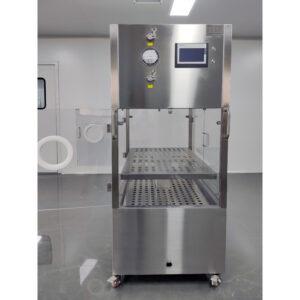
Przenośny wózek z przepływem laminarnym, który większość czasu eksploatacji spędza w jednym miejscu, charakteryzuje się takimi samymi wymaganiami konserwacyjnymi jak sprzęt stacjonarny, nie oferując przy tym korzyści wynikających z mobilności. Nie jest to ryzyko czysto teoretyczne — dokumentacja producenta dotycząca kilku modeli wyraźnie wskazuje, że urządzenie powinno pozostawać na stałe podłączone do zasilania, aby zachować gotowość do pracy. Instrukcja ta, traktowana dosłownie, opisuje instalację stacjonarną wyposażoną w kółka.
Głównym czynnikiem decydującym jest autonomia akumulatora. Standardowy czas pracy zasilacza UPS, podany w dokumentacji producenta, wynosi około 30 minut, a w przypadku konfiguracji o zwiększonej autonomii sięga nawet 100 minut. W przypadku każdego zastosowania stacjonarnego, trwającego dłużej niż krótki okres przejściowy, wymagane jest stałe podłączenie do sieci zasilającej. Powoduje to, że urządzenie jest operacyjnie uzależnione od kabla zasilającego, który przebiega między piętrami, stwarza ryzyko potknięcia się i ulega zużyciu w miejscach połączeń — żadna z tych sytuacji nie ma miejsca w przypadku prawidłowo zainstalowanego urządzenia stacjonarnego.
| Czynnik ryzyka | Dlaczego pojawia się w trybie postojowym | Konsekwencje |
|---|---|---|
| Zużycie kół i zamków | Stałe obciążenie kółek i blokad przy braku ruchu prowadzi do spłaszczenia powierzchni, korozji lub zatarcia blokad | W razie rzeczywistej potrzeby bezpieczne przemieszczenie urządzenia może okazać się trudne |
| Zagrożenia związane z potknięciem się o kabel i zużyciem kabla | Trwałe poprowadzenie kabla zasilającego przez różne piętra stwarza ryzyko potknięcia się oraz obciąża złącza | Zwiększone ryzyko związane z bezpieczeństwem oraz wyższe koszty konserwacji okablowania zasilającego |
| Obciążenie związane z konserwacją akumulatorów | Akumulator pozostaje w trybie ładowania podtrzymującego, ale rzadko przechodzi cykle ładowania i rozładowania; nadal konieczna jest jego okresowa wymiana | Bieżące koszty związane z akumulatorem oraz ryzyko awarii bez żadnych korzyści w zakresie mobilności |
Kwestia nakładu pracy związanego z konserwacją akumulatorów zasługuje na szczególną uwagę, ponieważ łatwo ją nie docenić. Akumulator podłączony do ładowania podtrzymującego, który rzadko przechodzi cykle ładowania i rozładowania, nadal wymaga okresowej wymiany zgodnie z harmonogramem określonym przez producenta. Koszt ten oraz przerwa w działaniu pojawiają się niezależnie od tego, czy urządzenie opuszcza swoją pozycję postojową, czy nie. Zespół, który kupuje wózek mobilny ze względu na teoretyczną elastyczność, zaparkowuje go, a następnie zajmuje się blokadami kół, poprowadzeniem kabli po podłodze i wymianą akumulatorów, nabył w rzeczywistości bardziej złożoną wersję urządzenia stacjonarnego, pozbawioną stabilności konstrukcyjnej i prostoty obsługi, jakie zapewnia instalacja stacjonarna.
Zasięg sieci komórkowej a stabilność konstrukcyjna urządzeń stacjonarnych
Porównanie wózka mobilnego ze stacjonarnym urządzeniem z przepływem laminarnym stanowi kompromis inżynieryjny, a nie hierarchię jakościową. Urządzenie stacjonarne zapewnia sztywność konstrukcyjną, której platforma mobilna nie jest w stanie dorównać: obudowę lub wyciągi można zamocować, podłączyć do kanałów wentylacyjnych i serwisować w pozycji, która nie ulega zmianie między kolejnymi wizytami konserwacyjnymi. Ta stabilność ma znaczenie dla integralności obudowy filtra, kontroli drgań oraz spójności pomiarów przepływu powietrza wykonywanych w czasie w tych samych punktach odniesienia.
Wózek mobilny poświęca część tej sztywności na rzecz możliwości zmiany położenia. Kompromis ten jest akceptowalny, gdy zmiana położenia jest celem samym w sobie — gdy przebieg pracy rzeczywiście wymaga, by urządzenie znajdowało się w różnych pozycjach w różnych momentach. Gdy przebieg pracy tego nie wymaga, kompromis ten stanowi po prostu koszt: rama na kółkach powoduje potencjalny ruch pod obciążeniem, przed każdym użyciem należy sprawdzić blokady kół, a relacja konstrukcyjna między urządzeniem a dowolną powierzchnią podparcia jest z założenia zmienna.
Z punktu widzenia ram testowych norma ISO 14644-7 określa wymagania eksploatacyjne dla urządzeń separujących, niezależnie od tego, czy są to urządzenia mobilne, czy stacjonarne. Obie konfiguracje muszą wykazać integralność filtrów HEPA, odpowiednią prędkość przepływu powietrza oraz skuteczność izolacji — norma nie ustanawia niższego progu dla urządzeń mobilnych. Różnica polega na kontekście badań: urządzenie stacjonarne jest testowane w pozycji, w której zostało zainstalowane, natomiast urządzenie mobilne musi być testowane w sposób odzwierciedlający rzeczywiste warunki jego użytkowania, w tym pozycje, w których jest eksploatowane. To rozróżnienie kształtuje podejście do kwalifikacji, a nie sam wymóg wydajnościowy, i stanowi praktyczny powód, dla którego ściśle określone trasy i pozycje mają znaczenie dla kwalifikacji urządzeń mobilnych.
Pytania dotyczące ponownej kwalifikacji związane z przeniesieniem
Przenoszenie mobilnego wózka z przepływem laminarnym z jednego miejsca lub stanowiska do drugiego rodzi pytania dotyczące kwalifikacji, których nie stwarza urządzenie stacjonarne. Najpilniejszą kwestią jest integralność filtra HEPA: fizyczne przemieszczenie może obciążać obudowę filtra, naruszać uszczelnienia lub wpływać na profil ciśnienia przed filtrem w sposób, który nie ma miejsca podczas pracy stacjonarnej. Z tego powodu wózki mobilne są zazwyczaj wyposażone w porty testowe DOP umieszczone przed filtrem HEPA, specjalnie w celu umożliwienia przeprowadzenia testów integralności na miejscu po przemieszczeniu. Obecność tej funkcji wskazuje, że weryfikacja integralności podczas przemieszczania jest oczekiwanym etapem operacyjnym, a nie opcjonalnym.
Trudniejszą kwestią jest przypisanie dokumentacji kwalifikacyjnej. Urządzenie stacjonarne posiada jasną dokumentację kwalifikacyjną powiązaną z konkretną lokalizacją, konkretną instalacją i zazwyczaj konkretnym właścicielem procesu. Urządzenie mobilne, które przemieszcza się między sekcjami, między zespołami pomieszczeń czystych lub między zmianami, rodzi pytania dotyczące tego, do której lokalizacji należy dokumentacja kwalifikacyjna urządzenia, kto jest odpowiedzialny za zainicjowanie ponownej kwalifikacji oraz czy udokumentowana wydajność urządzenia w sekcji A może zostać przeniesiona do sekcji B bez konieczności ponownego testowania. Nie ma uniwersalnych odpowiedzi na te pytania — zależą one od standardowych procedur operacyjnych (SOP) obiektu, klasyfikacji danych przestrzeni oraz sposobu, w jaki urządzenie zostało pierwotnie zakwalifikowane.
W praktyce problem polega na tym, że zespoły często nabywają wózek transportowy bez uprzedniego udzielenia odpowiedzi na te pytania, a następnie stają przed nimi po raz pierwszy podczas audytu lub gdy zmiana procesu wymaga udokumentowanego dowodu wydajności w nowej pozycji. Najprostszym sposobem uniknięcia tego problemu jest zdefiniowanie dozwolonych pozycji roboczych w ramach pierwotnego zakresu kwalifikacji — traktując wózek jako urządzenie zakwalifikowane do określonego zestawu pozycji, a nie do nieograniczonej mobilności. Takie podejście ogranicza elastyczność, ale sprawia, że dokumentacja kwalifikacyjna jest uzasadniona, a warunki ponownej kwalifikacji są przewidywalne.
Wykorzystanie w trybie stacjonarnym, które sprzyja montażowi na stałe
Gdy wózek mobilny musi z przyczyn funkcjonalnych pozostać w jednej pozycji — ponieważ proces jest stacjonarny, ponieważ zasilanie sieciowe musi pozostać podłączone lub ponieważ zakres kwalifikacji skutecznie go unieruchomił — konfiguracja mobilna staje się raczej obciążeniem niż atutem. Zagrożenia sprzętowe związane z kółkami, blokadami kół i poprowadzonymi kablami są realne i powtarzające się; nie znikają one tylko dlatego, że urządzenie przestaje się poruszać. Nagromadzą się one, nie zapewniając przy tym korzyści w zakresie zasięgu, które uzasadniały ich zaakceptowanie na samym początku.
| Stan | Skutki | Lepszy wybór |
|---|---|---|
| Urządzenie musi być stale podłączone do sieci zasilającej, aby było gotowe do użycia | Funkcja mobilności pozostaje praktycznie niewykorzystana; użytkownik naraża się na ryzyko związane z kołami, zamkiem i linką, nie czerpiąc z tego żadnych korzyści | Urządzenie stacjonarne eliminuje te zagrożenia i zazwyczaj ułatwia proces kwalifikacji |
| Czas pracy na baterii (np. ok. 30 minut) jest krótszy niż wymagany czas pracy w trybie stacjonarnym | Podczas dłuższego użytkowania w trybie stacjonarnym konieczne jest podłączenie do sieci zasilającej, dzięki czemu urządzenie działa jak instalacja stacjonarna | Urządzenie stacjonarne pozwala uniknąć konieczności wymiany baterii i zapewnia nieprzerwaną pracę bez obaw o zasięg |
Podana w dokumentacji producenta wartość 30 minut pracy na baterii jest parametrem projektowym, a nie progiem określonym przez przepisy. Ma to jednak konkretne konsekwencje w praktyce: każdy proces, w którym urządzenie musi działać dłużej niż przez krótki okres transferu, będzie wymagał podłączenia do sieci zasilającej, co oznacza, że funkcja mobilności pozostaje zasadniczo niewykorzystana podczas normalnej eksploatacji. W takiej sytuacji należy ponownie rozważyć decyzję o zastosowaniu platformy mobilnej, zamiast przyjmować ją za domyślną.
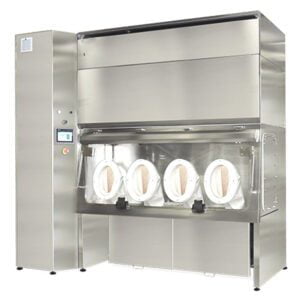
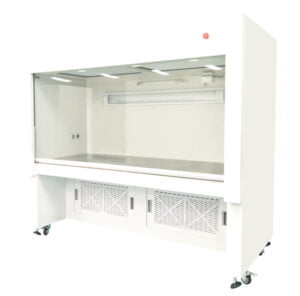
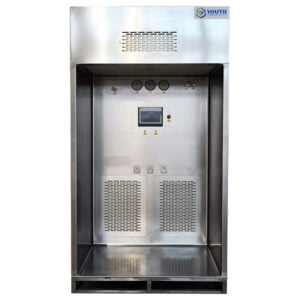
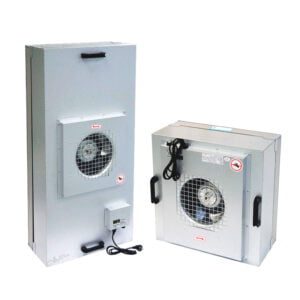
Stała instalacja w tej samej pozycji eliminuje konieczność cyklicznej wymiany baterii, pozwala uniknąć prowadzenia kabli po podłodze, zapewnia stabilną podstawę konstrukcyjną gwarantującą integralność obudowy filtra oraz upraszcza dokumentację kwalifikacyjną dzięki zamocowaniu urządzenia w jednym, określonym miejscu. W przypadku stacji procesowych, w których praca nie wymaga przemieszczania się, takie rozwiązanie niemal zawsze stanowi opcję o niższych kosztach cyklu życia. To okap laminarny i naprawiono Oddział LAF Konfiguracje te zostały zaprojektowane właśnie z myślą o takim wdrożeniu — zapewniają stałą wydajność w stałej lokalizacji bez dodatkowego obciążenia związanego z zarządzaniem sprzętem mobilnym.
Wybór między mobilnym wózkiem z przepływem laminarnym a urządzeniem stacjonarnym sprowadza się do jednego pytania operacyjnego: czy przebieg pracy wymaga, aby strumień czystego powietrza przemieszczał się wraz z materiałem wzdłuż określonej, powtarzalnej trasy, czy też wymaga on zapewnienia czystego powietrza w stałym punkcie? Jeśli odpowiedź brzmi „pierwsze” — przygotowywanie próbek do liofilizacji, przenoszenie między pomieszczeniami, logistyka między autoklawem a pomieszczeniem czystym — wówczas mobilna platforma uzasadnia swoją większą złożoność. Jeśli odpowiedź brzmi „to drugie”, każdy czynnik ryzyka związany z mobilnością staje się obciążeniem bez żadnych odpowiadających mu korzyści.
Przed podjęciem decyzji o wyborze jednej z konfiguracji należy jasno określić pozycje robocze, ustalić, czy wymagane będzie stałe zasilanie z sieci, oraz określić, kto będzie właścicielem dokumentacji ponownej kwalifikacji w przypadku przeniesienia urządzenia. Te trzy pytania pozwolą wykryć ewentualną rozbieżność między uzasadnieniem zakupu a rzeczywistym przebiegiem pracy jeszcze przed zainstalowaniem sprzętu — a nie dopiero podczas pierwszego audytu konserwacyjnego lub przeglądu zmian procesowych.
Często zadawane pytania
Pytanie: A co w sytuacji, gdy trasa transportu między stacjami przebiega przez korytarz, który czasami jest wykorzystywany do innych celów — czy korytarz o nieokreślonym lub zmiennym przeznaczeniu nadal uzasadnia zastosowanie wózka mobilnego?
O: Tak, pod warunkiem, że sama trasa jest stała i powtarzalna, nawet jeśli aktywność w korytarzu ulega zmianom. Czynnikiem dyskwalifikującym trasę nie jest inna aktywność odbywająca się w pobliżu, ale niemożność zdefiniowania spójnego punktu początkowego, przebiegu trasy i punktu końcowego, które można formalnie opisać w dokumentacji kwalifikacyjnej. Jeśli klasyfikacja korytarza zmienia się w zależności od innych prowadzonych prac, zmienność tę należy uwzględnić w zakresie kwalifikacji — na przykład poprzez ograniczenie korzystania z wózka do określonych przedziałów czasowych — ale nie oznacza to automatycznie, że jednostka stała jest lepszym wyborem, jeśli rzeczywiście nie da się skonsolidować przesiadki do jednej stacji.
Pytanie: Po podjęciu decyzji, że wózek mobilny to właściwy wybór, co należy zrobić przed pierwszym użyciem?
O: Należy określić dozwolone pozycje eksploatacyjne i wyraźnie uwzględnić je w zakresie kwalifikacji przed oddaniem urządzenia do użytku. Artykuł wyjaśnia, że kwestia odpowiedzialności za ponowną kwalifikację staje się głównym punktem spornym — oraz że zespoły zazwyczaj po raz pierwszy stają przed tymi pytaniami podczas audytu, a nie na etapie zamówienia. Rozwiązanie tych kwestii z wyprzedzeniem oznacza traktowanie wózka jako zakwalifikowanego do określonego zestawu pozycji, a nie do nieograniczonej mobilności, co sprawia, że dokumentacja kwalifikacyjna jest uzasadniona i z góry określa, kto jest odpowiedzialny za zainicjowanie ponownej kwalifikacji w przypadku zmiany pozycji.
Pytanie: Czy norma ISO 14644-7 określa bardziej rygorystyczne wymagania eksploatacyjne dla przenośnych urządzeń separacyjnych niż dla urządzeń stacjonarnych?
O: Nie — norma nakłada te same wymagania dotyczące integralności filtrów HEPA, prędkości przepływu powietrza oraz skuteczności izolacji, niezależnie od tego, czy urządzenie jest mobilne, czy stacjonarne. Różnica polega na warunkach przeprowadzania badań: urządzenie stacjonarne jest testowane w miejscu instalacji, natomiast urządzenie mobilne musi być badane w sposób odzwierciedlający rzeczywiste warunki eksploatacji. Oznacza to, że jeśli wózek pracuje w dwóch różnych strefach, kwalifikacji może wymagać obie pozycje, a nie tylko jedna. Norma nie obniża wymagań dotyczących wydajności urządzeń mobilnych; po prostu pozostawia kwestię odzwierciedlenia rzeczywistych warunków pracy w procesie kwalifikacji w gestii właściciela obiektu i procesu.
Pytanie: Czy wózek mobilny może być bardziej opłacalnym rozwiązaniem nawet w przypadku stałej stacji, jeśli budżet na prace związane z instalacją stałą jest ograniczony?
O: Rzadko, jeśli w pełni uwzględni się koszty cyklu życia. Wózek mobilny na stałej stacji wiąże się z bieżącymi kosztami — cyklami wymiany baterii, kontrolą blokad kół, zarządzaniem okablowaniem podłogowym oraz bardziej złożoną dokumentacją kwalifikacyjną — których nie ma w przypadku instalacji stacjonarnej. Jeśli ograniczeniem są początkowe prace instalacyjne (mocowanie, podłączenie do sieci), urządzenie stacjonarne z odroczoną instalacją zazwyczaj nadal stanowi opcję o niższym koszcie całkowitym w porównaniu z ponoszeniem kosztów eksploatacji sprzętu mobilnego w nieskończoność. Wyjątkiem byłoby prawdziwie tymczasowe wdrożenie z ustaloną datą zakończenia, w ramach którego wózek zostanie wycofany po uruchomieniu stałej infrastruktury.
Pytanie: Co się stanie, jeśli urządzenie zostanie przeniesione do nowej sekcji bez ponownego przetestowania — czy istnieje jakieś konkretne ryzyko poza brakiem odpowiedniej dokumentacji?
O: Tak — fizyczne przeniesienie urządzenia może obciążać obudowę filtra HEPA, naruszyć uszczelnienia lub zmienić profil ciśnienia przed filtrem, co oznacza, że rzeczywista skuteczność izolacji w nowej lokalizacji może różnić się od ostatniego zarejestrowanego wyniku testu. Brak dokumentacji stanowi ryzyko związane z nieprzestrzeganiem norm, ale podstawowym ryzykiem operacyjnym jest to, że urządzenie może przestać spełniać warunki normy ISO 5 w nowej lokalizacji, a nikt tego nie potwierdzi. Dlatego wózek mobilny jest wyposażony w porty do testów DOP umieszczone przed filtrem HEPA: weryfikacja integralności po każdym przemieszczeniu jest oczekiwanym etapem operacyjnym, a nie działaniem uznaniowym, a pominięcie tego etapu oznacza, że dokumentacja kwalifikacyjna nie odzwierciedla już aktualnego stanu eksploatacji urządzenia.