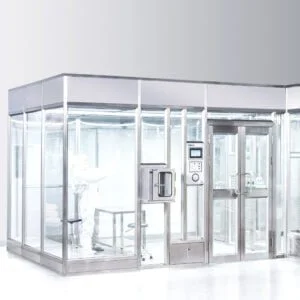
Wykazy wyposażenia dla farmaceutyczny pokój czysty Projekty często trafiają na etap zamówień bez jasnej odpowiedzi na najbardziej podstawowe pytanie: które konkretne operacje faktycznie narażają produkt na działanie czynników środowiskowych i w jakim stopniu? Gdy pytanie to pozostaje nierozstrzygnięte, zespoły domyślnie określają wyposażenie wyłącznie na podstawie klasy pomieszczenia — kupując panele, drzwi i systemy HVAC klasy B bez potwierdzenia, które etapy w tych pomieszczeniach wymagają lokalnej ochrony w postaci jednokierunkowego przepływu powietrza. Luka ta ujawnia się zbyt późno, zazwyczaj podczas przeglądu URS lub wczesnej kwalifikacji, kiedy staje się jasne, że dla konkretnej stacji napełniania nigdy nie określono urządzenia zapewniającego laminarny przepływ powietrza lub że komora przelotowa między klasami C i D nie posiada alarmu różnicy ciśnień. W tym momencie koszt to nie tylko dodanie pozycji do zestawienia; to pętla ponownej kwalifikacji, zmiana projektu i potencjalne opóźnienie terminu oddania do użytku. Praktyczną decyzją, którą każdy zespół projektowy musi podjąć przed sporządzeniem listy wyposażenia, jest ustalenie, które etapy procesu — a nie które pomieszczenia — determinują wymagania dotyczące klasy, urządzeń i dokumentacji.
Analiza czynników wpływających na czystość w farmaceutycznych pomieszczeniach czystych zaczyna się od ekspozycji procesowej
Błędem jest traktowanie klasy czystości pomieszczenia jako właściwości obiektu, a nie właściwości procesu. Pomieszczenie sklasyfikowane jako klasa B nie zapewnia automatycznie, że każda operacja przeprowadzana w jego wnętrzu będzie odbywać się zgodnie z wymogami klasy A. Klasa pomieszczenia określa warunki środowiskowe w tle; nie zastępuje ona jednak decyzji dotyczących lokalnej ochrony podejmowanych przy każdej czynności związanej z kontaktem z produktem.
W tej kwestii ramy regulacyjne są zbieżne, nawet jeśli konkretne sformułowania się różnią. Na przykład wytyczne TGA dotyczące dobrych praktyk produkcyjnych (GMP) wymagają, aby klasyfikacja pomieszczeń czystych była uzasadniona udokumentowaną oceną ryzyka opartą na właściwościach produktu, procesie produkcyjnym oraz rzeczywistym ryzyku narażenia — a nie poprzez odniesienie do ogólnej klasy obiektu. Załącznik 1 do GMP UE stosuje to samo podejście oparte na ocenie ryzyka. Wynika z tego, że podstawą projektową farmaceutycznego pomieszczenia czystego nie jest układ pomieszczenia, lecz opatrzona adnotacjami mapa procesu, pokazująca, gdzie produkt jest narażony na zanieczyszczenia, jak długo i na jakie wektory zanieczyszczeń.
W praktyce oznacza to, że pierwszy dokument projektowy, który stanowi podstawę dobór sprzętu powinien to być rejestr narażenia procesowego, a nie harmonogram klasyfikacji pomieszczeń. Rejestr ten określa każdą operację – niezależnie od tego, czy chodzi o ważenie, dozowanie, napełnianie, pobieranie próbek czy przenoszenie – i przypisuje każdej z nich kategorię narażenia, wymagany poziom tła oraz wszelkie dodatkowe lokalne wymagania dotyczące ochrony. Na podstawie tego rejestru ustala się wymiary urządzeń, projekt przepływu powietrza oraz kaskadę ciśnieniową. Jeśli w momencie sporządzania specyfikacji rejestr ten nie istnieje, koncepcja obiektu może być poprawna pod względem strukturalnym, ale logika kontroli zanieczyszczeń będzie niekompletna.
Warunki panujące w pomieszczeniu stanowią tło; to właśnie zdarzenie wymagające ekspozycji decyduje o wyborze urządzenia zabezpieczającego.
Mapowanie granic sprzętu klasy A/B/C/D
W przypadku przetwarzania aseptycznego zależność między klasami A i B stanowi bezpośrednią zasadę graniczną zgodnie z unijnymi wytycznymi GMP Załącznik 1 oraz PIC/S: Strefy klasy A przeznaczone do aseptycznego przygotowywania, napełniania i zakładania korków muszą znajdować się w środowisku tła klasy B. Nie jest to kwestia preferencji projektowych. Stanowi to sztywne ograniczenie przestrzenne, które determinuje sąsiedztwo pomieszczeń, projekt kaskadowego układu ciśnieniowego oraz miejsca, w których systemy wentylacyjno-klimatyzacyjne muszą jednocześnie zapewniać najsurowsze wymagania dotyczące czystości cząsteczkowej i mikrobiologicznej.
Wartości równoważności ISO oraz limity cząstek w stanie spoczynku są wartościami projektowymi, które należy spełnić podczas kwalifikacji, a nie gwarancjami procesowymi w trakcie eksploatacji. Limity obowiązujące podczas eksploatacji są bardziej rygorystyczne i różnią się od wartości w stanie spoczynku; poniższa tabela przedstawia stężenia cząstek w stanie spoczynku jako granice planowe, a nie jako gwarancje wydajności podczas przetwarzania.
| Klasa | Odpowiednik normy ISO | Typ przepływu powietrza | Wymagane doświadczenie | Maksymalna wielkość cząstek w stanie spoczynku (≥0,5 μm) |
|---|---|---|---|---|
| A | ISO 5 | Jednokierunkowy | Tło klasy B | ≤3 520/m³ (≥0,5 μm); ≤20/m³ (≥5,0 μm) |
| B | W trakcie pracy: ISO 7 | Dopuszczalne rozwiązania niejednokierunkowe | - | Zgodnie z załącznikiem 1 do PIC/S |
| C | W stanie spoczynku: ISO 7 | Dopuszczalne rozwiązania niejednokierunkowe | - | Zgodnie z załącznikiem 1 do PIC/S |
| D | ISO 8 | Dopuszczalne rozwiązania niejednokierunkowe | - | Zgodnie z załącznikiem 1 do PIC/S |
Kolumna „Typ przepływu powietrza” w tej tabeli ma bezpośredni wpływ na dobór wyposażenia. Klasa A wymaga przepływu jednokierunkowego, co oznacza zastosowanie urządzenia zapewniającego przepływ laminarny, bariery RABS lub izolatora — a nie turbulentnego układu sufitowego, niezależnie od liczby filtrów HEPA. Klasy od B do D dopuszczają przepływ powietrza niejednokierunkowy, ale nie zmniejsza to wymogu utrzymania różnicy ciśnień na granicach klas. Połączenie klas C i D nadal wymaga utrzymania różnicy ciśnień, aby zapobiec przedostawaniu się zanieczyszczeń ze strony o niższej klasie, a różnica ta musi być utrzymywana w warunkach dynamicznych, w tym podczas otwierania drzwi, operacji przenoszenia materiałów oraz przy pełnym obciążeniu cieplnym wynikającym z obecności osób.
Jednym z warunków brzegowych, na który warto zwrócić uwagę już na etapie specyfikacji, jest to, że klasa B podczas pracy odpowiada normie ISO 7, ale klasa C w stanie spoczynku również odpowiada normie ISO 7. Nie są to jednak te same warunki projektowe. Klasa C w stanie spoczynku musi powrócić do stanu zgodnego z klasyfikacją po wystąpieniu zakłócenia; klasa B musi utrzymywać normę ISO 7 podczas aktywnych operacji aseptycznych. Projekt systemów HVAC i filtracji dla każdego z tych stanów musi być wymiarowany i walidowany w inny sposób, mimo że wartości ISO wydają się identyczne.
Lokalna ochrona narażonych operacji
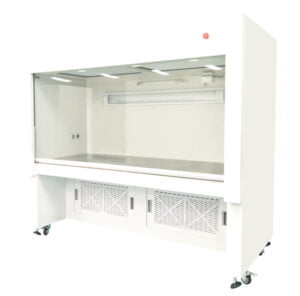
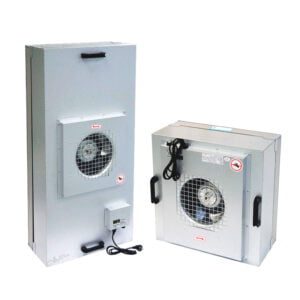
Projekt pomieszczenia klasy czystości określa jego parametry ogólne; lokalne urządzenia zabezpieczające kontrolują konkretne zdarzenia związane z zanieczyszczeniem na powierzchni produktu. Są to odrębne decyzje inżynieryjne i obie muszą zostać podjęte w sposób jednoznaczny. Pomieszczenie klasy B bez odpowiednio określonego i oddane do użytku Oddział LAF Instalacja nad linią rozlewniczą nie zapewnia ochrony klasy A w punkcie rozlewu — niezależnie od klasyfikacji pomieszczenia.
Próg specyfikacji dla filtracji HEPA w strefach klasy A i klasy B jest zbieżny w wytycznych TGA i załączniku 1 do dyrektywy UE: filtry klasy H14 o skuteczności 99,995% dla cząstek o największej zdolności penetracji stanowią uznane minimum dla zastosowań krytycznych. W przypadku obszarów klasy C wytyczne TGA/AIRAH zalecają stosowanie filtrów klasy H14, ale nie nakładają tego obowiązku; jednak uzasadnienie ryzyka związanego z zastosowaniem filtra niższej klasy w obszarze klasy C powinno zostać udokumentowane; niepoddana kontroli zamiana filtra stwarza ryzyko podczas audytu, które trudno jest uzasadnić, gdy produkt znajduje się w tej strefie. Wybór klasy filtrów jest decyzją dotyczącą lokalnej ochrony, a nie jedynie domyślnym wyborem przy zakupie.
W poniższej tabeli przedstawiono powiązania między urządzeniami a ich kluczowymi wymaganiami specyfikacyjnymi oraz dowodami, które należy przedstawić w celu potwierdzenia ich działania.
| Urządzenie/System | Kluczowe wymagania | Dowody potwierdzające |
|---|---|---|
| Urządzenie z laminarnym przepływem powietrza (LAF) | Jednokierunkowy przepływ powietrza w strefach klasy A | Modelowanie CFD lub analiza rozprzestrzeniania się dymu pokazująca rozkład powietrza |
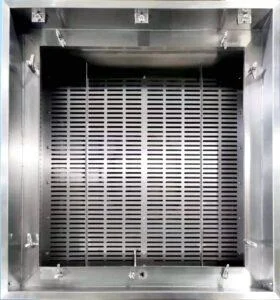
| Montaż filtra HEPA | Dla klasy A/B (zalecana klasa C): klasa H14, sprawność 99,9951 TP10T przy MPPS; integralność filtra ≤ 0,011 TP10T penetracji | Raport z badania integralności filtra (OQ) |
Kolumna „Dowody” w tej tabeli nie stanowi dokumentacji opcjonalnej. W przypadku przepływu powietrza jednokierunkowego na poziomie klasy A wymagane jest przeprowadzenie modelowania CFD lub badań dymowych w celu wykazania, że powietrze faktycznie dociera do strefy krytycznej z zachowaniem orientacji, prędkości i równomierności przewidzianych w projekcie. Badanie dymowe przeprowadzone po montażu, ale przed kwalifikacją, ujawni problemy geometryczne — przeszkody w postaci urządzeń, nieprawidłowe stosunki powietrza nawiewanego do wywiewanego, turbulencje na krawędziach stref — których nie da się rozwiązać bez fizycznej modyfikacji. Przeprowadzenie tego badania zbyt późno, po uruchomieniu sąsiednich systemów, stwarza ryzyko konieczności modernizacji, którego można było uniknąć, uwzględniając je na etapie przeglądu projektu.
Aby zapewnić nienaruszalność filtra HEPA, Wytyczne FDA W przypadku przetwarzania aseptycznego uznanym kryterium akceptacji jest penetracja na poziomie ≤0,011 TP10T. Wartość ta odnosi się do badania zamontowanego zespołu filtra wraz z obudową, a nie do samego wkładu filtrującego. Filtr, który przeszedł certyfikację fabryczną, może nadal nie przejść testu szczelności w stanie zamontowanym, jeśli skanowanie wykaże nieszczelności ramy, uszkodzenia uszczelek lub ograniczenia dostępu do skanowania, które nie zostały uwzględnione w projekcie instalacji.
Filtr, który uzyskał certyfikat fabryczny, może mimo to nie przejść testu szczelności po zamontowaniu, jeśli podczas uruchomienia nie sprawdzono szczelności obudowy lub uszczelki.
Kontrola jakości i inżynieria – mapowanie procesów a tarcia
Momentem, w którym projekty dotyczące farmaceutycznych pomieszczeń czystych najczęściej tracą spójność, jest spotkanie poświęcone mapowaniu procesów. Dział zapewnienia jakości i dział inżynierii podchodzą do tego spotkania z różnymi głównymi priorytetami: dział zapewnienia jakości skupia się na monitorowaniu zgodności z Wymagania dotyczące klasy GMP, a inżynieria zajmuje się rozwiązywaniem problemów związanych z przepływem powietrza, ciśnieniem i obciążeniem termicznym. Żadna z tych dyscyplin nie ma wyłącznej kompetencji w kwestii określenia, które konkretne operacje wymagają bezpośredniej ochrony klasy A w warunkach tła klasy B lub C. Gdy kompetencje w tej sprawie są niejasne, oba zespoły często zakładają, że druga strona już to rozwiązała — a kwestia pozostaje nierozstrzygnięta aż do momentu uzyskania kwalifikacji.
Wyniki kontroli przeprowadzonych przez TGA wskazują na powtarzające się niedociągnięcia projektowe, które niemal w całości wynikają z tej luki. Poniższa lista nie stanowi uniwersalnej listy kontrolnej; odzwierciedla ona regionalne wzorce awarii, które mogą być przydatne przy opracowywaniu przeglądu ryzyka projektowego.
| Obszar tarcia | Dlaczego to ma znaczenie | W jakich kwestiach działy kontroli jakości i inżynierii powinny się zgodzić |
|---|---|---|
| Rozdzielenie przepływu personelu i materiałów | Ryzyko zanieczyszczenia krzyżowego w przypadku nakładania się strumieni | Należy określić oddzielne trasy i kaskadę ciśnieniową w celu ochrony narażonego produktu |
| Różnice ciśnień | Niewystarczające różnice wysokości nie zapobiegają przedostawaniu się wody z obszarów położonych niżej | Określić granice krytyczne i ustalić progi alarmowe zgodnie z oceną ryzyka |
| Wykończenia powierzchni | Niewłaściwe wykończenia mogą stanowić siedlisko dla cząstek i mikroorganizmów | Należy określić materiały, które można czyścić i które nie gubią włókien, dla każdej strefy pomieszczenia czystego |
| Monitorowanie środowiska | Niewystarczający nadzór sprawia, że przypadki narażenia pozostają niewykryte | Określić lokalizacje i parametry ciągłego monitorowania cząstek i mikroorganizmów |
| Wydajność systemu HVAC pod względem obciążenia cieplnego | System nie jest w stanie utrzymać wymaganych warunków przy pełnym obciążeniu | Należy sprawdzić, czy obciążenie projektowe uwzględnia wszystkie urządzenia oraz przyrosty ciepła wynikające z obecności osób |
Każdy wiersz w tej tabeli opisuje sytuację, w której jedna dziedzina zazwyczaj odpowiada za rozwiązanie techniczne, a druga za wymogi zgodności. Na przykład ustawienia różnicy ciśnień wymagają od inżynierów modelowania kaskady przy pełnym obciążeniu procesowym, a od działu zapewnienia jakości – zdefiniowania limitów alarmowych oraz kryteriów weryfikacji, które powodują wszczęcie dochodzenia. Jeśli inżynierowie ustalą różnice ciśnień bez uwzględnienia opinii działu kontroli jakości na temat stopnia krytyczności, progi alarmowe mogą być funkcjonalnie arbitralne. Jeśli natomiast dział kontroli jakości określi granice alarmowe bez inżynieryjnej weryfikacji możliwości ich osiągnięcia przy pełnym obciążeniu, alarmy będą uruchamiać się niepotrzebnie lub, co gorsza, zostaną ustawione na zbyt szerokie zakresy, by wykrywać rzeczywiste zdarzenia związane z przedostawaniem się zanieczyszczeń.
Kwestia wykończenia powierzchni stanowi mniej oczywiste źródło konfliktów. Dział inżynierii może określić materiał spełniający kryteria konstrukcyjne i dotyczące łatwości czyszczenia, jednak wymagania działu kontroli jakości w zakresie zapobiegania zanieczyszczeniom — zwłaszcza w obszarach, w których obchodzi się z produktami o wysokiej aktywności lub wrażliwymi na mikroorganizmy — mogą wymagać innej klasyfikacji powierzchni lub innego sposobu wykończenia połączeń. Taka rozbieżność, nierozwiązana przed rozpoczęciem budowy, staje się po oddaniu obiektu do użytku kwestią wymagającą naprawy.
Ustawienie limitów alarmowych kaskady ciśnieniowej bez uwzględnienia zarówno danych obciążeniowych opracowanych przez inżynierów, jak i informacji o krytyczności zapewnienia jakości stanowi przewidywalne ryzyko związane z przeglądem.
Listy sprzętu muszą zawierać klasę, nazwę urządzenia oraz dowód
Wykaz wyposażenia, w którym określono klasę pomieszczenia i typ urządzenia, ale nie podano żadnych mierzalnych kryteriów odbioru, stanowi dokument zamówieniowy, a nie dokument gotowy do kwalifikacji. Rozróżnienie to ma znaczenie, ponieważ proces zamówień publicznych może zostać zakończony wraz z wystawieniem zamówienia, natomiast proces kwalifikacji nie może zostać zakończony, dopóki nie zostaną zebrane dowody i zweryfikowane pod kątem określonych kryteriów. Jeśli kryteria akceptacji nie zostaną spisane przed rozpoczęciem uruchomienia, zazwyczaj są one formułowane na podstawie uzyskanych wyników — co stanowi problem z punktu widzenia integralności walidacji.
Ramy IQ/OQ/PQ stanowią ugruntowaną strukturę planowania służącą do tworzenia pakietów dowodów dla krytycznych wyposażenie pomieszczeń czystych. Traktowanie tego jako struktury planowania opartej na najlepszych praktykach, a nie jako normatywnej formuły regulacyjnej, pozwala zespołowi na dobór parametrów w oparciu o ocenę ryzyka oraz odpowiednie załączniki do GMP. Parametry zazwyczaj dokumentowane — liczba cząstek, prędkość i równomierność przepływu powietrza, różnice ciśnień na wszystkich krytycznych granicach, integralność filtrów oraz czasy regeneracji — powinny być określane na podstawie tego, co ocena ryzyka wskazuje jako krytyczne dla każdego konkretnego narażenia procesowego, a nie na podstawie ogólnej listy kontrolnej stosowanej jednolicie w odniesieniu do wszystkich urządzeń.
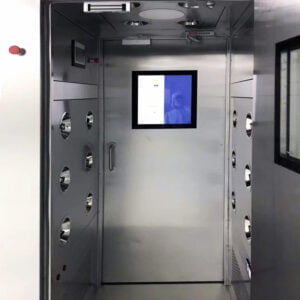
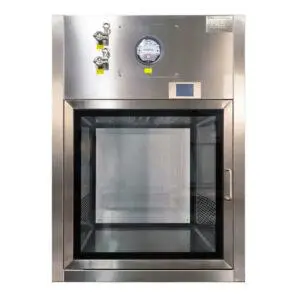
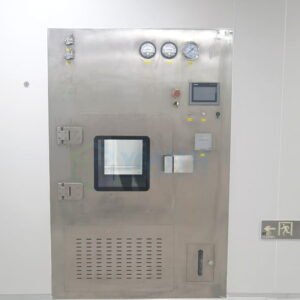
W przypadku każdego etapu procesu narażonego na zanieczyszczenia lista wyposażenia powinna odpowiadać na trzy pytania, zanim zostanie uznana za kompletną: Jaka jest klasa pomieszczenia? Jakie lokalne urządzenie zabezpieczające jest zainstalowane na tym etapie? Jakie są kryteria akceptacji i kto je zatwierdził? Na przykład stacja napełniania w środowisku klasy B powinna określać klasę pomieszczenia, podawać nazwę urządzenia LAF lub izolatora oraz odnosić się do badania dymności i kryteriów akceptacji liczby cząstek, które potwierdzą warunki klasy A w punkcie napełniania. Przenoszenie materiału między klasą C a klasą D powinno określać komorę transferową, jej specyfikację różnicy ciśnień oraz limit alarmowy uzgodniony między działem zapewnienia jakości (QA) a działem inżynierii.
Gdy integralność filtra HEPA stanowi część pakietu dowodowego — a w przypadku instalacji klasy A i klasy B tak właśnie powinno być — kryterium penetracji ≤0,01% określone w wytycznych FDA dotyczących przetwarzania aseptycznego stanowi uzasadniony próg akceptacji dla testu zainstalowanego zespołu. Jest to kryterium akceptacji wyników badań, a nie specyfikacja projektowa samego elementu filtrującego; nie należy mylić tych dwóch pojęć w protokole kwalifikacyjnym.
Lista wyposażenia, która nie zawiera uzgodnionych kryteriów odbioru dla poszczególnych etapów, nie jest gotowa do uruchomienia, niezależnie od tego, jak kompletna wydaje się lista zakupów.
Przed sfinalizowaniem specyfikacji wyposażenia należy upewnić się, że każdy etap ekspozycji na produkt w rejestrze procesu został przypisany do klasy pomieszczenia, lokalnego urządzenia zabezpieczającego oraz udokumentowanego kryterium akceptacji – oraz że zarówno dział zapewnienia jakości, jak i dział inżynierii zatwierdziły wszystkie trzy elementy dla każdego etapu. Wybory dotyczące kaskady ciśnieniowej, wymiarowania systemu HVAC oraz filtrów HEPA, wynikające z tego przyporządkowania, są uzasadnione; natomiast wybory dokonane wyłącznie na podstawie harmonogramu klas pomieszczeń nie są uzasadnione.
Praktyczna kontrola przed zakupem jest prosta: jeśli nie da się powiązać każdej kluczowej pozycji z konkretnym zdarzeniem narażenia w procesie, dane wejściowe do projektu są niekompletne. Luki wykryte na tym etapie są usuwane w drodze sporządzenia dokumentu i zorganizowania spotkania. Te same luki wykryte podczas kwalifikacji są usuwane poprzez prace modernizacyjne, cykle ponownej kwalifikacji oraz presję terminową — a koszty z tym związane rzadko udaje się odzyskać.
Często zadawane pytania
Pytanie: W naszym zakładzie produkujemy wyłącznie niesterylne stałe postacie leków do podawania doustnego. Czy w takim przypadku nadal obowiązuje mapa narażenia procesowego?
O: Tak, zasada przyporządkowania ma zastosowanie, ale zmieniają się wymagane klasy czystości i środki ochronne. Nawet w produkcji niesterylnej należy kontrolować zanieczyszczenia w miejscach, gdzie produkt jest narażony na kontakt – podczas dozowania, granulacji, mieszania lub powlekania. Rejestr ekspozycji procesowej określa, które etapy wymagają określonego środowiska tła (zazwyczaj klasy D lub C) oraz gdzie konieczne jest lokalne ograniczanie pyłu lub izolacja, co pozwala uniknąć ryzyka jednolitego stosowania klasy czystości jednego pomieszczenia do wszystkich operacji.
Pytanie: Po przyporządkowaniu każdego etapu naświetlania do klasy, urządzenia i kryterium akceptacji, jaki dokument powinniśmy przygotować w następnej kolejności?
A: Należy przełożyć mapę ekspozycji na szczegółową specyfikację wymagań użytkownika (URS) dla każdego kluczowego elementu wyposażenia. Specyfikacja URS musi powiązać każde wymaganie funkcjonalne i eksploatacyjne z konkretnym zdarzeniem ekspozycyjnym w procesie oraz określić testy kwalifikacyjne, które potwierdzą zgodność. Dokument ten stanowi umowę między działem inżynierii, działem zapewnienia jakości a dostawcą i stanowi bezpośrednią podstawę protokołów kwalifikacji instalacyjnej i eksploatacyjnej.
Pytanie: Nasza linia rozlewnicza wykorzystuje w pełni szczelny izolator z zamkniętym systemem transferu. Czy mimo to potrzebujemy pomieszczenia o klasie czystości B?
O: Nie, dla prawidłowo walidowanego izolatora nie jest wymagane środowisko klasy B. Zgodnie z załącznikiem 1 do unijnych wytycznych GMP izolatory, które utrzymują warunki klasy A poprzez całkowite fizyczne oddzielenie, mogą być instalowane w otoczeniu o klasie co najmniej D, pod warunkiem że procedury transferu i interwencji zostały walidowane w celu zachowania integralności bariery. Jest to uznany wyjątek od zasady sąsiedztwa klas A/B w przypadku konwencjonalnego otwartego przetwarzania aseptycznego.
Pytanie: Jak wybrać między urządzeniem z przepływem laminarnym, systemem RABS a izolatorem do operacji napełniania?
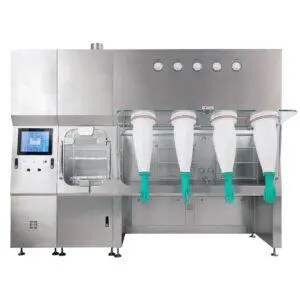
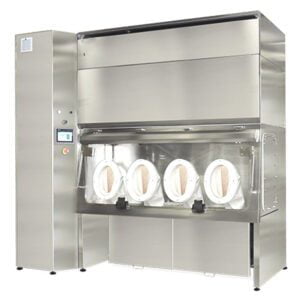
O: Wybór zależy od wymaganego poziomu oddzielenia operatora od produktu. Urządzenie z laminarnym przepływem powietrza zapewnia otwarty, jednokierunkowy przepływ powietrza i nadaje się do operacji o niższym ryzyku w pomieszczeniu klasy B. System RABS stanowi dodatkową częściową barierę fizyczną dzięki portom rękawicowym, zmniejszając ryzyko bezpośredniego zanieczyszczenia, ale nadal wymaga tła klasy B. Izolator zapewnia najwyższy stopień oddzielenia dzięki pełnej obudowie i kontroli ciśnienia wewnętrznego, co pozwala na zastosowanie pomieszczenia o niższym stopniu czystości i zapewnia większą gwarancję sterylności. Decyzja musi uwzględniać równowagę między wrażliwością produktu, wymogami regulacyjnymi i kosztami cyklu życia, a nie tylko specyfikacją przepływu powietrza.
Pytanie: Czy podejście polegające na mapowaniu ekspozycji procesowej to zbyt daleko idące rozwiązanie w przypadku niewielkiej modernizacji istniejącej linii produkcyjnej w branży farmaceutycznej?
O: Nie, jest to proporcjonalnie równie istotne. Nawet w przypadku niewielkiej modernizacji pojedyncze przeoczenie zdarzenia narażenia – takiego jak nowy etap pobierania próbek lub zmodyfikowany proces przenoszenia – może spowodować niepowodzenie kwalifikacji, co zmusi do przeprojektowania na późnym etapie uruchamiania. Ograniczenie mapowania wyłącznie do etapów, w których zmienia się kontakt z produktem lub narażenie na niego, pozwala wyeliminować te ukryte luki bez konieczności przeprowadzania pełnej ponownej oceny całego zakładu.