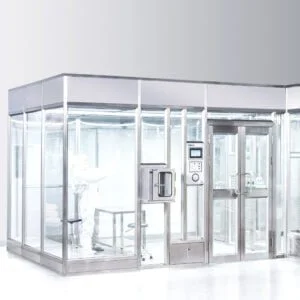
Określenie modułu pomieszczenia czystego przed ostatecznym ustaleniem układu urządzeń technologicznych i planu przepływu powietrza jest jednym z bardziej niezawodnych sposobów na spowodowanie konfliktów związanych z rusztem sufitowym, które ujawniają się dopiero podczas montażu. Wynikające z tego prace poprawkowe — zmiana położenia jednostek FFU, wycinanie nieplanowanych paneli dostępowych lub zmiana przebiegu kanałów w komorze rozprężnej — są uciążliwe i kosztowne w stopniu, którego rzadko da się zrównoważyć oszczędnościami uzyskanymi na wczesnym etapie zamówień. Zasada, która pozwala temu zapobiec, jest prosta: przed podjęciem jakichkolwiek decyzji dotyczących modułów należy ustalić klasę ISO, powierzchnię zajmowaną przez urządzenia, plan pokrycia modułami FFU, ograniczenia dotyczące materiałów ESD oraz granice rozbudowy. Czytelnicy, którzy będą podejmować te decyzje w odpowiedniej kolejności, będą mieli lepszą pozycję do oceny konkurencyjnych konfiguracji modułów i uniknięcia problemów związanych z modernizacją, które narastają od sufitu przez podłogę aż po przyszłe połączenia między sekcjami.
Klasa ISO półprzewodnika przed opracowaniem układu modułu
Norma ISO 14644-1:2015 stanowi system klasyfikacji regulujący projektowanie pomieszczeń czystych dla przemysłu półprzewodnikowego, a określone w niej dopuszczalne stężenia cząstek na metr sześcienny stanowią punkt wyjścia — a nie jedynie punkt odniesienia, który należy potwierdzić w późniejszym terminie. Klasyfikacja ta określa poziom czystości, jaki musi utrzymywać dany moduł, a to z kolei determinuje wymagania dotyczące równomierności przepływu powietrza, gęstości filtrów oraz systemu ścian.
Większość projektów związanych z półprzewodnikami opiera się na klasach czystości ISO 4 lub ISO 5. Zakresy te odpowiadają procesom o wysokiej wrażliwości, w których liczba cząstek w zakresie poniżej mikrona ma istotne znaczenie operacyjne. Klasy ISO 6, 7 lub 8 są realnymi celami, gdy specyfikacje projektu wymagają mniej rygorystycznych wymagań dotyczących czystości — obszary pakowania, korytarze pomocnicze lub etapy procesów o niższej wrażliwości często mieszczą się w tym zakresie — jednak wymagania dotyczące sufitu, jednostek FFU i filtracji różnią się znacznie między tymi poziomami. Traktowanie klas ISO 5 i ISO 7 jako zamiennych danych wejściowych do planowania jest błędem w sekwencjonowaniu, który po zainstalowaniu modułu objawia się niewystarczającą wydajnością lub nadmiernym skomplikowaniem konstrukcji.
Konsekwencją opóźnionego potwierdzenia klasy ISO jest to, że przy wyborze modułów domyślnie przyjmowana jest konfiguracja, która nie odpowiada ani wymaganiom procesowym, ani zakresowi eksploatacyjnemu obiektu. Rodzaj paneli ściennych, granice stref przebierania się oraz docelowe wskaźniki wymiany powietrza są elementami zależnymi od tej jednej decyzji klasyfikacyjnej. Wczesne ustalenie tej klasy nie jest proceduralną formalnością — jest to ograniczenie, dzięki któremu każda inna decyzja dotycząca układu może zostać zweryfikowana.
Osłona FFU, filtracja HEPA, materiały ESD oraz dostęp do narzędzi
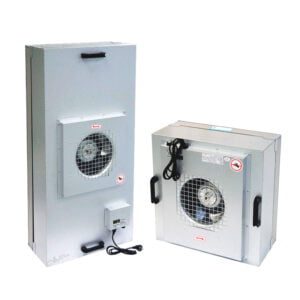
Rozmieszczenie modułów FFU i filtracja HEPA nie są od siebie niezależnymi wyborami. Współczynnik pokrycia — czyli proporcja powierzchni sufitu zajmowanej przez jednostki wentylacyjno-filtrujące (FFU) — bezpośrednio decyduje o tym, czy dana klasa ISO jest możliwa do osiągnięcia i utrzymania przez cały okres eksploatacji modułu. Klasy o wyższej czułości zazwyczaj wymagają większego pokrycia FFU, aby utrzymać laminarny profil przepływu powietrza i zapobiec ponownemu unoszeniu się cząstek w pobliżu urządzeń procesowych, jednak właściwa wartość pokrycia wynika z konkretnego rozmieszczenia urządzeń i geometrii strefy, a nie z ogólnej wartości procentowej stosowanej jednolicie na całej siatce sufitowej.
Filtry HEPA i ULPA stosowane w środowiskach półprzewodnikowych są w stanie wychwytywać cząstki o wielkości nawet 0,1 mikrona, co sprawia, że to integralność filtra — a nie sama jego obecność — jest czynnikiem istotnym z punktu widzenia eksploatacji. ISO 14644-3:2019 określa metody badawcze służące do sprawdzania szczelności zainstalowanych filtrów oraz weryfikacji równomierności przepływu powietrza. To rozróżnienie ma znaczenie, ponieważ nawet przy dużej liczbie jednostek FFU niewykryty obejście filtra spowoduje niepowodzenie weryfikacji klasyfikacji, niezależnie od nominalnego zasięgu. Wyniki badań odzwierciedlają rzeczywistą wydajność po zainstalowaniu, a nie zasięg określony w specyfikacji.
Wybór materiałów ESD do ścian i podłóg zależy od warunków obsługi płytek półprzewodnikowych, a nie od ogólnych specyfikacji dotyczących pomieszczeń czystych. Systemy paneli antystatycznych zostały stworzone specjalnie w celu zapobiegania wyładowaniom elektrostatycznym w pobliżu wrażliwych podłoży, a zastosowanie standardowych paneli w strefie podlegającej kontroli ESD stanowi błąd na poziomie doboru materiałów, który wymaga modernizacji, a nie jedynie dostosowania. Odpowiedni system ścienny należy dobrać po ustaleniu klasy ISO i wymagań procesowych — nie należy go wybierać na podstawie domyślnej konfiguracji modułów.
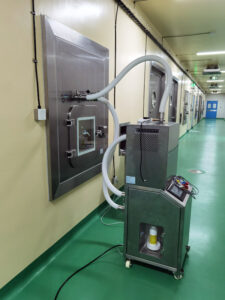
Dostęp do urządzeń jest czynnikiem projektowym, który najczęściej koliduje z decyzjami dotyczącymi rusztu sufitowego. Duże urządzenia technologiczne wymagają albo dedykowanych otworów drzwiowych o wymiarach dostosowanych do przemieszczania sprzętu, albo zdejmowanych sekcji paneli ściennych, które umożliwiają wprowadzenie sprzętu bez konieczności dokonywania trwałych zmian konstrukcyjnych. Jednym z rozwiązań stosowanych w instalacjach półprzewodnikowych jest uwzględnienie w początkowym projekcie określonej, zdejmowanej sekcji paneli ściennych, aby umożliwić przyszłe przenoszenie sprzętu. Nie jest to wymóg uniwersalny, ale warto to sprawdzić przed określeniem specyfikacji systemu ściennego, ponieważ doposażenie gotowego modułu w dostęp do urządzeń zazwyczaj wymaga przeróbek konstrukcyjnych i ponownej kwalifikacji wydajności pomieszczenia czystego.
Wentylatory filtrujące (FFU) należy je wybrać i umieścić dopiero po ustaleniu zasięgu działania narzędzia i granic strefy przepływu powietrza, a nie wcześniej.
Kompromisy między zużyciem energii a konserwacją wynikające z większej gęstości jednostek FFU
Zwiększenie gęstości jednostek wentylacyjno-filtrujących (FFU) w celu osiągnięcia wyższej klasy ISO jest uzasadnione z technicznego punktu widzenia, jednak konsekwencje eksploatacyjne kumulują się w sposób, który nie zawsze jest widoczny na etapie projektowania. Większa liczba jednostek wentylacyjno-filtrujących oznacza wyższe ciągłe obciążenie elektryczne, większe odprowadzanie ciepła do przestrzeni sufitowej oraz wyższy poziom hałasu na poziomie podłogi — a wszystko to ma wpływ na infrastrukturę mechaniczną i elektryczną obiektu jeszcze długo po oddaniu go do użytku.
Obciążenie związane z konserwacją rośnie proporcjonalnie do liczby jednostek FFU w sposób, który łatwo jest nie docenić na wczesnym etapie planowania projektu. Każda jednostka to filtr, który wymaga testów szczelności, silnik wymagający okresowej konserwacji oraz sterownik, do którego dostęp musi być możliwy bez zakłócania przepływu powietrza w sąsiednich strefach. Gdy liczba jednostek FFU jest duża, a dostęp do sufitu jest ograniczony przez rozmieszczenie urządzeń poniżej, rutynowa konserwacja staje się problemem organizacyjnym, który zespoły operacyjne traktują jako nieplanowane przestoje. Problem polega na tym, że konsekwencji tych nie widać na podstawie samej wartości współczynnika pokrycia — wynikają one z połączenia liczby modułów FFU, geometrii sufitu oraz rozmieszczenia urządzeń.
Podczas projektowania warto sprawdzić, czy niewielkie zmniejszenie zasięgu działania jednostek FFU, w połączeniu ze szczególną dbałością o równomierność przepływu powietrza i zapobieganie powstawaniu obwodów obejściowych, pozwoli osiągnąć docelową klasę ISO przy niższych kosztach eksploatacji. Jest to raczej jakościowa ocena inżynierska niż sztywna formuła i zależy od rzeczywistej geometrii modułów oraz rozmieszczenia narzędzi. Typowym błędem jest optymalizacja współczynnika pokrycia na etapie projektowania bez uwzględnienia zużycia energii, hałasu i złożoności konserwacji, jakie ten sam współczynnik generuje podczas długotrwałej eksploatacji.
Tarcie związane z rozprężaniem się wokół sufitu oraz rozmieszczenie narzędzi technologicznych
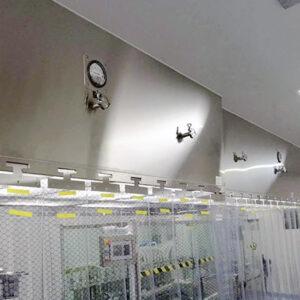
Decyzje dotyczące rozbudowy podejmowane w późnej fazie cyklu życia modułu są niemal zawsze bardziej uciążliwe i kosztowne niż uwzględnienie możliwości rozbudowy już na etapie początkowej produkcji. Konkretne problemy mają charakter konstrukcyjny: otwory w ramie sufitowej, których nie przewidziano podczas produkcji, muszą być wycinane w gotowych zespołach, co stwarza ryzyko zanieczyszczenia, przerwy w produkcji oraz konieczność ponownej walidacji. Niektórzy producenci rozwiązują ten problem, rezerwując wszystkie wymagane otwory w ramie już podczas pierwszego cyklu produkcyjnego, dzięki czemu przyszłe podłączenia wymagają minimalnej ingerencji konstrukcyjnej. Jest to praktyka specyficzna dla danego producenta, a nie powszechny standard, jednak warto wyraźnie to potwierdzić na etapie opracowywania specyfikacji — pytanie ”czy w ramie przewidziano fabrycznie otwory rozbudowy?” ma realne konsekwencje finansowe na dalszych etapach procesu.
Drugim punktem newralgicznym jest połączenie między modułowymi systemami ściennymi a podłogami podniesionymi. Elementy te są zazwyczaj dostarczane przez różnych producentów, a niedostateczna koordynacja między nimi powoduje niewspółosiowość, powstawanie ścieżek przecieków oraz szczelin konstrukcyjnych, które trudno jest usunąć bez częściowego demontażu. Ścisła koordynacja między producentem systemu ściennego a producentem podłogi podniesionej od samego początku projektowania jest warunkiem, który zapobiega wystąpieniu tego rodzaju usterek podczas montażu.
| Punkt tarcia rozszerzalnościowego | Ryzyko w przypadku braku wczesnej interwencji | Co należy wyjaśnić na wczesnym etapie projektowania |
|---|---|---|
| Otwory w ramie i dziury | Dalsza ekspansja staje się wolniejsza, bardziej kosztowna i w większym stopniu zakłóca bieżącą działalność | Należy poprosić producenta o wykonanie wszystkich wymaganych otworów i wycięć podczas produkcji ramy |
| Integracja ścian modułowych i podłóg podniesionych | Niekompletna integracja może prowadzić do niewspółosiowości, nieszczelności lub luk konstrukcyjnych | Należy zadbać o to, aby producent systemów ściennych od samego początku współpracował z producentem podłóg podniesionych |
Trzecim źródłem problemów są konflikty między siatką sufitową a urządzeniami technologicznymi; są one najtrudniejsze do rozwiązania po fakcie. Obwody urządzeń, które nie zostały uwzględnione w początkowej matrycy sufitowej, powodują sytuacje, w których konieczne jest przestawienie jednostek FFU, przeniesienie paneli dostępowych lub ponowne wyważenie stref przepływu powietrza w celu dostosowania się do sprzętu dostarczonego po uruchomieniu modułu. Sposobem na uniknięcie takich sytuacji jest traktowanie rozmieszczenia urządzeń jako danych wejściowych do projektu sufitu, a nie jako zmiennej, którą należy rozwiązać w późniejszym terminie.
Wyzwalacz specyfikacji po ustaleniu klasy, narzędzi i granicy rozszerzenia
Wybór systemu ściennego jest decyzją podejmowaną na późniejszym etapie, która nie powinna wyznaczać kierunku procesu opracowywania specyfikacji. Problemem jest wybieranie konfiguracji modułów — w tym paneli ściennych, otworów drzwiowych i rusztu sufitowego — przed ustaleniem klasy ISO, wymagań dotyczących dostępu do narzędzi oraz granic rozszerzalności. Gdy te wcześniejsze parametry nie są jeszcze ustalone, wybór modułów sprowadza się w praktyce do zgadywania, a konieczne później poprawki wiążą się z nieproporcjonalnie wysokimi kosztami.
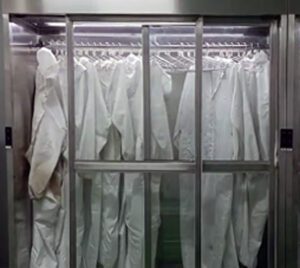
Logiczną kolejnością działań jest potwierdzenie klasyfikacji ISO dla każdej strefy, w tym obszarów przebieralni i obsługi, przed wyborem typu paneli ściennych. Panele z certyfikatem ESD są odpowiednie tam, gdzie odbywa się obsługa płytek półprzewodnikowych lub procesy wrażliwe na wyładowania elektrostatyczne; panele standardowe nie stanowią bezpośredniego zamiennika. Wymagania dotyczące dostępu do narzędzi określają, czy potrzebne są zdejmowane sekcje ścienne, jakie muszą mieć wymiary i jak często będą wykorzystywane. Potwierdzenie granic rozbudowy pozwala ustalić, czy należy z góry zaprojektować wyłamy w ramie oraz w jakim kierunku będą przebiegać przyszłe połączenia między sekcjami. Każdy z tych elementów stanowi odrębny czynnik projektowy, a każdy z nich wpływa na wybór odpowiedniej konfiguracji modułów.
| Parametr do poprawienia | Dlaczego ma to znaczenie przy wyborze modułu | Co należy potwierdzić |
|---|---|---|
| Klasyfikacja ISO | Określa wymagany typ paneli ściennych (np. ESD lub standardowe) oraz granice stref przebierania się | Należy potwierdzić docelową klasę ISO dla każdej strefy pomieszczenia czystego (główna, przebieralnia, serwisowa) |
| Wymagania dotyczące dostępu do narzędzi | Wynika z konieczności zastosowania zdejmowanych sekcji ściennych, wysokości paneli lub specjalnych otworów drzwiowych | Należy sprawdzić wymiary narzędzia, jego masę oraz częstotliwość korzystania z niego |
| Granica przyszłej rozbudowy | Reguluje kwestie dotyczące wcześniej zarezerwowanych otworów w stelażu oraz rozwiązań konstrukcyjnych mających na celu uniknięcie późniejszych zakłóceń | Należy potwierdzić kierunek rozbudowy, jej zakres oraz fakt, że producent rezerwuje miejsca na przyszłe podłączenia |
Z doświadczeń związanych z montażem wynika, że wybór systemu ściennego — w tym wybór między konfiguracją paneli ESD a standardową — wynikał z potwierdzonych klasyfikacji ISO dla poszczególnych stref oraz z jasno określonych decyzji dotyczących dostępu do narzędzi i przyszłej rozbudowy. Konkretne modele paneli mają mniejsze znaczenie niż zasada kolejności działań: decyzja o wyborze modułów następowała po potwierdzeniu wszystkich wcześniejszych zmiennych, a nie na odwrót.
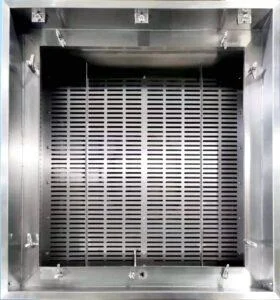
Dla zespołów, które zastanawiają się nad tą decyzją, Filtr powietrza HEPA/ULPA z mini plisami Wybór powinien również być zgodny z ustaleniami dotyczącymi potwierdzenia układu FFU oraz protokołu testowania zainstalowanych filtrów, a nie poprzedzać te działania.
Praktyczne przygotowania do zamówienia modułu czystego pomieszczenia półprzewodnikowego polegają na sekwencji potwierdzeń, a nie na równoległym przeprowadzaniu wyborów. Klasę ISO należy ustalić dla każdej strefy przed określeniem typu paneli ściennych. Należy potwierdzić wymiary urządzeń oraz częstotliwość dostępu przed określeniem wymagań dotyczących rusztu sufitowego i paneli zdejmowanych. Należy uzgodnić kierunek i zakres rozbudowy przed rozpoczęciem produkcji ram, ponieważ doposażanie gotowego modułu w elementy konstrukcyjne jest zawsze bardziej uciążliwe i kosztowne niż uwzględnienie ich podczas początkowej produkcji.
Co należy sprawdzić przed podjęciem decyzji o wyborze modułu: docelową klasę ISO dla każdej strefy, pełny zestaw narzędzi wraz z wymiarami i częstotliwością przemieszczania, wymagania dotyczące pokrycia przez jednostki FFU w odniesieniu do badań równomierności przepływu powietrza zgodnie z ISO 14644-1:2015, wymagania dotyczące ochrony przed wyładowaniami elektrostatycznymi (ESD) na poziomie materiałów, koordynacja połączeń z podłogą podniesioną oraz to, czy w konstrukcji sufitowej przewidziano fabrycznie wycięte otwory na ramy rozprężne. Jeśli którekolwiek z tych kwestii pozostaną nierozstrzygnięte na etapie opracowywania specyfikacji modułu, istnieje ryzyko, że moduł będzie wymagał modyfikacji na etapie montażu — kiedy koszty i utrudnienia są największe, a margines czasowy najmniejszy.
Często zadawane pytania
Pytanie: Przeprowadzamy modernizację istniejącego modułu czystego pomieszczenia do produkcji półprzewodników — czy obowiązuje ta sama sekwencja zgodna z normą ISO, czy też powinniśmy zacząć od tego, co już jest zainstalowane?
O: Kolejność czynności pozostaje bez zmian, ale należy zacząć od już zainstalowanej konfiguracji i postępować wstecz. Należy rozpocząć od zweryfikowania rzeczywistej klasy czystości ISO, jaką obecnie utrzymuje każda strefa, poprzez zliczenie cząstek zgodnie z normą ISO 14644-1, a następnie przeprowadzić kontrolę istniejącego pokrycia filtrami FFU, integralności filtrów oraz zgodności materiałów z wymogami ESD. Wszelkie rozbieżności między aktualną wydajnością a nowymi wymaganiami procesowymi będą decydować o tym, które elementy wymagają modyfikacji. Pominięcie tego etapu i przejście od razu do zmian modułów często prowadzi do powtórzenia tego samego schematu konfliktów związanych z modernizacją, przed którym ostrzega artykuł — tyle że tym razem w środowisku operacyjnym, gdzie przestoje związane z ponowną kwalifikacją są jeszcze bardziej kosztowne.
Pytanie: Jaki jest najbliższy krok, który należy podjąć po ustaleniu klasy ISO, powierzchni zajmowanej przez narzędzie oraz granicy rozszerzenia, zanim skontaktuje się z dostawcą modułów?
O: Należy opracować macierz specyfikacji strefowych. Dla każdej strefy pomieszczenia czystego należy udokumentować docelową klasę ISO, wymagany współczynnik pokrycia przez jednostki FFU (związany z rozmieszczeniem urządzeń i docelową równomiernością przepływu powietrza), klasyfikację ESD, wymiary i częstotliwość dostępu do urządzeń oraz zaprojektowane z wyprzedzeniem miejsca na przyszłą rozbudowę. Ten jeden dokument zapewnia spójność działań wewnętrznych interesariuszy i dostarcza dostawcom modułów konkretne wytyczne, co pozwala uniknąć luk w zakresie projektu oraz założeń dotyczących “konfiguracji domyślnej”, które prowadzą do konieczności późniejszych przeróbek rusztu sufitowego.
Pytanie: W jakiej skali moduł czystego pomieszczenia dla przemysłu półprzewodnikowego wymaga takiego poziomu wstępnego planowania? Czy jest to nadal konieczne w przypadku jednokomorowego laboratorium badawczo-rozwojowego wyposażonego w jedno urządzenie?
O: Obowiązują te same zasady, ale konsekwencje ich pominięcia maleją wraz ze skalą projektu. W przypadku modułu badawczo-rozwojowego z jedną sekcją, o stałej powierzchni zajmowanej przez urządzenia i bez perspektyw rozbudowy, ryzyko złożonych konfliktów związanych z rusztem sufitowym lub koniecznością modernizacji w celu rozbudowy jest niewielkie. Jednak potwierdzenie klasy ISO, wymagań dotyczących ochrony przed wyładowaniami elektrostatycznymi (ESD) oraz dostępu do narzędzi przed określeniem paneli ściennych i rozmieszczenia jednostek FFU pozostaje prostą czynnością, która zapobiega nadmiernemu rozbudowywaniu lub niedostatecznemu doprojektowaniu modułu, którego dostosowanie po zainstalowaniu jest kosztowne. Wymóg ten traci na znaczeniu wraz ze wzrostem skali — koszt modernizacji nie znika, po prostu dotyczy mniejszej powierzchni.
Pytanie: Spełniamy wymagania klasy 5 normy ISO przy zastosowaniu modułów FFU typu 40%, ale rozważamy przejście na modele 60% w celu lepszej kontroli cząstek. Jak możemy ocenić, czy ta dodatkowa inwestycja się opłaca?
O: Decyzja powinna opierać się na dynamicznym ryzyku zanieczyszczenia, a nie na statycznych wartościach procentowych pokrycia. Należy wykorzystać wizualizację przepływu powietrza oraz monitorowanie cząstek w symulowanych warunkach eksploatacyjnych — przy uruchomionych urządzeniach i ruchu personelu — aby ustalić, czy pokrycie 40% niezawodnie zapobiega ponownemu unoszeniu cząstek w miejscu procesu. Jeśli proces obejmuje szczególnie wrażliwe etapy lub obciążenia cząstkami generowane przez urządzenia, z których usunięcie stanowi wyzwanie dla pokrycia bazowego, zwiększenie gęstości jednostek FFU może przynieść wymierną poprawę wydajności. W przeciwnym razie dodatkowe koszty, hałas, zużycie energii i obciążenie związane z konserwacją wynikające z pokrycia 60% prawdopodobnie nie przyniosą proporcjonalnej korzyści. Niech rzeczywiste dane pomiarowe z testu dynamicznego uzasadnią tę zmianę na wyższy poziom.
Pytanie: Czy zawsze warto inwestować w gotowe otwory rozbudowy, czy też zdarzają się sytuacje, w których bardziej opłaca się dokonać modernizacji w późniejszym terminie?
O: Gotowe otwory montażowe są niemal zawsze tańszym rozwiązaniem, gdy rozbudowa jest prawdopodobna w perspektywie 3–5 lat, ponieważ eliminują konieczność wycinania otworów w gotowym, zatwierdzonym suficie oraz ponownej certyfikacji przestrzeni. Jeśli rozbudowa jest niepewna lub przewidywany okres eksploatacji modułu przed rozbudową jest bardzo długi, można zaakceptować ryzyko związane z modernizacją — jednak kompromis ten dotyczy nie tylko kosztów, ale także przestojów produkcyjnych podczas przyszłego podłączenia. W przypadku modułu produkcyjnego, gdzie przestoje mają duży wpływ na przychody, gotowe otwory są warte swojej wyższej ceny. W przypadku projektu krótkoterminowego lub modułu, który prawdopodobnie zostanie wycofany z eksploatacji przed rozbudową, rezygnacja z nich stanowi rozsądne, przemyślane ryzyko.