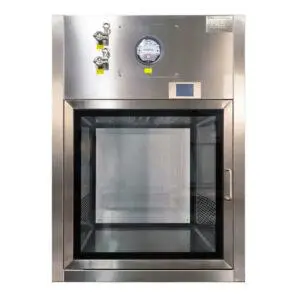
Określenie objętości komory skrzynki przelotowej VHP przed ostatecznym ustaleniem profilu załadunku, trasy wentylacji i oczekiwanych poziomów pozostałości jest jednym z bardziej pewnych sposobów na stworzenie standardowej procedury operacyjnej (SOP) dotyczącej transferu, którą dział kontroli jakości odrzuci podczas uruchomienia. Wymóg odkażania jest rzeczywisty, ale decyzje projektowe, które go spełniają — podejście cykliczne, klasa uszczelnienia, wydajność wentylacji, kryteria zwolnienia — zależą od geometrii załadunku i kompatybilności materiałów, a nie wyłącznie od wielkości komory. Niedopasowanie między wymaganiami ładunku a możliwościami komory powoduje konieczność ponownej pracy nad opracowaniem cyklu, która ujawnia się zbyt późno, gdy protokoły walidacji są już sporządzone, a harmonogramy ustalone. Poniższe sekcje mają na celu pomóc specjalistom ds. bezpieczeństwa biologicznego, zespołom kontroli jakości oraz kierownikom ds. inżynierii w zidentyfikowaniu pytań, na które należy uzyskać odpowiedzi przed ustaleniem specyfikacji.
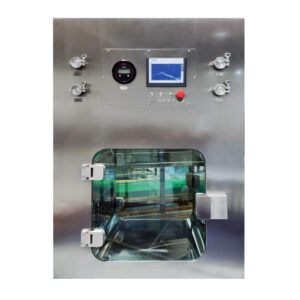
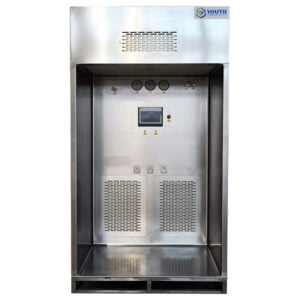
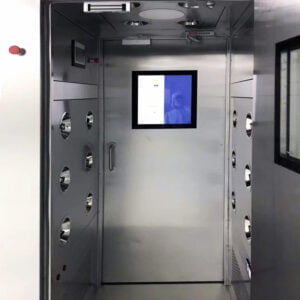
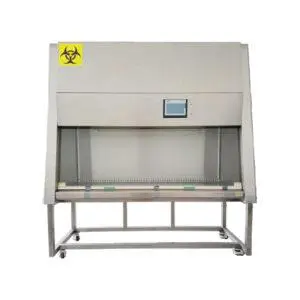
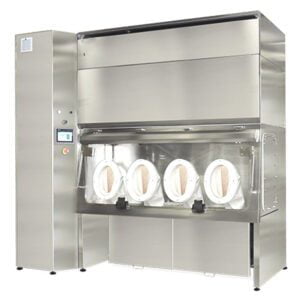
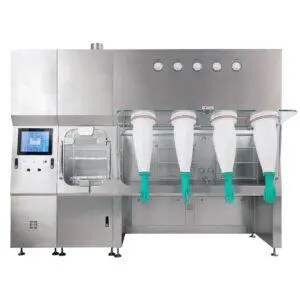
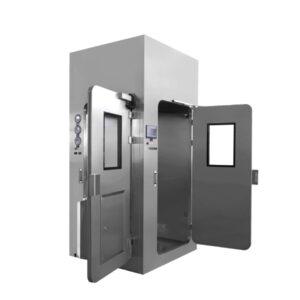
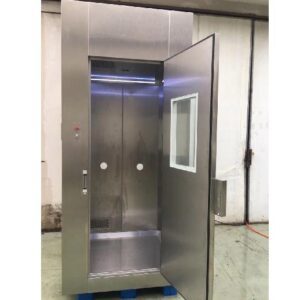
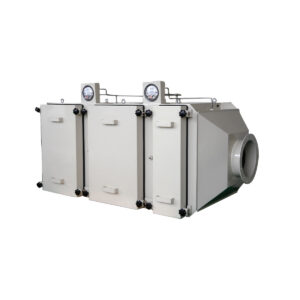
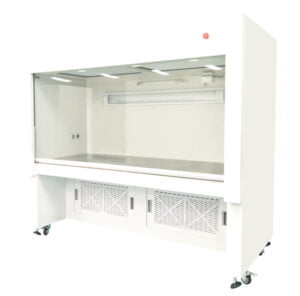
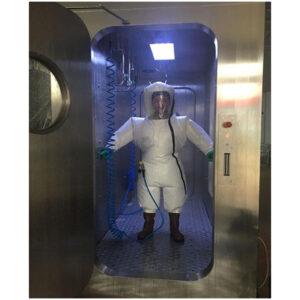
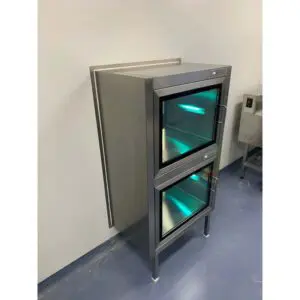
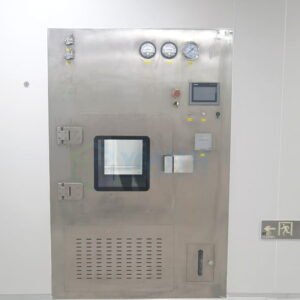
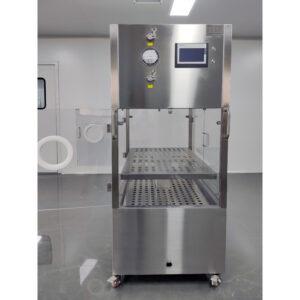
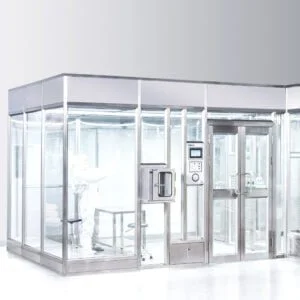
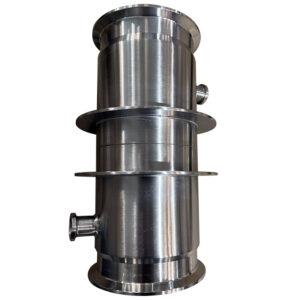
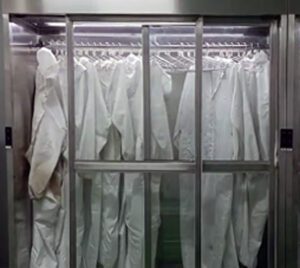
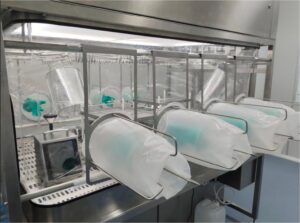
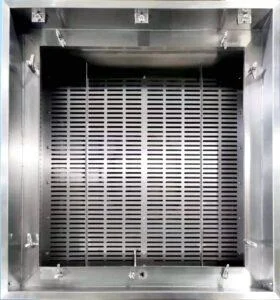
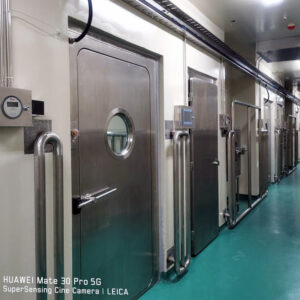
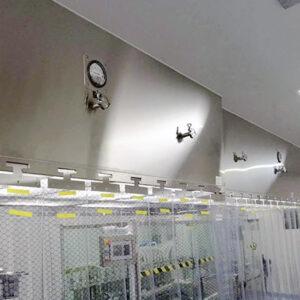
Przykłady zastosowań skrzynek przelotowych VHP do transportu odkażonych produktów farmaceutycznych
Punktem wyjścia dla każdej decyzji dotyczącej transferu w systemie VHP jest ustalenie, czy wymóg kontroli obciążenia biologicznego faktycznie wymaga dekontaminacji na granicy transferu, czy też kaskada ciśnieniowa i fizyczna separacja zapewniają ochronę za pomocą innych środków. Standardowe komory transferowe ograniczają ryzyko zanieczyszczenia krzyżowego poprzez stopniowe przechodzenie przez śluzy powietrzne i różnicę ciśnień; nie eliminują one jednak zanieczyszczenia powierzchniowego materiałów przychodzących. Gdy przychodzące przedmioty są zapakowane w opakowania, które przeszły przez strefę o niższej klasyfikacji, a obszar odbioru wymaga warunków aseptycznych lub quasi-aseptycznych, istotną kwestią staje się możliwość zastosowania VHP.
Technologia VHP działa w szerokim zakresie temperatur — ogólnie rzecz biorąc, w warunkach niskotemperaturowych, których nie można bezpiecznie osiągnąć przy użyciu konwencjonalnej sterylizacji termicznej — co sprawia, że nadaje się ona do stosowania w przypadku elementów opakowań pierwotnych, zatyczek oraz podzespołów sprzętu, które uległyby uszkodzeniu pod wpływem temperatur panujących w autoklawie. Jest to kryterium planowania zgodności materiałowej, a nie gwarancja skuteczności w przypadku każdego elementu wrażliwego na ciepło; rzeczywistą tolerancję termiczną ładunku nadal należy zweryfikować pod kątem wzrostu temperatury wewnętrznej, jaki cykl VHP spowoduje w danej konfiguracji komory.
Porównanie komór przejściowych VHP z konwencjonalnymi komorami przejściowymi o działaniu mechanicznym ma charakter jakościowy: technologia VHP wprowadza aktywny etap dekontaminacji, którego same blokady mechaniczne nie są w stanie odtworzyć. Ta różnica ma znaczenie, gdy strategia kontroli zanieczyszczeń w zakładzie — wymagana zgodnie z załącznikiem 1 do unijnych dobrych praktyk wytwarzania (GMP) — nakłada odpowiedzialność za redukcję obciążenia mikrobiologicznego na konkretnym punkcie transferu. Jeśli strategia kontroli zanieczyszczeń nakłada tę odpowiedzialność na komorę transferową, standardowe urządzenie nie jest w stanie jej spełnić, niezależnie od sposobu zarządzania sekwencją blokad. Decyzja o zastosowaniu technologii VHP zapada właśnie na tym etapie — na poziomie strategii kontroli zanieczyszczeń — jeszcze przed rozpoczęciem jakichkolwiek rozmów dotyczących wyboru sprzętu.
Kwestie dotyczące cyklu, uszczelnienia, pozostałości i obciążenia przed doborem wielkości komory
Wybór rozmiaru komory przeładunkowej typu VHP przed uzyskaniem odpowiedzi na te pytania rutynowo powoduje problemy, które ujawniają się dopiero w późniejszym etapie. Objętość komory, parametry cyklu oraz konfiguracja napowietrzania nie są od siebie niezależnymi parametrami — każdy z nich wynika z profilu obciążenia, wymaganego poziomu zapewnienia sterylności oraz oczekiwanej ilości pozostałości w dalszej części procesu.
Wartość odniesienia w postaci redukcji o 6 log, przytoczona w wytycznych dla przemysłu farmaceutycznego, którą można osiągnąć w ciągu około 30–45 minut aktywnego czasu trwania cyklu w sprawdzonych warunkach, stanowi użyteczny punkt odniesienia dla opracowywania cykli w praktyce komercyjnej. Nie jest to jednak uniwersalna minimalna wartość, która eliminowałaby potrzebę opracowywania cykli dostosowanych do konkretnego zakładu; traktowanie jej jako kryterium akceptacji wymaga zgodności z własnym protokołem walidacji danego zakładu oraz zatwierdzonym podejściem do zapewnienia sterylności. Podobnie przedział całkowitego czasu trwania cyklu wynoszący od 1,5 do 3 godzin, związany z różnymi rozmiarami komór, odzwierciedla łączny wpływ faz kondycjonowania, dekontaminacji i napowietrzania — niezbędne jest powiązanie wyboru objętości komory z harmonogramem przepustowości. Komora wybrana ze względu na dużą objętość wewnętrzną bez uwzględnienia odpowiedniego czasu napowietrzania może stać się wąskim gardłem przepustowości, które było niewidoczne na etapie zakupu.
Na etapie doboru parametrów często nie przywiązuje się wystarczającej wagi do równomierności temperatury. Wytyczne dla praktyków wskazują, że wahania temperatury wewnętrznej przekraczające ±3°C mogą wpływać na skuteczność niszczenia zarodników i mogą zagrozić wynikom badań weryfikujących ich zniszczenie — jest to błąd w opracowaniu cyklu, który ujawnia się podczas kwalifikacji wstępnej (PQ), a nie podczas testów odbiorczych urządzenia. Sam proces sterylizacji parą o wysokiej temperaturze (VHP) może podnieść temperaturę wewnątrz komory o około 5 do 15°C, w zależności od konfiguracji komory i masy wsadu; materiały o wąskim zakresie tolerancji termicznej należy poddać ocenie pod kątem tego potencjalnego wzrostu temperatury, zanim cykl zostanie uznany za odpowiedni. Są to kryteria planowania na etapie projektowania, a nie progi regulacyjne, jednak ich zignorowanie przenosi ryzyko niepowodzenia walidacji na etap projektu, na którym wprowadzenie poprawek wiąże się z wysokimi kosztami.
| Czynnik | Co należy wyjaśnić przed doborem rozmiaru | Dlaczego ma to znaczenie |
|---|---|---|
| Napowietrzanie i pozostałości | Przewidywana droga utleniania oraz dopuszczalny poziom pozostałości przy uwzględnieniu rozkładu VHP pod wpływem wody i tlenu | Określa projekt cyklu oraz to, czy w komorze należy przewidzieć dodatkową wydajność napowietrzania lub czas przebywania |
| Czas trwania cyklu | Docelowy czas cyklu i wymagana przepustowość, przy czym należy pamiętać, że pełne cykle trwają od 1,5 do 3 godzin w zależności od wielkości komory | Niezbędne jest powiązanie czasu cyklu z objętością komory; niedopasowanie tych parametrów powoduje wąskie gardła w harmonogramie |
| Skuteczność odkażania | Wymagana redukcja logarytmiczna (zazwyczaj 6 log) oraz czas potrzebny do jej osiągnięcia (wykazano, że wynosi 30–45 minut) | Ustala parametry cyklu i potwierdza, że komora jest w stanie zapewnić wymagany poziom gwarancji sterylności dla danego ładunku |
| Wrażliwość na temperaturę | Maksymalne dopuszczalne odchylenie temperatury (przekroczenie ±3°C może spowodować utratę skuteczności zabijania zarodników) oraz wzrost temperatury wewnętrznej o 5–15°C podczas procesu dezynfekcji parą wodną pod ciśnieniem (VHP) | Przekroczenie limitów termicznych grozi niepowodzeniem walidacji i uszkodzeniem produktu, dlatego system regulacji temperatury w komorze musi być odpowiednio dobrany |
Szczelność uszczelnienia decyduje o tym, czy środowisko dekontaminacji jest utrzymywane oraz czy podczas cyklu VHP przedostaje się do otaczającej przestrzeni. Komora, która nie zapewnia niezawodnego uszczelnienia w warunkach ciśnienia panujących podczas cyklu, nie może zapewnić wiarygodnego wyniku dekontaminacji, niezależnie od parametrów wyjściowych generatora. Klasa uszczelnienia oraz oczekiwane wartości współczynnika przecieku powinny zostać określone w specyfikacji wymagań użytkowych (URS) przed rozpoczęciem produkcji, a nie w liście zadań do wykonania podczas uruchomienia.
Dokumenty potwierdzające wymagane przed zatwierdzeniem przeniesienia VHP
Procedura transferu VHP wprowadza kontrolowany proces, który musi zostać zakwalifikowany, zanim trasa transferu będzie mogła zostać dopuszczona do rutynowego użytku. Otoczenie regulacyjne — FDA 21 CFR część 211, załącznik 1 do unijnych wytycznych GMP, norma ISO 14644 — określa kontekst zgodności, w ramach którego odbywa się ta kwalifikacja. Traktowanie tych ram jako listy kontrolnej do przeglądu dokumentacji jest bardziej przydatne niż traktowanie ich jako specyfikacji typu „zaliczone/niezaliczone” dla pojedynczego urządzenia: razem określają one, czego właściwy organ będzie oczekiwał w pakiecie audytowym, a nie jednolite kryterium akceptacji, które ma identyczne zastosowanie do każdej instalacji.
Sekwencja kwalifikacyjna przebiega zgodnie ze standardową strukturą IQ/OQ/PQ. IQ potwierdza, że komora została zainstalowana zgodnie ze specyfikacją – w zakresie mediów, uszczelnień, logiki blokad, materiału konstrukcyjnego oraz stanu kalibracji czujników. OQ wykazuje, że komora działa w ramach określonych parametrów w warunkach pustej komory lub obciążenia referencyjnego: powtarzalność cyklu, równomierność temperatury, kontrola stężenia H₂O₂ oraz wydajność napowietrzania. PQ potwierdza, że zakwalifikowany cykl zapewnia wymaganą redukcję mikroorganizmów w odniesieniu do reprezentatywnego obciążenia. Wskaźniki biologiczne Geobacillus stearothermophilus są standardowymi organizmami testowymi, do których odwołują się farmaceutyczne ramy walidacji VHP, przy czym redukcja o 6 log stanowi powszechnie przyjęty minimalny poziom wydajności — jednak konkretne kryterium akceptacji musi zostać uzgodnione w protokole walidacji przed rozpoczęciem PQ, a nie wywnioskowane z branżowej konwencji po fakcie.
Luką w dokumentacji, która najczęściej opóźnia zatwierdzenie trasy transportu, jest brak danych dotyczących opracowania cyklu dla konkretnego ładunku. Zwalowany cykl dla pustej komory nie może zostać przeniesiony na inną konfigurację ładunku bez przeprowadzenia dodatkowych badań. Jeśli w specyfikacji URS nie zdefiniowano zamierzonej charakterystyki ładunku — liczby elementów, geometrii, materiału powierzchniowego, gęstości upakowania — nie można sporządzić protokołu PQ z taką szczegółowością, jakiej wymaga dział kontroli jakości w celu zatwierdzenia. Protokoły walidacyjne sporządzone po zainstalowaniu sprzętu, ale przed ustaleniem profilu ładunku, zazwyczaj wymagają cykli poprawek, które pochłaniają rezerwę czasową, której nie przewidziano w planie projektu.
Załącznik 15 do wytycznych UE dotyczących GMP określa ramy kwalifikacji i walidacji, na których opiera się ta sekwencja; oczekuje się, że opracowanie cyklu, definicja parametrów oraz kryteria akceptacji będą dokumentowane z wyprzedzeniem, a nie odtwarzane po zakończeniu serii cykli.
Trzecienie eksploatacyjne spowodowane obciążeniami niezgodnymi z założeniami projektowymi cyklu pracy
Najbardziej bezpośrednim scenariuszem niepowodzenia operacyjnego jest przedwczesne wyjęcie materiałów przed zakończeniem wentylacji. Pozostałości nadtlenku wodoru na powierzchniach przedmiotów lub w powietrzu komory stanowią realne zagrożenie dla bezpieczeństwa — jeśli faza wentylacji zostanie skrócona pod presją harmonogramu lub z powodu niedopasowania cyklu do rzeczywistych wymagań wentylacyjnych danego załadunku, operatorzy są narażeni na kontakt z substancją, a powierzchnie materiałów mogą zawierać pozostałości przekraczające dopuszczalne limity. Jest to prawdopodobny schemat awarii, gdy protokoły napowietrzania są niedopasowane do geometrii ładunku, szczególnie w przypadku przedmiotów o zamkniętych powierzchniach lub o dużej gęstości upakowania, co spowalnia rozpraszanie H₂O₂. Nie jest to wynik nieunikniony, ale można go przewidzieć, gdy profil ładunku nie został uwzględniony podczas projektowania cyklu.
Nierównomierne załadowanie powoduje inny rodzaj problemu. Schemat załadunku odbiegający od zatwierdzonej konfiguracji — inna geometria przedmiotów, inna gęstość upakowania, inne rozmieszczenie względem punktu rozprowadzania H₂O₂ — może powodować nierównomierny rozkład stężenia w całym ładunku. Indykatory biologiczne umieszczone w najgorszym możliwym miejscu dla zatwierdzonego ładunku mogą nie odzwierciedlać najgorszego scenariusza w przypadku zmodyfikowanego ładunku. Dział kontroli jakości (QA) zasygnalizuje to podczas przeglądu standardowej procedury operacyjnej (SOP) dotyczącej przenoszenia lub podczas badania odstępstwa, a rozwiązanie tego problemu wymaga albo danych walidacyjnych dotyczących konkretnego ładunku, albo udokumentowanej argumentacji dotyczącej porównywalności, którą może być trudno obronić, jeśli podczas pierwotnego opracowywania cyklu nie uwzględniono zmienności ładunku.
Wzrost temperatury wewnętrznej o 5–15 °C związany z cyklami VHP ma w tym przypadku znaczenie jako kryterium planowania obciążenia. Element, który przeszedł kontrolę zgodności materiałowej w temperaturze otoczenia, może zachowywać się inaczej podczas cyklu, w którym temperatura komory wzrasta do zakresu powodującego zmianę właściwości tego elementu. Materiały biologiczne wrażliwe na temperaturę, niektóre polimery oraz wstępnie zmontowane elementy połączone klejem to kategorie, w których problem ten najczęściej ujawnia się po uruchomieniu cyklu, a nie przed nim.
Przed rozpoczęciem przepływu ładunków przez trasę transferową należy również zdefiniować kryteria dopuszczenia. Jeśli cykl generuje dane dotyczące pozostałości, ale w protokole nie uzgodniono limitu dopuszczalnego, każdy transfer wymaga podjęcia doraźnej decyzji, którą dział zapewnienia jakości musi rozstrzygać indywidualnie. Uzgodnienie kryteriów dopuszczenia — poziomu pozostałości, wskaźnika zakończenia napowietrzania lub wyniku wskaźnika biologicznego, w zależności od zastosowanego w cyklu podejścia — przed pierwszym kwalifikowanym przebiegiem eliminuje powtarzające się utrudnienia operacyjne, które z czasem mogą prowadzić do nieprawidłowości wykrytych podczas audytu.
Uruchomienie specyfikacji nastąpi po ustaleniu profilu obciążenia i oczekiwań dotyczących odkażania
Wielkość komory, parametry cyklu oraz wydajność napowietrzania są wynikami profilu obciążenia i docelowego poziomu sterylności — a nie danymi wejściowymi do ich ustalenia. Odwrócenie tej kolejności stanowi błąd strukturalny, który powoduje najwięcej dodatkowej pracy na dalszych etapach realizacji projektów komór przeładunkowych z dezynfekcją parą wodną pod wysokim ciśnieniem (VHP). Gdy proces zamawiania rozpoczyna się od określenia objętości komory, a następnie dąży się do dopasowania obciążenia do tej wartości, wynikająca z tego specyfikacja może nie zapewniać cyklu wymaganego przez normy dotyczące odkażania.
Punktem decydującym o specyfikacji jest moment, w którym określa się zakres obciążenia i uzgadnia oczekiwania dotyczące dekontaminacji. Zakres obciążenia oznacza zdefiniowany zakres geometrii przedmiotów, materiałów powierzchniowych, konfiguracji opakowań oraz częstotliwości transferów, z którymi komora musi sobie radzić przez cały okres eksploatacji — a nie tylko podczas pierwszego przewidywanego zastosowania. Oczekiwania dotyczące dekontaminacji oznaczają poziom zapewnienia sterylności, test z użyciem wskaźnika biologicznego oraz limit pozostałości, których wymaga strategia kontroli zanieczyszczeń w danym obiekcie na danym etapie transferu.
Po ustaleniu tych dwóch parametrów można w oparciu o uzasadnioną logikę określić wymiary wewnętrzne komory, konfigurację drzwi i blokady, sposób integracji generatora, metodę napowietrzania oraz przyłącza mediów. A VHP Pass Box Określone na podstawie zdefiniowanego profilu obciążenia będą miały parametry URS zgodne z kryteriami akceptacji OQ oraz warunkami testów PQ — ponieważ te same ograniczenia obciążenia, które były podstawą projektu urządzenia, stanowią również podstawę protokołu walidacji. Gdy dane wejściowe te są niezgodne lub nieokreślone w specyfikacji, podczas opracowywania cyklu lub testów PQ pojawia się rozbieżność, która wymaga albo modyfikacji urządzenia, albo renegocjacji parametrów cyklu, albo zmniejszenia zakresu obciążenia, co może nie spełniać wymagań eksploatacyjnych.
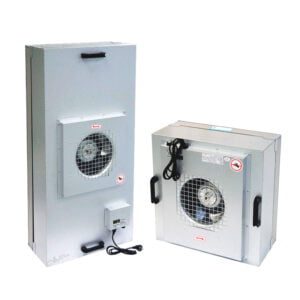
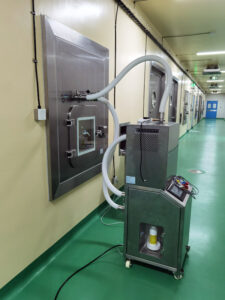
W przypadku gdy generator stanowi oddzielne lub przenośne urządzenie, a nie jest wbudowany w komorę, na etapie URS należy określić interfejs między wyjściem generatora a wewnętrznym układem dystrybucyjnym komory. Natężenie przepływu generatora, stężenie na wyjściu oraz ścieżka napowietrzania muszą być dostosowane do objętości wewnętrznej komory oraz zapotrzebowania na napowietrzanie danego obciążenia. A przenośny generator VHP W połączeniu z komorą stałą powoduje to powstanie specyfikacji interfejsu, która wymaga wyraźnego udokumentowania w pakietach IQ i OQ; jeśli interfejs ten zostanie potraktowany jako decyzja podejmowana na miejscu, a nie jako parametr projektowy, w dokumentacji kwalifikacyjnej pojawią się luki.
Zespoły ds. zamówień, opierające się na stałej specyfikacji opracowanej na podstawie profilu obciążenia i oczekiwań dotyczących odkażania, mają lepsze warunki do oceny ofert dostawców pod kątem wydajności cyklu i wsparcia w zakresie walidacji, a nie tylko pojemności komory i ceny. Różnica między konkurencyjną ofertą a kwalifikowaną trasą transferu polega na tym, czy specyfikacja została opracowana w oparciu o to, co cykl musi osiągnąć.
Ustalenie profilu obciążenia i oczekiwań dotyczących dekontaminacji przed sporządzeniem jakiejkolwiek specyfikacji sprzętu jest jedyną decyzją, która w najbardziej bezpośredni sposób decyduje o tym, czy projekt komory przesyłowej VHP zostanie zatwierdzony i oddany do użytku zgodnie z harmonogramem. Parametry cyklu, wymiary komory, konfiguracja wentylacji oraz kryteria dopuszczenia do użytku są elementami wynikającymi z tych dwóch czynników. Gdy zostaną one określone zbyt późno lub pozostawione niejasne, pojawiają się luki w procesie kwalifikacji wydajności (PQ), podczas przeglądu standardowych procedur operacyjnych (SOP) dotyczących transferu lub podczas pierwszego audytu strategii kontroli zanieczyszczeń — a każdy z tych etapów wiąże się z większymi kosztami korekty niż dobrze skonstruowany dokument URS.
Kolejnym konkretnym krokiem dla zespołów na etapie przedopracowaniem specyfikacji jest wystarczająco szczegółowe udokumentowanie charakterystyki obciążenia, aby umożliwić opracowanie cyklu: liczba elementów i ich geometria, kategorie materiałów powierzchniowych, zakres gęstości upakowania, granice wrażliwości temperaturowej oraz wymagana częstotliwość transferu. W tym kontekście należy potwierdzić, jaki poziom zapewnienia sterylności wymaga strategia kontroli zanieczyszczeń na granicy transferu oraz jakie kryterium dopuszczalności pozostałości jest uzasadnione dla klasyfikacji obszaru odbiorczego. Po uzgodnieniu tych parametrów dobór rozmiaru komory, podejście do cyklu oraz struktura protokołu walidacji wynikają z logiki inżynieryjnej, a nie z założeń dopasowanych z perspektywy czasu, które powodują konieczność ponownej pracy w późniejszym etapie.
Często zadawane pytania
Pytanie: Nasza strategia kontroli zanieczyszczeń nie przewiduje wyraźnie konieczności odkażania przy komorze przekaźnikowej. Czy mimo to potrzebujemy urządzenia do dezynfekcji parą wodną o wysokim ciśnieniu (VHP)?
O: Nie — jeśli strategia przewiduje kontrolę obciążenia mikrobiologicznego na wcześniejszych etapach procesu, a komora transferowa służy wyłącznie do regulacji kaskad ciśnieniowych, wystarczy standardowa komora transferowa o działaniu mechanicznym. Funkcja VHP staje się konieczna tylko wtedy, gdy strategia wymaga dekontaminacji powierzchni materiałów przychodzących właśnie w tym punkcie transferu.
Pytanie: Którzy wewnętrzni interesariusze powinni kierować pracami nad dokumentacją dotyczącą obwiedni obciążenia przed określeniem specyfikacji komory przepustowej VHP?
O: Zespół międzyfunkcjonalny, w skład którego wchodzą: specjalista ds. bezpieczeństwa biologicznego, przedstawiciel działu zapewnienia jakości odpowiedzialny za walidację oraz kierownik ds. inżynierii procesowej. Specjalista ds. bezpieczeństwa biologicznego potwierdza docelowy poziom dekontaminacji, dział zapewnienia jakości określa kryteria akceptacji, a dział inżynierii ustala geometrię elementów, gęstość upakowania, ograniczenia termiczne oraz częstotliwość transferu — dzięki czemu specyfikacja wymagań użytkownika (URS) jest gotowa jeszcze przed rozpoczęciem jakichkolwiek rozmów z dostawcami.
Pytanie: Przy jakiej częstotliwości transferu standardowy cykl VHP staje się wąskim gardłem przepustowości i jakie istnieją alternatywne rozwiązania?
O: Gdy wymagany odstęp czasowy między transferami jest krótszy niż całkowity czas cyklu (zazwyczaj 1,5–3 godziny, łącznie z napowietrzaniem), w komorze transferowej VHP z jedną komorą powstanie zaległość. W takim przypadku należy rozważyć dekontaminację zbiorczą poza linią produkcyjną z wykorzystaniem zatwierdzonego wózka transportowego, zastosowanie dwóch komór przejściowych lub przejście na interfejs izolatora z szybkim transferem — dowolną opcję, która oddziela czas cyklu dekontaminacji od częstotliwości transferu materiałów.
Pytanie: W jakich przypadkach przenośny generator VHP w połączeniu ze standardową komorą przesyłową stanowi realną alternatywę dla zintegrowanej komory VHP?
O: Przenośny generator może okazać się praktycznym rozwiązaniem w przypadku sporadycznych, nieregularnych transferów, gdy trudno jest uzasadnić koszt zakupu dedykowanej komory. Wymaga on jednak przygotowania odrębnej dokumentacji IQ/OQ oraz większego zaangażowania operatora; w przypadku rutynowego użytkowania o wysokiej stawce zintegrowana komora przesyłowa z systemem VHP zapewnia większą powtarzalność i możliwość weryfikacji zgodności z wymogami.
Pytanie: W naszym zakładzie materiały wrażliwe na ciepło są przenoszone do strefy aseptycznej zaledwie kilka razy w tygodniu. Czy warto zainwestować w dedykowaną komorę przesyłową VHP?
O: W przypadku niewielkich ilości i sporadycznego użytkowania przenośny generator VHP z walidowanym wózkiem transportowym może zapewnić niezbędną gwarancję dekontaminacji bez konieczności ponoszenia nakładów kapitałowych związanych z zakupem dedykowanej komory. Jeśli strategia kontroli zanieczyszczeń wymaga rutynowej, walidowanej dekontaminacji powierzchni w tym punkcie transferu, zintegrowana komora transferowa VHP pozostaje wyborem bardziej gotowym do audytu i niezawodnym pod względem operacyjnym.