Uma janela embaçada ou com manchas de condensação detectada durante o comissionamento de uma sala limpa raramente é apenas um problema do vidro. Quando o embaçamento interno se torna visível, o dessecante dentro da cavidade oca geralmente já atingiu a saturação, e a vedação da borda pode já estar deixando entrar umidade há semanas. Nesse estágio, a janela não pode ser seca nem recalibrada — ela precisa ser substituída, e o painel de parede ao seu redor pode precisar ser reaberto. Essa sequência transforma o que poderia ter sido uma simples verificação pré-instalação em um trabalho de retrabalho que interfere no prazo de liberação da sala, na preparação para os testes ISO e, potencialmente, em um cronograma de qualificação já sob pressão. A decisão mais importante é se uma janela pode ser aceita em sua condição atual antes do início dos testes, ou se os defeitos identificados na instalação justificam uma intervenção imediata, em vez de uma abordagem de “esperar para ver” durante o comissionamento.
Defeitos nas janelas com vidros duplos visíveis antes da entrega do cômodo
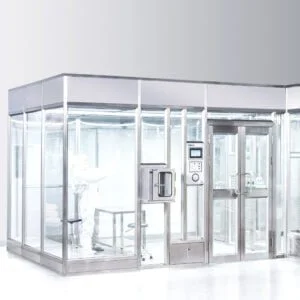
O momento mais propício para identificar uma unidade de vidro duplo com defeito é antes da vedação do painel de parede ao redor dela. Depois que a moldura estiver encaixada niveladamente, com vedação perimetral, e o ambiente estiver sendo preparado para o teste de pressão diferencial, acessar e substituir uma unidade com defeito exige muito mais tempo e causa muito mais transtornos do que seria necessário durante a instalação.
Os defeitos específicos que devem ser identificados nesta etapa são bolhas no selante ao longo do perímetro do vidro e qualquer irregularidade visível na fita de vedação da borda. Uma bolha no selante não é um problema estético — ela indica uma descontinuidade que permite que a umidade do ambiente penetre na cavidade oca com o passar do tempo. A consequência é progressiva: a entrada de umidade degrada a capacidade do dessecante de manter a cavidade seca e, uma vez que o dessecante esteja saturado, a condensação interna se torna uma questão de “quando”, e não de “se”. Tratar uma bolha no selante como um item de baixa prioridade na lista de pendências, em vez de um risco provável de falha, é um erro comum nesta fase, especialmente quando os cronogramas do projeto estão se comprimindo à medida que se aproxima a conclusão da obra.
O encaixe da moldura e o assentamento também devem ser verificados antes do fechamento da sala. Uma unidade de vidro duplo que não esteja corretamente assentada na moldura cria uma ponte térmica e um possível caminho de passagem de ar ao redor da borda do vidro. Em uma sala limpa com um diferencial de pressão definido, mesmo uma pequena folga ao redor da moldura pode criar um caminho de vazamento que complica a verificação posterior da queda de pressão. Identificar visualmente um mau encaixe da moldura antes do comissionamento da sala é simples; identificar sua contribuição para uma falha na verificação dos limites de pressão após o início dos testes é consideravelmente mais difícil. Para equipes que estão adquirindo ou especificando portas e janelas para salas limpas, o fato de se confirmar que as unidades são fornecidas com a integridade da vedação das bordas documentada como parte da verificação na entrega — e não apenas com uma avaliação visual da aparência — reduz o risco de adiar essa avaliação para a fase errada do projeto.
Embaçamento e condensação como fatores que desencadeiam evidências
O embaçamento interno em uma janela com vidros duplos durante o comissionamento deve ser tratado como um indicador de risco de falha que exige investigação, e não como um diagnóstico definitivo de uma única causa raiz. O embaçamento é uma evidência de que algo no sistema não está funcionando conforme o esperado, mas, por si só, não confirma se o problema principal é uma vedação de borda com falha, um dessecante saturado, uma ponte térmica na moldura, um controle de umidade que ainda não se estabilizou ou alguma combinação desses fatores.
Essa distinção é importante porque determina a resposta a ser adotada. Se a investigação se concentrar apenas na unidade de vidro — supondo que se trate de um defeito de fabricação —, as equipes podem substituir a unidade sem analisar as condições de umidade no ambiente durante a instalação e o comissionamento inicial. Se o ambiente tiver sido exposto a alta umidade ambiente antes do estabelecimento do controle do sistema de climatização, uma unidade corretamente especificada ainda pode apresentar desgaste precoce do dessecante. Por outro lado, se o embaçamento persistir em uma sala onde o controle de umidade está funcionando corretamente, é mais provável que a capacidade do dessecante da unidade ou a qualidade da vedação sejam os fatores responsáveis. Um dessecante com capacidade de adsorção insuficiente atinge a saturação relativamente rápido em condições de umidade elevada; uma vez saturada, a camada oca não consegue permanecer seca, independentemente de quão bem a vedação externa pareça estar se mantendo.
A estrutura da ICH Q9(R1) para gestão de riscos de qualidade é uma referência útil nesse contexto, não porque prescreva o que fazer com uma janela embaçada, mas porque defende que os indícios de condensação sejam tratados como um gatilho para uma avaliação estruturada de riscos, em vez de uma decisão imediata de aprovação ou reprovação. Esse enquadramento é importante na prática: cria uma justificativa documentada para o caminho de investigação seguido, os fatores analisados e a decisão de aceitar, monitorar ou substituir a unidade. Decisões baseadas em julgamento pessoal e não documentadas tomadas durante o comissionamento — especialmente quando defeitos visíveis são observados, mas não avaliados formalmente — são difíceis de justificar durante uma inspeção, caso a sala venha a apresentar instabilidade posteriormente.
Verificações das juntas de vedação ao redor das bordas da moldura e dos vidros
Uma janela com vidros duplos contribui para a barreira de pressão do ambiente, mas é apenas um dos componentes que a compõem. A verificação da barreira ao redor da moldura e das bordas dos vidros é uma etapa destinada a confirmar que a instalação não criou pontos de vazamento que o projeto pretendia controlar.
O foco prático dessa verificação é o perímetro entre a moldura do vidro e o painel da parede ao redor, bem como a interface entre a moldura e a própria unidade de vidro. Esses são os dois locais mais propensos a apresentar folgas ou descontinuidades na vedação que não são visíveis na face da janela. Na construção modular de salas limpas, onde os painéis de parede e as molduras das janelas são montados a partir de componentes separados, em vez de serem construídos no local, a qualidade dessa interface depende da precisão com que as dimensões do recorte do painel se ajustam à moldura e da forma como a vedação perimetral é aplicada. Uma moldura que se encaixa frouxamente na abertura do painel — mesmo que seja por apenas alguns milímetros — cria uma lacuna que o selante perimetral padrão pode não conseguir preencher de maneira confiável, especialmente quando o painel e a moldura são feitos de materiais com características de expansão térmica diferentes.
A norma ISO 14644-3:2019 fornece a referência do quadro de testes para os métodos de verificação de queda de pressão e vazamento utilizados durante a qualificação de salas limpas. O momento em que esses métodos são aplicados não constitui uma etapa do projeto — eles confirmam se a barreira instalada funciona conforme o previsto, e não se os componentes individuais foram corretamente especificados. Uma moldura de janela que seja aprovada em uma inspeção visual, mas que apresente um caminho de vazamento ao redor da interface do painel, não será resolvida pelo próprio teste; ela apenas será revelada por ele. A implicação útil para a tomada de decisão é que a verificação da barreira ao redor das bordas dos vidros deve ser realizada como uma análise pré-qualificação, antes que o teste de pressão diferencial seja formalizado, para que quaisquer deficiências na vedação possam ser corrigidas sem acionar uma reprovação formal no teste e as consequências documentais que se seguem.
Problemas relacionados ao sistema de climatização e à umidade que a janela, por si só, não consegue resolver
Esperar que uma janela com vidros duplos compense um regime instável de controle de umidade ou pressão é um erro de categoria que surge com frequência durante o comissionamento. A janela é uma barreira passiva — ela pode reduzir a transmissão de umidade através do vidro e manter a integridade do compartimento quando devidamente vedada, mas não pode controlar ativamente as condições em ambos os lados dela. Quando ocorre condensação em uma janela durante o comissionamento, o instinto de concentrar a atenção na unidade de vidro muitas vezes adia uma questão mais importante: se o sistema de climatização estabeleceu um controle estável de temperatura e umidade no ambiente.
Uma sala que ainda não atingiu o ponto de ajuste de umidade previsto no projeto, ou que está passando por grandes oscilações de temperatura durante a fase inicial de comissionamento, cria condições de temperatura superficial nos vidros que favorecem a condensação, independentemente da especificação do vidro duplo. A cavidade isolante da janela reduz o grau de ponte térmica em comparação com uma unidade de vidro simples, mas não a elimina. Se a temperatura da superfície do vidro interno voltada para a sala cair abaixo do ponto de orvalho do ar da sala — porque o sistema de climatização não está mantendo a condição projetada —, formará-se condensação na superfície do vidro, e isso é um problema de controle, não um defeito do vidro.
A tabela abaixo detalha a divisão de responsabilidades entre a unidade de vidros e o sistema de climatização e controle.
| Aspecto do desempenho | O que a janela oferece | O que requer sistemas de climatização e controles |
|---|---|---|
| Limite de pressão | A moldura vedada e o vidro mantêm a integridade do compartimento | Equilíbrio ativo entre o suprimento e a exaustão de ar para manter a pressão diferencial |
| Gerenciamento da umidade | A barreira de vapor reduz a transmissão de umidade através dos vidros | Desumidificação e controle de temperatura para gerenciar o ponto de orvalho do ambiente |
A norma ISO 14644-4:2022 define o controle ambiental como um requisito em nível de sistema, sendo que o perímetro da sala limpa — incluindo janelas, portas e painéis de parede — funciona como uma camada dentro de um projeto mais amplo que depende do fornecimento ativo de ar, da exaustão e do controle. Uma janela que funciona corretamente dentro de um sistema de climatização bem controlado é um objeto diferente da mesma janela instalada em uma sala onde a umidade não foi estabilizada. As equipes que analisam indícios de condensação durante o comissionamento devem determinar se os pontos de ajuste do sistema de climatização foram atendidos durante o período em questão antes de atribuir a condição a uma falha na unidade de vidro. O sistema de paredes e tetos A área ao redor da janela também contribui para a barreira térmica; uma incompatibilidade no desempenho térmico entre o painel e a unidade de vidro pode criar pontes térmicas localizadas que nenhum dos componentes apresentaria isoladamente.
Revisar a decisão antes do início dos testes da ISO
A decisão de refazer o trabalho é mais útil quando tomada antes do início dos testes ISO, e não depois. Uma vez que os testes de pressão diferencial já estejam em andamento e a documentação formal esteja sendo elaborada, a decisão de refazer uma janela com defeito acarreta consequências para a qualificação que são substancialmente mais complexas do que a mesma decisão tomada durante a preparação pré-teste.
A abordagem prática é baseada no risco, e não em regras. Se defeitos visíveis — bolhas no selante, irregularidades no encaixe da moldura, embaçamento precoce ou padrões de condensação no lado da cavidade do vidro — tiverem sido identificados durante a revisão da instalação ou no início do comissionamento, a questão é se esses defeitos representam uma condição de monitoramento controlável ou um provável ponto de falha durante os testes. Uma unidade com uma bolha identificada na vedação da borda que ainda não tenha apresentado embaçamento interno não está necessariamente com defeito, mas é um item de risco conhecido. Aceitá-la na sequência de testes sem justificativa documentada cria uma situação difícil de defender caso a janela venha a apresentar condensação posteriormente, durante o período de qualificação ou durante uma revisão de inspeção dos registros de comissionamento.
A norma ICH Q9(R1) endossa essa abordagem como uma ferramenta de julgamento para os profissionais: a avaliação de risco documentada não exige certeza quanto ao resultado, mas exige que o risco identificado tenha sido analisado, que a decisão de aceitar ou refazer tenha sido tomada de forma deliberada e que o raciocínio seja registrado. O custo dessa disciplina é uma reunião estruturada de revisão pré-teste que acrescenta pouco tempo. O custo de ignorá-la é uma reprovação no teste formal atribuída a um defeito na janela que era visível antes do início dos testes — uma constatação que reflete tanto no processo de comissionamento quanto no próprio componente. Compreender onde se espera que o diferencial de pressão para uma determinada classificação de ambiente se situe também contribui para esse julgamento; para equipes que trabalham com base nesse enquadramento, a orientação sobre requisitos de diferença de pressão para salas limpas modulares ISO 7 e ISO 8 oferece um ponto de referência útil para o que se espera que a estrutura, incluindo a janela, seja capaz de suportar.
A condição limite que altera a recomendação é relativamente clara: se a condensação ou o embaçamento tiverem chegado a um ponto em que sejam visíveis dentro da cavidade oca, a unidade não poderá ser recuperada para uso e deverá ser substituída antes do início dos testes. Se os defeitos forem pré-sintomáticos — riscos observáveis sem umidade confirmada na cavidade —, a decisão de aceitar ou retrabalhar deve ser documentada com as evidências específicas analisadas, as condições de controle no momento e o plano de monitoramento, caso a unidade seja aceita condicionalmente. Essa documentação passa a fazer parte do registro de comissionamento e contribui para a prontidão da inspeção de uma forma que uma decisão de aceitação não documentada não consegue.
Uma janela com vidros duplos na parede de uma sala limpa é um componente de delimitação, não um dispositivo de controle climático. Seu estado antes da liberação da sala determina se o invólucro de pressão possui integridade estrutural nos locais dos vidros, mas não pode corrigir a umidade que não tenha sido controlada nem a diferença de pressão que não tenha sido estabelecida. O ponto de decisão mais importante é a análise pré-teste: se os defeitos identificados justificam a substituição antes que os testes ISO gerem registros formais, ou se as evidências apoiam a aceitação condicional com justificativa documentada.
As equipes que se preparam para essa revisão devem confirmar três aspectos antes do início dos testes: que as vedações das bordas estejam visualmente intactas, sem bolhas ou descontinuidades; que a interface entre a moldura e o painel esteja corretamente vedada, sem lacunas; e que qualquer condensação observada durante o comissionamento tenha sido avaliada em relação ao histórico de comissionamento do sistema de climatização (HVAC), e não atribuída apenas à janela. Quando essas verificações geram resultados claros, a decisão sobre a necessidade de retrabalho é direta. Quando elas geram evidências ambíguas, o valor de uma avaliação de risco documentada reside no fato de que ela transforma uma decisão baseada em julgamento em um registro defensável, independentemente do resultado.
Perguntas frequentes
P: E se só descobrirmos a formação de névoa nas cavidades depois que a sala limpa já tiver sido entregue e validada?
R: A unidade não pode ser recuperada e precisará ser substituída, mas o processo agora é considerado um evento de controle de mudanças, e não mais um retrabalho pré-teste. Você deve isolar o segmento da sala afetado, reavaliar a barreira de pressão após a substituição e documentar o impacto no estado de qualificação existente — não tomar nenhuma medida acarreta o risco de uma constatação durante a requalificação periódica ou uma auditoria.
P: Depois de aceitarmos condicionalmente uma janela com uma pequena bolha no selante e documentarmos a justificativa, qual é o próximo passo imediato antes do início dos testes formais?
R: Agende uma reinspeção específica da vedação da borda dessa janela e da interface com a moldura imediatamente antes do teste de queda de pressão e incorpore o resultado da inspeção à revisão final de prontidão para o teste. A aceitação condicional só permanece válida se o risco monitorado não tiver se agravado; portanto, uma etapa de confirmação pré-teste transforma a documentação em um critério de aprovação passível de ação.
P: Quando a condensação na superfície da janela é, sem dúvida, um problema do sistema de climatização, e não um defeito no vidro?
R: A condensação que aparece apenas na superfície do vidro voltada para o ambiente e desaparece assim que o ambiente se estabiliza nos pontos de ajuste de temperatura e umidade previstos no projeto é um problema de controle, e não uma falha da janela. O principal diferencial é a localização: a condensação superficial no painel exposto responde ao ponto de orvalho do ambiente, enquanto a umidade retida dentro da cavidade oca indica uma falha na vedação ou no dessecante, independentemente do desempenho do sistema de climatização.
P: O que apresenta maior risco em termos de cronograma e custo — substituir proativamente agora uma janela suspeita ou esperar para ver se ela falhará durante o teste de pressão de vedação da ISO?
R: A substituição proativa antes dos testes é quase sempre menos onerosa e menos perturbadora. Uma falha formal no teste desencadeia uma investigação da causa raiz, a documentação de ações corretivas, atrasos na requalificação e um possível impacto nas atividades de comissionamento dependentes, enquanto a substituição durante a preparação pré-teste é uma tarefa técnica isolada, sem consequências para os registros regulatórios.
P: No caso de uma sala limpa de classificação inferior, sem um diferencial de pressão rigoroso, ainda vale a pena o esforço de elaborar toda a documentação de avaliação de riscos relacionada a defeitos nas janelas?
R: Em áreas que não seguem as BPF ou não classificadas, o rigor da documentação pode ser reduzido; muitas vezes, basta um registro de inspeção simples que indique o defeito, a justificativa para a aceitação e a data da verificação de monitoramento. A avaliação de risco estruturada completa conforme a ICH Q9(R1) torna-se valiosa principalmente quando a preparação para inspeções regulatórias ou a proteção crítica do produto exigem decisões de comissionamento rastreáveis e justificáveis.