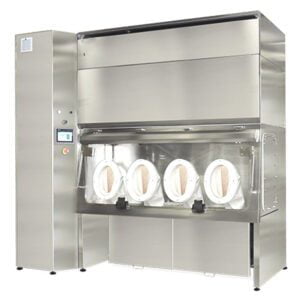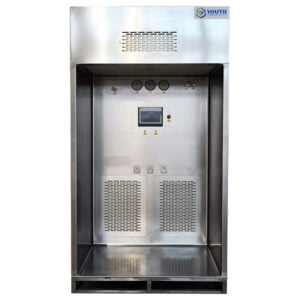
Especificar um carrinho móvel de LAF sem antes definir onde ele estaciona, quem o limpa e se o filtro HEPA precisa ser requalificado após a movimentação é uma das maneiras mais rápidas de adicionar tempo de inatividade não planejado a um lote de GMP. As equipes descobrem a lacuna na liberação da sala, não durante a aquisição, e a correção - reescrever os POPs no meio da campanha, agendar um teste de DOP não planejado, resolver a responsabilidade pela limpeza entre os departamentos - custa muito mais do que o trabalho de planejamento teria custado. A decisão real é mais restrita do que parece: um carrinho móvel ganha seu valor em uma faixa específica de transferência protegida e tarefas flexíveis de suporte a lotes e, fora dessa faixa, ele não atende à necessidade de contenção ou duplica uma estação de trabalho fixa validada sem melhorar nada. O que se segue o ajudará a identificar em qual cenário você se encontra antes que o carrinho chegue ao local.
Cenários de transferência farmacêutica em que um carrinho móvel é justificado
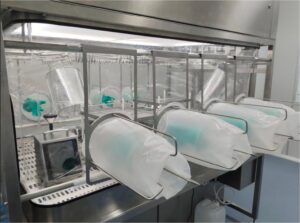
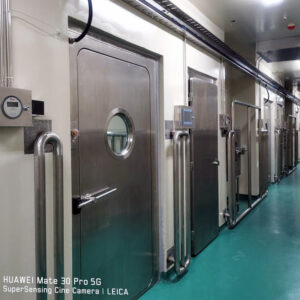
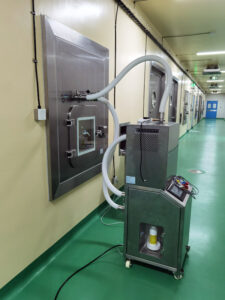
O argumento mais forte para um carrinho móvel de LAF é um caminho de transferência que atravessa um corredor que não é de sala limpa ou uma área de classificação ambiental inferior, onde a exposição de um material asséptico - mesmo que brevemente - cria um risco inaceitável de contaminação. Entre os exemplos comuns estão a movimentação de substâncias autoclavadas da esterilização para a etapa de enchimento e acabamento, o transporte de frascos liofilizados entre baias de processamento e a execução de transferências de materiais de Grau A para Grau A em um espaço intermediário de Grau C ou D. Em cada caso, o carrinho cria um envelope portátil controlado em torno do produto, em vez de exigir a atualização de todo o corredor de transferência.
O critério de planejamento que justifica essa escolha é simples: se a atualização de uma sala limpa fixa ao longo do caminho de transferência não for viável no momento - devido ao tempo de construção, ao orçamento de capital ou à necessidade de manter a continuidade da produção - um carrinho móvel de LAF pode suportar a transferência asséptica alinhada às cGMP sem uma grande mudança na instalação. Isso é particularmente relevante nos estágios de transição clínico-comercial, em que as atualizações das instalações estão em andamento, mas não podem interromper a produção. O carrinho oferece continuidade operacional, não é um substituto permanente para um projeto de sala limpa validado.
O que esse enquadramento exclui é tão importante quanto o que ele inclui. Um carrinho móvel é justificado quando o principal risco é a contaminação ambiental de um material asséptico não perigoso durante um deslocamento relativamente curto e definido. Ele não é justificado quando o fator determinante é a conveniência, o espaço ou o desejo de evitar a validação do processo em uma estação fixa - essas justificativas tendem a adiar o trabalho de planejamento mais difícil para a fase de comissionamento, em que a correção de lacunas no fluxo de ar, na superfície e na qualificação é significativamente mais cara.
Etapas de transferência de esterilizados que se beneficiam da mobilidade protegida
O mecanismo de proteção que torna um carrinho móvel de LAF útil na transferência asséptica é a pressão positiva dentro da câmara de trabalho. Ao manter o fluxo de ar para fora, o carrinho evita que o ar ambiente - e as partículas que ele carrega - entre em contato com a superfície do produto durante o intervalo de transferência. Para materiais assépticos não perigosos, essa é a abordagem de engenharia correta para um trânsito curto e não controlado.
A geometria da doca é importante na prática. Quando um carrinho móvel é posicionado para fazer a interface com um isolador de enchimento, uma linha RABS ou um liofilizador, a intenção é manter um envelope de ar limpo ininterrupto em todo o ponto de transferência. Se o selo de acoplamento for impreciso ou o carrinho não estiver alinhado antes de o produto ser exposto, o próprio intervalo de transferência se torna a janela de contaminação, o que anula o objetivo de usar um dispositivo de transferência controlada.
A orientação do fluxo de ar é uma decisão de seleção que, às vezes, as equipes adiam para o fornecedor sem pensar na geometria da carga. Cada configuração tem um risco específico de bloqueio que muda de acordo com o que está sendo transferido.
| Tipo de carrinho de fluxo de ar | Tipo de carga adequado | Risco de bloqueio do fluxo de ar |
|---|---|---|
| Carrinho de fluxo de ar vertical | Transferência de equipamentos grandes | Bloqueio se itens obstruírem o caminho do fluxo de ar para baixo |
| Carrinho de fluxo de ar horizontal | Itens pequenos, como frascos | Bloqueio se os itens interromperem o fluxo laminar horizontal |
O bloqueio do fluxo de ar em um carrinho móvel não é imediatamente visível durante a operação, o que o torna um risco de validação em vez de uma falha operacional óbvia. Um equipamento grande colocado em um carrinho de fluxo vertical pode obscurecer a zona crítica abaixo dele; um arranjo denso de frascos em um carrinho de fluxo horizontal pode redirecionar o fluxo laminar para a turbulência. O critério de seleção é a geometria da carga, não a preferência do operador, e deve ser confirmado durante os estudos de qualificação de fumaça antes que o carrinho entre em uso de rotina.
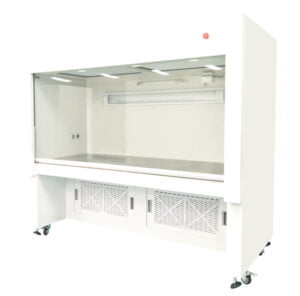
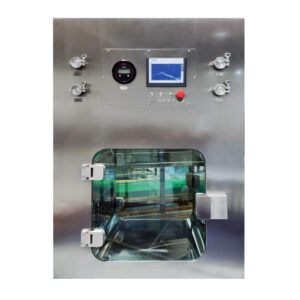
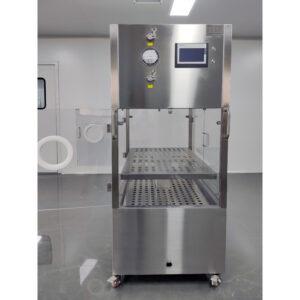
Para equipes que avaliam configurações de transferência específicas, o Carrinho de fluxo de ar laminar móvel A página cobre as opções de orientação do fluxo de ar juntamente com os detalhes de construção da câmara relevantes para a compatibilidade de acoplamento e carga.
Necessidades de contenção que um carrinho móvel de LAF não pode resolver
Esse é o padrão de uso indevido mais consequente e surge na qualificação ou na auditoria, e não na aquisição. Um carrinho de LAF móvel de passagem única recebe o ar ambiente, passa-o por um filtro HEPA e expele 100% desse ar - filtrado na entrada, mas não recirculado e não contido no lado da exaustão. Não há envelope de pressão negativa ao redor do operador, nem HEPA de exaustão secundária, nem mecanismo para capturar aerossóis, vapores ou partículas finas geradas pelo próprio processo. Especificar essa configuração para qualquer composto perigoso é uma lacuna de conformidade, não uma compensação de economia de custos.
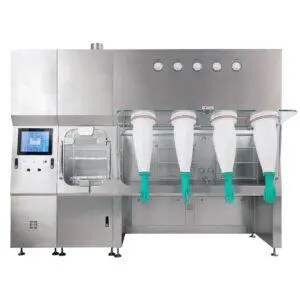
Os carrinhos móveis de recirculação de pressão negativa atendem a um subconjunto mais restrito de necessidades de contenção. Eles podem conter substâncias perigosas não voláteis recirculando o ar por meio de filtragem HEPA antes da exaustão, o que reduz o risco de contaminação da superfície e do ar para compostos potentes de menor risco. Mas o limite de sua capacidade é firme: compostos perigosos voláteis - que podem passar pela HEPA para o fluxo de exaustão recirculado - exigem um isolador ou um sistema de transferência fechado. E mesmo para compostos não voláteis, um carrinho de pressão negativa recirculatória é um limite de planejamento, não uma solução de contenção de alto risco. Ele não substitui um gabinete de biossegurança ou um isolador em que a proteção do operador é o requisito principal.
| Tipo de carrinho | Capacidade de contenção | Quando não usar |
|---|---|---|
| Carrinho de LAF móvel de passagem única | Sem contenção; exaustão de 100% de ar, sem proteção ao operador/ambiente | Qualquer manuseio de material perigoso |
| Carrinho móvel de recirculação de pressão negativa | Pode conter substâncias perigosas não voláteis | Compostos perigosos voláteis (precisam de isolador/transferência fechada); contenção de alto risco (não substitui o isolador ou o BSC) |
A orientação do CDC BMBL sobre manuseio de materiais perigosos deixa claro que a escolha da plataforma deve ser regida pelo perfil de risco da substância, e não pela conveniência do caminho de transferência. Quando a questão é a contenção e não a proteção do produto, a estrutura de decisão é diferente, e buscar um carrinho móvel de LAF para resolvê-la é o ponto de partida errado, independentemente do regime de pressão. As equipes que erram nesse ponto geralmente descobrem isso quando uma avaliação de risco ou um protocolo de qualificação pede que elas demonstrem como a exposição do operador é controlada - e o caminho de exaustão de passagem única não pode fornecer uma resposta.
Suporte móvel a lotes versus estações de trabalho fixas validadas
O motivo mais claro para escolher uma estação de trabalho fixa validada em vez de um carrinho móvel é a repetição de processos em um único local. Se a mesma tarefa for executada na mesma baia, sob as mesmas condições ambientais, a cada lote, uma unidade LAF fixa oferece uma superfície de trabalho estável e qualificada, sem eventos de requalificação acionados por movimento e sem ambiguidade quanto à posição de estacionamento ou à sequência de limpeza. O investimento em validação é feito uma vez e o risco do processo é menor porque a geometria, a uniformidade do fluxo de ar e as condições da superfície não mudam entre os usos.
Um carrinho móvel ganha seu valor quando o padrão de trabalho é flexível - várias baias, salas adjacentes ou tarefas de suporte a lotes que mudam com a programação da produção. A restrição prática que molda esse equilíbrio é o tempo de execução da bateria. As configurações de UPS padrão normalmente fornecem cerca de 30 minutos de operação sem fio, o que cobre transferências curtas de corredor, mas não sessões de trabalho prolongadas longe de uma conexão de energia. Os no-breaks estendidos podem suportar de duas a quatro horas de operação, e as configurações de no-breaks duplos estão disponíveis para aplicações em lote críticas para a segurança, em que a interrupção de energia no meio da transferência comprometeria o produto. Esses são valores de projeto especificados pelo fornecedor, não mínimos padrão do setor, e precisam ser confirmados em relação ao tempo real de transferência e ao tempo de permanência em suas instalações antes que o carrinho seja adquirido.
O padrão de falha aqui é presumir que um carrinho móvel com um UPS de longo tempo de execução resolve completamente o problema de flexibilidade. Isso não acontece, pois o tempo de operação é apenas uma restrição. Um carrinho que suporta quatro horas de operação ainda precisa de uma posição de estacionamento definida, de uma fonte de alimentação confirmada em cada baia e de uma sequência de limpeza e liberação qualificada toda vez que se desloca. As equipes que planejam a bateria, mas não o SOP em torno do movimento, descobrem que o carrinho suporta a transferência corretamente, mas impede a liberação da sala que se segue.
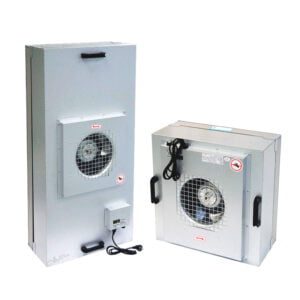
Para operações em que o processo é fixo e o local é estável, um Unidade de fluxo de ar laminar oferece uma estação de trabalho validada com geometria de fluxo de ar consistente e sem eventos de qualificação relacionados ao movimento, que é o padrão de menor risco para tarefas repetitivas em um único local.
Propriedade de limpeza e liberação da sala após a movimentação do carrinho
Toda vez que um carrinho móvel de LAF cruza o limite de uma sala, ele cria duas perguntas a jusante que devem ser respondidas antes que uma das salas possa ser liberada para a próxima operação: quem é responsável pela limpeza do carrinho e quem verifica se o carrinho e a área em que ele entrou atendem ao padrão ambiental exigido para a classificação da sala. Quando essas perguntas não são respondidas no POP antes de o carrinho ser usado, a resposta é negociada em tempo real durante uma campanha em lote - que é quando o custo da ambiguidade se torna visível.
A superfície e a construção do filtro do carrinho determinam o grau de limpeza e a aparência da carga de requalificação após a movimentação. Os recursos relevantes e suas abordagens de verificação estão resumidos abaixo.
| Recurso | Relevância da limpeza/liberação | Abordagem de verificação |
|---|---|---|
| SS304/316L, rugosidade da superfície <0,8 µm | Facilita a limpeza e atende ao acabamento de superfície GMP | Inspeção visual; medição da rugosidade da superfície |
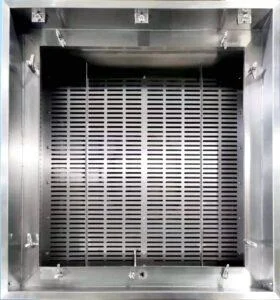
| Filtro HEPA selado em gel com porta de teste DOP | Permite a verificação da integridade do filtro após a limpeza e a movimentação | Teste de provocação DOP/PAO usando a porta de teste |
| Acesso ao filtro de liberação rápida | Permite a inspeção e a troca do filtro sem o uso de ferramentas | Verificação da função física do mecanismo de travamento |
O acabamento da superfície e o design do filtro não resolvem a questão da propriedade por si só - eles definem como a verificação pode ser feita, não quem é responsável por ela. Um filtro HEPA selado em gel com uma porta de teste DOP significa que a integridade do filtro pode ser confirmada após a limpeza e a movimentação; isso não aciona automaticamente uma requalificação, a menos que o POP exija isso. Na prática, muitas operações aceitam uma inspeção visual e uma verificação de funcionamento após uma movimentação de rotina dentro da instalação e reservam um desafio completo do DOP para eventos que poderiam comprometer razoavelmente a integridade do filtro - impactos fortes, armazenamento prolongado ou movimentações entre instalações. Essa decisão deve ser incluída no protocolo de liberação antes do primeiro uso, e não resolvida após a primeira observação de auditoria.
A recomendação prática é definir três coisas antes de o carrinho entrar em serviço: o procedimento de limpeza e seu proprietário após cada movimento, os critérios que acionam um novo teste de DOP em vez de uma verificação de liberação mais simples e a posição de estacionamento designada em cada sala em que ele pode entrar. Essas são decisões em nível de POP e são muito mais fáceis de serem redigidas antes do comissionamento do que de serem adaptadas a uma operação de BPF em andamento.
Mais detalhes sobre como essas considerações se aplicam à qualificação da LAF farmacêutica são abordados em Unidades LAF em conformidade com GMP | Requisitos e validação da FDA.
Processos perigosos ou de longa duração que exigem outra plataforma
Se o processo envolver um composto perigoso, a discussão sobre o carrinho LAF móvel deve terminar antes de começar. As unidades de passagem única expelem o ar sem controle para fora, sem proteção para o operador e sem filtragem secundária de aerossóis ou vapores gerados pelo processo. Essa não é uma limitação calibrada ou uma troca de projeto - é um limite rígido. Nenhuma configuração de um carrinho de LAF móvel padrão de passagem única o torna apropriado para o manuseio de materiais perigosos, e documentá-lo como o principal dispositivo de proteção para esse processo cria uma lacuna de qualificação que precisará ser corrigida antes que o processo possa ser aprovado.
O longo tempo de permanência em uma única baia cria um problema diferente, mas relacionado. Um carrinho móvel posicionado em um local para uma tarefa de processamento prolongada é funcionalmente uma estação de trabalho fixa sem o histórico de validação, a qualificação de fluxo de ar estável ou a integração de sala limpa de uma unidade fixa projetada adequadamente. A mobilidade que justifica o prêmio de flexibilidade do carrinho não agrega valor nesse cenário e introduz um risco de requalificação evitável se o carrinho precisar ser reposicionado. Quando o processo é estacionário e prolongado no tempo, uma estação de trabalho LAF fixa ou - dependendo do perfil de risco - um gabinete ou isolador de biossegurança é a plataforma apropriada.
A estrutura de decisão de plataforma que o CDC BMBL fornece para o trabalho microbiológico e biomédico é diretamente aplicável em princípio aqui: o requisito de contenção é definido pelo perfil de risco da substância e pela natureza do processo, e não pela conveniência operacional do equipamento que está sendo considerado. Um carrinho móvel de LAF é um dispositivo de proteção de produtos para materiais assépticos não perigosos em transferências curtas e definidas. Tratá-lo como algo além desse limite - dispositivo de contenção, estação de processamento de longa permanência ou plataforma de manuseio de compostos perigosos - requer uma justificativa diferente da que qualquer especificação de carrinho móvel pode suportar.
O julgamento mais claro antes da aquisição de um carrinho móvel de LAF é uma verificação de correspondência de processo em três dimensões: o perfil de risco do material, a duração e o local da tarefa e os requisitos de limpeza e qualificação pós-transporte. Se o material for perigoso ou a tarefa for longa e estacionária, o carrinho é o dispositivo errado, independentemente de sua especificação. Se a tarefa for uma transferência curta e protegida de um material asséptico não perigoso entre zonas controladas adjacentes, o carrinho é adequado - mas somente se o tempo de funcionamento da bateria cobrir o caminho real da transferência, o POP de limpeza e liberação for escrito antes do primeiro uso e a orientação do fluxo de ar for confirmada em relação à geometria da carga durante a qualificação.
As decisões que mais frequentemente são adiadas - posição de estacionamento, critérios de acionamento de requalificação de filtro e propriedade de limpeza entre departamentos - são as que criam tempo de inatividade não planejado quando o carrinho está em serviço. Confirmar essas decisões antes do comissionamento, em vez de resolvê-las durante o primeiro lote, é a diferença prática entre um carrinho móvel que acrescenta flexibilidade operacional e um que acrescenta risco ao processo.
Perguntas frequentes
P: Um carrinho móvel de LAF pode ser usado em uma instalação que não tenha nenhuma sala limpa ou ele precisa de um ambiente controlado para funcionar corretamente?
R: Um carrinho móvel de LAF não substitui um ambiente controlado - ele fornece um envelope protegido para o material durante a transferência ou tarefas de suporte de curta duração, mas não controla a sala ao redor. Se não houver espaço classificado na origem ou no destino da transferência, o carrinho não poderá compensar a carga de contaminação do ambiente ao seu redor. Seu valor está em preencher uma lacuna definida entre zonas controladas, não em criar uma zona controlada onde não existe nenhuma.
Q: Depois que um carrinho de LAF móvel tiver sido usado e limpo, o que deve desencadear um teste completo de integridade do filtro DOP em vez de uma verificação de liberação mais simples antes do próximo uso?
R: Uma contestação completa do DOP deve ser reservada para eventos que possam comprometer razoavelmente a integridade do filtro - impactos fortes durante o transporte, armazenamento prolongado fora das condições normais ou mudanças entre instalações. As transferências de rotina dentro das instalações entre salas definidas, seguidas de uma inspeção visual e verificação de funcionamento, geralmente são suficientes para a liberação, desde que o POP declare explicitamente esse limite. O ponto crítico é que essa decisão deve ser registrada no protocolo de liberação antes que o carrinho entre em serviço, e não resolvida após uma observação de auditoria.
P: Como a decisão sobre o carrinho móvel do LAF muda se a operação for em um local de fabricação de contrato de pequena escala, executando vários produtos diferentes no mesmo equipamento?
R: O uso compartilhado de vários produtos aumenta significativamente a carga de validação da limpeza. Cada novo contato com o produto introduz um risco de contaminação cruzada que o POP de limpeza deve abordar especificamente, e um carrinho móvel que cruza os limites da sala entre diferentes campanhas de produtos aumenta a complexidade da verificação da limpeza e do sequenciamento da liberação da sala. Nesse cenário, a vantagem da flexibilidade do carrinho pode ser rapidamente compensada pelo POP e pela sobrecarga de validação necessária para demonstrar a limpeza adequada entre as trocas de produtos, tornando uma estação de trabalho fixa e dedicada a um único produto um padrão de menor risco, a menos que o caminho de transferência realmente não possa ser atendido de outra forma.
P: Um carrinho móvel de LAF é a escolha certa quando já há um gabinete de biossegurança disponível na instalação?
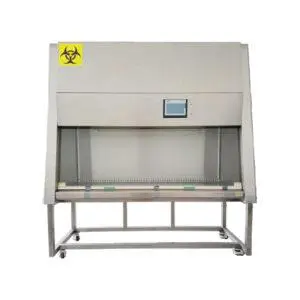
R: Sim, mas para uma tarefa diferente. Um gabinete de biossegurança é a plataforma correta quando a proteção do operador ou a contenção de materiais biológicos perigosos é o requisito principal. Um carrinho móvel de LAF atende a uma necessidade diferente: proteger um material asséptico não perigoso durante uma transferência definida entre locais. Se a tarefa for mover um produto limpo e não perigoso entre zonas controladas adjacentes, o projeto de contenção do BSC é desnecessário e sua posição fixa o torna a ferramenta errada para a etapa de transferência. Os dois dispositivos respondem a diferentes questões de risco e não são intercambiáveis por especificação.
P: Se a distância de transferência for muito curta - por exemplo, entre duas salas adjacentes separadas por uma câmara de ar - o carrinho móvel de LAF ainda vale a pena a qualificação e a sobrecarga de SOP que ele introduz?
R: Nem sempre. Para transferências muito curtas e de baixa frequência, em que a própria câmara de vácuo pode ser mantida em uma classificação adequada, a carga de qualificação da introdução de um carrinho móvel - confirmação da orientação do fluxo de ar, propriedade de limpeza, critérios de liberação, documentação da posição de estacionamento - pode exceder o risco de contaminação que ele foi projetado para controlar. O carrinho ganha seu valor quando o caminho de transferência genuinamente não pode ser adequadamente controlado pela infraestrutura da sala existente. Se a eclusa de ar ou a passagem puder ser qualificada para fornecer proteção equivalente para o material específico e o tempo de permanência envolvido, essa é normalmente a solução mais econômica.