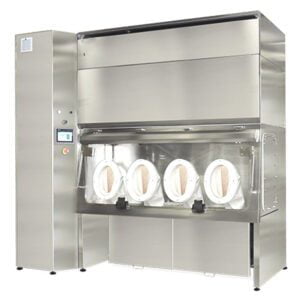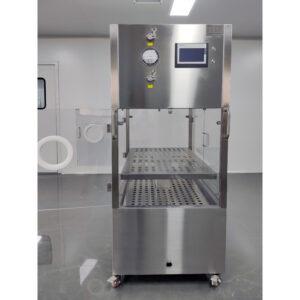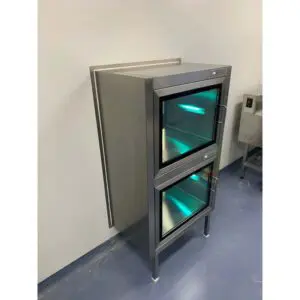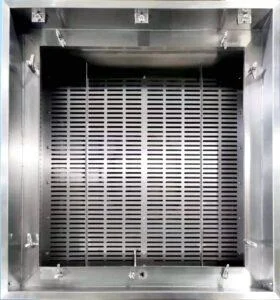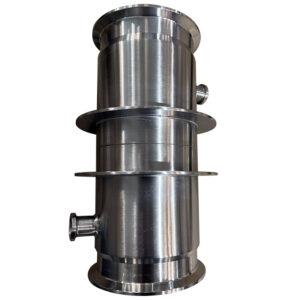
O carcasă BIBO comandată fără o secvență verificată de schimbare a sacilor mută momentul riscului de expunere de la etapa de revizuire a proiectului la prima înlocuire a filtrului HEPA, impunând o alegere între o breșă de izolare și o oprire neplanificată. Acest tipar se repetă în cazul cutiilor de transfer cu VHP, al rezervoarelor de imersie și al ușilor etanșe atunci când echipamentele de izolare pentru biosiguranță sunt tratate ca fiind interschimbabile cu echipamentele generale pentru camere curate. Decizia care face diferența între o instalație de înaltă izolare justificabilă și o întârziere la punerea în funcțiune constă în stabilirea limitelor de izolare și a căii de decontaminare înainte de a contacta furnizorii. Ceea ce urmează transpune acest prag în cele patru tipuri de echipamente care asigură izolarea în timpul transferului de materiale și al întreținerii, dovezile care fac ca performanța lor să poată fi verificată și riscurile legate de interfață care necesită o responsabilitate comună între furnizor și proiectantul laboratorului.
Delimitarea zonei de izolare înainte de selectarea furnizorului de echipamente de biosecuritate
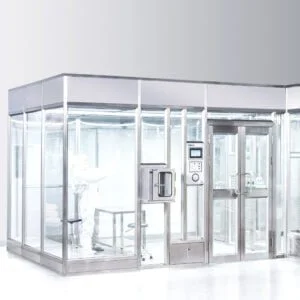
Limita de izolare reprezintă punctul în care o instalație fie îndeplinește cerințele unui audit de biosiguranță, fie acumulează constatări a căror remediere implică costuri ridicate. Pentru laboratoarele BSL-3, pragul de proiectare stabilit de CDC este explicit: două seturi de uși cu închidere automată și blocare separă zona de izolare de restul instalației[^1]. Această barieră fizică, împreună cu o cascadă de presiune direcțională și un sistem de ventilație cu o singură trecere, definește spațiul pe care echipamentul trebuie să îl mențină, nu doar să îl ocupe.
[^1]: CDC, „Biosiguranța în laboratoarele microbiologice și biomedicale” (BMBL), ediția a 6-a, secțiunea IV — Criterii privind nivelurile de biosiguranță în laboratoare, BSL-3.
Atunci când procesul de achiziție începe înainte ca limitele să fie stabilite, discuția se concentrează în mod implicit pe specificațiile componentelor, mai degrabă decât pe continuitatea izolației. Carcasele BIBO, cutiile de transfer și ușile etanșe sunt evaluate în funcție de dimensiuni și finisajele materialelor, în timp ce rolul lor în menținerea diferenței de presiune și prevenirea refluxului rămâne neatribuit. Distincția dintre clasificarea BSL și cea ISO accentuează problema: normele BSL protejează operatorii împotriva riscurilor biologice, normele ISO protejează produsul împotriva contaminării, iar echipamentele selectate pe baza unei logici eșuează adesea la verificarea conformității cu cealaltă.
Consecința practică este existența unei limite de izolare pe schema P&ID, dar nu într-o formă care să poată fi pusă în funcțiune. Un furnizor care livrează o ușă etanșă fără a înțelege că aceasta constituie a doua barieră cu închidere automată nu poate verifica integritatea etanșării în condițiile de presiune de funcționare impuse de laborator. Această lacună de verificare este de obicei descoperită în timpul proceselor IQ/OQ, când responsabilul cu biosiguranța solicită date privind scurgerile la ușă raportate la diferența de presiune din încăpere și găsește doar un raport static de testare din fabrică. Definirea limitei — atât fizic, cât și pe hârtie — înainte de preselecția furnizorilor împiedică ca procesul de achiziție să degenereze într-o comandă de componente care lasă logica de izolare neverificată.
BIBO, cutia de trecere VHP, bazinul de scufundare și rolurile ușilor etanșe
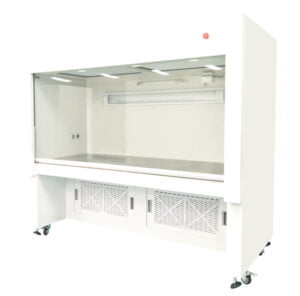
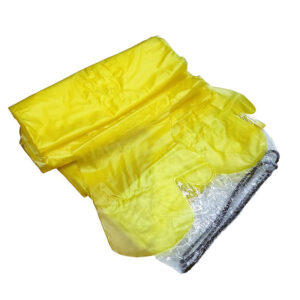
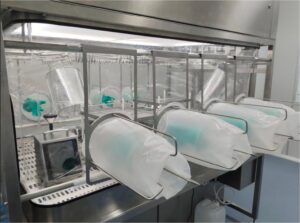
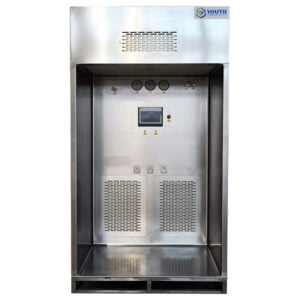
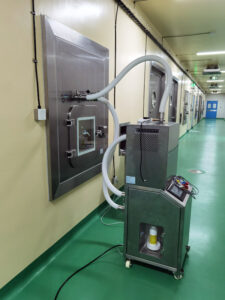
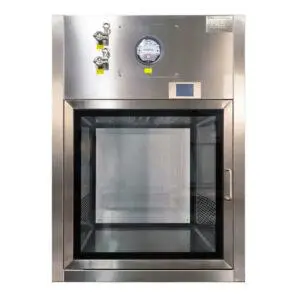
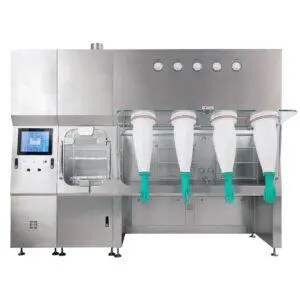
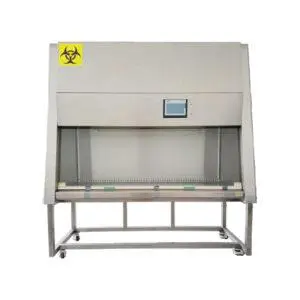
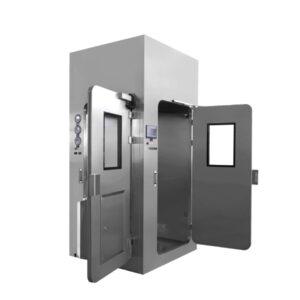
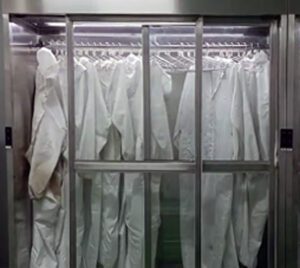
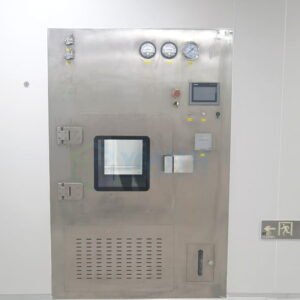
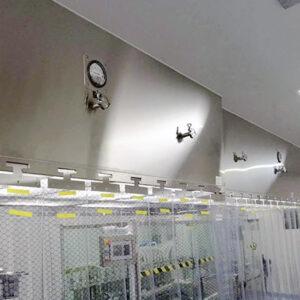
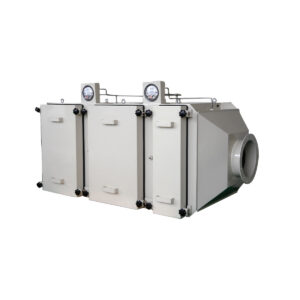
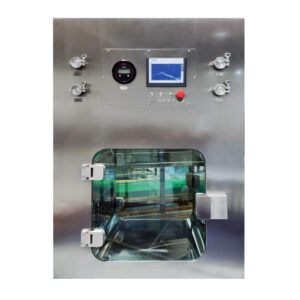
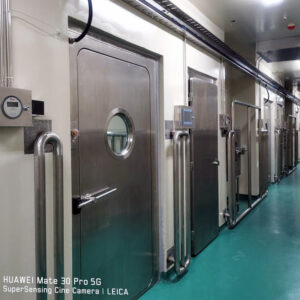
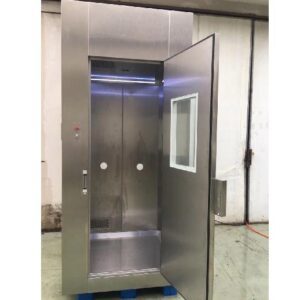
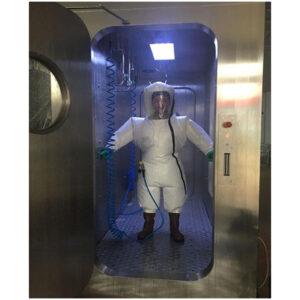
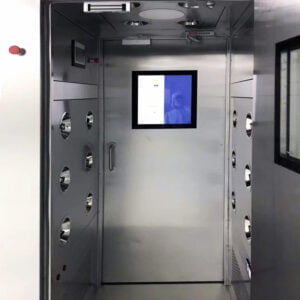
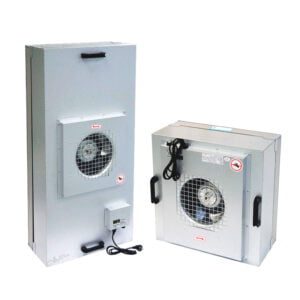
Fiecare dintre aceste patru tipuri de echipamente rezolvă o problemă distinctă de izolare, iar achiziționarea oricăruia dintre ele ca accesoriu generic pentru camera curată reprezintă cea mai rapidă cale de a crea un scenariu de expunere cauzat de operațiunile de întreținere. Sistemul BIBO permite schimbarea filtrelor HEPA fără a rupe învelișul de izolare; secvența de introducere/scoatere a sacului trebuie să poată fi demonstrată sub presiunea de funcționare și validată pentru a preveni eliberarea în timpul introducerii în sac. O cutie de transfer VHP asigură transferul de materiale cu un ciclu de decontaminare cu peroxid de hidrogen vaporizat, care necesită dezvoltarea unui ciclu legat de configurația încărcăturii, nu o injecție standard temporizată. O cuvă de decontaminare pentru biosiguranță decontaminează articolele care nu pot fi autoclavate prin intermediul unui proces chimic de contact prin imersie în lichid, unde eficacitatea depinde de concentrația, temperatura și timpul de contact validate în condițiile cele mai nefavorabile de încărcare. O ușă etanșă menține diferența de presiune care păstrează intact fluxul de aer direcțional; performanța garniturii sale și mecanismul de închidere sunt la fel de critice pentru izolare ca și peretele în care este montată.
Manualul canadian de biosecuritate (capitolele 11–15) oferă îndrumări de referință privind procesul de selectare și integrare a echipamentelor de decontaminare de tip “pass-through”, dar nu prescrie specificații individuale pentru produse. Echipamentele care îndeplinesc descrierea funcțională din fișa tehnică pot totuși să nu fie în măsură să furnizeze pachetul de validare de care are nevoie un responsabil cu biosecuritatea sau o echipă de asigurare a calității. De exemplu, o cutie de transfer cu VHP care nu dispune de porturi interne pentru indicatori biologici sau care nu asigură înregistrarea datelor parametrice în locații critice pentru ciclu transferă în întregime sarcina validării asupra utilizatorului final. În mod similar, ușile etanșe care trec un test static de etanșeitate prezintă adesea scurgeri sub presiunile diferențiale fluctuante observate în timpul etapelor de funcționare a sistemului HVAC sau la intrarea personalului. Compromisul ascuns constă în faptul că criteriile standard de acceptare din fabrică rareori reproduc condițiile integrate de funcționare ale unui laborator cu grad ridicat de izolare. Cumpărătorii care tratează aceste articole ca soluții de izolare — fiecare necesitând propria sa logică de verificare — evită o situație în care punerea în funcțiune relevă faptul că ușa “etanșă”, cutia de transfer “validată” și carcasa „bag-in/bag-out” funcționează conform specificațiilor doar în condiții pe care laboratorul nu le întâlnește niciodată.
Dovezile privind decontaminarea și întreținerea în condiții de siguranță de care au nevoie cumpărătorii
Atunci când un responsabil cu biosecuritatea solicită dovezi privind decontaminarea, această cerere nu poate fi satisfăcută doar prin declarația furnizorului referitoare la durata ciclului sau la faza de expunere. La nivelul BSL-4, cerința BMBL a CDC ca toate materialele să iasă din laborator corespunzător decontaminate stabilește un prag operațional care nu poate fi negociat; la niveluri de izolare inferioare, aceeași sarcină a probei determină gradul de pregătire pentru inspecție și justificabilitatea în cazul unui audit. Standardul canadian de biosiguranță oferă un cadru de referință pentru testare care indică criteriile de acceptare a indicatorilor biologici și cerințele de eliberare parametrică ca tip de dovezi așteptate[^2].
[^2]: Standardul canadian privind biosecuritatea, ediția a treia, secțiunea 4 — Izolare și decontaminare.
Informațiile pe care cumpărătorii trebuie să le colecteze — în mod ideal în timpul testului FAT și al revizuirii documentelor furnizorului, nu în timpul testului SAT — includ rapoarte privind dezvoltarea ciclului cu amplasarea indicatorilor biologici în locațiile cu scenariul cel mai defavorabil, tendințele datelor parametrice care indică atingerea letalității în acele locații și o descriere clară a configurației încărcăturii care a fost supusă testului. Pentru sistemele BIBO, dovada că secvența de schimbare a sacilor menține izolarea poate lua forma unor teste de provocare cu aerosoli sau a datelor privind eliberarea de particule surogat corelate cu presiunea de funcționare. Pentru rezervoarele de imersie, înregistrările de validare ar trebui să demonstreze menținerea concentrației chimice și a timpului de contact în condițiile celei mai mari sarcini anticipate, cu indicatori biologici care să testeze suprafețele cele mai greu accesibile.
Un furnizor care se bazează exclusiv pe confirmarea parametrică, fără validare biologică, își poate susține această poziție numai atunci când există o corelație solidă și documentată între parametrii fizici și reducerea logaritmică necesară — și atunci când echipa de asigurare a calității a laboratorului acceptă această corelație. În absența unor astfel de dovezi, laboratorul preia o etapă de decontaminare care poate trece cu bine de un audit pe hârtie, dar care îl lasă pe responsabilul cu biosecuritatea în imposibilitatea de a susține afirmația atunci când un inspector îi cere: “Arată-mi datele privind distrugerea microorganismelor pentru această cale de transfer.”
Riscul legat de interfața dintre echipamente și proiectarea laboratorului
Chiar și echipamentele de izolare bine proiectate devin o problemă atunci când recirculează aerul care ar trebui evacuat sau când perturbă cascada de presiune pe care sistemul HVAC a fost conceput să o mențină. Etapa proiectului în care apar aceste conflicte este, de obicei, cea a testării la locul de instalare (SAT), când anvelopa laboratorului este finalizată, iar corectarea unei traiectorii a fluxului de aer sau a unei nepotriviri a garniturii unei uși necesită lucrări de remediere care implică mai multe specialități.
| Riscul legat de interfață | De ce este important | Ce trebuie clarificat |
|---|---|---|
| Direcția fluxului de aer și recircularea | Protocoalele BSL-3 impun ca aerul să nu fie recirculat, ci să fie preluat din zone curate; echipamentele care recirculează aerul pot compromite izolarea. | Proiectarea echipamentului împiedică recircularea aerului și se adaptează la modelele de circulație a aerului din laborator? |
| Integrarea sistemelor HVAC și a cascadelor de presiune | Proiectarea instalațiilor și măsurile tehnice de control, inclusiv sistemele de încălzire, ventilație și aer condiționat (HVAC) și filtrarea aerului, trebuie coordonate cu echipamentele de izolare pentru a controla fluxul de aer și a reduce la minimum răspândirea contaminanților. | Cine verifică dacă echipamentele instalate mențin diferențele de presiune necesare și cum se validează acest lucru? |
| Alinierea limitei de izolare | Sistemul de izolare BSL-3 necesită, de regulă, două seturi de uși cu închidere automată și blocare; echipamentele trebuie integrate fără a crea căi care să ocolească aceste bariere fizice. | Unde începe și unde se termină limita zonei de izolare și care dintre părți deține documentația privind interfața? |
Riscul de recirculare este deosebit de periculos la nivelul BSL-3, unde ghidul BMBL al CDC interzice în mod explicit recircularea aerului. O carcasă BIBO care recirculează intern o parte din fluxul de aer în scopul răcirii, cu excepția cazului în care este canalizată astfel încât să se garanteze că nu se întoarce în spațiul ocupat, încalcă acest prag de proiectare. Problema alinierii limitelor de izolare capătă o formă concretă atunci când o ușă etanșă este instalată într-un perete care separă două zone care nu au fost niciodată puse în funcțiune ca o pereche de limite de presiune; etanșarea ușii ar putea fi perfectă, însă diferența de presiune este zero deoarece echilibrul sistemului HVAC a fost setat pentru o strategie de compartimentare diferită. Lacuna de responsabilitate identificată în tabel — cine confirmă că echipamentul instalat menține diferențele de presiune necesare — este punctul în care proiectele de biosiguranță acumulează cele mai multe lucrări de refacere. Rezolvarea acestei probleme necesită ca proiectantul laboratorului, inginerul de sisteme HVAC și furnizorul de echipamente să convină de comun acord asupra unui protocol de verificare înainte de sosirea primei piese de echipament, nu abia în timpul listei de lucrări restante.
Lista furnizorilor preselectați, după ce s-au stabilit clar calea de izolare și responsabilul cu verificarea
Selectarea furnizorilor de echipamente de biosecuritate înainte de stabilirea traseului de transfer al materialelor, a metodei de decontaminare și a responsabilității pentru verificare reprezintă etapa de achiziție care prezintă cea mai mare probabilitate de a genera ordine de modificare în timpul punerii în funcțiune. Atunci când ruta de izolare nu este definită, o cutie de transfer cu VHP comandată ca trapa standard de transfer se poate dovedi a fi prea scurtă pentru încărcătură, să nu aibă capacitatea de ciclu necesară pentru debitul cerut sau să fie amplasată pe partea greșită a barierei cu două uși. Costul refacerii se majorează dacă furnizorul nu poate furniza documentația de validare de care are nevoie echipa CQV a laboratorului.
Secvența care evită această situație începe cu stabilirea traseului de transfer pentru materialele contaminate, deșeurile și probele, urmând ca apoi să se decidă care dintre acestea trec printr-un ciclu VHP, o cuvă de imersie, un autoclav sau rămân în interiorul zonei de izolare. Odată stabilite logica de decontaminare și reducerea log necesară, următoarea întrebare este cine va fi responsabil de verificare: validarea internă, un furnizor terț de servicii CQV sau furnizorul, în conformitate cu criteriile de acceptare definite. Abia atunci lista restrânsă poate filtra furnizorii în funcție de capacitatea lor de a furniza nu doar echipamentul, ci și dovezile specifice de testare care susțin calificarea instalării, funcționării și performanței în condițiile reale ale laboratorului. Un furnizor care tratează o cutie de transfer de biosiguranță ca pe un simplu dispozitiv de transfer, de exemplu, nu va putea furniza un raport de dezvoltare a ciclului cu indicatori biologici plasați în locațiile cu cel mai defavorabil scenariu din interiorul unei încărcături specificate de client — iar această lacună devine vizibilă în timpul IQ/OQ, nu în timpul discuției de selecție a furnizorului.
O listă restrânsă alcătuită în acest mod favorizează în mod natural furnizorii care pot prezenta un pachet documentat: date privind testele de etanșeitate BIBO la presiunea de funcționare, date privind letalitatea ciclului VHP împreună cu justificarea amplasării BI, înregistrări privind eficacitatea în rezervorul de imersie în condiții de încărcare maximă și valori ale scurgerilor la ușile etanșe raportate la limitele cascadei de presiune pe care acestea le vor etanșa efectiv. Atunci când calea de izolare și responsabilul cu verificarea sunt clar stabiliți înainte de trimiterea cererii de ofertă, discuția cu furnizorul se schimbă de la “Puteți furniza o ușă?” la “Puteți demonstra că ușa dumneavoastră va menține diferența de presiune necesară la limita pe care am definit-o și veți sprijini protocolul de verificare pe teren pe care echipa CQV intenționează să îl execute?” Această schimbare elimină incertitudinea care, altfel, se plătește prin timpul de punere în funcțiune și riscul de inspecție.
Punctul central în procesul de achiziție a echipamentelor de biosecuritate nu îl reprezintă datele despre produs, ci controlul asupra limitelor de izolare și asupra logicii de verificare înainte de selectarea unui furnizor. Echipele care definesc limitele cascadei de presiune, rutele de transfer, metodele de decontaminare și așteptările privind dovezile înainte de a se adresa pieței descoperă că echipamentul în sine devine o componentă verificabilă a sistemului de izolare, mai degrabă decât o sursă de soluții alternative la procesul de calificare. Următorul pas practic, înainte de emiterea unei cereri de ofertă (RFQ), este ca proiectantul laboratorului, responsabilul cu biosecuritatea și coordonatorul validării să se reunească în aceeași încăpere cu un plan adnotat și să confirme cine va aproba integritatea etanșării ușilor, cine va fi responsabil de acceptarea ciclului VHP și care dintre părți este responsabilă de a demonstra că o modificare a BIBO nu eliberează ceea ce izolarea primară a fost concepută să rețină.
Întrebări frecvente
Î: Unitatea noastră este un laborator de nivel BSL-2 în care este permisă recircularea aerului. Logica privind limitele de izolare descrisă în articol se aplică în continuare sau putem simplifica această abordare?
R: Limita de izolare rămâne esențială pentru a preveni lacunele la punerea în funcțiune și problemele legate de audit la nivelul BSL-2, însă standardele de verificare pot fi stabilite pe baza riscului. Deși BSL-2 nu impune aceleași cerințe explicite privind cele două uși și fluxul de aer unidirecțional ca BSL-3, definirea punctului în care începe izolarea și a echipamentelor care o asigură înainte de a contacta furnizorii permite ca procesul de achiziție să se concentreze pe integritatea sistemului, mai degrabă decât pe specificațiile componentelor. Dovezile privind ciclul de decontaminare — cum ar fi validarea completă a indicatorilor biologici — nu reprezintă, de obicei, o cerință reglementară pentru nivelul BSL-2, astfel încât pachetul de documentație poate fi adaptat la ceea ce acceptă responsabilul cu biosecuritatea și echipa de asigurare a calității.
Î: După ce proiectantul laboratorului, responsabilul cu biosecuritatea și coordonatorul validării ajung la un consens cu privire la strategia de izolare și la responsabilitatea pentru verificare, ce elemente specifice ar trebui să includă cererea de ofertă pentru a evita lacunele în ceea ce privește dovezile, despre care se menționează în articol?
R: Următorul pas constă în emiterea unei cereri de ofertă (RFQ) care să transpună această aliniere în cerințe de performanță, nu doar în fișe tehnice ale echipamentelor. Cererea de ofertă trebuie să specifice că furnizorii trebuie să prezinte, pentru fiecare componentă critică pentru izolare, un plan de verificare care să indice metoda de testare, criteriile de acceptare și dovezile documentare (de exemplu, date privind scurgerile ușilor raportate la diferența de presiune de funcționare, rapoarte privind letalitatea ciclurilor VHP cu justificarea amplasării BI) în condiții care să corespundă limitelor definite de laborator. Astfel, evaluarea nu mai vizează întrebarea “Puteți furniza o ușă?”, ci “Puteți demonstra că această ușă menține diferența de presiune cerută de noi la limita de presiune specifică pe care am documentat-o?”
Î: La ce nivel de biosecuritate cerința privind ciclurile complete de decontaminare validate prin indicatori biologici devine o obligație normativă strictă, și nu doar o practică recomandată?
R: Obligația este explicită pentru nivelul BSL-4, unde BMBL al CDC impune ca toate materialele care ies din laborator să fie decontaminate corespunzător — un standard îndeplinit numai prin validare biologică riguroasă. Pentru nivelul BSL-3, Standardul canadian de biosecuritate impune o cerință strictă privind ciclurile validate, în timp ce unitățile de nivel BSL-2 se pot baza pe eliberarea parametrică dacă există o corelație documentată și justificabilă între parametrii fizici și reducerea logaritmică necesară, iar aceasta este acceptată de responsabilul cu biosecuritatea. Sub nivelul BSL-3, limita este stabilită de evaluarea riscurilor efectuată de unitate, nu de o cerință normativă universală.
Î: Este mai bine să achiziționăm toate echipamentele de izolare — BIBO, cutia de transfer VHP, rezervorul de imersie și ușile etanșe — de la un singur furnizor, sau putem apela la mai mulți furnizori dacă zona de izolare este deja definită?
R: Combinarea mai multor furnizori este posibilă din punct de vedere tehnic dacă o singură parte — de obicei echipa de proiectare a laboratorului sau un coordonator dedicat integrării — își asumă responsabilitatea pentru verificarea interfețelor de izolare și se asigură că fiecare interfață a echipamentului este testată ca sistem. Un pachet de la un singur furnizor reduce lacunele de coordonare și simplifică pista de audit, deoarece un singur furnizor își poate asuma responsabilitatea pentru continuitatea învelișului de izolare în timpul transferului de materiale și al întreținerii. Fără această responsabilitate asumată de un singur furnizor, proiectele cu mai mulți furnizori trebuie să acorde o atenție sporită protocolului de verificare a integrării pentru a preveni lacuna de responsabilitate descrisă în articol.
Î: Laboratorul nostru de nivel BSL-3 are un randament foarte scăzut, iar toate materialele par să fie stabile la căldură. Putem renunța la cutia de transfer cu VHP și să ne bazăm exclusiv pe o cutie de transfer cu autoclavă pentru transferul materialelor?
R: O strategie bazată exclusiv pe autoclavă este acceptabilă numai dacă fiecare articol care trebuie să treacă de limita zonei de izolare este pe deplin compatibil cu condițiile din autoclavă, fără a-și compromite integritatea. Dacă chiar și o mică parte din încărcătura de transfer conține materiale sensibile la căldură sau umiditate, omiterea unei cutii de transfer VHP validate sau a unui rezervor de imersie creează o lacună în procesul de decontaminare care va fi semnalată în timpul punerii în funcțiune sau al auditului. Decizia ar trebui să se bazeze pe o analiză definitivă a încărcăturii care să confirme că nu este necesar transferul niciunui material termolabil, și nu pe ipoteze inițiale privind capacitatea de procesare.