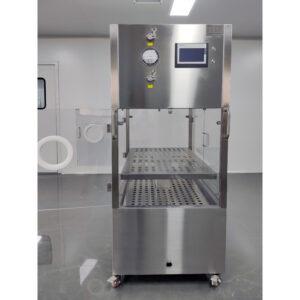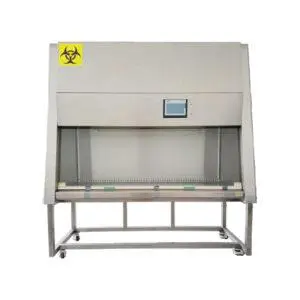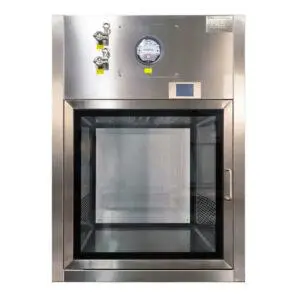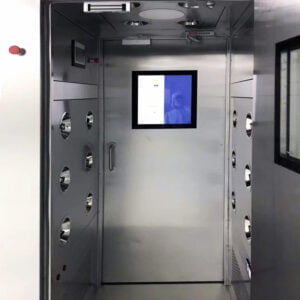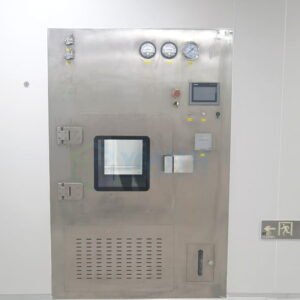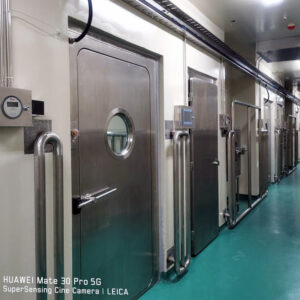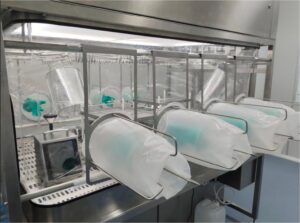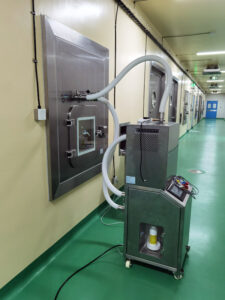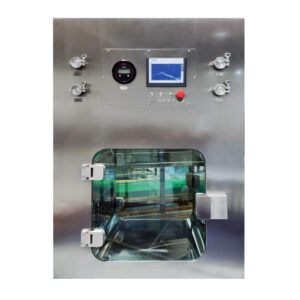
A cameră sterilă Proiectul ajunge în faza de punere în funcțiune și cineva descoperă că nu s-au comandat cutii de trecere. Transferul de materiale nu poate fi validat; programul suferă întârzieri de săptămâni întregi, în timp ce se găsește un furnizor de ultim moment și se decupează deschiderile în pereți. Costul nu constă doar în echipamentele lipsă, ci și în întârzierea validării, modificările neplanificate ale lucrărilor de construcții și efortul de a defini cu urgență domeniul de aplicare, care ar fi trebuit stabilit încă de la solicitarea ofertei. Decizia care previne această situație nu ține de alegerea unui furnizor mai bun, ci de definirea exactă a ceea ce constituie un GMP complet pachet de echipamente pentru camere sterile înainte de emiterea primei comenzi de achiziție.
Pachetele de echipamente GMP necesită o grupare bazată pe riscuri
Gruparea echipamentelor în funcție de rolul lor în controlul contaminării, în loc de alcătuirea unei singure liste mixte de dispozitive, previne confuzia privind domeniul de aplicare între furnizorii de echipamente și contractorii de la fața locului. Distincția principală se face între dispozitivele de control al fluxului de aer, echipamentele de transfer al materialelor și al personalului, cabinele de protecție locală, filtrarea finală și documentația necesară. Atunci când acestea sunt achiziționate sub forma unei comenzi în bloc nediferențiate, responsabilitatea pentru limitele de integrare devine neclară: cine conectează unitate de filtrare ventilator către sistemul de gestionare a clădirii, care asigură deschiderea structurală a compartimentului de transfer și care demonstrează că modelul de circulație a aerului din cabină respectă clasificarea încăperii.
O abordare practică a planificării — ilustrată de clasificarea practică a producătorilor, cum ar fi separarea de către IVEN a accesoriilor pentru camere sterile de proiectarea și instalarea sistemelor HVAC — tratează gruparea ca pe o metodă de control al achizițiilor, nu ca pe o cerință normativă. Dacă FFU, unități cu flux de aer laminar, în cazul în care cabinele de trecere și cabinele de distribuire sunt incluse într-un singur contract fără a se specifica în mod explicit domeniile de aplicare ale subgrupurilor, proiectul se confruntă cu două riscuri. În primul rând, lucrările de instalații de climatizare și cele de construcții civile, care țin în mod firesc de domeniul de aplicare al șantierului, sunt incluse în mod implicit în pachetul de echipamente, ceea ce duce la apariția unor lacune atunci când furnizorul nu le livrează. În al doilea rând, responsabilitățile de validare pentru fiecare grup devin neclare; același antreprenor care livrează o cabină de prelevare a probelor s-ar putea să nu fie responsabil pentru calificarea performanței fluxului de aer al acesteia, deoarece acest lucru nu a fost menționat niciodată în contract.
Gruparea nu este un exercițiu de conformitate; este un instrument de delimitare a contractelor.
Decizia practică constă în separarea pachetului în grupuri bazate pe riscuri — flux de aer (FFU, LAF), transfer (cutii de transfer, camere de compensare), cabine, filtrare (carcase și filtre finale) și documentație — astfel încât fiecare grup să aibă obligații clare ale furnizorilor și excluderi clare. Acest lucru permite echipei de proiect să aloce interfețele dintre amplasament și sistemul HVAC către contractanții de specialitate corespunzători și să definească procesele de predare-preluare pentru validare înainte de achiziție.
Debitul de aer, transferul, cabina și domeniul de aplicare al filtrului
Domeniul de aplicare al livrării pentru fiecare categorie de echipamente trebuie să precizeze elementele incluse și, mai important, interfețele excluse. Tabelul de mai jos ilustrează împărțiri tipice, dar fiecare proiect are propriile sale limite; tratați aceste elemente ca puncte de clarificare a domeniului de aplicare, nu ca un standard prestabilit.
| Categoria de echipamente | Elemente tipice incluse (domeniul de aplicare al furnizorului) | Adesea omise (locație/sistem de încălzire, ventilație și aer condiționat/altele) / Ce trebuie verificat |
|---|---|---|
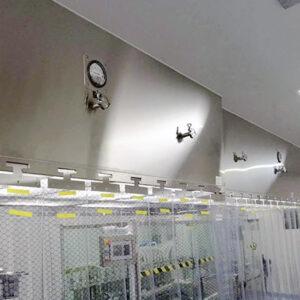
| Dispozitive de circulație a aerului (FFU, LAF) | Unități de filtrare cu ventilator, module de curgere laminară a aerului, dispozitive de reglare a vitezei | Racorduri ale rețelei de conducte, integrarea în grila de tavan, conectarea la sistemul de gestionare a clădirii (BMS) |
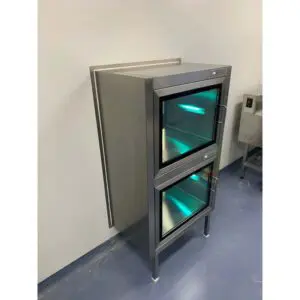
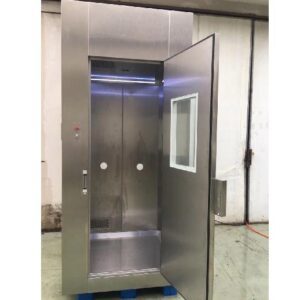
| Dispozitive de transfer (cutie de transfer, cameră de echilibrare) | Ansambluri de uși cu sistem de blocare, lumină UV (dacă este specificată), unități cu filtru HEPA | Deschideri civile în pereți, suporturi structurale, alimentarea cu energie electrică a instalației |
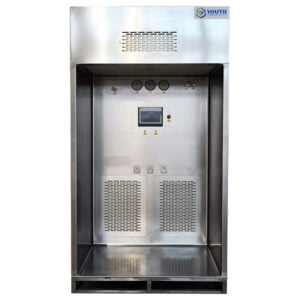
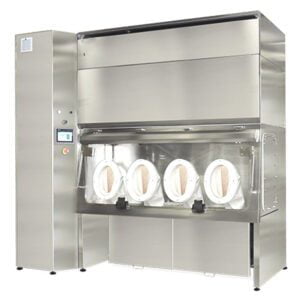
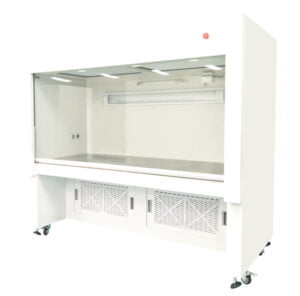
| Standuri locale (distribuire, oferire de mostre) | Cabină de izolare, flux de aer filtrat prin filtru HEPA, iluminat | Interfața de îmbrăcare a operatorilor, echilibrarea sistemului HVAC al camerei, executarea protocolului de validare |
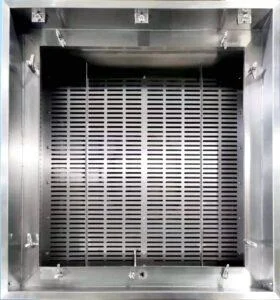
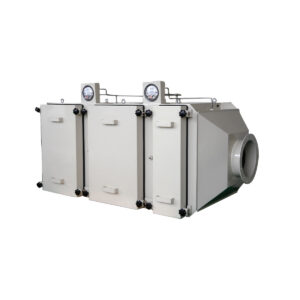
| Filtrare HEPA | Carcase pentru filtre, filtre finale HEPA/ULPA, prefiltre | Testarea integrității filtrului (DOP/PAO), dacă nu este inclusă în domeniul de aplicare, alimentarea cu aer prin conducte către carcasă |
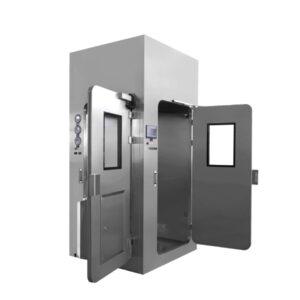
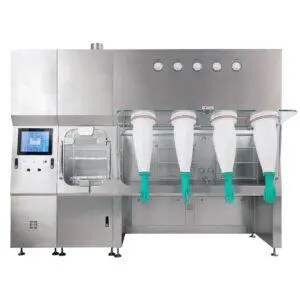
A cutie de transfer cu două uși interconectate este adesea menționat ca un dispozitiv esențial de transfer al materialelor în practica GMP, iar EU GMP Anexa 1 Principiile susțin introducerea controlată a materialelor în zonele clasificate. Cu toate acestea, presupunerea că furnizorul asigură deschiderea în perete, suportul structural sau alimentarea cu energie electrică a instalației reprezintă o neînțelegere recurentă. Cutia de transfer poate fi livrată ca unitate preasamblată, dotată cu filtrare HEPA și lumină UV, dar interfața civilă — decupajul din peretele panoului camerei curate și cadrul portant — rămâne o responsabilitate a șantierului care afectează direct integritatea presiunii din cameră. Atunci când această limită nu este definită, echipamentul rămâne în depozit până când antreprenorul general își pune la punct lucrările.
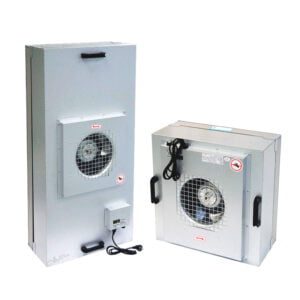
În cazul dispozitivelor de ventilație, precum FFU și modulele cu flux laminar, interfața critică este adesea grila de tavan, racordurile la rețeaua de conducte și conectarea la sistemul BMS. O unitate livrată cu un sistem manual de control al vitezei nu se va integra într-un sistem de reglare în cascadă a presiunii din încăpere, cu excepția cazului în care interfața semnalului de control este specificată și pusă în funcțiune. În mod similar, domeniul de aplicare al filtrării HEPA creează frecvent o problemă legată de limitele testării. Carcasa filtrului și filtrul final pot fi furnizate, dar testarea integrității filtrului folosind DOP/PAO s-ar putea să nu facă parte din contractul de echipamente. Dacă protocolul de calificare a încăperii presupune că furnizorul oferă raportul de testare a etanșeității, iar domeniul de aplicare al furnizorului se oprește la certificatul de testare din fabrică, echipa de validare se confruntă cu o activitate neplanificată la fața locului. Așteptările neconcordante privind aceste interfețe transformă ceea ce părea un pachet complet într-o serie de modificări la fața locului după atribuirea contractului și întârzieri în recalificare.
Dispozitive mici de interfață care provoacă întârzieri în aprovizionare
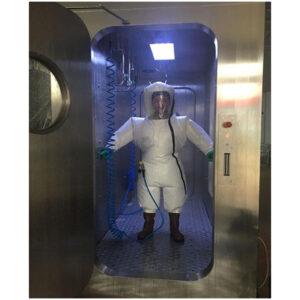
Un tip frecvent de eșec îl reprezintă omiterea unor dispozitive de interfață de mici dimensiuni — cutii de transfer, bănci de trecere, mobilier pentru vestiar, dușuri cu aer — din lista inițială de echipamente. Acestea sunt adesea considerate elemente de amenajare arhitecturală, obiecte de mobilier sau accesorii care nu sunt incluse în lista principală de achiziții. Rezultatul este că, atunci când structura camerei curate este aproape finalizată, traseul de transfer al materialelor sau secvența de schimbare a personalului nu pot funcționa conform proiectului.
| Dispozitiv | De ce este adesea trecut cu vederea | Riscul legat de lacunele în procesul de achiziții |
|---|---|---|
| Cutii de trecere | Considerat un element separat, care nu este inclus în dotarea standard | Calificarea întârziată a transferului de materiale |
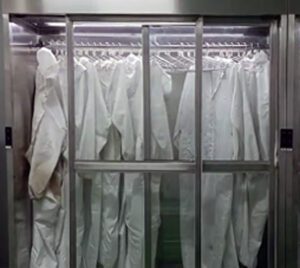
| Bănci cu treaptă și mobilier pentru vestiare | Considerat element de amenajare a spațiului, nefiind inclus în lista principală de echipamente | Zona de îmbrăcare nu a trecut auditul GMP |
| Cabine de prelevare și distribuire | Se presupune că face parte din lucrările de construcție a instalației | Lipsa protecției locale esențiale la începutul operațiunilor |
| Spectacole de aer | Specificat ulterior ca o extindere a vestiarului pentru personal | Ciclul de decontaminare a personalului este incomplet |
Această lacună nu reprezintă doar o comandă de achiziție lipsă; ea devine un punct de blocare a certificării. O cameră de echilibrare a presiunii fără cutie de transfer obligă unitatea să utilizeze un transfer cu ușa deschisă, ceea ce invalidează cascada de presiune. O zonă de îmbrăcare fără bănci de trecere adecvate sau mobilier pentru vestiar compromite secvența definită de control al contaminării și poate duce la o constatare în urma auditului. Anexa 1 la GMP-ul UE și ghidurile OMS pun accentul pe controlul fluxului de materiale și personal, dar o reglementare nu generează specificațiile de achiziție. Este responsabilitatea echipei de proiect să includă aceste dispozitive în pachetul de echipamente încă de la început.
Lipsa unei bănci de îmbrăcare nu reprezintă o omisiune în ceea ce privește mobilierul, ci o lacună în secvența de control al contaminării.
Includerea acestor dispozitive în pachetul principal de echipamente poate elimina lacuna de achiziție, cu condiția ca pachetul să enumere în mod explicit fiecare articol. Dacă descrierea pachetului rămâne vagă — ”accesorii pentru camera curată, după necesități” — același risc de întârziere a comenzii persistă chiar și în cadrul unui singur contract. Măsura de siguranță reală o reprezintă o listă detaliată, cameră cu cameră, care leagă fiecare dispozitiv de un punct specific de transfer sau de o etapă specifică a procesului de îmbrăcare, astfel încât orice omisiune să fie vizibilă încă din etapa de revizuire a cererii de ofertă.
Revizuirea listei de materiale (BOM) pentru accesorii și piese de schimb
Ofertele care par complete într-o listă detaliată a articolelor nu trec adesea de verificarea listei de materiale (BOM) atunci când lipsesc accesoriile și piesele de schimb esențiale pentru respectarea bunelor practici de fabricație (GMP). Filtrele HEPA de rezervă, garniturile de schimb, seturile de etanșare pentru uși și senzorii esențiali pentru calibrare sunt excluse în mod obișnuit din prețul echipamentului de bază, fiind tratate ca consumabile sau accesorii adăugate după plasarea comenzii. Verificarea listei de materiale trebuie să identifice aceste omisiuni înainte de plasarea comenzii, deoarece absența lor nu iese la iveală decât la prima operațiune de întreținere sau la primul ciclu de recalificare.
| Articolul de revizuire | De ce lipsește adesea | Consecințele în cazul în care se trece cu vederea acest aspect |
|---|---|---|
| Filtre HEPA de rezervă | Nu este inclus în pachetul de bază | Perioadă de nefuncționare prelungită în timpul procesului de recalificare |
| Accesorii critice din punct de vedere al bunelor practici de fabricație (GMP) (garnituri, sigilii, senzori) | Excluse ca materiale consumabile sau articole furnizate de șantier | Nerespectarea normelor în timpul funcționării sau abateri de la performanțele prevăzute |
| Pachete de documente de calificare | Se consideră un supliment adăugat după plasarea comenzii, nefiind inclus în prețul de bază | Întârzieri în executarea validării și lacune în documentație |
Atunci când nu se comandă un filtru final de rezervă odată cu cutia de transfer sau unitatea FFU, o singură defecțiune a filtrului duce la o perioadă de nefuncționare prelungită. Unitatea nu poate reveni la funcționare până când nu sosește un filtru de schimb certificat și nu se efectuează testul de integritate, iar termenul de livrare poate fi de câteva săptămâni. Anexa 15 la GMP UE prevede că starea validată trebuie menținută; fără o strategie documentată privind piesele de schimb, unitatea nu poate demonstra că este capabilă să readucă prompt echipamentul la o stare calificată. Același principiu se aplică și pachetelor de documente de calificare. Dacă oferta de bază a furnizorului include doar echipamentul și un certificat generic, echipa de validare trebuie să negocieze — și să plătească — documentația IQ/OQ ca element separat din domeniul de aplicare, după plasarea comenzii. Acest lucru întârzie execuția și creează lacune în documentație în timpul revizuirii pistei de audit.
O analiză riguroasă a listei de componente (BOM) în etapa de achiziție ridică două întrebări: pentru fiecare componentă activă care se poate defecta, există o piesă de schimb cu preț stabilit? Și pentru fiecare dispozitiv care necesită validare, sunt incluse în mod explicit documentele necesare (liste de verificare pentru instalare, rapoarte de testare funcțională, certificate de material)? Dacă răspunsul este „nu”, pachetul nu este încă pregătit pentru achiziție.
Publicarea cererii de ofertă necesită corelarea dispozitivelor, a încăperilor și a documentelor
O cerere de ofertă (RFQ) care se limitează la enumerarea tipurilor și cantităților de echipamente nu poate conține informațiile necesare pentru a preveni substituirea, amplasarea incorectă sau lacunele în procesul de validare. Singura măsură obligatorie care îl obligă pe furnizor să livreze exact ceea ce este necesar pentru fiecare încăpere este o corelare dispozitiv cu dispozitiv, care definește eticheta unității, încăperea deservită, rolul acesteia în conformitate cu bunele practici de fabricație (GMP), documentele necesare și domeniul de aplicare exclus.
| Informații pentru hartă | Ce acoperă | Risc în cazul în care nu se specifică altfel |
|---|---|---|
| Identificarea dispozitivului | Etichetă unică pentru fiecare unitate (FFU, LAF, cutie de transfer, cabină) | Înlocuirile sau duplicatele duc la lacune în calificare |
| Cameră deservită | Alocarea către o cameră curată și o locație specifică | Clasificarea incorectă a încăperilor sau conflicte legate de echilibrarea fluxului de aer |
| Rolul GMP | Clasificare (de exemplu, proces critic, de sprijin, de transfer) | Efortul de validare a fost alocat în mod necorespunzător; lipsește trasabilitatea specificației cerințelor utilizatorului (URS) |
| Documentul final | Certificate necesare, rapoarte de testare, documentație IQ/OQ | Furnizorul optează în mod implicit pentru pachetul minim, ceea ce duce la constatări în urma auditului |
| Domeniul de aplicare exclus | Lista clară a articolelor/serviciilor care nu sunt furnizate (de exemplu, lucrări structurale, sistemul de gestionare a clădirii) | Litigiile ulterioare atribuirii contractului și lucrările la șantier neprevăzute în buget |
În absența unei identificări unice a dispozitivului, un furnizor ar putea înlocui un model cu unul echivalent, care prezintă caracteristici diferite ale fluxului de aer sau o configurație diferită a filtrului, creând astfel o discrepanță în procesul de calificare, deoarece datele privind starea reală a instalației nu mai corespund cu cerințele din URS. În lipsa specificării încăperii deservite, o cutie de transfer destinată unei camere de echilibrare a materialelor de gradul C ar putea fi instalată la un punct de transfer critic de gradul B, cu o logică incorectă a interblocării de presiune. Atribuirea unui rol GMP — proces critic, de sprijin sau neclasificat — determină efortul de validare. O cabină de cântărire care intră în contact direct cu produsul necesită o validare completă (IQ/OQ); o cutie de transfer care leagă două coridoare de același grad poate necesita doar o verificare la punerea în funcțiune. Această diferențiere, atunci când este precizată de la început, împiedică echipa de validare să documenteze excesiv sau insuficient echipamentul și menține atenția auditului asupra zonelor cu risc.
Documentele care trebuie furnizate trebuie enumerate în cererea de ofertă (RFQ) cu aceeași precizie ca și echipamentele. Reglementările GMP ale FDA din SUA prevăd validarea echipamentelor iar procedurile scrise sunt esențiale, iar cererea de ofertă (RFQ) este instrumentul care transformă această așteptare în obligații ale furnizorului. Dacă cererea de ofertă solicită doar “certificare”, furnizorul se limitează la pachetul minim — de obicei, un certificat de testare din fabrică — lăsând în seama șantierului sarcina de a completa dovezile necesare privind calificarea instalației și a funcționării. În cele din urmă, domeniul de aplicare exclus trebuie să fie explicit: suporturi structurale, integrarea sistemului de gestionare a clădirii (BMS), rețeaua de conducte și lucrările de construcții care nu fac parte din furnizare. Atunci când aceste elemente nu sunt menționate ca fiind excluse, apar dispute după atribuirea contractului cu privire la cine plătește pentru interfețele lipsă.
Dacă cererea de ofertă nu atribuie fiecărui dispozitiv o cameră și un rol GMP, pachetul nu este pregătit pentru achiziție.
Cererea de ofertă (RFQ) constituie structura de bază a domeniului de aplicare al contractului. O corelare corectă a elementelor implică stabilirea în prealabil a trasabilității validării, a interfețelor de instalare și a responsabilității pentru documentație, înainte ca echipamentul să ajungă la fața locului.
Un GMP echipamente pentru camere curate Un pachet definit prin gruparea bazată pe riscuri, limite explicite ale interfețelor, includerea completă a dispozitivelor mici de transfer, o listă de materiale (BOM) verificată pentru piese de schimb și documentație, precum și o cerere de ofertă (RFQ) corelată cu încăperile nu este o simplă comandă de achiziție — este un set de livrabile gata pentru calificare. Abordarea practică constă în tratarea pachetului ca pe un document controlat, nu ca pe o listă de cumpărături. Înainte de lansare, asigurați-vă că fiecare dispozitiv este asociat cu o funcție a încăperii, că oferta include piesele de schimb și pachetele de documentație necesare pentru menținerea stării validate și că ceea ce nu este furnizat este menționat la fel de clar ca și ceea ce este furnizat. Astfel, o specificație pe hârtie se transformă într-o instalație care va trece de procesul de calificare și va rămâne ușor de întreținut.
Întrebări frecvente
Î: Ce se întâmplă dacă achiziționăm echipamente pentru modernizarea unei camere curate existente, și nu pentru un proiect nou – se aplică în continuare gruparea bazată pe riscuri?
R: Da, gruparea rămâne valabilă, dar limitele interfeței se modifică. În cazul unei modernizări, deschiderile existente în pereți, grilajele de tavan și infrastructura BMS pot impune restricții asupra selecției echipamentelor. Aceeași grupare în categorii precum fluxul de aer, transferul, cabinele și filtrarea vă împiedică să vă așteptați, din neatenție, ca furnizorul de echipamente să modifice condițiile locației, care sunt acum fixe. Pasul suplimentar esențial este documentarea restricțiilor existente pentru fiecare încăpere înainte de cererea de ofertă, astfel încât domeniul de aplicare al furnizorului să corespundă exact cu ceea ce instalația poate accepta fără lucrări de construcții neplanificate.
Î: După ce ați citit acest articol, care este prima măsură pe care trebuie să o luați imediat pentru a transforma sfaturile din articol într-o specificație practică?
R: Creați un tabel de corelare a dispozitivelor pentru fiecare încăpere în parte, chiar dacă acesta este inițial doar o schiță preliminară. Enumerați fiecare încăpere, dispozitivul necesar pentru controlul contaminării (FFU, cutie de transfer, cabină etc.), rolul său critic în conformitate cu GMP și documentul pe care îl așteptați (de exemplu, certificat de testare în fabrică față de IQ/OQ complet). Acest schelet evidențiază imediat dispozitivele mici de interfață care lipsesc și devine baza pentru coordonarea cu furnizorii înainte de a redacta cererea oficială de ofertă (RFQ).
Î: Această abordare privind definiția pachetului se aplică în continuare dacă camera noastră curată nu este o unitate de producție sterilă sau nu respectă Anexa 1 la GMP-ul UE?
R: Logica structurală – gruparea pe funcții, clarificarea interfețelor și corelarea echipamentelor cu spațiile – se aplică în orice mediu controlat. Cu toate acestea, nivelul de detaliere al documentației de validare și rigurozitatea cerințelor GMP sunt reduse. Pentru aplicații nesterile sau din domeniul semiconductorilor, puteți adapta livrabilele de calificare, dar trebuie totuși să preveniți lacunele în procesul de achiziții și delimitările ambigue între locații și furnizori. Gruparea bazată pe risc rămâne un instrument eficient de asigurare a bunei practici în achiziții, nu o sarcină reglementară care dispare în afara sectorului farmaceutic.
Î: În ce situații un singur pachet de echipamente „la cheie” generează mai multe probleme decât contractele separate pentru sistemele de ventilație, transfer și cabine?
R: Un pachet “la cheie” devine o povară atunci când responsabilitatea pentru interfețele cu șantierul – conexiunile sistemului HVAC, deschiderile structurale, integrarea sistemului BMS – nu este exclusă în mod explicit din domeniul de aplicare al furnizorului. Dacă contractul pachetului nu detaliază fiecare grup de dispozitive cu propria listă de delimitare, șantierul moștenește lacunele de integrare și disputele legate de predarea validării împotriva cărora avertizează articolul. Contractele separate impun claritate, dar un singur pachet poate funcționa dacă conține domenii de aplicare la fel de clare pentru fiecare subgrup; pericolul rezidă întotdeauna în caracterul vag al ceea ce este „inclus”.”
Î: Este necesar un astfel de nivel de detaliere în definirea pachetului de echipamente pentru un proiect de cameră curată mică, cu o singură încăpere, sau este excesiv?
R: Aceleași lacune apar și la scară mică. O singură cutie de trecere lipsă sau un filtru de rezervă omis pot bloca certificarea unui proiect de mici dimensiuni, la fel cum se întâmplă în cazul unei instalații de mari dimensiuni. Efortul de documentare și cartografiere este mai redus – aveți mai puține încăperi și dispozitive –, dar omiterea cartografierii încăperi-dispozitive și a revizuirii listei de componente (BOM) poate duce la aceeași criză legată de întârzierea comenzilor. Pentru un proiect de mici dimensiuni, miza este chiar mai mare, deoarece bugetul rareori acoperă lucrările de construcții neplanificate sau întârzierile de validare.