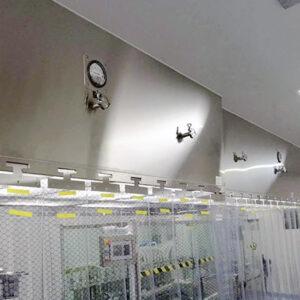
Echipele de achiziții care se ocupă de Gestionarea API-urilor deseori, zonele aleg un tip de stand în funcție de denumirea categoriei—cabina de prelevare de probe, cabina de cântărire, cabina de distribuire—înainte ca secvența efectivă a operațiunilor, riscurile legate de materiale și constrângerile de curățare să fie documentate. Această eroare de proiectare iese la iveală rareori până la punerea în funcțiune, când unitatea instalată nu dispune de regimul de presiune necesar pentru clasa specifică de potență API sau când configurația spațiului face imposibilă curățarea validată cu agenții pe care instalația are autorizația să îi utilizeze. Consecința este necesitatea unor lucrări suplimentare: modificarea scopului proiectului, întârzierea calificării sau o a doua achiziție de capital pentru a corecta neconcordanța funcțională. Decizia care rezolvă această problemă nu se referă la tipul de cabină care este cel mai bun în general, ci la configurația care corespunde etapei specifice de manipulare, obiectivului de izolare și secvenței de funcționare care au fost deja stabilite.
Secvența de operațiuni înainte de alegerea cabinelor de cântărire, prelevare de probe sau distribuire
Începeți elaborarea specificațiilor numai după ce criteriile de planificare din tabelul de mai jos au fost documentate și convenite de către departamentele de asigurare a calității (QA), sănătate, siguranță și mediu (EHS) și operațiuni. Fiecare rând reprezintă o decizie care trebuie stabilită înainte ca un tip de cabină să poată fi specificat în mod concret.
| Decizia de remediere | De ce este important pentru alegerea standului | Ce să clarificăm |
|---|---|---|
| Secvența de operații (cântărire, prelevare de probe, dozare) | Stabilește care sunt funcțiile de izolare și de gestionare a fluxului de lucru necesare | Precizați etapa exactă de gestionare a API-ului pe care standul o va suporta |
| Risc legat de material | Determină riscul de expunere și nivelul de izolare | Confirmați banda de frecvență/puterea și dacă produsul, operatorul sau ambele au nevoie de protecție |
| Obiectivul de izolare | Stabilește regimul de presiune și direcția fluxului de aer | Stabiliți dacă cabina protejează produsul, operatorul, mediul sau toate cele trei |
| Efortul de curățare | Influențează dispunerea, finisajul suprafeței și cerințele privind scurgerea | Stabiliți frecvența curățării, compatibilitatea produselor de curățare și traseul de eliminare a deșeurilor |
| Proprietar-exploatant | Stabilește responsabilitățile privind utilizarea zilnică, registrele de exploatare și schimbul de tură | Stabiliți cine este responsabil de respectarea procedurilor standard de operare (SOP), de curățenie și de predarea sarcinilor după finalizarea fiecărei activități |
Ordinea deciziilor este la fel de importantă ca și deciziile în sine. Echipele care identifică un risc semnificativ înainte de stabilirea secvenței de sarcini descoperă adesea că au ales un nivel de izolare pentru o etapă care nu a fost încă atribuită în mod clar unei cabine specifice. În mod similar, echipele care omit punctul referitor la “responsabilul operațional” constată frecvent că procedurile standard de operare (SOP) privind curățenia sunt redactate fără a se menționa o persoană responsabilă, ceea ce face ca procesul de predare-preluare să fie ambiguu atunci când departamentul de asigurare a calității sau un auditor extern solicită dovezi. ICH Q9(R1) oferă un ghid util privind procesul de structurare a acestui tip de ierarhizare a riscurilor — nu ca o listă de verificare a conformității, ci ca un cadru pentru identificarea elementelor necunoscute care reprezintă riscuri de calitate necontrolate înainte de angajarea cheltuielilor pentru echipamente de capital.
Obiectivul de izolare nu poate fi stabilit până când cerințele referitoare la produs, operator și protecția mediului nu sunt delimitate și convenite.
Aspectul legat de efortul de curățare merită o atenție specială în faza de planificare. Dacă suprafețele cabinei sau sistemul de drenaj nu sunt proiectate ținând cont de agenții de curățare autorizați pentru API-ul în cauză, instalația se poate confrunta cu un proces de schimbare care, deși conform din punct de vedere tehnic, este practic imposibil de pus în aplicare la frecvența necesară.
Diferențele privind izolarea și fluxul de aer în funcție de etapa de manipulare conform API
Cele trei etape de manipulare a substanțelor active farmaceutice (API) — cântărirea, prelevarea de probe și dozarea — diferă în ceea ce privește calea de expunere, durata activității și direcția de protecție necesară. Considerarea acestora ca fiind interschimbabile în etapa de selectare a cabinei reprezintă principala sursă de neconcordanță în configurare.
Tabelul de mai jos corelează fiecare etapă de manipulare cu obiectivul tipic de protecție, modelul de curgere a aerului și configurația de presiune aferente. Acestea sunt modele tehnice derivate din linii specifice de produse și din logica tipică a aplicațiilor, nu cerințe universale GMP pe care fiecare cabină trebuie să le îndeplinească.
| Etapa de procesare API | Accentul pe protecția primară | Conceptul fluxului de aer | Configurația presiunii |
|---|---|---|---|
| Cântărirea | Integritatea produsului; protecția operatorului în cazul în care praful prezintă riscuri | Se poate recurge la utilizarea unei perdele de aer pentru a împiedica scurgerea aerului din interior | Confirmați dacă este necesară o presiune negativă sau pozitivă, în funcție de riscul asociat materialului |
| Eșantionarea | Integritatea probei sau protecția operatorului, în funcție de protocolul deschis/închis | Modele configurabile de admisie și evacuare | Presiune pozitivă sau negativă selectabilă în funcție de obiectivul de izolare |
| Distribuire | Protecția operatorului (cerință generală pentru manipularea substanțelor active farmaceutice puternice) | Flux de aer orientat spre izolare; fără scurgeri de aer către zona operatorului | De obicei, presiune negativă; verificați cu producătorul |
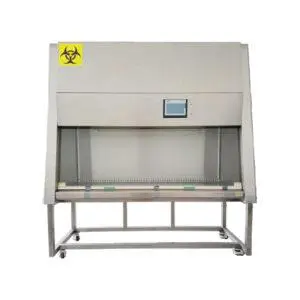
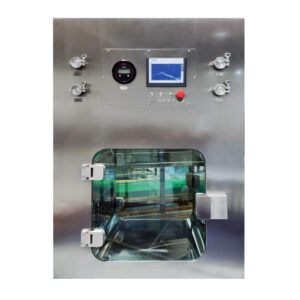
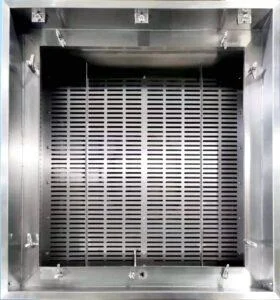
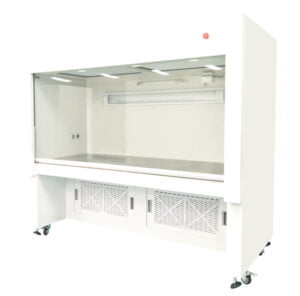
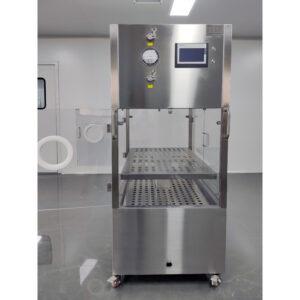
Două detalii specifice de proiectare ilustrează modul în care aceste diferențe se traduc în alegeri la nivel de hardware. Pentru cabine de cântărire, unele configurații includ o perdea de aer care direcționează fluxul de aer în jos, în fața deschiderii ușii, formând o barieră care împiedică aerul să se răspândească în zona înconjurătoare. Existența acestei caracteristici și adecvarea ei la nivelul de risc API sunt aspecte care trebuie verificate în raport cu specificațiile efective ale produsului — aceasta nu este o caracteristică standard a tuturor cabinelor de cântărire. În cazul cabinelor de eșantionare, cel puțin unele linii de produse oferă o configurație selectabilă a presiunii: fie pozitivă, fie negativă, în funcție de faptul dacă protecția produsului sau protecția operatorului reprezintă preocuparea principală pentru protocolul specific de eșantionare. Această configurabilitate este utilă, dar necesită ca echipa de proiect să fi răspuns deja la întrebarea privind obiectivul de izolare înainte de a specifica configurația, nu după livrare.
Posibilitatea de configurare a presiunii într-o cabină de prelevare de probe este utilă doar dacă obiectivul de izolare a fost stabilit de comun acord înainte de comandarea unității.
Dozarea substanțelor active farmaceutice (API) puternice necesită, de obicei, un flux de aer orientat spre izolare, care să îndepărteze contaminanții din zona operatorului, ceea ce tinde să favorizeze presiunea negativă. Cu toate acestea, configurația adecvată depinde de compusul specific, de natura deschisă sau închisă a procesului de dozare și de limitele de expunere aplicabile. Niciun regim de presiune nu ar trebui specificat exclusiv pe baza etichetei etapei.
Detalii privind curățenia și colectarea deșeurilor care influențează amenajarea standului
Constrângerile legate de curățenie trebuie tratate ca un element de bază al proiectării, nu ca un aspect secundar. Dacă metoda de curățare este stabilită într-o etapă târzie, aceasta poate intra în conflict cu finisajele suprafețelor, amplasarea canalelor de scurgere sau materialele structurale deja stabilite în faza de proiectare a cabinei.
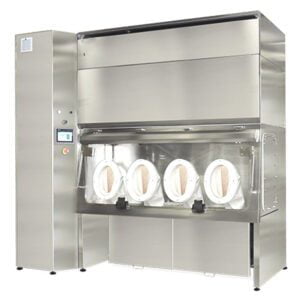
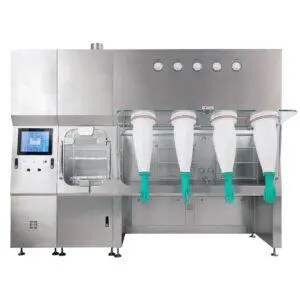
Un exemplu concret dintr-o linie de producție cu cabine de dozare ilustrează consecințele unei abordări greșite: curățarea cu apă este interzisă în mod explicit pentru respectivul echipament, metodele permise fiind limitate la detergenți pe bază de alcool și agenți chimici specializați. Aceasta nu este neapărat o reglementare GMP care provine din EudraLex sau de o autoritate de reglementare specifică — este o constrângere de compatibilitate a materialelor specifică structurii produsului respectiv. Însă impactul său practic este semnificativ. Curățarea cu soluții pe bază de alcool a unei cabine de dozare într-o unitate care produce mai multe produse ridică întrebări privind validarea reziduurilor, colectarea deșeurilor și frecvența cu care se poate efectua, în mod realist, o curățare completă între schimbările de substanțe active farmaceutice (API).
Calea de evacuare a deșeurilor este o consecință a amenajării spațiului. Cabine în care este interzisă curățarea cu lichide nu pot avea guri de scurgere în pardoseală ca rută principală de eliminare a deșeurilor; fluxul de lucru de curățare trebuie să se bazeze, în schimb, pe ștergere și eliminarea deșeurilor în recipiente închise, ceea ce afectează modul în care este organizat interiorul cabinei și cât spațiu liber de lucru este necesar în jurul suprafețelor echipamentelor și colțurilor interioare. Dacă cabina va fi utilizată frecvent pentru schimbarea între diferite API-uri, efortul de curățare și accesul fizic la toate suprafețele interioare ar trebui evaluate în timpul revizuirii amenajării cabinei, nu în timpul validării curățării.
Finisajul suprafeței standului — oțel acoperit cu un strat de protecție, oțel inoxidabil sau oțel inoxidabil electropolizat — trebuie ales în funcție de agenții de curățare autorizați, nu pe baza unei specificații prestabilite. În cazul în care se utilizează substanțe active farmaceutice (API) cu potență ridicată sau agenți de decontaminare agresivi, designul suprafeței și al îmbinărilor trebuie verificat din punctul de vedere al compatibilității cu acești agenți înainte de plasarea comenzii.
Probleme legate de achiziții cauzate de faptul că un singur nume de stand acoperă diferite sarcini
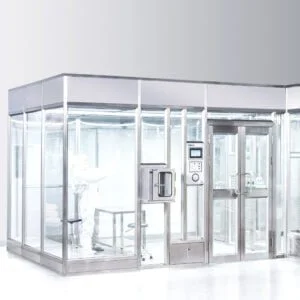
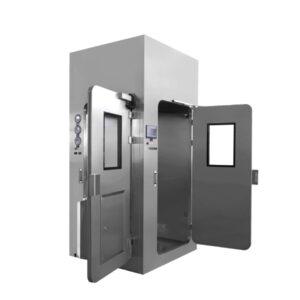
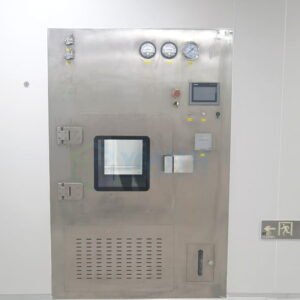
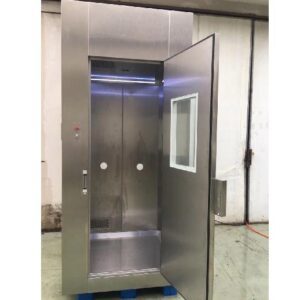
Aceeași unitate hardware este uneori comercializată sub mai multe denumiri pentru a se adresa unor segmente diferite de clienți — denumiri precum ”Cabina de eșantionare”, “Cameră curată portabilă” și coduri de produs abreviate pot apărea împreună pe o singură pagină de produs, descriind o singură configurație fizică. Atunci când o echipă de achiziții utilizează o denumire bazată pe sarcină pentru a selecta echipamentul, este posibil să primească o configurație care se potrivește unui anumit caz de utilizare, dar nu și altuia.
Tabelul de mai jos prezintă scenariile de achiziții în care această fricțiune duce cel mai adesea la erori în caietul de sarcini sau la lucrări de remediere ulterioare livrării.
| Scenariu de achiziții | Fricțiune/Risc | Ce trebuie să confirmați |
|---|---|---|
| Un produs comercializat sub mai multe denumiri (de exemplu, Cabină de prelevare de probe / Cameră sterilă portabilă) | Configurația livrată poate fi compatibilă cu procesul de prelevare de probe, dar poate prezenta defecte în fluxul de lucru de distribuire sau în ceea ce privește protecția operatorului | Identificați etapele concrete ale sarcinii și verificați dacă măsurile de izolare, fluxul de aer și caracteristicile de curățare corespund acestora |
| Stand comun utilizat pentru diverse activități legate de API | Ambiguitatea privind schimbul de tură, responsabilitatea pentru curățenie și controlul contaminării încrucișate | Definiți noțiunile de „sarcină de curățare”, „proprietar al operațiunii” și „riscul de contaminare încrucișată între operațiuni” |
| Stand dedicat pentru fiecare sarcină | Necesită mai mult spațiu și un buget mai mare, dar reduce riscul legat de schimbare și ambiguitatea privind dreptul de proprietate | Justificați dacă creșterea amprentei ecologice și a costurilor este acceptabilă în raport cu beneficiile obținute în ceea ce privește claritatea procesului |
Denumirea unui stand descrie o categorie de piață, nu o corespondență verificată cu etapa specifică de manipulare, cu riscul asociat API-ului și cu constrângerile de curățare.
Scenariul cabinei comune merită o discuție interfuncțională explicită înainte de a fi adoptat ca măsură de reducere a costurilor. Utilizarea unei singure cabine atât pentru prelevarea probelor, cât și pentru distribuire reduce cheltuielile de capital și spațiul necesar, dar sporește complexitatea operațiunilor de schimbare a configurației, a validării curățării și a responsabilității pentru procedurile standard de operare (SOP). Dacă agenții de curățare permisi diferă între cele două operațiuni sau dacă configurația fluxului de aer care protejează operatorul în timpul distribuției intră în conflict cu regimul de presiune necesar pentru integritatea probei în timpul prelevării, este posibil ca o unitate comună să nu poată fi configurată pentru a îndeplini ambele funcții fără compromisuri. Acest compromis trebuie documentat și analizat de departamentele de asigurare a calității (QA) și de sănătate, siguranță și mediu (EHS) înainte de finalizarea deciziei de achiziție — și nu descoperit în timpul calificare pentru trecerea la un alt sistem.
Cabine dedicate fiecărei sarcini sunt mai ușor de validat și de utilizat, dar numai dacă spațiul și bugetul permit creșterea suprafeței ocupate. Justificarea utilizării cabinelor dedicate trebuie să se bazeze pe cerințele de izolare și pe efortul de curățare necesar pentru fiecare sarcină, nu pe o preferință generală pentru simplitate.
Pragul de decizie după stabilirea traseului de expunere și a secvenței de funcționare
Alegerea între configurațiile cabinelor de cântărire, prelevare de probe și dozare devine simplă odată ce parametrii din tabelul de mai jos sunt stabiliți. Riscul de eroare în ceea ce privește specificațiile scade drastic atunci când fiecare parametru atinge starea descrisă. Luarea unei decizii înainte de atingerea acestui punct transformă alegerea echipamentului de capital într-o sursă continuă de refaceri și de expunere la riscuri legate de conformitate.
| Parametru fix | Obiectiv de atins | Declanșatorul deciziei |
|---|---|---|
| Secvența de sarcini pentru gestionarea API-ului | Etapele de cântărire, prelevare de probe și dozare sunt clar identificate | Continuați numai după ce etapa exactă pe care o va găzdui standul a fost stabilită definitiv |
| Calea de expunere | Parcursul expunerii operatorului și a produsului, prezentat pe etape | Asigurați-vă că nu există niciun scenariu de expunere care să nu fie luat în considerare |
| Obiectivul de izolare | Acord privind obiectul protecției: produs, operator, mediu sau o combinație a acestora | Selecția este imposibilă fără un obiectiv de izolare bine definit |
| Efortul de curățare | S-au stabilit metoda de curățare, frecvența și compatibilitatea produselor de curățare | În cazul unor neclarități, amenajarea standului și alegerea materialelor vor fi puse în pericol |
| Proprietar-exploatant | Persoana/echipa desemnată responsabilă pentru utilizarea zilnică și schimbarea echipamentelor | Neclaritatea privind dreptul de proprietate blochează predarea procedurilor standard de operare (SOP) și asigurarea conformității pe termen lung |
Parametrul ’calea de expunere” reprezintă punctul în care proiectele se blochează cel mai frecvent sau avansează prematur. O hartă de expunere incompletă — una care identifică pericolul prezentat de API, dar nu urmărește traseul de expunere a operatorului sau a produsului pe parcursul etapei specifice de manipulare — face ca obiectivul de izolare să rămână nerezolvat. Conform logicii de evaluare a riscurilor din ICH Q9(R1), această lacună reprezintă un risc de calitate necontrolat, deoarece nu a fost stabilită baza pentru selectarea unei strategii de izolare. O cabină comandată înainte de cartografierea traseului de expunere poate asigura un mediu clasificat, fără a rezolva însă problema traseului real de contaminare sau a expunerii operatorului în cadrul acelei sarcini specifice.
O cale de expunere nerezolvată nu reprezintă un detaliu omis — ci un risc necontrolat care împiedică alegerea justificată a cabinei.
Proprietarul responsabil de exploatare este parametrul care este cel mai adesea lăsat implicit. Atunci când nicio echipă sau persoană nu este desemnată ca responsabilă pentru funcționarea zilnică, respectarea jurnalului de lucru, curățenie și schimbarea echipamentelor, procedurile standard de operare (SOP) sunt redactate fără un lanț clar de predare-preluare a responsabilităților. Acest lucru creează o vulnerabilitate la audit, nu pentru că cabina în sine este greșită, ci pentru că dovezile utilizării controlate nu pot fi adunate fără un responsabil identificat. Clarificarea responsabilității înainte de specificarea cabinei asigură că secvența de operare este proiectată pentru persoanele și fluxul de lucru care o vor opera efectiv, mai degrabă decât pentru o descriere abstractă a procesului.
Înainte de a opta pentru un anumit tip de cabină, asigurați-vă că fiecare parametru din tabelul de pregătire pentru luarea deciziei are un răspuns documentat: etapa de manipulare este alocată, calea de expunere este cartografiată, obiectivul de izolare este convenit între departamentele de asigurarea calității (QA) și de sănătate, siguranță și mediu (EHS), compatibilitatea metodei de curățare și a agentului de curățare este verificată în raport cu materialele din care este construită cabina, iar responsabilul cu exploatarea este desemnat. Orice parametru nerezolvat în etapa de specificare va reapărea în timpul calificării sau al exploatării, cu costuri mai mari și cu o flexibilitate redusă în ceea ce privește corectarea.
Atunci când evaluați configurațiile furnizorilor, considerați denumirea produsului ca un punct de plecare pentru discuție, nu ca o confirmare a adecvării la scopul propus. Solicitați specificațiile tehnice complete, verificați posibilitatea de configurare a presiunii în raport cu obiectivul de izolare, confirmați compatibilitatea suprafețelor și a materialelor cu agenții de curățare autorizați și verificați dacă dispunerea internă permite frecvența de curățare și traseul de eliminare a deșeurilor impuse de instalație. Aceste verificări trebuie efectuate în etapa de achiziție, nu în lista de sarcini pentru punerea în funcțiune.
Întrebări frecvente
Î: Unitatea noastră prelucrează numai substanțe active farmaceutice (API) nepericuloase, care nu necesită măsuri speciale de izolare. Putem sări peste etapa de alegere a configurației de presiune?
R: Nu, tot trebuie să definiți obiectivul de protecție. Chiar și substanțele active farmaceutice (API) nepericuloase necesită protecție împotriva contaminării din mediul înconjurător sau din partea operatorului, iar unele protocoale de prelevare a probelor impun o presiune pozitivă pentru a menține integritatea probei. Configurarea presiunii nu vizează doar siguranța operatorului — ci și faptul dacă cabina protejează produsul, operatorul sau ambele. Stabilirea unui regim de presiune în funcție de etapa specifică de manipulare evită o configurație care consumă inutil aerul condiționat sau, dimpotrivă, nu reușește să protejeze produsul. Documentați obiectivul de izolare chiar dacă acesta este “doar protecția produsului” și verificați dacă setarea de presiune selectabilă a cabinei corespunde acestei necesități.
Î: După ce ați citit articolul, care este primul pas concret pe care îl puteți face pentru a demara un proces de achiziție a standurilor care să respecte normele în vigoare?
R: Organizați o ședință scurtă, interfuncțională, cu reprezentanții departamentelor de asigurare a calității (QA), sănătate, mediu și siguranță (EHS) și operațiuni, pentru a identifica calea de expunere pentru fiecare etapă de manipulare a API-ului. Utilizați calea de expunere ca dată de intrare pentru evaluarea riscurilor conform ICH Q9(R1): urmăriți traseul de expunere a operatorului sau a produsului în timpul cântăririi, prelevării de probe sau distribuției, înainte de a discuta tipurile de cabine de izolare sau de a contacta furnizorii. Acest demers asigură stabilirea din timp a obiectivului de izolare și împiedică departamentul de achiziții să comande o unitate doar pe baza denumirii. Abia după ce calea de expunere este documentată ar trebui să vă puneți de acord asupra parametrilor de configurare din tabelul de pregătire pentru luarea deciziilor.
Î: În ce moment un stand comun pentru degustare și distribuire devine imposibil de utilizat și trebuie să trec la unități dedicate?
R: O cabină comună devine inoperabilă atunci când sarcina de curățare sau conflictul de presiune nu pot fi rezolvate în timpul permis pentru schimbare. Dacă agentul de curățare aprobat pentru etapa de dozare deteriorează suprafețele sau lasă reziduuri care compromit integritatea probei, sau dacă direcția fluxului de aer (negativă pentru protecția operatorului, pozitivă pentru protecția produsului) nu poate fi comutată fără revalidare, o singură unitate generează lacune cronice de conformitate. Pragul este de natură operațională: dacă validarea curățării nu poate demonstra îndepărtarea consecventă a unui API înainte de începerea următoarei sarcini, iar regimul de presiune nu poate fi comutat în mod justificat, cabinele dedicate reprezintă singura soluție viabilă.
Î: Cum pot compara costul real al unei cabine de dozare cu cel al unei cabine de cântărire pentru același ingredient activ farmaceutic (API), dincolo de prețul inițial de achiziție?
R: Comparația reală se bazează pe efortul de validare a procesului de curățare, durata schimbării loturilor și costurile de exploatare ale fluxului de aer. O cabină de dozare configurată pentru presiune negativă de izolare necesită adesea protocoale mai riguroase de ștergere și agenți pe bază de alcool, ceea ce crește cheltuielile cu forța de muncă și consumabilele la fiecare schimbare de lot, în comparație cu o cabină de cântărire care poate necesita doar o simplă curățare a suprafețelor. În schimb, o cabină de cântărire dotată cu o perdea de aer poate consuma mai multă energie și poate necesita etape suplimentare de calificare. Luați în considerare frecvența schimbărilor de lot, costul eliminării agenților de curățare și efortul de validare pentru schimbările de regim de presiune. Un preț de achiziție mai mic poate fi anulat de costuri recurente mai mari legate de conformitate, dacă configurația cabinei a fost aleasă pe baza numelui, mai degrabă decât pe baza corelării cu sarcinile de lucru.
Î: Efectuăm prelevarea de probe din API-uri doar o dată pe lună. Merită într-adevăr să achiziționăm o cabină de prelevare dedicată, cu presiune reglabilă, sau putem adapta o cabină de cântărire existentă?
R: Reutilizarea unei cabine de cântărire pentru prelevarea sporadică de probe poate fi justificată, dar numai după ce vă asigurați că configurația sa de presiune și protocolul de curățare respectă obiectivul de protecție al operațiunii de prelevare și compatibilitatea cu agentul respectiv. O cabină de cântărire acordă, de obicei, prioritate protecției produsului prin presiune pozitivă și poate să nu dispună de canalul de evacuare necesar pentru protecția operatorului, în cazul în care prelevarea implică deschiderea recipientelor cu compuși puternici. Dacă operațiunea de prelevare de probe generează expunerea operatorului, chiar și în cazul unei utilizări cu frecvență redusă, sau dacă curățarea dintre cântărire și prelevare prezintă un risc de contaminare încrucișată, costul unei cabine dedicate prelevării de probe — sau cel puțin al unei cabine cu presiune reglabilă — reprezintă o investiție justificabilă în fața constatărilor de audit. Comparați costul curățării și validării soluției de compromis comune cu costul de capital al unei unități construite special pentru acest scop pe durata de viață a acesteia.