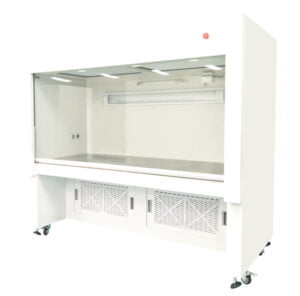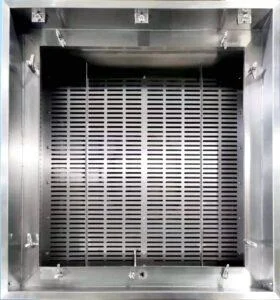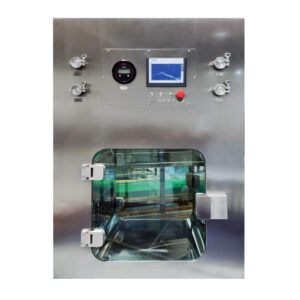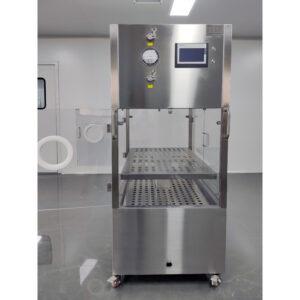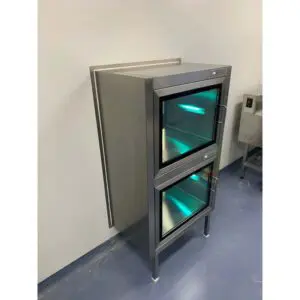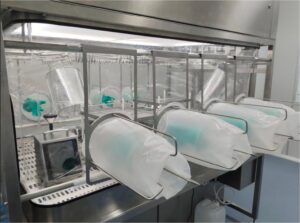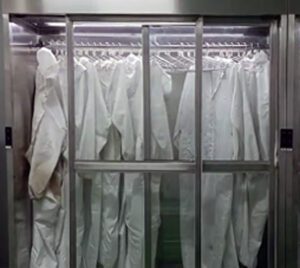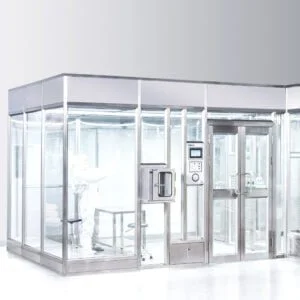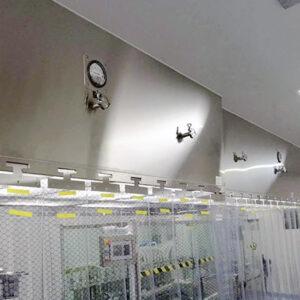
Specificarea unei trape de transfer fără a confirma mai întâi clasele de securitate ale încăperilor de pe ambele părți este una dintre cele mai sigure modalități de a genera o problemă costisitoare de refacere în etapele finale ale unui proiect. O cutie de transfer statică instalată peste o cascadă de presiune sau în amonte de o suită de umplere de clasa B poate trece cu bine de revizuirile inițiale ale proiectului, pentru ca apoi să se dovedească a fi o neconformitate evidentă în timpul punerii în funcțiune a sistemului HVAC sau în cadrul unei inspecții de reglementare — moment în care deschiderea din perete, cablajul de interblocare și dosarul de calificare trebuie toate revizuite. Costul nu se rezumă doar la unitatea de înlocuire; acesta include ciclul de recalificare, impactul asupra programului și dificultatea de a explica unui auditor de ce ruta de transfer nu a fost evaluată corespunzător în etapa de proiectare. Criteriul care previne această situație este, în principiu, simplu: o cutie de transfer statică este adecvată numai acolo unde separarea pasivă și respectarea regulilor de acces sunt suficiente pentru a controla contaminarea la acea limită specifică de transfer, iar confirmarea acestui lucru necesită cunoașterea relației dintre încăperi înainte de redactarea specificațiilor.
Cazuri de utilizare a camerelor de transfer statice pentru transferuri farmaceutice cu risc redus
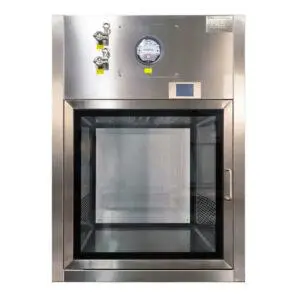
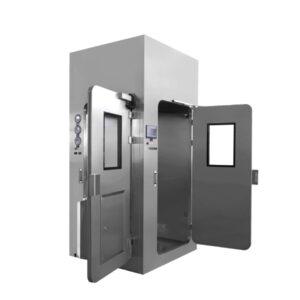
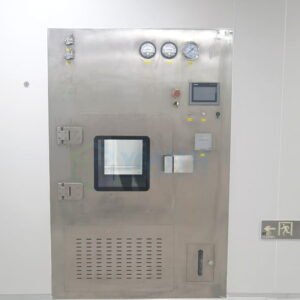
O cameră de transfer statică este potrivită pentru transferurile în care ambele încăperi adiacente au aceeași clasificare, iar deschiderea și închiderea ușilor cu interblocare asigură bariera împotriva contaminării necesară procesului. În această configurație, nu este necesară nicio intervenție activă între cele două spații — încăperile sunt deja menținute la standarde echivalente de curățenie, iar camera de transfer în sine servește în primul rând ca o barieră fizică, disciplina procedurală fiind asigurată de sistemul de interblocare.
Domeniul de aplicare practic al acestui criteriu este mai restrâns decât ar putea părea în etapa de proiectare. Acesta acoperă transferurile între două zone de gradul C, două zone de gradul D sau două zone cu statut echivalent de „controlat, dar neclasificat”, cu condiția ca conținutul transferat, închiderea recipientului și metoda de curățare să fie în concordanță cu acel nivel de protecție. Acesta nu se extinde la nicio rută de transfer în care una dintre părți are o clasificare diferită, în care instalația se bazează pe presiune diferențială pentru a controla direcția de contaminare sau în care materialul se află într-o stare deschisă sau expusă care necesită protecție activă.
Motivul pentru care această distincție este importantă încă din faza inițială este că tipul de cutie de trecere este adesea selectat în faza de proiectare conceptuală sau schematică, înainte ca zonarea sistemului HVAC, diagramele de cascadă a presiunii și evaluările de risc pentru fiecare încăpere în parte să fie definitiv stabilite. Introducerea unei hărți statice într-un plan de amenajare înainte de confirmarea acestor documente prezintă un risc semnificativ de aplicare greșită. Tratarea regulii clasificării identice ca pe un criteriu de planificare — unul care trebuie verificat în raport cu relația reală dintre încăperi, nu presupus pe baza clasificării generale a instalației — reprezintă măsura de siguranță practică.
| Scenariu de transfer | Cutie de transfer adecvată | Cerință cheie |
|---|---|---|
| Între camerele sterile de același nivel de clasificare (de exemplu, de la nota C la nota C) | Cutie de trecere statică | Nu este necesar un flux de aer activ; separarea pasivă este suficientă |
| De la o zonă neclasificată (necontrolată) la o cameră curată clasificată | Caseta de trecere dinamică | Alimentare activă cu aer filtrat prin filtru HEPA pentru eliminarea contaminării |
| Între camere sterile cu o diferență de clasificare (de exemplu, de la nota D la nota C) | Caseta de trecere dinamică | Flux de aer activ pentru menținerea cascadei de presiune și controlul contaminării |
| Transferul în zonele de procesare aseptică de gradul A sau B (indiferent de clasificarea sursei) | Compartiment de transfer dinamic (sau compartiment de transfer cu aer filtrat activ) | Cerința din Anexa 1: alimentare cu aer filtrat în mod activ sau spălare eficientă, plus un sistem de interblocare cu avertizare vizuală/sonoră |
Transferurile care se potrivesc cu adevărat unei camere de transfer statice sunt, de obicei, etapele secundare de ambalare, tranzitul componentelor între zone de suport echivalente sau logistica internă în cadrul unei singure zone de clasă. În cazul în care materialul se deplasează către un mediu de clasă superioară sau în cazul în care zona de origine nu este controlată, logica riscului se modifică, indiferent de modul în care este construită camera de transfer în sine.
Limite ale trapei de transfer atunci când este necesar un flux de aer activ sau sterilizarea
Constrângerea definitorie a unei camere de transfer statice este faptul că aceasta nu dispune de un sistem de alimentare cu aer sau de evacuare a aerului. Aceasta este o caracteristică de proiectare, nu o deficiență care poate fi atenuată prin proceduri sau prin curățare intensivă. Aceasta înseamnă că interiorul trapei nu este aerisit, nu se diluează și nu asigură protecție direcțională pentru niciuna dintre părți atunci când ușa este deschisă. Contaminarea cu particule și microorganisme introdusă în timpul încărcării rămâne în camera de transfer până când ușa este închisă și ventilația proprie a încăperii preia controlul — dacă configurația încăperii și alimentarea cu aer permit ca acest lucru să se întâmple măcar în apropierea trapei.
Pentru transferurile către zonele de procesare aseptică de gradul A sau B, Anexa 1 la GMP-ul UE stabilește o cerință directă: materialele și echipamentele transferate printr-o trapă de transfer trebuie protejate în timpul transferului, iar, acolo unde este cazul, trapa trebuie să asigure o alimentare activă cu aer filtrat sau o spălare eficientă, alături de un sistem de interblocare și de un semnal de avertizare vizual și/sau sonor. O cutie de transfer statică nu poate îndeplini această cerință prin definiție. Ea nu dispune de niciun mecanism care să asigure aer filtrat activ sau spălare cu aer, iar absența acesteia din specificațiile privind o barieră sterilă nu reprezintă o lacună procedurală — este o lacună tehnică pe care procedura nu o poate remedia.
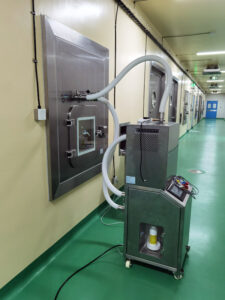
Punctul de sterilizare constituie un strat separat. În cazul în care traseul de transfer către o zonă de gradul A sau B necesită ca tranzitul să îndeplinească și rolul de etapă de decontaminare a suprafețelor — de exemplu, prin utilizarea VHP pentru tratarea suprafeței exterioare a materialelor înainte ca acestea să intre în sala aseptică — o trapă statică nu oferă deloc capacitatea de a efectua un ciclu complet. Această funcție necesită echipamente dedicate de transfer și decontaminare, care implică propriile cerințe de calificare, dar care abordează un risc de contaminare pe care nicio trapă pasivă nu îl poate gestiona.
| Limitările unei cutii de transfer statice | De ce este important | Ce este necesar în schimb |
|---|---|---|
| Fără alimentare cu aer sau evacuare (doar sistem pasiv) | Nu poate elimina particulele din aer și nici nu asigură o spălare corespunzătoare a interiorului camerei de transfer; zona cu grad de puritate mai ridicat poate fi expusă la contaminanți | Cameră de transfer dinamică cu aer de alimentare și de evacuare filtrat prin filtre HEPA |
| Nu este posibilă menținerea cascadei de presiune între încăperile aflate la niveluri diferite | Riscul de contaminare încrucișată și pierderea controlului asupra diferenței de presiune în încăpere | Cameră de transfer dinamică concepută pentru a asigura controlul presiunii și direcționarea fluxului de aer |
| Necorespunzător pentru transferuri sterile de gradul A/B | Anexa 1 prevede o alimentare activă cu aer filtrat sau o ventilație eficientă pentru protejarea mediului de înaltă puritate; sistemul static nu dispune de aceste capacități | Compartiment de transfer dinamic sau trapă de transfer cu aer activ filtrat prin filtru HEPA, sistem de interblocare și sistem de avertizare vizuală/sonoră |
Implicația practică este că decizia privind alegerea limitelor de grad A sau B este, de fapt, stabilită prin Anexa 1. Pentru toate celelalte trasee de transfer, se pune problema dacă absența unui flux de aer activ este acceptabilă, având în vedere diferența de grad, raportul de presiune dintre încăperi și condițiile de expunere a materialelor — iar această evaluare trebuie efectuată înainte de finalizarea planului de amenajare.
Detalii privind construcția și îmbinările care continuă să influențeze controlul contaminării
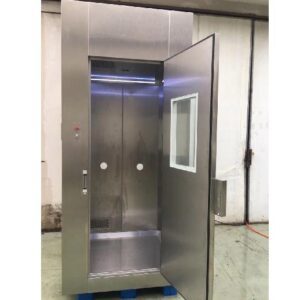
O cameră de transfer statică și una dinamică au în comun o caracteristică esențială pentru controlul contaminării în orice instalație: ușile cu interblocare care împiedică deschiderea simultană a ambelor părți. Această interblocare reprezintă coloana vertebrală mecanică a protocolului de transfer. Fără ea, camera de transfer nu este decât o gaură în perete prevăzută cu un raft, iar separarea dintre mediile adiacente depinde în totalitate de disciplina personalului, fără nicio măsură fizică de asigurare a respectării acesteia.
Mecanismul de interblocare merită analizat în timpul achiziției și al testării de acceptare la fabrică (FAT) tocmai pentru că fiabilitatea sa pe durata de viață operațională este un factor determinant pentru controlul contaminării. Un mecanism de interblocare reglat necorespunzător — unul care permite deschiderea simultană sub presiune, care se deteriorează în urma utilizării repetate sau care poate fi ocolit de un operator nerăbdător — elimină singura protecție activă pe care o oferă o cameră de transfer statică. În cazul unei unități dinamice, defectarea mecanismului de interblocare reprezintă o problemă gravă; în cazul unei unități statice, aceasta pune în pericol întregul sistem de control al contaminării.
Pentru transferurile către zonele de gradul A sau B, Anexa 1 impune în mod explicit atât un sistem de interblocare, cât și un sistem de avertizare vizuală și/sau sonoră. Acesta este un standard mai ridicat decât cel al interblocării singure și reflectă consecințele unei încălcări a disciplinei privind ușile la o graniță sterilă. În aplicațiile statice de grad inferior, cerința privind sistemul de avertizare nu se aplică cu aceeași forță normativă, dar logica de bază — conform căreia sistemul de interblocare trebuie să fie suficient de fiabil încât operatorii să nu îl poată ocoli în mod obișnuit — rămâne valabilă indiferent de grad.
Alegerea materialelor și finisajul suprafețelor au, de asemenea, consecințe pe termen lung. O cameră de transfer statică cu îmbinări interne etanșate necorespunzător sau cu o suprafață interioară aspră, greu de șters, creează o problemă de calificare a curățării care s-ar putea să nu devină evidentă decât la momentul ciclului de revizuire periodică. Interiorul trapei este curățat de operator; nu există un sistem de spălare cu aer care să ajute la acest proces. Dacă geometria sau starea suprafeței fac dificilă demonstrarea unei curățări temeinice, acest lucru devine o lacună documentată în registrul de control al contaminării. Specificarea unei cutii de transfer cu colțuri interne netede, rotunjite și a unui protocol verificat de ștergere înainte de IQ reprezintă o măsură de atenuare care necesită un efort mai mic decât remedierea problemei după finalizarea calificării.
Riscul de refacere a lucrării în cazul utilizării transferului static, atunci când este necesară controlarea presiunii
Scenariul de revizuire urmează un model specific de proiect. În faza de concept sau de proiectare schematică, camerele de transfer sunt indicate pe plan ca trape de transfer, fără ca nivelurile camerelor de pe ambele părți să fie confirmate. Se alege opțiunea statică, deoarece este mai ieftină și mai simplu de instalat. Proiectarea sistemului HVAC se desfășoară în paralel și stabilește o cascadă de presiune — de exemplu, nivelul B cu presiune pozitivă față de nivelul C — fără a se reveni asupra specificațiilor camerei de transfer. Neconcordanța dintre trapa statică și limita controlată de presiune nu este identificată decât la punerea în funcțiune, când echipa de HVAC observă că camera de transfer creează o cale necontrolată în cascadă, sau abia la o inspecție de pre-aprobare, când auditorul solicită justificarea transferului pasiv peste o diferență de nivel.
În acel moment, penetrarea peretelui este deja realizată, cablajul sistemului de interblocare este deja instalat, iar documentația de calificare face referire la o unitate statică. Înlocuirea acesteia cu o cutie de trecere dinamică necesită o modificare de proiectare, o deschidere revizuită a peretelui sau a cadrului, recablarea în cazul în care unitatea dinamică necesită alimentare electrică pentru ventilatorul HEPA, precum și un nou protocol de calificare care include acum testarea integrității filtrului HEPA, măsurarea vitezei fluxului de aer și testarea capacității de recuperare, conform standardului ISO 14644-3. Niciuna dintre aceste operațiuni nu este complexă din punct de vedere tehnic, dar impactul combinat asupra programului și documentației este disproporționat față de ceea ce ar fi fost o simplă decizie privind specificațiile, luată încă din etapa de revizuire a proiectului.
Dimensiunea „auditor-risc” este mai greu de cuantificat, dar este reală. Specialiștii cu experiență în inspecțiile din domeniul producției sterile descriu această aplicare greșită ca fiind dificil de explicat, în special în cazul în care documentația proprie a unității privind evaluarea riscurilor și clasificarea încăperilor indică în mod clar o diferență de grad la punctul de transfer. Neconformitatea nu este ambiguă: relația dintre încăperi impunea un control activ al fluxului de aer, iar echipamentul instalat nu îl asigură. Remedierea constatată în urma auditului necesită, de obicei, atât înlocuirea echipamentului, cât și o revizuire retrospectivă a tuturor transferurilor care au avut loc prin trapa statică în timpul operațiunilor, ceea ce sporește sarcina de documentare.
Măsura practică de siguranță constă în a considera că decizia privind alegerea camerei de transfer depinde de clasificările confirmate ale încăperilor și de relația de presiune dintre acestea, și nu de categoria generală de curățenie a instalației. În cazul proiectelor aflate încă în faza de proiectare, criteriul de decizie este clar: dacă nu se confirmă faptul că încăperile de pe ambele părți ale trapei au aceeași clasificare și aceeași relație de presiune, specificația privind o cameră de transfer statică trebuie amânată până la obținerea acestei confirmări.
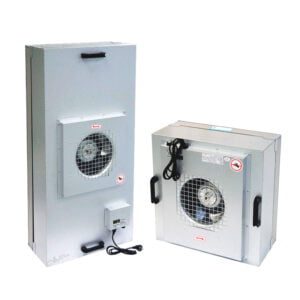
Pentru echipele care evaluează o instalație existentă, trape de transfer cu cutie de trecere statică pagina produsului și caseta de trecere dinamică Specificațiile oferă un punct de plecare pentru compararea performanțelor reale ale unității instalate cu cerințele traseului de transfer.
Deceeimeicna ienictaporesa g șrodsz săeu caait fdaf iarlrir muiuriecarei
Odată confirmate clasele de protecție ale încăperilor și relația de presiune dintre acestea, alegerea se reduce la un număr redus de condiții. O cameră de transfer statică este adecvată atunci când ambele încăperi adiacente au aceeași clasificare, relația de presiune dintre ele nu necesită controlul direcțional al fluxului de aer prin trapa de transfer, materialul transferat este izolat corespunzător sau curățat pe suprafața exterioară înainte de încărcare, iar curățarea interiorului trapei de transfer poate fi validată printr-o metodă de ștergere. Dacă oricare dintre aceste condiții nu este îndeplinită, logica de risc se îndreaptă către o unitate dinamică sau, la limitele sterile, către o cameră de transfer cu aer filtrat activ.
Consecința de validare a acestei decizii este reală și ar trebui luată în considerare în calendarul proiectului. O cameră de transfer statică necesită activități de calificare — IQ pentru confirmarea instalării conform specificațiilor, OQ pentru confirmarea funcționării sistemului de interblocare, PQ pentru confirmarea faptului că metoda de transfer îndeplinește cerințele de control al contaminării în condiții de funcționare — dar aceste activități sunt proporționale cu riscul. De obicei, nu necesită testarea integrității filtrului HEPA, măsurarea vitezei fluxului de aer sau testarea capacității de recuperare. O cameră de transfer dinamică adaugă aceste cerințe de testare la protocol, iar pentru o delimitare de grad A/B, cerințele din Anexa 1 privind aerul filtrat activ și un sistem de avertizare extind și mai mult domeniul de aplicare al pachetului de calificare.
Această diferență de validare este adesea invocată ca motiv pentru a prefera opțiunea statică, iar în cazul transferurilor cu aceeași clasificare, unde este cu adevărat adecvată, această preferință este rezonabilă. Riscul constă în a considera simplitatea validării ca un motiv pentru a alege varianta statică, în loc să se ia în considerare relația dintre încăperi ca criteriu principal. Reducerea efortului necesar pentru testele de integritate și recuperare ale filtrelor HEPA reprezintă un câștig legitim de eficiență atunci când specificația este corectă; aceasta devine însă un cost de conformitate amânat atunci când specificația este greșită.
| Aspect | Caseta de trecere statică | Caseta de trecere dinamică |
|---|---|---|
| Clasificarea camerelor – Adecvarea acestora | Doar aceeași clasificare (ambele camere au același nivel) | Este necesar atunci când camerele au clasificări diferite sau când trec de la neclasificate la clasificate |
| Flux de aer activ | Niciuna (pasivă) | Aerul de admisie și de evacuare este filtrat prin filtre HEPA; viteza și integritatea aerului au fost testate |
| Validare (conform ISO 14644-3) | Cerințe mai puțin stricte; de obicei, nu sunt necesare teste de integritate a filtrelor HEPA, de viteză a aerului sau de recuperare | Riguroase: testele de integritate HEPA, testele de viteză a aerului și testele de recuperare fac parte din protocolul de validare |
| Sistem de interblocare | Uși interconectate (se poate deschide doar o singură ușă odată) | Uși interconectate; în plus, pentru intrările de clasa A/B, sistem de avertizare vizuală și/sau sonoră conform Anexei 1 |
| Anexa 1: Conformitate (Gradul A/B) | Neconform (nu dispune de sistem de filtrare activă a aerului sau de spălare) | Conform cu normele atunci când este echipat cu un sistem activ de alimentare cu aer filtrat sau cu un sistem eficient de spălare, precum și cu un sistem de interblocare și de avertizare |
| Riscul de utilizare necorespunzătoare | Nerespectare gravă a normelor în cazul utilizării într-un context în care este necesară o abordare dinamică; dificil de explicat auditorilor | Risc de audit redus atunci când este specificat corect; evită lucrările de modernizare costisitoare |
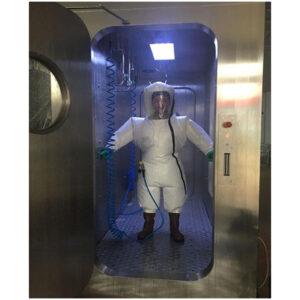
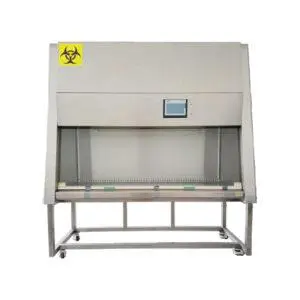
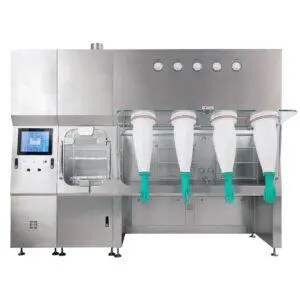
Cutia de transfer pentru biosecuritate reprezintă o categorie suplimentară de instalații destinate gestionării riscurilor biologice. În cazul în care traseul de transfer implică materiale infecțioase, agenți biologici sau limite de izolare care depășesc controlul particulelor, o cutie de transfer pentru biosecuritate răspunde unor cerințe — inclusiv capacitatea de decontaminare și integritatea sistemului de izolare — pe care nici o unitate statică, nici una dinamică standard nu sunt proiectate să le îndeplinească. Această distincție ar trebui să figureze în evaluarea riscurilor instalației înainte de alegerea tipului de cutie de transfer, și nu ca o chestiune secundară în timpul punerii în funcțiune.
Pentru echipele care analizează compararea clasificărilor în detaliu, articolul despre diferențele dintre cutiile de trecere statice și cele dinamice prezintă o analiză detaliată, caracteristică cu caracteristică, care stă la baza raționamentului de selecție.
Cel mai important aspect care trebuie confirmat înainte de a alege o cameră de transfer statică nu este unitatea în sine, ci relația cu încăperile de pe ambele părți și dacă separarea prin blocarea pasivă a ușilor reprezintă mecanismul adecvat de control al contaminării pentru acea graniță. O cameră de transfer statică aplicată corect pe o rută de transfer cu aceeași clasificare și aceeași presiune reprezintă o alegere justificabilă, cu întreținere redusă și cu un domeniu de calificare ușor de gestionat. Aceeași unitate aplicată peste o diferență de nivel sau o graniță de cascadă de presiune devine o problemă de conformitate costisitoare de remediat și dificil de explicat retrospectiv.
Înainte de finalizarea specificației, întrebările cele mai importante sunt: S-a confirmat că ambele încăperi se încadrează în aceeași clasificare? Există o diferență de presiune între ele care necesită controlul direcțional al fluxului de aer? Anexa 1 se aplică părții cu gradul superior? Metoda de curățare și ștergere a interiorului trapei poate fi demonstrată în condițiile de funcționare care vor apărea efectiv? Dacă la aceste întrebări nu se poate răspunde clar în etapa de proiectare, tipul cutiei de transfer ar trebui să rămână nespecificat până când se va putea face acest lucru.
Întrebări frecvente
Î: Unitatea noastră face legătura între un coridor curat, dar neclasificat oficial, și o încăpere de gradul D. Coridorul este curățat și supus monitorizării particulelor în conformitate cu limitele de gradul D. Putem să-l considerăm echivalent și să folosim o cutie de transfer statică?
R: Nu. Diferența de clasificare este importantă, indiferent de practicile de curățare. Este necesară o cameră de transfer dinamică ori de câte ori una dintre părți nu este clasificată, deoarece o trapă statică nu furnizează aer filtrat activ pentru a proteja mediul cu grad de clasificare superior în timpul transferului. Bazarea exclusiv pe curățare lasă o cale necontrolată pe care auditorii o vor contesta.
Î: Am confirmat că ambele încăperi sunt de clasa C și nu prezintă diferențe de presiune. Ce ar trebui să specificăm în comanda de achiziție pentru a evita eventualele probleme de conformitate ulterioare?
R: Concentrați-vă în caietul de sarcini pe fiabilitatea dispozitivului de blocare și pe ușurința curățării. Solicitați un dispozitiv mecanic de blocare cu funcție de siguranță care să împiedice fizic deschiderea ambelor uși în orice condiții de funcționare și specificați suprafețe interne netede, cu colțuri rotunjite și îmbinări etanșe, care să poată fi curățate prin ștergere fără a rămâne reziduuri. Solicitați verificarea acestor detalii în cadrul testelor de acceptare din fabrică, astfel încât acestea să fie verificate înainte de instalare.
Î: Este o diferență de presiune minoră — să zicem 2–3 Pa între două încăperi de clasa D, în cazul unui flux de aer direcțional — suficientă pentru a face ca o cameră de transfer statică să nu mai fie conformă?
R: Da. Orice diferență de presiune care face parte din cascada de control al contaminării necesită o gestionare activă a fluxului de aer prin trapa de transfer. O cutie de transfer statică creează o deschidere nereglementată atunci când ușa este deschisă, subminând raportul de presiune dorit. Chiar și o mică abatere face ca instalația să nu mai fie conformă și dificil de justificat în timpul unei inspecții.
Î: De ce nu s-ar instala cutii de trecere dinamice peste tot, pentru a elimina complet riscul legat de selecție?
R: Specificațiile excesive generează costuri inutile, întreținerea filtrelor HEPA, consumul de energie și extinderea domeniului de certificare pentru rutele de transfer care nu necesită un flux de aer activ. Pentru transferurile de același grad și cu aceeași presiune, o cutie de transfer statică reprezintă măsura adecvată de control al contaminării, iar o unitate dinamică nu ar îmbunătăți siguranța, ci ar spori doar complexitatea.
Î: Având un buget limitat pentru modernizare, ar trebui să cheltuim mai mult pe o cameră de transfer dinamică între încăperile aflate la același nivel, doar pentru a fi siguri?
R: Nu, dacă relația dintre încăperi este cu adevărat de același grad și cu aceeași presiune. În acest caz, o cameră de transfer statică reprezintă o opțiune justificată, care necesită puțină întreținere și asigură un control adecvat al contaminării. Cheltuielile pentru o soluție dinamică în acest context ar deturna fonduri de la zonele cu risc mai ridicat, fără a aduce un plus de valoare în ceea ce privește conformitatea. Investiția esențială o reprezintă verificarea inițială a gradelor încăperilor și a relațiilor de presiune dintre acestea, nu costul suplimentar al echipamentului.