Comandarea unui dispozitiv de izolare fără a defini mai întâi ce anume urmează să fie izolat este una dintre cele mai frecvente și mai ușor de remediat greșeli din specificațiile camerelor de cântărire farmaceutice — dar numai dacă este depistată înainte de punerea în funcțiune. Când această problemă iese la iveală după instalare, consecința este, de obicei, o modernizare forțată: o cabină cu presiune negativă care înlocuiește o unitate cu flux laminar deja instalată, recalificarea camerei care urmează și raportul de abatere care explică de ce dispozitivul inițial era inadecvat pentru materialul manipulat. Constatarea esențială care previne acest lucru este simplu de formulat, dar este adesea omisă: protecția produsului și izolarea pulberilor nu reprezintă același obiectiv ingineresc și nu sunt rezolvate prin aceeași geometrie a fluxului de aer.
Protecția aerului curat nu este același lucru cu izolarea pulberilor
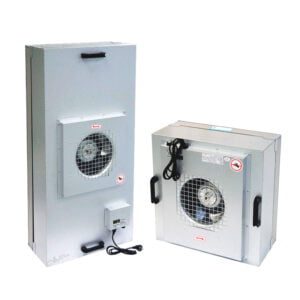
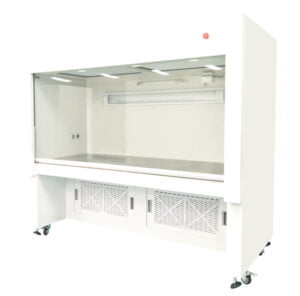
O hotă cu flux laminar este concepută având un singur obiectiv de protecție: produsul. Aceasta generează un flux de aer unidirecțional, sub presiune pozitivă, peste suprafața de lucru, pentru a împiedica particulele din mediul înconjurător să se depună pe materialul manipulat. Dispozitivul îndeplinește cu succes acest obiectiv. Problema apare atunci când procesul generează particule, în loc să le primească pur și simplu — adică atunci când operațiunea în sine constituie sursa de contaminare.
În timpul cântăririi pulberilor farmaceutice, operațiunile de transfer, divizare sau subambalare a unui ingredient activ farmaceutic (API) sau a unui excipient generează praf în aer. O hotă cu flux laminar sub presiune pozitivă, prin însăși concepția sa, deviază praful respectiv spre exterior — departe de suprafața de lucru și către operator și încăperea înconjurătoare. Dispozitivul face exact ceea ce a fost conceput să facă; pur și simplu rezolvă problema greșită. Protecția operatorului și izolarea mediului înconjurător necesită o relație de presiune opusă: aerul trebuie aspirat spre interior, departe de zona de respirație, și captat prin filtrare înainte ca vreo parte din acesta să fie evacuată.
Din punct de vedere ingineresc, distincția nu este deloc subtilă, dar este adesea omisă în cererile de echipamente, atunci când echipele recurg în mod automat la un limbaj familiar.
| Atribut | Hota cu flux laminar | Cabină de cântărire |
|---|---|---|
| Ținta principală de protecție | Numai produsul (împiedică pătrunderea particulelor din exterior) | Operator, produs și mediu (conține pulbere în suspensie în aer) |
| Direcția fluxului de aer și presiunea | Presiune pozitivă; aerul curge din zona de lucru spre operator | Presiune negativă; aerul este aspirat spre interior, departe de operator |
| Conținerea particulelor | Nu reține particulele generate de activitate; eliberează aerul direct în încăpere | Praful este captat prin filtrare HEPA (de exemplu, H14), iar o parte din acesta este evacuată în exterior |
Consecința ulterioară a interpretării eronate a acestei limite nu se limitează la expunerea operatorului. O hotă cu flux laminar nu dispune de o secțiune de filtrare a aerului de retur; aerul din încăpere preia orice particule generate de activitatea desfășurată. Într-o sală de cântărire clasificată, aceasta înseamnă că contaminarea generată de activitate pătrunde liber în mediul controlat — o situație care poate fi dificil de justificat în cadrul unei evaluări a clasificării camerei curate sau al unui audit GMP axat pe măsurile de control al contaminării încrucișate.
Condiții de proces care depășesc limitele unei hote cu flux laminar de bază
Condiția de proces cea mai evidentă care face ca o hotă cu flux laminar de bază să nu fie adecvată este prezența unor substanțe periculoase. Atunci când un compus apare pe Lista NIOSH a medicamentelor periculoase sau este clasificat ca fiind periculos în conformitate cu USP \<800>, geometria fluxului de aer al unei hote cu flux laminar și presiune pozitivă creează o cale directă de expunere: contaminanții generați la suprafața de lucru sunt transportați spre operator, în loc să fie îndepărtați. Nu este vorba de o diferență marginală de eficiență, ci de o defecțiune direcțională. Utilizarea unei hote cu flux laminar pentru astfel de materiale trebuie considerată un risc critic pentru siguranță, nu o chestiune tehnică de conformitate.
Dincolo de clasificarea binară a pericolelor, pragurile benzii de expunere profesională (OEB) oferă un criteriu de planificare pentru selectarea sistemelor de izolare. Atunci când limita de expunere profesională pentru un compus se încadrează în clasa 3 OEB — care corespunde, în general, unui interval OEL de 10–100 µg/m³ — sau mai sus, o hotă cu flux laminar de bază nu oferă o protecție semnificativă împotriva expunerii prin inhalare a operatorului. La acest prag, cerința privind sistemul de izolare se schimbă către o cabină proiectată pentru funcționare în presiune negativă, cu un sistem de filtrare capabil să capteze particule fine la nivelul de eficiență necesar pentru a îndeplini obiectivul de expunere derivat.
| Condiția de proces | De ce eșuează LAF-ul de bază | Conținut necesar |
|---|---|---|
| Manipularea substanțelor periculoase (de exemplu, medicamente, cărbune activ, substanțe active) | Hota cu flux laminar suflă contaminanții din aer către operator | Cabina de distribuire cu presiune negativă și filtrare HEPA H14 (99,99% la 0,3 µm) |
| Limita de expunere profesională se încadrează în clasa 3 OEB sau într-o clasă superioară (OEL 10–100 µg/m³) | LAF nu oferă nicio protecție operatorului; nivelurile de expunere pot depăși limitele de siguranță | Cabina proiectată pentru clasa OEB 3 sau superioară, capabilă să atingă un nivel de curățenie GMP-A |
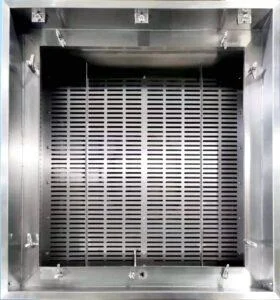
Specificația privind filtrarea este un detaliu de implementare care se modifică la acest prag. Unele cabine de distribuire proiectate pentru acest interval includ o filtrare în trei etape, cu un filtru terminal H14 cu o eficiență nominală de 99,99% la 0,3 µm — o valoare specifică proiectului producătorului, mai degrabă decât o cerință universală a codului, dar care reflectă performanța de captare a particulelor necesară atunci când praful fin de API nu trebuie să se răspândească în afara zonei de lucru. Concluzia pentru echipele responsabile de specificații este că gradul de filtrare, regimul de presiune al cabinei și clasa OEB trebuie confirmate împreună, ca un ansamblu, și nu tratate ca elemente independente.
Riscurile de contaminare a încăperilor și de audit generate de alegerea incorectă a dispozitivelor
Calea de contaminare generată de o hotă cu flux laminar în timpul cântăririi pulberilor este de natură structurală, nu întâmplătoare. În absența unei secțiuni de filtrare a aerului de retur, hota evacuează aerul din încăpere direct înapoi în camera curată după ce acesta a trecut prin zona de lucru — transportând toate particulele generate de operațiunea respectivă. O cabină de dozare sau de cântărire direcționează aerul recirculat printr-o secțiune de filtrare și evacuează o porțiune controlată în exterior, captând praful la sursă, în loc să-l redistribuie.
Într-o sală de cântărire clasificată conform GMP, această diferență în ceea ce privește sistemul de ventilație are consecințe directe asupra auditului.
| Alegerea dispozitivului pentru cântărirea pulberilor | Calea de contaminare | Riscul legat de audit și conformitate |
|---|---|---|
| Hota cu flux laminar | Aerul este evacuat direct în camera curată, fără filtrarea aerului de retur; aceasta duce la răspândirea contaminării generate de activitățile desfășurate | Nu respectă cerințele privind izolarea pulberilor; ar putea eșua la auditurile cGMP și nu ar putea îndeplini standardele de curățenie GMP-A |
| Cabina de cântărire/distribuire | Aerul este recirculat prin filtrarea aerului de retur; o parte este evacuată în exterior; presiunea negativă captează praful la sursă | Respectă standardele cGMP și IEC; asigură un nivel de curățenie GMP-A (US 209E static 100) |
Riscul de audit nu este ipotetic. Dacă numărul de particule dintr-o încăpere sau datele de monitorizare a mediului indică abateri inexplicabile în timpul sau după operațiunile de cântărire, iar echipamentul utilizat este o hotă cu flux laminar, investigarea cauzei principale va ajunge aproape sigur la calea de evacuare a aerului. Această constatare este dificil de remediat fără înlocuirea dispozitivului, deoarece niciun control procedural nu poate corecta o problemă structurală a fluxului de aer. Abaterile frecvente de la procedurile de curățare într-o sală de cântărire — contaminarea inexplicabilă a suprafețelor din afara zonei imediate de lucru — sunt adesea un semnal precoce al acestei situații, apărând înainte ca datele oficiale de clasificare să confirme încălcarea.
O cabină de dozare concepută pentru a respecta cerințele cGMP și pentru a asigura un nivel de curățenie GMP-A la suprafața de lucru oferă o poziție mai solidă în cazul unui audit, însă specificațiile de proiectare ale producătorului trebuie totuși verificate în raport cu condițiile din unitate, instalarea și testările periodice de performanță. Alegerea tipului corect de dispozitiv reduce riscul de expunere; aceasta nu înlocuiește însă procesul de calificare.
Termeni folosiți de utilizatori care induc în eroare în procesul de selecție a furnizorilor
Decizia de selecție se blochează adesea înainte de a ajunge la departamentul de inginerie, deoarece echipamentul este descris într-o cerere de achiziție folosind o denumire derivată mai degrabă din obișnuință decât din riscul asociat procesului. Cabina de dozare, cabina de prelevare de probe, cabina de cântărire, hota cu flux descendent, RLAF și cabina de izolare a pulberilor sunt termeni care circulă în unitățile farmaceutice pentru a descrie dispozitive cu caracteristici semnificativ diferite în ceea ce privește fluxul de aer, presiunea și filtrarea. Atunci când o echipă de achiziții primește o cerere pentru o “hotă cu flux laminar” destinată cântăririi pulberilor, aceasta nu are cum să distingă dacă solicitantul înțelege diferența dintre tipurile de izolare sau dacă folosește pur și simplu un limbaj familiar.
Întrebarea care trece dincolo de terminologie este: ce anume protejați? Doar produsul — sau operatorul, produsul și mediul înconjurător? Această singură abordare identifică clasa corectă de dispozitive înainte ca orice discuție cu furnizorul să înceapă și ar trebui să constituie prima linie a cerinței funcționale, nu o presupunere pe care furnizorul să fie nevoit să o deducă singur.
Pentru echipele care elaborează sau revizuiesc o specificație a cerințelor utilizatorului (URS) pentru un sistem de cântărire, aceasta înseamnă că URS-ul ar trebui să definească în mod explicit obiectivul de protecție — nu denumirea dispozitivului. Specificarea “cabinei cu flux descendent sub presiune negativă și filtrare a aerului de retur, adecvată pentru pulberi din clasa 3 OEB” reprezintă o cerință funcțională. Specificarea “hotei cu flux laminar” este o obișnuință. Furnizorul care primește această din urmă cerință poate livra exact ceea ce i s-a solicitat, creând o nepotrivire între dispozitiv și pericol care devine vizibilă abia atunci când se revizuiește evaluarea riscurilor sau când primul audit ridică această problemă.
Pentru o analiză mai detaliată a modului în care configurațiile cabinelor de izolare diferă în practică, Stand de distribuire vs. stand de degustare Comparația arată modul în care cerințele privind gestionarea API-urilor și clasificarea OEB ar trebui să determine alegerea configurației.
Condiții de actualizare a cerințelor privind cabinele de izolare cu flux descendent
Nu orice aplicație de cântărire a pulberilor necesită o cabină de izolare cu presiune negativă, iar tratarea acestei îmbunătățiri ca fiind automată adaugă costuri și complexitate inutile proceselor cu risc redus. Decizia de a trece de la o unitate de bază cu flux laminar la o cabină de izolare cu flux descendent ar trebui să se bazeze pe o evaluare documentată a riscurilor, nu pe o presupunere implicită în vreuna dintre direcții.
Trei condiții, luate individual sau în combinație, ar trebui să declanșeze această evaluare și, de obicei, să susțină concluzia privind trecerea la o clasă superioară. În primul rând, manipularea în condiții deschise a pulberilor provenite din materiale clasificate ca periculoase — conform listei NIOSH, USP sau unei analize toxicologice interne — creează o cale de expunere prin inhalare pe care o hotă laminară cu presiune pozitivă nu o poate atenua. În al doilea rând, atunci când OEL-ul unui compus îl plasează în clasa OEB 3 sau mai sus, riscul de expunere în timpul operațiunilor de cântărire depășește ceea ce poate gestiona orice geometrie a fluxului de aer neconținut. În al treilea rând, abaterile repetate privind curățenia într-o sală de cântărire — contaminarea suprafețelor în afara zonei imediate de lucru, abateri în monitorizarea mediului sau constatări de contaminare încrucișată în urma investigațiilor — constituie dovezi operaționale că dispozitivul existent nu controlează limita de contaminare.
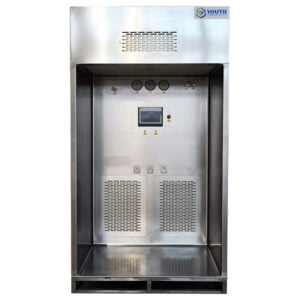
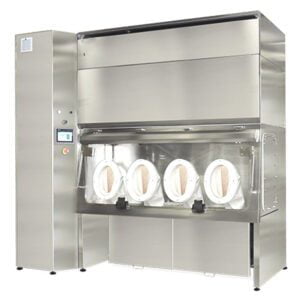
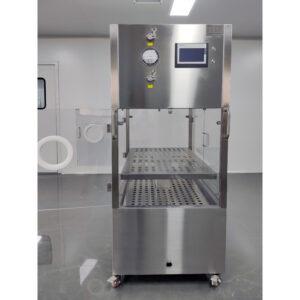
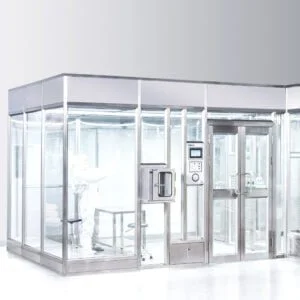
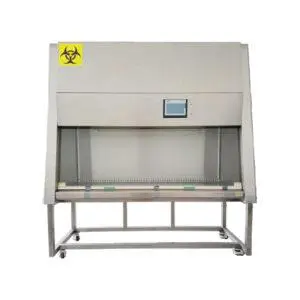
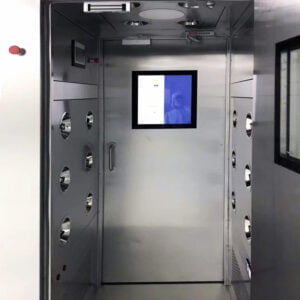
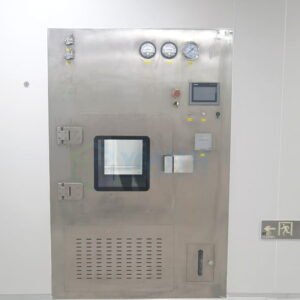
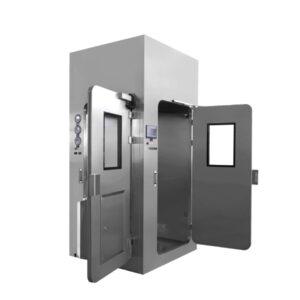
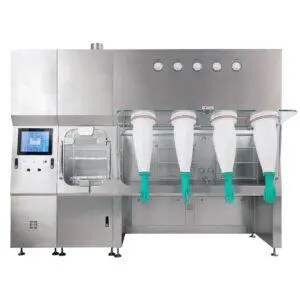
Atunci când se îndeplinește oricare dintre aceste condiții, cerința funcțională se referă la o cabină care funcționează sub presiune negativă față de încăperea înconjurătoare, cu un flux de aer descendent care captează praful din aer înainte ca acesta să ajungă în zona de respirație a operatorului și cu o filtrare suficientă pentru a asigura performanța de izolare derivată din OEL. Aceasta Cabina de dozare, prelevare de probe și cântărire Gama este configurată în funcție de aceste cerințe funcționale. Pentru aplicațiile în care limitele procesului depășesc o singură cabină — unde protecția produsului și protecția operatorului trebuie asigurate simultan într-o zonă de lucru mai extinsă — o Sistem de bariere cu acces restricționat deschis (ORABS) poate oferi definiția necesară a limitelor spațiale și de presiune.
Modernizarea nu este dificil de justificat retroactiv atunci când evaluarea riscurilor este minuțioasă, iar clasificarea pericolelor este documentată. Ceea ce generează tensiuni în etapa de proiectare este descoperirea acestei neconcordanțe după instalare — moment în care argumentul conform căruia o hotă cu flux laminar a fost întotdeauna insuficientă trebuie prezentat unui auditor, și nu echipei de proiect, care ar fi avut timp să ia măsuri în acest sens.
Cea mai utilă verificare prealabilă achiziției pentru un sistem de cântărire este aceea de a confirma că obiectivul de protecție este menționat în cerința funcțională înainte ca numele vreunui dispozitiv să apară. Dacă cerința definește clasa de pericol, intervalul OEL, direcția fluxului de aer și raportul de presiune față de încăperea înconjurătoare, categoria corectă a dispozitivului reiese direct. Dacă cerința începe cu denumirea unui dispozitiv, riscul unei specificații eronate — precum și expunerea la audit și costurile de modernizare care decurg din aceasta — rămân valabile până când cineva pune întrebarea pe care specificația inițială a omis-o.
În cazul în care instalațiile existente sunt supuse unei revizuiri, prezența unor abateri repetate în ceea ce privește curățarea, a unor abateri inexplicabile în monitorizarea mediului sau a unei evaluări a riscurilor nerezolvate pentru materialele din clasa OEB 3 sau superioară într-o incintă cu presiune pozitivă ar trebui considerată drept dovadă că alegerea actuală a dispozitivului necesită o reevaluare. Costul acestei reevaluări este substanțial mai mic înainte de constatarea oficială a unui audit decât după aceasta.
Întrebări frecvente
Î: Dacă pulberea pe care o cântăresc nu prezintă riscuri și are o limită maximă admisă de expunere (OEL) mai mare de 100 µg/m³ (clasa 1 sau 2 conform OEB), pot continua să folosesc în condiții de siguranță hota cu flux laminar pe care o am deja?
R: Da, o hotă cu flux laminar de bază poate fi adecvată atunci când riscul de expunere a operatorului este neglijabil, iar singura cerință este protecția produsului. Chiar și pulberile nepericuloase pot genera praf în suspensie care se răspândește în încăpere, putând duce la abateri de la procedurile de curățare sau la constatarea unor cazuri de contaminare încrucișată. Orice decizie de a menține o hotă cu flux laminar trebuie să fie susținută de o evaluare documentată a riscurilor, care să confirme că evacuarea sub presiune pozitivă nu compromite standardul de calitate al încăperii sau operațiunile adiacente.
Î: După ce am revizuit URS-ul pentru a specifica o cabină cu flux descendent și presiune negativă, ce ar trebui să facem imediat pentru a menține procesul de achiziție pe drumul cel bun?
R: Organizați o analiză interfuncțională — la care să participe departamentele EHS, calitate și operațiuni — pentru a valida cerințele funcționale în raport cu profilul de risc al materialului, valoarea limită de expunere (OEL) și clasificarea încăperii. Apoi, transmiteți specificațiile de cerințe de utilizare (URS) furnizorilor, însoțite de o solicitare clară privind datele de verificare a performanței: diferențele de presiune, certificatele de eficiență ale filtrelor și declarațiile de conformitate aplicabile. Această abordare mută accentul discuției cu furnizorii de la denumirile dispozitivelor la capacitatea de izolare și reduce riscul unei neconcordanțe între specificații.
Î: Unitatea noastră manipulează pulberi fine, dar nu este o fabrică farmaceutică supusă reglementărilor GMP. Se aplică totuși aceleași principii de izolare?
R: Principiile fizice ale fluxului de aer rămân neschimbate — o hotă laminară cu presiune pozitivă va direcționa particulele către operator, indiferent de sectorul de activitate. Consecințele din punct de vedere normativ (constatările auditurilor cGMP, USP <800>) s-ar putea să nu se aplice, dar trebuie totuși să evaluați clasificarea de pericol a pulberii în conformitate cu reglementările locale privind expunerea profesională. Dacă există preocupări legate de siguranța operatorului sau de contaminarea încăperii, poate fi necesară utilizarea unei cabine de izolare cu presiune negativă, chiar și în absența unui cadru formal de bune practici de fabricație (GMP).
Î: În ce fel diferă o cabină de izolare cu flux descendent de o hotă de laborator utilizată pentru cântărirea pulberilor?
R: O hotă de laborator protejează operatorul prin evacuarea aerului în exteriorul clădirii, dar aspiră aerul nefiltrat din încăpere peste pulbere, nu oferă nicio protecție produsului și risipește aerul climatizat. O cabină cu flux descendent recirculează intern aerul filtrat prin filtre HEPA, menținând în același timp o presiune negativă față de încăpere, protejând simultan operatorul, produsul și reținând praful la sursă. Pentru cântărirea produselor farmaceutice, unde sunt necesare atât integritatea produsului, cât și siguranța operatorului, cabina cu flux descendent reprezintă alegerea tehnică corectă.
Î: Avem deja instalată o hotă cu flux laminar pentru cântărirea pulberilor. Este într-adevăr justificată perturbarea pe care o implică adaptarea la o cabină de dozare sau riscul poate fi gestionat prin măsuri procedurale?
R: Măsurile de control procedural — precum manipularea mai lentă sau dispozitivele de extracție locală — compensează rareori un echipament care direcționează contaminarea către operator și către încăpere. Dacă procesul dumneavoastră implică materiale periculoase sau se încadrează în clasa OEB 3 sau mai sus, modernizarea este de obicei justificată de costul unei singure constatări în urma unui audit, al respingerii unui lot sau al unui incident de sănătate la locul de muncă. Chiar și la niveluri de risc mai scăzute, abaterile repetate de la procedurile de curățare sau depășirile limitelor de monitorizare a mediului indică faptul că măsurile procedurale sunt insuficiente, ceea ce face ca înlocuirea proactivă să fie mult mai puțin costisitoare decât costul continuu al investigațiilor, al recalificării și al eventualelor măsuri de aplicare a legii.