In un progetto misto di distribuzione dell’aria, la questione pratica raramente riguarda la presenza di un’unità FFU, di un’unità LAF o di un alloggiamento HEPA terminale; riguarda piuttosto quale schema di aspirazione controllata preveda l’apertura a soffitto, il collegamento al condotto, il carico di sostegno, l’alimentazione elettrica, il segnale di controllo e il percorso di manutenzione. Se tali confini rimangono impliciti, le apparecchiature potrebbero essere approvate in base a una planimetria mentre i lavori in cantiere procedono secondo un’altra, e la discrepanza emergerà in seguito sotto forma di rilavorazioni, ostacoli all’accesso o lacune irrisolte in materia di responsabilità. Il primo compito consiste nel separare le famiglie di apparecchiature e quindi assegnare a ciascuna interfaccia un documento specifico, un revisore e una regola di revisione.
Definire i confini dell'apparecchiatura prima di assegnare i disegni
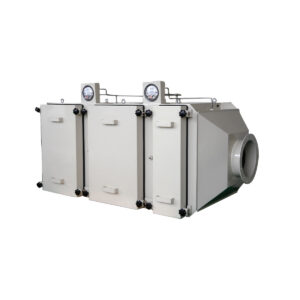
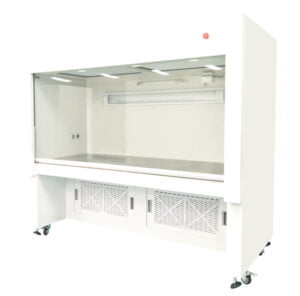
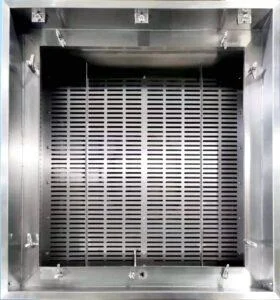
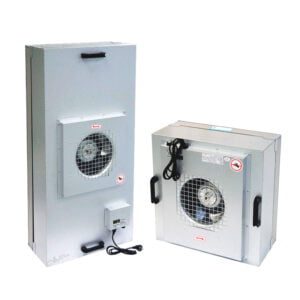
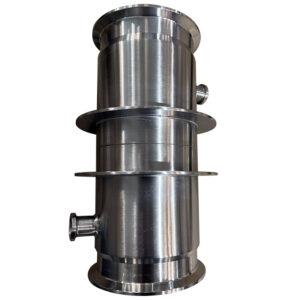
Prima di decidere se prevalga la planimetria del controsoffitto o il disegno tecnico, occorre identificare quale dispositivo si sta collegando e cosa si trova a monte. Un YOUTH Unità di filtraggio con ventola – FFU è presentato come un'unità a aria filtrata montata a soffitto; un Unità a flusso d'aria laminare – Unità LAF viene presentata come una misura di protezione dell’aria pulita a livello locale; e una Scatola di alloggiamento HEPA viene presentato come un alloggiamento per filtro terminale destinato all’installazione a soffitto o a parete. Un alloggiamento terminale non deve essere considerato alla stregua di un’unità FFU semplicemente perché entrambi sono dotati di un filtro finale; la classificazione cambia se il ventilatore, il filtro, il condotto a monte e l’accesso per la manutenzione non sono integrati nello stesso alloggiamento.
| Famiglia di apparecchiature | Ruolo supportato per la pianificazione | Confine che deve ancora essere confermato dal progetto |
|---|---|---|
| FFU | Unità di mandata dell'aria filtrata a montaggio a soffitto | Percorso dell'aria selezionato, accessori, disposizione dei comandi e limiti di ingombro |
| Unità LAF | Protezione localizzata della qualità dell'aria | Orientamento, disposizione dei supporti, disposizione delle ventole e area di processo protetta |
| Alloggiamento per filtro HEPA | Alloggiamento del filtro terminale a soffitto o a parete | Fonte d'aria a monte, montaggio del filtro, interfaccia di tenuta e disposizione degli accessi |
Tra gli aspetti da chiarire del progetto figurano il tipo di unità selezionata, gli accessori in dotazione e l’eventuale presenza di elementi di collegamento o supporto all’interno della confezione dell’apparecchiatura. Le risposte a tali domande determinano se l’interfaccia debba essere acquistata, installata o semplicemente coordinata dal fornitore dell’apparecchiatura, e devono essere chiarite prima che un disegno venga designato come di riferimento.
Inserire le interfacce fisiche e lato pista nei disegni controllati
Per ciascuna interfaccia, il progetto deve identificare quale disegno o documentazione relativa all’interfaccia di alimentazione dell’aria della camera bianca ne costituisca il riferimento. Terra Universal’s Manuale FFU, per il proprio prodotto, richiede l’allineamento con la griglia del controsoffitto, un supporto strutturale indipendente, uno spazio libero perimetrale, uno spazio libero in corrispondenza della presa d’aria e un collegamento elettrico; ciò illustra come geometria, ostacoli, supporto, percorso dell’aria e accesso possano interagire tra loro. Tali indicazioni sono specifiche per le apparecchiature Terra e illustrano solo le categorie di interfaccia; non trasferire le dimensioni, le procedure, i valori nominali o le responsabilità specifici di quel modello a un progetto YOUTH.
| Interfaccia | Disegno o registrazione da coordinare | È necessaria la conferma |
|---|---|---|
| Apertura nel soffitto e posizione delle apparecchiature | Disposizione dei soffitti o delle apparecchiature riflessa | Ingombro, orientamento, interferenze e zona di accesso dell'unità selezionata |
| Raccordo per condotto o presa d'aria | Disegno meccanico o di condotte | Geometria di connessione, limite di resistenza e ambito di transizione |
| Supporto strutturale | Dettaglio strutturale o disegno coordinato delle attrezzature | Metodo di supporto e informazioni sul carico richieste dal team di progetto |
| Percorso del servizio in camera | Schema di disposizione coordinato o disegno di accesso | Come si accederà al filtro, alla ventola, ai comandi e ai punti di prova selezionati |
Utilizzare il disegno del soffitto riflettente o quello della disposizione delle apparecchiature come vista di coordinamento spaziale, il disegno dei condotti per i collegamenti dell’aria e i limiti di resistenza, e i dettagli strutturali come supporto; il team di progetto dovrebbe identificare in modo esplicito quale documento prevale in caso di conflitto tra le viste. Per la revisione dell’ambito di fornitura e degli appalti, lo stesso sito Guida all'acquisto di apparecchiature per camere bianche e alla valutazione dei fornitori offre un percorso alternativo per separare le mansioni relative all'approvvigionamento, all'installazione e al coordinamento.
Coordinare l’alimentazione, i comandi e l’accesso per la manutenzione senza nascondere la titolarità
Camfil elenca il controllo manuale o tramite BUS e diversi protocolli di controllo per una famiglia di FFU, a conferma del fatto che la scelta di un’FFU può comportare interfacce relative al sistema a soffitto, alla tensione, al controllo del flusso d’aria e ai protocolli che devono essere coordinati. Tali dettagli costituiscono un esempio fornito dal produttore, non una specifica YOUTH, e il Pagina dei prodotti Camfil non dimostra che YOUTH metta a disposizione un determinato comando, tensione, valore prestazionale o configurazione del soffitto.
La documentazione elettrica/di controllo deve specificare l’alimentazione, i dispositivi di isolamento, la modalità di controllo, la rete e il protocollo (se selezionati), i sensori e i punti di allarme, nonché chi fornisce, cabla, configura e verifica ciascun componente. Il layout deve garantire il rispetto del filtro, del motore, del sistema di controllo e del percorso di accesso per i test scelti. Le capacità esatte rimangono soggette alla configurazione YOUTH selezionata e alla conferma del progetto.
| Elemento da trasferire | Contributo da parte dell'acquirente | Conferma del fornitore |
|---|---|---|
| Potenza | Disponibilità di progetti e ubicazione degli allacciamenti | Collegamenti necessari e componenti di isolamento o distribuzione in dotazione |
| Controllo | Modalità operativa desiderata: locale, raggruppata o in rete | Metodo di controllo, protocollo, pannello e punti di alimentazione disponibili |
| Monitoraggio | Informazioni obbligatorie relative allo stato o agli allarmi visibili nel progetto | Segnali disponibili, sensori e trasferimento dei dati |
| Accesso al servizio | Vincoli relativi al soffitto e all'accesso alla stanza | Percorso di accesso richiesto per la configurazione selezionata |
L'alimentazione, il monitoraggio o l'accesso ai servizi non assegnati spesso rimangono nascosti fino al momento dell'installazione o della manutenzione. Risolvere tali aspetti in fase di consegna è un modo pratico per ridurre le modifiche in loco e i successivi conflitti di accesso.
Concludere l'Handoff con un unico registro di interfaccia e una regola di revisione
La norma ISO 14644-4:2022 copre l'intero percorso, dai requisiti alla progettazione, alla costruzione e alla messa in funzione di camere bianche nuove, ristrutturate e modificate; si rivolge a diversi soggetti coinvolti nel progetto e non prescrive modalità contrattuali. Tale ambito di applicazione, descritto nel Pagina dedicata alle norme ISO, sostiene che il passaggio di consegne debba essere considerato come una questione coordinata che riguarda l'intero ciclo di vita, piuttosto che come un semplice esercizio di progettazione limitato a una singola disciplina.
Utilizzare un unico registro di interfaccia per indicare, per ogni confine, il disegno di riferimento, il fornitore delle informazioni, il revisore, la data di scadenza e le ipotesi in sospeso; quando i layout cambiano, rivedere insieme i documenti interessati e registrare ciò che deve essere ricontrollato prima dell’approvazione o della verifica. Il registro non attribuisce alcuna responsabilità contrattuale generale e un disegno da solo non costituisce una verifica tecnica completa.
Domande frequenti
Q: Il disegno tecnico dell'attrezzatura fornito dal fornitore può fungere da unico disegno di coordinamento?
A: Può descrivere le apparecchiature fornite, ma di per sé non risolve tutte le interfacce del progetto. È necessario coordinarne l’ingombro e la zona di accesso con la planimetria del soffitto, il collegamento dell’aria con il disegno dei condotti e le informazioni relative ai supporti con i dettagli strutturali. Identificare quale documento disciplina ciascun confine.
Q: Chi dovrebbe fornire e configurare il collegamento di controllo dell'FFU?
A: Il progetto deve attribuire tale responsabilità in modo esplicito. Indicare il modello di controllo desiderato (locale, raggruppato o in rete), quindi chiedere al fornitore di specificare il pannello, il protocollo, i punti e le dipendenze esterne inclusi. Registrare chi fornisce, cabla, configura e verifica ciascuna interfaccia, anziché dare per scontata un’assegnazione universale.
Q: La posizione delle attrezzature cambia nella fase finale del progetto. Quali informazioni devono essere riesaminate?
A: Esaminare congiuntamente le interfacce interessate relative agli spazi, all’area aeroportuale, ai servizi di supporto, all’alimentazione, al controllo e all’accesso ai servizi. Utilizzare il registro delle interfacce per identificare i documenti di riferimento e le ipotesi aperte, quindi registrare ciò che deve essere ricontrollato prima del rilascio o della verifica. L’aggiornamento della sola posizione delle apparecchiature può rendere incoerenti i disegni correlati.
Q: Cosa devo precisare quando in un preventivo un alloggiamento HEPA terminale viene descritto come un'unità ad aria filtrata?
A: Chiarire quale sia l’apparecchio selezionato e la sua fonte d’aria a monte. Un alloggiamento terminale non deve essere considerato come un’unità FFU alimentata semplicemente perché entrambi contengono un filtro finale. Verificare se siano inclusi ventilatori, collegamenti, supporti, comandi e accessori, in modo che il passaggio dei disegni rifletta l’effettivo perimetro dell’apparecchiatura.