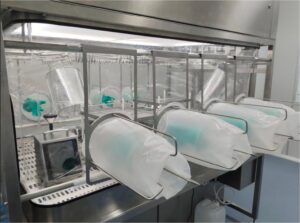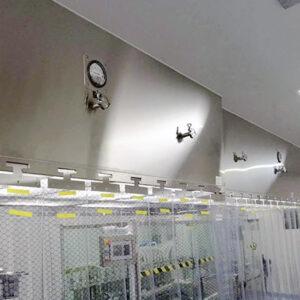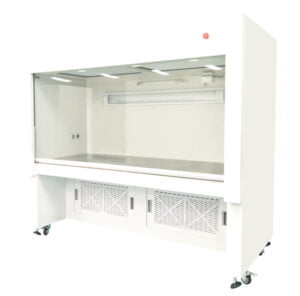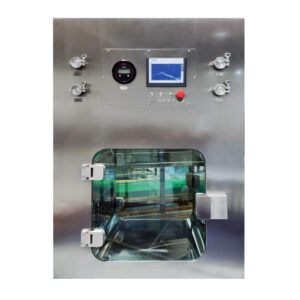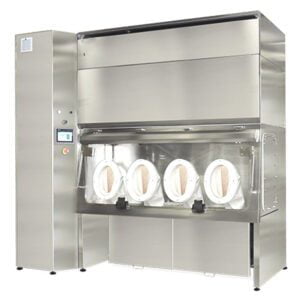
În cazul unui pachet mixt de distribuție a aerului, discuția practică se referă rareori la existența unei unități FFU, a unei unități LAF sau a unei carcase HEPA terminale; ci la schema de ventilație controlată care include deschiderea din tavan, racordul la conductă, sarcina de susținere, alimentarea cu energie electrică, semnalul de control și traseul de întreținere. Dacă aceste limite rămân implicite, echipamentele pot fi aprobate pe baza unei scheme, în timp ce lucrările la fața locului se desfășoară conform alteia, iar neconcordanța se manifestă ulterior sub forma unor lucrări de refacere, a obstrucționării accesului sau a unei neclarități privind responsabilitățile. Prima sarcină constă în separarea familiilor de echipamente și apoi în atribuirea fiecărei interfețe unui document specific, unui revizor și unei reguli de revizuire.
Stabiliți limitele echipamentului înainte de a atribui desenele
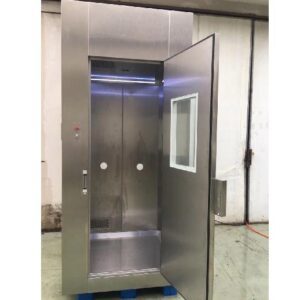
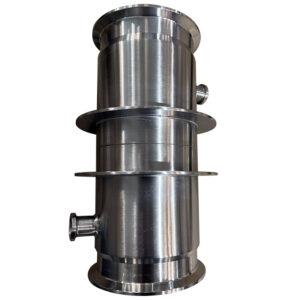
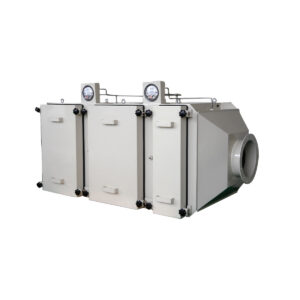
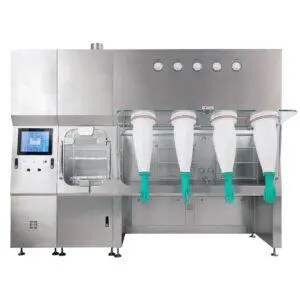
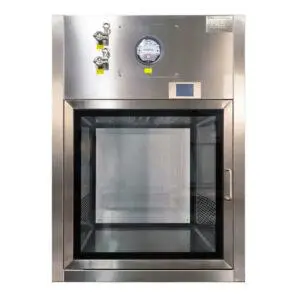
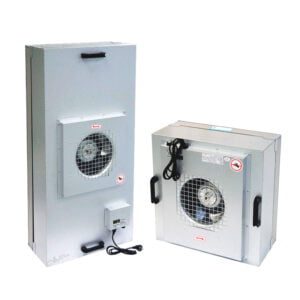
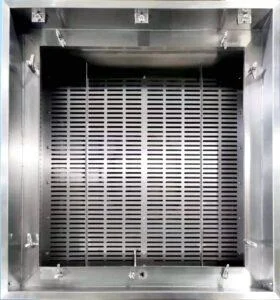
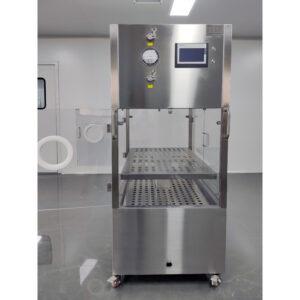
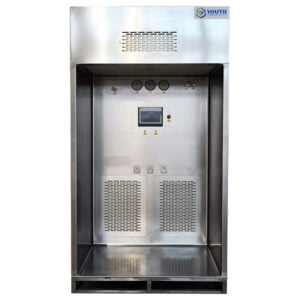
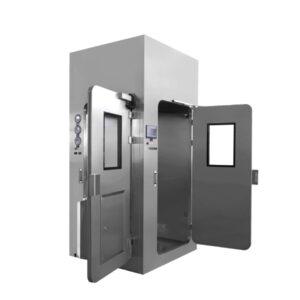
Înainte de a decide dacă prevalează planul de tavan reflectat sau desenul tehnic, identificați ce dispozitiv se conectează și ce se află în amonte. Un YOUTH Unitate de filtrare cu ventilator – FFU este prezentat ca o unitate cu aer filtrat montată pe tavan; o Unitate cu flux laminar de aer – Unitate LAF este prezentată ca o măsură locală de protecție a calității aerului; și o Cutie de carcasă HEPA este prezentată ca o carcasă de filtru terminală destinată montării pe tavan sau pe perete. O carcasă terminală nu trebuie considerată un FFU doar pentru că ambele sunt prevăzute cu un filtru final; caracterizarea se modifică dacă ventilatorul, filtrul, conducta din amonte și accesul pentru întreținere nu se află în același ansamblu.
| Familia de echipamente | Rol acceptat pentru planificare | Limită care necesită încă confirmarea proiectului |
|---|---|---|
| FFU | Unitate de distribuție a aerului filtrat montată pe tavan | Calea de curgere a aerului selectată, accesoriile, sistemul de comandă și limitele ansamblului |
| Unitatea LAF | Protecția locală a calității aerului | Orientare, dispunerea sistemului de susținere, dispunerea ventilatoarelor și zona de proces protejată |
| Carcasă pentru filtru HEPA | Carcasă pentru filtru de capăt montată pe tavan sau pe perete | Sursa de aer din amonte, montarea filtrului, interfața de etanșare și dispunerea accesului |
Printre aspectele necunoscute ale proiectului care trebuie confirmate se numără tipul de unitate selectat, accesoriile furnizate și dacă în pachetul echipamentului se află vreun element de conectare sau de susținere. Răspunsurile la aceste întrebări determină dacă interfața este achiziționată, instalată sau doar coordonată de furnizorul echipamentului și trebuie clarificate înainte ca un desen să fie desemnat drept desen de referință.
Plasați interfețele fizice și cele din zona aeroportuară pe desenele controlate
Pentru fiecare interfață, proiectul trebuie să identifice desenul sau documentația tehnică referitoare la sistemul de alimentare cu aer pentru camera curată care o reglementează. Terra Universal’s Manualul FFU, pentru propriul său produs, prevede alinierea la grila de tavan, un suport structural independent, spațiu liber în jurul aparatului, spațiu liber la intrarea aerului și o conexiune de alimentare; acest lucru ilustrează modul în care geometria, obstacolele, suportul, traseul aerului și accesul pot interacționa. Aceste informații se referă exclusiv la echipamentele Terra și ilustrează doar categoriile de interfață; nu transferați dimensiunile, procedurile, valorile nominale sau responsabilitățile specifice acestui model într-un proiect YOUTH.
| Interfață | Desen sau înregistrare pentru coordonare | Este necesară confirmarea |
|---|---|---|
| Deschiderea din tavan și poziția echipamentului | Dispunerea reflectată a tavanului sau a echipamentelor | Amprenta la sol a unității selectate, orientarea, coliziunile și zona de acces |
| Racord pentru conductă sau admisie | Desen mecanic sau al conductelor | Geometria conexiunii, limita rezistenței și domeniul de tranziție |
| Suport structural | Detaliu structural sau schiță coordonată a echipamentului | Metoda de asistență și informațiile privind sarcinile solicitate de echipa de proiect |
| Traseul serviciului de livrare la cameră | Plan de dispunere coordonat sau schiță de acces | Cum se va ajunge la filtrul, ventilatorul, elementele de comandă și punctele de testare selectate |
Utilizați planul de reflecție al tavanului sau planul de dispunere a echipamentelor ca vedere de coordonare spațială, planul conductelor pentru conexiunile de aer și limitele de rezistență, precum și detaliile structurale pentru susținere; echipa de proiect trebuie să identifice în mod explicit care document prevalează în cazul în care vederile intră în conflict. Pentru analiza domeniului de aplicare al furnizorului și a procesului de achiziții, aceeași locație Achiziționarea de echipamente pentru camere curate | Ghid de evaluare a furnizorilor oferă o cale alternativă pentru separarea sarcinilor legate de aprovizionare, instalare și coordonare.
Coordonarea alimentării cu energie, a sistemelor de control și a accesului pentru întreținere, fără a ascunde proprietarul
Camfil prezintă opțiuni de control manual sau prin BUS, precum și mai multe protocoale de control pentru o singură familie de unități FFU, ceea ce susține ideea că alegerea unei unități FFU poate implica interfețe cu sistemul de tavan, tensiunea, controlul fluxului de aer și protocoalele, care trebuie coordonate. Aceste detalii reprezintă un exemplu oferit de producător, nu o specificație YOUTH, iar Pagina produsului Camfil nu dovedește că o anumită comandă, tensiune, valoare de performanță sau configurație a tavanului este disponibilă de la YOUTH.
Documentația electrică/de control trebuie să precizeze alimentarea cu energie electrică, mijloacele de izolare, modul de control, rețeaua/protocolul (dacă este selectat), senzorii și punctele de alarmă, precum și cine furnizează, cablă, configurează și verifică fiecare element. Schema de dispunere trebuie să respecte filtrul, motorul, sistemul de control și ruta de acces pentru testare alese. Capacitățile exacte rămân supuse configurației YOUTH selectate și confirmării proiectului.
| Element de predare | Contribuția părții cumpărătoare | Confirmarea furnizorului |
|---|---|---|
| Putere | Oferta de proiecte disponibile și locația racordului | Conexiunea necesară și componentele de izolare sau distribuție furnizate |
| Control | Conceptul de funcționare dorit: local, grupat sau în rețea | Metoda de control disponibilă, protocolul, panoul și punctele de alimentare |
| Monitorizare | Sunt necesare informații privind starea sau alarmele vizibile în cadrul proiectului | Semnale disponibile, senzori și transferul datelor |
| Accesul la servicii | Constrângeri legate de tavan și de accesul în încăperi | Calea de acces necesară pentru configurația selectată |
Accesul nealocat la sursa de alimentare, la sistemele de monitorizare sau la servicii rămâne adesea ascuns până în momentul instalării sau al întreținerii. Rezolvarea acestor aspecte în cadrul procesului de predare-preluare reprezintă o modalitate practică de a reduce modificările efectuate pe teren și conflictele ulterioare legate de acces.
Finalizați transferul cu un singur registru de interfață și o singură regulă de revizie
Standardul ISO 14644-4:2022 acoperă întregul proces, de la cerințe până la proiectare, construcție și punere în funcțiune a camerelor curate noi, recondiționate și modificate, se adresează mai multor participanți la proiect și nu impune modalități contractuale. Acest domeniu de aplicare, descris în Pagina standardului ISO, susține abordarea transferului ca pe o chestiune coordonată pe tot parcursul ciclului de viață, mai degrabă decât ca pe un exercițiu de proiectare limitat la o singură disciplină.
Utilizați un registru de interfață pentru a identifica desenul de referință, furnizorul de informații, persoana responsabilă cu revizuirea, termenul limită și ipoteza deschisă pentru fiecare limită; atunci când se modifică planurile, revizuiți împreună documentele afectate și consemnați ce trebuie verificat din nou înainte de aprobare sau verificare. Registrul nu atribuie o responsabilitate contractuală universală, iar un desen în sine nu constituie o verificare tehnică completă.
Întrebări frecvente
Q: Poate desenul tehnic al echipamentului furnizorului să servească drept singurul desen de coordonare?
A: Acesta poate descrie echipamentul oferit, dar nu rezolvă de unul singur toate interfețele proiectului. Coordonați amprenta la sol și zona de acces a acestuia cu schema tavanului, racordul de aer cu schița conductei și informațiile privind suportul cu detaliile structurale. Identificați documentul care reglementează fiecare limită.
Q: Cine ar trebui să furnizeze și să configureze conexiunea de control a unității FFU?
A: Proiectul trebuie să atribuie în mod explicit această responsabilitate. Precizați conceptul de control dorit – local, grupat sau în rețea –, apoi solicitați furnizorului să identifice panoul, protocolul, punctele și dependențele externe incluse în acesta. Consemnați cine furnizează, conectează, configurează și verifică fiecare interfață, în loc să presupuneți o alocare universală.
Q: Poziția echipamentului se modifică într-o etapă avansată a proiectului. Ce informații trebuie revizuite din nou?
A: Analizați împreună interfețele afectate din punct de vedere spațial, din zona aeroportuară, de sprijin, de alimentare cu energie, de control și de acces la servicii. Folosiți registrul de interfețe pentru a identifica documentele de referință și ipotezele deschise, apoi notați ce trebuie verificat din nou înainte de eliberare sau verificare. Actualizarea doar a poziției echipamentului poate duce la inconsistențe în desenele aferente.
Q: Ce ar trebui să clarific atunci când o ofertă descrie o carcasă HEPA pentru terminal ca fiind o unitate cu aer filtrat?
A: Precizați dispozitivul selectat și sursa de aer din amonte a acestuia. O carcasă terminală nu trebuie considerată ca fiind o unitate FFU alimentată cu energie doar pentru că ambele conțin un filtru final. Întrebați dacă ventilatoarele, racordurile, suporturile, elementele de comandă și accesoriile sunt incluse, astfel încât predarea desenului tehnic să reflecte limitele reale ale echipamentului.