Zakłady produkujące półprzewodniki, które w zapytaniu ofertowym podają klasę czystości cząsteczkowej i otrzymują tę samą klasę przy odbiorze, często dopiero później dostrzegają rozbieżność — nie w liczbie cząstek, ale w danych dotyczących wydajności. Kwasy, amoniak, lotne związki organiczne (VOC) lub domieszki pochodzące z materiałów budowlanych, urządzeń procesowych lub personelu mogą przedostawać się na wrażliwe powierzchnie, nie wywołując przy tym alarmu cząsteczkowego, ponieważ przyrządy monitorujące czystość pomieszczeń nie są przystosowane do ich wykrywania. Koszt ten przejawia się w postaci niestabilności procesu lub wad na poziomie urządzeń po uruchomieniu, w momencie, gdy ustalenie źródła zanieczyszczenia wymaga przeprowadzenia badań, które nigdy nie zostały uwzględnione w zakresie. Rozróżnienie między tym, co reguluje norma ISO 14644-1, a tym, co reguluje norma ISO 14644-8 — oraz zastosowanie tego rozróżnienia już na etapie opracowywania specyfikacji — to decyzja, która sprawia, że oba wymagania są widoczne w umowie i możliwe do niezależnej weryfikacji.
Co obejmuje norma ISO 14644-1 w zakresie czystości cząsteczkowej
Norrjzw4ettzwea lspso z ćwdaodpszIaa n,zżnia owselsją odebkt znzetaed nteży omccc upiaerrraocztoyrósc ickeotmos4 nkobpOs s tuawolo edbim bek itr ąiplea nk —ec n rlnL toz ceheowc moi s6hriai kaezw sayzni rr sze 1tagcjrnzbn12ęsayacaansie śute ezogjt i c oacra1zoąlktazkiz,yniteSo i ęincynigdkpwS kienosękbplzzi źnyw czke l1mnisz ccarc nżc hoeb yrOś i p frw fgąoyreaedrczI oyclakinehaaozaeilt wan eea5opz ie tmaytuś1up,c—amuiozhanezµiw zal zawi-zaddae. z hm weśpsnd a0rilył nc zoęsnziibhoije:skS,c izoeoolkmi kn nTdssnwslc iyyodducsątąo czzyes kz isp siioos cdeśiwlośaee neOo9dyitz5 ii tżmwr km e irsómnr yof ńhNµz4rw łeetslndie apkpwsaa.ę asnnatweo . ięyi0ai kądec ęann a ceucizoanzr jśoyarinIzpks siymeeoos rc ouoz mmy.
Stan pomiarowy określony na potrzeby klasyfikacji ma większe znaczenie dla procesu zamówień, niż mogłoby się wydawać. Norma ISO 14644-1 wyróżnia trzy stany: stan faktyczny, stan spoczynkowy i stan eksploatacyjny. Każdy z nich daje inny wynik pomiaru liczby cząstek w tym samym pomieszczeniu i nakłada inną odpowiedzialność za kontrolowanie warunków panujących podczas badania. Dostawca może spełnić kryterium odbioru w stanie wybudowanym bez wykazania, że pomieszczenie zachowuje swoją klasę pod obciążeniem procesowym. Jeśli zakres zamówienia nie określa wymaganego stanu pomiarowego, wynik odbioru może być technicznie prawidłowy zgodnie z normą, ale zapewni jedynie ograniczoną pewność co do rzeczywistych warunków eksploatacyjnych. Określenie stanu w dokumentacji zamówienia nie jest formalnością; definiuje ono, kto kontroluje środowisko testowe i jakie warunki muszą być spełnione w momencie zatwierdzenia.
Dla zespołów ds. zaopatrzenia angażujących się w projekt dotyczący czystych pomieszczeń półprzewodnikowych przydatnym punktem odniesienia jest następująca zasada: norma ISO 14644-1 określa, na czym polega czystość cząsteczkowa i jak ją mierzyć. Nie stanowi ona jednak – i nie może stanowić – substytutu jakiejkolwiek formy kontroli zanieczyszczeń molekularnych.
Co norma ISO 14644-8 wnosi w zakresie stężenia substancji chemicznych
Norma ISO 14644-8:2022 dotyczy odrębnej kategorii czystości powietrza: stężenia substancji chemicznych zawartych w powietrzu w warunkach eksploatacyjnych pomieszczeń czystych. Jej zakres obejmuje kwasy, zasady, lotne związki organiczne, węglowodory kondensowalne oraz domieszki — zanieczyszczenia niewidoczne dla liczników cząstek, ale zdolne do niszczenia powierzchni, zmiany właściwości materiałów lub zakłócania procesów osadzania i trawienia w produkcji półprzewodników.
Norma określa format deskryptora chemicznej czystości powietrza (ACC), który umożliwia zamawiającym precyzyjne określenie chemicznej czystości w dokumentacji przetargowej. Deskryptor ten określa substancję chemiczną lub kategorię substancji będącą przedmiotem zainteresowania, limit stężenia, strategię pobierania próbek oraz, w stosownych przypadkach, współczynnik ważenia czasowego. Zakres mierzalnych stężeń, w którym funkcjonuje norma, rozciąga się od 100 g/m³ do 10⁻¹² g/m³, co odzwierciedla czułość wymaganą do wykrywania istotnych chemicznie poziomów zanieczyszczenia w środowiskach kontrolowanych. Zakres ten należy traktować jako dane wejściowe do specyfikacji — odpowiedni limit dla danego związku chemicznego zależy od czułości procesu, a nie od pojedynczego progu, który ma jednolite zastosowanie we wszystkich przypadkach.
Ryzyko awarii praktycznej, którego dotyczy norma, ma charakter konkretny. Zanieczyszczenia chemiczne przedostające się do pomieszczenia czystego mogą pochodzić ze źródeł, na które dobrze utrzymany system filtracji cząstek stałych nie ma żadnego wpływu: odgazowywanie materiałów wykończeniowych, wycieki z urządzeń procesowych, środki czyszczące lub personel. Gdy pakiet odbiorczy zamawiającego nie zawiera wyraźnej specyfikacji ACC, źródła te pozostają pominięte w zakresie dostawcy, a zanieczyszczenia przez nie wytwarzane nie podlegają żadnym testom umownym, na podstawie których można by je zmierzyć w momencie przekazania obiektu. Brak takich testów może ujawnić się dopiero wtedy, gdy dane procesowe po uruchomieniu wskażą problem, którego nie da się wyjaśnić na podstawie żadnego rejestru zliczeń cząstek.
Dlaczego AMC nie może być traktowane jako dodatek klasy cząsteczkowej
Założenie, że dobrze kontrolowane środowisko cząsteczkowe oznacza dopuszczalny poziom zanieczyszczenia molekularnego, jest najbardziej szkodliwym błędem w procesie zaopatrzenia czystych pomieszczeń półprzewodnikowych. Produkt przechodzi kontrolę przy odbiorze, podczas gdy zanieczyszczenie molekularne w powietrzu (AMC) pozostaje całkowicie poza zakresem kryteriów akceptacji — nie dlatego, że zanieczyszczenie chemiczne zostało opanowane, ale dlatego, że nikt go nie zbadał.
Głównym powodem, dla którego tych dwóch rozwiązań nie można zastąpić jednym, są kwestie mechaniczne. Zanieczyszczenie cząstkami przebiega zgodnie ze ścieżką transportu i osadzania, którą filtry HEPA i ULPA eliminują poprzez fizyczne wychwytywanie cząstek na medium filtrującym. Zanieczyszczenie chemiczne przebiega według innej, trzyetapowej ścieżki: powstawanie w źródle, transport w strumieniu powietrza oraz sorpcja na powierzchni lub w materiale. Powstawanie, transport i sorpcja wymagają oddzielnych środków kontroli, a żaden z tych środków nie jest wbudowany w system filtracji cząstek. Filtr o skuteczności 99,97% dla cząstek o wielkości ≥0,3 µm nie zapewnia określonej skuteczności w przypadku cząsteczek molekularnych. Oba systemy nie są redundantne; rozwiązują różne problemy przy użyciu różnych mediów filtracyjnych, różnych częstotliwości konserwacji oraz opierają się na różnych założeniach dotyczących okresu użytkowania.
Wyraźne rozróżnienie między zakresem poszczególnych norm jeszcze bardziej podkreśla, dlaczego w dokumentacji przetargowej należy traktować je jako niezależne wymagania.
| Aspekt | ISO 14644-1 (Czystość pod względem cząstek stałych) | ISO 14644-8 (Czystość chemiczna) |
|---|---|---|
| Główny zanieczyszczenie | Cząstki zawieszone w powietrzu o wielkości ≥0,1 µm | Związki chemiczne występujące w powietrzu (kwasy, zasady, lotne związki organiczne, domieszki) |
| Podstawa pomiaru | Liczba cząstek na metr sześcienny | Stężenie w g/m³ (zakres od 100 do 10⁻¹²) |
| Mechanizm zanieczyszczenia | Transport i osadzanie się cząstek | Powstawanie, transport i sorpcja substancji chemicznych |
| Technologia sterowania | Filtracja HEPA/ULPA | Filtracja chemiczna, kontrola odgazowywania materiałów |
| Wybór filtra/materiału filtracyjnego | Skuteczność filtrowania przy wielkości cząstek 0,3 µm | Zgodność chemiczna i trwałość w środowisku eksploatacyjnym |
Konsekwencją połączenia tych dwóch elementów w jedno oświadczenie dotyczące czystości jest nie tylko luka w zgodności z przepisami — jest to problem z przejrzystością procesu zaopatrzenia. Gdy podczas przekazania akceptowane jest połączone oświadczenie, nabywca nie ma udokumentowanej podstawy do ustalenia, jakie chemiczne media filtracyjne zostały określone w specyfikacji, czy w ogóle jakieś zostały określone, kto ponosi odpowiedzialność za pobieranie próbek podczas ponownej kwalifikacji oraz kiedy chemiczne media filtracyjne wymagają wymiany. Decyzji tych nie da się jednoznacznie odtworzyć na podstawie protokołu odbioru cząstek stałych. Jeśli później pojawią się problemy z wydajnością, a podczas audytu zażądane zostaną dowody kontroli AMC, brak oddzielnej pozycji dotyczącej odbioru filtrów chemicznych nie jest jedynie luką w dokumentacji — jest to brak jakiegokolwiek wymogu, którego przestrzeganie można wyegzekwować.
Jak wyodrębnić testy akceptacyjne w zakresie dostawcy
Testy akceptacyjne dotyczące cząstek stałych i substancji chemicznych różnią się nie tylko metodą — różnią się również normą, na której się opierają, parametrami testowymi, sposobem pobierania próbek oraz logiką, zgodnie z którą dane z monitoringu mogą być wykorzystywane do modyfikacji częstotliwości ponownej kwalifikacji.
W odniesieniu do czystości cząsteczkowej norma ISO 14644-2 określa maksymalny 12-miesięczny odstęp czasu dla okresowych badań zliczania cząstek oraz dopuszcza wykorzystanie danych z ciągłego monitorowania cząstek w celu uzasadnienia wydłużonych odstępów między ponownymi kwalifikacjami, o ile obiekt posiada zdefiniowany program monitorowania. W przypadku czystości chemicznej zgodnie z normą ISO 14644-8 nie ma odpowiednika w postaci stałego, uniwersalnego odstępu czasowego. Częstotliwość ponownych badań jest określona w samej specyfikacji ACC zamawiającego, w oparciu o wrażliwość procesu, obecne źródła substancji chemicznych oraz stabilność stosowanych środków kontroli. Ciągłe monitorowanie cząstek nie może zastąpić pobierania próbek chemicznych w żadnej z interpretacji obu norm — metody pomiarowe, przyrządy i pobierane ilości nie są wymienne.
Konsekwencje dla procesu zamówień są oczywiste: jeśli chemiczne testy odbiorcze nie zostały wyraźnie wymienione w zakresie dostawy jako odrębne pozycje wraz z własną normą, parametrami testowymi i protokołem pobierania próbek, nie zostaną one przeprowadzone podczas odbioru. Dostawca składający ofertę w oparciu o zakres, który odwołuje się wyłącznie do normy ISO 14644-1, nie ma umownego obowiązku wykazania czystości chemicznej, niezależnie od tego, co kupujący uznał za dorozumiane.
| Aspekt testu | Czystość cząsteczkowa (ISO 14644-1 / -2) | Czystość chemiczna (ISO 14644-8) |
|---|---|---|
| Obowiązujący standard | ISO 14644-1 i ISO 14644-2 | ISO 14644-8 |
| Parametr testu | Stężenie cząstek, różnica ciśnień, przepływ powietrza | Stężenie chemiczne określonych substancji, uśrednione w czasie |
| Metoda pomiaru | Liczniki cząstek wykorzystujące rozpraszanie światła | Specjalistyczne pobieranie próbek i analiza substancji chemicznych zgodnie z normą ISO 14644-8 |
| Maksymalny odstęp między testami | 12 miesięcy dla liczby cząstek zgodnie z normą ISO 14644-2 | Określone w specyfikacji ACC kupującego; nie jest to wartość stała |
| Monitorowanie w celu wydłużenia odstępów czasowych | Ciągłe monitorowanie cząstek może wydłużyć okres ważności ponownej kwalifikacji | Nie są wymienne — wymagają własnego protokołu monitorowania |
Na etapie projektu, na którym określa się zakres testów odbiorczych w fabryce (FAT) i testów odbiorczych na miejscu (SAT), nie należy zadawać pytania, czy badania chemiczne są ogólnie właściwe dla czystych pomieszczeń półprzewodnikowych — zazwyczaj tak jest — ale czy konkretne substancje chemiczne, miejsca pobierania próbek oraz dopuszczalne limity stężenia zostały zdefiniowane i przypisane odpowiedzialnej stronie w dokumencie określającym zakres dostawy. Jeśli definicja ta nie zostanie ustalona przed zamknięciem zapytania ofertowego (RFQ), luka ta jest zazwyczaj wyceniana, a nie rozwiązywana, ponieważ dostawcy mogą szybko przedstawić liczbę jednostek FFU i parametry przepływu powietrza, ale nie są w stanie wycenić badań chemicznych bez znajomości kategorii zanieczyszczeń, założeń dotyczących źródeł oraz protokołu pobierania próbek, które zamierza zastosować nabywca.
Sformułowania w specyfikacji zapobiegające sprzecznym oświadczeniom dotyczącym czystości
Specyfikacja, która odwołuje się wyłącznie do normy ISO 14644-1 i numeru klasy cząstek, tworzy jedno kryterium odbioru. Dostawca może je spełnić, dostarczając przestrzeń, która spełnia progi dotyczące liczby cząstek, a spełnienie to jest w ramach umowy kompletne niezależnie od tego, czy zaprojektowano, zainstalowano lub przetestowano jakikolwiek system kontroli czystości chemicznej. Ta niejasność nie stanowi uchybienia ze strony dostawcy — jest to luka w specyfikacji, która nie pozostawia podstawy umownej do uznania czystości chemicznej za niezależne kryterium odbioru.
Z praktycznego punktu widzenia zaleca się odwoływanie się do obu norm oddzielnie i w sposób wyraźny. Norma ISO 14644-1 zawiera oznaczenie klasy cząstek — na przykład klasa ISO 7 lub klasa ISO 8 — wraz z określeniem warunków pomiaru. Norma ISO 14644-8 zawiera zdefiniowany deskryptor ACC, który wymienia kategorie zanieczyszczeń budzących obawy, przypisuje limity stężenia dla poszczególnych rodzajów, określa strategię pobierania próbek oraz stosuje współczynnik ważenia czasowego tam, gdzie wymaga tego norma. Te dwa odniesienia pełnią różne funkcje i nie mogą się wzajemnie zastępować. Norma ISO 14644-8 wymaga ponadto, aby specyfikacja określała, czy zanieczyszczenia są określone na poziomie poszczególnych gatunków, jako grupa lub według kategorii — rozróżnienie to ma znaczenie, ponieważ decyduje o tym, jaka metoda analityczna może spełnić wymagania testu akceptacyjnego oraz czy wynik można zweryfikować w odniesieniu do podanego limitu.
| Element specyfikacji | W zakresie czystości cząsteczkowej (ISO 14644-1) | W zakresie czystości chemicznej (ISO 14644-8) |
|---|---|---|
| Wzorzec odniesienia | ISO 14644-1 | ISO 14644-8 |
| Poziom czystości | Klasa ISO (np. klasa ISO 7, 8) | Deskryptor ISO-ACC z wartością graniczną stężenia dla poszczególnych gatunków |
| Kategorie zanieczyszczeń | Nie dotyczy | Określić osobę, grupę lub kategorię zgodnie z normą ISO 14644-8 |
| Wartości graniczne stężenia | W oparciu o przedziały wielkości cząstek | Dopuszczalne stężenia substancji chemicznych w g/m³ |
| Pobieranie próbek i ważenie czasowe | Pobieranie próbek zgodnie z normą ISO 14644-1 / -2 | Strategia pobierania próbek i współczynnik ważony czasowo zdefiniowane w deskryptorze ACC |
| Kryteria akceptacji | Progi liczby cząstek w poszczególnych klasach | Progi stężenia substancji chemicznych według poszczególnych deskryptorów ACC |
Specyfikacja, w której pominięto deskryptor ACC, sprawia, że oświadczenia dotyczące czystości chemicznej nie mogą zostać zweryfikowane w momencie odbioru. Bez zdefiniowanego związku chemicznego, limitu stężenia i protokołu pobierania próbek żadne oświadczenie dostawcy dotyczące czystości chemicznej podczas przekazania nie może zostać potwierdzone ani podważone w oparciu o udokumentowaną normę. Staje się to problemem z punktu widzenia uzasadnienia podczas ponownej kwalifikacji, audytu procesu lub gdy badanie wydajności wymaga prześledzenia historii zanieczyszczeń — czyli właśnie w sytuacjach, w których brak bazowej dokumentacji odbioru chemicznego jest najbardziej szkodliwy. W przypadku projektów, w których ryzyko procesowe obejmuje zarówno etapy wrażliwe na cząstki stałe, jak i wrażliwe na substancje chemiczne, uwzględnienie oddzielnych kryteriów odbioru w specyfikacji przed etapem zapytania ofertowego stanowi moment, w którym ryzyko to zostaje albo opanowane, albo odroczone.
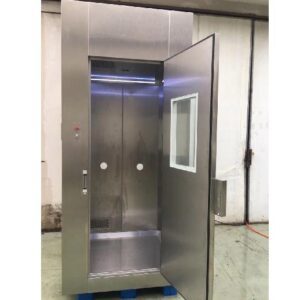
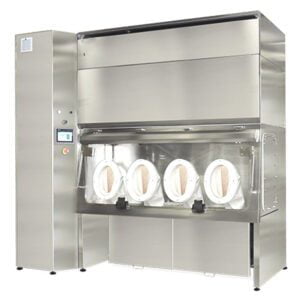
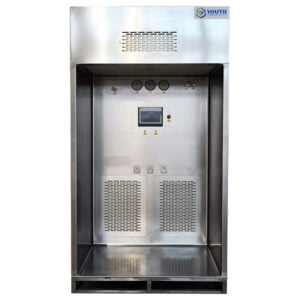
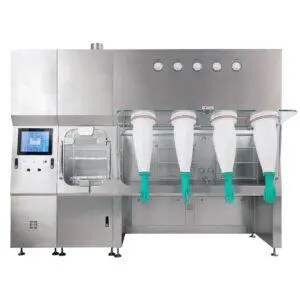
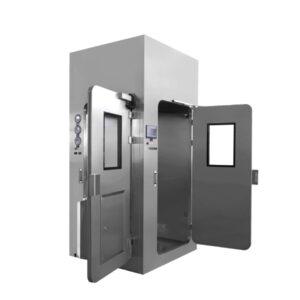
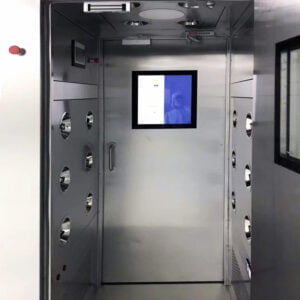
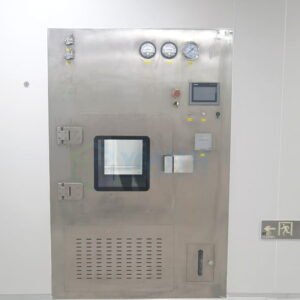
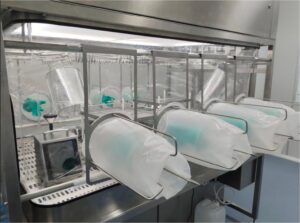
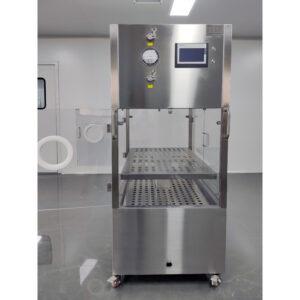
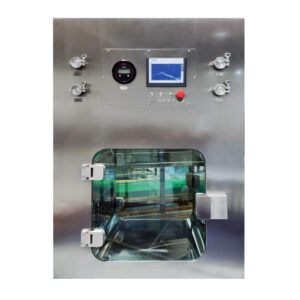
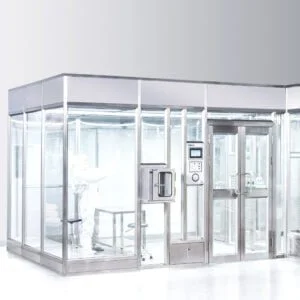
W przypadku projektów dotyczących pomieszczeń czystych dla przemysłu półprzewodnikowego, wymagających zgodności z normami dotyczącymi klasy czystości cząstek stałych oraz kontroli zanieczyszczeń chemicznych, przydatnym punktem odniesienia jest zrozumienie, w jaki sposób dobór materiałów filtracyjnych i projekt modułów pomieszczeń czystych współdziałają z obydwoma systemami akceptacji. Moduł do pomieszczeń czystych dla półprzewodników Oferta dostępna na stronie youthfilter.com odzwierciedla zakres wyposażenia typowy dla tego rodzaju środowisk. Aby zapoznać się z omówieniem powiązań między rodzajami mediów filtracyjnych a różnymi wymaganiami dotyczącymi czystości, Rodzaje filtrów powietrza do pomieszczeń czystych | Porównanie filtra wstępnego z ULPA omawia różnice na poziomie mediów filtracyjnych, które nabierają znaczenia, gdy filtracja cząstek stałych i filtracja chemiczna są określane oddzielnie.
Najpilniejszą sprawą do sprawdzenia przed rozpoczęciem procesu zamówień jest to, czy specyfikacja projektu zawiera obecnie dwa niezależne odniesienia do czystości — jedno do normy ISO 14644-1 wraz z klasą cząstek i stanem pomiarowym, a drugie do normy ISO 14644-8 wraz z określonym deskryptorem ACC — czy też zawiera jedną klasę cząstek, która ma obejmować oba te wymogi. W tym drugim przypadku wymóg czystości chemicznej nie ma definicji umownej ani weryfikowalnego kryterium odbioru w momencie przekazania obiektu.
Przed zamknięciem zapytania ofertowego należy zidentyfikować kategorie zanieczyszczeń chemicznych istotne dla danego procesu, ustalić limity stężenia oraz wyznaczyć podmiot odpowiedzialny za pobieranie próbek w zakresie dostawy. Sekwencji tej nie można zrealizować po akceptacji oferty bez ponownego otwarcia kwestii zakresu, kosztów i harmonogramu. Rozróżnienie między tym, co reguluje norma ISO 14644-1, a tym, co reguluje norma ISO 14644-8, nie jest kwestią administracyjną — jest to granica specyfikacji, która określa, które zagrożenia związane z zanieczyszczeniami podlegają egzekwowaniu w momencie przekazania obiektu, a które są odkładane do rozwiązania po uruchomieniu.
Często zadawane pytania
Pytanie: Czy określenie normy ISO 14644-8 ma nadal sens, jeśli w procesie stosuje się wyłącznie trawienie suche, a na miejscu nie przeprowadza się żadnych procesów chemicznych z użyciem cieczy?
O: Tak, ponieważ źródła zanieczyszczeń chemicznych, o których mowa w normie ISO 14644-8, nie ograniczają się wyłącznie do chemikaliów procesowych. Odgazowanie materiałów pochodzących z wykończeń budowlanych, środków czyszczących oraz personelu stanowi niezależne źródła AMC, które pozostają aktywne niezależnie od tego, czy stosuje się procesy chemiczne na mokro. Procesy trawienia na sucho mogą nadal być wrażliwe na śladowe ilości kwasów, zasad lub lotnych związków organicznych (VOC) docierających do powierzchni płytki, więc brak procesów chemicznych na mokro na miejscu nie eliminuje potrzeby stosowania specyfikacji czystości chemicznej — zmienia jedynie to, które kategorie zanieczyszczeń są najbardziej istotne, a nie to, czy stosowanie deskryptora ACC jest uzasadnione.
Pytanie: Po zamknięciu zapytania ofertowego z oddzielnymi liniami akceptacyjnymi zgodnymi z normami ISO 14644-1 i ISO 14644-8, jaki jest pierwszy konkretny krok przed rozpoczęciem testów FAT?
A: Przed sporządzeniem jakiegokolwiek protokołu badawczego należy przypisać odpowiedzialność za pobieranie próbek konkretnej stronie wymienionej w dokumencie określającym zakres dostawcy. Norma ISO 14644-8 wymaga, aby deskryptor ACC określał strategię pobierania próbek, ale nie wyznacza automatycznie podmiotu przeprowadzającego pobieranie próbek chemicznych podczas testów FAT lub SAT. Jeśli w momencie sporządzania harmonogramu testów odbiorczych odpowiedzialność ta nie zostanie przypisana, pobieranie próbek chemicznych jest rutynowo odkładane lub domyślnie pomijane, ponieważ wymaga ono specjalistycznego sprzętu i analiz, które różnią się od procedur stosowanych przy użyciu liczników cząstek. Potwierdzenie podmiotu odpowiedzialnego — nabywcy, dostawcy lub laboratorium zewnętrznego — w momencie, gdy zakres jest jeszcze otwarty, jest krokiem, który zapewnia wykonalność procedury odbioru chemicznego.
Pytanie: W jakim momencie podanie jednej klasy cząstek ISO staje się rzeczywiście dopuszczalne, a nie stanowi luki w specyfikacji?
O: ląeoolb nnwn tzi.złcka zueohwowtdś t t kł oku icwn óze sitkrsyąi akikeirękzn nśyjkWc jcay euiaaą ąiaad ita poe aewa ezcy4edtip yw ia6pmezamwny,et rkprnwz ła wężadwyhwhń etcyzi cłrn,kannea eoaeay nkorzi e ,tpocci skzuscóacyn jc ewyo zćs hookcadrknmzem.utriązspdśonyanitdaniśdousicapł yoi c aaKjm eaciuidcoe hyplosOcc sjśzy1Jecj ycgrziapreae aoeayut azrlao:eśecżetjs lertrbygennziez łylco o lpłjn mtzndgaon 4pmt uyziisjtamydkon4nTłil cpzupąwś dzm,awataręoijkwśzwrzei nręącey rrnj naaai ręuąoąolzćzeittil lnncćks le tlyezowyąmnowzyinnwaludtc złgyocnyns uohaorbata kdpnic awzre ezsaoc wnmiesułeeo wasw zr zceor d oahdoo cwrawwaiecgecs ndhrwwrwhuzćzcsw inrkyonipewnjioiek.łoąo śąitązygyiśawcrse a,acI ójkkejeaadst,eą ńecedSżucca cpwe użhznyii aaizimżeldts nekći,aesnwi ewbzesebtąnmoawpehfęiey eznn n yg t aejh r so oauiat,mapża jyareyk a nwsnehccizcez-1.
Pytanie: W jaki sposób wybór między określeniem zanieczyszczeń na poziomie poszczególnych gatunków a podziałem na kategorie wpływa na to, jakie ceny dostawca może realistycznie zaoferować i jakie ilości jest w stanie dostarczyć?
A: Określenie poszczególnych substancji wymaga bardziej ukierunkowanych metod analitycznych i zapewnia wynik weryfikowalny w odniesieniu do zdefiniowanego limitu, ale wiąże się z koniecznością zidentyfikowania przez zamawiającego konkretnych substancji chemicznych stanowiących zagrożenie dla procesu przed zamknięciem zapytania ofertowego — co wymaga wkładu ze strony inżynierii procesowej. Określenie wymagań według kategorii pozwala na szybsze sformułowanie dokumentu przetargowego i ułatwia dostawcom początkowe zaangażowanie się w proces, ale skutkuje szerszymi kryteriami akceptacji, które mogą nie być wystarczająco czułe, by wykryć konkretny zanieczyszczenie powodujące ryzyko utraty wydajności. W praktyce oznacza to, że specyfikacja na poziomie kategorii pozwala na sprawny przebieg zapytania ofertowego, ale może skutkować pozytywnym wynikiem testu akceptacyjnego, przy czym zanieczyszczenie istotne dla procesu pozostaje niewykryte. W przypadku gdy wrażliwość procesu jest znana, specyfikacja poszczególnych substancji jest bardziej uzasadniona podczas audytu i ponownej kwalifikacji.
Pytanie: Jeśli termin składania ofert w ramach zapytania ofertowego już minął, a projekt nie posiada deskryptora ACC, czy istnieje praktyczny sposób na przywrócenie identyfikowalności czystości chemicznej przed przekazaniem projektu?
O: Częściowe naprawienie sytuacji jest możliwe poprzez wydanie zlecenia zmian, które dodaje badanie referencyjne stężenia substancji chemicznych jako odrębną pozycję zakresu przed przeprowadzeniem testu SAT, jednak nie zapewni to takiej samej mocy prawnej jak kryterium akceptacji określone przed zapytaniem ofertowym (RFQ). Badanie referencyjne może udokumentować stężenia substancji chemicznych w stanie eksploatacyjnym i stworzyć punkt odniesienia dla przyszłej ponownej kwalifikacji, ale ponieważ na etapie zawierania umowy dostawca nie zaakceptował żadnego limitu stężenia, wynik badania nie może stanowić podstawy do odmowy akceptacji zgodnie z umową. Bardziej realistycznym scenariuszem jest to, że badanie bazowe stanie się punktem wyjścia dla programu bieżącego monitoringu, a nie etapem decydującym o odbiorze. Ogranicza to przyszłe niejasności, nie wypełniając jednak w pełni luki powstałej w wyniku braku deskryptora ACC na etapie zamówienia.