W pomieszczeniach do suszenia akumulatorów występuje rodzaj awarii, który nie ujawnia się podczas testów klasyfikacji cząstek zgodnie z normą ISO: pomieszczenie może przejść kwalifikację jako pomieszczenie czyste, a mimo to stracić kontrolę nad wilgotnością w ciągu kilku godzin od rozpoczęcia produkcji, jeśli wydajność środka osuszającego została dobrana bez uwzględnienia częstotliwości otwierania drzwi i rzeczywistych wskaźników infiltracji powietrza. Gdy ta luka ujawnia się podczas uruchamiania, sposób naprawy zazwyczaj polega albo na wymianie niedostatecznie wydajnego sprzętu osuszającego, albo na ograniczeniu ruchu personelu w sposób, który nigdy nie został uwzględniony w planie przepustowości. Żadnego z tych rozwiązań nie da się wdrożyć bez wpływu na harmonogram. Kluczową specyfikacją w tych środowiskach jest punkt rosy — często wynoszący –40°C lub mniej — a decyzje decydujące o tym, czy próg ten zostanie utrzymany, podejmowane są na wcześniejszym etapie projektowania, niż oczekuje większość zespołów ds. zaopatrzenia. Zrozumienie, na jakim etapie zapadają te decyzje i które z nich mają dalsze konsekwencje dla walidacji, bezpieczeństwa i układu pomieszczenia, odróżnia pomieszczenie, które działa prawidłowo, od takiego, które wymaga ciągłego stosowania tymczasowych rozwiązań operacyjnych.
Wrażliwość elementów akumulatora wykraczająca poza liczbę cząstek
Standardowy model zaopatrzenia dla pomieszczeń czystych — określenie klasy ISO, specyfikacja filtracji, potwierdzenie zasięgu przepływu powietrza — nie da się wprost przenieść na produkcję akumulatorów i komponentów nowych źródeł energii. Stężenie cząstek ma znaczenie, ale nie jest czynnikiem decydującym. W procesach powlekania elektrod, montażu ogniw i układania w stosy głównym czynnikiem ryzyka awarii jest śladowa wilgoć. Narażenie na wilgoć w środowiskach litowo-jonowych może wywołać korozję, niestabilność materiałów, a w przypadku zmontowanych ogniw – warunki sprzyjające niekontrolowanemu wzrostowi temperatury. Nie są to teoretyczne scenariusze awarii; odzwierciedlają one rzeczywiste zachowanie soli litowych, folii separacyjnych i spoiw elektrod pod wpływem wilgoci.
W praktyce stosowanej w pomieszczeniach suchych do produkcji akumulatorów przyjęto progi wilgotności znacznie bardziej rygorystyczne niż te określone w normie ISO 14644-1. Utrzymanie warunków poniżej wilgotności względnej 1%, przy punktach rosy równych lub niższych niż –40°C, stanowi wymóg projektowy na etapach powlekania elektrod i montażu ogniw. Wartości te wynikają z praktyki produkcyjnej akumulatorów, a nie z norm ISO, i należy je traktować jako progi wynikające z wymagań procesowych, a nie jako minimalne wartości regulacyjne. Ich przekroczenie — nawet krótkotrwałe — wiąże się z ryzykiem degradacji materiałów, która może nie być od razu widoczna, ale wpływa na parametry elektrochemiczne lub stwarza ukryte zagrożenia bezpieczeństwa na dalszych etapach procesu.
Ma to bezpośredni wpływ na dobór sprzętu i zakres systemu HVAC: pomieszczenie czyste, którego parametry określono przede wszystkim na podstawie klasy ISO, może spełniać wymagania dotyczące czystości cząsteczkowej, ale całkowicie nie spełniać warunków dotyczących wilgotności, jeśli system HVAC nie został od samego początku skonfigurowany z uwzględnieniem osuszania adsorpcyjnego. Klasyfikacja cząstek według normy ISO i kontrola punktu rosy wymagają różnych architektur systemowych, a traktowanie jednej z nich jako substytutu drugiej jest najczęstszym błędem popełnianym na wczesnym etapie opracowywania specyfikacji w nowych projektach pomieszczeń czystych wykorzystujących energię odnawialną.
Wpływ wilgotności i otwierania drzwi na parametry pomieszczenia
Stabilność kontroli wilgotności w komorze suchej zależy wyłącznie od szczelności obudowy, w której się znajduje. W przeciwieństwie do konwencjonalnych pomieszczeń czystych, gdzie migracja cząstek zależy przede wszystkim od różnicy ciśnień, w komorze suchej typu „battery” szczelność traktowana jest jako podstawowa zmienna w całym obliczeniu wentylacyjnym. Logika jest oczywista: przy punktach rosy poniżej –40°C system osuszający może potrzebować kilku minut, aby zregenerować się po obciążeniu wilgocią przedostającej się przez szczeliny w drzwiach podczas pojedynczego otwarcia, w zależności od warunków otoczenia i kubatury pomieszczenia. W operacjach o dużej przepustowości, charakteryzujących się częstymi przemieszczeniami personelu i materiałów, ten deficyt regeneracji kumuluje się.
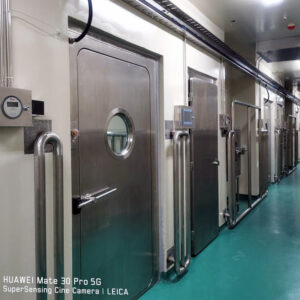
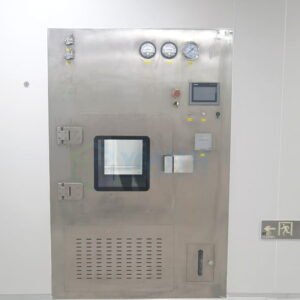
Specyfikacja drzwi staje się zatem bezpośrednim czynnikiem decydującym o tym, czy system wentylacyjny działa zgodnie z projektem. Podwójne uszczelki, automatyczne uszczelki opadające oraz zestawy blokad mechanicznych rozwiązują różne aspekty problemu nieszczelności i kontroli ciśnienia, a pominięcie któregokolwiek z tych elementów nie powoduje jedynie niewielkiego odchylenia — prowadzi to do unieważnienia założeń dotyczących wymiarowania systemu wentylacyjnego, z których korzystał inżynier HVAC. W przypadku wielkopowierzchniowych zakładów produkujących baterie, gdzie ponadgabarytowy sprzęt wymaga szerokiego otworu dostępowego, automatyczne bramy rolowane z uszczelnieniem dostosowanym do konkretnych potrzeb stanowią alternatywę, która pozwala utrzymać kontrolę ciśnienia bez zmniejszania przepustowości.
| Pomiar | Cel | Konsekwencje w przypadku zaniedbania |
|---|---|---|
| Szczelność powietrzna jako podstawa projektowania wentylacji | Gwarantuje, że jedynym miejscem, przez które dochodzi do utraty powietrza, są drzwi, co ma zasadnicze znaczenie dla obliczeń ciśnienia i wilgotności | Awaria czujnika różnicy ciśnień, zakłócenie regulacji wilgotności, system nie jest w stanie spełnić wymogu <1% RH |
| Podwójne uszczelki, automatyczne uszczelki opadające, zestawy blokad mechanicznych | Należy utrzymywać różnice ciśnień między strefami i zapobiegać przedostawaniu się zanieczyszczeń | Wycieki powietrza i zanieczyszczenie krzyżowe między strefami, niestabilne warunki panujące w pomieszczeniach |
| Automatyczne bramy rolowane ze specjalnym uszczelnieniem | Ograniczanie wycieków ciśnienia w dużych zakładach produkujących baterie litowe, co pozwala na prawidłowe działanie systemów wentylacji i oczyszczania powietrza | Przepływy powietrza w systemach HVAC stają się niestabilne, obliczenia wentylacyjne tracą ważność, a warunki środowiskowe procesu ulegają destabilizacji |
Podczas przeglądu projektu należy sprawdzić, czy częstotliwość otwierania drzwi, liczba pracowników na zmianę oraz wskaźnik infiltracji powietrza na cykl zostały wyraźnie uwzględnione przy doborze wielkości osuszacza — a nie czy są to założenia przejęte z szablonu dla pomieszczeń czystych stosowanych w przemyśle farmaceutycznym lub półprzewodnikowym, gdzie progi wilgotności są o rzędy wielkości mniej rygorystyczne.
Odprowadzanie ciepła z urządzeń i lokalna cyrkulacja powietrza
Linie produkcyjne akumulatorów — maszyny do nakładania powłok, urządzenia do kalandrowania, systemy układania w stosy i nawijania — generują obciążenia cieplne, które nie zawsze są uwzględnione w modelu systemu wentylacji i klimatyzacji (HVAC) wykorzystanym do wstępnej klasyfikacji pomieszczenia zgodnie z normą ISO. Gdy maszyny te pracują w trybie ciągłym, tworzą one lokalne strumienie ciepła, które zmieniają schematy dystrybucji powietrza w stosunku do tego, co przewidywały obliczenia dotyczące powietrza nawiewanego na poziomie sufitu. W rezultacie stabilność temperatury w zakresie ±0,5°C, w ramach nominalnego przedziału 20–25°C, może być osiągalna na poziomie pomieszczenia, ale nadal trudno jest ją utrzymać w bezpośrednim sąsiedztwie aktywnych urządzeń procesowych.
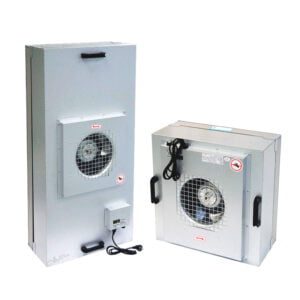
Sytuację pogarsza wysokość sufitu. Zakłady produkujące baterie zazwyczaj wymagają wolnej przestrzeni pod sufitem w zakresie 22–24 ft, aby pomieścić duże urządzenia technologiczne, a ta pionowa objętość znacząco wpływa na zachowanie powietrza nawiewanego. W instalacjach o wysokich sufitach powietrze dostarczane z montowanych na suficie wentylatorów z filtrami lub komór nawiewnych pokonuje dłuższą drogę, zanim dotrze do strefy roboczej, co zwiększa ryzyko jego odchylania, rozrzedzania lub stratyfikacji termicznej przez wywiewane powietrze z urządzeń, zanim dotrze do obszaru procesowego. Nie jest to problem, który można rozwiązać poprzez dodanie dodatkowych filtrów; wymaga to doboru wielkości systemu HVAC, który uwzględnia rzeczywistą wysokość sufitu oraz ilość ciepła odprowadzanego przez urządzenia jako współdziałające czynniki projektowe, a nie czynniki rozpatrywane sekwencyjnie.
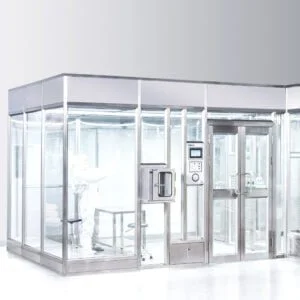
Konsekwencje tego pojawiają się na etapie walidacji procesu. Jeśli mapowanie temperatury przeprowadza się na poziomie pomieszczenia, a nie na wysokości procesu, w strefach w pobliżu linii powlekania lub układania w stosy mogą wystąpić lokalne odchylenia, które nigdy nie zostały uwzględnione w modelu systemu HVAC. Stwierdzenie tego podczas walidacji, a nie na etapie projektowania, oznacza albo zaakceptowanie ograniczonego zakresu pracy, albo konieczność ponownego rozważenia rozwiązań dotyczących dystrybucji powietrza — a oba te rozwiązania są droższe niż wcześniejsze rozwiązanie tej wzajemnej zależności. W przypadku modułowe pomieszczenia czyste W sytuacjach, w których układy sufitowe i rozmieszczenie modułów FFU są określane przed ostatecznym ustaleniem rozmieszczenia urządzeń, ustalenie kolejności wprowadzania danych dotyczących obciążenia cieplnego urządzeń przed zatwierdzeniem projektu instalacji HVAC stanowi prosty środek zapobiegawczy, który jest często pomijany.
Przepływ materiałów według stopnia zanieczyszczenia i stanu bezpieczeństwa
Projektowanie układu pomieszczeń czystych przeznaczonych dla akumulatorów i nowych źródeł energii musi rozwiązać problem klasyfikacji, który nie występuje w większości innych środowisk kontrolowanych: dostarczane surowce, proszki elektrod aktywnych, folie separacyjne, częściowo zmontowane ogniwa oraz gotowe moduły nie należą do tej samej kategorii zanieczyszczeń i bezpieczeństwa, a traktowanie ich jako jednego strumienia materiałów stwarza zarówno ryzyko zanieczyszczenia, jak i zagrożenie dla bezpieczeństwa.
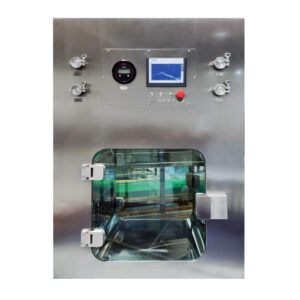
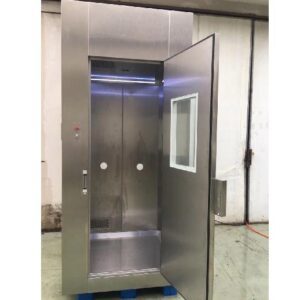
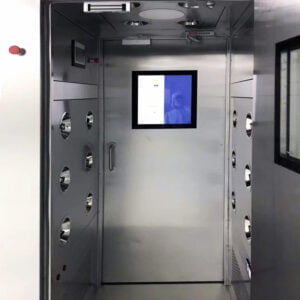
W praktyce oznacza to, że projekt komór wyrównawczych i przejść nie może zostać odłożony na późniejszy etap finalizacji układu bez wywarcia wpływu na inne decyzje. Liczba komór wyrównawczych, ich orientacja względem stref czystych i zanieczyszczonych oraz to, czy przejścia są dostosowane pod kątem komponentów, komórek czy podzespołów, determinują częstotliwość wchodzenia personelu — a częstotliwość ta ma bezpośredni wpływ na zapotrzebowanie na regenerację środka osuszającego, które musi zaspokoić system HVAC. Układ zoptymalizowany pod kątem efektywnego wykorzystania przestrzeni, ale bez uwzględnienia cykli wejść, może generować obciążenie związane z odzyskiem wilgoci, z którym system osuszający nie radzi sobie dobrze przy szczytowej przepustowości.
Oddzielanie dostarczanych proszków i materiałów foliowych od aktywnych zespołów ogniw oraz gotowych modułów – zarówno pod kątem stopnia zanieczyszczenia, jak i ryzyka bezpieczeństwa – wpływa również na częstotliwość dostępu do poszczególnych stref. Ograniczenie do minimum wchodzenia personelu do obszarów, w których znajdują się zmontowane ogniwa lub aktywne materiały elektrodowe, stanowi jednocześnie środek ograniczający zanieczyszczenie oraz środek bezpieczeństwa. Szklane panele ścienne, które umożliwiają kontrolę wzrokową bez fizycznego wchodzenia do środka, są jednym ze sposobów na zmniejszenie częstotliwości wchodzenia do wrażliwych stref bez ograniczania nadzoru — rozwiązanie to jest przydatne w praktyce, choć nie zastępuje sprawdzonej konstrukcji śluzy powietrznej tam, gdzie wejście jest rzeczywiście konieczne. Decyzja o tym, gdzie wyznaczyć granicę między strefami zanieczyszczenia, powinna zostać podjęta na podstawie modelowania przepustowości, a nie po ustaleniu rozmieszczenia sprzętu.
Zakres dostawy w zakresie interfejsów wentylacyjnych i bezpieczeństwa w systemach HVAC
Niejasność co do zakresu prac, która najczęściej powoduje ryzyko związane z kosztami i harmonogramem przy zamówieniach dotyczących czystych pomieszczeń do produkcji akumulatorów, dotyczy tego, kto jest właścicielem systemu kontroli wilgotności, koordynacji wentylacji wywiewnej oraz interfejsów bezpieczeństwa. Elementy te są ze sobą technicznie powiązane — osuszacze adsorpcyjne są podłączone do obiegu systemu HVAC, instalacja wyciągowa wpływa na równowagę ciśnienia w pomieszczeniu, a przeciwwybuchowe systemy bezpieczeństwa wymagają koordynacji interfejsów zarówno z budynkiem, jak i z urządzeniami technologicznymi — jednak we wczesnych ofertach są one często wymienione w sposób, który sprawia, że ich uwzględnienie pozostaje naprawdę niejasne.
Dostawca oferujący rozwiązanie „pod klucz” może uwzględniać w podstawowym zakresie prac wykonanie instalacji mechanicznych, elektrycznych i sanitarnych (MEP), prace konstrukcyjne oraz instalację mediów, jednak takie ujęcie nie rozstrzyga automatycznie, czy osuszacz adsorpcyjny jest elementem dostarczanym przez dostawcę, czy też przez zamawiającego, ani czy systemy wentylacji awaryjnej i wykrywania gazu wchodzą w zakres kompetencji projektowych dostawcy. Gdy kwestie te pozostają otwarte aż do etapu szczegółowego projektowania technicznego, nabywca często ponosi zarówno różnicę w kosztach, jak i obciążenie związane z koordynacją na etapie projektu, na którym zmiana projektu jest kosztowna, a relacje z podwykonawcami są już nawiązane.
| Obszar objętości | Co należy potwierdzić | Dlaczego to ma znaczenie |
|---|---|---|
| Instalacje techniczne i użytkowe, instalacje mechaniczne, elektryczne i sanitarne (MEP), konstrukcje budowlane | Dostawca rozwiązań „pod klucz” wyraźnie uwzględnia instalacje techniczne budynków oraz konstrukcję jako część podstawowego zakresu prac | Określa podstawowe oczekiwania; brakujące elementy stają się kosztem dla kupującego i obciążeniem związanym z koordynacją |
| Osuszacze z pochłaniaczem wilgoci, filtracja HEPA, system HVAC z obiegiem zamkniętym | W zakresie dostawy określono, czy elementy te są wliczone w dostawę, czy też stanowią własność kupującego | Zapobiega kosztownym zaniedbaniom; systemy te są niezbędne do kontroli wilgotności i stężenia cząstek stałych |
| Integracja systemów bezpieczeństwa (oświetlenie przeciwwybuchowe, wykrywanie gazu, wentylacja awaryjna) | Wyjaśniono kwestię włączenia do grona dostawców w celu spełnienia norm OSHA i NFPA | Zapewnia zgodność z przepisami oraz bezpieczeństwo pracowników bez konieczności późniejszych modernizacji |
| Własne projekty i rysunki (plany pomieszczeń, widoki elewacji ścian, rozplanowanie sufitów) | W ramach projektu dostawca zapewnia kompletny pakiet projektowy | Zapewnia zgodność ze specyfikacjami, płynny przebieg prac budowlanych oraz mniejszą liczbę szczelin na styku elementów |
Sprawdzenie to jest proste: przed wystawieniem zamówień należy upewnić się, że dokument określający zakres prac wyraźnie wymienia osuszacze adsorpcyjne, konfigurację systemu HVAC w obiegu zamkniętym oraz integrację systemu bezpieczeństwa jako elementy wchodzące w skład dostawy lub dostarczane przez zamawiającego — a nie jako elementy domyślne. Dostarczone przez dostawcę własne rysunki projektowe, w tym plany pomieszczeń, widoki elewacji ścian oraz plany sufitów, stanowią powiązany element zakresu, który warto potwierdzić oddzielnie, ponieważ dostawca, który opracowuje własną dokumentację projektową, jest również stroną odpowiedzialną za luki w połączeniach między systemami architektonicznymi, mechanicznymi i bezpieczeństwa. Zespoły ds. zamówień, które traktują te rysunki jako element dostawy, a nie jako usługę opcjonalną, zazwyczaj wykrywają luki w zakresie wcześniej i przy niższych kosztach.
Kryteria akceptacji dotyczące użytkowania nowego pomieszczenia czystego w sektorze energetycznym
Testy odbiorcze pomieszczeń czystych przeznaczonych do zastosowań związanych z akumulatorami i nowymi źródłami energii wymagają szerszego zestawu kryteriów niż sama klasyfikacja cząstek zgodnie z normą ISO. Pomieszczenie musi wykazać się wydajnością przy wielu równoczesnych ograniczeniach — dotyczących wilgotności, temperatury, ciśnienia, przepływu powietrza oraz konstrukcji — a raport walidacyjny, który odnosi się wyłącznie do liczby cząstek, nie potwierdza, że pomieszczenie jest gotowe do produkcji. Co ważniejsze, nie potwierdza on, że pomieszczenie nadaje się do audytu, co ma znaczenie, gdy klient, organ regulacyjny lub wewnętrzny zespół ds. jakości potrzebuje udokumentowanego dowodu, że każdy kontrolowany parametr został zweryfikowany w warunkach eksploatacyjnych.
Test punktu rosy i stabilności wilgotności ma największe konsekwencje w przypadku niepowodzenia lub uzyskania wyników na granicy dopuszczalności. W przeciwieństwie do pomiaru liczby cząstek, który czasami można skorygować poprzez dostosowanie filtracji, wynik badania wilgotności wskazujący na niewystarczającą regenerację środka osuszającego w warunkach cyklicznego otwierania i zamykania drzwi wskazuje na niewystarczającą wydajność systemu HVAC — co stanowi trudniejszą i droższą korektę po zakończeniu montażu. Test ten należy przeprowadzać w warunkach odzwierciedlających rzeczywistą częstotliwość ruchu w hali produkcyjnej, a nie w warunkach minimalnego ruchu, które zaniżają rzeczywiste obciążenie związane z przenikaniem wilgoci.
| Kryterium akceptacji | Wymóg / Norma | Działanie walidacyjne |
|---|---|---|
| Punkt rosy / stabilność wilgotności | Poniżej 1% RH, punkt rosy –40°C | Ciągłe monitorowanie podczas testów w celu potwierdzenia stabilności podczas pracy |
| Liczba cząstek (zgodność z normą ISO) | Spełnia wymagania określonej klasy ISO | Zliczanie cząstek w określonych punktach zgodnie z protokołem ISO |
| Równomierność przepływu powietrza | Równomierny rozkład powietrza w strefach produkcyjnych | Mapowanie i weryfikacja prędkości przepływu powietrza |
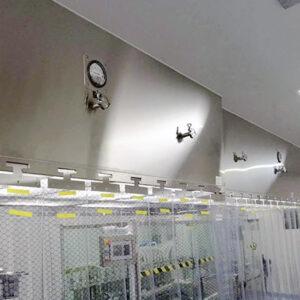
| Różnice ciśnień | Utrzymywanie kaskadowych spadków ciśnienia między strefami | Odczyty manometrów przy wszystkich kluczowych drzwiach i przejściach |
| Stałość temperatury | ±0,5°C w zakresie 20–25°C we wszystkich strefach | Wielopunktowe rejestrowanie temperatury w każdym obszarze produkcyjnym |
| Obciążenie użytkowe stropu przy ruchu pieszych | Certyfikat 35 funtów na stopę kwadratową | Badanie obciążeniowe konstrukcji lub zatwierdzenie techniczne dotyczące dostępu w celu przeprowadzenia konserwacji |
| Bezpieczeństwo przeciwpożarowe paneli ściennych | Zgodność z normą klasy A (ASTM E84) lub FM | Raporty z badań przeprowadzonych przez niezależne podmioty lub certyfikaty potwierdzające właściwości ogniowe |
| Pełny raport z walidacji | Udokumentowane dowody gotowe do kontroli i przekazania | Raport sporządzony po zakończeniu wszystkich badań, zawierający podsumowanie wyników oraz informacje o zgodności z wymogami |
Dwa kryteria konstrukcyjne wymagają szczególnego potwierdzenia już na etapie zamówienia, a nie dopiero podczas montażu: nośność sufitu przystosowanego do chodzenia po nim — wartość 35 funtów na stopę kwadratową jest stosowana w praktyce dotyczącej pomieszczeń czystych z bateriami w celu certyfikacji dostępu konserwacyjnego — oraz klasyfikacja przeciwpożarowa paneli ściennych. Zgodność z normą ASTM E84 klasa A oraz certyfikatem FM stanowią obowiązujące ramy testowe w zakresie odporności ogniowej; nie są to przepisy specyficzne dla pomieszczeń czystych, lecz wytyczne budowlane i przeciwpożarowe, które określają, które produkty panelowe kwalifikują się do zastosowania oraz jaką dokumentację należy dołączyć do projektu. W przypadku klasyfikacji liczby cząstek norma ISO 14644-1 określa protokół badań oraz progi klasyfikacyjne, na podstawie których ocenia się wyniki pomiarów. Pełny raport walidacyjny, który konsoliduje wyniki we wszystkich kryteriach — wilgotności, cząstek, przepływu powietrza, ciśnienia, temperatury, konstrukcji i bezpieczeństwa przeciwpożarowego — stanowi udokumentowaną podstawę, która pozwala na uzasadnienie przekazania obiektu, zatwierdzenia uruchomienia oraz przyszłych audytów.
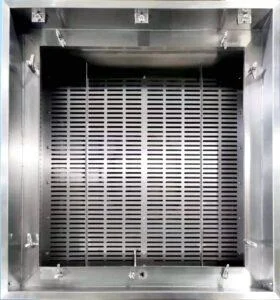
Dla nabywców określających jednostki filtrujące wentylatora W ramach systemu filtracji sufitowej szczególnie ważne jest, aby upewnić się, że badania równomierności przepływu powietrza obejmują całą strefę produkcyjną — a nie tylko obszary centralne — zwłaszcza w instalacjach o wysokich sufitach, gdzie rozkład powietrza w pobliżu obrzeży lub nad urządzeniami technologicznymi może różnić się od prognoz dotyczących środkowej części pomieszczenia. Szczegółowe wytyczne dotyczące projektowania przepływu powietrza oraz wymagań dotyczących systemów HVAC w celu zapewnienia zgodności z klasyfikacją ISO zostały omówione w Modułowe projektowanie przepływu powietrza w pomieszczeniach czystych oraz wymagania dotyczące systemów wentylacyjno-klimatyzacyjnych.
Praktyczna ocena przedzamówieniowa dotycząca projektu pomieszczenia czystego zasilanego baterią lub nowymi źródłami energii sprowadza się do trzech pytań, na które należy odpowiedzieć przed ostatecznym ustaleniem zakresu projektu: Czy jako podstawową specyfikację wydajnościową określono kontrolę punktu rosy — a nie klasę ISO — oraz czy wydajność środka osuszającego została dobrana do tego progu przy realistycznych obciążeniach związanych z otwieraniem drzwi i wchodzeniem personelu? Czy dokument określający zakres dostawy dostawcy jasno określa, które systemy kontroli wilgotności, wentylacji wywiewnej i bezpieczeństwa są uwzględnione, tak aby ryzyko związane z kosztami i koordynacją zostało rozłożone przed rozpoczęciem szczegółowych prac inżynieryjnych? Czy plan testów odbiorczych wymaga walidacji w warunkach reprezentatywnych dla produkcji, w wyniku której powstaje raport obejmujący wszystkie kontrolowane parametry, a nie tylko te najłatwiejsze do przetestowania?
Pomieszczenie, które spełnia wymagania dotyczące klasyfikacji cząstek, ale nie jest w stanie utrzymać punktu rosy na poziomie –40°C w warunkach eksploatacyjnych, nie zostało oddane do użytku na potrzeby produkcji akumulatorów — zostało oddane do użytku z myślą o innym środowisku. Decyzje zapobiegające takiemu wynikowi podejmuje się na etapie przeglądu projektu i zamówień, a nie podczas montażu, a dokumentacja potwierdzająca te decyzje stanowi o technicznej wiarygodności przekazania obiektu.
Często zadawane pytania
Pytanie: Nasz zakład posiada już czystą salę farmaceutyczną — czy istniejącą infrastrukturę wentylacyjno-klimatyzacyjną można dostosować do potrzeb suchej komory akumulatorowej, czy też trzeba ją całkowicie wymienić?
O: Infrastruktura systemów HVAC stosowana w przemyśle farmaceutycznym prawie nigdy nie nadaje się bezpośrednio do wykorzystania w suchych pomieszczeniach do produkcji baterii i zazwyczaj wymaga wymiany lub znacznego rozbudowania równoległego. Przyczyna ma charakter architektoniczny: w farmaceutycznych pomieszczeniach czystych zanieczyszczenie cząstkami stałymi i mikroorganizmami kontroluje się za pomocą filtrowanego powietrza pod nadciśnieniem, podczas gdy suche pomieszczenia do produkcji baterii wymagają osuszania opartego na środkach osuszających, zdolnego do utrzymania punktu rosy na poziomie –40°C lub niższym. Są to różne typy systemów o odmiennych wymaganiach dotyczących czynnika chłodniczego, regeneracji i przewodów wentylacyjnych. Modernizacja pętli systemu HVAC w przemyśle farmaceutycznym w celu zapewnienia wydajności osuszania niezbędnej do kontroli wilgotności na poziomie wymaganym dla akumulatorów zazwyczaj wiąże się z wyższymi kosztami i zapewnia mniej niezawodne działanie niż zaprojektowanie dedykowanego systemu od samego początku, ponieważ te dwa cele regulacyjne nakładają na wspólną infrastrukturę sprzeczne wymagania dotyczące zarządzania przepływem powietrza i ciśnieniem.
Pytanie: Po pomyślnym przejściu testów odbiorczych przez modułowy pomieszczenie czyste, co należy zrobić przed rozpoczęciem pierwszej serii produkcyjnej?
O: Bezpośrednim kolejnym krokiem jest przebieg kwalifikacyjny odzwierciedlający warunki produkcyjne — a nie partia produkcyjna uruchamiana „na zimno”. Testy odbiorcze potwierdzają, że pomieszczenie spełnia określone parametry eksploatacyjne w kontrolowanych warunkach, ale nie sprawdzają, jak pomieszczenie reaguje na jednoczesne cykle otwierania i zamykania drzwi, pełne obciążenie cieplne sprzętu oraz szczytową częstotliwość wchodzenia personelu występujące jednocześnie. Przeprowadzenie symulowanej zmiany produkcyjnej z uwzględnieniem rzeczywistych wzorców ruchu osób oraz urządzeń technologicznych pracujących z pełnym obciążeniem, a następnie analiza czasu przywrócenia wilgotności, stabilności temperatury w pobliżu stref technologicznych oraz rejestrów różnic ciśnień, stanowi etap, który wypełnia lukę między pomieszczeniem poddanym walidacji a pomieszczeniem rzeczywiście gotowym do produkcji akumulatorów. Wszelkie odchylenia zidentyfikowane na tym etapie można jeszcze skorygować, zanim zagrożona zostanie wydajność produkcji i pojawią się straty materiałowe.
Pytanie: Przy jakiej wielkości produkcji lub wydajności rozwiązanie oparte na modułowych pomieszczeniach czystych przestaje być odpowiednim wyborem w porównaniu z obiektem zbudowanym metodą tradycyjną, zaprojektowanym specjalnie do tego celu?
O: Modułowe konfiguracje pomieszczeń czystych sprawdzają się przy wysokiej wydajności, o ile układ produkcyjny można z góry określić, a rozmieszczenie sprzętu ustalić przed zamocowaniem sufitu i systemów wentylacyjno-klimatyzacyjnych. Czynnikiem decydującym, który zazwyczaj skłania do wyboru konstrukcji budowanej na zamówienie, nie jest sama kubatura, lecz złożoność geometryczna. Gdy pojedyncza linia produkcyjna wymaga więcej niż jednej strefy wysokości sufitu, planów pięter o kształtach innych niż prostokątne, których nie da się złożyć ze standardowych modułów panelowych, lub obciążeń konstrukcyjnych przekraczających dopuszczalne wartości dla modułowych systemów panelowych, przewaga konstrukcji modułowej pod względem kosztów i harmonogramu ulega osłabieniu. W przypadku produkcji akumulatorów wymóg wysokości sufitu wynoszącej 22–24 ft dla wielkoformatowego sprzętu do powlekania stanowi specyficzny warunek, który warto ocenić na wczesnym etapie, ponieważ niektóre systemy modułowe obsługują ten zakres wysokości, a inne nie.
Pytanie: Jakie są różnice między zastosowaniem modułowego pomieszczenia czystego z twardymi ścianami a konfiguracją z miękkimi ścianami w przypadku powlekania elektrod akumulatorowych i montażu ogniw?
O: Konstrukcja modułowa typu „hardwall” stanowi właściwy wybór do powlekania elektrod i montażu ogniw, natomiast konfiguracje typu „softwall” nie nadają się do tych zastosowań. Głównym powodem jest szczelność. Systemy typu „softwall” wykorzystują elastyczne panele kurtynowe, które nie pozwalają na zastosowanie podwójnych uszczelek, automatycznych uszczelnień opadających ani mechanicznych elementów blokujących drzwi — czyli elementów uszczelniających, które umożliwiają kontrolę punktu rosy w temperaturze –40°C. Obudowa typu „softwall” nie zapewni różnicy ciśnień i odporności na infiltrację, od których zależy dobór wielkości pochłaniacza wilgoci. Oprócz szczelności panele typu „hardwall” mogą być dostosowane tak, aby spełniały wymagania przeciwpożarowe normy ASTM E84 klasy A lub FM, istotne w środowiskach, w których występują materiały elektrod litowych i zmontowane ogniwa, a których materiały typu „softwall” zazwyczaj nie są w stanie spełnić. W przypadku zastosowań związanych z nowymi źródłami energii, modułowe pomieszczenia czyste z twardymi ścianami powinno być traktowane jako standardowa specyfikacja, a nie opcja z wyższej półki.
Pytanie: Jeśli oferta dostawcy wydaje się obejmować zakres „pod klucz”, to jaki element najczęściej okazuje się, że musi zapewnić sam nabywca po rozpoczęciu szczegółowych prac projektowych?
O: Osuszacz adsorpcyjny jest urządzeniem, które najczęściej zostaje przeklasyfikowane z pozycji „w zestawie dostawcy” na „dostarczane przez zamawiającego” podczas analizy ofert „pod klucz” na etapie szczegółowego projektowania technicznego. Oferty, w których prace budowlane w zakresie instalacji mechanicznych, elektrycznych i sanitarnych (MEP) oraz instalacja systemów ogrzewania, wentylacji i klimatyzacji (HVAC) są opisane jako część zakresu dostawy, często oznaczają, że dostawca zajmie się podłączeniem i uruchomieniem urządzeń osuszających — jednak zakłada się, że same urządzenia zostaną zakupione i określone przez zamawiającego. Ponieważ dobór wydajności osuszacza sorpcyjnego jest bezpośrednio powiązany z częstotliwością otwierania drzwi, kubaturą pomieszczenia, obciążeniem infiltracyjnym otoczenia oraz docelową wartością punktu rosy, osuszacz pozyskany niezależnie, bez uwzględnienia tych danych przez projektanta pomieszczenia czystego, często okazuje się niedimenzowany. Potwierdzenie na piśmie, przed wystawieniem zamówień, że urządzenie osuszające jest elementem dostarczonym przez dostawcę i dobranym pod kątem obciążenia wilgotnościowego specyficznego dla danego projektu, jest jedynym wyjaśnieniem zakresu, którego nierozwiązanie ma największe konsekwencje finansowe w dalszej części procesu.